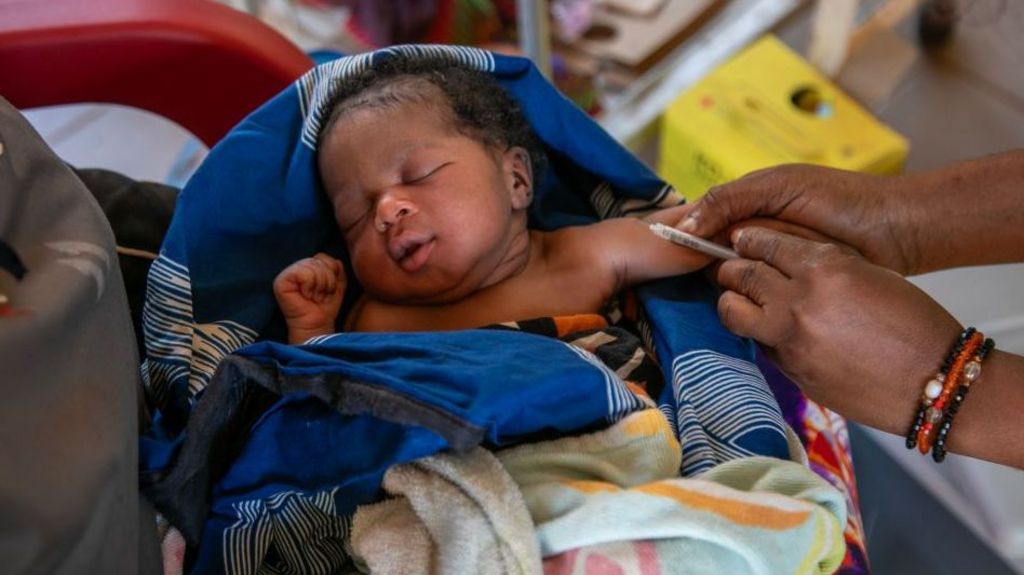
A deeply contentious proposed clinical trial focused on hepatitis B vaccination for newborns in Guinea-Bissau has been formally scrapped, following widespread global outcry that labeled the research design unethical and rooted in neocolonial exploitation of vulnerable African populations. The U.S.-backed study, overseen during the tenure of U.S. Health Secretary Robert F. Kennedy Jr.—a public figure with a well-documented history of public skepticism toward established vaccine safety protocols—drew fierce pushback from global health bodies and independent experts for its core planned methodology: half of the 14,000 enrolled newborns would be denied the birth-dose hepatitis B vaccine that the World Health Organization has formally recommended for all infants for decades. The research was set to be run by the long-operating Bandim Health Project, a Guinea-Bissau-based research initiative active since 1978, in partnership with the University of Southern Denmark (SDU), which received $1.6 million in Centers for Disease Control and Prevention (CDC) funding allocated in December 2025. Researchers behind the trial argued that since Guinea-Bissau currently only administers hepatitis B vaccinations to infants at six weeks old (a far less effective schedule than the WHO-recommended birth dose, with the government previously planning to roll out the birth dose nationwide in 2028), the country offered a rare, natural study setting to investigate potential non-infection-related broader mortality impacts of the birth dose, referencing earlier small-scale studies in the region that had raised unconfirmed questions about elevated post-vaccine mortality risks. Critics, however, uniformly rejected this justification. WHO’s in-country representative for Guinea-Bissau Walter Kazadi Mulombo noted that the hepatitis B birth dose has been safely deployed in over 115 countries for more than 30 years, and withholding this proven life-saving intervention from newborns in a nation where nearly 20% of the population lives with chronic hepatitis B infection—carrying a 25% long-term mortality risk for those infected in infancy via liver failure or liver cancer—constituted a clear violation of global research ethics standards. Duke University global health expert Dr. Gavin Yamey went further, framing the proposal as a textbook example of neocolonial research practice, noting that no such study would ever be permitted to deny a WHO-recommended vaccine to newborn populations in high-income nations such as Denmark, the home base of the lead research team. The controversy escalated sharply after Guinea-Bissau’s health ministry issued a formal ban on all hepatitis B pediatric trials back in January, requesting support from the Africa Centres for Disease Control and Prevention to conduct a full ethical review of the proposed study, only to discover later via international media reports that the research team claimed to have secured local ethical approval to move forward, a claim Health Minister Quinhin Nantote explicitly refuted. Nantote stated that neither he nor any senior domestic health authority had been notified of the purported approval, describing the uncoordinated move as an outrageous violation of national sovereignty. On 19 October, Guinea-Bissau’s Judicial Police executed a search warrant at the Bandim Health Project’s Bissau headquarters, seizing an unspecified batch of hepatitis B vaccines, with officials clarifying that the seizure did not imply the vaccines themselves were defective, but was part of an ongoing open investigation into the circumstances surrounding the unapproved research plans. SDU leadership maintained that the trial never recruited any infants or administered any study-related doses, and that the university’s internal ethics committee had signed off on the protocol, even as they acknowledged full, formal authorization from Guinea-Bissau’s national authorities was a required precondition to launch. The funding for the now-canceled trial emerged amid sweeping, contentious changes to U.S. national vaccine policy under the second Trump administration, where Kennedy’s health agency had attempted to roll back the longstanding U.S. recommendation for universal newborn hepatitis B birth doses, a move that was later blocked by a federal court. While no concrete evidence has emerged to prove the trial was explicitly designed to generate data supporting that U.S. policy rollback, critics have highlighted Kennedy’s public praise for the Danish research team as “deities of vaccine research” and his past use of their earlier, unconfirmed preliminary findings to justify his longstanding anti-vaccine-safety stances, even though a follow-up study by the same research group failed to validate those earlier preliminary risk claims. The WHO and Guinea-Bissau’s national health authorities have since accelerated plans to roll out the WHO-recommended universal newborn hepatitis B birth dose as early as the first quarter of next year, years ahead of the original 2028 timeline.