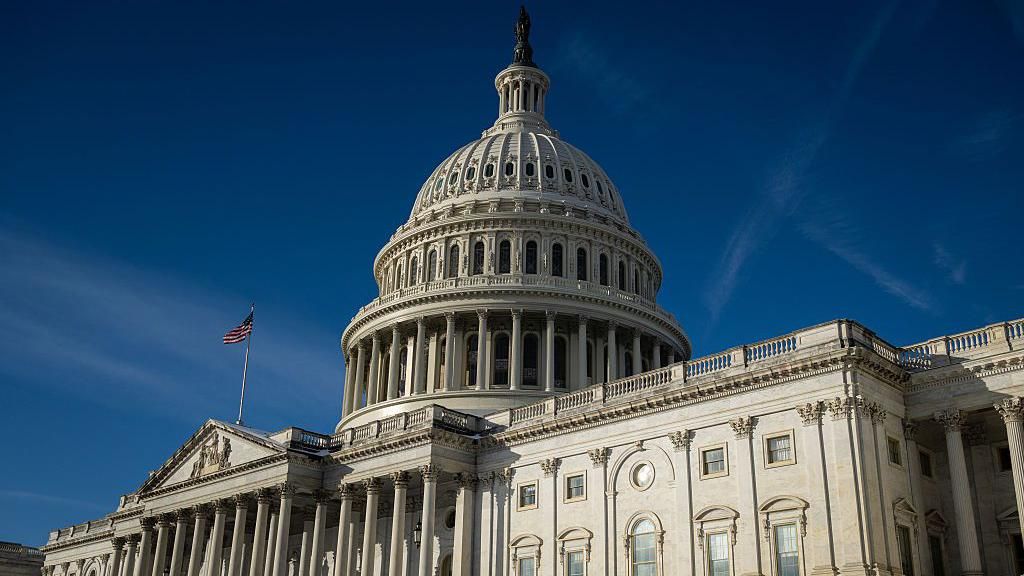
After weeks of stalled negotiations over a long-term renewal of the U.S. government’s top foreign surveillance authority, Congress has approved a last-minute 10-day extension of the Foreign Intelligence Surveillance Act (FISA) to avert an imminent expiration, leaving core debates over surveillance policy and civil liberties unresolved. Enacted in 1978, FISA laid the foundational framework for regulating foreign intelligence gathering activities conducted by U.S. agencies, requiring oversight from a dedicated judicial body and compelling cooperation from domestic telecommunications providers. The law operated largely without public controversy for decades, but its addition of Section 702 in 2008 transformed it into a flashpoint for bipartisan criticism over the expansion of domestic warrantless data collection. Section 702 grants the National Security Agency (NSA) explicit authority to collect electronic communications of non-American citizens located outside the United States, but critics have long highlighted that the provision also allows agencies to incidentally sweep up vast volumes of personal data belonging to U.S. citizens who communicate with targeted foreign individuals. The American Civil Liberties Union (ACLU) has emerged as a leading critic of the policy, arguing that Section 702 enables mass, unwarranted surveillance of all forms of digital communication, and that improperly collected data is often used to prosecute individuals for crimes entirely unrelated to national security. Supporters of the provision, including senior national security and law enforcement officials, defend it as an irreplaceable tool for counterterrorism, counterespionage, and transnational crime enforcement. They contend that requiring case-by-case warrants for every data query would slow critical investigations, hinder efforts to identify potential threats and victims, and drastically reduce operational efficiency. Recent attempts to pass a five-year reauthorization of the existing law failed in the House of Representatives, split over demands from cross-party reform lawmakers to close the so-called “backdoor search” loophole that allows agencies to query already-collected U.S. person data without a warrant. With the original law set to expire on Monday, both the House and Senate voted unanimously on Friday to extend the statute through April 30, buying additional time for negotiations between lawmakers and the Trump White House. The Trump administration has taken a contradictory position on FISA reform: President Trump has repeatedly claimed he was the victim of unlawful FISA abuse during his 2016 and 2020 presidential campaigns, but in recent days he has reversed his earlier skepticism and pressed congressional Republicans to support an 18-month, reform-free extension of the law. Trump argued that Section 702 is critical to U.S. military operations, particularly following recent American actions in Venezuela and Iran, and posted on social media that he would willingly sacrifice his own civil liberties to support the policy. Bipartisan opposition to the administration’s demand remains solid, however, with lawmakers from both major parties rejecting a clean extension on the grounds that it would codify indefinite warrantless surveillance of U.S. citizens. Senate Majority Leader John Thune has acknowledged that reform is on the table during ongoing negotiations, but has declined to offer concrete guarantees that changes to the surveillance provisions will be included in the eventual long-term extension bill.
What is the Fisa law Trump wants extended and why are lawmakers resisting?