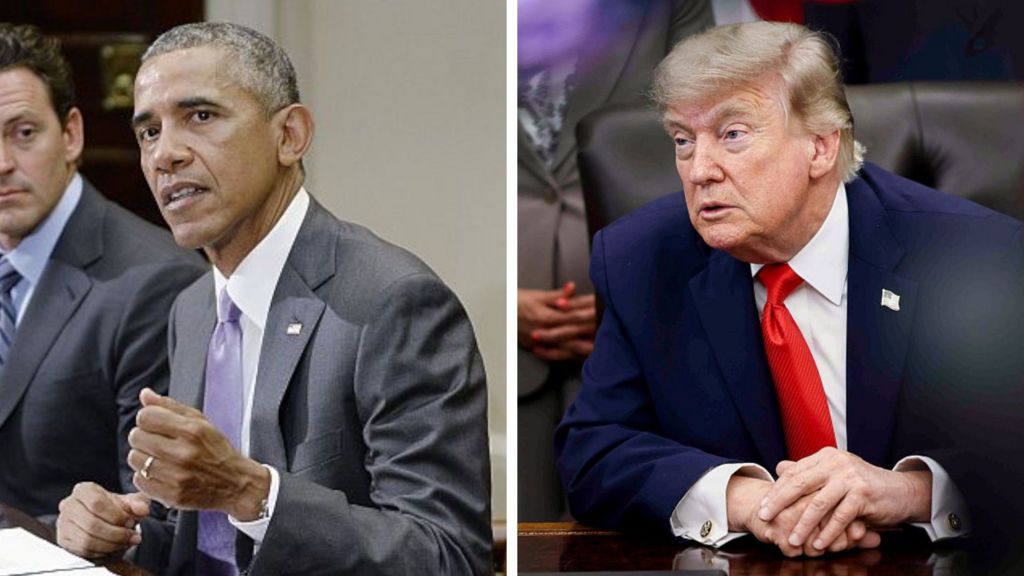
For decades, Iran’s nuclear program and regional geopolitical role have stood as one of the most intractable foreign policy challenges for successive U.S. administrations. When comparing the tenures of former presidents Barack Obama and Donald Trump, their strategies toward Iran could hardly be more distinct – differences that have reshaped regional dynamics and set the stage for Trump’s current push for a new negotiated agreement, according to BBC senior White House correspondent Gary O’Donoghue’s analysis.
The Obama administration centered its Iran strategy on diplomatic engagement, culminating in the 2015 Joint Comprehensive Plan of Action (JCPOA), a multilateral nuclear deal reached alongside China, France, Germany, Russia, the United Kingdom, and the European Union. Under the terms of the agreement, Iran agreed to severely roll back its nuclear enrichment activities and accept rigorous international inspections in exchange for the lifting of crippling economic sanctions that had crippled Iran’s economy for years. Obama framed the deal as a pragmatic, long-term solution that prevented Iran from developing a nuclear weapon and reduced the risk of a broader military conflict in the Middle East through diplomatic dialogue rather than confrontation.
In stark contrast, Trump adopted a maximalist pressure campaign from the moment he took office, repeatedly denouncing the JCPOA as the “worst deal ever negotiated” by the United States. In 2018, his administration made the controversial decision to unilaterally withdraw from the multilateral agreement, ignoring widespread international objections from other signatory powers. Following the withdrawal, Trump reimposed all previously lifted U.S. sanctions on Iran and expanded them further in a policy dubbed “maximum pressure,” designed to force Iran back to the negotiating table with stricter terms. The campaign pushed Iran’s economy into a deep recession, sent inflation soaring, and gradually led the country to begin violating key nuclear limits of the original deal in subsequent years.
Now, as Trump promotes plans for a new comprehensive peace deal with Iran, observers are continuing to unpack how his confrontational, sanctions-first approach fundamentally altered the trajectory of U.S.-Iran relations that Obama worked to establish through diplomatic compromise. While Obama prioritized incremental confidence-building through multilateral cooperation, Trump’s strategy relied on unilateral economic coercion to force Tehran to accept a new agreement that addresses not just Iran’s nuclear program, but also its ballistic missile development and regional military support for allied armed groups across the Middle East – priorities the original JCPOA did not cover.