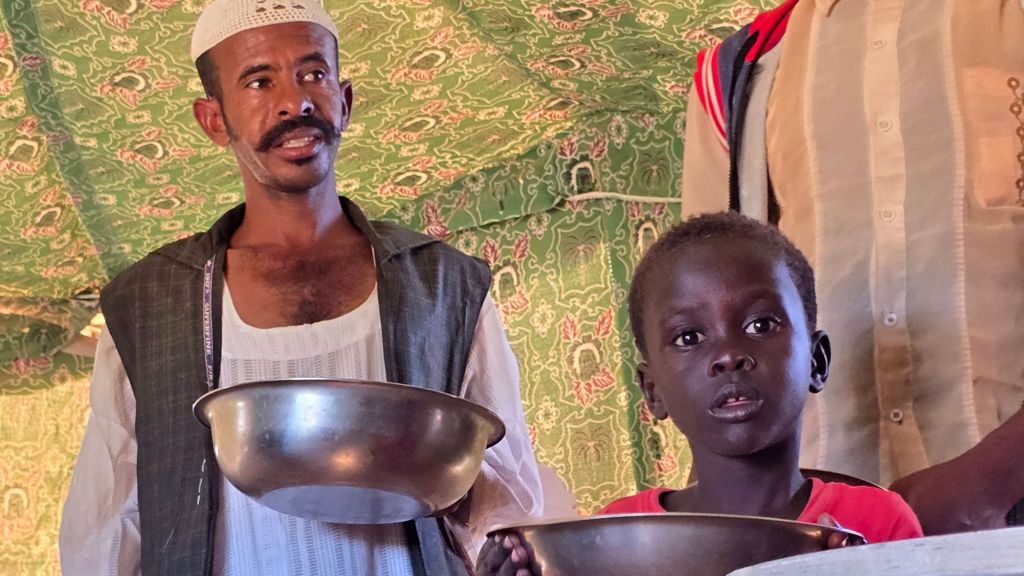
A coalition of 31 nations led by the United States, including the European Union member states, the United Kingdom, Canada, Switzerland, and Norway, has issued a stark joint statement flagging a catastrophic, rapid decline in food security across war-torn Sudan, as the 18-month long civil war pushes millions to the brink of famine. Published simultaneously via the U.S. State Department and the European Civil Protection and Humanitarian Aid Operations platform on Monday, the communiqué places full accountability for the unfolding crisis on the two warring factions – the Sudanese Armed Forces and the rival Rapid Support Forces paramilitary – calling on them to immediately dismantle all barriers blocking life-saving humanitarian supplies from reaching vulnerable communities. The statement outlines that active conflict remains the primary catalyst for the country’s hunger emergency, as repeated combat operations have destroyed critical agricultural infrastructure, disrupted seasonal food production cycles, and left vast swathes of the population cut off from basic sustenance. Compounding the conflict-driven strain, the El Niño weather pattern has drastically reduced rainfall across over half of Sudan’s territory, triggering prolonged drought conditions that have decimated local harvests and livestock herds. Current data shows a staggering 19.5 million Sudanese residents, equal to 41% of the country’s total population, are now grappling with severe acute food insecurity, with 5 million of those people already facing life-threatening emergency levels of hunger. Without immediate, unobstructed aid access, the coalition warns the number of children suffering from life-threatening severe acute malnutrition will surpass the already dire projected figure of 825,000. On-the-ground accounts from humanitarian workers paint an even grimmer picture: Yusuf Roble, East Africa Regional Director for Islamic Relief, shared firsthand observations from Omdurman, where displaced families returning to their neighborhoods find their homes completely destroyed or systematically looted, with almost no remaining personal property or food reserves to survive on. Roble recalled meeting a mother of seven who has not heard from her sole breadwinner husband for three and a half years, leaving her entirely dependent on underfunded community meal programs that face imminent shutdown due to sweeping international aid budget cuts. As of September, only 40% of the funding required to deliver on Sudan’s 2026 humanitarian response plan has been secured, even as the World Health Organization formally classifies the situation in Sudan as the world’s worst ongoing humanitarian crisis, with more than 33 million people in need of urgent life-saving support. Since the civil war erupted in April 2023 following a violent power struggle between the two rival military factions, over 14 million people have been internally displaced or forced to flee across national borders. The latest June assessment from the UN-backed Integrated Food Security Phase Classification, the global standard for measuring food crisis severity, previously documented 5.1 million Sudanese people facing extreme acute hunger, a figure that has surged exponentially in the months since due to ongoing aid blockages.