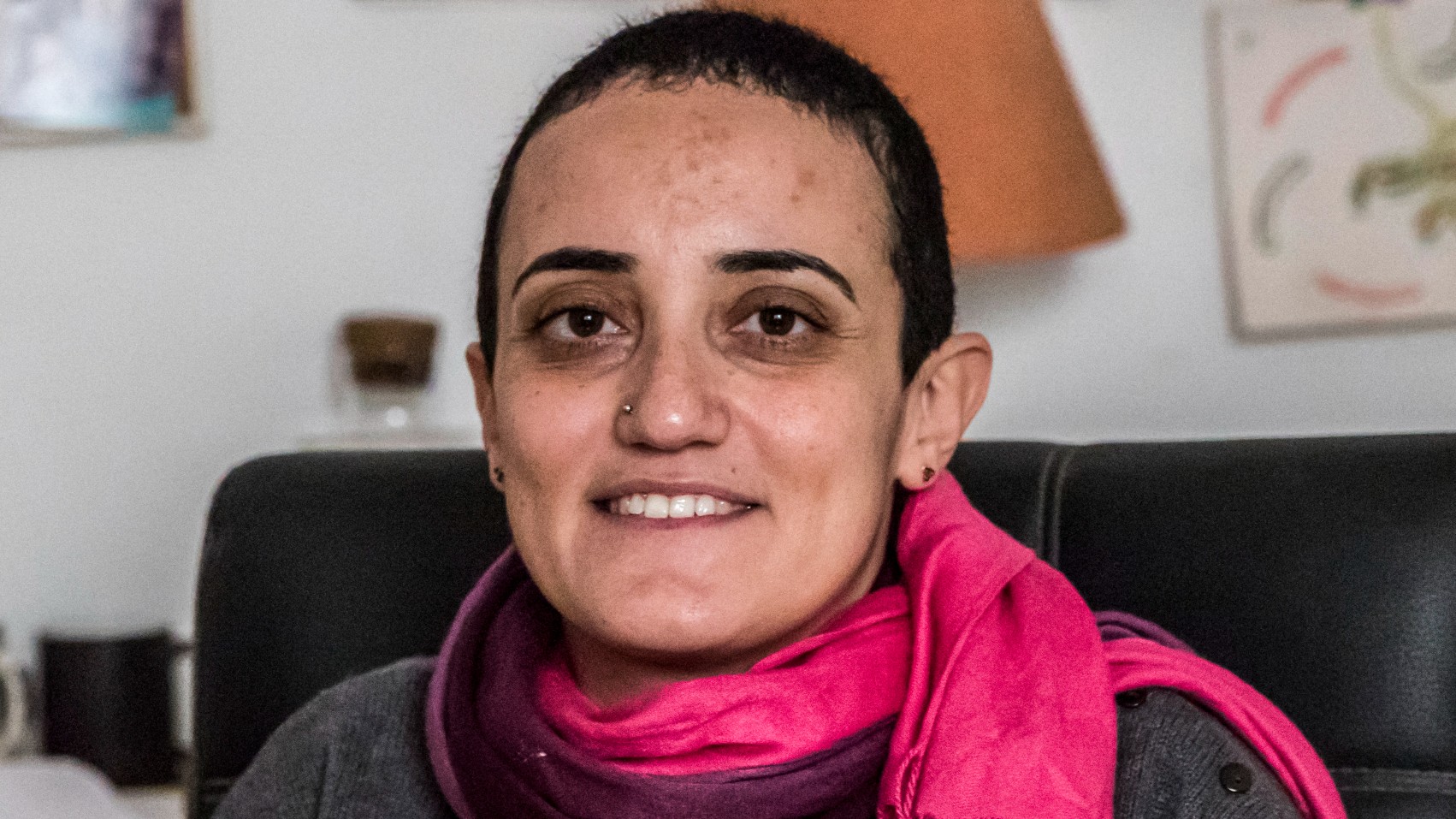
In a dramatic and widely condemned turn of events at a New Cairo courthouse on Tuesday, plainclothes security personnel physically lifted veteran independent journalist Lina Attalah off the courtroom floor and escorted her out immediately after a local judge handed down a sweeping punitive verdict against her and her award-winning news outlet Mada Masr. The Cairo-based independent media organization confirmed in a public statement that Attalah, its long-serving editor-in-chief, remained in custody at the courthouse grounds through the afternoon following the ruling.
Presided over by Judge Mohamed Mubarak of the New Cairo Misdemeanour Court’s ninth circuit, the hearing delivered the maximum statutory penalty for the charge of operating an unlicensed website: a 3 million Egyptian pound fine (equivalent to roughly $53,500), a full operational shutdown of the Mada Masr platform, and the full confiscation of all the outlet’s physical and digital assets. This outcome marks the harshest legal blow the publication has faced across six consecutive years of targeted legal proceedings, at a time when Egypt under President Abdel Fattah el-Sisi’s administration maintains one of the most restrictive operating environments for independent media in the region.
Witness accounts from Hossam Bahgat, executive director of leading Egyptian rights group Egyptian Initiative for Personal Rights, who was present for the full hearing, painted a picture of deeply irregular judicial process. Following deliberations, Judge Mubarak ordered all non-parties cleared from the courtroom, leaving only Attalah and her legal team behind, before plainclothes security guards and representatives of Egypt’s National Security Agency entered the chamber. The judge, accompanied by a representative from the Supreme State Security Prosecution, rejected every procedural motion submitted by the defense, including requests to submit supporting documentary evidence and call witness testimony. In protest, the defense team declined to enter an official plea, a position the court refused to accommodate.
In a move that stunned all remaining attendees, the judge then summoned a defense lawyer with no prior connection to Attalah’s case, and formally appointed the unknown individual to represent her against the explicit wishes of her eight-person legal team. When Attalah formally rejected the court-appointed counsel and her legal team filed an official objection, the judge refused to log the protest in the official court record. Bahgat further confirmed that the judge himself drafted official motions attributed to the newly appointed lawyer, who had not uttered a single word during the proceedings, before the verdict was read aloud over loud, sustained objections from the original defense team.
Global media freedom watchdog the Committee to Protect Journalists (CPJ) immediately denounced the ruling as a deliberate attack on free expression. “The conviction of Lina Attalah and the order to shut down Mada Masr represent a devastating blow to press freedom in Egypt and a direct message aimed at dismantling independent media in the country,” stated CPJ Middle East and North Africa Regional Director Sara Qudah. “Attalah and Mada Masr are among the most prominent voices in Egypt’s independent media landscape, providing critical reporting on issues of public interest that might otherwise go unreported. If Egypt can put in custody one of its most respected editors and shut down her newsroom, no independent journalist in the country is safe. Attalah must be released immediately, and Mada Masr must be allowed to keep reporting.”
Court documents show Attalah was first referred to trial under Case No. 9072/2026 on October 22, immediately following more than six hours of pre-trial questioning. While prosecutors initially interrogated her on separate charges of publishing false news tied to a Mada Masr investigation documenting nationwide prison protest movements, that accusation was ultimately dropped from the final charge sheet, and Attalah had been released on 100,000 Egyptian pounds (roughly $1,053) bail ahead of Tuesday’s verdict.
Founded by Attalah in 2013, Mada Masr has been formally blocked for access inside Egyptian territory since May 2017. After the passage of a national media regulatory law in 2018, the outlet submitted multiple formal applications for an operating license, but only learned that its application had been officially rejected in 2022, when Attalah was shown the rejection notice during questioning in an unrelated legal case. The Egyptian Journalists’ Syndicate, led by head Khaled al-Balshy, has repeatedly argued that licensing disputes of this nature fall under the purview of administrative courts, and that pursuing criminal prosecution against the outlet represents a misapplication of legal process.
Tuesday’s ruling is the sixth legal case targeting Mada Masr and its editorial staff over the past six years. Previous proceedings against the outlet include a 2019 raid on its Cairo offices that resulted in the brief detention of Attalah and multiple colleagues, 2022 charges against Attalah and three of her reporters for “offending” pro-government members of parliament, and an August 2025 summons for Attalah tied to a Mada Masr investigation into alleged human rights abuses at the Badr 3 maximum-security prison.
The verdict arrives less than one month after the September 28-29 arrest of six journalists working for independent investigative platform Matsadaash, a wave of detentions that prompted Mada Masr to collaborate with seven other regional Arab news outlets to launch a joint cross-border newsroom to fill the reporting gap left by the arrests, just hours before Attalah received her court summons. In the lead-up to Tuesday’s ruling, 119 independent human rights organizations and media institutions released a joint statement condemning what they described as an “unprecedented attack on press freedom” across Egypt. Human Rights Watch also noted that the ruling raised severe alarms about the Egyptian government’s routine use of licensing regulations as a tool to suppress independent critical reporting. Egypt currently ranks 169th out of 180 countries in Reporters Without Borders’ 2026 World Press Freedom Index, with the organization noting that despite a handful of high-profile prisoner releases including that of prominent writer and activist Alaa Abd el-Fattah, the country remains one of the world’s largest jailers of working journalists.
Egypt jails Mada Masr editor and orders outlet closed