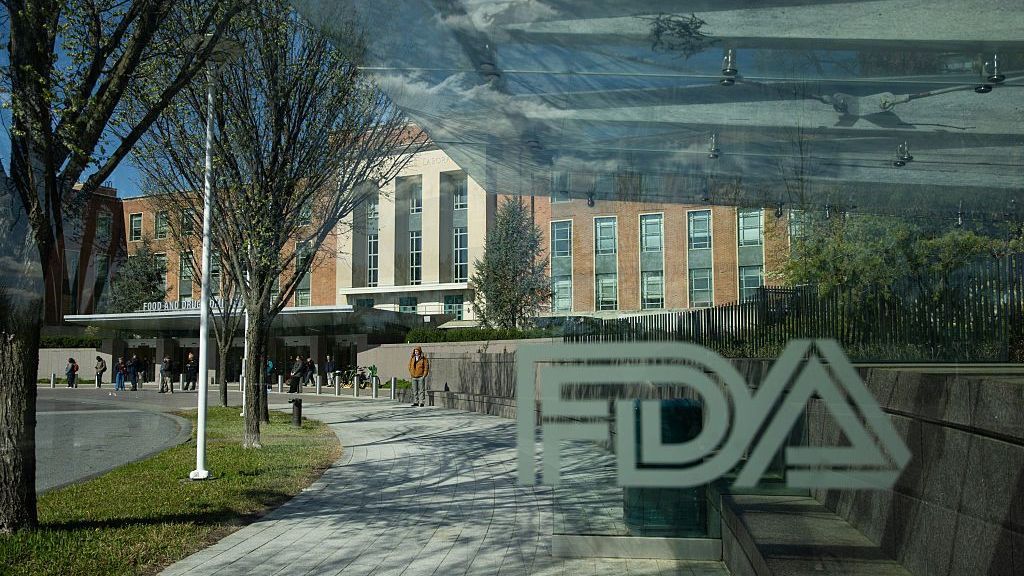
In a landmark step forward for cancer care, the U.S. Food and Drug Administration (FDA) has greenlit a new targeted treatment for pancreatic cancer, one of the most lethal forms of the disease globally, after clinical data demonstrated it nearly doubles the average overall survival time for patients.
Developed by biotech firm Revolution Medicines, the treatment, generically named daraxonrasib and sold under the brand name Rasonque, is being hailed as a long-awaited breakthrough for a cancer that has defied effective treatment for decades. Results from a late-stage clinical trial involving 500 pancreatic cancer patients revealed that participants who took the daily oral pill achieved a median overall survival of 13.2 months, compared to just 6.6 months for patients treated with standard chemotherapy.
Unlike traditional chemotherapy that attacks both cancerous and healthy cells, daraxonrasib works through targeted precision: it binds to and inactivates the mutated KRAS gene, a genetic driver that fuels uncontrolled tumor growth. This specific mutation is present in more than 90% of all pancreatic tumors, making the treatment widely applicable for the most common form of the disease.
Pancreatic cancer remains one of the deadliest major cancers, with grim statistics underscoring the urgent need for new treatment options. The American Cancer Society reports roughly 67,000 new cases are diagnosed in the U.S. each year, and the cancer carries the highest mortality rate among all common malignancies. Most cases are detected at an advanced stage after the cancer has already spread, and more than half of patients die within three months of receiving a diagnosis.
The path to approval was accelerated due to the urgent unmet medical need for effective pancreatic cancer treatments. In 2025, the FDA awarded daraxonrasib a “Breakthrough Therapy” designation, a special status that streamlines review for treatments targeting serious, life-threatening conditions. The agency ultimately issued its approval six months ahead of its original regulatory deadline, a decision driven by the treatment’s unmatched trial results.
Angelo de Claro, director of the FDA’s Oncology Center of Excellence, emphasized the transformative potential of the new approval, noting the drug “showed unprecedented results in an area of high unmet need.” The FDA itself described the treatment as a “critical new option for patients facing an extraordinarily difficult and historically hard-to-treat cancer.”
Data on side effects also show the new treatment is better tolerated than traditional chemotherapy. While common adverse reactions include rash, diarrhea, nausea, fatigue and vomiting, the rate of severe side effects was 44% for patients taking daraxonrasib, compared to 57.5% for those on chemotherapy. High-profile patient outcomes have also highlighted the drug’s promise: former U.S. Senator Ben Sasse, who announced a Stage 4 pancreatic cancer diagnosis in December, is currently enrolled in the clinical trial and has confirmed the treatment has reduced the size of his tumors.
This approval marks a turning point in pancreatic cancer care, opening a new door of hope for thousands of patients facing a diagnosis that has long carried very poor prognoses.