After months of widespread evacuation and downsizing triggered by escalated military conflict against Iran, the Trump administration has initiated the process of returning US diplomatic personnel to key embassy and consulate posts across the Middle East, multiple major media outlets have confirmed. This diplomatic shift signals a clear assessment by Washington that it does not expect an immediate resumption of large-scale intense warfare that forced the drawdown of US diplomatic presence across the region earlier this year.
According to a Tuesday report from Axios, Secretary of State Marco Rubio has informed foreign diplomatic counterparts that the US will refrain from launching new offensive strikes against Iran “for the time being”, and instead will prioritize ramping up punitive economic pressure on the Islamic Republic to advance its policy goals. For the hundreds of evacuated diplomatic personnel and their families, the decision brings an end to months of uncertainty that left them in administrative limbo while the White House weighed whether and how to restaff regional missions.
Many evacuated diplomats were forced to relocate back to the United States alongside their spouses and children, creating significant personal disruption as families prepared for the new academic year, unsure whether they would need to enroll children in US schools or arrange for schooling in the Middle East.
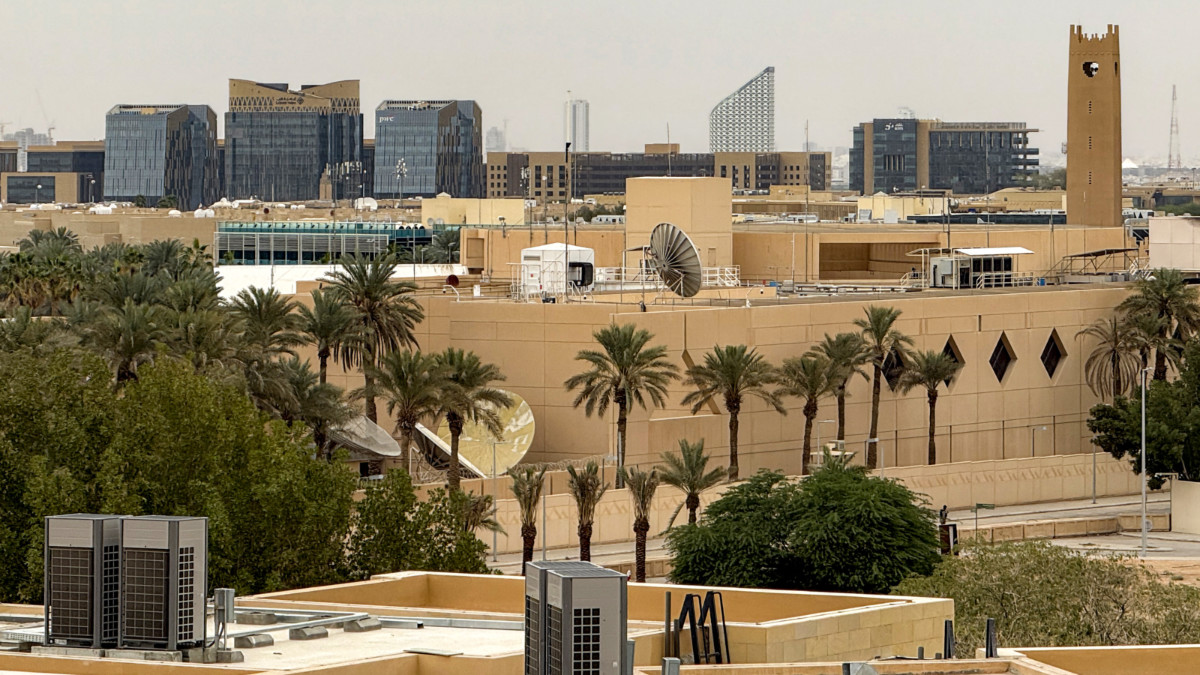
The New York Times reports that the facilities targeted for partial to full staffing restoration include diplomatic missions in Israel, Lebanon, Saudi Arabia, Qatar, Oman, Iraq and Kuwait, with the first wave of returning diplomats heading to the US Embassy in Beirut, Lebanon. Under the new staffing plan, diplomatic posts in the United Arab Emirates, Saudi Arabia, Qatar and Lebanon will cap personnel levels at 85% of their pre-evacuation strength, while missions in Iraq, Kuwait and Bahrain will operate at 75% capacity. Persistent security concerns have led the State Department to maintain existing restrictions on family members accompanying staff to Lebanon and Iraq, and to implement new limits on dependent travel to Gulf Cooperation Council states, reflecting ongoing US caution about regional security risks.
Tensions have remained elevated in the Gulf since the region came under heavy retaliatory missile and drone strikes from Iran following the joint US-Israeli offensive against the country. Smaller Gulf states including Kuwait and Bahrain have been identified as particularly vulnerable to cross-border attacks and retaliatory strikes.
Earlier this month, The Washington Post reported that the Trump administration is actively evaluating a full withdrawal of US military forces from the broader Gulf region, in response to repeated Iranian drone and missile attacks that have exposed security risks at large US military bases in the area. This ongoing review corroborates a June 2024 report from Middle East Eye, which cited multiple current and former US officials confirming that the war with Iran had forced Washington to undertake a fundamental reassessment of its decades-long military basing strategy across the Gulf.