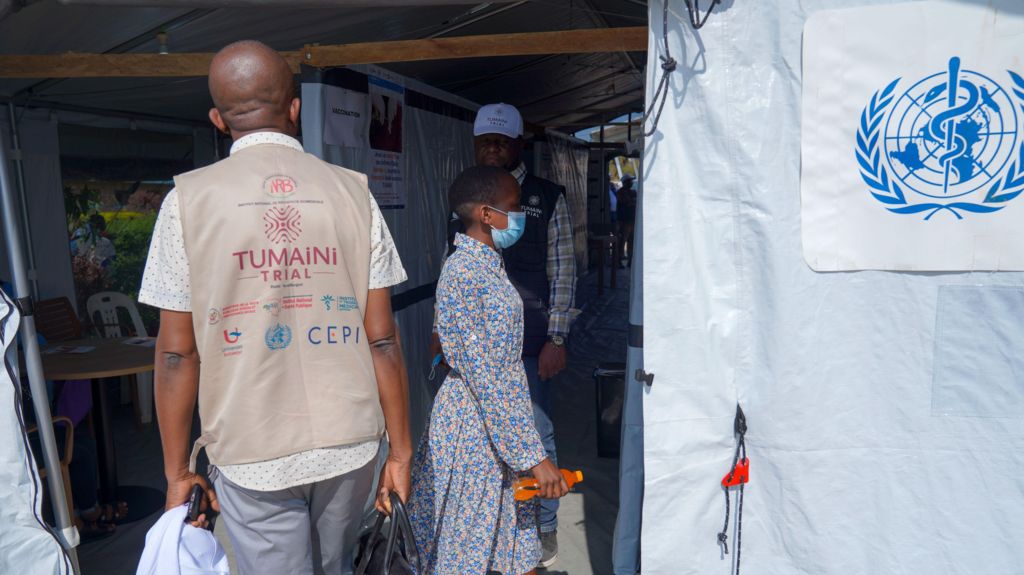
The UK government has officially verified that a British citizen currently located in the Democratic Republic of the Congo has tested positive for Ebola, marking the first recorded instance of a UK national contracting the virus during the country’s ongoing historic outbreak, which has already claimed over 5,000 lives.
Multiple UK government spokespersons emphasized that the nation has long-standing, rigorously tested protocols in place to manage such public health incidents, and all relevant response mechanisms have been formally activated. Officials reiterated that the overall risk to the general UK public remains extremely low, noting that imported Ebola cases are an extreme rarity in the country and have never resulted in a local fatality. Historical data shows only four confirmed Ebola cases have ever been documented in the UK: one 1976 infection linked to a laboratory accident, and three others involving frontline healthcare workers deployed to respond to the 2014-2015 West African Ebola epidemic.
While the UK Foreign, Commonwealth & Development Office declined to immediately confirm if the newly infected patient would be repatriated to the UK for specialized care, Reuters cited an internal government document to report that the patient is a frontline healthcare worker who will be transported back to Britain for treatment. This aligns with established precedent: in July, a UK resident exposed to Ebola in DR Congo was airlifted back to the UK for medical care, as were other infected British nationals in previous outbreak scenarios. Officials stated additional details will be released to the public only when they are appropriate and fully verified.
The ongoing DR Congo Ebola outbreak, which began in May, has now recorded more than 10,000 confirmed infections, making it the second deadliest Ebola outbreak ever documented globally, and the deadliest in the Central African nation’s history. As of the end of the previous month, the outbreak’s recorded fatality rate stood at 48.6%. Unlike the Zaire Ebola strain for which multiple approved vaccines exist, this ongoing outbreak is driven by the less common Bundibugyo variant, for which no licensed vaccine is currently available. Small clusters of linked cases have also been confirmed in neighboring regional nations including Kenya, Nigeria, and Uganda, raising cross-border public health vigilance across East and Central Africa. Ebola is a severe, often fatal viral disease that initially presents with non-specific symptoms including fever, vomiting and diarrhea, before progressing to life-threatening complications such as multi-organ failure and widespread internal bleeding. The virus spreads exclusively through direct contact with the bodily fluids of an infected symptomatic individual, including blood, vomit, and other secretions, making community transmission highly preventable with proper infection control protocols.
UK national tests positive for Ebola virus in DR Congo