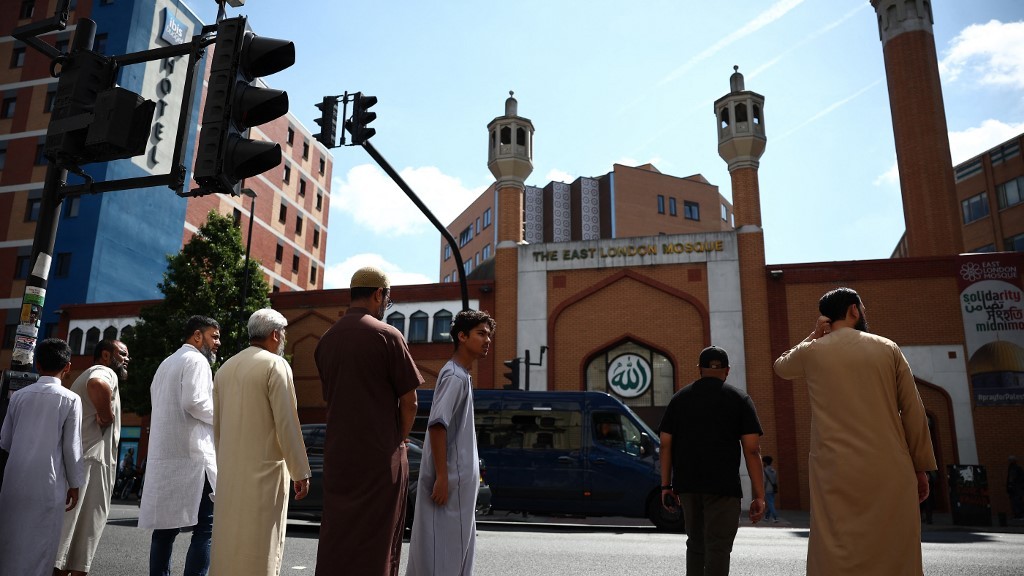
Fresh official monitoring data has uncovered a disturbing pattern of targeted violence and hostility against Muslim places of worship across the United Kingdom, with an average of one attack on a mosque recorded every five days over the past 12 months. The surge in anti-Muslim vitriol has sparked sharp criticism from Muslim community leaders, who argue the national government has failed to address the growing crisis with the urgency it demands.
The British Muslim Trust (BMT), the government’s official partner tasked with tracking and addressing anti-Muslim hatred, documented more than 70 separate attacks against mosques across the UK in the last year. These incidents span a wide spectrum of hate-fueled activity, ranging from physical violence, intimidation, and vandalism that damages community property, to in-person harassment, harmful hate speech, and sustained online abuse targeting worshippers and mosque leadership.
Geographic analysis of the data shows three regions bear the brunt of these attacks: London, Greater Manchester, and the West Midlands. London recorded nine distinct incidents targeting mosques, while one Birmingham-based mosque was attacked three separate times within a single 12-month window.
These localized attacks on places of worship align with broader national trends of rising anti-Muslim hostility. Official Home Office statistics confirm that recorded anti-Muslim hate crimes across England and Wales jumped 19% in the 12-month period ending March 2025. The total number of reported offences rose from 2,690 in the year ending March 2024 to 3,190 just one year later, marking one of the sharpest annual increases in recent years.
Akeela Ahmed, chief executive officer of the BMT, emphasized the steady upward trajectory of these attacks and called for more decisive government action. “We are seeing a steady rise in the number of attacks against mosques, and we believe the government should be doing everything it can to help mosques protect themselves,” Ahmed said.
In response to growing pressure, the UK government has committed up to £40 million (equivalent to $53 million) to fund security upgrades for mosques, Muslim faith schools, and Muslim community centers across the 2026-2027 funding cycle. Eligible sites can apply for grants to cover costs for critical security infrastructure including CCTV systems, intruder alarms, perimeter fencing, and on-site security personnel.
However, BMT leaders say the program has been crippled by systemic issues that leave vulnerable communities exposed. Bureaucratic red tape, unmotivated refusals of well-founded security concerns, and processing delays that can stretch as long as 18 months have left many at-risk sites without the protection they need. Current government guidance requires applicants to submit extensive, concrete evidence that they face an imminent threat to qualify for funding.
Ahmed argued that the requirement for specific threat evidence ignores the inherent risk Muslim places of worship face in the current hostile climate. “A mosque is vulnerable purely because it’s a mosque. Currently, they’re waiting for months while living in fear of another attack because of the backlog. In many cases, police aren’t even responding to low-level incidents, leaving people frightened and vulnerable,” she explained.
Ahmed’s warning comes on the heels of a string of high-profile, alarming incidents across the UK that underscore the growing threat. In Northern Ireland, anti-Islam activists constructed a replica mosque and placed it on a large loyalist bonfire in a deliberate act of provocation. Earlier this month, a 14-year-old boy appeared in court charged with offences linked to extreme right-wing terrorism after police uncovered an alleged plot to attack two mosques in south London.
Compounding these concerns, new joint research from the BMT and think tank British Future found that one in six British adults view the country’s growing Muslim population as a “foundational threat to UK culture”, reflecting the deep-seated anti-Muslim prejudice driving the rise in hate crime.