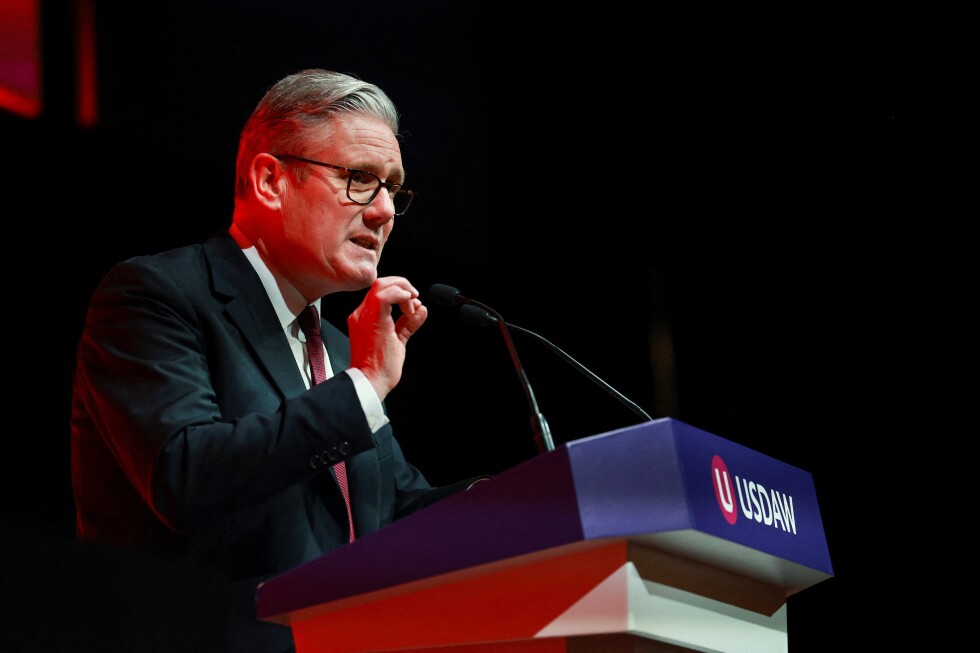
LONDON – British Prime Minister Keir Starmer is bracing for one of the most high-stakes political challenges of his young premiership this Tuesday, as a growing scandal over his ill-fated appointment of Peter Mandelson as UK ambassador to Washington moves to a full parliamentary vote. The opposition Conservative Party is pushing for an official investigation by parliament’s independent standards watchdog into Starmer’s handling of the deeply controversial nomination, a move that has amplified already fierce pressure on the prime minister just days ahead of crucial local and regional elections across the UK.
The day’s proceedings will kick off with a grilling of Morgan McSweeney, Starmer’s former chief of staff, before the House of Commons Foreign Affairs Committee. McSweeney, a protégé of Mandelson who stepped down from his senior role in February to take responsibility for the botched appointment, will face questions from legislators over how a politician long linked to disgraced convicted sex offender Jeffrey Epstein secured one of the UK’s most critical diplomatic postings, despite failing mandatory national security checks.
One of the most explosive claims committee members are expected to press McSweeney on comes from Olly Robbins, the former top civil servant at the UK Foreign Office. Robbins has alleged that senior members of Starmer’s Downing Street team pressured civil servants to rush through Mandelson’s security vetting and approval, in a bid to have him installed in Washington ahead of the planned start of U.S. President Donald Trump’s second term. Starmer has repeatedly denied these accusations, claiming no one in his office put improper pressure on the civil service to override security concerns.
The parliamentary showdown comes months after Starmer was forced to fire Mandelson from the ambassador post in September, when new unreported details of his long-standing personal friendship with Epstein emerged. Epstein, a notorious financier convicted of sex offenses, died in prison in 2019 while awaiting trial on additional charges. In a further blow to the government, police launched a formal investigation into Mandelson in February over allegations that he passed sensitive British government information to Epstein back in 2009, when Mandelson served as a senior Labour cabinet minister.
Following the revelations that Mandelson was approved for the ambassador role over the explicit formal recommendation of the UK government’s security vetting agency, Starmer moved to dismiss Robbins earlier this month. The prime minister has claimed it was “staggering” that Foreign Office officials failed to flag the outstanding security concerns about Mandelson to him before the appointment was finalized.
Critics across the political spectrum argue that Starmer’s original decision to appoint Mandelson is proof of deeply flawed judgment from a prime minister who has already been marked by a string of missteps, just months after his centre-left Labour Party won a landslide general election victory in July 2024. Starmer narrowly defused a major internal party crisis back in February, when a group of rebel Labour lawmakers publicly called on him to resign over the scandal. But his position could be further weakened if pre-election polling holds and Labour suffers heavy losses in the May 7 local and regional elections, which are widely viewed as a midterm referendum on Starmer’s new government.
It remains uncertain whether enough sitting Labour lawmakers will break ranks to vote with the Conservatives this Tuesday to send Starmer’s case to the powerful Parliamentary Privileges Committee. The committee holds the authority to suspend any member of parliament – including the sitting prime minister – for breaches of parliamentary rules, and a formal censure carries significant moral pressure that can force a leader out of office. The committee’s 2023 investigation into COVID-19 lockdown-breaking gatherings in Downing Street, known as the Partygate scandal, ultimately ended the political career of former Conservative Prime Minister Boris Johnson, who quit as a lawmaker after the committee found he had repeatedly misled parliament over the affair.
Conservative Party leader Kemi Badenoch has accused Starmer of “misleading the House of Commons repeatedly” when he claimed “full due process” was followed during Mandelson’s appointment. In a pre-vote response, a spokesperson for the prime minister’s office dismissed the vote as nothing more than “a desperate political stunt by the Conservative Party the week before the May elections.”