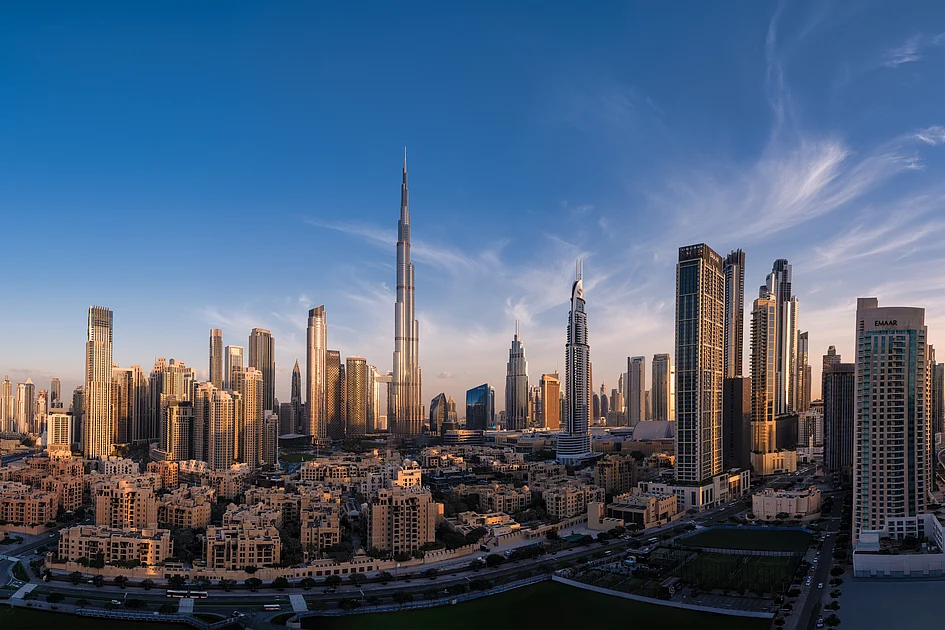
The United Arab Emirates’ real estate sector has undergone a significant transformation, evolving from mere lifestyle acquisition to a sophisticated wealth creation mechanism for both residents and international investors. This shift reflects the market’s maturation into a globally competitive investment destination characterized by transparent regulation, tax advantages, and robust demographic expansion.
Successful property investment in the UAE demands disciplined financial planning anchored in comprehensive ownership cost analysis. Beyond the purchase price, astute investors must account for registration fees, brokerage commissions, mortgage processing charges, ongoing service fees, maintenance expenditures, insurance premiums, and interior fit-out costs. Financial pre-approval provides crucial leverage parameters and accelerates transaction timelines, offering competitive advantage in a market where sellers prioritize certainty.
Location selection remains the fundamental value determinant. Industry experts emphasize that properties integrated with business districts, transportation networks, and social infrastructure consistently demonstrate superior occupancy rates and exit demand. Forward-looking investors monitor infrastructure development pipelines—including metro extensions and highway upgrades—which frequently reposition neighborhood valuations long before project completion.
Execution excellence matches strategic selection in importance. Licensed professional brokers provide essential services including inventory filtering, document verification, and negotiation within regulatory frameworks. Prepared investors assemble necessary documentation—passports, visas, and proof of funds—in advance to prevent transaction delays. During property evaluations, comparative analysis of unit layouts, natural illumination, parking availability, and building management standards proves critical.
The transactional process follows standardized protocols: price agreement precedes a detailed Memorandum of Understanding outlining terms and deposit requirements. Conveyancing professionals ensure title verification, escrow compliance, and transfer readiness. Final settlement occurs at authorized trustee offices where ownership registration and key transfer are simultaneously completed.
Market veterans emphasize that thorough preparation significantly reduces transactional friction, particularly crucial in supply-constrained market segments. First-time investors should look beyond promotional materials to examine title clarity, developer track records, realistic possession timelines, and secondary market depth.
While market fundamentals remain strong, investors must acknowledge inherent risks including cyclical price compression, off-plan delivery uncertainties, and the impact of service charges on net yields. Risk mitigation strategies include conservative leverage ratios, realistic rental assumptions, and independent property inspections.
Long-term performance correlates directly with asset quality. Properties featuring efficient layouts, superior ventilation, ample storage, and well-curated amenities demonstrate enhanced tenant retention and resale liquidity. Comprehensive financial modeling should incorporate hidden costs, while snagging reports—even for new units—help identify defects before warranty expiration.
The regulatory environment has substantially improved through enhanced escrow accountability, broker licensing requirements, and transaction transparency initiatives. Digital land registries and streamlined transfer systems further reduce information asymmetry and improve market liquidity.
This institutional-quality infrastructure enables quicker deal execution and clearer exit pathways, positioning the UAE property market as a mature asset class rather than speculative frontier. Successful investors combine conservative budgeting, meticulous location research, professional partnerships, and cash flow analysis to transform residential properties into resilient income-generating assets with scalable portfolio potential.