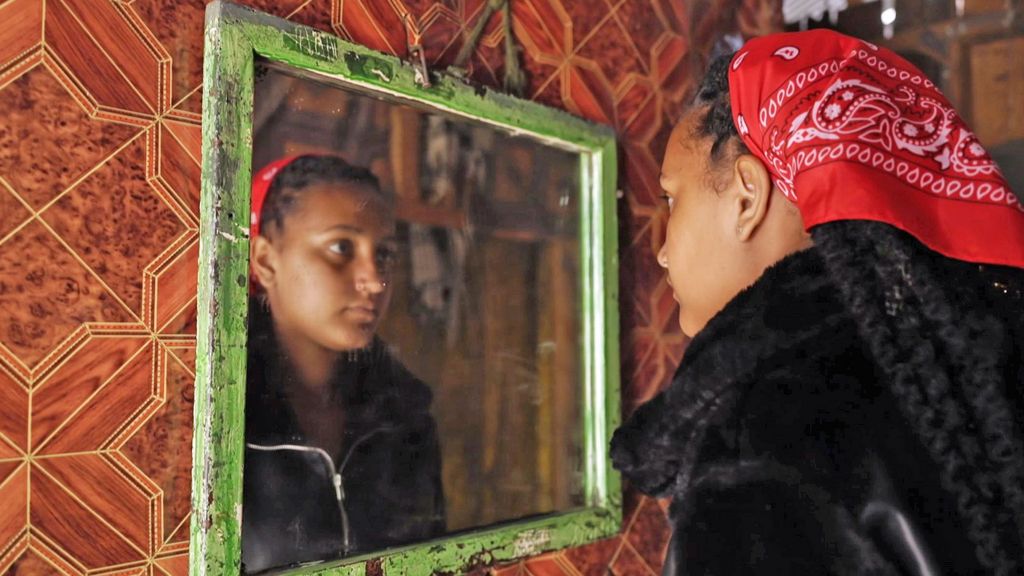
For decades, hundreds of children born near the British Army Training Unit in Kenya (Batuk) have grown up without answers about their paternal heritage, many left in poverty, socially ostracized, and told their British military fathers were deceased. Now, an unprecedented cross-border legal and genetic initiative has identified 20 missing fathers, secured paternity confirmation for 12 cases through the UK’s highest Family Court, and unlocked life-changing access to British citizenship and child support for dozens of Kenyan people.
One of the cases at the center of this breakthrough is nine-year-old Edward, a pseudonym to protect his identity. From early childhood, Edward has faced relentless bullying over his lighter skin tone, with peers taunting him as a “British coloniser” – a reference to the United Kingdom’s 68-year colonial rule of Kenya that ended in 1963. Edward’s mother, Nasibo, a Kenyan woman who entered a relationship with a British contractor stationed at Batuk, was cast out by her family after her partner left Kenya abruptly when she was four months pregnant. She says the man promised to return, gave her an engagement ring before leaving, and never contacted her again. For years, she and Edward have lived in extreme poverty, with no way to trace the man who fathered her son. Now that paternity has been confirmed, Edward is eligible for formal child support payments, though his father has refused to share contact information, forcing legal teams to pursue court action to secure maintenance payments.
Another story that underscores the years of misinformation surrounding these cases is 18-year-old Yvonne. Orphaned as an infant after her mother’s death, Yvonne was raised by her grandparents and told by Batuk soldiers that her British military father had died. Through genetic matching with her father’s maternal cousin, who had uploaded their DNA to the commercial genealogy platform Ancestry.com, the legal team confirmed Yvonne’s father is alive and currently residing in the UK. After ignoring five court orders to appear for paternity proceedings, he finally attended his hearing, requested a DNA test, and the results confirmed he is Yvonne’s father. Like Edward’s father, he has declined any contact with Yvonne at this time, though extended family members have expressed interest in building a relationship with her.
Not all outcomes have involved estrangement, however. Twenty-year-old Cathy grew up believing her father, a former British soldier named Phill stationed at Batuk in 2004, was dead. Her mother Maggie told her this after Phill lost contact when his phone was stolen following a deployment change. As a teenager, Cathy tracked Phill down on Facebook, but he did not recognize her name and blocked her messages. Struggling with the loneliness of growing up without a father and lacking answers about her mixed heritage, Cathy made a suicide attempt. Meanwhile, Phill had left the military, struggled with poor mental health, and experienced homelessness after transitioning to civilian life. When paternity was confirmed through the project, Phill called the discovery a “very happy surprise.” He has already begun providing financial support to Cathy and Maggie, and the two are rebuilding their relationship, with Cathy planning to visit the UK in the near future. To date, Phill is the only confirmed father who has voluntarily provided financial support to his Kenyan child.
The project was launched in 2024 after UK-based solicitor James Netto was approached by families in Nanyuki, the Kenyan market town 185 kilometers north of Nairobi that has hosted Batuk since the base opened in 1964. More than 5,000 British military personnel pass through the training base each year, and the facility has long been mired in controversy over allegations of abuse and misconduct. In December 2024, a two-year Kenyan parliamentary inquiry concluded that British personnel at Batuk operated within a “culture of impunity,” resulting in sexual violence, two murder allegations, widespread environmental damage, and the systemic abandonment of children fathered with local women.
To address the longstanding issue of unacknowledged paternity, Netto partnered with Kenyan lawyer Kelvin Kubai, who runs the charity Connecting Roots Kenya to support these children, and leading genetics professor Denise Syndercombe Court. The team traveled to Kenya with hundreds of DNA testing kits, collected samples from claimants ranging in age from three to 70 years old, and cross-referenced the results against the nearly 30 million genetic profiles available on commercial genealogy platforms – a large enough dataset to make familial matches even with distant relatives. Netto says the scale and methodology of this project are unprecedented in UK legal history, and the team was stunned by how successful the process was, with matches ranging from distant cousins all the way to direct identification of the fathers themselves. To secure official contact information, the courts ordered UK government agencies including the Ministry of Defence, Department for Work and Pensions, and HM Revenue and Customs to release the identified fathers’ names and addresses.
Netto says his team has already documented nearly 100 active cases of children born to British soldiers and contractors near Batuk, and he estimates the true number is far higher. In the 12 cases that have received formal paternity confirmation from the UK Family Court, most claimants are now eligible to apply for British citizenship, and all minors and students are eligible for court-ordered child support.
Rejecting calls for a ban on relationships between British soldiers and local Kenyan women as inherently racist, Kubai argues the only just solution is to hold men accountable when they father children during their deployment. Netto and Kubai plan to bring dozens more cases before the UK High Court over the coming months, continuing their work to connect claimants with their heritage and secure the financial and legal rights they are owed.
In response to questions about the allegations and the paternity project, the UK Ministry of Defence stated it “deeply regrets those issues and challenges which have arisen in relation to the UK’s defence presence in Kenya” and said it continues to take action to address concerns where possible. It noted that consensual relationships between personnel and local women do not violate MoD policy, and that the ministry does not investigate cases where no criminal allegations have been filed by local authorities. Brigadier Simon Ridgway, commanding officer of the British Army’s Collective Training Group, added that the MoD works with Kenyan children’s services to address paternity claims as they are received. The December 2024 Kenyan parliamentary inquiry has called on the Kenyan government to create formal new systems to hold Batuk soldiers accountable for child support, including mandated DNA testing and long-term psychosocial support for affected children.