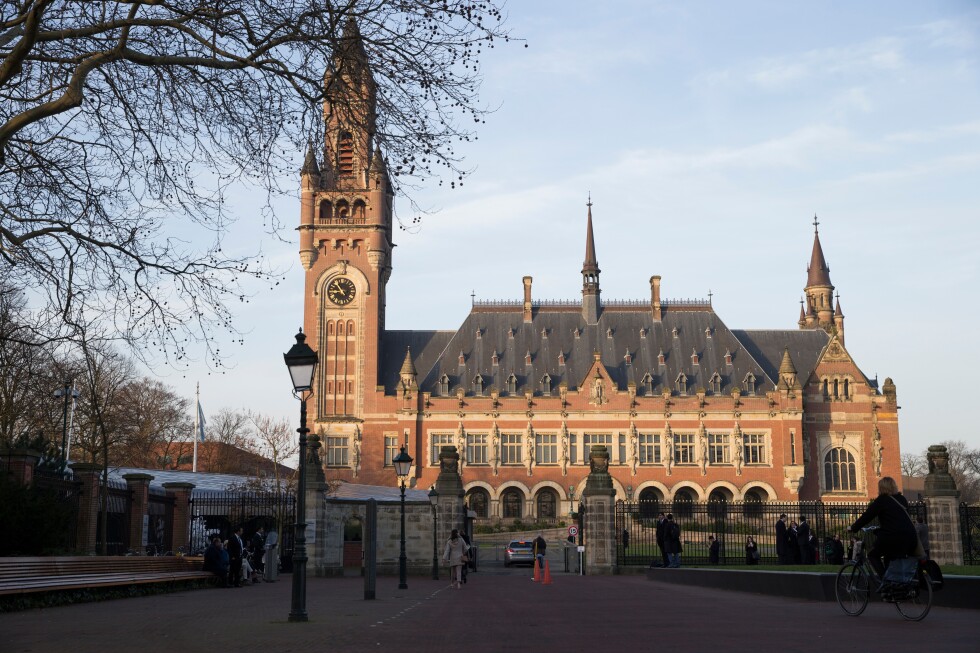
THE HAGUE, Netherlands — A highly anticipated landmark ruling from the United Nations’ highest judicial body is scheduled for Thursday, which will bring long-awaited clarity to the long-debated question of whether workers hold a legally recognized right to walk off the job. Back in 2023, the International Labour Organization (ILO), a specialized United Nations agency focused on global labor standards, turned to the 15-judge panel of the International Court of Justice (ICJ) to resolve an ongoing internal disagreement: does one of the ILO’s core labor conventions explicitly enshrine the right to strike for employees around the globe?
The convention at the center of the dispute has already been ratified by 158 countries around the world. Its standards are already embedded in binding United Nations labor frameworks, official guidance from the Organization for Economic Cooperation and Development, and countless international trade agreements that govern cross-border commerce. Notably, while the United States holds membership in the ILO, it has not completed the ratification process for this specific convention.
While ICJ advisory opinions are not formally legally binding on sovereign states, they carry substantial moral and political weight in international law, and Thursday’s decision is widely expected to reshape labor regulations across every region of the world. This is not the first time the ICJ has delivered a high-stakes advisory opinion on a matter of global interest in recent years: in 2023, the court issued a groundbreaking ruling that found countries can be held in violation of international law if they fail to enact adequate measures to protect the global climate system from dangerous anthropogenic climate change.
When the ICJ held public hearings on the right to strike case last October, legal representatives from 18 sovereign countries and five major international organizations (including the ILO itself) presented oral arguments before the court. Dozens of other governments submitted formal written arguments for the judges to consider, and the clear majority of participating stakeholders voiced support for recognizing an explicit right to strike under the convention.