标签: Oceania

大洋洲

  • Calls for UK PM to resign over ex-envoy’s failed vetting

    Calls for UK PM to resign over ex-envoy’s failed vetting

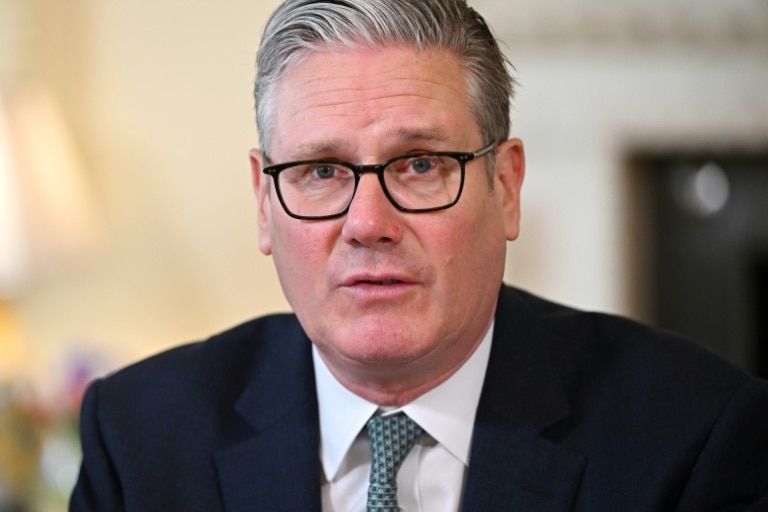
    Growing political pressure is bearing down on British Prime Minister Keir Starmer, as opposition leaders ramp up calls for his resignation following confirmation that former US ambassador Peter Mandelson — a close associate of disgraced late sex offender Jeffrey Epstein — failed an initial national security background check before taking up the post.

    The controversy has plagued Starmer’s Labour government since Mandelson was fired from the ambassador role last year, just months after his appointment, when newly unearthed documents from a U.S. congressional committee exposed the far deeper extent of his long-standing ties to Epstein, a convicted financier who died in prison in 2019 while facing sex trafficking charges. Since his dismissal, questions have continuously swirled around Starmer’s judgment in pushing forward with the high-profile diplomatic appointment.

    Those questions erupted into fresh demands for Starmer to step down this week after The Guardian published an investigation revealing Mandelson failed his initial security vetting, a finding later officially confirmed by the UK government. Opposition leaders across the political spectrum have united in condemnation, with Conservative Party leader Kemi Badenoch taking to social media platform X to accuse Starmer of betraying UK national security and insisting he must leave office. Ed Davey, leader of the centrist Liberal Democrats, added that if Starmer misled Parliament and the British public about the vetting process, he has no choice but to resign.

    In response to the scandal, Starmer has pushed back by blaming Mandelson, claiming the former ambassador lied about the full scope of his connections to Epstein during the vetting process. A government spokesperson has clarified that senior Foreign Office officials made the final call to approve Mandelson’s appointment over the formal objection of UK Security Vetting, the body responsible for conducting national security background checks. Critically, the spokesperson added that neither Prime Minister Starmer nor Foreign Secretary David Lammy were aware that the initial vetting had failed until earlier this week. The vetting body’s negative recommendation, they noted, is non-binding, leaving final approval authority with ministry officials.

    The timeline of Starmer’s previous statements has added fuel to opposition criticism: back in February, the prime minister told Parliament Mandelson had been fully cleared by security vetting. One month later, his government released 150 pages of documents detailing the vetting process carried out ahead of Mandelson’s 2024 appointment.

    Beyond the political fallout over the botched appointment, Mandelson now faces a formal police investigation into allegations of official misconduct. He was arrested and released on bail in February, with detectives probing claims he leaked sensitive government documents related to the 2008 global financial crisis to Epstein during his time as a UK cabinet minister decades ago.

  • Vessels cross Hormuz destined for Iran despite US blockade

    Vessels cross Hormuz destined for Iran despite US blockade

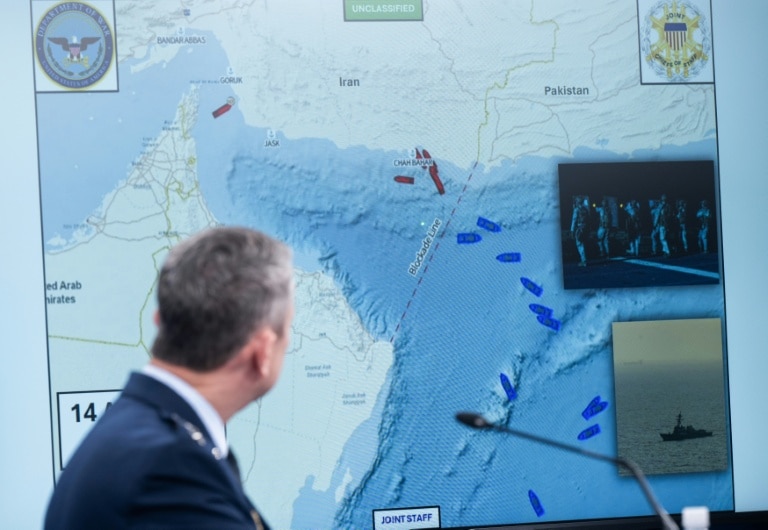
    Tracking data released Thursday has confirmed that multiple sanctioned cargo and tanker vessels have successfully traversed the Strait of Hormuz en route to Iranian ports, directly defying a new U.S. blockade imposed amid the ongoing seven-week Middle East conflict. The breach of the U.S. restrictions comes just days after Washington implemented its counter-blockade, which followed the collapse of regional peace talks aimed at ending the sustained hostilities.

    In an update posted to the social platform X Thursday, the U.S. military claimed that over the first 72 hours of enforcement, 14 vessels had altered their courses to comply with the blockade at U.S. forces’ direction. Notably absent from this update, however, was the military’s previous assertion that it had stopped all vessel traffic heading to or departing from Iranian ports, a change that experts say hints at growing gaps in enforcement.

    Marine Traffic, a leading global vessel tracking platform, has documented the journeys of two sanctioned vessels that have already reached waters adjacent to their intended Iranian destinations. The sanctioned container ship Zaynar 2 completed its westward passage through the strait into the Persian Gulf late Wednesday, with its destination listed as Larak Island — a key logistics hub just off the coast of Iran’s major Bandar Abbas port. The ship’s last transponder signal placed it near the island by Wednesday evening. A second sanctioned cargo vessel, the Neshat, followed the same general route early Thursday, sailing close to the Iranian coastline while transiting the strait, also bound for Bandar Abbas. As of 15:00 GMT Thursday, its signal showed it anchored roughly 16 kilometers off the port.

    In addition to the smaller cargo vessels, two large U.S.-sanctioned very large crude carriers (VLCCs), the RHN and the Alicia, have also broken through the blockade, crossing westward through the strait via Iran’s officially approved shipping lane. As of Thursday, both tankers continued sailing west through the Gulf, listing their destination only as “For Order,” leaving their final port of call unclear. Industry analysts note this vague designation follows a pattern seen in recent weeks with other sanctioned Iranian-linked vessels, which often falsely list Iraq as their destination to avoid U.S. enforcement — a loophole that allows them to cross without intervention. Two more vessels, the VLCC Agios Fanouris I and the liquefied petroleum gas tanker G Summer, are currently sailing toward what tracking data indicates is a likely Iraqi destination, putting them outside the scope of the current U.S. blockade.

    Maritime experts have voiced confusion over how easily vessels have been able to breach the blockade, given the U.S. military’s significant regional presence. “There’s evidence that ships are perhaps breaking through” the U.S. blockade, Tom Sharpe, a former commander with the UK’s Royal Navy, told a Thursday briefing hosted by maritime analytics firm Windward. “That I don’t understand particularly, because from a military perspective, from a tactical perspective, this blockade is not that hard to do. They’ve got the ships there to do it,” he added.

    While Bridget Diakun, senior risk and compliance analyst at Lloyd’s List Intelligence, confirmed that some Iran-linked vessels have halted their voyages or reversed course to avoid running afoul of the blockade, she also acknowledged that the restrictions have not stopped all traffic. “We’ve also seen ships that have reached Iranian ports and that have departed as well,” she told the briefing. Summing up the chaotic state of shipping through the strategic waterway, Lloyd’s maritime risk analyst Tomer Raanan noted that after 24 hours of the new blockade, “Confusion reigns.”

  • AFL 2026: Collingwood highlighted Carlton’s record of capitulations at 3QT before comeback

    AFL 2026: Collingwood highlighted Carlton’s record of capitulations at 3QT before comeback

    Ahead of the opening bounce of the final term in their Australian Football League clash, Collingwood Magpies already banked on a familiar Carlton Blues collapse to turn their 18-point deficit around. That confidence, forged from Carlton’s well-documented history of surrendering leads late in matches, was front and center of Collingwood’s three-quarter time huddle, where players and coaches explicitly highlighted the Blues’ trend of letting strong positions slip away. What followed was a thrilling, momentum-shifting final quarter that delivered one of the most dramatic wins of the 2025 AFL season so far.

    Fuelled by a masterclass performance from young star Nick Daicos, Collingwood piled on seven unanswered goals in the final stanza to claw their way back into the contest, sneaking across the line with a narrow five-point victory. Speaking after the match, Magpies head coach Craig McRae opened up about the tactical and mental framing that shaped the comeback, revealing his side entered the final quarter questioning whether Carlton could maintain their intensity across all four quarters.

    “We spoke about playing the full minutes right in front of us,” McRae told reporters post-game. “They’d been in front most games, I think Carlton have been in front for four of the five. We were questioning whether they could do it for four quarters and that’s the evidence they put in front of everyone. We want to play it out, you’ve still got to take your chances, make the most of it.”

    The catalyst for Collingwood’s stunning turnaround was Daicos, who put on a clinic in the final quarter, racking up 13 disposals and slotting a spectacular freakish goal that shifted the entire energy of the match. The young star played every second of the final term, and finished the match marking his 100th AFL game with a career-defining performance that drew high praise from his coach.

    “He’s a remarkable talent, we didn’t want to get him off in the last quarter (and) he played 100 per cent game time I am pretty sure,” McRae said. “He does some remarkable stuff, that first goal in the fourth quarter when he just runs contest to contest to contest and ends up in the goalsquare. 100th game, if you break the stats down they’re pretty amazing, not many players can do that in a game.”

    Even with the dramatic comeback, McRae cautioned against overconfidence, noting his side still has areas to improve ahead of coming fixtures: “I am not naive to think we don’t still have work to do.”

    For the Blues, the result extends a worrying early-season slump that has cast doubt over their 2025 campaign. The collapse marks yet another late-game lead surrendered by Carlton, leaving the side with just two wins from their opening six matches. For Collingwood, the crucial win keeps the club firmly in contention for a top-eight finish, keeping their postseason hopes alive heading into the middle phase of the regular season.

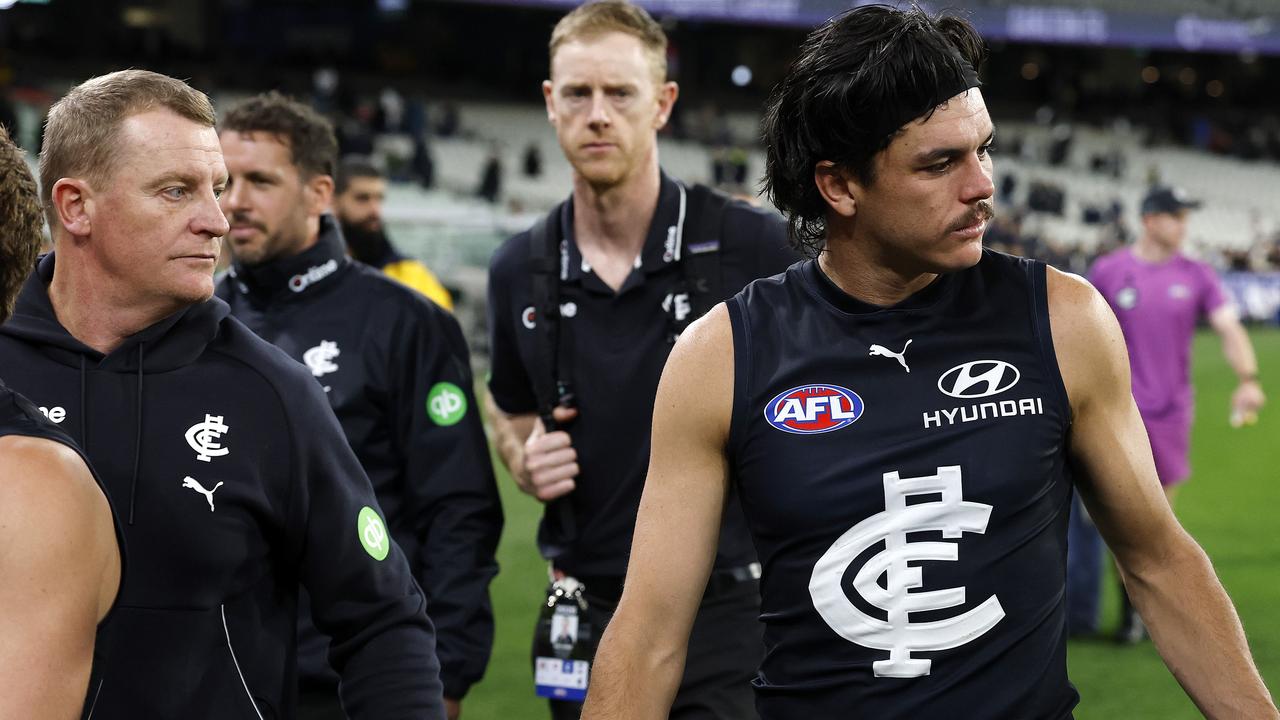
  • AFL 2026: Carlton coach Michael Voss has addressed a ‘shattered’ Elijah Hollands

    AFL 2026: Carlton coach Michael Voss has addressed a ‘shattered’ Elijah Hollands

    In a tense Australian Football League clash that ended in a narrow defeat for Carlton at the hands of Collingwood on Thursday night, 22-year-old young talent Elijah Hollands emerged as an unexpected talking point after a match that left him struggling for any meaningful on-field impact, prompting public displays of disappointment and a supportive intervention from senior coach Michael Voss.

    Hollands, who had earned 75% of game time through the first three quarters, failed to register a single disposals or statistical contribution for the entire match, a rare outcome for a player with that much on-field involvement. He was ultimately benched for the majority of the final quarter as Collingwood clawed back to secure the win over the Blues. Footage of Hollands drifting out of play and failing to impact contests circulated widely online on social media immediately after the final siren, amplifying scrutiny of his off-night.

    Following the final whistle, Voss found a visibly distraught Hollands, who described the young midfielder as “shattered” and “pretty emotional” in post-game press comments. “I spoke to him after the game, he was really disappointed with how he started the game, really upset, he feels like he’s let me down,” Voss shared. The coach confirmed he held an extended supportive conversation with the young player, noting that Hollands carried strong disappointment over his inability to work his way into the flow of the high-stakes match.

    Addressing the decision to bench Hollands in the final minutes of the game, Voss explained the tactical call was made to adjust the team’s on-field mix for the closing stretch. “It comes to the last quarter, you obviously have to work out what mix you want out on the field with five minutes to go. He wasn’t having a great night, so (we had) conversations with him, but we obviously thought the best mix was not have him out there,” Voss said.

    Late drama unfolded after the siren when a review gave Carlton a last-gasp chance to force a draw, with fourth-year player Talor Byrne stepping up for the decisive kick that ultimately skewed wide. Voss emphasized that blame for the loss does not rest solely on the shoulders of young players like Hollands and Byrne, pointing to the team-first culture the club has built.

    “It’s understanding it’s not all on the young man’s shoulders,” Voss said. “He’s probably rehearsed that 2000 times… he didn’t quite obviously get the job done but the boys rallied. You win together, you lose together.” The coach added that the club would continue to support Hollands through the tough moment, rejecting any concerns over the young player’s effort on the night, and confirming the program would stand by him as he works to bounce back from the off-night.

  • Indonesia to supply 250,000 tonnes of urea for Australian farmers

    Indonesia to supply 250,000 tonnes of urea for Australian farmers

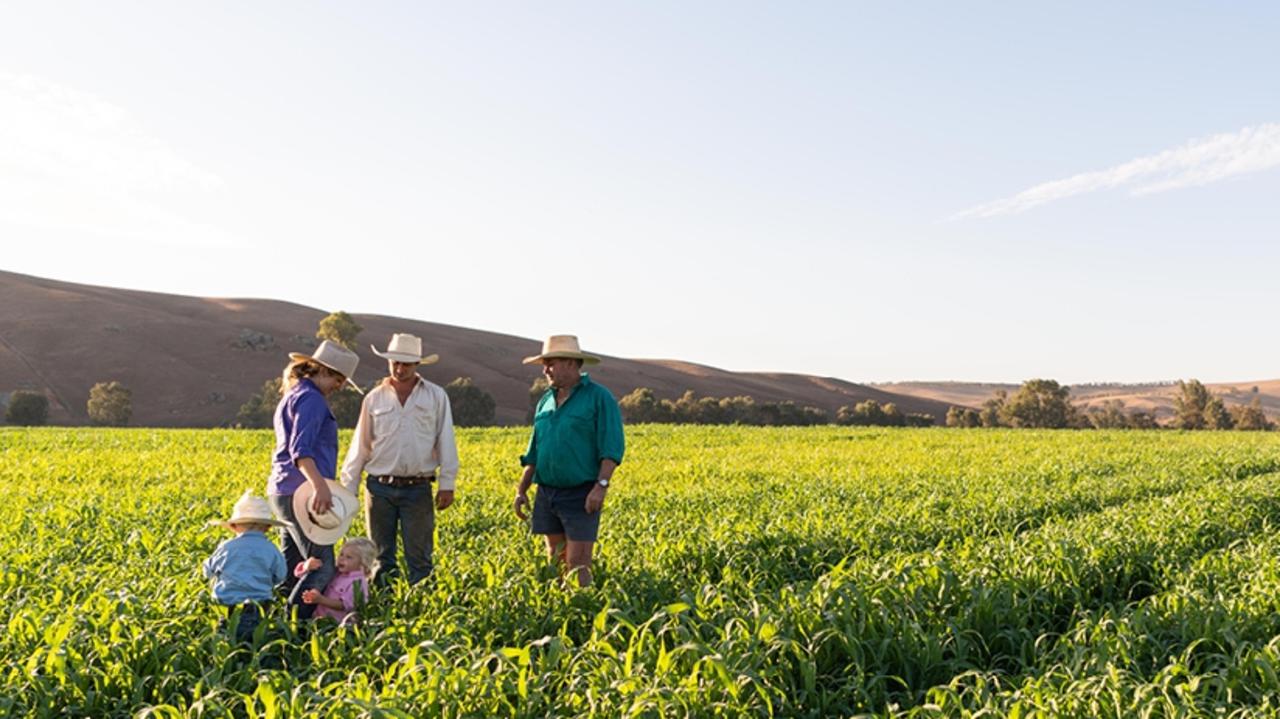
    Global fertilizer supply chains already strained by geopolitical tension have faced a fresh shock following the de facto closure of the Strait of Hormuz, a key global trade chokepoint, after the escalation of conflict between Israel, the U.S. and Iran in late February. For Australian agriculture, which relies on consistent access to nitrogen fertilizer to maintain output, the disruption created an urgent supply gap that has now been resolved through a bilateral government-backed deal with regional partner Indonesia.

    The agreement, finalized Thursday between Australia’s largest domestic fertilizer producer, New South Wales-based Incitec Pivot Fertilisers, and Indonesian state-run fertilizer giant PT Pupuk Indonesia, will deliver 250,000 tonnes of urea – the world’s most widely used nitrogen fertilizer – to cover the final 20% of Australian farmers’ total demand for the 2025-2026 growing season running from November 2025 through October 2026. Shipments of the additional fertilizer, which will be sold at prevailing global market prices, are scheduled for delivery between May and December 2025.

    Prime Minister Anthony Albanese framed the deal as a landmark outcome for both Australian agricultural producers and regional food security. “We understand how critical fertilizer is for Australian farmers, for our domestic food production system and the food security of our entire region,” he said. “This deal also demonstrates why maintaining strong, mutually beneficial relationships with our immediate regional partners is so critically important when global supply chains face disruption.”

    The conflict-driven disruption of the Strait of Hormuz has rippled far beyond energy markets, which have borne the brunt of the closure. Around 30% of all global nitrogen and phosphate fertilizer trade transits the strait annually, leaving major importers like Australia scrambling to source alternative supplies to avoid planting season shortages. Albanese emphasized that the interdependence of regional economies makes coordinated action essential to weathering global uncertainty: nearly 60% of Malaysia’s wheat and 75% of its lamb and beef originate from Australian farms, while Indonesia and other regional neighbors supply key inputs that keep Australian agriculture running.

    Australian Agriculture Minister Julie Collins said she had worked around the clock alongside industry stakeholders to lock in alternative supply after the Hormuz disruption, and expressed deep gratitude for Indonesian government cooperation. “This guarantees supply of fertilizer to Australian farmers at this critical time,” Collins said. “It also means Australia can continue to play its important role supporting food security in Indonesia and the broader region at a moment of widespread global uncertainty.”

    The fertilizer deal announcement caps two back-to-back multi-day diplomatic trips by Albanese to Southeast Asia, aimed at deepening regional economic and food security cooperation. Most recently, during a visit to Kuala Lumpur, Albanese and Malaysian Prime Minister Anwar Ibrahim signed agreements to expand collaboration on sustainable food production, including shared expertise in agricultural production techniques and irrigation infrastructure. Anwar noted that these bilateral supply agreements have a far more direct impact on ordinary people than many voters realize. “When supply chains are disrupted and food prices are rising, agreements like this have a direct impact on people’s lives,” he said. “The distance between a signed agreement and a family’s dinner table is shorter than most people imagine.”

    Alongside the fertilizer deal, Australia and Malaysia also agreed to a new partnership focused on red meat processing and trade expansion. For Australian industry, the new urea supply from Indonesia marks a major step forward in shoring up critical inputs for the upcoming growing season, though industry leaders note work remains to fully meet long-term demand. Scott Bowman, president of Incitec Pivot Limited, said the additional volume “is another critical plank in servicing the needs of Australian farmers.” “Whilst there is more work to do to ensure farmers’ requirements can be fully met this upcoming season, this additional volume will go a long way to shoring up critical supplies to Australian growers,” Bowman said.

  • Teen, 15, charged over alleged horror machete attack on Sydney light rail

    Teen, 15, charged over alleged horror machete attack on Sydney light rail

    A violent, unprovoked assault on a Sydney light rail service has left a 15-year-old boy injured and resulted in criminal charges against one teenage suspect, with police still searching for a second person involved in the attack.

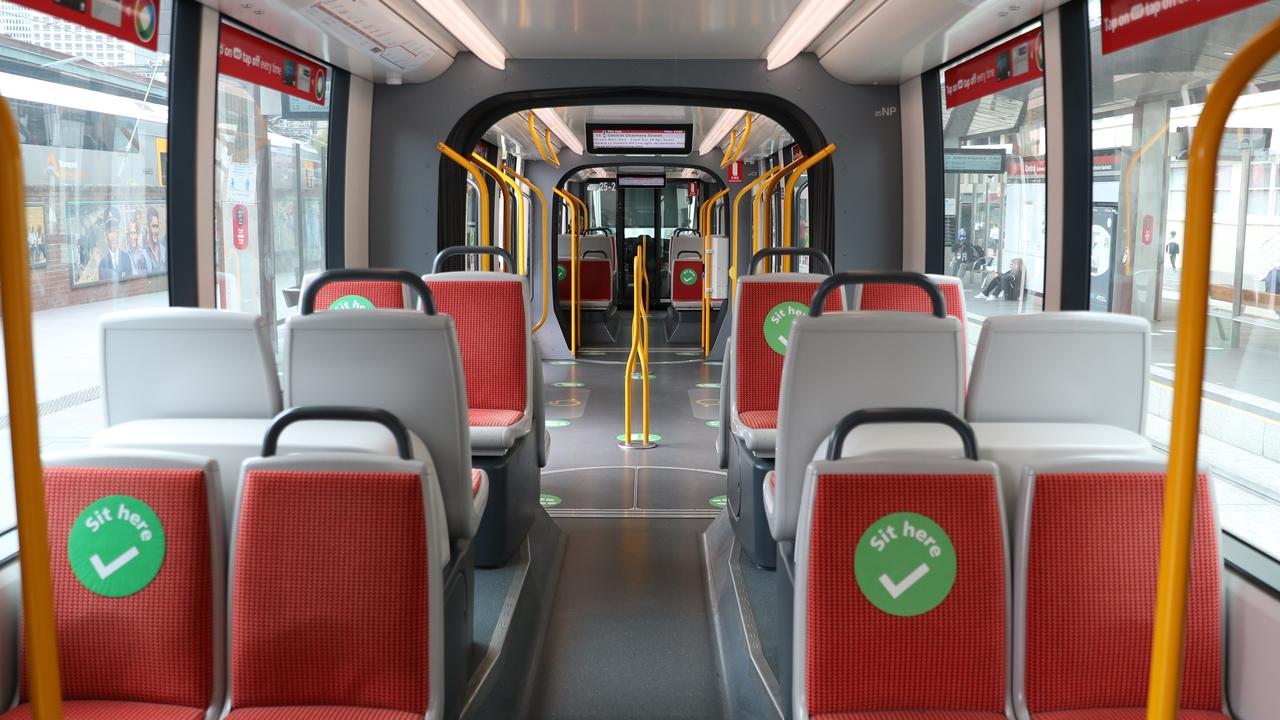
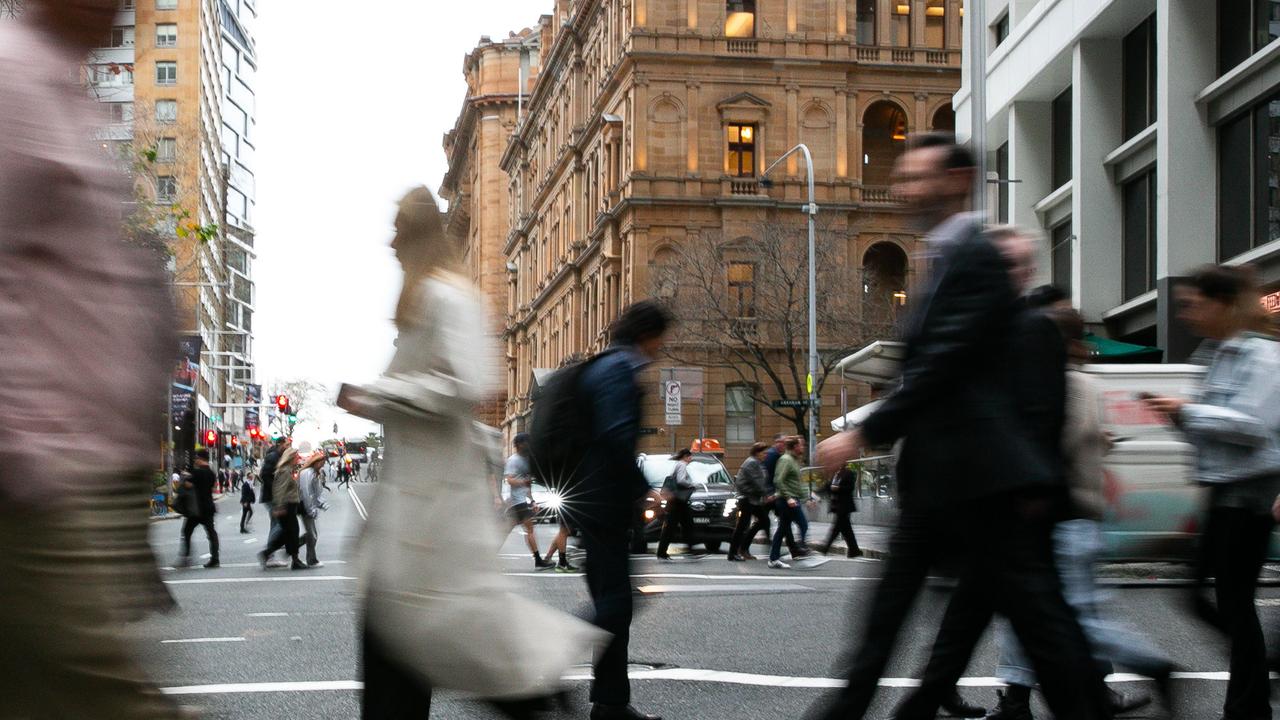
    On Tuesday night at approximately 10:30 p.m., New South Wales Police received urgent calls reporting an assault unfolding on a light rail tram stopped at the Town Hall station along George Street, located in the heart of Sydney’s central business district. Initial police accounts confirm that two male teenagers allegedly attacked a third 15-year-old boy while the tram was in service, before both suspects fled the scene before officers could arrive to intervene.

    Emergency medical responders from local paramedic services quickly attended to the victim, who had suffered a stab wound to his left arm. The teenager was transported to a nearby local hospital for treatment, and as of the latest update, he remains in a stable condition, with no immediate life-threatening injuries reported.

    Following the attack, the entire light rail tram was cordoned off and declared an official crime scene, per standard police investigative protocol. It was later transported to the Randwick light rail depot, where specialist forensic officers conducted a thorough examination to collect physical evidence connected to the incident.

    Two days after the assault, on Thursday morning, plainclothes uniformed officers executed an arrest at a residential property in Sydney’s inner south, taking a second 15-year-old teenager into custody. During a search of the home, investigators also recovered a knife sheath, which was seized as evidence and will undergo forensic testing to confirm any connection to the attack.

    The arrested teenager has been formally charged with one count of wounding a person with intent to cause grievous bodily harm, a serious criminal offense under New South Wales law. He remains in juvenile custody as of Friday morning and is scheduled to make his first court appearance at a local children’s court later today.

    Investigations remain ongoing, however, as NSW Police have confirmed they are still actively searching for the second teenage suspect believed to have participated in the alleged attack. Authorities have not released any additional details about the second suspect’s identity or potential whereabouts at this time, and have urged any members of the public who were on the light rail service the night of the attack or who have information about the incident to contact local police immediately.

  • Trump says Israel, Lebanon leaders to hold talks Thursday

    Trump says Israel, Lebanon leaders to hold talks Thursday

    U.S. President Donald Trump has made an unexpected announcement claiming that the top leaders of Israel and Lebanon will hold their first ever direct conversation Thursday, a move that would mark a major breakthrough in decades of frozen relations between the two neighboring states. But as of Thursday morning, neither the Israeli nor Lebanese governments have verified the announcement, leaving the diplomatic development shrouded in uncertainty.

  • Turkey launches internet crackdown ahead of funerals for shooting victims

    Turkey launches internet crackdown ahead of funerals for shooting victims

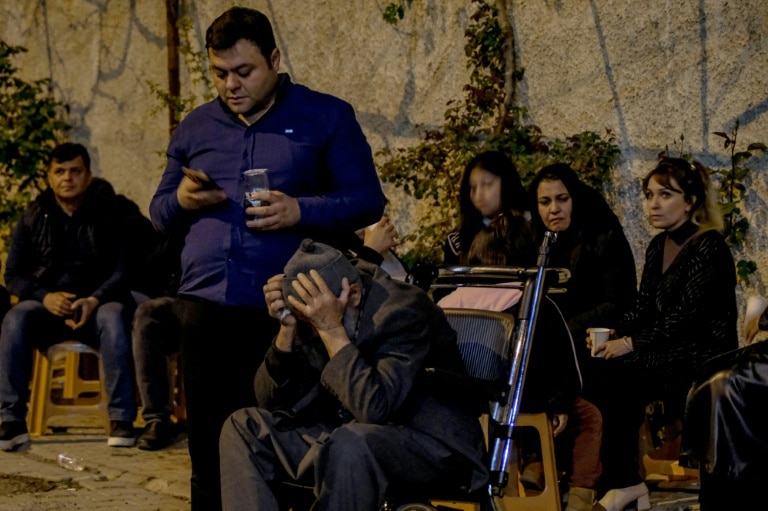
    Turkey has initiated a sweeping nationwide crackdown on social media content glorifying two back-to-back school shooting attacks that have shaken the nation, with authorities ordering dozens of arrests just hours before funeral services are held for the victims, most of whom are elementary school children. The two violent incidents unfolded over 48 hours this week, leaving a total of nine people dead and 29 others injured, triggering widespread grief and renewed calls for stronger safety protections for students across the country.

    The first attack took place on Tuesday in the southeastern province of Sanliurfa, carried out by a former student at his old high school. The 16 people wounded in the incident, and the attacker died by suicide when law enforcement officers cornered him, according to official statements. The deadlier attack came the next day in the southern province of Kahramanmaras, where a 14-year-old student brought five firearms into his school and opened fire on classmates and staff. Eight of the nine people killed in the attack were 10- and 11-year-old children, and the ninth fatality was their 55-year-old teacher. Both shooting suspects are now dead, though officials have not yet confirmed the exact circumstances of the 14-year-old’s death at the scene.

    Investigators confirmed that the 14-year-old suspect, the son of a former police officer, planned the attack well in advance. Digital documents recovered from his computer dated April 11 show he wrote that he “intended to carry out a major operation in the near future.” Law enforcement has detained his father, and local Turkish media reports confirm his mother, a working teacher at the school, has also been taken into custody for questioning. Initial investigation also revealed the teen referenced a notorious U.S. mass shooter on his social media profile: he used an image of Elliot Rodger, who killed six people at the University of California, Santa Barbara in 2014 before dying by suicide, as his WhatsApp profile photo. Both police and prosecutors have confirmed no links to terrorist organizations have been found so far, and officials have labeled the incident an isolated act of violence. Funerals for the eight child victims and their teacher are scheduled to take place Thursday in Kahramanmaras, and all schools in the province will remain closed through Friday out of respect.

    In response to widespread social media content praising the two attacks, Turkish law enforcement launched an immediate crackdown on posts and users glorifying the violence. As of Thursday, 83 people have been detained on charges including spreading harmful content that disrupts public order and praising violent criminal activity. Authorities have also blocked access to 940 social media accounts and shut down 93 Telegram groups that shared content sympathetic to the shooters. Mass school shootings are extremely rare in Turkey, and the twin attacks have sparked widespread public outrage and action. Dozens of representatives from Turkey’s main teachers’ union gathered outside the national education ministry in Ankara Wednesday to call for a nationwide two-day strike, carrying banners that read “We will not surrender our schools to violence.”

    President Recep Tayyip Erdogan released an official statement expressing deep sorrow over what he called Wednesday’s “tragic attack,” and pledged that the investigation would uncover every detail of the incident “in all its aspects.”

  • War in the Middle East: latest developments

    War in the Middle East: latest developments

    The ongoing Middle East conflict, triggered by US-Israeli airstrikes on Tehran that began on February 28, has produced a wave of interconnected political, economic and military developments across the globe, spanning diplomatic efforts, energy market shifts, security operations and financial market reactions.

    One of the most immediate points of confusion emerged following remarks by former US President Donald Trump, who claimed that Israeli and Lebanese leaders planned to hold direct talks on Thursday. However, a senior anonymous official source confirmed to Agence France-Presse that Lebanese authorities have no knowledge of any scheduled contact with Israel, and no official notification of such negotiations has been delivered through formal diplomatic channels.

    As global energy markets face heightened volatility tied to the conflict, the Australian government has moved quickly to shore up its strained domestic fuel reserves. Prime Minister Anthony Albanese announced Thursday that Canberra has finalized a deal to secure an extra 100 million liters of diesel supplied by Brunei and South Korea, addressing growing concerns over supply chain disruptions tied to Middle East hostilities.

    For the global semiconductor industry, Taiwanese manufacturing giant TSMC, the world’s largest contract chipmaker, moved to calm investor fears this week. The company stated that it does not anticipate near-term disruptions to its access to critical industrial materials including helium and hydrogen, even as the conflict disrupts regional trade routes.

    On the security front, Iranian state media outlet IRNA reported that the country’s Revolutionary Guards have detained four individuals suspected of espionage on behalf of Israel’s Mossad intelligence agency, per an official statement from the elite military force.

    Pakistan is actively pushing for diplomatic de-escalation ahead of a potential second round of peace talks between the US and Iran. Pakistani Prime Minister Shehbaz Sharif confirmed he held a meeting with Saudi Arabia’s de facto leader Crown Prince Mohammed bin Salman in Jeddah, as part of a regional tour that also includes Qatar. Both Saudi Arabia and Qatar have been targeted by Iranian retaliatory strikes following the initial US-Israeli attacks on Tehran that sparked the full-scale war. Sharif wrote on social platform X that he reaffirmed Pakistan’s unwavering commitment to facilitating dialogue between Washington and Tehran, with the goal of reaching a lasting peace agreement for the region.

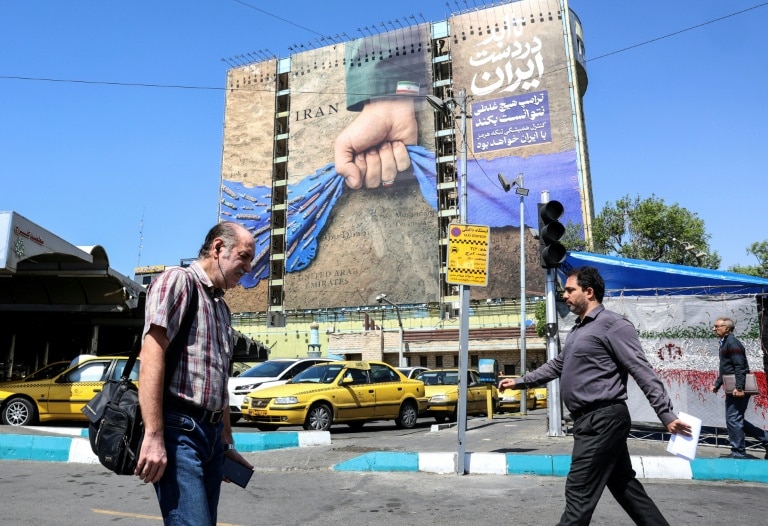
    Tensions remain high around the Strait of Hormuz, the world’s most critical chokepoint for global oil and gas exports. Top military adviser to Iran’s supreme leader Mojtaba Khamenei issued a stark warning: if US forces launch a ground invasion of Iran, Iranian forces will take American troops hostage, and will sink any US vessels that enforce a military blockade on the strait. Hardline Iranian politician Mohsen Rezaei doubled down on the threat, claiming that a US ground invasion would play into Iran’s hands, saying “we would take thousands of hostages, and then for each hostage we would get a billion dollars”.

    The US has expanded its economic pressure on Iran this week, unveiling a new round of sanctions targeting more than 20 individuals tied to Iranian oil transportation, alongside multiple companies and tankers linked to the shipping network run by petroleum magnate Mohammad Hossein Shamkhani. Shamkhani is the son of Ali Shamkhani, a senior security official and adviser to Iranian supreme leader Ali Khamenei; both father and son were killed in the opening US-Israeli airstrikes on February 28 that launched the war. US Treasury Secretary Scott Bessent said in an official statement that the Treasury department is moving aggressively under its “Economic Fury” campaign to target regime elites who profit at the expense of ordinary Iranian citizens.

    The humanitarian toll of the conflict is set to grow sharply, according to World Bank Chief Economist Indermit Gill. Speaking to AFP, Gill warned that global ripple effects from the war could push an additional 60 million people into acute food insecurity. Gill noted that 300 million people already face severe hunger globally, and that figure could jump by 20% very rapidly as the conflict’s economic and trade disruptions spread.

    Despite the rising humanitarian risks, global stock markets have rallied sharply this week on growing optimism for a diplomatic breakthrough. Japanese stock indices hit an all-time record high on Wednesday, driven by investor hopes that the US and Iran will extend their existing ceasefire to allow for further talks to end the war and reopen the Strait of Hormuz. All major Wall Street indices also closed at record highs the same day.

    Israeli Prime Minister Benjamin Netanyahu reaffirmed alignment with US goals in a televised address Wednesday, saying that Israel and the United States share identical objectives when it comes to containing Iran. “We want to see enriched material removed from Iran; we want to see the elimination of enrichment capability within Iran; and, of course, we want to see the (Hormuz) strait reopened,” Netanyahu stated.

  • Australian shares fall as strong jobs data and China fears hit banks

    Australian shares fall as strong jobs data and China fears hit banks

    On Thursday, Australia’s benchmark stock index closed in negative territory, dragged down by investor anxiety triggered by two key macroeconomic factors: stronger-than-forecast domestic employment data and deepening instability in China’s struggling housing sector. Even a dramatic, market-leading rebound in the battered technology sector was not enough to offset losses across financial and mining industries.

    The ASX 200 shed 23.70 points, or 0.26 percent, to settle at 8955, while the wider All Ordinaries index slipped 0.08 percent to 9173.60. In currency markets, the Australian dollar strengthened against the U.S. dollar, rising to 71.80 U.S. cents. Of the 11 tracked market sectors, six finished the trading day in positive territory, but gains were far outstripped by declines in heavyweight industries.

    Leading the day’s gains, the technology sector jumped 7.40 percent, marking a sharp recovery from recent downturns. Standout performers included logistics software firm WiseTech Global, which surged 12.36 percent to close at $44.90, cloud accounting platform Xero, which climbed 9 percent to $81.86, and lifestyle technology company Life360, which rose 12.45 percent to $21.31.

    However, solid upward momentum in tech was completely offset by steep sell-offs among Australia’s big four banks and major mining conglomerates. Commonwealth Bank of Australia, the country’s largest listed company, dropped 2.77 percent to $178.11. Westpac fell 1.65 percent to $40.02, National Australia Bank declined 2.49 percent to $43.41, and ANZ slipped 1.28 percent to $37.73.

    IG market analyst Tony Sycamore explained that bank investors reacted negatively to the stronger-than-expected jobs report, which showed the Australian economy added nearly 18,000 new positions in the latest period. The resilient labor market has reinforced expectations that the Reserve Bank of Australia will continue its fight against inflation with additional interest rate hikes. Currently, markets are pricing in an 18-basis-point rate increase at the RBA’s next policy meeting in less than three weeks. A third rate hike this year would push the cash rate even higher, further reducing consumer and business credit demand and creating a major headwind for bank profitability. The RBA already raised rates by a cumulative 50 basis points in February and March, bringing the current cash rate to 4.10 percent.

    Beyond banking, the mining sector also dragged the overall index lower, pressured by new data showing the ongoing slowdown in China’s housing market, a key driver of global commodity demand. BHP Group shares slipped 0.34 percent to $55.92, Rio Tinto fell 0.7 percent to $172.60, and building materials manufacturer James Hardie Industries plummeted 4.27 percent to $28. Only Fortescue Metals Group bucked the trend, climbing 1.01 percent to $20.98.

    While China’s full-year economic growth of 5 percent beat market forecasts, the housing sector continues to show deep weakness. New home prices in China fell 3.4 percent year-over-year in March 2026, marking the 33rd consecutive monthly contraction and the sharpest decline since May 2025. This persistent downturn underscores the ongoing challenges Chinese authorities face in stabilizing the crucial property sector.

    In individual company news, Viva Energy requested a trading halt for its shares following an outburst of fire at its Geelong refinery facility. On a positive note, financial services firm AMP saw its shares rise 3.58 percent to $1.44 after releasing an upbeat trading update that showed platform growth accelerated 45 percent to $1.1 billion. The company also announced a $150 million share buyback program to return capital to shareholders. Wealth management firm Netwealth also enjoyed gains, with shares climbing 5.88 percent to $25.22 after reporting that funds under administration rose to $125.8 billion.