标签: Oceania

大洋洲

  • Easter truce between Russia and Ukraine begins

    Easter truce between Russia and Ukraine begins

    A 32-hour temporary ceasefire between Russia and Ukraine officially entered force on Saturday, marking a rare pause in a four-year conflict that has reshaped European security. The truce, timed to coincide with Orthodox Easter, was first proposed by Ukrainian President Volodymyr Zelensky more than a week before Russian President Vladimir Putin formally ordered the ceasefire, with both sides confirming their commitment to upholding the terms. According to Kremlin details, the pause in hostilities runs from 1300 GMT Saturday through the end of Sunday, covering more than a full day of religious observance for Orthodox communities on both sides.

    Zelensky reaffirmed Ukraine’s commitment to the ceasefire in a post on social platform X, stating that Kyiv would match Russian compliance in kind. “The absence of Russian strikes in the air, on land, and at sea will mean no response from our side,” he wrote. Even as it pledged to adhere to the truce, the Ukrainian military warned it would launch an “immediate” retaliation if Moscow violated the agreement. Just hours before the truce was scheduled to begin, the war saw a sharp escalation in strikes: Ukrainian authorities reported that Russia launched at least 160 drones across the country, killing four civilians and wounding dozens more in Ukraine’s eastern and southern regions. The southern Odesa region suffered the worst damage, with two civilian deaths and significant destruction to critical civilian infrastructure.

    Cross-border attacks were also reported on Russian territory overnight. Russian local authorities stated that a wave of Ukrainian drone strikes sparked a large fire at an oil depot in the southern Krasnodar region and damaged multiple residential apartment buildings. In Russian-occupied parts of Ukraine’s eastern Donetsk and southern Kherson regions, Moscow-installed officials claimed four people were killed in the Ukrainian strikes.

    The temporary ceasefire has been met with widespread skepticism from Ukrainians, who point to a similar Orthodox Easter truce held in 2024 that collapsed within hours, with both sides accusing the other of hundreds of violations. Despite the deep distrust surrounding the ceasefire, the warring parties completed a significant prisoner of war exchange on Saturday, with each side releasing 175 captured service members. The Russian defense ministry confirmed that the United Arab Emirates mediated the swap, one of the few consistent areas of limited cooperation between Moscow and Kyiv throughout the four-year conflict.

    Efforts to reach a lasting negotiated end to the war have stalled in recent weeks, with US-led peace talks sidelined by the ongoing conflict in the Middle East. Even before the escalation in tensions in the Middle East, progress toward a peace deal moved at a glacial pace, driven by intractable disagreements over territorial claims. Ukraine has proposed freezing the conflict along existing front lines, but Russia has rejected the offer, demanding that Kyiv cede full control of all remaining Donetsk region territory it currently holds – a non-negotiable demand for Ukrainian leadership. Multiple rounds of US-mediated talks have failed to bridge the gap between the two sides.

    Kremlin spokesman Dmitry Peskov denied that Moscow had held pre-truce discussions with either Ukraine or the United States, and emphasized that the temporary ceasefire is not linked to any broader ongoing negotiations to end the war. Since the conflict began, it has claimed hundreds of thousands of lives and forced millions of Ukrainians to flee their homes, making it the deadliest conflict on European soil since World War II. After four years of fighting, frontline operations have largely stagnated, with Russia making incremental territorial gains at the cost of massive personnel and equipment losses.

    According to recent assessments from the U.S.-based Institute for the Study of War (ISW), Russian advances have slowed significantly since late 2025, after Ukrainian counteroffensives pushed back Russian forces in the southeast. Analysts attribute the slowdown in Russian operations to multiple factors, including Moscow’s ban on the use of SpaceX’s Starlink satellite internet for frontline Russian forces and Russia’s own restrictions on the Telegram messaging app. Despite these setbacks for Russia, the ISW assessment notes that the situation remains unfavorable for Ukrainian forces in parts of the Donetsk region near the cities of Kramatorsk and Sloviansk. Currently, Moscow occupies just over 19 percent of Ukraine’s total territory, most of which was seized in the opening weeks of the 2022 invasion.
  • Buffets, baristas, but no briefings: journalists frozen out of Iran talks

    Buffets, baristas, but no briefings: journalists frozen out of Iran talks

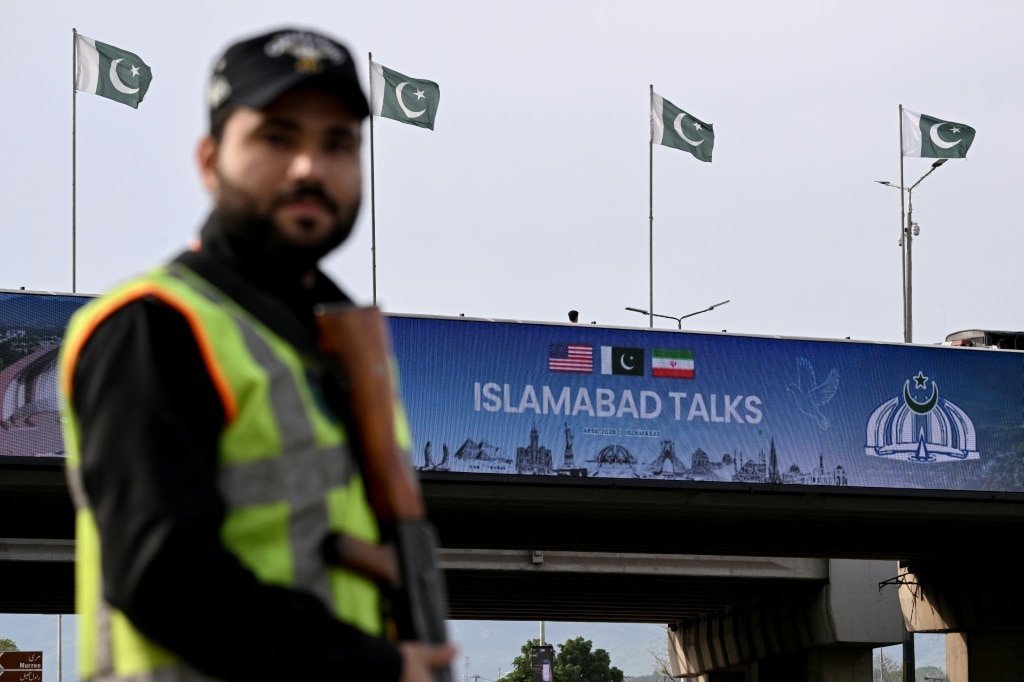
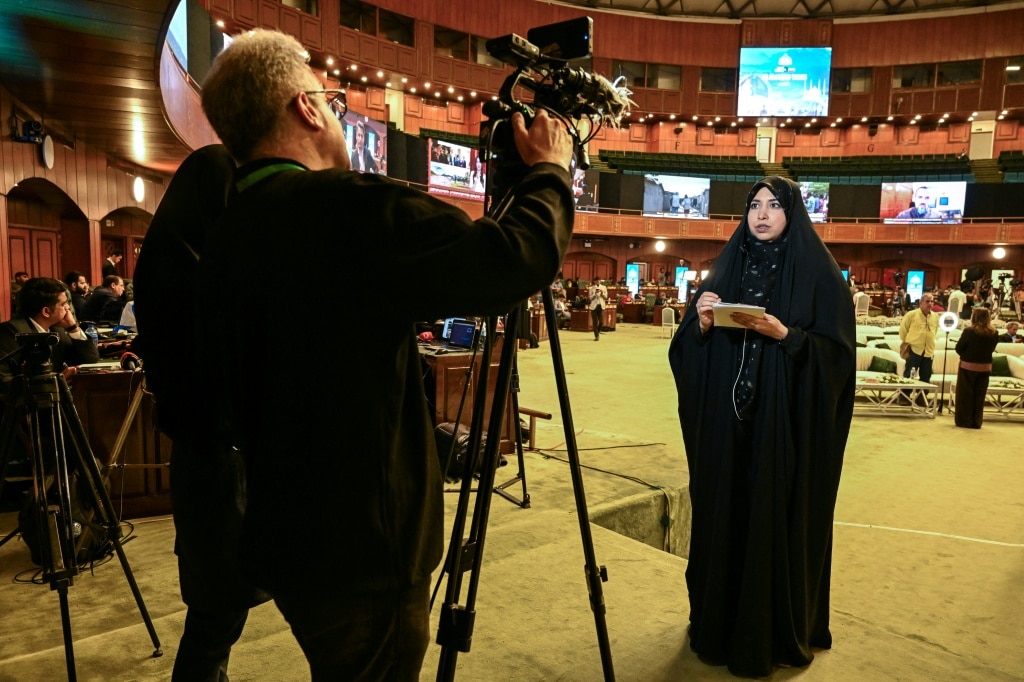
    When Pakistan announced it would host landmark negotiations between the United States and Iran aimed at ending the long-running Middle East conflict, journalists from every corner of the globe descended on Islamabad’s Jinnah Convention Centre, eager to cover what could be a historic turning point for regional security. Pakistani authorities had converted the sprawling flagship venue into a purpose-built media hub, rolling out branding for the so-called “Islamabad Talks” that plastered a logo combining the flags of all three nations across billboards and public spaces across the capital.

    What greeted reporters on the ground on Saturday was a study in contrasts. Inside the convention centre, accommodations for the press were anything but sparse: a lavish wedding-style buffet spread of local favorites including fragrant biryani, grilled kebabs, and sweet gulab jamun was laid out, a specialty coffee stall served artisanal lattes blended from Brazilian and Ethiopian beans stamped with the event’s tagline “Brewed for Peace”, and a small stage hosted live performances by local folk musicians including sitar player Amir Hussain Khan, who combines performing with teaching music. Even the internet, a scarce reliable commodity across much of Pakistan, was top-tier: independent testing by AFP recorded speeds exceeding 150 megabits per second, six times the country’s national average of 25 Mbps recorded by Speedtest.net in February 2026.

    But the access that matters most to journalists — entry to the actual negotiations, and opportunities to speak directly with the negotiating delegations — was entirely off the table. The closed-door talks were being held just 500 meters from the media centre, and no official press briefings, the standard for international events of this scale, were scheduled. Security was tight across the capital: overcast Saturday saw nearly all civilian traffic cleared from Islamabad’s wide avenues, with only heavily armed uniformed personnel patrolling the streets. Even accredited journalists were held up for an hour at a checkpoint outside the venue while VIP convoys passed, and reporters were segregated by their home countries’ affiliation: US media were given prime seating with a clear view of the main media stage, while Iranian journalists were seated on the opposite side of the hall.

    With no substantive access to the talks, frustration quickly mounted among the hundreds of reporters who had traveled thousands of miles to cover the event. “I’m bored out of my mind,” one anonymous journalist told AFP, with many others echoing the sentiment. The first official updates did not trickle out until more than three hours after US Vice President JD Vance, who leads the American delegation alongside Special Envoy Steve Witkoff and Jared Kushner, touched down in the capital. The only updates made available to the press were short, pre-written press statements distributed via WhatsApp, rather than on-the-record briefings that would allow journalists to ask questions. State television only broadcast footage of Vance’s arrival and his reception by senior Pakistani officials, including army chief Field Marshal Asim Munir, and later released readouts of his meetings with Foreign Minister Ishaq Dar and Prime Minister Shehbaz Dar, both of which emphasized Pakistan’s hope that the talks would deliver lasting regional peace.

    “They say they have facilitated the media. No doubt they have given 5G internet speeds,” veteran journalist Nadir Guramani noted. “But media teams deputed inside Jinnah Convention Centre do not know what’s happening outside.” Even small concessions were off limits: security guards refused to allow reporters to bring their coffee into the main media hall, telling an AFP correspondent cryptically “Foreign media is here, and they are watching.” By sunset, the only tangible outcomes of the event for the assembled press were a full meal, fast internet, and a collection of generic press statements. Any substantive progress toward ending the Middle East war remained entirely out of reach — for the reporters waiting in the convention centre, at least.

  • McIlroy’s Masterpiece remains the buzz at Augusta

    McIlroy’s Masterpiece remains the buzz at Augusta

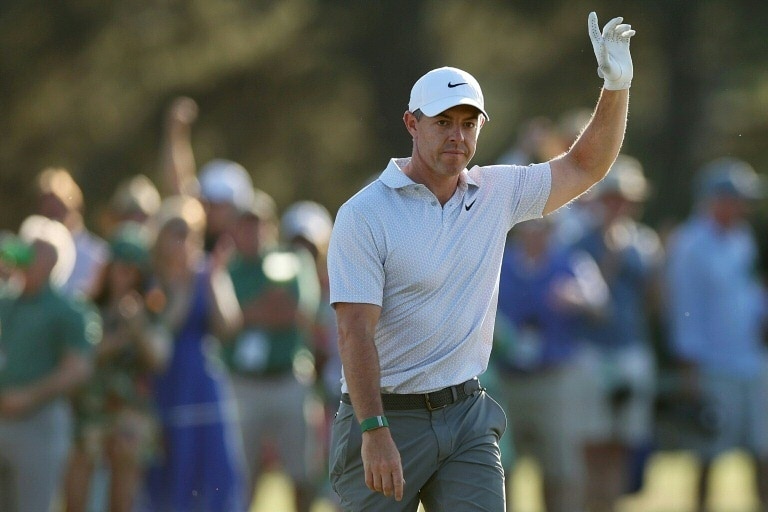
    As players prepared to tee off for Saturday’s third round of the Masters Tournament at Augusta National Golf Club, all conversations still centered on one astonishing achievement: Rory McIlroy’s record-breaking 36-hole performance that gave him an unprecedented six-stroke advantage over the entire field.

    The 36-year-old Northern Irish golfer put on a late-round clinic on Friday, carding birdies on six of his final seven holes – including the last four in a row – to storm into the top position, leaving fellow pros struggling to find words to describe the display of dominance. “Rory played great, made the most of pretty much everything he could out there and that’s what it takes to be beating the field by six,” said world number three Cameron Young, who competed alongside McIlroy on Friday.

    As the defending Masters champion, McIlroy fired a seven-under-par 65 in his second round, pushing his cumulative score to 12-under 132 at the halfway mark of the year’s first men’s major championship. A victory this weekend would see him join an exclusive club of golf legends: only Tiger Woods, Jack Nicklaus and Nick Faldo have ever successfully defended their green jacket titles.

    McIlroy navigated Augusta’s notoriously tricky Amen Corner with poise, notching birdies on both the challenging par-three 12th and par-five 13th holes. He closed out his round with a stunning 29-yard chip-in birdie at 17, followed by a clinical six-foot putt for birdie at 18 to etch his name into Masters record books. Even before Friday’s historic round, 1992 Masters champion Fred Couples predicted McIlroy’s momentum after he shared the first-round lead, saying, “Rory may never lose this thing again.”

    Heading into Saturday’s play, Americans Patrick Reed and Sam Burns are tied for second place at six-under 138. A further stroke back at five-under 139, Ireland’s Shane Lowry, England’s Justin Rose and Tommy Fleetwood remain within striking distance if McIlroy slips.

    McIlroy is set to tee off alongside Burns in Saturday’s coveted final pairing at 2:50 p.m. local time (1850 GMT), aiming to extend his commanding lead. Reflecting on his mindset ahead of the third round, McIlroy said he plans to stick to the strategy that has worked so far: “I have to go out there with the same free, trusting mindset I have the first two days.”

    The five-time major champion has delivered a masterclass in adaptive play through the first two rounds. Notably, he has yet to hit a fairway on any of the tournament’s par-five holes, but still has played those holes seven-under par thanks to elite iron play and precision putting. Even with only 13 of 28 fairways found – ranking last among the 54 players who made the cut in driving accuracy – McIlroy ranks second in the field in scrambling percentage. His 334.2-yard average driving distance is second in the tournament, and he has needed only 51 putts through two rounds.

    “I haven’t panicked when I’ve hit it off course and into the trees,” McIlroy explained. “When I was in the trees I didn’t mind. I sort of feel like I’m playing with the house’s money, which is a nice place to be.”

    Last year’s Masters victory was a career-defining moment for McIlroy, ending a 10-year major championship drought and completing his career Grand Slam, and his comfort at Augusta is clear. “I’ve always loved this course and this tournament even when I felt it didn’t love me back,” he said.

    Historically, only two 36-hole leads in major championship history have been larger than McIlroy’s six-stroke advantage: Henry Cotton’s nine-stroke lead at the 1934 British Open and Brooks Koepka’s seven-stroke edge at the 2019 PGA Championship. Friday’s 65 was also McIlroy’s 10th career major round of 65 or lower, matching a record previously shared only by Tiger Woods and Dustin Johnson. For context, Woods holds the 54-hole Masters lead record of nine strokes set during his 12-stroke victory in 1997, while Jordan Spieth and Dustin Johnson share the 54-hole scoring record of 200, set in 2015 and 2020 respectively.

  • Sinner brushes past Zverev to reach Monte Carlo final

    Sinner brushes past Zverev to reach Monte Carlo final

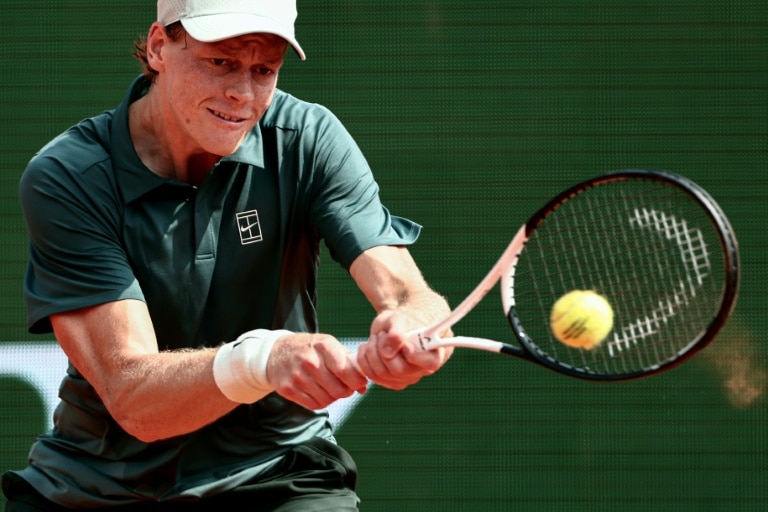
    In a commanding display of top-tier tennis on Saturday, World No. 2 Jannik Sinner delivered a clinical performance to defeat Germany’s Alexander Zverev in straight sets 6-1, 6-4, securing his first-ever berth in the Monte Carlo Masters final and etching his name into ATP Tour history.

    The 24-year-old Italian’s victory marks a historic milestone: he becomes the first men’s player to reach the final of the opening three ATP Masters 1000 events of a single season since legendary Serbian star Novak Djokovic accomplished the same feat back in 2015. Only two other all-time greats, Roger Federer in 2006 and Rafael Nadal in 2011, have managed to match this impressive run of consistent deep runs at the sport’s most prestigious non-Grand Slam tournaments.

    From the opening game, Sinner came out with blistering aggressive intent that left Zverev struggling to find any rhythm. He broke the German’s serve three times across the opening set, wrapping up a dominant 34-minute first set win that put Zverev immediately on the back foot. While Zverev, currently ranked World No. 3, managed to shore up his game in the second set—recovering his first serve accuracy and putting up far stiffer resistance—he was forced to fight tooth and nail just to hold his serve in every service game.

    Ultimately, Zverev could not stop Sinner’s momentum. The match ended after one hour and 22 minutes, with Zverev unable to handle another crushing forehand winner from the Italian. This victory extends Sinner’s incredible recent form at Masters 1000 events: he has dropped just one set across his last 21 matches at this level, and he has also extended his dominant head-to-head winning streak against Zverev. Zverev has not beaten Sinner since their Round of 16 clash at the 2023 US Open, continuing a cold streak for the German against the Italian.

    Sinner now turns his attention to the final, where he will await the winner of the second semi-final clash between top-ranked defending champion Carlos Alcaraz and French home crowd favorite Valentin Vacherot, who is ranked 23rd in the world. If Alcaraz emerges victorious from that match, the Monte Carlo final will be the first meeting this season between the world’s top two men’s singles players. It will also carry high stakes for the ATP rankings: the winner of that potential head-to-head will claim the World No. 1 ranking when the new ATP rankings are released on Monday.

  • Woman allegedly tried to kill 10yo girl with poison in Queensland

    Woman allegedly tried to kill 10yo girl with poison in Queensland

    A shocking alleged poisoning incident in a Queensland community has led to a 43-year-old woman facing an attempted murder charge connected to domestic violence, local law enforcement has confirmed. The alleged incident unfolded on March 12 in Yarrabilba, a suburban area located roughly 40 kilometers southeast of Brisbane’s central business district.

    Authorities say the woman, who is known to the 10-year-old victim, allegedly poisoned both the child and herself. Shortly after the poison was administered, both individuals began experiencing severe illness including persistent vomiting, prompting emergency responses from local medical services.

    Both the woman and the 10-year-old were immediately transported to Logan Hospital for urgent treatment. According to Queensland police updates, the young victim was assessed by medical staff and discharged from the facility the same day the incident occurred. The accused 43-year-old, however, required ongoing inpatient care and remained in the hospital until Friday, when she was medically cleared and transferred directly into police custody.

    Following her release from medical care, the woman was formally charged with one count of attempted murder, classified as a domestic violence offense. She has since been remanded in custody ahead of her first court appearance, which is scheduled for May 12 at Beenleigh Magistrates Court. No further details about the motive behind the alleged attack or the identity of the victim have been released publicly as the investigation continues.

  • UK to shelve Chagos handover after Trump criticism

    UK to shelve Chagos handover after Trump criticism

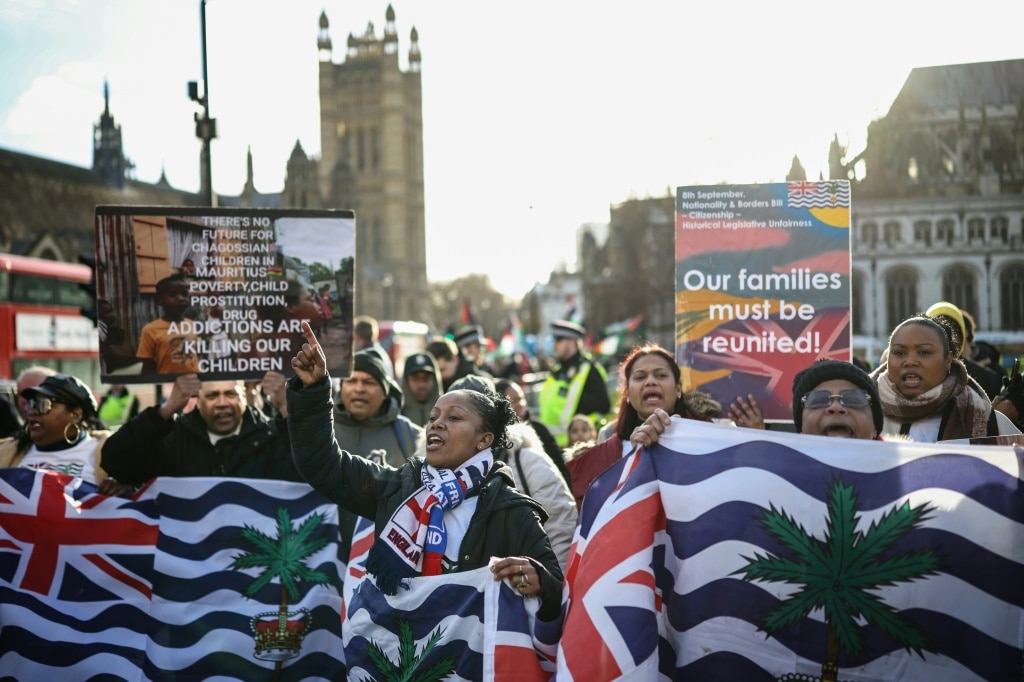
    The United Kingdom has formally paused its controversial plan to transfer sovereignty of the Chagos Archipelago to Mauritius, a decision triggered by fierce public pushback from U.S. President Donald Trump, a British government spokesperson confirmed Saturday. The archipelago is home to the strategically critical Diego Garcia joint U.S.-UK military base, a key defense outpost for both nations that has played a role in Western military operations in the Middle East and Indian Ocean region.

    Downing Street has long maintained that any finalized agreement to hand over the Indian Ocean territory would only move forward with explicit backing from Washington. “Diego Garcia is a key strategic military asset for both the UK and the US. Ensuring its long-term operational security is and will continue to be our priority – it is the entire reason for the deal,” the spokesperson said in an official statement, adding that British officials will continue diplomatic engagement with both the U.S. and Mauritius moving forward.

    The draft legislation needed to formalize the 2024 Chagos Agreement, originally reached between London and Port Louis in May of that year, was already facing an imminent deadline: the UK Parliament is set to dissolve in the coming weeks for a general election, and the bill will not have enough time to pass through all required parliamentary stages. Government sources told the BBC that the plan is not being completely scrapped entirely, but no new legislation is expected to be introduced after the election, effectively putting the deal on ice indefinitely.

    Under the original terms of the 2024 agreement, Britain would have transferred full sovereignty over the entire archipelago – located roughly 1,200 miles northeast of Mauritius – to its former colonial possession, in exchange for a 99-year lease on Diego Garcia to maintain the military base, with an option to extend the lease for a further term. Unconfirmed reports put the annual lease payment at £90 million ($111 million), a figure the UK government has neither confirmed nor denied. Former Prime Minister Keir Starmer had previously argued that the agreement was the only viable path forward, noting that international legal rulings had cast doubt on Britain’s longstanding claim to the territory and that a formal deal with Mauritius was the only way to guarantee the base could remain operational long-term.

    President Trump’s opposition to the deal marked a sharp reversal from his initial position: he had endorsed the agreement after it was signed, before launching a scathing public attack on the plan in posts to his Truth Social platform in January. He slammed London’s proposal as “great stupidity” and “an act of total weakness” that would be noticed by major geopolitical rivals China and Russia. In the same post, Trump went so far as to argue that the episode justified his longstanding call for the U.S. to take control of Greenland from NATO ally Denmark. The Diego Garcia base has long held major strategic importance for the U.S. and UK; most recently, the British government confirmed the base was used to launch what it described as “defensive operations” in its conflict against Iran.

  • Vance in Islamabad for Iran talks overshadowed by mutual mistrust

    Vance in Islamabad for Iran talks overshadowed by mutual mistrust

    On a tightly secured Saturday in Islamabad, Pakistan, US Vice President JD Vance and a top Iranian delegation led by Parliamentary Speaker Mohammad Bagher Ghalibaf gathered for what Pakistani Prime Minister Shehbaz Sharif has framed as a “make or break” effort to end weeks of catastrophic Middle East fighting that erupted in late February.

    The diplomatic gathering, months in the making through backchannel mediation, carries enormous global stakes: any lasting agreement would ease fears of a full regional war and stabilize volatile global energy markets, while a breakdown could reignite open hostilities that have already killed hundreds and destabilized the entire Middle East. But from the moment both delegations touched down, deep-seated mutual suspicion hung over the talks, with both sides openly acknowledging trust remains in short supply after decades of broken negotiating commitments.

    Ghalibaf, leading a 72-member Iranian delegation that arrived overnight at Islamabad’s Nur Khan airbase, was personally greeted by Pakistan’s powerful Army Chief Asim Munir — a figure who shares established personal ties with US President Donald Trump, a detail that helped smooth the path to this week’s negotiations. Shortly after landing, Ghalibaf echoed a sentiment widely held across Iran’s political leadership, telling state media: “We have good intentions but we do not trust. Our experience in negotiating with the Americans has always been met with failure and broken promises.”

    Vance, who led the US delegation that also includes senior White House envoy Steve Witkoff and Trump’s son-in-law and former senior advisor Jared Kushner, struck a similarly mixed tone before departing US soil. After a brief refueling stop in Paris en route to Pakistan, Vance said the US stood ready to negotiate in good faith: “If the Iranians are willing to negotiate in good faith, we’re certainly willing to extend the open hand. But if they’re going to try to play us, then they’re going to find the negotiating team is not that receptive.”

    The current two-week ceasefire that brought both sides to the table is already teetering on collapse, underscoring the urgency of the Islamabad talks. The truce went into effect just 48 hours before Israel launched its heaviest bombardment of Lebanese territory since Hezbollah entered the war in early March, killing hundreds. Israeli strikes continued in Lebanon through Friday, with Tehran refusing to accept Israel’s position that the truce does not extend to the country. Hezbollah, the Iran-aligned militant group, responded overnight with fresh drone and rocket attacks targeting northern Israel and Israeli troops in southern Lebanon, keeping the cycle of violence active even as diplomats gathered in Pakistan.

    Multiple core sticking points remain unresolved before talks can even move toward a lasting deal. Iran has demanded the ceasefire formally cover Lebanon and that billions in frozen international assets be unfrozen — two conditions that have yet to be met. For the US, Trump has made the full reopening of the Strait of Hormuz, the strategic waterway through which roughly one-fifth of the world’s global crude oil shipments pass, a non-negotiable condition for extending the ceasefire. The strait has yet to return to normal shipping operations, and Trump reiterated Friday that Washington would open it “with or without” Iran’s cooperation if no deal is reached. Beyond the strait, Trump told AFP that preventing Iran from acquiring a nuclear weapon remains Washington’s top priority, representing “99 percent” of the US agenda at the talks.

    Pakistan, which pulled off last-minute mediation to bring the historic adversaries to the same capital, has already assembled a specialized team of technical experts to facilitate discussions on navigation, nuclear non-proliferation, and other core disputed issues. The country has ramped up security across Islamabad, deploying heavy police and paramilitary forces to the central diplomatic “red zone” and clearing the city’s top luxury hotel of all other guests to house the delegations. It remains unclear whether US and Iranian negotiators will meet face-to-face, or will follow the indirect format used in earlier Oman-mediated talks held before the outbreak of open war.

    The talks are being closely coordinated with other major global and regional mediators, including Egypt, Turkey, and China, all of which helped lay the groundwork for negotiations. Trump confirmed to AFP that China played a key role in convincing Tehran to attend the talks, and official sources say Beijing has been floated as a potential guarantor for any final lasting agreement. It remains unclear, however, whether China will send a formal delegation to the talks or agree to take on the official guarantor role.

    Public sentiment in Iran remains deeply skeptical of a breakthrough: a 30-year-old Tehran resident told AFP that most of Trump’s public statements are “pure noise and nonsense” to ordinary Iranians. Even as delegations prepared for their first formal meetings, Iran’s state media devoted only a brief segment to the talks in its first Saturday morning broadcast, with a subsequent segment focused on civilian volunteers signing up to defend the country if fighting resumes. For all the high hopes placed on Pakistan’s mediation, the coming days will test whether the two bitter adversaries can set aside decades of hostility to reach a deal that ends the current conflict before it spirals into a wider regional war.

  • Three people killed in horror Perth crash

    Three people killed in horror Perth crash

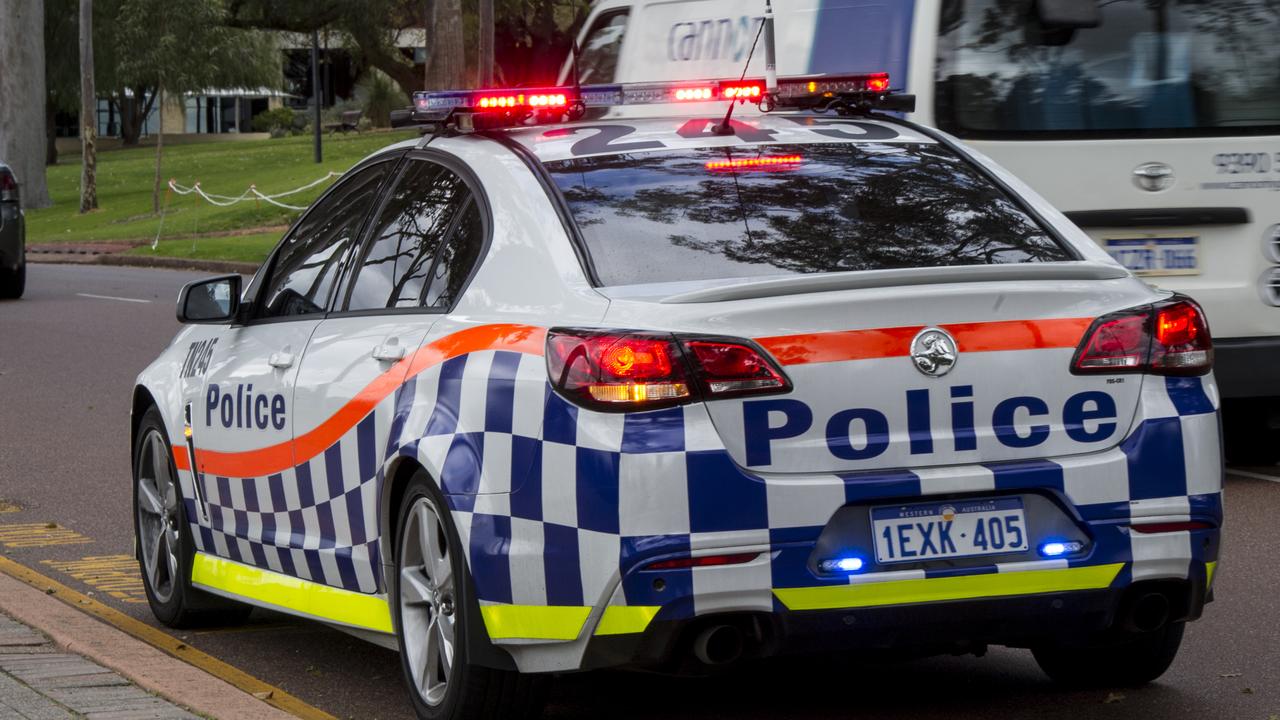
    A devastating traffic collision has claimed the lives of three people in Western Australia’s Perth Hills region, after the vehicle they were traveling in left the roadway and struck a tree on Saturday morning.

    Emergency response teams were dispatched to the accident site on Stoneville Road, located roughly 30 kilometers northeast of Perth’s central business district, shortly after 8:50 a.m. local time, following reports of the crash. All three adult occupants of the car suffered critical, life-ending injuries in the impact, and were pronounced dead at the scene.

    In the immediate aftermath of the tragedy, Western Australia Police closed the affected stretch of Stoneville Road to all through traffic to preserve the crash site for forensic examination. Major crash investigation specialists from the state police force have now taken charge of the probe to determine the exact cause of the accident, with no further details on potential contributing factors released as of the latest update. Local authorities have advised motorists to avoid the area while investigative work continues.

  • Ban for GP with ‘unhealthy obsession’ with lasers

    Ban for GP with ‘unhealthy obsession’ with lasers

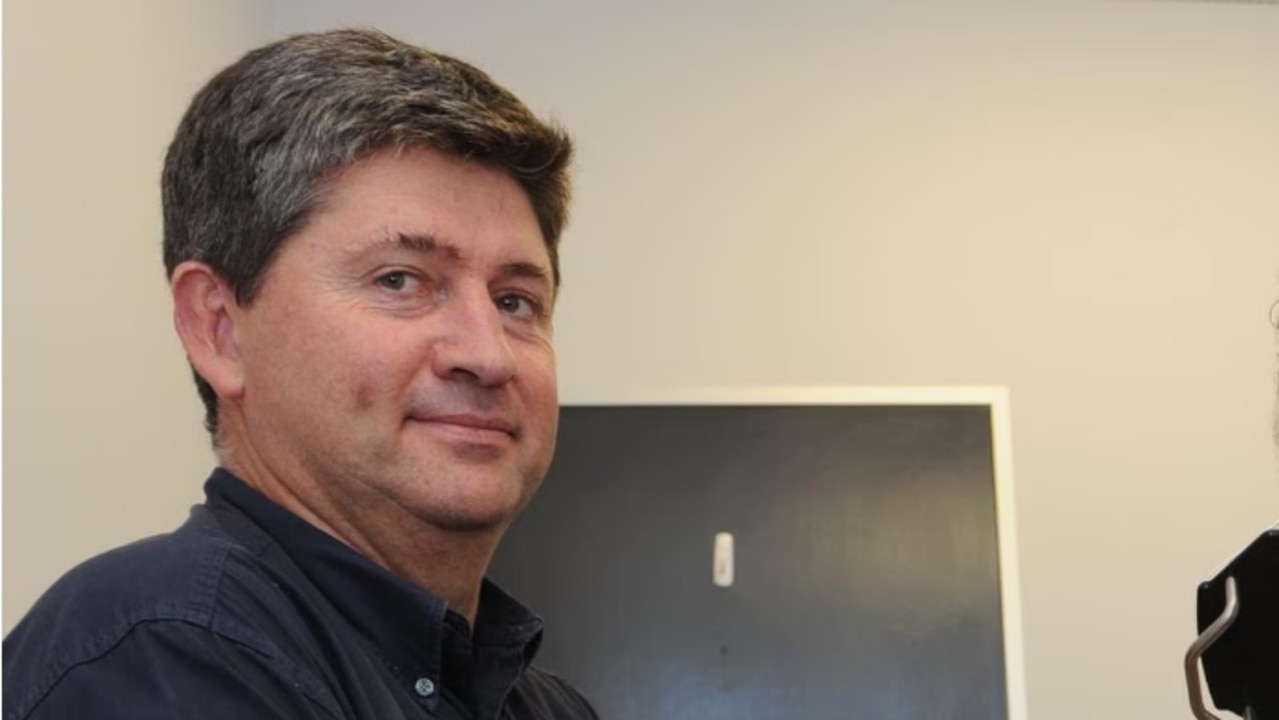
    A decades-long career in general practice has come to an abrupt 18-month suspension for a South Australian physician, after a disciplinary tribunal found he repeatedly violated a standing ban on promoting controversial low-level laser therapy (LLLT) to his patients. The South Australian Civil and Administrative Tribunal handed down the ruling against Mark Rogers, a long-serving Adelaide-based GP who admitted to an ‘almost delusional, unhealthy obsession’ with the alternative treatment.

    The saga of Rogers’ unauthorized practice stretches back more than a decade, court documents show. Seven years ago, regulators first barred Rogers from offering LLLT to his patients, after confirming he made misleading claims about what the therapy could achieve. Most infamously, Rogers had publicly asserted LLLT could be used to treat Alzheimer’s disease, a claim he has since admitted was entirely false.

    Rather than adhering to the 2016 ban, the tribunal found Rogers intentionally and blatantly ignored the regulatory order for years, continuing to steer patients toward LLLT throughout the following decade. The Medical Board of Australia eventually referred the case to the tribunal, bringing six separate misconduct charges against Rogers. Those charges covered failures to deliver adequate patient care, failures to disclose clear conflicts of interest, inappropriate financial and commercial arrangements with a patient, distribution of false and misleading medical information, breaches of a formal agreement with the national medical board, and violations of the conditions of his medical registration.

    The tribunal upheld all six allegations, confirming that Rogers provided inadequate treatment and dangerous inappropriate advice through his repeated recommendations of LLLT. LLLT, sometimes called cold laser therapy, is a non-invasive procedure that uses low-intensity infrared light, marketed most commonly for pain management and inflammation reduction. The treatment remains deeply controversial in mainstream medicine, with multiple independent clinical trials finding LLLT produces outcomes no better than a placebo for most patients.

    What made Rogers’ violations more serious, the tribunal noted, was the undisclosed personal financial stake he held in the therapy, creating an unreported conflict of interest that put his commercial gain ahead of patient welfare. In his testimony to the tribunal, Rogers acknowledged his problematic fixation on LLLT, stating he now hates the treatment and regrets ever becoming involved with it.

    However, the tribunal panel ruled that this belated admission was not enough to warrant leniency. ‘While we accept that Dr Rogers admits his behaviour, it cannot be overlooked that he has, in a sense, been forced into compliance by these proceedings against the background of the previous disciplinary orders,’ the tribunal’s finding read. ‘On our assessment of him during his evidence, we do not consider that he has developed sufficient and sincere insight into his behaviour.’

    The ruling cancels Rogers’ medical practitioner registration immediately and bars him from reapplying for his license for a period of 18 months. In explaining the harsh penalty, the panel emphasized it was designed to protect the public and reinforce trust in the Australian medical system. ‘We believe that the public will be properly protected, that their faith in the medical profession can be restored and that a very strong message will be sent to the medical profession, in particular that dishonest conduct towards the health regulators and disregard for orders of a disciplinary tribunal will not be tolerated and will be met with harsh sanctions,’ the ruling stated.

  • Safe to go in the water? State’s real-time shark warnings

    Safe to go in the water? State’s real-time shark warnings

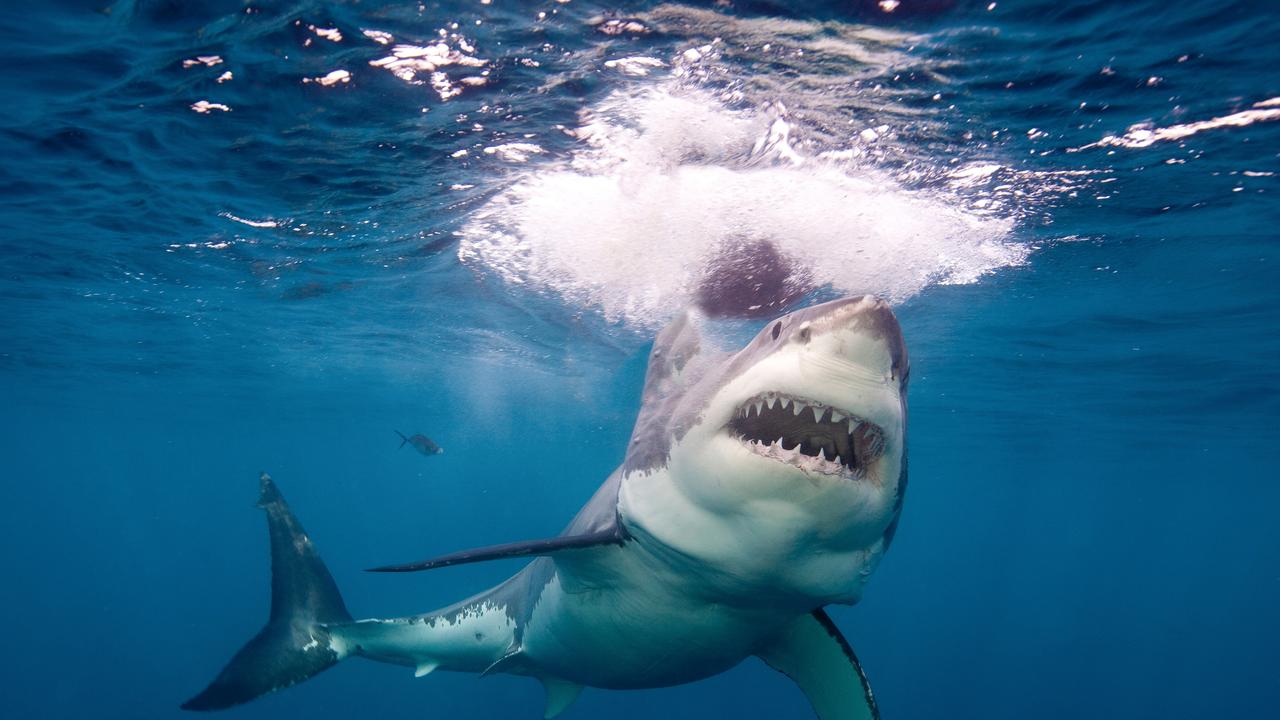
    Coastal safety has received a digital upgrade in South Australia, with state authorities launching an updated real-time online shark sighting service designed to keep beachgoers, fishers and water sports enthusiasts informed of potential risks before they enter the ocean.

    Managed by the state’s Department of Primary Industries and Regions (PIRSA), the revamped platform empowers members of the public to submit firsthand shark sighting reports that are published instantly for the community to access. To maintain data accuracy, PIRSA staff conduct post-submission reviews to filter out duplicate entries and false reports, ensuring the information available to users remains reliable.

    In a public statement announcing the update, PIRSA emphasized that the platform’s core improvement is its accessibility: it now makes it far simpler for anyone spending time on or near the coast to stay updated on recent shark activity in their local area. The agency encouraged community participation, noting that prompt reporting from members of the public helps keep all coastal visitors safe. To make reporting even more convenient, QR code stickers linking directly to the reporting page have been placed at dozens of high-traffic coastal locations and selected local tackle shops.

    Since the upgraded service went live, multiple confirmed and unconfirmed sightings have already been submitted by both community members and South Australia Police. The most recent entry, filed at 12:30 p.m. on April 10, documented an unidentified shark spotted off the coast of Aldinga by a law enforcement officer. Earlier sightings include a suspected thresher shark seen at Port Moorowie on April 7, and a potential great white shark spotted near Robe on South Australia’s Limestone Coast on April 5.

    The launch of this new public safety tool comes just days after a high-profile shark incident that highlighted the need for better real-time information sharing. Over the Easter weekend, 16-year-old surfer Oliver Tokic-Bensley was bitten by a shark at Middleton Beach. Speaking to Australian Broadcasting Corporation News after the attack, Tokic-Bensley said he considered himself extraordinarily fortunate to avoid catastrophic injury. “I felt something sharp, I sort of jumped when it got me and then I kicked my foot away and luckily it didn’t hold onto me,” he recalled, noting he escaped without losing his foot.