标签: Oceania

大洋洲

  • US-Iran talks fail to find deal but Gulf truce holds for now

    US-Iran talks fail to find deal but Gulf truce holds for now

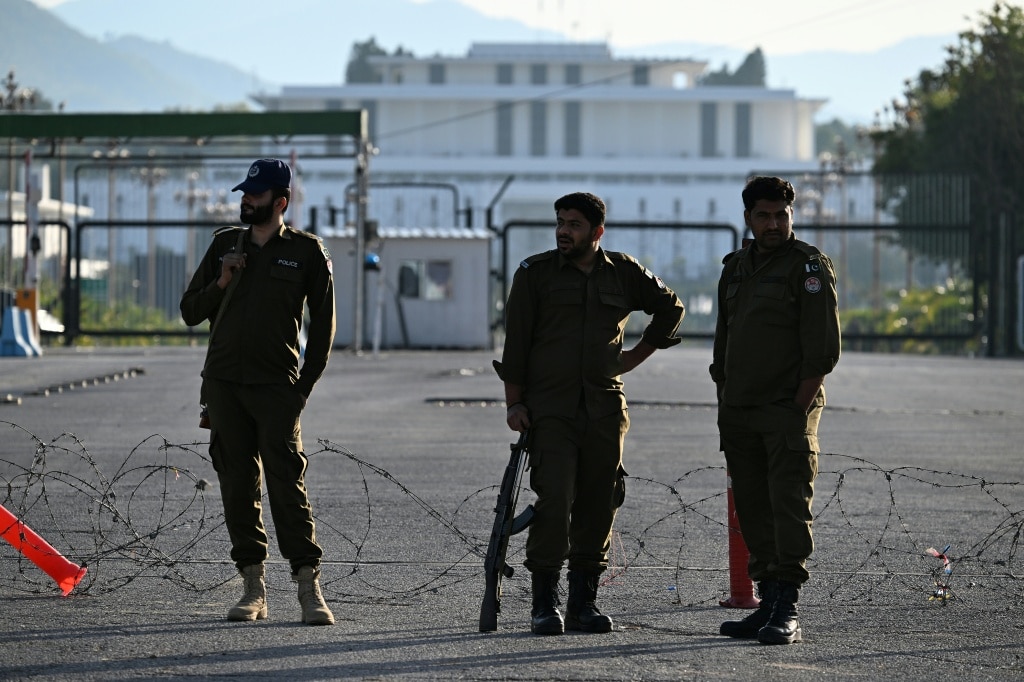
    High-stakes negotiations between the United States and Iran aimed at ending the months-long Middle East conflict concluded without a binding agreement on Sunday, though the temporary ceasefire that has calmed the region for two weeks has so far held, keeping immediate hopes for de-escalation alive. The talks, hosted in Islamabad, Pakistan, marked the highest-level direct engagement between the two nations since Iran’s 1979 Islamic Revolution, bringing senior delegations from both sides to the table after weeks of open warfare that shook global energy markets.

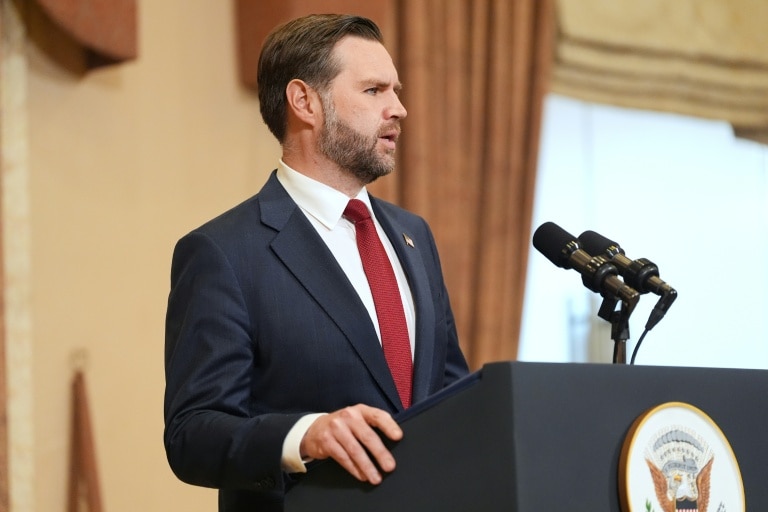
    US Vice President JD Vance departed Pakistan following the 21-hour marathon meeting, carrying with him Washington’s self-described “final and best offer” for a peace settlement. “We leave here with a very simple proposal,” Vance told reporters. “We’ll see if the Iranians accept it.” In response, Iranian Parliament Speaker Mohammad Bagher Ghalibaf noted that Tehran’s negotiating team had put forward “constructive initiatives” during the round, but ultimately the American side failed to earn the trust of Iranian negotiators.

    The breakdown of the talks has stoked widespread international anxiety: a resumption of full-scale hostilities could send global energy prices soaring once again and cause further damage to critical Gulf shipping lanes and oil and gas infrastructure. Even so, there were small signs of incremental progress on energy stability over the weekend. Saudi Arabia’s energy ministry announced that its key east-west oil pipeline, damaged in earlier strikes during the conflict, has been fully restored to service. Qatar’s transport ministry also moved to lift a subset of restrictions on Gulf shipping, easing some of the supply chain disruptions that have rippled across global markets since the war began in late February.

    As the host of the negotiations, Pakistan has committed to continuing its role as a neutral mediator. Pakistani Foreign Minister Ishaq Dar emphasized the urgency of upholding the existing truce, saying “It is imperative that the parties continue to uphold their commitment to ceasefire.”

    According to a report from Axios, citing an anonymous source briefed on the closed-door negotiations, core sticking points that derailed the deal included Iran’s demand for full control over the Strait of Hormuz and its refusal to dismantle its existing enriched uranium stockpile. The strategic waterway carries roughly one-fifth of the world’s daily oil supplies, and Iran closed the strait to most commercial traffic after the war began, a move that sent crude prices spiking immediately.

    International reaction to the failed talks has been measured. UK Health Minister Wes Streeting, speaking on behalf of the British government, told Sky News that while the outcome was disappointing, diplomatic efforts remain worth pursuing. “That doesn’t mean there isn’t merit in continuing to try,” Streeting said.

    The current conflict erupted on February 28, when the United States and Israel launched a coordinated strike on Iranian targets that killed Iran’s long-serving supreme leader Ali Khamenei. Tehran responded with retaliatory attacks, plunging the entire region into open conflict and sending shockwaves through the global economy. Before the Islamabad talks, Washington ramped up pressure on Tehran by announcing it had deployed minesweeping warships through the Strait of Hormuz to clear the waterway. On Saturday, the US military confirmed two Navy warships had completed the transit to begin mine clearing operations, framing the move as an effort to secure a “safe pathway” for commercial tankers.

    Iranian military officials have rejected the US account, denying any American warships entered Iranian territorial waters in the strait and threatening a full military response if any US vessels enter the waterway. The Iranian Revolutionary Guards’ Naval Command clarified that the promise of safe passage during the two-week ceasefire only extends to “civilian vessels under specific conditions.”

    Deep mistrust has defined the negotiations from the start, with decades of hostility between the two nations compounded by the sudden outbreak of war in late February. Notably, the US delegation included Jared Kushner, former President Donald Trump’s son-in-law, and Steve Witkoff, a New York real estate developer with longstanding personal ties to Trump. The pair had been in secret negotiations with Iranian officials in early February, just weeks before the US-Israeli strike that began the war.

    Tehran’s core demands for a final peace deal include the full unfreezing of Iranian assets blocked by international sanctions, an end to Israel’s ongoing military campaign against Hezbollah in Lebanon, and a resolution of the dispute over control of the Strait of Hormuz. Throughout the conflict, Iran has used its control of the strait to exert global economic leverage, driving up fuel prices in the United States and piling political pressure on the Trump administration.

    A separate complicating factor to regional peace is the ongoing violence in Lebanon, where Israeli forces have continued their offensive against Hezbollah, the Iranian-backed armed movement, despite the broader Gulf ceasefire. Israeli officials have explicitly stated the truce does not apply to Lebanon, where the Israeli military has launched both air strikes and a ground incursion in response to ongoing rocket fire from Hezbollah.

    On Saturday, Lebanese health authorities reported that 18 people were killed in new Israeli strikes across southern Lebanon, pushing the total death toll from Israeli operations in the country past 2,000 since the war began. Israeli-Palestinian talks focused on reaching a separate peace deal for Lebanon are scheduled to begin next week in Washington. Israeli Prime Minister Benjamin Netanyahu said Saturday that he aims to secure a peace agreement with Lebanon that “will last for generations,” though Israel has ruled out a temporary ceasefire with Hezbollah, choosing instead to continue military pressure on Lebanon’s fragile central government.
  • Ukraine, Russia trade mass Easter truce breach barbs

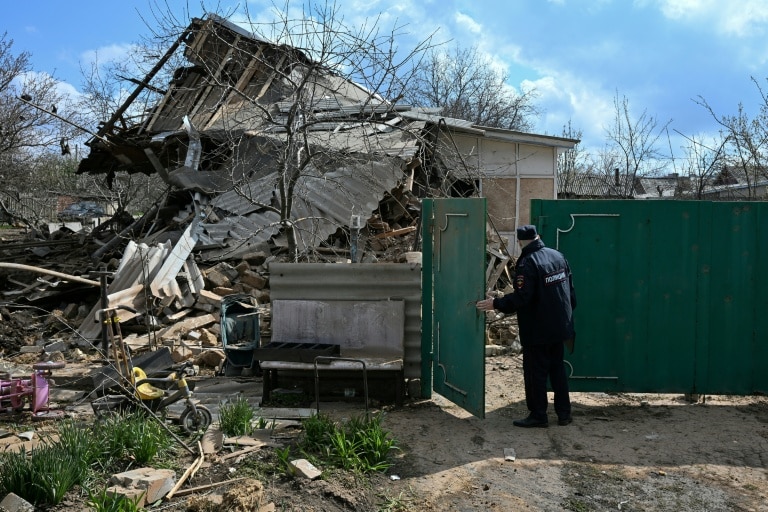
    Ukraine, Russia trade mass Easter truce breach barbs

    As the Ukraine-Russia conflict stretched into its fifth year, the Orthodox Easter holiday ceasefire that had raised faint hopes of a temporary lull instead dissolved into a barrage of mutual accusations of thousands of violations from both warring parties on Sunday.

    The 32-hour truce, which ran from Saturday afternoon through Sunday end-of-day per Kremlin scheduling, emerged after Ukrainian President Volodymyr Zelensky first proposed a halt to hostilities, followed by an official order for the ceasefire from Russian President Vladimir Putin four days prior. This marked the second consecutive year the two sides agreed to an Easter truce, only to see the agreement fall apart almost immediately amid denials and counter-claims. Last year’s identical holiday ceasefire also ended with both sides trading accusations of widespread breaches.

    By 7 a.m. local time on April 12, the Ukrainian Armed Forces General Staff reported it had documented 2,299 separate violations along the 1,200-kilometer front line. In a public Facebook post, the military broke down the alleged breaches: 28 enemy infantry assaults, 479 artillery shelling incidents, 747 strikes conducted by attack drones, and 1,045 strikes from FPV (first-person view) drones. Despite the staggering count of violations, Ukrainian officials did note one tangible benefit of the truce: there were no reported long-range Shahed drone attacks, guided aerial bombings, or large-scale missile strikes, which have become near-nightly occurrences for Ukrainian communities in recent months.

    Local Ukrainian frontline commanders echoed this mixed assessment. In Kharkiv region in northeastern Ukraine, Lieutenant Colonel Vasyl Kobziak of the 33rd Mechanised Brigade told AFP that conditions in his sector were “rather calm” Sunday morning, even as he acknowledged the truce was never fully respected. The temporary lull in heavy fighting still allowed his troops to gather for an outdoor Easter Sunday mass in the cold forest, where priests followed Orthodox tradition to bless traditional Easter food baskets and painted eggs. “Our comrades have the chance, as you can see, to have their Easter baskets blessed and to feel the warmth and joy of this holiday,” Kobziak said.

    Russia’s defense ministry pushed back immediately with its own set of accusations, claiming Kyiv had committed nearly 2,000 ceasefire breaches in the period between 4 p.m. and 8 a.m. Moscow time on April 12. In a post on the state-affiliated MAX platform, the ministry claimed Ukrainian forces had fired artillery and tank rounds 258 times, launched 1,329 FPV drone strikes, and dropped various types of munitions on 375 separate occasions, most via drone. The statement added that Ukraine launched three nighttime raids on Russian positions and four attempted advances along the front, all of which Russian forces successfully thwarted.

    Outside of the front lines, Russian regional officials also reported alleged truce violations. In Russia’s Kursk region, which shares a border with Ukraine, Governor Alexander Khinshtein claimed a Ukrainian drone attacked a gas station in the town of Lgov, leaving three people injured including an infant.

    In a Saturday evening address, Zelensky used the moment to call for an extended ceasefire, noting that any further progress on a longer halt to hostilities now depended on Moscow. “The ball is in Russia’s court,” he emphasized.

    The collapse of the Easter truce comes as broader peace negotiations remain deadlocked, months after multiple rounds of U.S.-brokered talks failed to narrow gaps between the two sides. The conflict, which began with Russia’s full-scale invasion of Ukraine in February 2022, has become Europe’s deadliest conflict since World War II, leaving hundreds of thousands dead and forcing more than 14 million people to flee their homes.

    Negotiations have stalled even further following the outbreak of conflict in the Middle East, which has shifted U.S. diplomatic and security attention away from Ukraine. Even before the Middle East crisis, however, progress on a lasting peace deal remained glacial, blocked by intractable disagreements over territorial claims. Ukraine has proposed freezing existing front lines to end active hostilities, a proposal Russia has flatly rejected. Moscow continues to demand full control over Ukraine’s entire Donetsk region, nearly half of which remains under Kyiv’s control — a non-negotiable demand for Ukrainian leadership.

    Recent territorial gains for Russia have been incremental, coming at the cost of massive Russian manpower losses, according to independent analysis. The U.S.-based Institute for the Study of War (ISW) reports that Ukrainian forces have made small incremental pushbacks in southeastern Ukraine, and Russian advances have slowed sharply since late 2025. Currently, Russian forces occupy just over 19 percent of Ukraine’s total territory, almost all of which was seized in the opening weeks of the 2022 invasion.

  • Australian teenager Gout faster than Bolt at 18

    Australian teenager Gout faster than Bolt at 18

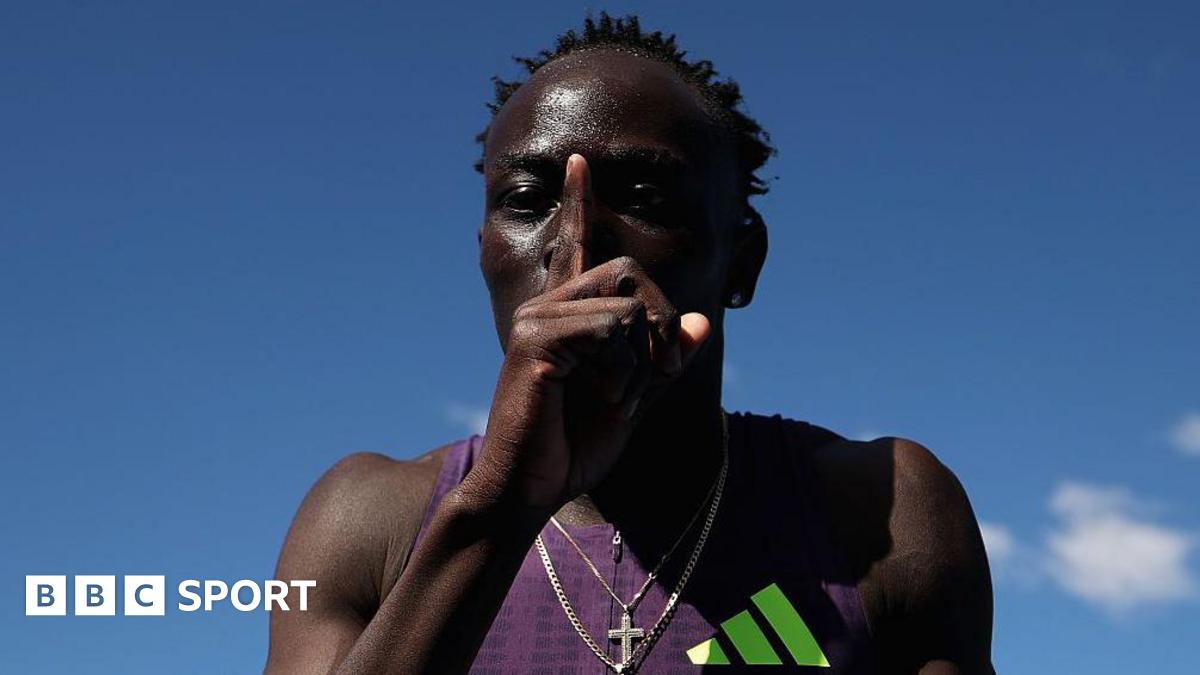
    Sprinting has a new rising star to watch, after 18-year-old Australian talent Gout Gout delivered a historic performance at the Australian national athletics championships on Sunday, clocking a time that would have earned him a bronze medal at the 2024 Paris Olympics.

    Competing on home soil in Sydney, the Queensland-based teenager crossed the 200m finish line in an extraordinary 19.67 seconds, a result that not only secured him the national title but also rewrote the official world under-20 record books. This marked the first time Gout has broken the 20-second barrier with a wind-legal result, after recording a wind-assisted 19.84 seconds during the 2025 season. His new personal best is also the fastest 200m time posted by any sprinter globally in 2026 so far.

    Sunday’s result pushes Gout ahead of one of the sport’s most iconic legends: Usain Bolt, the Jamaican eight-time Olympic gold medalist who held the previous best 200m time by a teenage athlete. Back in 2004, a 17-year-old Bolt ran 19.93 seconds to set a world junior record, and he never improved on that teenage mark before going on to dominate senior sprinting and set multiple senior world records that still stand today.

    Prior to Sunday’s race, the official world under-20 record belonged to American sprinter Erriyon Knighton, who ran 19.69 seconds in June 2022. While Knighton notched an even faster 19.49 seconds that same year, that result was never ratified as an official under-20 world record by global athletics governing bodies, leaving Gout’s 19.67 second run as the new officially recognized top mark for athletes under 20 years old.

    Gout’s rise through the sprinting ranks has been rapid: he first turned heads in 2024 as a 16-year-old, when he set a new Australian national senior record of 20.06 seconds, the fastest 200m ever run by a 16-year-old globally. Even more impressive than Gout’s historic win on Sunday was the depth of Australian sprinting on display: second-place finisher Aidan Murphy also broke the 20-second barrier, clocking 19.88 seconds to finish well clear of the old record mark.

    Born in Queensland to parents who migrated from South Sudan, Gout spoke to reporters after the race about the milestone, expressing both relief and excitement for what comes next. “This is what I’ve been waiting for,” he said. “We have such incredible athletes in Australia and me being able to race these athletes, we push each other to the limits. Two Australians sub-20. I mean, this is amazing. There’s a big weight off my shoulders knowing I ran it legally, and I have the speed and my body to run times like that. So, it definitely feels great, and ready for more.”

    Looking ahead, Gout has already confirmed his competitive plans for the coming months: he will skip the 2026 Commonwealth Games, which open in Glasgow on July 23, to prioritize preparation for the World Under-20 Athletics Championships, scheduled to take place in Oregon in early August.

  • ‘I’ve not seen at all from this group’: Jason Ryles says fans were entitled to boo his team after their defence fell apart at home

    ‘I’ve not seen at all from this group’: Jason Ryles says fans were entitled to boo his team after their defence fell apart at home

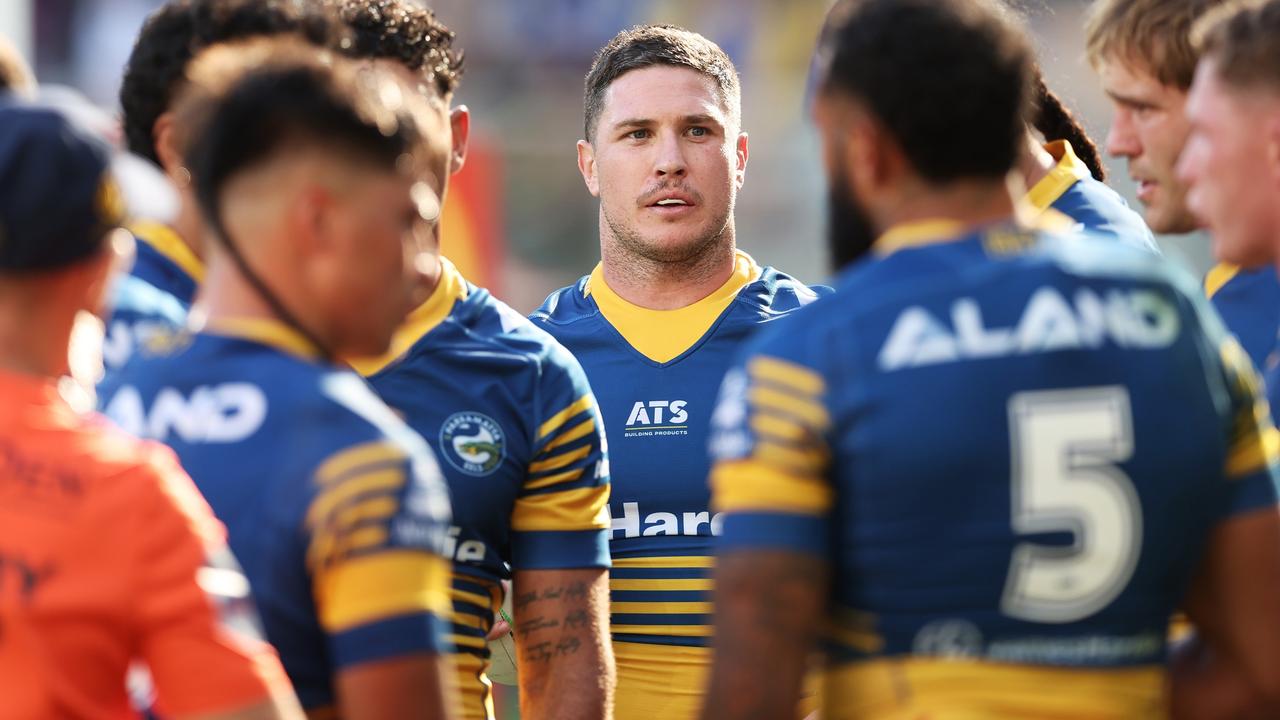
    The 2024 NRL season has quickly turned into a nightmare for the Parramatta Eels, who collapsed to a humiliating 52-10 defeat at the hands of the Gold Coast Titans on Sunday, leaving their home fans furious and their already crippled injury roster even further depleted. When the final siren blared at CommBank Stadium, thousands of blue-and-gold supporters voiced their anger by booing the team off the pitch – a reaction head coach Jason Ryles acknowledged was fully justified after one of the most underwhelming performances of his tenure.

    Gold Coast’s fast-paced backline tore through Parramatta’s defense with alarming ease all afternoon, pushing the Eels’ total points conceded through the first six rounds of the season to 226 – the worst defensive record of any side in the NRL this year. The lopsided result drops Parramatta to 16th place on the competition ladder, with little to show for their first six weeks of play beyond mounting frustration and a growing list of sidelined stars.

    Compounding the devastating loss were two new head knock injuries, to forwards Sam Tuivaiti and Kelma Tuilagi, that will force both players to miss the Eels’ upcoming clash against the Canterbury-Bankstown Bulldogs under the league’s concussion protocols. The club is already reeling from a rash of season-ending injuries to key rotation players J’maine Hopgood, Matt Doorey and Bailey Simonsson, while key playmaking duo Jonah Pezet and Isaiah Iongi remain sidelined for several more weeks with their own injuries. Veteran prop Junior Paulo is also currently managing a nagging knee injury that has limited his availability.

    Ryles, who has led the Eels for 18 months, refused to use the extensive injury list as an excuse for the lackluster performance, saying the most disappointing part of the defeat was the absence of competitive fight he had seen just a week prior. “Last week against the Tigers I saw some fight that I’d never seen before, and then this week I didn’t see it,” Ryles told reporters post-match. “It’s certainly a challenge whenever you lose a third of your roster, that always puts pressure on performances. But at the same time, it creates opportunity. I’m not going to blame the injuries – every team goes through these rough patches over a season, but when you get your opportunity, you need to take it.”

    The coach added that the team’s leadership would quickly investigate what led to the lack of intensity and poor decision-making that defined the loss, emphasizing that any new players called up to the first-grade side must understand the high standard required to compete at the NRL level. He also ruled out throwing unready young junior players into the line-up just to fill gaps, noting that doing so could risk long-term harm to their development. “I won’t throw youngsters in just for the sake of it to potentially jeopardise their future when they’re not ready for first grade,” he explained.

    Titans’ 52-point haul marked the second-highest single-game score in the club’s NRL history, capping off a dominant day that left Parramatta’s captain Mitch Moses struggling to explain the collapse. “I don’t really have many answers for you, to be honest,” Moses told reporters. “We haven’t really started well pretty much the whole year, so our start is a big reason for it. We’ve been losing our start every single game probably this year, and then when you look up at the scoreboard you’re down by 18, 20 and chasing your tail. It doesn’t make it easy. I don’t think our attack was really good today either, so it didn’t really help.”

    As the Eels turn their attention to next week’s match against Canterbury, the club faces urgent questions about how to reverse their early-season form slump and rebuild intensity after a defeat that has left their fanbase and playing group deeply demoralized.

  • Hungarians vote in closely watched election with Orban’s rule on line

    Hungarians vote in closely watched election with Orban’s rule on line

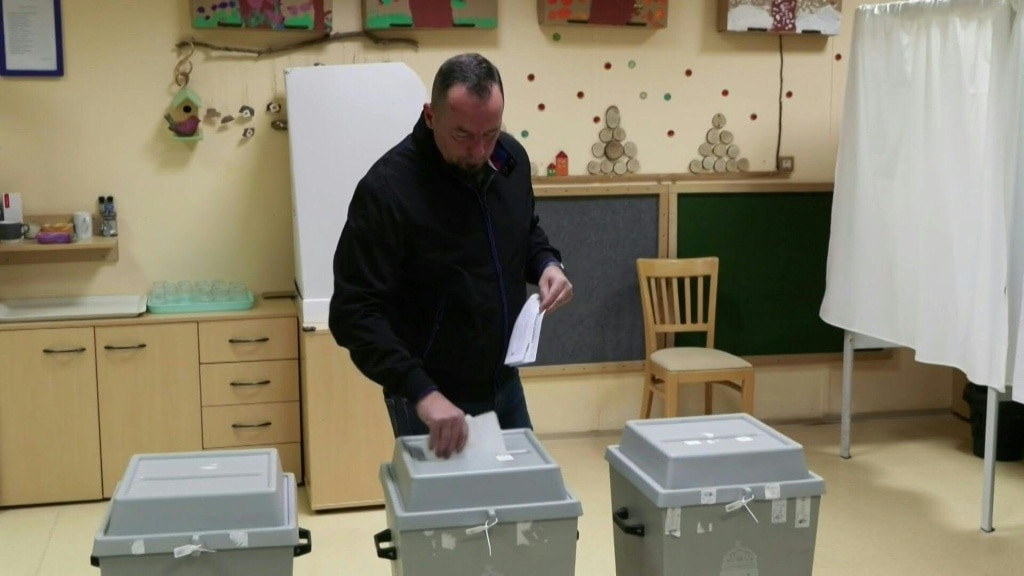
    On a high-stakes Sunday morning, polling stations opened across Hungary for a parliamentary election that stands as one of the most consequential political moments in modern European history, with the 16-year incumbency of nationalist Prime Minister Viktor Orban — the European Union’s longest-serving leader and self-described “thorn in Brussels’ side” — hanging in the balance.

    With opinion polls consistently placing opposition challenger Peter Magyar’s pro-European Tisza Party ahead of Orban’s ruling Fidesz party, the outcome of the vote has drawn intense international scrutiny from capitals across the continent and beyond. The race has been marked by bitter mutual accusations of foreign interference, dueling endorsements from high-profile American figures, and deep public division over Hungary’s future direction between alignment with the EU and continued closeness to Russia.

    Orban, 62, is vying for an unprecedented fifth consecutive term in office, during which he has reshaped Hungary into what he terms an “illiberal democracy.” Mirroring the rhetorical framing of former U.S. President Donald Trump — who has publicly thrown his full support behind Orban’s campaign — the incumbent has framed mass migration and progressive “woke” values as existential threats to Western civilization. He has centered his campaign on hardline rhetoric against neighboring Ukraine, which is currently defending itself against full-scale Russian invasion, portraying Kyiv as hostile to Hungarian interests. In the lead-up to voting, he also reiterated pledges to expand his crackdown on independent civil society groups, critical media, and opposition political figures.

    Long-simmering tensions between Orban’s government and EU institutions have boiled over in recent years, with Brussels freezing billions of euros in allocated cohesion funding over allegations that Orban has eroded judicial independence, cracked down on political dissent, and undermined the rule of law. U.S. Vice President JD Vance traveled to Budapest earlier this week to hold a rally in support of Orban, where he echoed the prime minister’s attacks on what he called overreach by Brussels bureaucrats. Trump, for his part, has promised to bring American economic leverage to Hungary if Fidesz secures another term.

    Magyar, a 45-year-old former insider within Orban’s government who only emerged as a political force two years ago, has built a rapidly growing movement on promises of a complete “system change” that would return Hungary to full democratic alignment with the European Union. Despite an electoral system widely acknowledged to be structurally skewed in favor of Fidesz, and a backdrop of years of economic stagnation that has left many Hungarian households struggling, Magyar has managed to galvanize widespread discontent with Orban’s rule. He has campaigned on pledges to root out systemic corruption — an issue where Transparency International ranks Hungary as tied with Bulgaria for the worst performance in the EU — and improve access to public services for working Hungarians.

    Outside polling stations on Sunday, voters from across the political spectrum expressed the historic weight of the moment, with many describing the election as a once-in-a-generation choice for the country’s future. “Now is our last chance to choose finally east or west. Do we want to be a normal democracy or turn back east with no point of return?” 18-year-old first-time voter David Banhegyi told AFP after casting his ballot for Tisza in a residential district of Budapest.

    Edit Csillaghegyi, a 58-year-old shop worker who also supported the opposition, cited corruption as her core motivation for ousting Orban. “I have one main problem with this government, what it did, the robbing,” she said.

    But for Orban’s supporters, the incumbent remains a bulwark against outside interference in Hungary’s domestic affairs. “It is so important for us that Viktor Orban stays in power,” said Maria Toth, a 31-year-old stay-at-home mother of two, after casting her ballot. “I feel Hungary is under siege from so many directions and big powers like Brussels are trying to dictate how we live. If he loses, I worry for my children’s future.”

    Andrea Szabo, a senior research fellow at ELTE University’s Centre for Social Sciences, framed the election as a defining turning point for Hungarian democracy. “If Fidesz wins now, that will clearly mean… a shift towards authoritarianism,” she told AFP. “This is the last moment in which this process can be halted, and the pendulum can swing back in a democratic direction.”

    Polling opened at 6:00 am local time (0400 GMT) and is scheduled to close at 7:00 pm local time. Analysts are projecting a record national turnout of roughly 75 percent, which would surpass the previous high of just over 70 percent set in 2002. The National Election Office has noted that while preliminary partial results will be released shortly after polls close, a final official winner may not be declared until next Saturday if the race remains extremely tight.

    In the weeks leading up to voting, the campaign has been roiled by a steady stream of leaks, accusations, and counter-accusations. Recorded phone conversations between Orban and his foreign minister, leaked to the public, triggered alarm across the EU over the pair’s close ongoing ties to the Kremlin. Multiple independent reports have documented an active covert Russian disinformation campaign designed to boost Orban’s chances of re-election, while a recent investigative documentary has alleged that Fidesz and its coalition partners are engaging in widespread vote-buying operations in rural Hungarian districts. Both Orban and the opposition have traded claims of foreign meddling: the opposition has raised concerns about Russian and American interference to benefit Fidesz, while Orban has accused the opposition of colluding with foreign intelligence services and plotting to destabilize the election through chaos.

  • Remember the Titans: Gold Coast heap more misery on the battered Eels as star fullback puts on attacking show

    Remember the Titans: Gold Coast heap more misery on the battered Eels as star fullback puts on attacking show

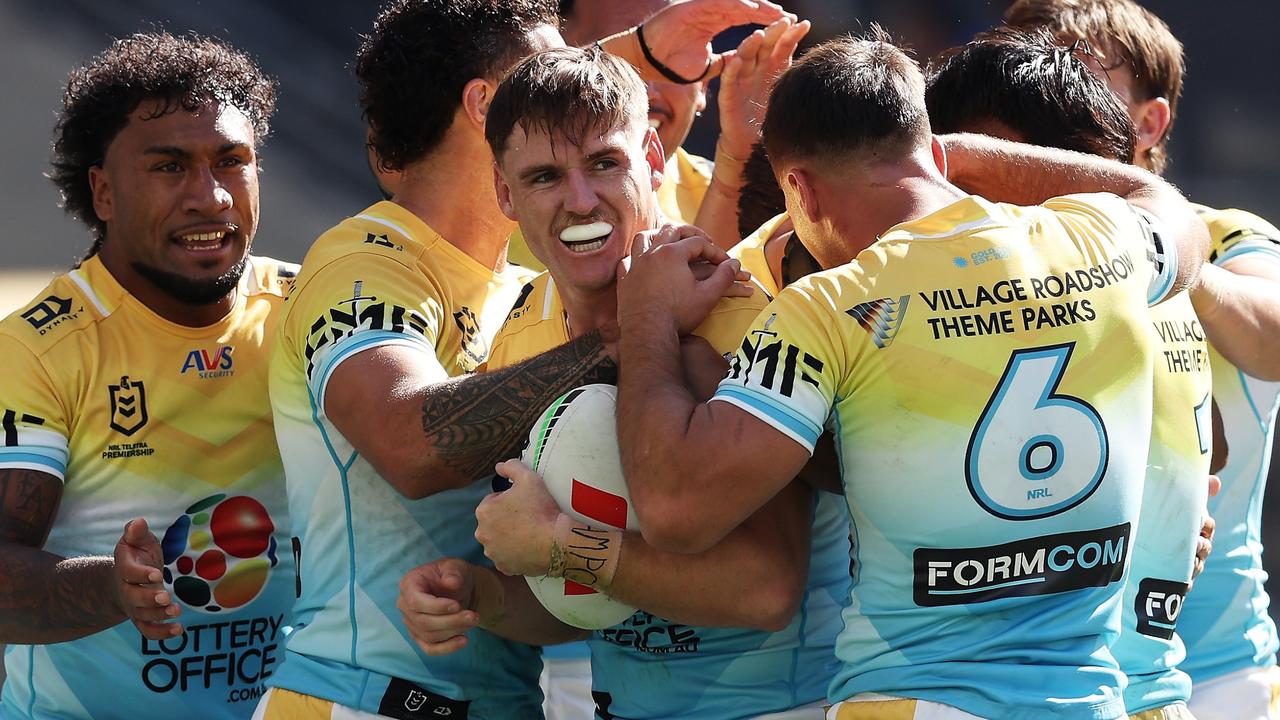
    In a dominant NRL round six matchup at CommBank Stadium on Sunday, the Gold Coast Titans delivered one of the most impressive performances of the young season, crushing the Parramatta Eels 52-10 to extend the home side’s losing streak and secure a rare victory on Sydney turf. The lopsided win, which marked the Titans’ second-highest single-game score in NRL history, was anchored by a career-defining 80-minute display from young fullback Keano Kini, putting to rest any lingering debate over the club’s starting role at the position.

    When interim Titans coach Josh Hannay took charge of the side earlier this season, he openly anointed Kini as his first-choice fullback, turning down calls to shift incumbent Jayden Campbell into the starting 1 spot. On Sunday, the pint-sized speedster turned that vote of confidence into a stat line that would look more at home in a video game than a professional rugby league matchup. Kini played a pivotal role in the Titans’ opening four tries, setting up all three of the side’s first-half tries and breaking the game open within the opening quarter. His most memorable play came on a brilliant spin pass that sent AJ Brimson over the line for a try, before he broke away on a 70-metre run off an Eels kick to set up rookie winger Sialetili Faeamani, pushing the Titans’ lead to 18-0 after just 15 minutes of play. Early in the second half, he burst through Parramatta’s soft middle defence to set up Campbell for another try. By full time, Kini finished the match with 226 running metres, four try assists, three line breaks and nine tackle busts, a performance the official NRL social media team described as unstoppable.

    Kini was far from the only Titans playmaker to produce a standout attacking display. Winger Jojo Fifita pounced on a loose Eels pass to spark a blistering 85-metre counterattack, linking up with Phil Sami to finish the long-range try that left the crowd stunned. Campbell later put the final cherry on top of the result when he intercepted an errant Parramatta pass to score another late Titans try, capping off a day where everything went right for the Gold Coast side.

    For the Parramatta Eels, the result marks yet another devastating low point in a disastrous start to the 2026 season. The Eels slumped to second-last on the ladder after six rounds, after conceding nine tries and missing a staggering 43 tackles against a Titans side that had struggled for attacking momentum heading into the round. Parramatta’s defensive woes have become the worst in the entire competition this season, with the club already conceding 226 points across the opening six weeks. On Sunday, both the edge and middle defensive lines were repeatedly exposed by Gold Coast’s dynamic attack, leaving head coach Jason Ryles with major questions to answer. Ryles will particularly be frustrated by the ease with which Cooper Bai barged over from close range for a second-half try, one of many soft tries the Eels conceded on the day.

    Parramatta’s attack was little better on Sunday. The side’s only first points came from a try that appeared to come off a clear forward pass, and by the time the Titans hit the 50-point mark late in the match, the home fans at CommBank Stadium voiced their anger with a raucous chorus of boos that rang out across the ground.

    Making matters far worse for the Eels is a worsening injury crisis that has gutted the club’s playing squad ahead of their upcoming fixture. Powerhouse forwards Sam Tuivaiti and Kelma Tuilagi both suffered head knocks during Sunday’s match and will be forced to miss next week’s game, joining a growing list of sidelined stars. The club is already missing starting lock J’maine Hopgood, edge forward Matt Doorey and winger Bailey Simonsson for the entire 2026 season, while Isaiah Iongi and Jonah Pezet are among other key players currently sidelined with injury. Tuivaiti’s injury came just 10 minutes after he came onto the field as a reserve, when his head collided with Arama Hau’s hip while making a tackle, and he was ruled out of the rest of the match immediately after the incident.

  • Vance says talks failed to reach agreement with Iran

    Vance says talks failed to reach agreement with Iran

    After 21 hours of closed-door negotiations hosted in Islamabad, Pakistan, United States Vice President JD Vance announced Sunday that direct talks with Iranian representatives have concluded without reaching a binding consensus, though Washington’s so-called “final and best offer” remains under consideration by Tehran.

    The negotiations came amid a fragile two-week pause in joint US-Israeli military strikes against Iranian sensitive sites, a truce that went into effect Tuesday to create space for diplomatic negotiations. Vance emphasized that the core sticking point throughout the discussions remained Iran’s long-term nuclear ambitions, a dispute that has fueled escalating tensions across the Middle East for years.

    Speaking to reporters at the luxury Islamabad hotel where the negotiations were held, Vance outlined Washington’s non-negotiable core demand: a clear, long-term commitment from Iran that it will abandon all efforts to develop a nuclear weapon, and will also forgo access to the materials and infrastructure required to build a nuclear device rapidly. “The simple question is, do we see a fundamental commitment of will for the Iranians not to develop a nuclear weapon — not just now, not just two years from now, but for the long term?” Vance said. “We haven’t seen that yet. We hope that we will.”

    Iran has consistently maintained that its nuclear program is exclusively for peaceful purposes, including energy production and medical research, a claim that successive US administrations have rejected. Tensions escalated further after the US and Israel launched a new wave of attacks on Iranian infrastructure on February 28, following earlier strikes on Iranian sites last year.

    Vance declined to elaborate on disagreements over a second critical issue: the reopening of the Strait of Hormuz, the strategic chokepoint through which roughly one-fifth of the world’s global oil supplies transit daily. The strait has been a flashpoint for regional tensions for decades, with disruptions to shipping through the waterway capable of sending global energy prices soaring.

    The Vice President pushed back against any suggestion that the White House took an inflexible stance, noting that President Donald Trump instructed the negotiating team to approach the talks in good faith and prioritize flexibility. Just one day before Vance’s announcement, Trump made unorthodox comments in Washington saying he did not have a personal stake in whether a deal was ultimately reached. Despite the lack of progress to date, Vance reaffirmed that the US side is leaving the final offer on the table to give Iranian leadership time to review the proposal and respond. “We leave here with a very simple proposal, a method of understanding that is our final and best offer. We’ll see if the Iranians accept it,” he added.

  • Long running legal stoush between miners Gina Rinehart, Angela Bennett over billions in mining royalties nears climax

    Long running legal stoush between miners Gina Rinehart, Angela Bennett over billions in mining royalties nears climax

    One of Australia’s longest-running and highest-stakes business disputes is poised to reach a critical turning point this week, as the Western Australian Supreme Court prepares to issue a landmark judgment in a multi-billion-dollar battle between two of the nation’s most powerful mining figures. At the center of the clash is Gina Rinehart, Australia’s wealthiest individual and head of Hancock Prospecting Pty Limited (HPPL), and Angela Bennett, an influential mining heiress who controls Wright Prospecting Pty Limited (WPPL), the family firm of her late father Peter Wright.

    The roots of the disagreement stretch back to the 1950s, when Wright and Rinehart’s father, Lang Hancock—two pioneers of Western Australia’s Pilbara region iron ore industry—first discovered the mineral deposits that would become the productive Hope Downs mining complex. Decades after their joint exploration, the two families that built their fortunes from that discovery are now fighting over who holds legal rights to critical royalties and assets at the site.

    Today, Hope Downs is operated as a 50-50 joint venture between global mining giant Rio Tinto and HPPL, producing roughly 50 million tonnes of iron ore annually. The project generates hundreds of millions of dollars in annual royalty income, with HPPL currently receiving a 2.5% cut of all production revenue. WPPL, however, argues that a historic agreement between Wright and Hancock entitles the Wright family to half of that 2.5% royalty stream, as well as a 25% stake in three specific Hope Downs tenements that hold the high-value East Angelas deposits, which have been in operation since 2013.

    If the court rules in WPPL’s favor, the firm would be entitled to 1.25% of all royalty payments backdated to the start of commercial mining at Hope Downs in 2007. Industry analysts value that retroactive payout alone at hundreds of millions of dollars, and the total value of the disputed assets is estimated to exceed $1 billion. Under a successful WPPL claim, Rio Tinto would retain its 50% stake in the project, while HPPL and WPPL would each hold 25% of the remaining share.

    Rinehart’s HPPL has pushed back aggressively against the claims, contending that the firm has taken on all financial and operational risks to develop the Hope Downs project, and thus holds exclusive rights to the assets and royalty stream outside the terms of the original Hanwright partnership agreement.

    The case has drawn extra attention due to the addition of other interested parties beyond the two main billionaire combatants. Rinehart’s own children, John Hancock and Bianca Rinehart, have joined the proceedings, as they already have an ongoing separate dispute with their mother over control of family trust assets established by Lang Hancock. The pair claim Rinehart improperly transferred trust shares meant for them to benefit herself. DFD Rhodes, a firm controlled by associates of the late Lang Hancock, has also laid claim to a 1.25% stake in the Hope Downs royalties, making the judgment’s outcome far-reaching for multiple stakeholders. Even joint venture partner Rio Tinto is impacted, as the ruling will reallocate which parties receive profit distributions from the mine.

    While Wednesday’s judgment will determine whether any of the claimants hold valid rights to the disputed royalties and assets, legal proceedings will not end there. Any follow-up dispute over the exact monetary value of what is owed will be settled in a separate, future trial, extending what has already been one of the most drawn-out legal battles in Australian mining history.

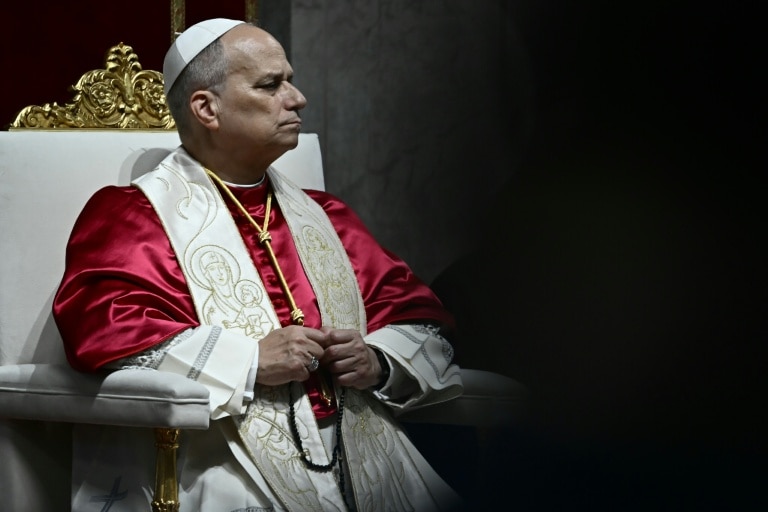
  • In fiery speech, Pope Leo says ‘Enough to war!’

    In fiery speech, Pope Leo says ‘Enough to war!’

    In one of the most forceful addresses of his early papacy, Pope Leo used a global peace prayer vigil at Vatican City’s St. Peter’s Basilica on Saturday to issue a searing condemnation of warmongering and an urgent call for global unity around dialogue. The 70-year-old American pontiff, elected to the papacy last May following the passing of Pope Francis, has emerged as a prominent voice against the rising tide of armed conflict across the globe, most recently doubling down on his criticism just one day prior, when he decried the “senseless and inhuman violence” roiling the Holy Land.

    Speaking to gathered worshippers and a global audience of more than 1.4 billion Catholics, Pope Leo did not name specific politicians or nation states, a consistent practice in his public remarks, but his words landed as a sharp rebuke to global leaders pursuing military escalation. In characteristically measured but impassioned tones, he laid bare the human cost of unending conflict, painting a stark portrait of a world “where there never seem to be enough graves, for people continue to crucify one another and eliminate life, with no regard to justice and mercy.”

    “Enough of the idolatry of self and money! Enough of the display of power! Enough of war! True strength is shown in serving life,” the pontiff implored. Directing his message first to global heads of state, he urged an immediate end to hostilities and a return to diplomatic negotiation: “To them we cry out: Stop! It is time for peace! Sit at the table of dialogue and mediation, not at the table where rearmament is planned and deadly actions are decided!”

    Beyond national leaders, Pope Leo extended responsibility for building peace to ordinary people across the world, calling on the “immense multitude” that rejects war to cultivate a culture of peace in everyday spaces: homes, schools, neighborhoods, and both civil and religious communities. He framed this grassroots work as a counter to what he called the “delusion of omnipotence” that has grown increasingly aggressive and unpredictable across the global stage.

    “A Kingdom that counters polemics and resignation through friendship and a culture of encounter. Let us believe once again in love, moderation and good politics,” he said, describing the Kingdom of God as a bulwark against the dehumanizing forces of war: “It also is a place with ‘no sword, no drone, no vengeance, no trivialisation of evil, no unjust profit, but only dignity, understanding and forgiveness.’”

    Known as a moderate bridge-builder since his election, Pope Leo has repeatedly pushed for de-escalation in ongoing conflicts, most notably the U.S.-Israeli campaign against Iran, where he has consistently emphasized that a diplomatic solution is the only sustainable path forward. Saturday’s vigil marked one of his most passionate public entreaties to date, as he called on billions of people worldwide to reclaim shared values of compassion and cooperation in what he described as a “dramatic hour in history.”

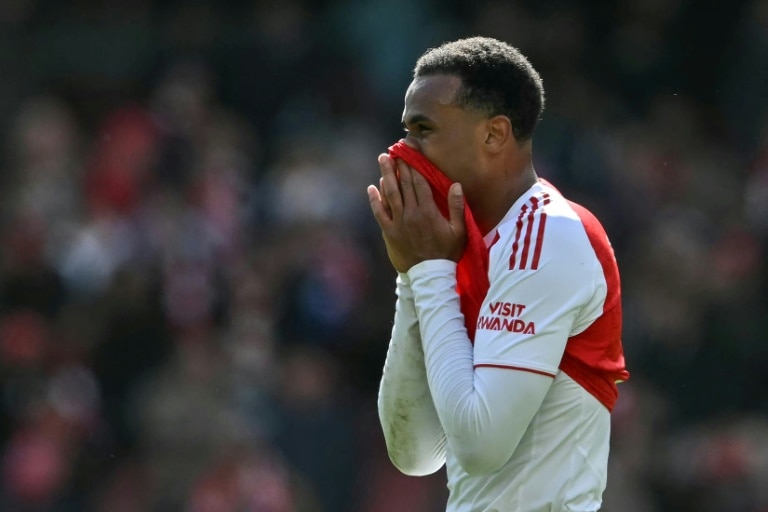
  • Arsenal suffer title ‘punch’ by Bournemouth, Everton hold Brentford

    Arsenal suffer title ‘punch’ by Bournemouth, Everton hold Brentford

    The 2024-25 Premier League title race has been flipped on its head after Arsenal suffered a shock 2-1 home defeat to Bournemouth on Saturday, while Everton’s late equalizer grabbed a 2-2 draw against Brentford and scrambled the race for Champions League qualification. What was looking like a steady path to a first league title in 22 years for Mikel Arteta’s Gunners is now hanging in the balance, with defending champions Manchester City firmly back in contention.

    Heading into Saturday’s fixture, Arsenal had the chance to stretch their lead at the top of the table to a commanding 12 points. But this defeat marks the Gunners’ third loss in four matches across all competitions, and now hands the initiative to Pep Guardiola’s City side, who hold two games in hand over the league leaders. City will look to capitalize on Arsenal’s slip first with a trip to Chelsea on Sunday, before hosting Arsenal at the Etihad Stadium in a blockbuster title decider next weekend.

    Just a month ago, Arsenal was targeting an historic quadruple of major trophies. But that dream has quickly unraveled: the side fell to City in the League Cup final last month, was knocked out of the FA Cup by Championship side Southampton, and now their long-awaited league crown is slipping out of grasp. A visibly disappointed Arteta acknowledged after the match that his side failed to meet their own season-long standards.

    “It’s a big punch in the face because we wanted to win this game so badly,” Arteta told reporters. “We were very far from the standards that we’ve shown all season. We didn’t cope with the situations when they didn’t go our way.”

    Bournemouth got off to a flying start when Junior Kroupi pounced on a deflected cross from Adrien Truffert to slot home the opening goal inside the first 20 minutes. Arsenal leveled just before halftime through a penalty converted by Viktor Gyokeres, but the Gunners’ familiar second-half lack of cutting edge in the final third proved costly once again. While Arsenal’s tight defensive record has carried them to the top of the table this season, they were carved open far too easily for Bournemouth’s winner: a well-crafted team move finished calmly by Alex Scott in the 74th minute that secured all three points for the visitors.

    For Bournemouth, the upset result is far more than just a giant-killing: it extends their current unbeaten run to 11 matches and lifts them up to 10th in the table, putting them firmly in the race for a surprise spot in next season’s European competitions.

    Down the table, the fight for the five direct Champions League qualification spots also tightened on Saturday, as both Brentford and Everton missed a golden opportunity to draw level on points with fifth-placed Liverpool. The Bees twice took the lead through striker Igor Thiago, who notched his 21st league goal of the season – putting him just one goal behind Erling Haaland in the race for the Premier League Golden Boot. But Everton hit back: Beto equalized midway through the first half, and Kiernan Dewsbury-Hall struck a late stoppage-time goal to rescue a point for the Toffees.

    Brighton & Hove Albion also kept their own dream of a first-ever Champions League appearance alive with a 2-0 victory over already-relegated Burnley. Midfielder Mats Wieffer scored both goals for the Seagulls, extending their winning run to five wins from six matches under manager Fabian Hurzeler. The result lifts Brighton to ninth in the table, just three points behind Liverpool in fifth, keeping their unexpected push for European football on track.

    All eyes now turn to Anfield, where Liverpool will host Fulham later on Saturday looking to end a damaging three-game losing run across all competitions. Pressure has grown on manager Arne Slot, less than a year after he led Liverpool to the 2023-24 Premier League title, following heavy back-to-back defeats to Manchester City in the FA Cup and Paris Saint-Germain in the Champions League. In a major boost for the Reds, star forward Mohamed Salah has been named back in the starting line-up, one of five changes Slot made to the side that lost 2-0 to PSG in midweek.