标签: Oceania

大洋洲

  • McIlroy wins second Masters in a row for sixth major title

    McIlroy wins second Masters in a row for sixth major title

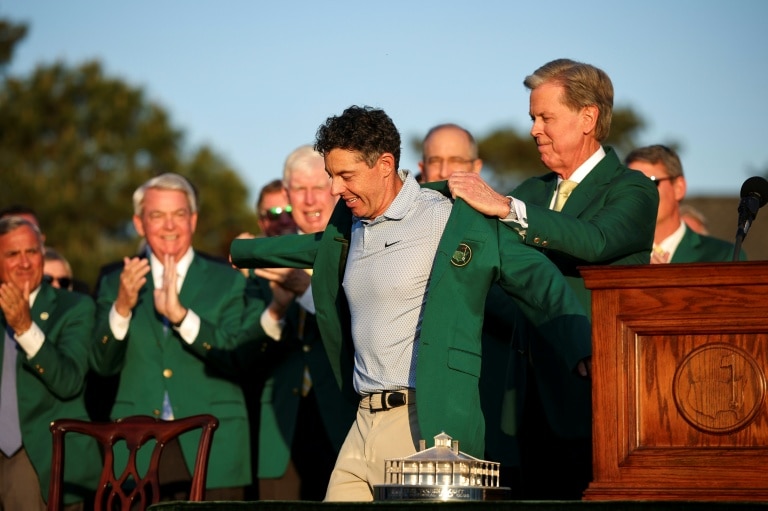
    In a dramatic day of golf at Augusta National Golf Club, Northern Ireland’s Rory McIlroy etched his name into Masters tournament history on Sunday, clinching consecutive green jackets and capturing his sixth career major championship with a one-stroke win over world No. 1 Scottie Scheffler.

    The 36-year-old world No. 2 overcame a rocky start to his final round, carding a double bogey on the fourth hole and another bogey on the sixth to fall off his early pace. But McIlroy dug in, sinking four birdies across the next seven holes to climb back into contention, and held off a late charge from the field despite a series of wobbly final-hole tee shots to claim the historic win and the tournament’s record $4.5 million top prize.

    With the victory, McIlroy becomes just the fourth player in Masters history to win back-to-back titles, joining golf legends Jack Nicklaus, Tiger Woods and Nick Faldo. He finished the final round with a one-under-par 71, ending the four-day tournament at 12-under-par 276—one stroke ahead of Scheffler, who carded a bogey-free 68 on Sunday to finish at 277.

    The win comes one year after McIlroy claimed his first ever Masters title in 2025, completing his career Grand Slam and snapping a 10-year drought without a major championship win. This year’s win marked the rare wire-to-wire triumph, after McIlroy set a 36-hole Masters record with a six-stroke lead heading into the weekend. “I just can’t believe I waited 17 years to get one green jacket and you know I get two in a row. It’s just sort of the way,” McIlroy told reporters after the round. “I think all of my perseverance at this golf tournament over the years has really started to pay off.”

    Due to his defending champion status, Augusta National chairman Fred Ridley stepped in to place the iconic green jacket on McIlroy, a ceremonial role normally reserved for the previous year’s winner. McIlroy acknowledged that the final two days of play were far from his best, noting he did the majority of his scoring work in the opening rounds Thursday and Friday, and had to fight to maintain his lead through the weekend. “It was a tough weekend. I did the bulk of my work on Thursday and Friday,” McIlroy said. “But just so, so happy to hang in there and get the job done.”

    McIlroy struggled with driving accuracy all tournament, ranking third-from-last in the field for the week. He pulled off a critical par save from the trees on the 15th hole, but faced a do-or-die moment on the 18th, when he sent his tee shot sailing over the right-side pines and landed near the fairway of the adjacent 10th hole, putting his victory in serious jeopardy. With the title on the line, McIlroy pulled off a spectacular approach shot that curled around the pine trees and landed in a greenside bunker. He blasted out to 12 feet from the pin and two-putted for bogey to lock in the win.

    “It’s nice to have that two-shot cushion instead of the one like I had last year,” McIlroy said, referencing his 2025 victory that required a playoff to secure. After sinking the final putt, McIlroy shouted in celebration and lifted his arms in triumph, before walking off the 18th green to hug his wife Erica, daughter Poppy and his parents.

    Scheffler, a four-time major champion who was seeking his third Masters title in five seasons, praised McIlroy after the round, acknowledging he had put up a strong fight but fell just short. “Over the weekend I put up a good fight, did a lot of good stuff in order to give myself a chance and ultimately came up a couple shots short,” Scheffler said.

    Four players tied for third place at 278: England’s Tyrrell Hatton and Justin Rose, and Americans Russell Henley and Cameron Young. For Rose, the 2013 US Open champion who has now finished second at the Masters three times, the near-miss left him frustrated. Rose had climbed into a share of the lead at 12-under after birdieing four of the last five holes on the front nine, but bogeys on 11 and 12 opened the door for McIlroy to take the lead for good. “I felt like there was an opportunity to do better, so obviously that’s frustrating for sure,” Rose said.

    McIlroy capitalized on the opening, sinking a seven-foot birdie putt on the par-three 12th after a stellar tee shot, then followed it up with an 11-foot birdie putt on the par-five 13th to extend his lead to three strokes. McIlroy pointed to those two holes as the turning point of the final round. “I think the tee shot on 12 and then the tee shot on 13, just to give me the option to go for the green in two, were the day’s key shots,” he said. “I made a really good committed swing off the 13th tee, and that enabled me to go for the green in two and to make a birdie there, following the birdie on 12. That was massive.” Four consecutive pars and the closing bogey were enough to hold off the field and secure McIlroy’s place in Masters history.
  • Queensland due for soaking as ex-tropical cyclone Maila downgrades into tropical low

    Queensland due for soaking as ex-tropical cyclone Maila downgrades into tropical low

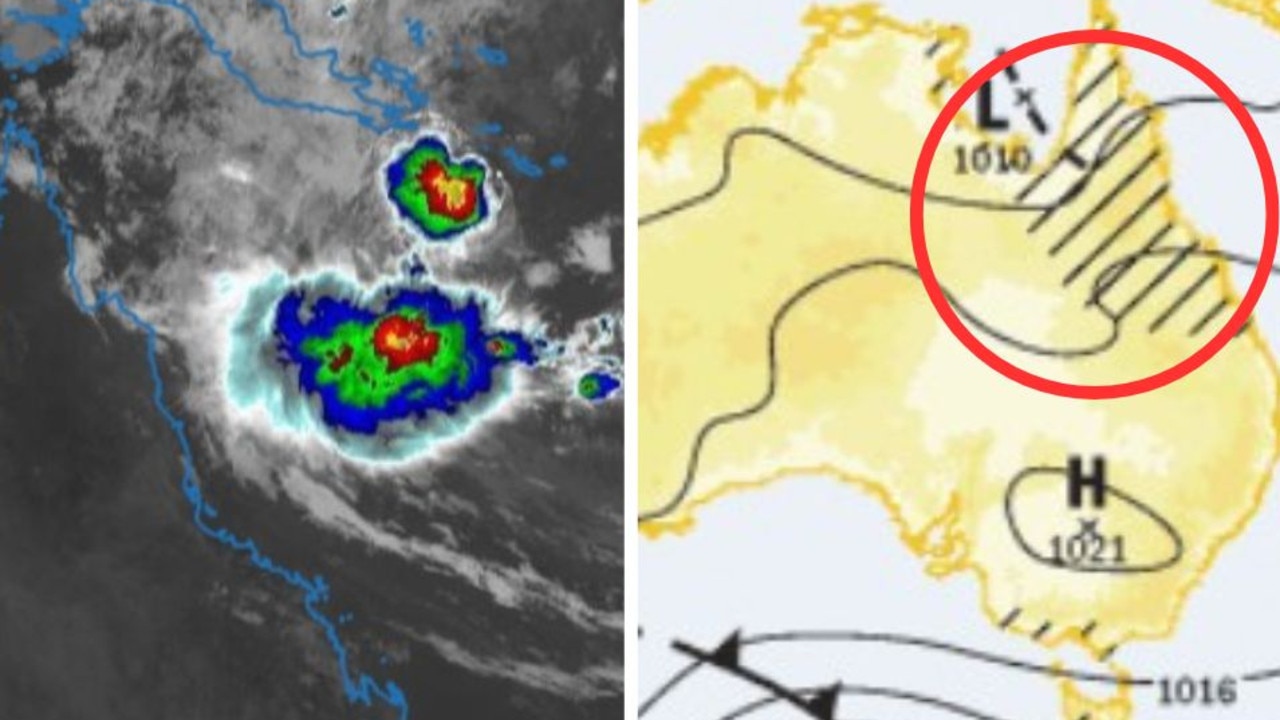
    Australia’s Queensland is bracing for days of widespread rainfall this week, as a moisture-laden low-pressure system spawned by weakening ex-tropical cyclone Maila tracks toward the state after forming off northern Southeast Asia. While most of the country is set to see mild, stable conditions over the coming days, Queensland residents will face steady, soaking rain starting Tuesday, driven by tropical moisture carried by the former cyclone system. Though Maila remains active far off Australia’s northeast coast, bringing disrupted conditions across Micronesia and the Philippine Sea, its residual atmospheric moisture is set to push across northern Queensland over the coming days, senior Bureau of Meteorology (BOM) meteorologist Dean Narramore confirmed. The system, which is currently generating heavy rain storms near Willis Island, will move steadily westward to cover most of northern Queensland north of the Rockhampton corridor, Narramore explained. “It will generally be a widespread soaking rain for many communities across the region,” he noted, adding that while Mt Isa is forecast to see the bulk of precipitation, officials do not anticipate widespread severe flooding from the event. Forecast data from the BOM shows wet conditions will persist through the weekend for most regions north of Rockhampton. Over the four-day period from Tuesday to Friday, most affected areas can expect total rainfall between 25 and 50 millimeters. Further north, stretching from the Whitsundays through Cairns, Townsville, the Gulf of Carpentaria, and the Cape York Peninsula, totals are expected to reach between 50 and 100 millimeters. By the end of the week, the rain system is projected to drift west into the Northern Territory. Across the rest of Australia, conditions will remain far drier than in Queensland. Western Australia is forecast to see a mostly warm, dry week, with only isolated thunderstorms that may reach Perth on Tuesday and Wednesday. South Australia, Victoria, and Tasmania will all see cool, dry conditions through the week, while eastern Australia and most of New South Wales will experience mild temperatures below the seasonal average. This report was updated most recently on the day of publication, by reporter Jack Nivison.

  • Backlash to Labor’s $20m fuel crisis ad campaign  grows

    Backlash to Labor’s $20m fuel crisis ad campaign grows

    A $20 million taxpayer-funded national advertising campaign designed to encourage voluntary Australian fuel conservation has ignited fierce political debate this week, with opposition figures slamming the initiative as a wasteful, out-of-touch expenditure while the ruling Labor government defends it as a critical investment in national fuel security.

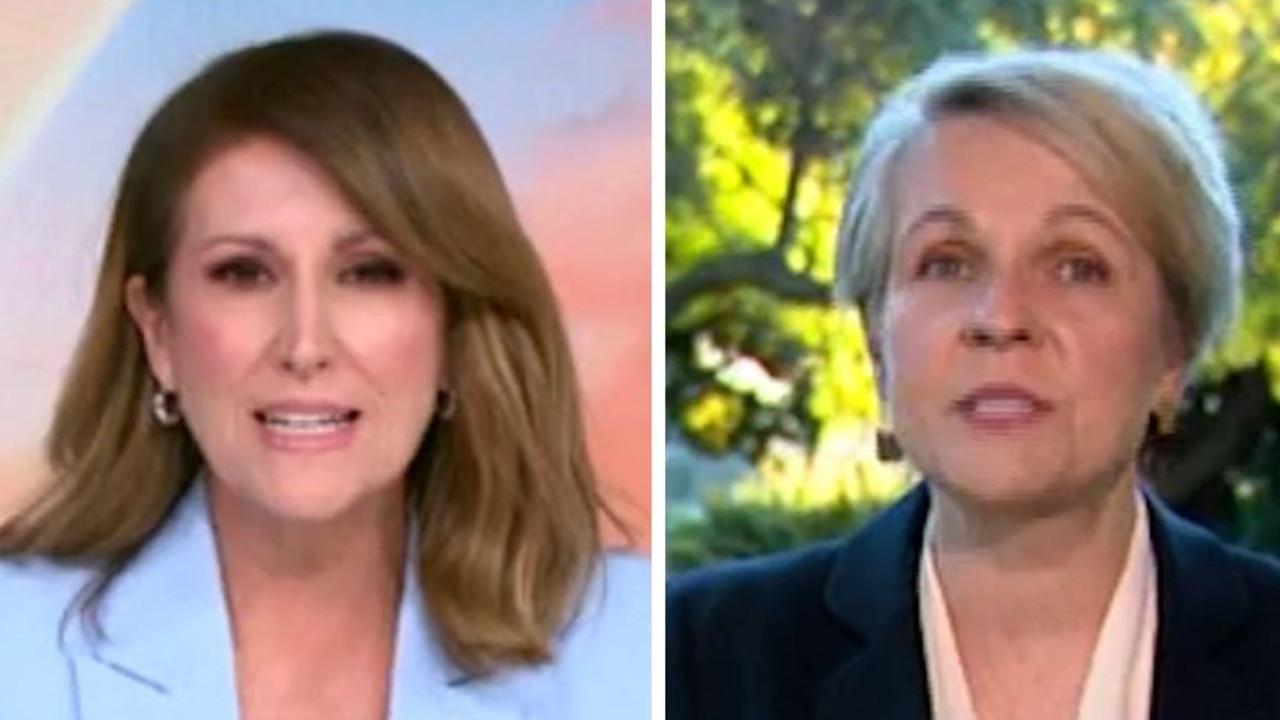
    Titled “Every Little Bit Helps”, the campaign officially launches on Monday, delivering practical guidance to Australian motorists on small steps to cut fuel use: cutting excess weight from vehicle boots, removing unused roof racks, inflating tyres to optimal pressure, and shifting to walking, cycling or public transit for short trips where possible. Social Services Minister Tanya Plibersek defended the initiative during a tense Monday morning interview on Channel 7’s *Sunrise*, arguing the campaign is a necessary counter to widespread online misinformation that fueled dangerous panic buying during the current fuel supply crisis.

    The effort ties directly to Australia’s four-stage National Fuel Security Plan, which is currently operating at Level 2. Under this framework, national fuel supplies remain secure overall, but localized distribution disruptions have been recorded, prompting precautionary government action and a call for voluntary public participation to stabilize demand. Plibersek pushed back against on-air pushback from host Nat Barr, who questioned why $20 million would be spent on basic advice many motorists already know. The minister noted the campaign’s price tag pales in comparison to the $340 million spent on a 2000 public health campaign run by the previous Howard-era Liberal government, framing the current outlay as a small cost to deliver clear, verified information about national fuel security to the public.

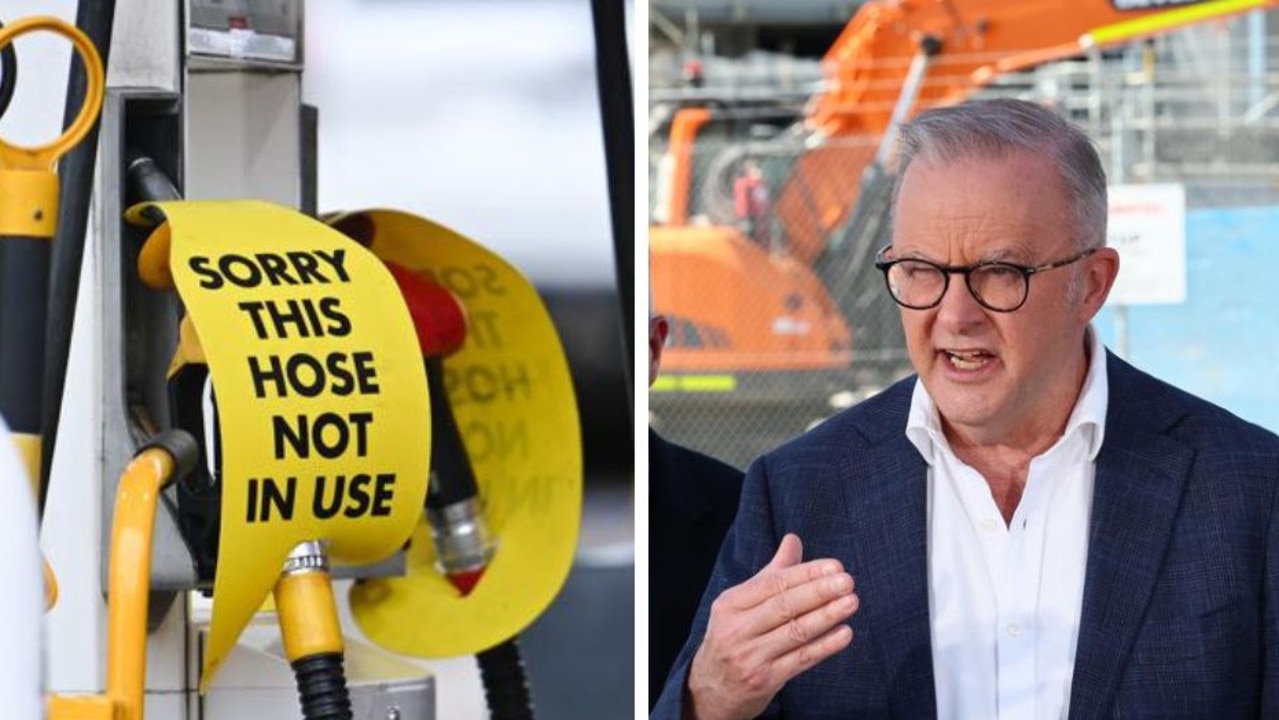
    Opposition leaders have rejected that framing. Deputy Liberal leader Jane Hume told Sky News that the expenditure is deeply misaligned with the current economic pressure facing Australian households. She argued that $20 million could instead cover fuel costs for roughly 100,000 Australian motorists amid skyrocketing pump prices, arguing that lecturing the public about minor driving and vehicle adjustments is not a responsible use of public funds at a time of crisis. Prime Minister Anthony Albanese has pushed back against that criticism, describing the $20 million investment as “modest” and the campaign as “sensible” policy.

    Albanese highlighted that unregulated panic buying, stoked by misinformation on social media, created unnecessary localized shortages earlier in the crisis. He noted that common panic-driven behaviors, such as storing extra fuel in jerry cans in the back of utes, not only distorted demand but also created serious public safety risks. “There was in some cases a more than doubling of demand when it wasn’t necessary. So that shows that there was misinformation out there. This campaign is a modest campaign but it’s important as well that we get that direct information to people,” the Prime Minister told the ABC.

    The campaign comes amid real global supply chain pressures that have hit Australia’s fuel market. Australia imports 90 percent of its overall fuel needs, with most refined product coming from Singapore, South Korea and Japan, which in turn source crude oil from Middle Eastern suppliers. Disruptions tied to recent conflict that led to the closure of the Strait of Hormuz after attacks on Iran in late February have tightened global supplies, sending domestic fuel prices soaring across the country.

    As of last week, Energy Minister Chris Bowen confirmed Australia holds 38 days of petrol reserves, 31 days of diesel, and 28 days of jet fuel, with enough supply to meet national demand through May. To shore up long-term supplies, the Albanese government has ramped up diplomatic outreach in the Indo-Pacific. On Friday, Canberra secured a critical agreement with Singapore that rules out export restrictions on refined fuel and commits the city-state to supporting Australian fuel stockpiles, so long as global upstream crude supplies remain steady. In exchange, Australia offered a reciprocal guarantee for continued liquefied natural gas exports to Singapore, and the Prime Minister has left the door open to approving new domestic gas projects to support the arrangement.

    Albanese will travel to Malaysia and Brunei this week to continue negotiations for more stable fuel and fertilizer supply. Brunei currently supplies 9 percent of Australia’s diesel imports and 11 percent of Australia’s urea imports, a key input for fertilizer. Malaysia ranks as Australia’s third-largest source of refined fuel, and provides 10 percent of the nation’s urea imports.

    The political row over the advertising campaign continues as the government works to secure long-term fuel stability, with more updates expected as diplomatic negotiations progress this week.

  • ‘Massive dream of mine’: Jacob Preston firms for Origin debut as Blues sweat on Liam Martin’s fitness

    ‘Massive dream of mine’: Jacob Preston firms for Origin debut as Blues sweat on Liam Martin’s fitness

    A potential season-altering knee injury to NSW State of Origin veteran Liam Martin has opened up a rare opportunities for rising NRL star Jacob Preston, who is now among the top contenders to earn his long-awaited debut in rugby league’s most high-profile representative series.

    Martin was forced off the field during Penrith Panthers’ Thursday night match against Canterbury-Bankstown Bulldogs, where current reports point to a moderate MCL sprain that could keep him sidelined for six to eight weeks. The 15-time Origin representative will undergo formal scans this week to confirm the injury severity, with early analysis from sports medical experts noting Martin reported a “loose” feeling in the knee, a symptom commonly linked to grade 2 or higher MCL damage requiring extended recovery time.

    The 2026 State of Origin series opener is scheduled for May 27, exactly six weeks from Martin’s injury. Even if the star back-rower hits the earliest projected return mark, he would have no match fitness leading into the blockbuster clash, making his participation highly unlikely. For NSW Blues coach Laurie Daley, a potential absence would count as a major blow to his starting lineup — but the team is not short of in-form candidates to fill the vacant edge forward spot. Among the leading options are Hudson Young and Haumole Olakau’atu, both of whom have previous Origin experience and are in strong club form this season. Standing out among the contenders, however, is 24-year-old Bulldogs back-rower Jacob Preston, who has been building toward his first Origin call-up for more than a year.

    Preston came tantalizingly close to Origin selection last year, when he earned a spot in the Blues’ training squad in Leura, and has since turned in consistently elite performances for Canterbury that have caught the eye of representative selectors. He was also named to the Australian Men’s Test squad for last year’s Ashes series, giving him valuable experience training alongside some of the game’s top talent.

    “That’s a massive dream of mine. It’s something I’ve wanted to do ever since I was a little kid,” Preston told NewsWire in a recent interview. “All I can do is take it week by week playing good football for the Bulldogs. As long as we’re winning games, we’ll be in contention for those spots, and a lot of other boys will be too. So if I play good footy, then whatever happens from there, happens from there.”

    Since making his NRL debut in 2023, Preston has been a standout core player for the resurgent Bulldogs, turning in a career-defining performance in the club’s stunning upset win over Penrith earlier this season. In that match, he scored one try and set up another with his signature hole-running ability to seal the upset victory, cementing his reputation as one of the league’s most promising young edge forwards.

    Reflecting on his experience with the Australian Test squad last year, Preston said the tour shaped his approach to the game far more than any individual coaching tip. “I learnt so much from that tour. It was a great experience, and I have heaps of lifelong memories I’ll cherish forever,” he said. “I want to put on those (rep) jerseys. I just took what I learnt from all the elite players I was around, implemented it into my training, and hopefully it keeps showing on the field. It wasn’t necessarily a single person (who really helped me). It was more so the level they train at and the accountability they hold themselves to. I think that’s the two main things I took from the tour, and I’m just trying to bring that back to the Bulldogs in my own training.”

    Preston also credited Bulldogs club legend Josh Jackson, a former Origin representative himself, for guiding his development through club training over the past two years. Additionally, his growing on-field combination with young halfback Lachlan Galvin has helped lift both his form and the team’s overall performance this season. Galvin turned in his best NRL performance just last week, and Preston said the pair have spent the pre-season building chemistry that now shows on game day.

    “He was outstanding,” Preston said of Galvin. “He’s been doing it at training, it’s coming out on the field, and as long as he keeps going after it, I’m sure there are going to be plenty more performances like that. We’ve had a pre-season to kind of work on our combinations and learn each other’s little intricacies. It’s only going to continue to build.”

    This season has also seen Preston step into a new level of on-field confidence, most recently marked by a spontaneous post-try celebration that has gone viral among fans: sticking his tongue out after scoring crucial tries against Canberra and Penrith. When asked about the celebration, Preston laughed and said the habit is entirely unplanned. “To be honest, I don’t even know (where it comes from) so it just kind of happens. I don’t even mean to do it, so I probably should stop doing it,” he joked.

  • ‘Out of control’ diesel prices threaten Australia’s crucial freight industry

    ‘Out of control’ diesel prices threaten Australia’s crucial freight industry

    As the ongoing conflict in Iran sends global oil prices soaring to unprecedented levels, Australia’s critical road freight sector is grappling with an unprecedented crisis, where skyrocketing diesel costs have doubled operational expenses for thousands of trucking operators and left many small businesses on the edge of collapse.

    The global energy market shockwaves have hit Australia particularly hard, with the country recording one of the steepest spikes in transport fuel prices in its modern history. Latest official data from the Australian Institute of Petroleum confirms the national average retail price of diesel has jumped to 312.7 cents per liter, more than 70 percent higher than the pre-conflict average of 180.2 cents per liter. Petrol prices have also surged, rising from 171 cents to 240.1 cents per liter in the same period. For a sector almost entirely dependent on diesel to power heavy long-haul vehicles, the cost surge has delivered a crippling blow.

    In a rare primetime televised national address recently, Australian Prime Minister Anthony Albanese acknowledged the scale of the unfolding fuel challenge, urging the public to adjust their fuel consumption to preserve critical supplies for essential transport workers. “These are uncertain times,” Albanese told the nation. “But I am absolutely certain of this: we will deal with these global challenges, the Australian way.” He called on motorists to prioritize public transit where possible and “think of others” when fueling up, to ensure diesel supplies remain available for workers who have no alternative to driving for their livelihoods.

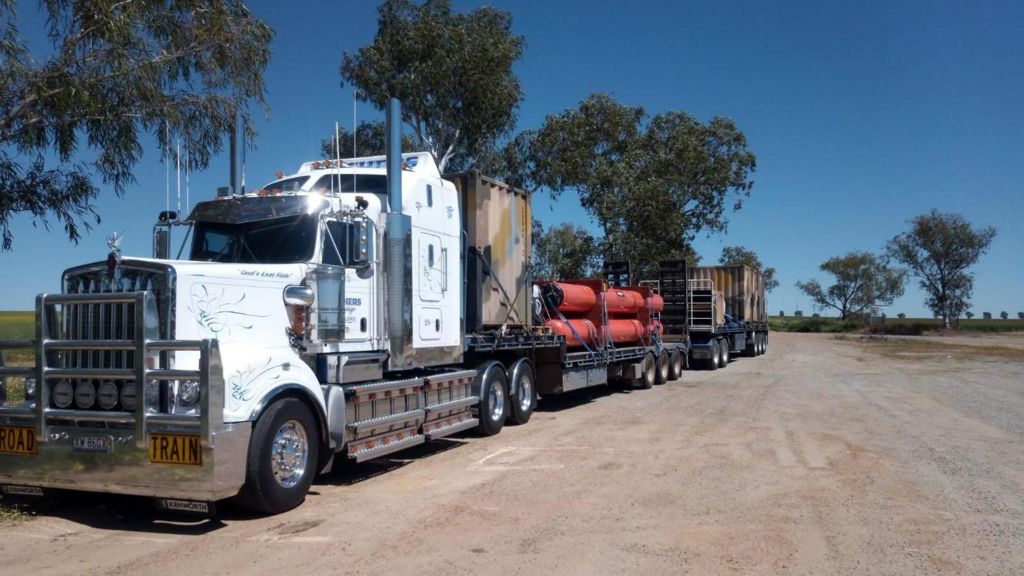
    But for small independent trucking operators across the country, the prime minister’s appeal has done little to ease the crippling financial pressure they face day-to-day. Aaron Fischer, an owner-operator whose business is based in Howlong, a border town between New South Wales and Victoria, says he now lies awake at night poring over spreadsheets trying to keep his firm afloat. “Before all this stuff happened, it used to cost me A$3,600 to fill up a single tank… now I’m spending $7,500. That’s the problem: it’s literally doubled my bill,” he explained in an interview with the BBC. Where Fischer once spent around A$150,000 a month to keep his fleet of 12+ long-haul road trains on the road, that monthly fuel outlay has now jumped to A$300,000 – an expense he has to cover out of pocket long before clients pay their invoices.

    Fischer’s fleet crosses the harsh, treeless expanse of the 1,200-kilometer Nullarbor Plain between South Australia and Western Australia every week, with stretches of up to 200 kilometers between available fueling stations. Already, reports of intermittent diesel shortages along the route have forced drivers to detour or risk running out of fuel mid-journey. “We’ve had a few [drivers] that went to put fuel in and they’ve had none,” Fischer said. Compounding the cash flow pressure is the standard 60-day waiting period for freight operators to receive payment for completed jobs, meaning Fischer must front roughly A$600,000 in operating costs before he recovers any revenue from recent runs. “This is where a lot of people are going to come unstuck,” he warned.

    The crisis is hitting new entrants to the industry particularly hard. William Hawkes launched his own trucking business just three months ago, and has already been forced to re-price every existing contract, raising rates by roughly a third to offset fuel costs – a move that has strained newly formed client relationships and driven many customers to cancel or delay jobs. “That’s pretty catastrophic when you’re starting out,” Hawkes said. His company specializes in transporting essential heavy equipment to areas facing emergency works, including flood-affected outback New South Wales and regions requiring emergency road repairs in Queensland. When one of his drivers was tasked with moving modular homes 5,300 kilometers from Bendigo, Victoria to Broome, Western Australia recently, reports of empty diesel tanks at Nullarbor Plain service stations shared via UHF radio forced a last-minute detour that added hours to the multi-day journey. While Hawkes has adjusted rates to keep his profit margin stable, the volume of work has plummeted as clients pull back on projects.

    Even veteran drivers with more than 40 years of experience in the industry say they have never seen conditions this bad. Terry Snell, 68, has cut his weekly runs to once every fortnight, after skyrocketing costs left his profit margin “very slim”. “We used to run every week. We now run every fortnight, because with the increase in the fuel charges, if we run weekly, we need to go off to a bank or a financial institution to borrow to cover costs,” he explained. After completing a recent run from Perth to Brisbane transporting a combined crane truck, Snell charged the client A$18,000 – double the rate he would have charged just a few weeks prior. He warned that dozens of small operators have already parked their trucks permanently, unable to cover operating costs, creating a shortage of available freight capacity that will soon ripple through the entire national economy. “If we don’t get this problem sorted and get it sorted very quickly, we are going to have a supply chain crisis,” Snell said. “Everything that you get has come off a truck at one point – whether it’s your food, your drinks, the shirt you’re wearing, the phone you’re using,” added Michael Webb, a 10-year industry veteran who currently drives for Fischer. “We need far more support than what we’re getting right now.”

    To address the sector’s distress, the federal government has announced a A$1 billion package of interest-free loans available to transport and freight operators, as well as fuel and fertilizer producers. But industry advocates say the measure falls far short of what small businesses need. “Interest-free loans are still debt,” said Alex Randall of freight marketplace Loadshift. “If you’re a small carrier whose fuel bill has just doubled and your customers are cancelling jobs, the last thing you need is more debt on the books.” Randall and other operators are calling for direct cash grants and faster targeted relief to help small carriers cover the sudden surge in fuel costs, rather than pushing them to take on more financial risk that could sink their businesses.

  • Lebanon PM says working to get Israeli troop withdrawal

    Lebanon PM says working to get Israeli troop withdrawal

    Amid escalating cross-border violence between Israeli forces and Iran-backed Hezbollah, Lebanon’s Prime Minister Nawaf Salam has publicly committed to diplomatic efforts to end the conflict and secure a full withdrawal of Israeli troops from all Lebanese territory, even as Israeli Prime Minister Benjamin Netanyahu reinforced that military operations in southern Lebanon will continue. The escalating bloodshed, which has already killed more than 2,050 people in Lebanon, has drawn global condemnation after a series of attacks on humanitarian workers and international peacekeepers.

    Sunday brought a fresh wave of deadly violence and provocative incidents that underscored the fragility of any path to de-escalation. The Lebanese Red Cross confirmed that one of its paramedics was killed in a targeted Israeli drone strike while the team was carrying out a humanitarian mission in southern Lebanon. The organization emphasized that all ambulances and crew were clearly marked with the internationally recognized protective Red Cross emblem, and that the team had coordinated with UN Interim Force in Lebanon (UNIFIL) ahead of the mission to secure safe passage. A second paramedic was wounded in the attack.

    This strike marks the second killing of a Lebanese Red Cross volunteer in recent weeks, drawing harsh condemnation from global humanitarian leadership. Jagan Chapagain, Secretary General of the International Federation of Red Cross and Red Crescent Societies, said he was “appalled and saddened” by the death. The Lebanese Red Cross called the attack a “clear and blatant violation of all provisions of international law,” a sentiment echoed by UNIFIL, which also reported new confrontations with Israeli forces over the weekend. The UN peacekeeping mission confirmed that an Israeli tank rammed UNIFIL vehicles on two separate occasions, leaving one vehicle heavily damaged.

    Israel has repeatedly rejected calls for a ceasefire in its campaign against Hezbollah, arguing that the fragile temporary truce currently in place for the broader Israel-Hamas war across the Middle East does not apply to its operations in Lebanon. Since Hezbollah opened its front against Israel following the killing of Iran’s supreme leader in a US-Israeli strike, Israel has responded with devastating large-scale airstrikes and a ground incursion into southern Lebanon, leaving widespread destruction in its wake.

    In a televised address Sunday, Salam outlined Lebanon’s diplomatic path forward, confirming that he will continue pushing for negotiations to end the war ahead of scheduled trilateral talks between Lebanese, Israeli, and US officials set to take place in Washington on Tuesday. “We will continue to work to stop this war, to ensure the Israeli withdrawal from all our lands,” Salam said, reaffirming Lebanon’s core negotiating position.

    Speaking during a visit to Israeli troops deployed in southern Lebanon, Netanyahu struck a far more bellicose tone. He claimed Israeli forces had already neutralized the threat of cross-border Hezbollah infiltrations, but added that “there is still more to do, and we are doing it. The war continues, including within the security zone in Lebanon.” Israeli officials have repeatedly stated their goal of establishing a permanent Israeli-controlled “security zone” in southern Lebanon to prevent future Hezbollah attacks on northern Israeli territory.

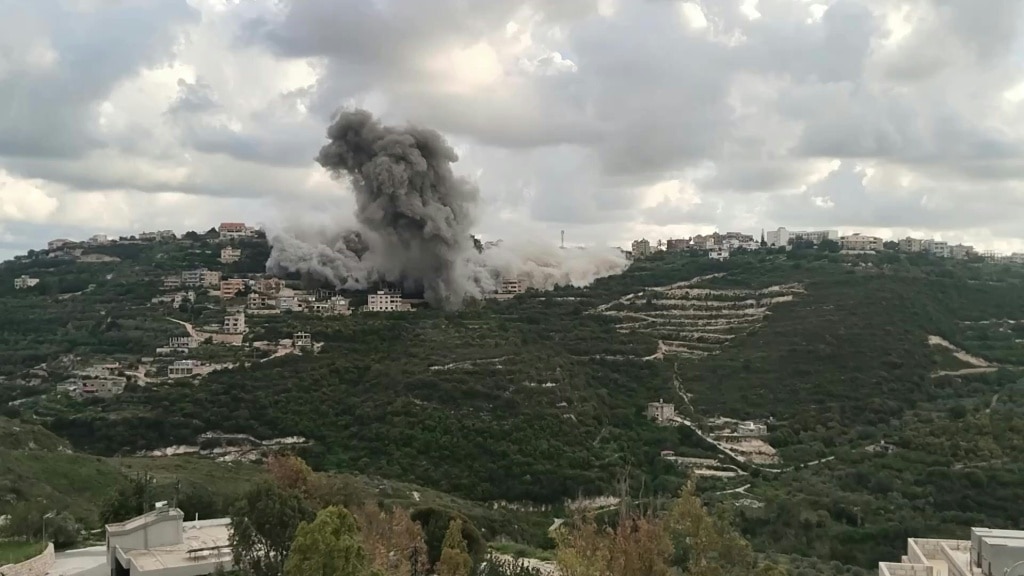
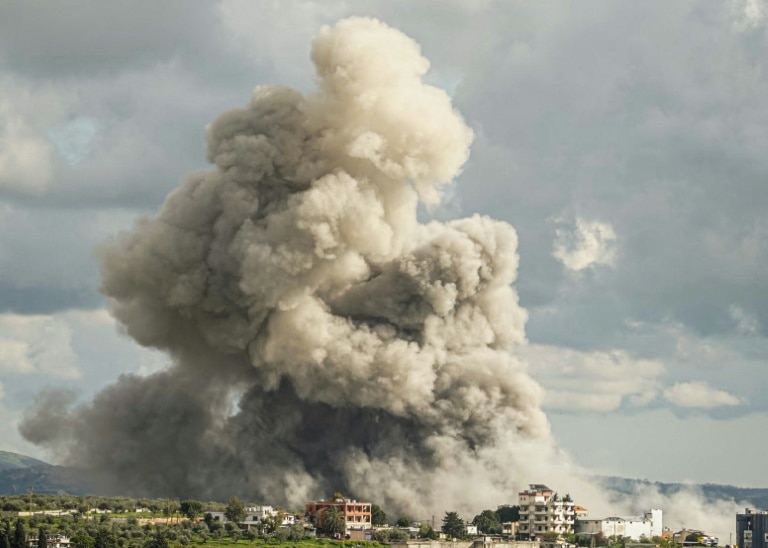
    Sunday’s airstrikes hit dozens of locations across southern Lebanon, with additional strikes hitting the adjacent West Bekaa region, according to Lebanon’s state-run National News Agency (NNA). Lebanon’s Ministry of Health updated the overall death toll from the conflict to more than 2,050 people, including 165 children and over 80 health workers. One of the deadliest single strikes Sunday hit the southern town of Qana, killing five people—three of them women—and wounding 25 others. An AFP photographer on the scene documented extensive destruction, with excavators working to clear rubble and first responders pulling civilian bodies from collapsed buildings.

    Rescue workers and medical facilities across southern Lebanon have repeatedly been targeted in the campaign. In the town of Bazuriyeh, the emergency center run by the Risala Scout association, a group affiliated with the Hezbollah-aligned Amal movement, was completely destroyed in an Israeli strike. Hassan Berro, a rescue worker with the organization, told reporters that all medical equipment, beds, and infrastructure inside the facility were lost. Photographic evidence shows shattered windows, collapsed walls and ceilings, and debris scattered across ruined patient beds in the damaged building.

    The Israeli military on Sunday also repeated its common claim that Hezbollah abuses civilian infrastructure for military purposes, accusing the group of operating out of a hospital compound in the southern Lebanese town of Bint Jbeil. Hezbollah confirmed it had launched new cross-border and in-country attacks against Israeli targets Sunday, including targeting Israeli troops operating in Bint Jbeil, where the NNA reported intense close-quarters fighting.

    Global leaders and religious figures have added their voices to calls for an immediate end to the violence. Pope Leo XIV, who visited Lebanon late last year, released a statement Sunday reaffirming his solidarity with the Lebanese people, stating that the international community has a “moral obligation to protect the civilian population from the atrocious effects of war.”

  • War in the Middle East: latest developments

    War in the Middle East: latest developments

    The long-simmering conflict across the Middle East entered a sharp new phase of escalation on Sunday, as multiple interconnected fronts saw rapidly shifting developments that threaten to drag more global powers into open confrontation. The most consequential shift came early Sunday, when former U.S. President Donald Trump announced he had ordered the U.S. Navy to implement a full naval blockade of the Strait of Hormuz, one of the world’s most critical chokepoints for global oil supplies. The order came just after talks mediated by Pakistan between U.S. and Iranian delegations collapsed, ending a brief fragile ceasefire between the two powers that had held for less than two weeks.

    In response to the blockade announcement, Iran’s top leadership has issued a firm rejection of U.S. pressure, saying the country will never bow to foreign coercion. Mohammad Bagher Ghalibaf, Iran’s parliament speaker who led the Iranian negotiating delegation to the Pakistan talks, delivered the defiant message in comments carried by multiple Iranian state news outlets. “If they fight, we will fight, and if they come forward with logic, we will deal with logic,” Ghalibaf said. “We will not bow to any threats, let them test our will once again so that we can teach them a bigger lesson.” Iran’s Revolutionary Guards reinforced that stance, confirming that Iranian security forces maintain full operational control over the Strait, and warned that any hostile misstep by foreign powers would trap aggressors in a “deadly vortex” with devastating consequences.

    Along the Israel-Hezbollah front in southern Lebanon, Israeli military operations continued unabated Sunday, with a series of sustained airstrikes hitting targets across the region. Lebanese authorities reported that at least five people were killed in the latest strikes, pushing the total death toll from the conflict on Lebanese territory to more than 2,055. Lebanese Prime Minister Nawaf Salam said his government remains focused on ending the fighting and securing key concessions to stabilize the country. “We will continue to work to stop this war, to ensure the Israeli withdrawal from all our lands, the return of all the prisoners, to rebuild our destroyed villages and towns, and the safe return of the displaced,” Salam said.

    Visiting Israeli troops deployed in southern Lebanon, Israeli Prime Minister Benjamin Netanyahu claimed that the immediate cross-border threat his country faced has been neutralized. He confirmed that Israeli operations will continue, however, including in the newly established security zone inside Lebanese territory. “Israeli forces have eliminated the threat of an invasion by Hezbollah militants,” Netanyahu said in a video statement released by his office, adding that “the war continues, including within the security zone in Lebanon.” Israel has repeatedly maintained that the broader regional ceasefire agreement does not apply to its operations targeting Hezbollah, which is backed financially and militarily by Iran.

    A new point of international tension emerged Sunday when the United Nations Interim Force in Lebanon (UNIFIL) issued a statement condemning Israeli military actions against its peacekeeping mission. The statement confirmed that an Israeli tank twice rammed UNIFIL vehicles in southern Lebanon, where active combat between Israeli forces and Hezbollah has been ongoing for weeks. Additionally, Israeli soldiers blocked a key road in the town of Bayada that provides the only access to multiple UNIFIL positions, hampering the peacekeeping force’s ability to operate.

    Beyond the Strait of Hormuz and Lebanese fronts, the escalation has spilled over into other regional states. Saudi Arabia’s foreign ministry announced it had summoned Iraq’s top ambassador to deliver a formal complaint over drone attacks launched from Iraqi territory, marking the second such complaint in days after the U.S. issued a similar protest. In Kuwait, authorities announced the arrest of 24 people, including five former lawmakers, as part of an investigation into alleged financing of terrorist entities. Kuwait and other Gulf Cooperation Council states have cracked down on individuals and organizations suspected of ties to Iran since Tehran launched attacks on Gulf targets.

    On Iran’s home front, the country’s judiciary-affiliated Legal Medicine Organization released the highest official death toll from the ongoing war with the U.S. and Israel to date, with head Abbas Masjedi confirming that 3,375 Iranians have been killed. Agence France-Presse, which reported the figure, noted that it cannot independently verify casualty numbers or access strike sites in Iran due to official government reporting restrictions.

    International actors have already begun moving to push for de-escalation. Pakistan, which mediated the collapsed weekend talks between the U.S. and Iran, has issued a public plea to uphold the two-week ceasefire that Washington and Tehran initially agreed to. Russian President Vladimir Putin also extended an offer of diplomatic mediation to Iranian President Masoud Pezeshkian, with the Kremlin confirming Sunday that Putin stands ready to facilitate new peace efforts. In a separate move that expands the conflict’s global reach, Trump issued a new threat to China during an interview with Fox News, saying the U.S. will impose 50 percent tariffs on all Chinese goods imported into the country if Beijing provides military assistance to Iran.

  • De Zerbi suffers debut defeat as Spurs crisis deepens, City rampant

    De Zerbi suffers debut defeat as Spurs crisis deepens, City rampant

    The 2024-25 English Premier League season delivered another dramatic weekend of results that reshaped both the title race and the relegation battle, with two high-stakes stories dominating the headlines. For Tottenham Hotspur, what was meant to be a fresh start under new manager Roberto De Zerbi instead turned into another gut-wrenching setback that leaves their 48-year-long stretch in the top flight hanging by a thread.

    De Zerbi, the highly regarded former Brighton & Hove Albion and Olympique de Marseille boss, was appointed at the end of last month as Tottenham’s third manager of the campaign. The Italian was brought in as a last-ditch hire to pull the club out of a freefall that has them staring down the barrel of relegation – a scenario that would go down as one of the biggest shocks in English football history, given Tottenham’s status as the ninth-wealthiest club in the world per Deloitte’s latest football finance rankings. His first test came on the road against a stubborn Sunderland side, but the new manager could not spark an immediate turnaround.

    The only goal of the game came in the 60th minute, when Nordi Mukiele’s shot took a massive deflection off Tottenham defender Micky van de Ven, looping the ball over goalkeeper and into the net. Tottenham threw bodies forward in the final half-hour in search of an equalizer, but their attacks repeatedly broke down, and the scoreline held. The result leaves Tottenham stuck in the relegation zone, still winless in Premier League play since December. They now sit two points behind 17th-place West Ham United, with just six matches remaining to claw their way out of the drop.

    After the final whistle, De Zerbi pinpointed the root of his side’s struggles as a deep crisis of confidence, not a lack of technical quality. “I can be a big brother, father, they don’t need a coach,” he told the BBC. “They don’t need to improve football. They can play better and they will play better once we reach a different level of confidence.”

    At the opposite end of the table, Manchester City sent a clear warning to league leaders Arsenal, putting on a dominant second-half display to secure a 3-0 away win over Chelsea at Stamford Bridge. The result comes 24 hours after Arsenal suffered a surprise 2-1 home defeat to Bournemouth, opening the door for Pep Guardiola’s side to cut the Gunners’ lead at the top of the table to just six points – with City holding one game in hand, and a decisive head-to-head clash against Arsenal scheduled for next weekend at the Etihad Stadium.

    City, who saw their streak of five consecutive Premier League titles ended by Liverpool last season, made full use of Arsenal’s slip-up, turning a slow, cagey first half into a rout after the break. Young midfielder Nico O’Reilly opened the scoring with a header from a precise Rayan Cherki cross, before defender Marc Guehi doubled City’s advantage in the 57th minute, finishing off a perfectly weighted through ball from Cherki. Jeremy Doku put the result beyond doubt late on, drilling a shot past Chelsea’s goalkeeper after the Blues turned the ball over in their own defensive third.

    The result keeps City on track for a domestic treble this season: they have already lifted the League Cup, and are set to face Championship side Southampton in the FA Cup semi-finals. Speaking ahead of next week’s title decider against Arsenal, Guardiola stressed his full respect for the league leaders, who have led the table for most of the campaign. “They have been the best team in this country, in Europe, so far,” he told Sky Sports. “Beating Arsenal once (in the League Cup final) is so difficult, imagine beating them twice in a few weeks. We have to rest. I would like to say to my fans — respect Arsenal a lot, they are an extraordinary team. Come to join us from minute one because the players will do the maximum.”

    For Chelsea, the defeat marks their third consecutive Premier League loss, leaving them stuck in sixth place in the table. They now sit four points behind fifth-place Liverpool in the tight race for Champions League qualification next season.

    Other key results in the relegation and European races saw Nottingham Forest, one of Tottenham’s fellow relegation rivals, hold fourth-place Aston Villa to a 1-1 draw at the City Ground. Villa, who are also chasing a Champions League spot, took an early lead through an own goal from Forest defender Murillo, but Neco Williams equalized for the home side. The result leaves Forest one point above West Ham, outside the relegation zone by the thinnest of margins. At Selhurst Park, Crystal Palace scored two late goals, including a stoppage-time penalty from Jean-Philippe Mateta, to come from behind and beat Newcastle United 2-1.

  • Delays mar voting as crisis-hit Peru picks ninth president in decade

    Delays mar voting as crisis-hit Peru picks ninth president in decade

    On a scorching Sunday across Peru, long-delayed presidential and legislative elections kicked off, wrapping the Andean nation’s latest desperate bid to escape a decade of nonstop political chaos that has seen nine heads of state ousted or imprisoned. Nearly 27 million eligible voters, stretching from the Amazon rainforest lowlands to the high peaks of the Andes, cast ballots on an unprecedented half-meter-long ballot paper listing a record 35 presidential candidates from across the ideological spectrum.

    What was meant to be a routine democratic process quickly descended into public frustration, with dozens of polling stations in metropolitan Lima remaining shuttered hours after opening. Furious would-be voters queued for up to four hours under unforgiving equatorial sun, with many raising accusations of electoral fraud following a brutal, acrimonious campaign season. Peru’s national electoral commission quickly pinned the blame on a contracted logistics supplier that failed to deliver critical voting materials on time, and extended voting hours by one hour to accommodate disrupted voters.

    Decades of systemic corruption and backroom politicking have left most Peruvians deeply disillusioned with the country’s ruling political class. Public anger runs so deep that the nation has even built a purpose-built prison to house former presidents convicted of corruption. For many ordinary Peruvians, this election represents a last chance to turn the tide of rising crime, economic instability and political dysfunction that has eroded quality of life nationwide. “The people can’t take it anymore,” said Rosenda Lopez, a 47-year-old textile vendor in Lima. “I hope someone is elected who works for the community. The community needs it. They are killing us.”

    Over the past 10 years, Peru’s homicide rate has more than doubled, while reported annual extortion cases have skyrocketed from just 3,200 to more than 26,500. In response to widespread public anxiety over insecurity, candidates have leaned into increasingly hardline policy proposals: from ordering the extrajudicial killing of gang hitmen to mass deportations of irregular migrants, to detaining offenders in remote jungle jails surrounded by snakes.

    Pre-election opinion polls have been split, with conservative candidates leading the field amid a broader regional shift toward right-wing populist governments aligned with former U.S. President Donald Trump. No candidate has managed to poll above 15% support, far below the 50% majority required to win an outright victory, making a June runoff election all but certain. Alongside the presidency, voters are selecting a new 130-seat Congress, a body that has been central to the removal of every recent Peruvian president.

    The nominal frontrunner in the race is Keiko Fujimori, daughter of former Peruvian president Alberto Fujimori, who died in 2024 while serving a 16-year prison sentence for crimes against humanity, bribery and embezzlement. This marks Fujimori’s fourth run for the presidency, and she has leaned heavily on public nostalgia for her father’s authoritarian, tough-on-crime rule to court voters. In a pre-election interview, she outlined plans to restore public order within her first 100 days in office by deploying the military to manage overcrowded, violence-plagued prisons, strengthen border controls and deport all undocumented migrants. She also vowed to build a united conservative bloc with aligned right-wing leaders across the Americas, from the United States to neighboring Argentina, Chile, Ecuador and Bolivia. “I believe that time and history are giving my father the place he deserves,” Fujimori said of her father’s controversial legacy.

    Fujimori faces a surprise late surge from 80-year-old former Lima mayor Ricardo Belmont, who has built a massive grassroots following on the social media platform TikTok, drawing cross-ideological support from voters fed up with establishment politics. “He’s collecting votes from left to right, like Pac-Man,” explained Patricia Zarate, a political analyst with the Institute of Peruvian Studies. Other notable candidates include conservative television comedian Carlos Alvarez and far-right former mayor Rafael Lopez Aliaga, who has openly promised to “hunt” Venezuelan migrants and has rebranded himself with the nickname “Porky” after the iconic cartoon pig.

    Incumbent President Jose Maria Balcazar, who has held office for less than two months, is constitutionally barred from seeking re-election. Voting is compulsory for all eligible Peruvians, and polls were scheduled to close at 6 p.m. local time (2300 GMT), one hour later than originally planned to offset opening delays. Sociologist David Sulmont noted that the fragmented field and widespread voter anger reflects a “major disconnect” between the Peruvian electorate and the policy offerings of the country’s political elite, a rift that has fueled the decade-long cycle of political collapse that this election aims to end. Many voters share the sentiment of 60-year-old shopkeeper Anita Medrano, who says she will not back any traditional or establishment candidate: “They already had their chance.”

  • PM to visit Brunei, Malaysia in fuel and fertiliser blitz

    PM to visit Brunei, Malaysia in fuel and fertiliser blitz

    Against a backdrop of mounting global energy market volatility and disrupted supply chains stemming from Middle East tensions, Australian Prime Minister Anthony Albanese has launched a targeted diplomatic push across Southeast Asia, moving straight from a recent stop in Singapore to visits with two key regional energy exporters: Brunei and Malaysia. This mission centers on a single urgent priority: locking in formal supply guarantees to shore up Australia’s heavily import-reliant fuel and fertiliser sectors, which face growing risks of disruption.

    Australia’s national supply chains are uniquely exposed to global oil market shocks: the country relies on foreign imports for roughly 90% of its total fuel demand, leaving domestic energy prices and availability entirely dependent on the performance and export commitments of overseas refineries navigating the ongoing global oil crisis. For Australia’s agricultural sector, the vulnerability runs even deeper for critical inputs: around 60% of the country’s urea supplies, the nitrogen-based fertiliser that forms the backbone of most large-scale farming operations, are sourced from Middle Eastern producers. These imports have already faced significant cuts after heightened tensions effectively slowed traffic through the Strait of Hormuz, the world’s busiest chokepoint for global oil and fertiliser trade.

    Brunei, a small sultanate rich in hydrocarbon reserves that already holds a key role in Australian supply chains, accounts for 9% of Australia’s total diesel imports and 11% of its urea imports. During his meeting with Brunei’s long-time ruler Sultan Haji Hassanal Bolkiah scheduled for mid-next week, Albanese will push for formal, public guarantees that Brunei will maintain steady export flows of both commodities to Australia regardless of wider global disruption.

    Malaysia, another major energy and fertiliser producer, is Australia’s third-largest supplier of refined fuel and contributes 10% of the country’s total urea imports. Albanese will seek the same binding supply assurances from Malaysian leaders during his visit, according to pre-trip comments the Prime Minister delivered on Sunday.

    “Engaging with critical regional partners such as Brunei Darussalam and Malaysia will help ensure Australia’s energy supply remains secure during times of uncertainty,” Albanese said. “We are taking every step to reinforce relationships and engage with key partners to keep our fuel supply flowing. My government is continuing to take every practical action to shield Australians from the impact of the war in the Middle East.”

    Albanese’s mission comes amid growing uncertainty about Malaysia’s export commitments. Last month, Malaysia’s embassy in Australia issued a warning that the country would prioritize meeting its own domestic energy demand before fulfilling export contracts, a statement that immediately sparked widespread fears that Malaysia could curb outbound shipments of fuel and urea to Australia. Those concerns were amplified just days later when reports emerged that multiple pre-scheduled fuel shipments from Malaysia to Australia had been abruptly canceled.

    Unlike many other diplomatic outreach efforts, Canberra enters this trip with notable trade leverage to incentivize cooperation from both hosts. Australia is the primary supplier of food and agricultural goods to Brunei, while for Malaysia, Australia holds an even more critical role: it supplies 95% of Malaysia’s total imported natural gas, giving Australia significant reciprocal trading power to negotiate favorable supply commitments.

    This current leg of Albanese’s Southeast Asian diplomatic blitz follows a successful stop in Singapore last week, where the Prime Minister secured a public pledge from Singaporean Prime Minister Lawrence Wong to maintain steady fuel exports to Australia. However, Wong attached a key caveat to the commitment: Singapore’s ability to keep shipments flowing would be dependent on the continuation of stable upstream supply through global oil markets, a reminder that even secured commitments remain vulnerable to wider regional tensions.