标签: Oceania

大洋洲

  • Eight to be awarded for bravery in Bondi Junction stabbing

    Eight to be awarded for bravery in Bondi Junction stabbing

    Two years to the day after a horrific mass stabbing tore through Sydney’s busy Bondi Junction Westfield shopping center, eight people who risked their lives to protect complete strangers during the deadly attack will receive formal national recognition for their extraordinary courage. The 2024 tragedy left six innocent people dead and 10 others wounded, shocking communities across Australia and the globe.

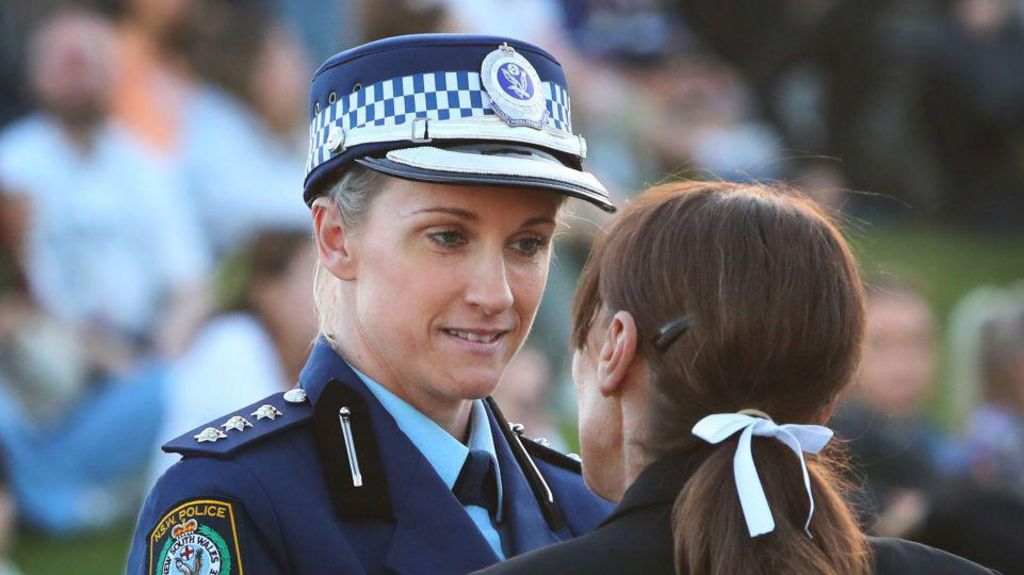
    The attack was carried out by Joel Cauchi, a man who had first been diagnosed with schizophrenia as a teenager. On the day of the attack, Cauchi was unmedicated and experiencing a severe psychotic episode, and was homeless when he entered the crowded shopping mall armed with a knife. After the attacker wounded multiple people and lunged toward responding New South Wales Police Inspector Amy Scott, Scott made the split-second decision to shoot Cauchi dead, ending the rampage and preventing further loss of life. Scott is one of the recipients of the prestigious Australian Bravery Decorations, set to receive a Bravery Medal for her actions that day.

    Several awards will be bestowed posthumously to victims who gave their lives to protect others. Ashlee Good, a 38-year-old mother, was stabbed from behind by Cauchi as she pushed her infant daughter in a stroller. When the attacker turned to her child, Good shoved him away, sustaining a second fatal stab wound, but successfully got her baby to safety before she died. Faraz Tahir, a 30-year-old security guard working his very first shift at the shopping center, also suffered a fatal stab wound to the stomach when he and colleague Muhammad Taha responded to a “code black” alert and confronted Cauchi. Both Tahir and Taha will receive Bravery Medals; Taha survived his injuries and called the honor a meaningful tribute to everyone who stood against the attacker that day.

    Two French tourists, Silas Despréaux and Damien Guerot, also stepped up to intervene, arming themselves with heavy metal bollards to block Cauchi’s path, and they will also receive bravery honors. Two other Australians round out the list of honorees: Noel McLaughlin, the husband of victim Jade Young, who rushed to the scene after a call from his daughter and shouted warnings to others to retreat before administering first aid to his fatally wounded wife, and Catherine Ann Molihan, an experienced nurse who left her safe hiding place in a retail store to stabilize the wounded security guards as they waited for emergency services.
    In a statement announcing the honors, Australia’s Governor-General Sam Mostyn highlighted the extraordinary selflessness of all eight recipients. Hailing from across Australia and around the world, each person prioritized the safety of strangers over their own in an unimaginably violent situation. “Every one of them showed strength, and profound courage, as they placed the safety of others above their own, demonstrating ultimate care for others,” Mostyn said.

    In the wake of the attack, a coronial investigation into the tragedy uncovered systemic gaps in mental health care. The coroner referred Cauchi’s long-time psychiatrist to state health regulators, raising concerns that the provider missed critical opportunities to restore the attacker’s antipsychotic medication after he was weaned off the treatment. The inquiry also produced 23 formal recommendations, calling on the New South Wales government to expand community mental health outreach services and fund emergency short-term housing for vulnerable people living with mental illness, many of whom face unstable housing like Cauchi did at the time of the attack.
  • Uber driven by fuel crisis to fresh price hike

    Uber driven by fuel crisis to fresh price hike

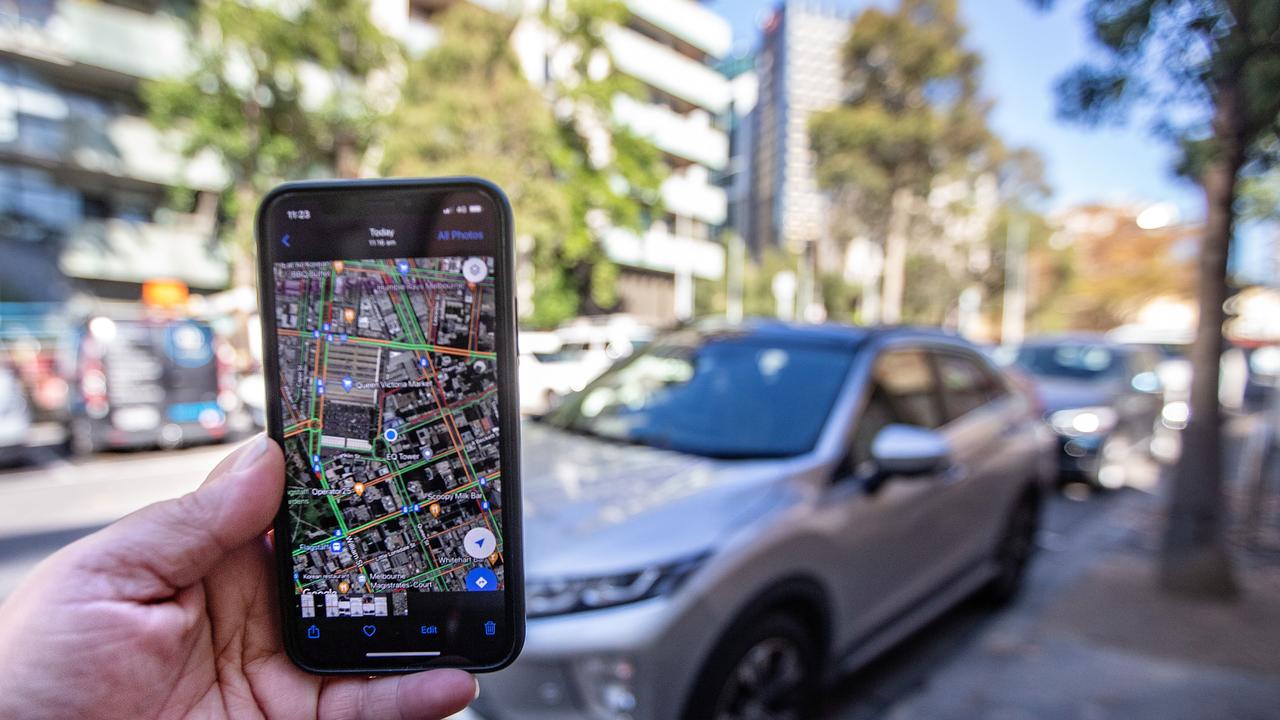
    Australian riders using Uber will soon face another increase to their ride costs, as the rideshare giant has rolled out a new temporary fuel surcharge to support drivers grappling with unprecedented global fuel price spikes.

    This new charge comes less than four weeks after a routine fare review already pushed average Uber prices up by 6% across the country. Designed as a targeted short-term intervention to offset drivers’ growing fuel-related expenses, the new 5 cent per kilometer surcharge will go into effect this Wednesday, stacked on top of the March fare increase.

    Industry union leaders have thrown their support behind the measure, noting that it is structured to deliver direct financial relief to drivers who bear the full cost of fuel for their work. Transport Workers’ Union (TWU) national secretary Michael Kaine estimates that the extra revenue from the surcharge could add up to roughly $35 in extra savings for drivers every time they fill up their tanks. Kaine pointed out that rideshare operators face the same inflated fuel costs as all other transport workers, with drivers now paying $40 to $50 more per tank than just a few months ago, and the surcharge will go a long way toward easing their financial strain.

    The TWU has actively collaborated with major rideshare brands operating in Australia, including Uber and its main competitor Didi, to address the mounting pressure on drivers amid the ongoing fuel crisis. Didi was the first major player to roll out the exact same 5-cent per kilometer surcharge, a policy that the company says has been widely well-received by its driver base. Uber’s matching surcharge will launch this Wednesday, and will run as a temporary emergency measure through June 8 of this year.

    Kaine expressed confidence that Uber customers will be understanding of the extra cost, noting that Australian consumers are already well aware of skyrocketing fuel prices from their own household budgets. “Australians have grown accustomed to the reliable convenience that rideshare services provide, and they recognize the pressure that drivers are under to keep operating right now,” Kaine explained. “If paying a small extra amount means drivers can earn a fairer income while keeping that convenience available, I believe the vast majority of customers will accept this change.”

    Emma Foley, Managing Director of Uber Australia, confirmed that the surcharge was developed through close, productive collaboration between the company and the TWU. “We have worked hand-in-hand with the union to tackle the rising fuel costs that cut into our driver partners’ earnings,” Foley said. “This temporary fuel surcharge delivers immediate, short-term relief for drivers as we navigate this ongoing fuel crisis, and it builds on the national fare update we rolled out in March that already boosted driver earnings across the country. This move reaffirms our ongoing commitment to improving driver compensation.”

    For its part, Didi implemented its 5-cent per kilometer surcharge roughly a month ago, and has reported that the policy has been popular among its driver workforce. Following the positive reception of the initial surcharge, Didi has also moved to increase its minimum fare prices across several major Australian markets. “We will continue to monitor fuel prices and adjust our fare structures and surcharge policies as needed to ensure our driver community gets the support they need through this crisis,” a Didi spokesperson said.

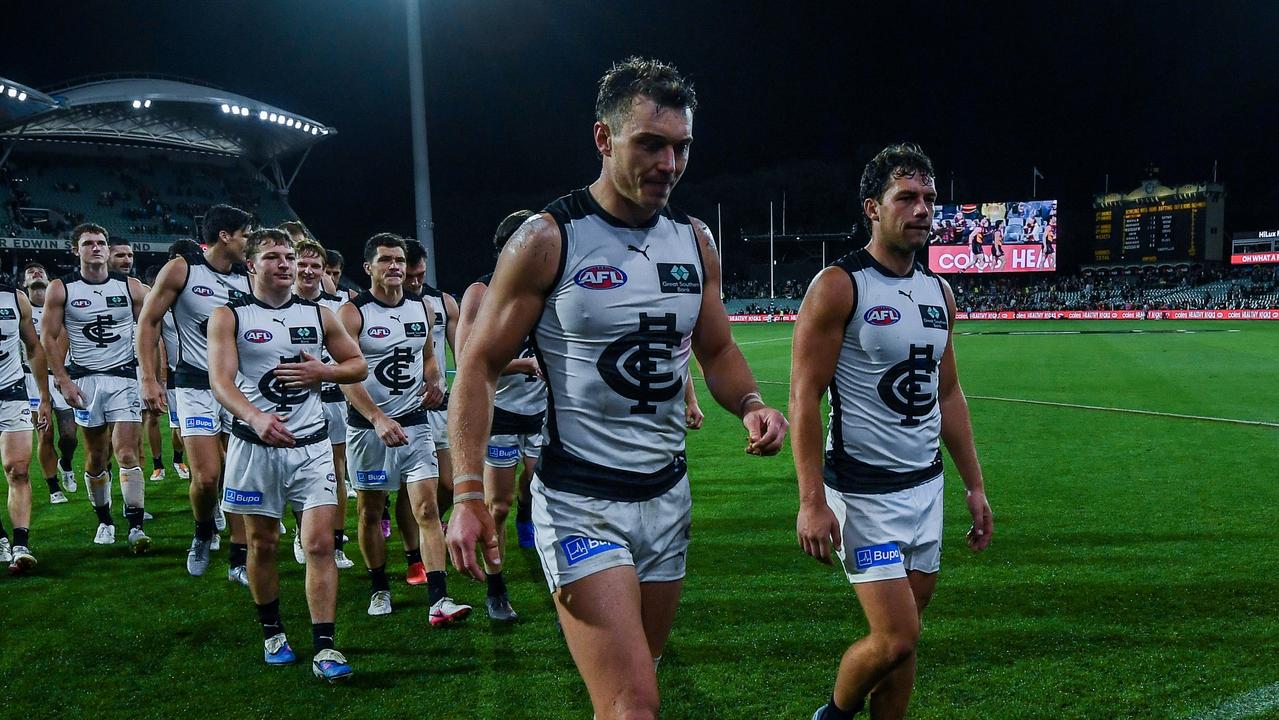
  • AFL 2026: Carlton captain Patrick Cripps on the Blues’ floundering flag chances

    AFL 2026: Carlton captain Patrick Cripps on the Blues’ floundering flag chances

    Against a backdrop of early-season struggles that have left many questioning Carlton’s 2026 premiership hopes, captain Patrick Cripps is holding firm to his belief that the club is still on track to compete for Australian Football League’s ultimate prize, despite a disappointing 1-4 record through the first five rounds.

    The 31-year-old skipper, now competing in his 13th professional season, has not written off his chance to lift the club’s long-elusive premiership trophy this year. For Cripps, the slow start is far from a final verdict on what the evolving Blues squad can achieve in the coming months.

    With a high-stakes clash against longtime archrival Collingwood scheduled for Thursday night, Cripps argues it is far too early to count his side out of contention. A win against the Pies, he insists, could provide exactly the momentum shift Carlton needs to turn its season around.

    “Competing for a premiership is still what drives me. Any player in the back half of their career plays for that one goal above everything else,” Cripps told reporters ahead of the Collingwood game. “What I and a lot of us learned last season is that when you fixate too much on the end prize, you lose the joy of putting in the work week after week. That ultimate goal will always be there for as long as I keep playing, but I still love this game – I love training, I love competing against the best.”

    Cripps highlighted that while the early results have not gone Carlton’s way, the internal culture and training intensity at the club remain as strong as he has ever experienced in his tenure. “My focus lately has been on leading this group day in and day out. We’ve carried great energy through the first weeks of the season, and that’s one thing we’ve really nailed this year. The start has obviously been challenging, and we haven’t gotten the wins we wanted, but the energy around the club and the standard of our training is higher than I’ve ever felt it. Even when results aren’t going your way, I still love showing up to the club every day – that’s always the biggest test. It’s still early, there’s so much untapped potential in this group, and we can’t wait to get out there on Thursday and kick this campaign into gear.”

    Carlton turned in an improved performance against Adelaide last week, fixing the second-half slumps that had plagued earlier outings, but still walked away empty-handed without the four competition points. That result followed a controversial call from head coach Michael Voss to drop George Hewett, the club’s reigning best and fairest winner, a decision that sent shockwaves through the competition.

    Cripps acknowledged that the cutting of a popular, experienced teammate like Hewett serves as a wake-up call for every player in the Carlton squad. “It’s always tough losing George – he’s someone I love playing alongside, we’ve shared the field for four years now, every player at the club loves having him around, you always know what you’re going to get from him,” Cripps said. “But at the same time, when results aren’t going your way, you have to be willing to shake up the combination to get things back on track. The way George has handled this, showing up and putting in the work this week, that’s a credit to his character. He puts in more effort than anyone I’ve ever seen at this club, and I’m proud to call him a teammate.”

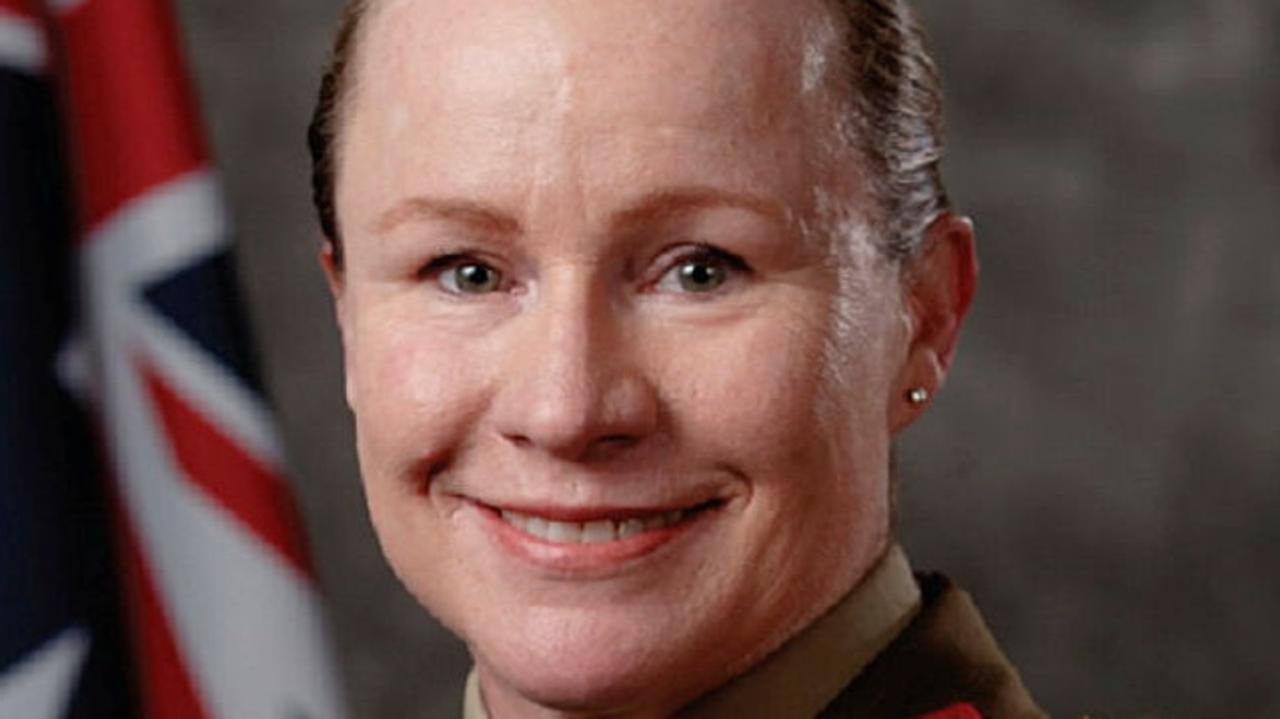
  • Lieutenant General Susan Coyle appointed first female Australian Chief of Army

    Lieutenant General Susan Coyle appointed first female Australian Chief of Army

    The Australian Defence Force (ADF) is undergoing one of its most high-profile leadership reshuffles in recent years, with a series of historic appointments announced just days after the service was thrown into turmoil by the arrest of Australia’s most decorated veteran, Ben Roberts-Smith. Amid growing global geopolitical friction including escalating conflict in the Middle East, Prime Minister Anthony Albanese’s government has confirmed a shake-up that will see the ADF welcome its first female Chief of Army and a new Chief of Defence.

    On Monday, Lieutenant General Susan Coyle, a decorated 40-year veteran with extensive operational experience across multiple global deployments, was officially named to the top army post. Coyle, who most recently served as Chief of Joint Capabilities starting in 2024, will step into the role vacated by Lieutenant General Simon Stuart AO, who has held the position since 2022. A graduate of both the United States Army War College and Harvard University and a Member of the Order of Australia, Coyle has completed deployments to Timor Leste, the Solomon Islands, Afghanistan, and the Middle East, bringing deep on-the-ground experience to her new command.

    In a parallel senior promotion, outgoing Chief of Navy Mark Hammond AO will ascend to the role of Chief of Defence, taking over from Admiral David Johnston, whose two-year term is set to conclude in July. Upon his promotion, Hammond will be elevated to the rank of Admiral, while Rear-Admiral Matthew Buckley will step into Hammond’s current role as the new Chief of Navy.

    Speaking to reporters following the announcement, Hammond struck a humble note about his new appointment, acknowledging the weight of the responsibilities ahead. “This is probably the most humbling moment in my career,” he said. “I certainly look forward to serving with, and for Australia’s sailors, soldiers, and aviators as their Chief of Defense through the challenging times ahead.”

    Hammond also used the press briefing to address growing concerns over regional security following recent Iranian drone attacks in the Strait of Hormuz, pushing back against any questions about the ADF’s operational readiness. “Today, that navy is as ready as it ever has been,” he stated, adding that Australian vessels deployed to the Red Sea are equipped with the world’s most advanced radars alongside cutting-edge missile and defensive systems. Responding to questions about a potential request for contribution related to former U.S. President Donald Trump’s proposed blockade of the strait, Hammond noted that no formal request for Australian support had been received, and any deployment decision would rest solely with the Australian government.

    Defence Minister Richard Marles framed Coyle’s historic appointment as a landmark moment for the ADF, ahead of his much-anticipated national defence strategy update — a two-yearly policy review scheduled to be delivered to the National Press Club on Wednesday. Marles described Coyle as “the standout candidate” for the role, emphasizing that her elevation to Chief of Army carries profound meaning for both current and future servicewomen in the ADF. “It is deeply significant … for women who are thinking about serving in the Australian Defence Force in the future,” he said. The role of Chief of Army carries core responsibilities for overall command of the service, as well as oversight of training and operational readiness.

    The leadership overhaul comes at a sensitive juncture for the ADF, which is already navigating multiple pressures. In recent days, the government has faced intense scrutiny and pressure from veteran communities following the arrest of Ben Roberts-Smith, who is currently being held on remand on multiple war crime-related charges. Roberts-Smith has consistently maintained his innocence and has not entered any pleas in the case.

    On the strategic front, the Australian government has been actively reframing its national defence posture in recent years, with a growing focus on countering potential threats along the country’s northern border. Earlier this year, Canberra announced a large-scale sell-off of ageing defence assets as part of this reset, while the alliance has also faced repeated calls from Donald Trump for U.S. allies to dramatically increase their defence spending commitments.

    Prime Minister Albanese paid tribute to the departing leaders, Admiral Johnston and Lieutenant General Stuart, for their years of service to the nation. “There is indeed no higher calling than to serve in the Defence Force, and all Australians owe a debt to those who protect the Australian way of life,” he said.

  • Marata Niukore to return to Australia next year as Eels leave the door open for Jaydn Su’A move

    Marata Niukore to return to Australia next year as Eels leave the door open for Jaydn Su’A move

    The National Rugby League (NRL) off-season transfer market has already begun to heat up, with two high-profile forward movements emerging as the 2025 season approaches its midpoint. The Newcastle Knights have pulled off a major long-term recruitment coup, locking in Warriors enforcer Marata Niukore on a three-year contract that will see the 29-year-old move to Newcastle starting in 2027.

    Niukore’s rugby league career began in Australia with the Parramatta Eels, where he spent the first five seasons of his top-flight career before making the move to the New Zealand Warriors four years ago. He comes to the Knights off one of his strongest recent performances, having scored a try in the Warriors’ historic drought-breaking victory over the reigning-premier Melbourne Storm last week.

    Despite still being in the prime of his career at 29, Niukore opted to make the move to Newcastle after facing a growing logjam of young elite talent in the Warriors’ forward pack. With the New Zealand side boasting one of the most promising youth development systems in the NRL, opportunities for senior players in the coming seasons were projected to become increasingly limited, opening the door for Niukore to seek a fresh start down under.

    Knights’ head of recruitment Peter O’Sullivan expressed strong enthusiasm for the signing, noting Niukore’s rare versatility and on-field impact that will add major depth to the club’s future squad. “He is a big athletic body, who can play in the middle or on the edge, with the same level of execution,” O’Sullivan said in a statement confirming the deal. “Marata is one of the top edge defenders in the game and having played a lot of NRL in the centres, he adds genuine skill and versatility to our future stocks. Equally importantly, we know he is a great person, who cares about the club, the community and the teammates he represents, already committing to leaving the jersey in a better position than how he receives it.”

    The Knights have built a strong track record of shrewd recruitment in recent seasons: former Canberra Raiders forward Trey Mooney has thrived since making the switch to Newcastle, while five-eighth Dylan Brown was in elite form before a season-ending knee injury cut his 2025 campaign short.

    Meanwhile, across the NRL, the St George Illawarra Dragons have confirmed that representative forward Jaydn Su’A will depart the club at the end of the 2025 season. In a statement confirming Su’A’s exit, Dragons chief executive Tim Watsford paid tribute to the forward’s contributions during his tenure with the club. “Jaydn has been an important part of our squad and has made a valued contribution to the club during his time in the Red V,” Watsford said. “We thank Jaydn for his contribution to the Dragons and wish him and his family all the best for the future.”

    The former State of Origin forward has quickly emerged as a top target for the Parramatta Eels, who are currently grappling with a worsening injury crisis that has gutted their forward pack. The club has not ruled out pushing for an early mid-season transfer to bring Su’A to the club immediately, rather than waiting for the end of the season. When asked about a potential move, Eels head coach Jason Ryles confirmed the club was exploring all options to reinforce their injury-hit squad. “We do have the ability to do that (sign players now) but that’s something that we’ll have to look at with our recruitment team during the week and the weeks coming,” Ryles said.

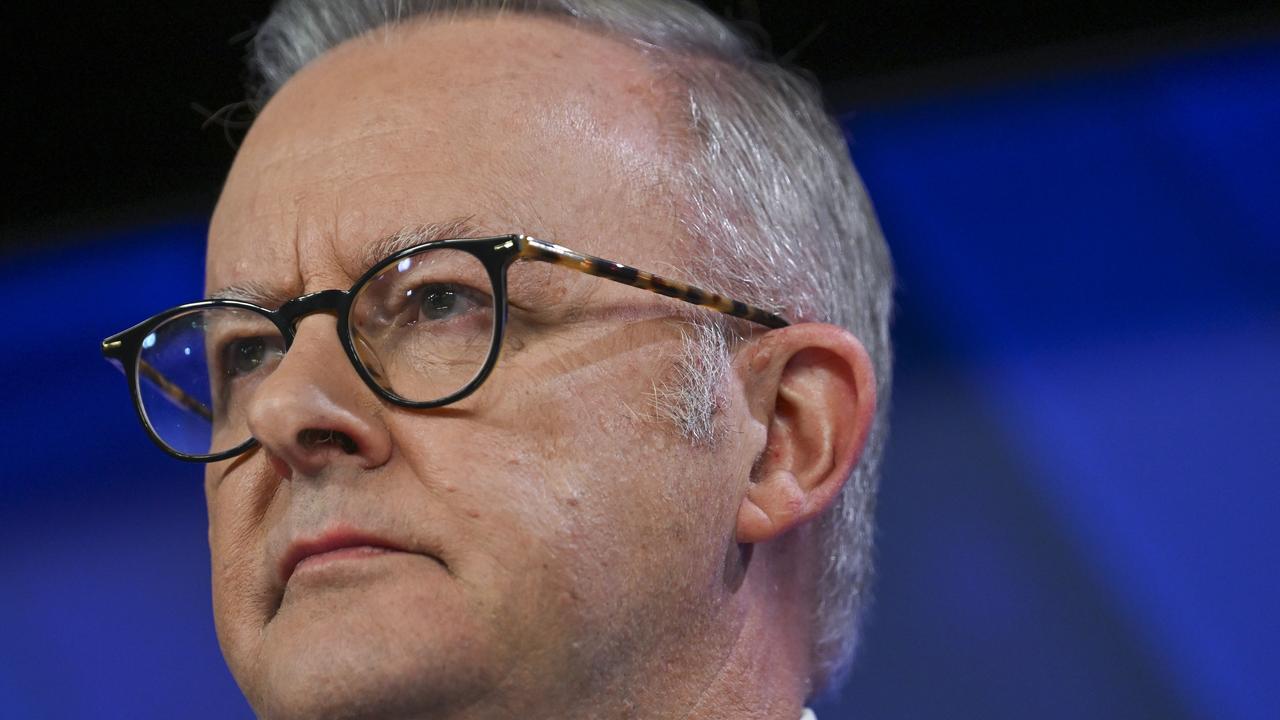
  • Albanese flags move on controversial Australian housing tax

    Albanese flags move on controversial Australian housing tax

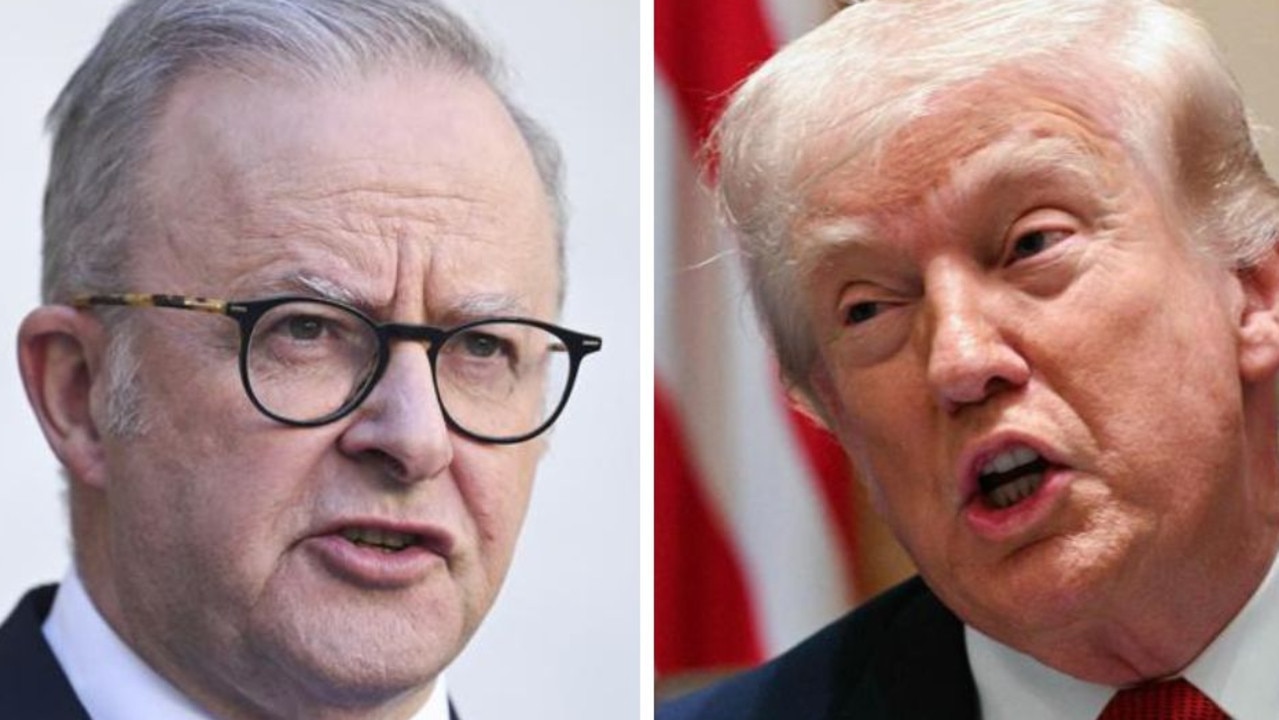
    Weeks out from Australia’s upcoming federal budget, Prime Minister Anthony Albanese has delivered the clearest hint yet that the center-left Labor government is prepared to eliminate a contentious capital gains tax concession that benefits property investors, as the administration navigates growing political pressure over rising housing inequality from the right-wing populist party One Nation.

    For months, unconfirmed reports have circulated that the Albanese government is considering rolling back Australia’s generous 50% capital gains tax discount, a policy that applies to profits earned from selling assets held for more than 12 months, including residential investment property. For context, capital gains tax is levied on profits from asset sales such as property and shares, with those profits counted toward an individual’s annual taxable income. The existing 50% discount cuts the taxable portion of these gains in half for long-term asset holders.

    Speaking to Nine Entertainment’s metropolitan publications on Monday, Albanese confirmed that the government is exploring policy changes beyond its existing push to expand national housing supply, a shift that comes as One Nation has sharpened its political messaging around housing affordability and systemic inequality to win over disaffected voters.

    “The system needs to work for people,” Albanese said. “You don’t change that by rhetoric and by dividing people, which is what a lot of this populist rhetoric does. You do that by giving people a stake in the economy.”

    Until this announcement, Labor’s national housing strategy has centered almost exclusively on boosting housing supply, anchored by its ambitious National Housing Accord that sets targets for new construction across the country. On Monday, the Prime Minister also signaled the government would increase spending on incentives to encourage state and territory governments to hit those housing supply targets, linking housing accessibility to broader national stability.

    “Resilience is also about economic resilience and social cohesion, and making sure that young Australians understand they have a stake in the economy,” he said. “And housing is obviously one of the focuses of that.”

    Currently, a Liberal Party-led Senate inquiry is examining potential changes to national housing tax policy. Earlier this year, prominent financial journalist and economist Alan Kohler told the committee that the existing tax structure sends “a clear signal that capital income is preferred over labour income,” a bias that he argues lies at the root of Australia’s widening wealth gap.

    Kohler noted that while the discount is framed as an inflation adjustment, it is far larger than needed to offset rising prices, and has distorted the property market by encouraging speculative investment. This dynamic, he explained, has pushed up overall housing demand and increased the maximum price investors are willing to pay for residential property, pricing out many first-time homebuyers and low-income households.

    The government’s openness to changes to the capital gains discount aligns with recent comments from Treasurer Jim Chalmers, who said last week that he would be “pretty happy” if the 2026–27 budget was remembered as a landmark “tax reform budget.”

    Beyond housing tax reform, Albanese also signaled that the upcoming budget will include a sweeping overhaul of the National Disability Insurance Scheme (NDIS), Australia’s landmark social support program for people with permanent disability.

    “The NDIS was there to assist people who have a permanent incapacity to fully participate in society – that’s something we need to value and cherish,” Albanese said. “It’s undermined if four out of 10 kids in a class are on the NDIS. That wasn’t why it has that public support, and we need to make sure that we maintain public support by ensuring it’s sustainable.”

    The government has already moved to narrow eligibility for the scheme, proposing to shift support for children with mild autism to state and territory-run systems under the new Thriving Kids program. The reform has faced significant pushback, however, with state leaders refusing to take on the extra funding burden for the initiative. Albanese has explicitly ruled out introducing means testing for the NDIS, saying that eligibility should remain tied to an individual’s disability needs and their ability to participate in community and economic life, not their income or assets.

  • Runoff looms as Fujimori leads troubled Peru vote

    Runoff looms as Fujimori leads troubled Peru vote

    Peru’s 2026 general presidential and legislative election, held April 12, concluded with right-wing contender Keiko Fujimori holding a narrow lead but forced into a June runoff, capping a day of widespread logistical failures, police intervention, and public frustration that deepened uncertainty over the South American nation’s efforts to escape years of crippling political instability.

    Approximately 27 million eligible Peruvians turned out to select from 35 presidential candidates, an election called to resolve a prolonged period of chaos that has seen multiple presidents ousted from office or jailed in recent years. Campaigning centered overwhelmingly on two of the country’s most pressing crises: soaring violent crime and pervasive systemic corruption. Homicide rates across Peru have more than doubled over the past decade, while annual reported extortion cases have skyrocketed from just 3,200 to 26,500 over the same period, pushing public safety to the top of voter priorities.

    On the eve of voting, Fujimori — the 50-year-old daughter of disgraced former Peruvian president Alberto Fujimori — laid out a hardline public safety platform to AFP, saying she would crack down on instability by deploying the military to control prisons, strengthening border enforcement, and expediting deportations of undocumented migrants. Early exit polls from leading pollsters Ipsos and Datum placed Fujimori in first place with roughly 16% of the vote, well short of the 50% majority required to win the election outright.

    The tight race for the second spot in the June runoff remained too close to call late Sunday, with four candidates — Roberto Sanchez, Ricardo Belmont, Rafael Lopez Aliaga, and Jorge Neito — separated by just a few percentage points, putting all in a statistical tie for the final runoff position.

    What was meant to be a step toward restoring political order instead devolved into a day of disruption marked by major logistical breakdowns. More than 100 polling stations, the majority in the capital city of Lima, failed to receive required voting materials on time, forcing dozens of locations to open hours behind schedule. At 15 polling centers, frustrated voters waited for hours under Peru’s equatorial sun before staff were forced to turn them away entirely. In total, the material failures left roughly 63,000 registered voters unable to cast their ballots on election day.

    While the disenfranchised voters represent a small fraction of Peru’s total electorate, political observers warn their absence could still swing the race in the extremely tight contest for second place. In the 2021 presidential election, a margin of just 238,000 votes separated the second and third place finishers that cycle.

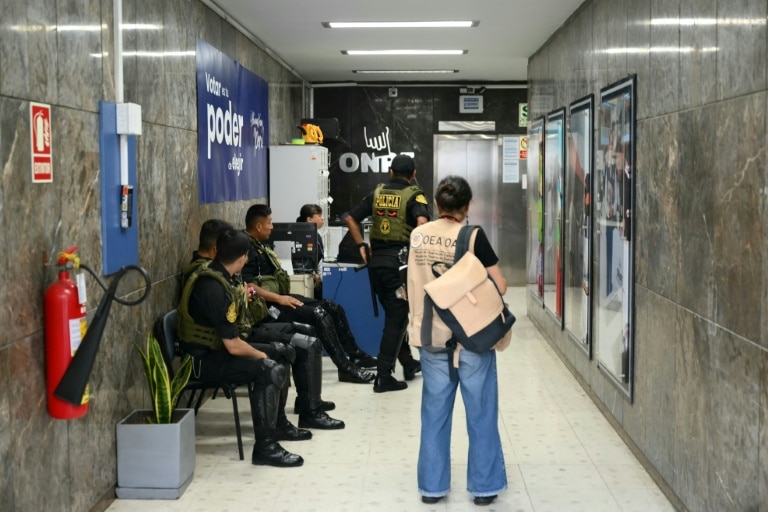
    With polls still open, police and prosecutors launched a raid on the headquarters of Peru’s National Office of Electoral Processes (ONPE) to investigate the material delivery failure, followed by a separate raid on a private logistics subcontractor that officials have blamed for the missed deadlines. The unprecedented mid-vote police intervention and widespread delays fueled unproven allegations of election foul play from candidates and the public, casting a cloud over the integrity of the results.

    Protesters gathered outside the guarded ONPE headquarters in Lima to voice frustration over the disorganization. “They have not made it easier for people to vote,” 25-year-old administration student Karina Herrera told reporters on site. Multiple presidential candidates raised concerns about the irregularities and called to extend voting into Monday if issues were not resolved; electoral officials ultimately opted to extend voting by just one hour before closing all polls.

    ONPE head Piero Corvetto defended the body’s handling of the election, acknowledging the widespread logistical failures but insisting no systemic fraud was possible. “We have had a logistical problem, and we have done everything humanly possible to reduce it,” Corvetto said. “There is no possibility of fraud. There is full assurance that the election results will faithfully reflect the popular will.”

  • Spain’s Sanchez seeks closer China ties amid strains with US

    Spain’s Sanchez seeks closer China ties amid strains with US

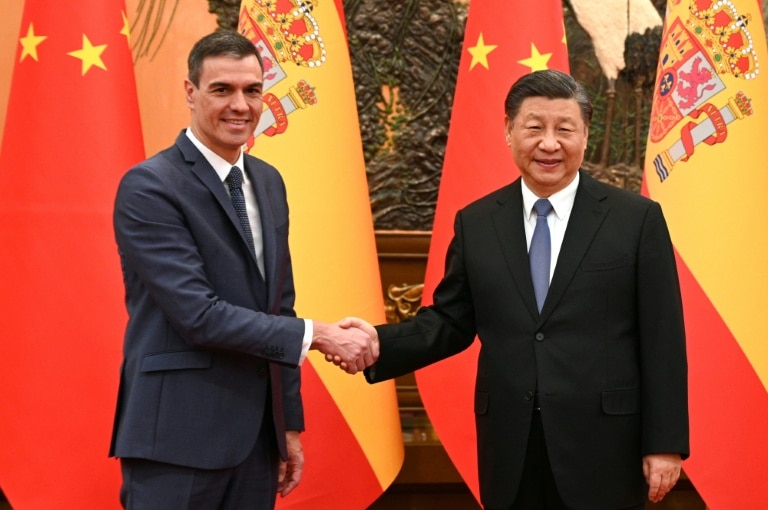
    As geopolitical and trade tensions mount between Europe and the United States under the second Trump administration, Spanish Prime Minister Pedro Sanchez launched a high-stakes three-day official visit to China on Monday, with the explicit goal of deepening economic and diplomatic cooperation between Madrid and Beijing, and positioning Spain as a central connecting hub between China and the European bloc.

    This trip marks Sanchez’s fourth visit to China in as many years, a frequency that underscores the Spanish government’s strategic priority of building stable, mutually beneficial relations with the world’s second-largest economy. The timing of the visit comes at a moment of growing friction between European allies and Washington, where Donald Trump’s aggressive tariff policies and erratic diplomatic approach have sparked widespread anxiety across the continent.

    Tensions between Madrid and Washington escalated sharply last month, after Trump threatened to sever trade ties with Spain in retaliation for the Spanish government’s refusal to grant the U.S. military access to its bases for strikes against Iran—itself a major economic partner of China. This rift has further incentivized Spain to advance its independent diplomatic and trade agenda with Beijing, analysts say.

    Sanchez is not the first Western leader to travel to Beijing in recent months: senior leaders from Britain, Canada, and Germany have already completed official visits this year, with Trump himself scheduled to travel to China for a summit in May.

    According to senior Spanish government sources, the core priorities of Sanchez’s visit center on expanding market access for Spanish goods, boosting two-way investment, and opening new collaborative channels in emerging sectors. Specifically, Madrid is pushing for greater access to the Chinese market for its key agricultural and industrial exports, while exploring new joint technology partnerships with Chinese firms. Another key goal is attracting fresh Chinese foreign direct investment to Spain—the eurozone’s fourth-largest economy—and securing stable access to China’s supplies of critical raw materials that are essential to Spain’s industrial and energy transition.

    On the first day of his trip, Sanchez traveled to the headquarters of Chinese consumer technology giant Xiaomi, before touring an innovation exhibition hosted by the Chinese Academy of Sciences. On Tuesday, he is scheduled to hold formal talks with China’s top leadership, including President Xi Jinping and Premier Li Qiang, before concluding his visit with a public press conference.

    Bilateral trade between the two countries has expanded rapidly in recent years, but remains marked by a significant trade imbalance. Last year, Spain recorded a 42.3 billion euro ($49.1 billion) trade deficit with China, with Chinese exports to Spain far outpacing Spanish shipments to the Asian market. Even so, Spanish exports to China grew 6.8% in 2025, a gain that the Spanish government attributes to the steady deepening of bilateral ties. During Sanchez’s 2025 visit to Beijing, China agreed to open its market wider to a host of popular Spanish exports, including pork and cherries, a win that Madrid hopes to build on during this trip.

    Claudio Feijoo, a leading China studies expert at the Technical University of Madrid, told Agence France-Presse that Spain holds unique strategic appeal for Chinese investors and policymakers. “Spain’s economy is growing faster than most other major European economies, and it maintains relatively low energy costs, which makes it an attractive base for Chinese companies looking to enter the European market,” Feijoo explained.

    Beyond economic advantages, he noted that Beijing views Spain as a comparatively friendly, less confrontational partner in Europe, with a greater degree of policy independence from Washington than many other European allies. “China sees Spain as a more autonomous actor that can make its own decisions, which creates more space for mutually beneficial cooperation,” he said. “Spain is also perfectly positioned as a gateway to three key regions: Europe, Latin America, and North Africa. It can act as a central hub that gives Chinese companies access to multiple large markets from a single base.”

    Feijoo added that Spanish agricultural products hold particularly strong growth potential in the Chinese market, as China cannot meet all of its own domestic demand for high-quality food products, while Spain is one of the world’s top producers of a wide range of premium agricultural goods.

    Chinese Foreign Ministry spokesperson Mao Ning highlighted the positive trajectory of bilateral ties in a press briefing earlier this week, describing Spain as a “an important partner of China within the EU.” She added that Sanchez’s visit represents a key opportunity to “promote bilateral relations to an even higher level” for both sides.

    The warming of relations between Madrid and Beijing has already been on display in recent months: last November, King Felipe VI and Queen Letizia completed a state visit to China, the first by a Spanish monarch in 18 years, a trip that widely was seen as a reflection of the growing closeness of ties between the two countries.

    Sanchez, one of the few remaining left-wing heads of government in Europe, is traveling to China with his wife Begona Gomez and Foreign Minister Jose Manuel Albares.

  • Australian warships can ‘absolutely’ fight Iranian drones: Navy Chief

    Australian warships can ‘absolutely’ fight Iranian drones: Navy Chief

    Fresh from the collapse of high-stakes weekend peace talks between US and Iranian officials in Pakistan, the United States has launched a formal blockade of Iranian ports along the Strait of Hormuz, triggering a split in Australia’s top political and military leadership over whether the nation will join the operation.

    Former US President Donald Trump first announced the blockade in an overnight social media post, which drew immediate international attention for its confrontational tone. “The United States Navy, the Finest in the World, will begin the process of BLOCKADING any and all Ships trying to enter, or leave, the Strait of Hormuz,” Trump wrote. He added that any Iranian strike on US vessels or civilian shipping would be met with overwhelming force, framing the Iranian government’s warnings of potential maritime hazards in the strait as “world extortion” that the US would never accept.

    US Central Command later clarified the parameters of the operation, confirming the blockade would take effect at midnight AEST, and would only target vessels traveling to or from Iranian ports across the Arabian Gulf and Gulf of Oman. Freedom of navigation for ships heading to non-Iranian destinations would remain unimpeded, the command said. Under international law, a formal blockade is widely classified as an act of war.

    The announcement comes after 21 hours of marathon mediated talks in Islamabad, where US Vice President JD Vance confirmed the US delegation tabled its “final and best offer” to Iranian negotiators, but walked away without a breakthrough. “I think that’s bad news for Iran much more than it’s bad news for the United States of America,” Vance told reporters after the talks concluded.

    Australia’s response to the US move has exposed a clear divide between the nation’s civilian political leadership and its top military commander. Speaking at a press conference on Monday, Vice-Admiral Mark Hammond—Australia’s Chief of Navy, who is set to take over as head of the Australian Defence Force in July—confirmed the country’s naval fleet is fully prepared to join the blockade if requested by the government.

    “We’ve got 10 surface combatants right now. Eight of them are at sea today,” Hammond told reporters. “And they are fitted with one of the most advanced radars in the world … and some of the most advanced missile and point defence systems in the world. When asked if Australian warships were fully capable of countering Iranian drone threats as part of the operation, Hammond answered definitively: “Absolutely.”

    Hammond emphasized that any decision to contribute forces rests exclusively with the Australian federal government, and noted that no formal request for participation has been received to date. Prime Minister Anthony Albanese has already moved quickly to rule out any additional Australian deployments to the Middle East, echoing the prime minister’s stance that Australia has not been asked to join, and has no intention of committing to the operation.

    Assistant Foreign Affairs Minister Matt Thistlethwaite went further earlier this week, all but ruling out Australian involvement entirely. “We’re not considering joining the blockade,” he told Sky News, adding that it was “disappointing” that the weekend US-Iran talks failed to reach a resolution. “We believe that the best way to get lasting peace and to ensure ultimately that petrol prices come down for Australians is a negotiated settlement. That’s the only way that you’re going to see the Strait open permanently, the international economy restored, and energy costs lowered for households across Australia and the world.”

    Senior Cabinet minister and Environment Minister Murray Watt, one of Albanese’s most trusted advisors, echoed that criticism, warning the US blockade carries a severe risk of escalating the ongoing conflict between the two nations. “If there’s any further escalation of this conflict, whether it be economic or militarily, that is going to impose further costs on the world, and of course, greater cost of human life, which is not something we want to see,” Watt told ABC’s Radio National. He added that any action that raises the risk of wider conflict is “a bad thing for the world”, noting that thousands of lives have already been lost in the ongoing tensions, and the conflict has already driven up energy prices for Australian consumers.

    Australia’s top diplomat, Foreign Minister Penny Wong, released a formal statement calling on both sides to maintain the fragile two-week ceasefire that has been in place and return to the negotiating table. “It is disappointing that the Islamabad talks between the United States and Iran have ended without agreement,” Wong said. “The priority now must be to continue the ceasefire and return to negotiations. We continue to want to see a swift resolution to this conflict. Any escalation in the conflict would impose an even greater human cost and further impact the global economy.”

    Pakistan, which brokered the original ceasefire and hosted the failed weekend talks, issued a similar appeal for de-escalation and a return to diplomatic negotiations.

  • Karol G to dance her ‘Tropicoqueta’ at Coachella

    Karol G to dance her ‘Tropicoqueta’ at Coachella

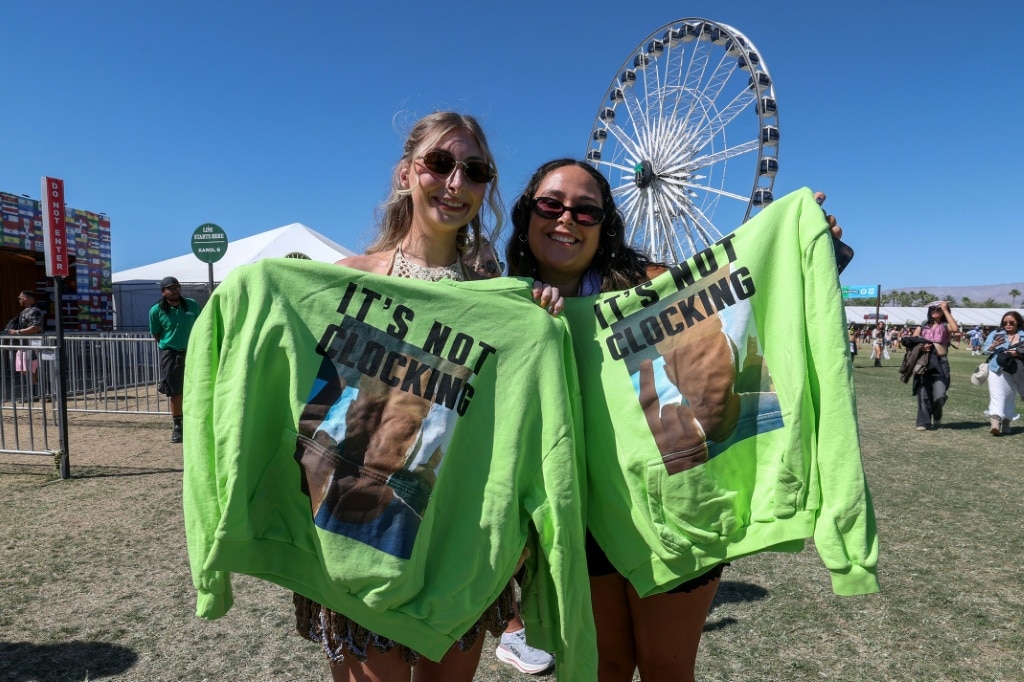
    The 2024 Coachella Valley Music and Arts Festival’s opening weekend is drawing to a close in the sunbaked California desert, and history is on the line Sunday as Colombian reggaeton icon Karol G takes the main stage as the event’s first-ever Latina headliner. The chart-topping artist, who first wowed Coachella crowds in 2022, is prepping a career-defining performance that promises never-before-seen choreography centered on her latest Caribbean-influenced project *Tropicoqueta*.

    In an exclusive interview with AFP ahead of Sunday’s headline set, Karol G’s longtime makeup artist Duvan Foronda teased that audiences will see a new side of the star. “She is going to look absolutely stunning; you’ve never seen her dance the way she’s going to dance today,” Foronda shared. The *Mañana Sera Bonito* singer’s 2022 Coache debut quickly became one of the festival’s most iconic Latin sets, turning the stage into a raucous cross-cultural celebration that featured surprise guests including fellow Colombian star J Balvin, Dutch DJ legend Tiesto and rapper Becky G, with whom she performed her female-empowering hit “Mamiii.”

    Since that breakout 2022 set, Karol G has cemented her status as a global Latin music leader, dropping two full-length studio albums capped by 2023’s *Tropicoqueta*, the Caribbean-flavored project anchored by the fan-favorite anthem “Latina Foreva.” For Sunday’s performance, the singer is leaning into the record’s tropical aesthetic, taking inspiration from vintage Caribbean showgirls for a look that is designed to get thousands of fans dancing from the first note. Beyond the stage, Karol G has extended her support for the Latinx community off the festival grounds, partnering with small businesses to host a pop-up market near the Indio festival grounds that centers Latinx-owned brands from across the U.S. — a initiative she promoted heavily across her social media channels to drive foot traffic.

    For long-time fan Cristina Medina, who traveled to the festival specifically for Karol G’s headline set, the moment was already emotional before the first chord. “I’m so emotional,” Medina told reporters, tearing up as she browsed the Bichota Records-organized vintage pop-up market, which was curated to help fans replicate Karol G’s iconic signature style. “’Latina Foreva’ represents strength and pride in being Latinx, and in supporting one another. Just look at this opportunity she’s created for the Latinx community. She is truly special.” Medina even got a surprise interaction with Foronda, who was on-site at the market giving fans custom *Tropicoqueta*-inspired makeup looks and promoting his own beauty line. “People want to wear lots of glitter — lots of sparkle. They’re ready to see ‘La Bichota,’ but looking absolutely dazzling,” Foronda explained, noting that the signature *Tropicoqueta* aesthetic balances glowing skin with warm orange tones for a look that feels “super natural” to the Medellín-born star.

    Karol G’s landmark headlining set is the capstone of a diverse, star-studded Sunday lineup that includes British rising songwriter flowerovlove, electronic dance group Major Lazer, punk godfather Iggy Pop, experimental British artist FKA twigs, big beat pioneer Fatboy Slim, Atlanta rapper Young Thug and legendary K-pop group BIGBANG. This year’s opening Coachella weekend, which officially kicks off the North American summer festival season, launched Friday with a standout set from pop star Sabrina Carpenter, who brought her cinematic “Sabrinawood” concept to the stage with surprise appearances from Hollywood icons Sam Elliott, Susan Sarandon and Will Ferrell.

    Saturday’s schedule brought no shortage of viral moments and surprise guests, starting with electrifying sets from techno-industrial collaboration Nine Inch Noize — a joint project from Nine Inch Nails and German producer Boys Noize — and New York indie rock mainstays The Strokes. The biggest surprise of the day came when Canadian superstar Justin Bieber made his first major public performance in nearly four years, reconnecting with a adoring crowd after an extended hiatus from large-scale touring. Additional unplanned appearances included Smashing Pumpkins frontman Billy Corgan, who joined rising indie artist Sombr for a performance of the 1990s hit “1979,” and pop icon Jennifer Lopez, who joined French DJ David Guetta during his headlining set.

    After Karol G closes out the musical portion of opening weekend, Coachella will cap the weekend with a special advance screening of the first episode of *Euphoria* Season 3, the hit HBO drama that returns to television Sunday after a four-year production hiatus. The festival’s second weekend, which will replicate the full opening weekend lineup, kicks off next Friday in Indio.