标签: Oceania

大洋洲

  • Manchester City go top of Premier League as Burnley relegated

    Manchester City go top of Premier League as Burnley relegated

    The 2024-25 Premier League title race took another dramatic twist on Wednesday, as a narrow 1-0 away win for Manchester City over already struggling Burnley delivered two huge outcomes: Pep Guardiola’s side climbed to the summit of the table, while Vincent Kompany’s former club confirmed their drop back to the Championship.

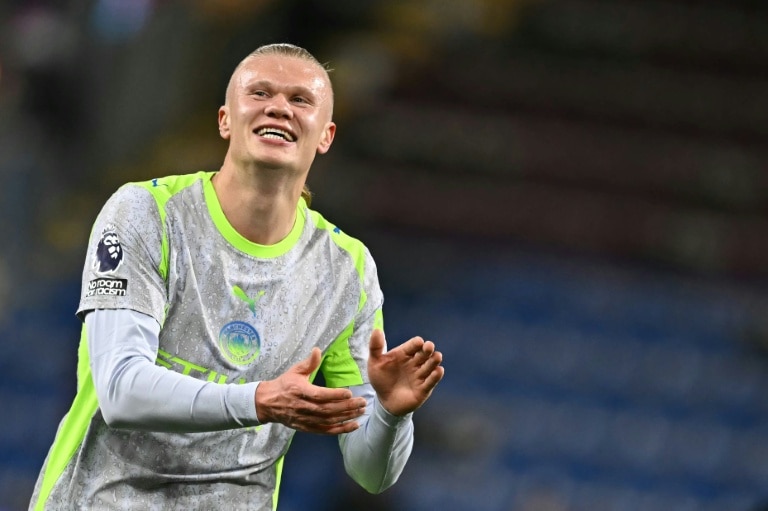
    Coming off a pivotal 2-1 win over Arsenal in Sunday’s widely billed title decider, Manchester City came out flying at Turf Moor, immediately putting the hosts under relentless pressure. Just five minutes into the match, Jeremy Doku played a perfectly weighted through ball that sent Erling Haaland clear on goal, and the Norwegian striker coolly chipped an effort over onrushing Burnley goalkeeper Martin Dubravka to open the scoring.

    City controlled possession for much of the contest, launching a steady stream of long-range attempts that forced Dubravka into a string of impressive saves, including a stunning first-half stop that pushed Rayan Cherki’s shot onto the woodwork. But despite creating a host of clear opportunities, Guardiola’s side failed to add to their early tally, with Haaland hitting the post after halftime and Burnley’s Zian Flemming missing a golden chance to equalize before the break. The narrow final score left Guardiola both satisfied with the result and frustrated by his side’s wastefulness in front of goal.

    The three points lift Manchester City one spot above Arsenal at the top of the table, with the two title contenders separated only by goal difference after 33 matches, and both still have five remaining games to play. For City, the push for a seventh Premier League title in nine years comes with a tougher remaining schedule, keeping the title race finely poised heading into the final stretch of the campaign.

    For Burnley, the defeat sealed their fate: this marks their third Premier League relegation in five seasons, and they will join Wolverhampton Wanderers in the Championship next term. The Clarets entered this season as newly promoted sides, and got off to a promising start with three wins from their opening nine matches, raising hopes they could avoid the immediate drop that plagues most promoted clubs. But a stunning collapse followed, with just one win recorded in their 25 matches since, leaving them 13 points adrift of safety with only four games left to play.

    Burnley manager Scott Parker, who has earned promotion to the Premier League with two previous clubs (Fulham and Bournemouth), acknowledged his side had fallen short of expectations. “The facts are we had to overachieve this year and we’ve not managed to do that,” Parker said. “In certain moments we’ve lacked a certain quality about us and not managed to get enough points.” The result extends the club’s five-year pattern of oscillating between promotion to the Premier League and relegation back to the second tier, forcing another off-season rebuild ahead of their next Championship campaign.

    In another key midweek fixture, Bournemouth’s push for a first ever top-six Premier League finish suffered a late blow, after Sean Longstaff scored a 97th-minute equalizer to secure a 2-2 draw for Leeds United at Elland Road. Junior Kroupi gave the Cherries an early opening goal, which was quickly canceled out by an own goal from Bournemouth defender James Hill. A second-half strike from Rayan looked set to give Bournemouth all three points, which would have consolidated their place in the top six, until Longstaff’s late volleyed leveller.

    The single point moves Bournemouth up to seventh place in the table, one spot above Chelsea, who sacked manager Liam Rosenior earlier on Wednesday. For Leeds, the draw leaves them nine points clear of the relegation zone, all but guaranteeing their Premier League status for another season.

  • Veteran Australian talkback radio host James Valentine dies at 64

    Veteran Australian talkback radio host James Valentine dies at 64

    Beloved Australian broadcasting personality James Valentine, who served as a staple voice on Sydney radio for more than two decades, has passed away at the age of 64, two years after his initial oesophageal cancer diagnosis. A multi-talented figure who built his legacy both on the airwaves and in the Australian music industry, Valentine leaves behind a profound impact on audiences and colleagues across the country.

    Valentine is most widely recognized for his 20-plus year tenure hosting the iconic Afternoons programme on Australian Broadcasting Corporation (ABC) Sydney, a role that made him a familiar and trusted presence in households across the city. Beyond his broadcasting career, he was also an accomplished saxophonist, performing with a number of popular Australian bands throughout his life, including The Models — a group that claimed two number-one chart hits and toured extensively across the United States and Europe.

    He received his cancer diagnosis in 2024, stepping back from his on-air role to pursue intensive treatment. He made a brief return to broadcasting the following year before formally retiring from his position in February 2025.

    In a public statement shared following his death, Valentine’s family confirmed he died peacefully at his home, surrounded by loved ones who held him close. Per the statement released to ABC, Valentine choose to utilize Voluntary Assisted Dying at the end of his journey, maintaining the independent, self-determined approach that defined his life through his final days. “Both he and his family are grateful he was given the option to go out on his own terms. He was calm, dignified as always and somehow still making us laugh,” the family shared.

    ABC Managing Director Hugh Marks paid tribute to Valentine’s decades of contributions to public broadcasting, describing him as a “trusted companion… for generations of our Sydney audience” who consistently brought “warmth, wit and humanity to radio.”

    Tributes poured in from across the Australian media, political and cultural landscapes on Thursday following the announcement of his death. Fellow ABC presenter Robbie Buck remembered Valentine as “joyous, irrepressible and unbelievably sharp,” while former ABC colleague Richard Glover noted that the host had “lifted the spirit of the city every day for 25 years.”

    Even top Australian political leaders joined in honoring Valentine’s legacy. Australian Prime Minister Anthony Albanese told ABC radio that Valentine was “someone who was always worth listening to.” Australia’s Governor-General Sam Mostyn also shared that Valentine had recently been awarded the honor of Member of the Order (AM) in recognition of his decades of work in broadcasting, music, and arts advocacy. The award was formally presented to Valentine’s wife and children just last Saturday, ahead of his passing. “His ideas were, as they were on radio, just lovely, gentle, sensible, really important things about how community comes together and how we all have a role to play,” Mostyn told ABC.

    Valentine is survived by his wife and two children.

  • Chelsea sack Rosenior after worst run since 1912

    Chelsea sack Rosenior after worst run since 1912

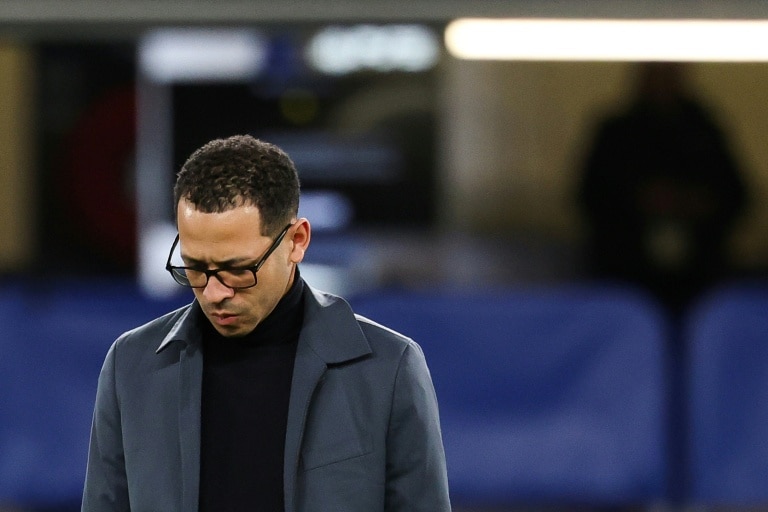
    English Premier League side Chelsea has cut ties with head coach Liam Rosenior just three and a half months into his tenure, ending his appointment after a devastating run of results that marks the club’s worst form in more than a century. The 41-year-old was dismissed on Wednesday, just 24 hours after his team suffered a lopsided 3-0 away defeat to Brighton & Hove Albion – a result Rosenior himself publicly condemned as unacceptable.

    Rosenior took over the Stamford Bridge helm in January, stepping into the role after the club parted ways with former manager Enzo Maresca. He was poached from French Ligue 1 side Strasbourg, a club tied to Chelsea’s U.S.-based ownership group BlueCo. What began with promising early momentum quickly unraveled: in the club’s last eight matches across all competitions, Rosenior’s side picked up seven losses, including five consecutive Premier League defeats where the team failed to find the back of the net. The club’s current five-match goalless losing run in top-flight English football is its first since 1912, a staggering low for the historic London club.

    In an official statement confirming the split, Chelsea noted the decision was not made lightly, but argued recent on-pitch performances and results fell well short of the standards required with high-stakes fixtures still remaining in the 2024/25 campaign. Calum McFarlane, one of Rosenior’s former assistant coaches, will step into the role of interim manager for the remainder of the season. His first test in charge will be a high-profile FA Cup semi-final clash against Leeds United this coming Sunday.

    With just four matches left in the current Premier League season, Chelsea currently sit in seventh place in the table, seven points behind the top four positions that qualify for the next season’s UEFA Champions League. McFarlane’s immediate priority will be to salvage at least a spot in one of European football’s secondary competitions, a result that would ease significant financial pressure on the club. Last season, Chelsea posted a record pre-tax loss of £262.4 million ($349.3 million), one of the largest annual losses in English football history.

    The dismissal of Rosenior marks a significant milestone for BlueCo, the American ownership consortium fronted by Los Angeles Dodgers co-owner Todd Boehly that bought the club from Roman Abramovich in 2022. In less than five full seasons of control, the group has now sacked five permanent managers, a level of turnover that has drawn widespread criticism from fans and pundits alike. Club officials say they will now launch a thorough review process before making a long-term permanent appointment ahead of the 2025/26 campaign.

    Already, a shortlist of potential candidates has emerged in media reports: out-going AFC Bournemouth manager Andoni Iraola, Fulham boss Marco Silva, and former Borussia Dortmund head coach Edin Terzic are all rumoured to be in contention for the role. The high turnover comes despite major investment from the ownership group: since taking over, BlueCo has spent more than £1 billion ($1.35 billion) on new player transfers. While the club lifted the FIFA Club World Cup and UEFA Conference League trophies last season, the massive spending has failed to deliver consistent Premier League success.

    Turbulence off the pitch has plagued the club long before Rosenior’s dismissal. The January sacking of his predecessor Maresca, who was widely popular among the first-team squad, was publicly questioned by senior Chelsea players including Enzo Fernandez and Marc Cucurella. Fernandez was dropped from the matchday squad for two matches after he publicly admitted he would be open to a summer transfer to Real Madrid, and was forced to issue a public apology to the club to be reinstated.

    Cracks between Rosenior and the squad had been visible for weeks, following humiliating early exits from cup competitions: the club was knocked out of the League Cup by Arsenal, and suffered an 8-2 aggregate thrashing by Paris Saint-Germain in the Champions League round of 16. After the Brighton defeat, Rosenior made his frustration plain in post-match comments, saying he could not defend the abysmal performance. “I have defended the players at times when it was the correct thing but I can’t defend that performance. It doesn’t represent this football club, it doesn’t represent anything I ask from the group and that has to change,” he said, adding, “I feel numb I’m so angry.”

    BlueCo’s transfer policy, which focuses on signing large numbers of young talents from across the globe, has drawn consistent protest from Chelsea fans. While the strategy has produced standout success in cases like England international Cole Palmer, the club is now facing the prospect of star names including Palmer potentially leaving at the end of the season. For the second time in three years, Chelsea is on track to miss out on Champions League qualification, adding further uncertainty to the club’s future as it searches for a sixth permanent manager under its current ownership.

  • Three ships targeted in Hormuz, Iran seizes two: monitors, Guards

    Three ships targeted in Hormuz, Iran seizes two: monitors, Guards

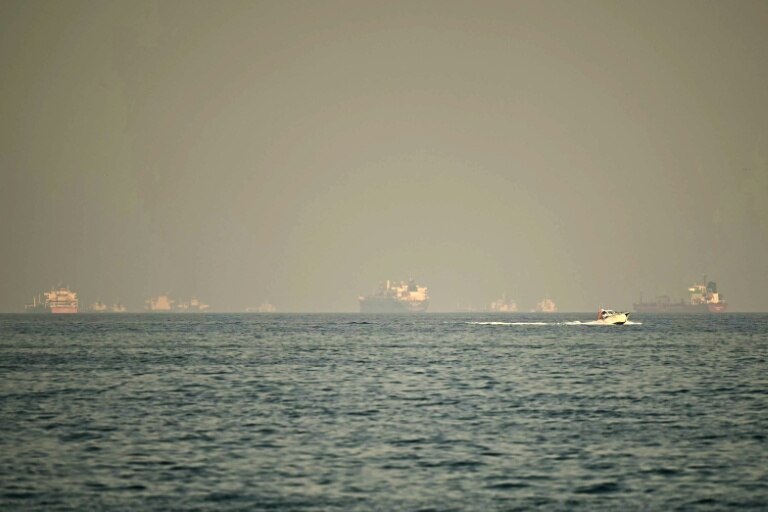
    Tensions have surged again around one of the world’s most critical global trade chokepoints, after Iranian forces seized two container vessels and opened fire on a third in the Strait of Hormuz on Wednesday, according to international maritime monitors and Iran’s own Islamic Revolutionary Guard Corps (IRGC). The escalatory incident marks the latest disruption to commercial shipping in the waterway amid the ongoing regional war between Iran and a US-Israeli coalition.

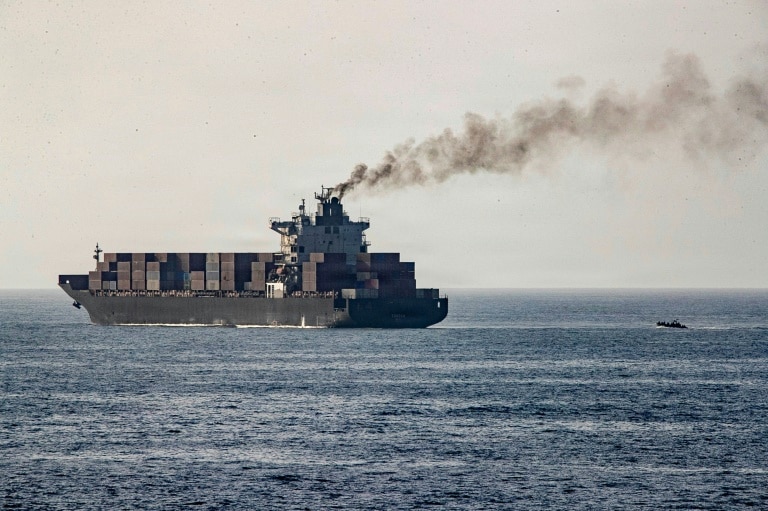
    Britain’s official maritime security agency, UK Maritime Trade Operations (UKMTO), first confirmed that an IRGC gunboat fired on a container ship 15 nautical miles northeast of Oman’s coast. The attack caused heavy structural damage to the vessel’s bridge, though no crew injuries, fires, or environmental contamination were reported, and all seafarers on board were confirmed unharmed. British maritime security firm Vanguard Tech identified the targeted vessel as a Liberia-flagged container ship, which the firm says had received formal notification that it had clearance to transit the strait. Iranian state news agency Tasnim, however, countered that the ship ignored repeated warnings from Iranian armed forces before the attack.

    In a separate official statement, the IRGC confirmed that its naval units intercepted two vessels it accused of violating a naval blockade Iran imposed on the strait after the outbreak of war on February 28, when US and Israeli forces launched strikes on Iranian targets. The IRGC said the two ships were stopped in the Strait of Hormuz, seized, and redirected to Iranian territorial waters. Iranian state broadcaster IRIB named the captured vessels as the MSC Francesca and the Epaminondas, both container ships operated by Swiss-based shipping giant MSC. The IRGC alleged the MSC Francesca has ties to Israel, while the Epaminondas was operating without required transit permits and had been tampering with its navigation systems. Data from independent ship-tracking platform MarineTraffic confirms both vessels came to a stop near the Iranian coast on Wednesday, and notes the two ships had been anchored in the Persian Gulf since the conflict began. The MSC Francesca operates on a trade route connecting India, the Persian Gulf, and the Mediterranean, while the Epaminondas serves a line linking India to the U.S. East Coast with stopovers in the United Arab Emirates. MSC has not yet issued a public statement in response to repeated requests for comment.

    A third separate incident unfolded the same day roughly eight nautical miles off Iran’s western coast, where UKMTO reports another container ship came under fire and stopped in the water. No damage was reported in that attack. Vanguard identified the vessel as the Panama-flagged container ship Euphoria, which was traveling outbound from the Strait of Hormuz at the time of the incident. Subsequent tracking data shows the Euphoria has since exited the strait and is now en route to Jeddah, Saudi Arabia.

    The international community has swiftly condemned Wednesday’s actions. Arsenio Dominguez, Secretary-General of the United Nations’ International Maritime Organization (IMO), called the seizures and attacks “unacceptable” in a post on X. “I once again call for these reckless actions to cease and for any ships and innocent seafarers to be released immediately,” Dominguez wrote.

    The Strait of Hormuz, which connects the Persian Gulf to the Arabian Sea, is the only maritime outlet for a large share of the world’s global oil and natural gas exports, making its security critical to global energy and trade markets. Since the outbreak of the regional war between Iran and the US-Israeli coalition, Iran has heavily restricted commercial transit through the strait, while the U.S. military has enforced a counter-blockade of Iranian ports. The incident comes just one day after U.S. President Donald Trump announced that a bilateral truce between the U.S. and Iran, first implemented on April 8, would be extended.

  • Just a little late: Frankfurt celebrates new airport terminal

    Just a little late: Frankfurt celebrates new airport terminal

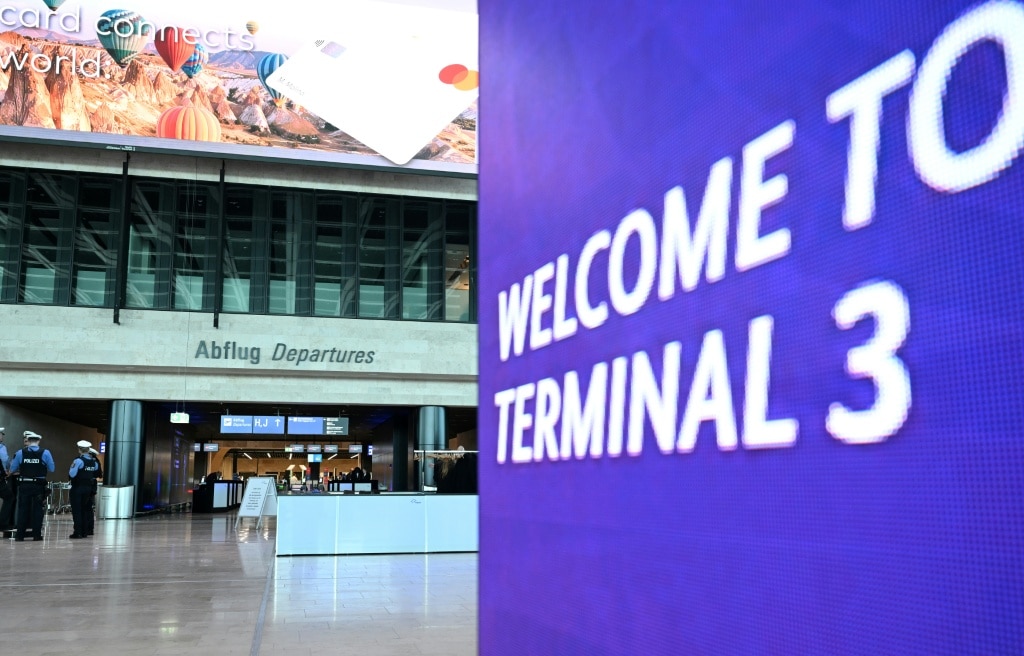
    After a decade of construction, years of delays, and hundreds of millions of euros in cost overruns, Germany’s busiest air hub, Frankfurt Airport, has officially inaugurated its long-awaited Terminal 3 this Wednesday. For German infrastructure observers, the opening itself stands as a rare small victory for a country that has become widely known for its string of stalled, over-budget public construction projects.

    The sprawling new terminal boasts an 18-meter-tall soaring ceiling and a sweeping glass facade, engineered to accommodate an extra 20 million passenger movements annually when fully operational. Privately financed, the project was originally targeted for a 2022 opening, but global supply chain disruptions and labor shortages triggered by the COVID-19 pandemic pushed the completion date back years. What was initially projected to cost between 2.5 billion and 3 billion euros ultimately ended with a final price tag of 4 billion euros, equal to roughly $4.7 billion.

    Despite the cost and timeline overruns, officials and project leaders marked the inauguration with cautious celebration. Speaking from the terminal’s duty-free concourse, Fraport CEO Stefan Schulte, the executive leading the airport’s operating company, framed the completed terminal as a proof of concept for large-scale infrastructure delivery in Germany. “The clear message from Terminal 3 is ‘yes, we can carry out major projects in Germany,’” Schulte said. A total of 57 airlines are set to relocate operations to the new terminal, with German leisure carrier Condor scheduled to be its primary tenant.

    The opening comes in sharp contrast to Germany’s most infamous infrastructure fiasco: Berlin Brandenburg Airport, which was plagued by a seemingly endless series of design flaws, management missteps, and construction errors that stretched its buildout to 14 years before it finally opened in 2020. Frankfurt Terminal 3’s relatively shorter (if still delayed) timeline stands out against other stalled national projects, including Stuttgart 21, a massive underground rail hub in southwestern Germany that was supposed to open in 2019 and remains indefinitely delayed, leaving a large swathe of central Stuttgart looking like an active construction site. Critics have long blamed Germany’s infrastructure delays on convoluted permitting processes and overly rigid regulatory requirements that slow progress on large developments.

    Not all stakeholders welcomed the new terminal, however. Critics have questioned the timing of the expansion, pointing to ongoing turbulence in global aviation driven by geopolitical instability from the ongoing Middle East war, as well as declining passenger volumes at Frankfurt as competition from other European major hubs intensifies. Environmental and climate activists have also voiced sharp opposition to the project. The Initiative for Climate Protection, the Environment and Against Noise in Air Transport issued a scathing rebuke of the expansion, arguing the new terminal will accelerate environmental degradation and erode quality of life for communities living near the airport through increased aircraft noise, carbon dioxide emissions, and other airborne pollutants.

  • War in the Middle East: latest developments

    War in the Middle East: latest developments

    As the ongoing conflict in the Middle East enters a tense new phase, a series of interlinked developments have shifted the trajectory of regional tensions, mixing faint diplomatic openings with continued violence and economic volatility.

    On the diplomatic front, hints have emerged of a second round of indirect talks between the United States and Iran, with the discussions set to unfold as soon as the next 72 hours. The New York Post reported Wednesday, citing unnamed Pakistani mediators who facilitated the first round of negotiations, that the new talks are expected to be hosted in Islamabad within a 36 to 72-hour window. When asked to confirm the report, former U.S. President Donald Trump replied via text message, “It’s possible!” The announcement comes one day after Trump extended an existing two-week ceasefire between the two nations just hours before it was set to expire, marking a temporary halt to large-scale hostilities. Pakistani digital outlet News Post first reported the three-day timeline for new talks, though the publication did not name any sources or provide additional details about the planned agenda.

    Even as ceasefires hold in most areas, sporadic violence has continued to claim lives across Lebanon. Ten days into a bilateral truce between Israel and Hezbollah, Lebanese state media confirmed that recent Israeli airstrikes have killed three civilians inside Lebanese territory. In response, Lebanese officials have announced they will formally request an extension of the current ceasefire during upcoming negotiations with Israeli representatives set to take place in Washington. Since Hezbollah brought Lebanon into the broader conflict on March 2, the humanitarian toll has grown staggering: official data puts the death toll above 2,400, with more than one million Lebanese residents displaced from their homes. A recent government assessment also found that Israeli strikes have damaged or destroyed more than 62,000 residential units across the country, creating a massive housing crisis for displaced populations.

    In Iran, domestic security operations have continued alongside regional tensions. The Iranian judiciary confirmed this week that authorities have executed a man convicted of maintaining secret ties to Israel’s Mossad intelligence agency. Two non-governmental organizations based outside of Iran have since confirmed that the man was previously employed by Iran’s Atomic Energy Organization, adding a new layer of sensitivity to the case.

    Maritime tensions in the Persian Gulf have also escalated sharply in recent days. Iran’s Islamic Revolutionary Guard Corps (IRGC) confirmed that Iranian security forces intercepted three commercial container ships passing through the region, seizing control of two vessels and opening fire on the third. Tehran has recently implemented a new requirement that all commercial vessels obtain explicit official permission before entering or exiting the Gulf via the Strait of Hormuz, a strategic chokepoint that handles roughly 20 percent of global oil and gas exports, alongside billions of dollars in other critical commodities in peacetime. Just days after this interception, the United Kingdom Maritime Trade Operations (UKMTO) confirmed that another Iranian-flagged cargo vessel, the Touska, was fired on while transiting the Arabian Sea while outbound from Iran. A U.S. Navy handout image, released April 21 by U.S. Central Command Public Affairs, shows U.S. forces conducting a patrol alongside the stopped vessel on April 20. UKMTO reported that all crew members are safe and accounted for, with no reported structural damage to the ship. The interception comes as the U.S. continues to enforce a naval blockade of Iranian ports.

    In a separate economic and diplomatic move, the U.S. has blocked an aircraft carrying nearly $500 million in cash from delivering the currency to Iraqi central banks, U.S. media confirmed this week. The Wall Street Journal reported that Washington has suspended all cash shipments to Iraq and frozen funding for Iraqi security programs, a move designed to increase pressure on the Iraqi government to crack down on Iran-aligned militant groups operating within its borders. The measures were implemented after a series of attacks targeting U.S. personnel and interests in Iraq carried out by groups expressing solidarity with Iran.

    Global energy markets have reacted sharply to the mixed signals of ceasefire extension and ongoing regional tension. While oil prices saw a three percent jump on Tuesday following the extension of the U.S.-Iran truce, prices edged only slightly higher on Wednesday, with Brent Crude approaching the $100 per barrel mark and U.S. West Texas Intermediate climbing back above $90 per barrel. Meanwhile, major European stock markets pulled back slightly, as investors remained cautious amid uncertainty over whether the planned new diplomatic talks will lead to a lasting de-escalation of hostilities.

  • New figures revealing Aussie bosses are offering the fastest pay rises in years but wage acceleration unlikely to help most workers

    New figures revealing Aussie bosses are offering the fastest pay rises in years but wage acceleration unlikely to help most workers

    Australia’s labor market is facing a stark new divide: employers are ramping up advertised salaries at the fastest pace in nearly a year, but the benefits of this pay growth are out of reach for most of the country’s workforce. Fresh data from leading employment platform Seek reveals that advertised salary growth re-accelerated to 0.4% month-on-month in March, bringing annual growth in advertised pay to 4.1% — the highest annual increase recorded since July 2022.

    Despite this seemingly positive trend, Seek’s chief economist Blair Chapman notes that the wage bump will do little to ease cost-of-living pressures for the vast majority of Australian households. Most workers are unable to immediately switch jobs to capitalize on the higher advertised salaries, leaving them stuck with stagnant wages even as they grapple with soaring fuel costs, rising mortgage repayments, a cooling national economy, and growing anxiety over job stability.

    The latest employment figures also signal a softening overall labor market: the total volume of job advertisements fell by an additional 0.4% in March compared to February, marking a 2.9% decline year-on-year. Applications per new job posting also dipped 0.5% during the month, even though the share of active workers seeking new roles remains far above pre-pandemic levels.

    Alongside rising pay offers, a clear shift in hiring requirements is emerging across all industries: employers are increasingly prioritizing candidates with artificial intelligence skills. Seek’s data shows that job advertisements referencing AI skills have surged 75.2% over the past 12 months. The trend is most pronounced in information and communications technology, where AI mentions in ads have jumped 11.4%, followed by marketing and communications (5.5% growth) and science and technology (4.7% growth). Even industries with historically low AI integration have seen a 1.3% rise in demand for AI skills this year.

    Chapman points out that AI-referencing jobs still make up less than 2% of all Australian job advertisements, and recent global economic uncertainty around AI development has led to a slight slowdown in growth. “We can expect this increased uncertainty to have employers feeling a little more cautious in the near term until a clearer view of the situation emerges,” he explained.

    But new analysis from Australia’s national science agency CSIRO eases fears of mass AI-driven job displacement, even amid recent high-profile layoffs at major Australian tech and telecom firms including Atlassian, WiseTech, and Telstra. The agency’s multi-year study of hiring patterns across thousands of Australian companies found that firms that have adopted AI are actually advertising more new roles than companies without an AI strategy, with these positions requiring a broader mix of skills rather than fewer.

    Dr Claire Mason, lead of the CSIRO’s workforce and productivity research team, said the data reshapes common narratives around AI and work. “AI isn’t replacing workers,” she explained. “Australians need to be working with and harnessing AI, and learning how to use technology to augment their human intelligence. The big shift is not that jobs are disappearing — it is that jobs are changing.”

  • EU nears approval of Ukraine loan after Hungary pipeline row

    EU nears approval of Ukraine loan after Hungary pipeline row

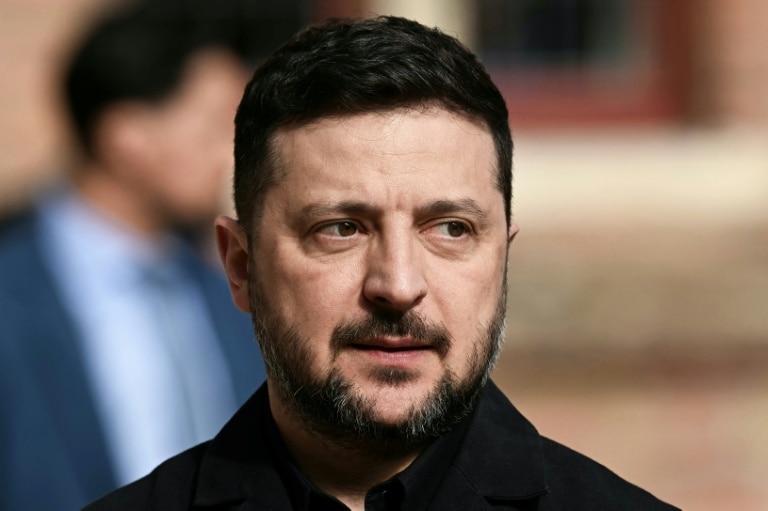
    After months of tense diplomatic gridlock tied to a damaged oil pipeline dispute between Kyiv and Budapest, the European Union has moved a step closer to unblocking a critical 90-billion-euro ($106-billion) loan package for Ukraine, officials confirmed Wednesday. The bitter standoff between Ukrainian President Volodymyr Zelenskyy and Hungarian nationalist Prime Minister Viktor Orbán had held up the much-needed budget support that Ukraine requires to cover its core spending four years into Russia’s full-scale invasion.

    Diplomatic sources told reporters that Budapest has been granted a 24-hour window to issue its final formal approval, with Hungarian authorities holding out to confirm that Russian crude shipments would resume through the Druzhba (Friendship) pipeline after Ukraine completed repairs. Earlier this week, Zelenskyy announced that repairs to the section of the pipeline damaged in a Russian strike were finished, and Ukraine restarted pumping oil to Hungary and neighboring Slovakia on Wednesday.

    Hungarian energy major MOL announced in a statement that it expects the first post-repair crude deliveries to reach both Hungary and Slovakia no later than Thursday. Slovakia’s Economy Minister Denisa Sakova echoed that timeline in a Facebook post, noting that the first shipments would arrive in the early hours of Thursday.

    Orbán, a long-standing Kremlin ally who suffered a decisive electoral defeat earlier this month that ended his 16-year hold on power, had refused to drop his opposition to the loan until the pipeline was fully repaired and flows resumed. Hungary and Slovakia, two EU member states that have maintained close energy ties to Russia despite bloc-wide sanctions, had previously accused Kyiv of deliberately delaying repair work to pressure them over their continued imports of Russian energy. Zelenskyy has been open about his opposition to any EU member states purchasing Russian oil and gas, which remain a top source of revenue for Moscow to fund its war effort.

    The resolution of the pipeline dispute has cleared the way for approval of both the loan and a long-stalled 20th package of EU sanctions on Russia, which targets Russia’s energy, banking, and trade sectors. Prior to the breakthrough, EU officials had warned that the approval might not come until Orbán’s pro-EU successor Péter Magyar takes office in May, raising hopes that a new Hungarian government would unlock the funds. The 90-billion-euro loan is expected to begin disbursement to Kyiv in the coming months to cover Ukraine’s growing budget gap, at a time when the United States has cut off most military and economic aid to Ukraine and relaxed sanctions on Russian crude amid escalating tensions in the Middle East.

    Zelenskyy reiterated his call for the EU to move forward with new sanctions on Moscow Tuesday, as U.S. President Donald Trump has pulled back pressure on the Kremlin. Even as the loan appears set to move forward, some pro-Kremlin European leaders have remained skeptical. Slovak Prime Minister Robert Fico, who has repeatedly clashed with both Kyiv and Brussels over policy toward Russia and Ukraine, warned Wednesday that he “would not be surprised if the 90 billion loan were unblocked and then oil supplies were cut off again.”

  • Duterte jurisdiction appeal quashed at ICC

    Duterte jurisdiction appeal quashed at ICC

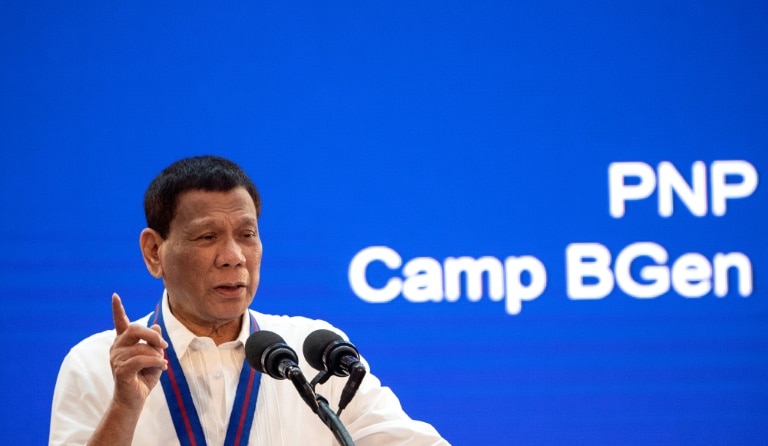
    In a landmark ruling that clears the way for what would be the first trial of a former Asian head of state at the International Criminal Court, ICC appeals judges have formally dismissed Rodrigo Duterte’s legal challenge to the court’s authority to hear his alleged crimes against humanity case connected to his brutal anti-drug campaign.

    The 81-year-old former Philippine president stands accused of three counts of crimes against humanity, stemming from thousands of extrajudicial killings carried out during his crackdown on illegal drug users and traffickers. The allegations cover two periods of his public service: his tenure as mayor of Davao City from 2013 to 2016, and his term as Philippine president up until March 2019, when the Philippines officially withdrew its membership from the ICC.

    Duterte’s legal team had long argued that the court held no jurisdiction over crimes allegedly committed on Philippine soil, arguing that the nation’s exit from the Rome Statute – the ICC’s founding governing treaty – removed all judicial authority over the country. Prosecutors pushed back against this claim, noting that all the alleged abuses occurred while the Philippines remained an active ICC member, and that the court had opened its investigation into Duterte’s campaign well before the nation’s withdrawal took effect.

    An ICC pre-trial chamber first upheld the prosecution’s position in an initial October ruling, prompting Duterte’s defence to file the appeal that was dismissed this week. Presiding judge Luz del Carmen Ibañez Carranza confirmed Wednesday that the court rejected all four legal grounds laid out in Duterte’s appeal. With the full appeal thrown out, she added, the defence’s request for the immediate and unconditional discharge of Duterte from the court’s process is now moot.

    Nicholas Kaufman, lead defence counsel for Duterte, noted the outcome came as no surprise. He pointed out that Duterte’s case is the only high-profile matter remaining on the ICC’s active docket, saying that allowing the appeal would have effectively cleared the court’s entire schedule of major cases.

    The ruling now moves the process to the next critical phase: judges are currently weighing whether to confirm the three charges against Duterte, a final procedural step that must be completed before a full trial can begin. If confirmed, the trial will mark a historic first for the ICC, as it would be the first time the court has tried a former head of state from Asia.

    During February pre-trial hearings, prosecutors laid out their core case, arguing Duterte bears direct responsibility for the thousands of deaths that occurred throughout his years-long war on drugs. Defence lawyers countered that there is no conclusive “smoking gun” evidence linking Duterte’s incendiary public rhetoric and threats against drug-related suspects to the actual killings that took place.

    Despite the procedural progress, it remains highly unlikely that Duterte will ever appear in person at the ICC’s The Hague courtroom. The court already granted his request to skip in-person attendance at February’s hearings, with his legal team citing poor mental fitness to participate. Duterte has only appeared once before the court since his initial process began, during a remote videolink initial appearance where observers described him as confused and visibly exhausted. He was also absent for Wednesday’s public reading of the appeal ruling.

  • Hobart City Council pulls e-scooters from the street, cites ‘safety, behavioural concerns’ in transition to e-bikes

    Hobart City Council pulls e-scooters from the street, cites ‘safety, behavioural concerns’ in transition to e-bikes

    Hobart, the capital city of Australia’s Tasmania state, is making a major shift to its shared urban mobility network, removing all shared e-scooters from city streets in response to growing public and regulatory concerns over rider safety and irresponsible usage. The Hobart City Council formally announced the policy change on Tuesday, confirming that it will transition its existing shared micromobility program to an e-bike-only model, with plans to open a new tender for smaller, more compact e-bikes designed to fit better within the city’s limited public spaces.

    Currently, Singapore-based mobility operator Beam Mobility holds the contract to run the city’s hire-and-ride shared scooter and e-bike services. Under existing Tasmanian regulations, e-scooter riders are permitted to operate on most footpaths, shared pedestrian-bike paths, dedicated cycling lanes, and public roads with speed limits below 50km/h. Rules also require riders to be at least 16 years old and wear a protective helmet at all times, but consistent noncompliance with these regulations has been a core issue for city officials.

    In an official public statement, the council outlined that persistent regulatory gaps, safety risks, and problematic user behaviour have justified the full removal of e-scooters from the shared program. Top complaints include haphazard and obstructive parking of e-scooters on crowded footpaths, which creates hazards for pedestrians, particularly elderly residents and people with disabilities.

    By contrast, council officials argue e-bikes are a far better fit for Hobart’s urban landscape. “E-bikes, by contrast, are generally used as a transport mode rather than a recreational device, resulting in more predictable and compliant behaviour,” the council’s statement explained. The decision also follows broader national and global mobility trends, where a growing number of cities are prioritizing e-bike-focused shared schemes over mixed e-scooter models, citing e-bikes’ greater versatility, stronger safety profile, and suitability for longer commuter trips.

    The policy change comes after two high-profile traffic incidents involving young micromobility riders in Tasmania in recent months. In December, a 14-year-old girl suffered life-threatening injuries when her e-scooter collided with a passenger car in Risdon Vale, an outer suburban area of Hobart. On New Year’s Eve, a 15-year-old boy from Devonport died after losing control of his e-bike and crashing into a utility pole in the state’s northwest.

    National data underscores the scope of the e-scooter safety crisis: A recent study from the University of Melbourne recorded 37 e-scooter-related deaths across Australia between 2020 and 2025, with one-third of those fatalities involving children under the legal riding age.

    Data from the council’s 15-month pilot program, which ran from December 2024 to February 2026, shows strong overall community demand for low-emission shared mobility options, with an average of 13,300 trips and 16,600 kilometers traveled per month across the network. “The shared micromobility program has demonstrated strong community interest in low emissions, convenient travel options. However, it has become clear that a mixed e-scooter and e-bike hire model is not the best fit for Hobart,” the statement added.

    Ryan Posselt, chair of the council’s transport committee, said the shift to an e-bike-only model is expected to deliver improved public safety outcomes and better integration with Hobart’s existing cycling infrastructure. “E-bikes also support active transport, delivering public health benefits alongside emissions reduction,” he noted. The council will now begin the tender process to select a new operator for the e-bike-only program, with rolling deployment expected to begin later this year.