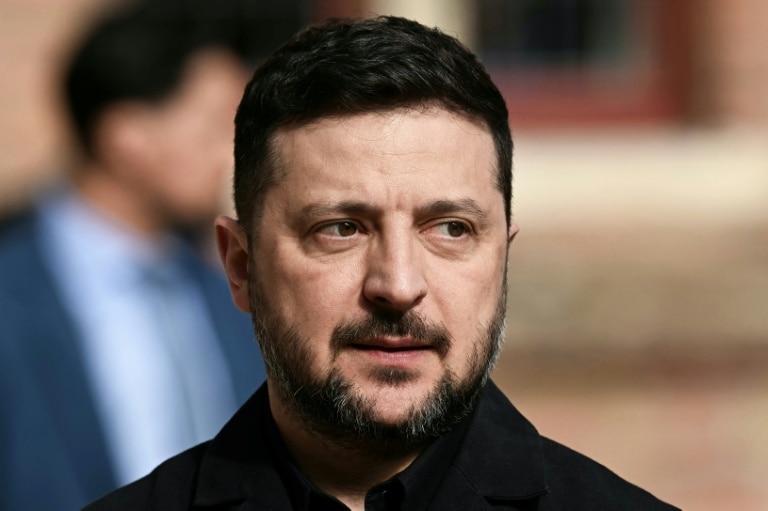
After months of tense diplomatic gridlock tied to a damaged oil pipeline dispute between Kyiv and Budapest, the European Union has moved a step closer to unblocking a critical 90-billion-euro ($106-billion) loan package for Ukraine, officials confirmed Wednesday. The bitter standoff between Ukrainian President Volodymyr Zelenskyy and Hungarian nationalist Prime Minister Viktor Orbán had held up the much-needed budget support that Ukraine requires to cover its core spending four years into Russia’s full-scale invasion.
Diplomatic sources told reporters that Budapest has been granted a 24-hour window to issue its final formal approval, with Hungarian authorities holding out to confirm that Russian crude shipments would resume through the Druzhba (Friendship) pipeline after Ukraine completed repairs. Earlier this week, Zelenskyy announced that repairs to the section of the pipeline damaged in a Russian strike were finished, and Ukraine restarted pumping oil to Hungary and neighboring Slovakia on Wednesday.
Hungarian energy major MOL announced in a statement that it expects the first post-repair crude deliveries to reach both Hungary and Slovakia no later than Thursday. Slovakia’s Economy Minister Denisa Sakova echoed that timeline in a Facebook post, noting that the first shipments would arrive in the early hours of Thursday.
Orbán, a long-standing Kremlin ally who suffered a decisive electoral defeat earlier this month that ended his 16-year hold on power, had refused to drop his opposition to the loan until the pipeline was fully repaired and flows resumed. Hungary and Slovakia, two EU member states that have maintained close energy ties to Russia despite bloc-wide sanctions, had previously accused Kyiv of deliberately delaying repair work to pressure them over their continued imports of Russian energy. Zelenskyy has been open about his opposition to any EU member states purchasing Russian oil and gas, which remain a top source of revenue for Moscow to fund its war effort.
The resolution of the pipeline dispute has cleared the way for approval of both the loan and a long-stalled 20th package of EU sanctions on Russia, which targets Russia’s energy, banking, and trade sectors. Prior to the breakthrough, EU officials had warned that the approval might not come until Orbán’s pro-EU successor Péter Magyar takes office in May, raising hopes that a new Hungarian government would unlock the funds. The 90-billion-euro loan is expected to begin disbursement to Kyiv in the coming months to cover Ukraine’s growing budget gap, at a time when the United States has cut off most military and economic aid to Ukraine and relaxed sanctions on Russian crude amid escalating tensions in the Middle East.
Zelenskyy reiterated his call for the EU to move forward with new sanctions on Moscow Tuesday, as U.S. President Donald Trump has pulled back pressure on the Kremlin. Even as the loan appears set to move forward, some pro-Kremlin European leaders have remained skeptical. Slovak Prime Minister Robert Fico, who has repeatedly clashed with both Kyiv and Brussels over policy toward Russia and Ukraine, warned Wednesday that he “would not be surprised if the 90 billion loan were unblocked and then oil supplies were cut off again.”