标签: Oceania

大洋洲

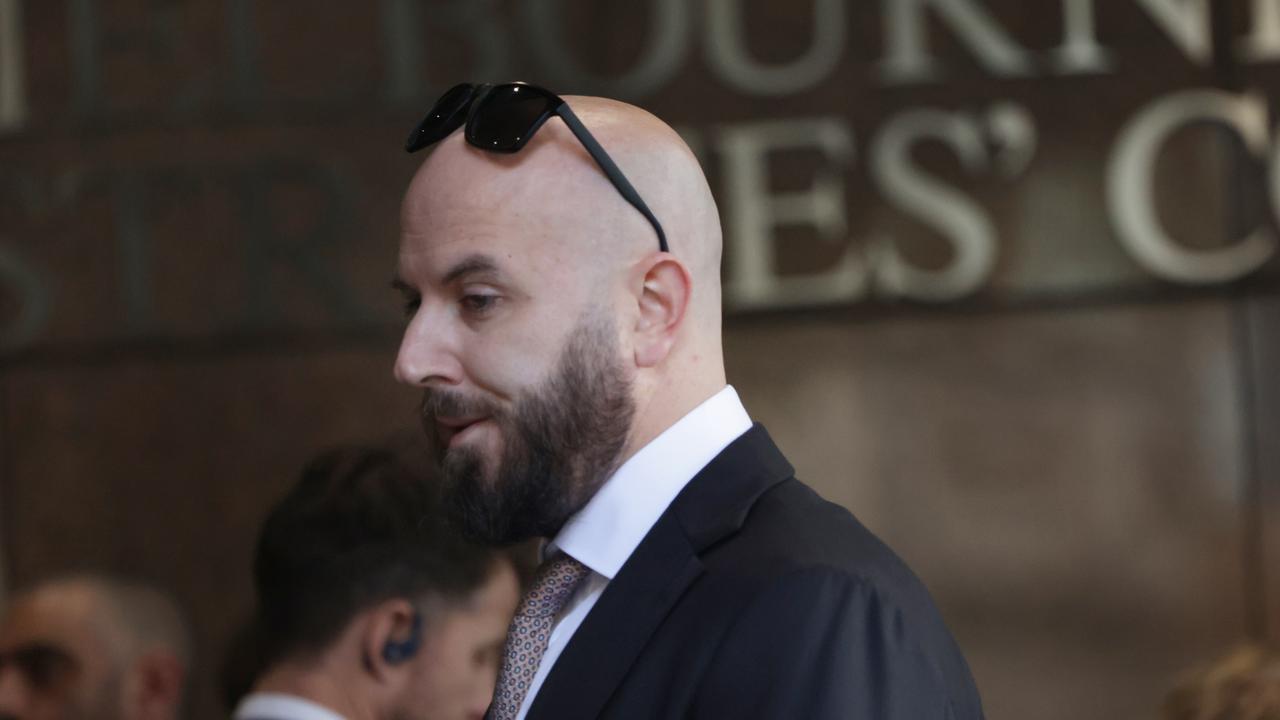
  • William Forde: AFL umpire’s mate admits he used insider information to bet on the Brownlow Medal votes

    William Forde: AFL umpire’s mate admits he used insider information to bet on the Brownlow Medal votes

    A decades-long friendship with a former Australian Football League umpire has landed a 36-year-old Melbourne man in legal trouble, after he pleaded guilty to running a two-year insider betting scheme that exploited confidential voting information for the prestigious Brownlow Medal.

    William Forde entered guilty pleas to six corruption and betting-related charges during a Friday hearing at the Melbourne Magistrates’ Court, linked to manipulated wagers placed on the 2021 and 2022 editions of the Brownlow Medal, the AFL’s highest individual honor for season-long player performance. Prosecutors agreed to withdraw 47 additional charges ahead of the plea, and the court approved an application to hear the matter through a summary proceeding rather than a full trial.

    Forde’s case is one part of a wider investigation launched by Victoria Police’s specialist sporting integrity unit, which laid charges against Forde, former umpire Michael Pell, and two other co-accused in August 2023. The court confirmed that Pell and the two other defendants are currently contesting their identical charges, with a committal hearing scheduled for next month to determine whether their cases will proceed to a full criminal trial.

    Prosecutor Greg Buchhorn outlined the Crown’s case to the court on Friday, laying out how the long-running conspiracy operated. Forde and Pell have been close since childhood, having grown up together and attended the same Melbourne schools. In 2021, Pell – who served as an umpire in AFL matches – began sharing confidential details of the three-vote selections he awarded after each game, a key component of the final Brownlow Medal vote count. Buchhorn explained that Forde recruited four additional associates to place wagers on the predetermined vote outcomes, to avoid drawing attention to the scheme.

    To cover their tracks, the syndicate adopted multiple layers of concealment: they used end-to-end encrypted messaging platforms to communicate, shared handwritten notes of vote details as image files to avoid detection, placed decoy bets on unrelated match rounds to mask their activity, and on one occasion transported thousands of dollars in cash to a regional Victorian town inside a pillowcase to avoid money tracing.

    After the full 2021 Brownlow Medal count was concluded and the winner announced, the scheme netted the group approximately AU$40,750 in illegal profits, which prosecutors allege were split between Forde, his four betting associates, and Pell.

    The conspiracy expanded in 2022, after Pell was promoted to a full-time regular field umpire position, giving him access to a greater number of vote selections ahead of the annual count. Buchhorn told the court that on August 21, 2022, just after the final round of the regular AFL season, Forde met Pell and Pell’s infant son at a public park in the Melbourne suburb of Glenroy. During that meeting, Pell passed Forde AU$27,000 earmarked for betting, as well as color-coded notes that detailed which players had received Brownlow votes in every game Pell had officiated that season.

    Profits from the 2022 round of betting exceeded the previous year’s takings, with the syndicate pulling in roughly AU$60,345 in illegal gains from bets placed directly by Forde or on his instructions.

    The operation was uncovered later that year, when betting regulators flagged suspicious wagering activity during the 2022 Brownlow count. Police arrested Forde in November 2022, and he has been on public record with charges since August 2023.

    Buchhorn told the court that during police interviews, Forde was fully forthcoming about his role in the scheme. He told investigators he had rationalized his actions by arguing that betting agencies had taken large sums of money from him through personal gambling in years prior.

    Forde’s defense attorney, Heather Anderson, told the court her client accepts the prosecution’s summary of the offending as accurate, and has expressed deep shame and genuine remorse for his actions. Anderson described Forde’s involvement as opportunistic: he simply chose to exploit confidential information shared by a close childhood friend for personal financial gain. For the three and a half years since his police interview, Anderson explained, the knowledge of his impending prosecution has hung over Forde, and he has endured significant public humiliation from widespread media coverage of the case.

    Defense counsel has argued that an appropriate sentence for Forde would be either a substantial financial penalty, or a community-based order requiring unpaid community work. The prosecution has confirmed it does not oppose this sentencing request. Magistrate Siobhan Whittle will hand down Forde’s sentence when he returns to court for a sentencing hearing on June 3.


  • Can Messi deliver again for Argentina at his final World Cup?

    Can Messi deliver again for Argentina at his final World Cup?

    It has been nearly four years since Lionel Messi etched his name into soccer immortality by lifting the FIFA World Cup trophy with Argentina in Qatar 2022, an achievement that capped what many thought would be the perfect final chapter of his legendary international career. Now, just months away from his 39th birthday, the Argentine icon is set to make history once more as he prepares to compete in a record-breaking sixth World Cup in North America, chasing an unprecedented back-to-back tournament victory that no other Argentine captain has pulled off in more than half a century.

    Messi’s 2022 campaign was nothing short of iconic: seven goals, three assists across seven matches, including a clinical brace in the unforgettable final against France, and a coolly converted penalty in the decisive shootout that secured Argentina’s third World Cup title. After that historic win, Messi himself admitted he could not have asked for a better ending to his international journey. “Obviously I wanted to finish my career with this. I can’t ask for any more,” he said in the immediate aftermath of the Doha triumph, a comment that fueled widespread speculation he would hang up his international boots soon after.

    But fueled by his enduring love for the game and a desire to continue competing as a world champion, Messi chose to extend his international career, a decision that has been widely celebrated by the Argentine camp. Head coach Lionel Scaloni has repeatedly emphasized that no replacement can ever fill the void left by arguably the greatest player to ever step onto a soccer pitch. “There can’t be. There won’t be. There won’t be an heir to Messi, for sure,” Scaloni told outlet Flashscore in September, making clear how critical the 38-year-old remains to Argentina’s title hopes.

    Critics have questioned whether Messi still has the stamina and elite edge he displayed during his peak years in European soccer. After an uneven two-year spell at Paris Saint-Germain, Messi left Europe in 2023 to join Major League Soccer side Inter Miami, meaning he no longer competes at the highest club level week in and week out; his last win in a UEFA Champions League knockout tie stretches all the way back to 2020. But the Argentine legend has shown he still has the golden touch in MLS: he helped Inter Miami lift the MLS Cup last year, and has already notched 13 goals in 16 appearances for the club in 2026. A minor hamstring injury that forced him off during a recent match against Philadelphia Union is the only question mark over his fitness ahead of the tournament, and he is on track to lead Argentina into their opening group clash against Algeria in Kansas City on June 16.

    Messi’s journey to this historic sixth World Cup began all the way back in 2006, when he made his World Cup debut as a teenager in Germany. He went on to captain Argentina to the 2014 final in Brazil, where they suffered a heart-breaking extra-time loss to Germany. Since Qatar 2022, he has added more international silverware to his cabinet, lifting the Copa America title on U.S. soil in 2024, and finished as the top scorer in South American World Cup qualifying. He is already Argentina’s all-time top goal scorer and most-capped player, and is just two matches away from hitting a remarkable 200 international caps – a milestone he could reach even before the World Cup kicks off, when Argentina plays pre-tournament friendlies against Honduras in Texas and Iceland in Alabama.

    The 39th birthday of the Argentine legend falls just three days before Argentina’s final group stage match against Jordan in Arlington, Texas, capping a historic milestone in a tournament that is widely expected to be his final World Cup. Teammate Julian Alvarez, the 26-year-old Atletico Madrid forward who was part of the 2022 title-winning squad, says the entire camp is aware of the significance of the moment. “We’re all fully aware that this could well be Leo’s last World Cup, given his age, but it’s his decision at the end of the day,” Alvarez told FIFA.com. “It’ll certainly make for a special World Cup and I don’t just mean for us, his team-mates and the Argentinian people, but for everyone who watches and follows him, given that he’s the best player of all time. He’s made a colossal impact the world over.”

    While the entire soccer world is focused on Messi’s final act, Argentina’s deep squad means the team does not have to rely solely on their ageing talisman. Alvarez himself is a world-class talent, and the squad also features a host of elite young players including Inter Milan striker Lautaro Martinez, who won the Serie A golden boot, midfield stars Enzo Fernandez and Alexis Mac Allister, defensive leader Cristian Romero, and star goalkeeper Emiliano Martinez. As proof of the team’s strength even without Messi, Argentina secured a marquee 4-1 home victory over bitter rivals Brazil in qualifying with their captain sidelined.

    Alvarez says the team’s ambition remains the same as it was in 2022, regardless of Messi’s age or status. “As an Argentinian, the excitement is always there and we always want to be crowned champions. There’s no reason for this time to be any different,” he added. For soccer fans around the world, the upcoming World Cup will be a chance to say goodbye to a legend – and to see if he can pull off one more historic miracle.

  • Football eyes NFL throne says 1994 World Cup architect

    Football eyes NFL throne says 1994 World Cup architect

    Thirty-two years after he led the groundbreaking 1994 FIFA World Cup that first cemented soccer’s place in mainstream American consciousness, 87-year-old Alan Rothenberg — the tournament’s chief architect and one of U.S. soccer’s earliest pioneers — is convinced the sport is on an irreversible trajectory to dethrone the NFL as the nation’s most popular sport.

    When the U.S. hosted its first-ever World Cup in 1994, Rothenberg recalls, soccer was widely dismissed across American media circles: derided as boring, low-scoring, and a foreign pastime that would never catch on with domestic sports fans. Speaking from his Beverly Hills home office ahead of the 2026 World Cup, where the U.S. will host the majority of matches, Rothenberg has watched that narrative flip dramatically over three decades.

    Today, Major League Soccer (MLS) boasts 30 professional franchises, drawing an average of more than 20,000 fans per game — a figure that outpaces average attendance for both the NBA and NHL. Top European competitions, including the English Premier League, now air for free on national U.S. television, bringing elite soccer to millions of households weekly.

    “Thirty years from now, I think we will have challenged, if not already overtaken, the NFL for prominence in this country,” Rothenberg told AFP. “I can’t imagine the NFL growing any further; it will eventually plateau. Mounting concerns over player injuries will slow its growth, while soccer just keeps soaring.”

    To back up his claim, Rothenberg points to a visible shift at his alma mater, the University of Michigan, a longstanding powerhouse of collegiate American football. “When I was a student, and for decades after, any open field in Ann Arbor would be full of people throwing an American football,” he explained. “Drive past those same fields today, and they’re all playing soccer.”

    Rothenberg has documented his decades-long role building U.S. soccer in a new memoir, *The Big Bounce: The Surge that Shaped the Future of US Soccer*, which traces his involvement back to the 1960s, when he helped manage the Los Angeles Wolves in the United Soccer Association, the precursor to the North American Soccer League. He later oversaw the wildly successful 1984 Los Angeles Olympic soccer tournament, which drew more than 100,000 fans to the Pasadena Rose Bowl for the gold medal match between France and Brazil.

    As CEO of the 1994 World Cup, Rothenberg led the most well-attended tournament in FIFA history, with an average match attendance of 68,991 that still stands today. He credits part of that success to the U.S. men’s national team, which defied low expectations to reach the knockout round, falling to eventual champion Brazil in the round of 16. “If our team had been an embarrassment, no matter how many tickets we sold or how much revenue we generated, there would have been a permanent dark cloud over the sport here,” he noted.

    Three decades later, Rothenberg says the pressure is off the 2026 U.S. squad, thanks to soccer’s far stronger standing in the country. “I’m confident we’ll get out of the group stage; how far we go after that depends on our development and our draw,” he said. “But I’m not worried about an embarrassment anymore — the sport has solid roots it didn’t have before. A great run will boost us even more, but a bad performance won’t kill soccer in America now.”

    On the topic of World Cup expansion, Rothenberg has broken with common critics who argue the expansion from 24 teams in 1994 to 48 teams in 2026 has diluted on-field quality. He even supports a future expansion to 64 teams, and proposes scrapping group stages entirely for a full single-elimination format that would make every match do-or-die.

    “It’s a radical idea, but it’s worth examining,” he said. “There will definitely be some blowouts, but it will also create more opportunities for Cinderella stories — underdog nations that come out of nowhere to upset top seeds, or even knock them out. That would bring a whole new level of excitement to the tournament.”

    Rothenberg also pushed back on widespread fan criticism of FIFA’s controversial 2026 ticketing model, arguing the backlash will amount to nothing more than temporary media chatter. “In the U.S., we’re already accustomed to high and dynamic pricing for major events,” he explained. “People who aren’t wealthy still spend thousands of dollars to see Taylor Swift or Bad Bunny. This just reflects the actual market. Will pricing be out of reach for some people? Yes, but that’s unfortunately the case for many things in modern society.”

  • Blue Origin rocket explodes on launch pad

    Blue Origin rocket explodes on launch pad

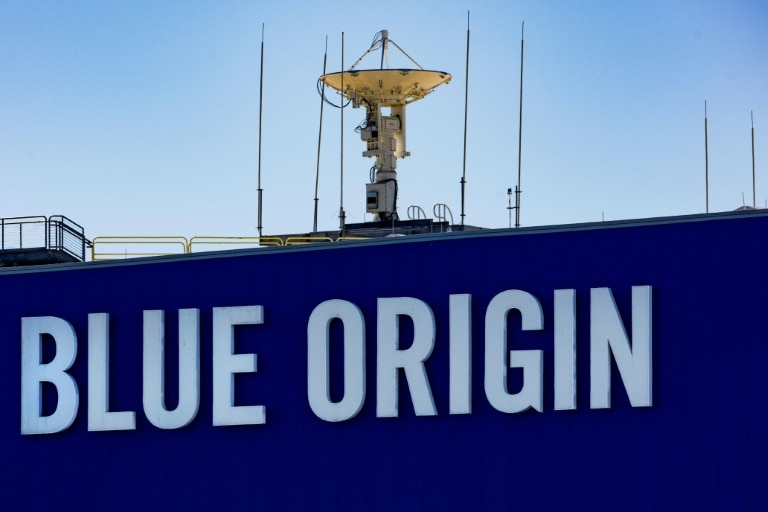
    On a routine ground test Thursday at the Cape Canaveral, Florida launch facility, Blue Origin’s next-generation New Glenn rocket suffered a catastrophic explosion, marking the second major setback in less than a month for Jeff Bezos’ private space exploration firm. No personnel were harmed in the incident, company representatives confirmed in the immediate aftermath of the failure.

    In a short post to social media platform X immediately after the incident, Blue Origin acknowledged that an unexpected anomaly occurred during the rocket’s hotfire test, a standard ground evaluation that involves firing the rocket’s engines while the vehicle remains anchored to the launch pad. The company also confirmed that all crew members working on the test have been accounted for and are safe.

    Footage captured at the test site shows a plume of smoke billowing from the base of the 321-foot (98-meter) heavy-lift rocket, which is the centerpiece of Blue Origin’s long-term commercial and deep-space exploration goals. Within moments, the entire lower section of the rocket ignited into a massive, billowing fireball that consumed the vehicle on the pad.

    Bezos, the billionaire founder of Blue Origin, addressed the public within hours of the explosion, acknowledging the frustrating setback while reaffirming the company’s commitment to its space development goals. “It’s too early to know the root cause but we’re already working to find it,” Bezos wrote on X. “Very rough day, but we’ll rebuild whatever needs rebuilding and get back to flying. It’s worth it.”

    Even rival SpaceX founder Elon Musk, whose company has become Blue Origin’s primary competitor in the commercial launch market, extended support following the incident, calling the failure “most unfortunate.”

    Local and federal stakeholders have also weighed in on the event. Florida Congressman Mike Haridopolos, whose congressional district includes the Cape Canaveral launch complex, confirmed he had been in direct contact with NASA Administrator Jared Isaacman to coordinate updates on the incident. Haridopolos noted in his statement that he was relieved no injuries had been reported, and thanked first responders, engineers, and launch teams for their rapid, professional response to the emergency.

    Blue Origin is a key partner to NASA on the agency’s flagship Artemis program, which aims to return the first humans to the lunar surface in more than 50 years. The company is developing a crewed lunar lander for the program under a multi-billion dollar contract with NASA. Isaacman confirmed that NASA leadership was aware of the test failure, and acknowledged the inherent risks of developing next-generation launch technology.

    “Spaceflight is unforgiving, and developing new heavy-lift launch capability is extraordinarily difficult,” Isaacman wrote on X. “We will work with our partners to support a thorough investigation of this anomaly, assess near-term mission impacts, and get back to launching rockets.”

    Thursday’s explosion is the latest problem to hit the New Glenn program in just four weeks. Last month, the rocket’s first operational launch failed to deliver a commercial communications satellite for AST SpaceMobile to its target correct orbit, despite successfully recovering and reusing the rocket’s first stage booster.

    Following that launch failure, the U.S. Federal Aviation Administration (FAA) ordered Blue Origin to conduct a full mishap investigation, which the company wrapped up earlier this month. On May 22, Blue Origin announced that the FAA had approved its final investigation report for the NG-3 mission, and that all required corrective actions had been implemented. The investigation found that off-nominal thermal conditions prevented one of the rocket’s engines from reaching full thrust during flight, leading to the missed orbit target.

    The New Glenn rocket is designed to be a reusable heavy-lift launch vehicle targeted at both commercial satellite launch contracts and NASA deep-space exploration missions, with Blue Origin positioning it to compete directly with SpaceX’s Falcon Heavy and Starship launch systems.

  • Bluesky accounts hijacked in pro-Russia propaganda campaign

    Bluesky accounts hijacked in pro-Russia propaganda campaign

    A large-scale Russian influence operation has leveraged hundreds of hijacked user accounts on the social platform Bluesky to spread pro-Kremlin propaganda aimed at eroding international support for Ukraine, cybersecurity and disinformation researchers have confirmed. What makes this campaign unusual is its departure from the standard playbook of using fraudulent fake accounts; instead, operatives weaponized the existing verified identities of real, often influential users to push anti-Ukraine messaging, marking a concerning new evolution in Kremlin-aligned disinformation tactics.

    Researchers from Clemson University have tied the operation to Social Design Agency (SDA), a Moscow-based firm already sanctioned by Western governments for coordinated information warfare. The campaign specifically targeted high-profile users including working journalists, academics, and documentary filmmakers, with many of those affected being prominent figures based in the United States.

    Multiple affected users have publicly confirmed the unauthorized activity on their accounts. Alex Ward, a reporter for *The Wall Street Journal*, reported on Bluesky that unknown actors had gained access to his profile and posted an unapproved story framing France and Ukraine in a negative light. Ward later confirmed he had reclaimed control of his account and the problematic post had been removed. Ward was not the only *Wall Street Journal* reporter affected: a database of compromised accounts compiled by an independent internet monitor tracking Russian influence operations, which was shared with AFP by a Clemson researcher, includes at least one other staff member from the outlet. Other confirmed targets include Jake Tucker, editorial director of the PC Gaming Show, who reported his account was compromised, temporarily banned, and eventually recovered; independent filmmaker Mary Beth McAndrews; and academic Ben Gilbert.

    Darren Linvill, a disinformation researcher at Clemson University who tracks Kremlin-aligned operations, told AFP that while malicious actors have used stolen or hacked accounts for disinformation for years, this operation stands out for its level of targeting and unprecedented scale for Russian operatives. “I’ve personally never seen Russia use hacked accounts at this scale before,” Linvill said. While the exact total number of compromised accounts remains unclear, as Bluesky has already removed many propaganda posts and suspended affected accounts pending recovery by their owners, Linvill confirmed he has personally tracked at least a couple of hundred hacked accounts linked to the campaign, and noted the true figure is almost certainly higher.

    Bluesky’s safety team has released official details about the operation, confirming that the platform’s core infrastructure was not breached. Instead, individual accounts were compromised using login credentials that had already been leaked in third-party data breaches from other services. The team noted that most of the affected accounts were older, inactive profiles, though a number of regularly active accounts were also caught up in the compromise. The platform added that it has already removed 4,907 accounts tied to state-backed influence operations so far in 2025, roughly twice the number removed in the whole of 2024. This campaign marks the first time state-backed influence operatives have attempted this tactic of compromising real accounts on Bluesky, the team confirmed.

    Clemson researchers link SDA’s operation to a long-running Kremlin disinformation campaign codenamed Matryoshka, after the Russian nested doll, which is well-known among disinformation experts for its impersonation-based tactics. Joseph Bodnar, senior research manager at the Institute for Strategic Dialogue, explained that Matryoshka has a track record of stealing official branding from established media outlets, government agencies, and private companies, and using artificial intelligence to clone the voices of public figures including celebrities, law enforcement officials, academics, and journalists to spread false messaging. “Hacking into accounts to post content using someone else’s identity is a logical next step for an operation that appears to have a lot of resources and no ethical constraints,” Bodnar added.

    The SDA is already a known target of Western sanctions: the United States, European Union, and United Kingdom have all imposed punitive measures on the firm for its repeated information warfare campaigns targeting democratic institutions. Earlier this month, the UK’s Foreign Office imposed new sanctions on 49 individuals employed by SDA, including writers, translators, and video producers responsible for creating and distributing deceptive pro-Kremlin propaganda. “The SDA has been tasked and funded by the Kremlin to deliver a series of interference operations designed to undermine democracy and weaken support for Ukraine,” the UK Foreign Office said in its official statement.

    Despite the tactical sophistication of the operation, researchers and platform officials agree that its actual real-world impact has been extremely limited. Bluesky’s safety team confirmed that the average propaganda post from compromised accounts received only around 50 views before it was detected and removed. Bodnar noted that this limited reach aligns with the broader goals of Matryoshka, which prioritizes shaping public perception of conflict rather than actually persuading large online audiences. “Sophistication isn’t impact,” Bodnar said. “Matryoshka’s impact is driven more by public perception than by its ability to persuade audiences online. It’s a perception hack.”

  • Former PM Tony Abbott elected federal Liberal Party president

    Former PM Tony Abbott elected federal Liberal Party president

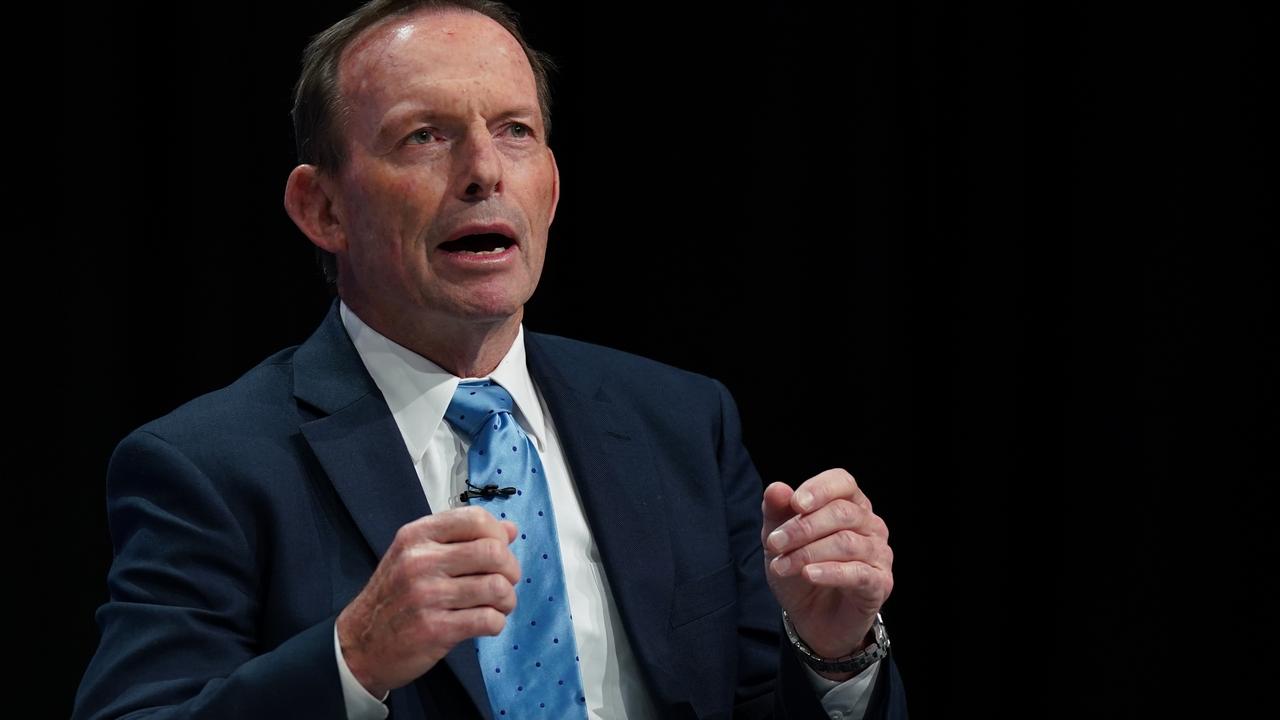
    Australia’s former prime minister Tony Abbott has secured the position of president of the country’s federal Liberal Party after being nominated for the role without any challengers. In remarks delivered to party loyalists during a meeting of the Liberal Party’s federal council on Friday, Abbott framed his return to a top internal party role as a debt repayment and a responsibility he could not shirk.

    The one-time Member for Warringah, who led the center-right Coalition to a federal election victory in 2013, said he owed the party an enormous debt, and that he viewed accepting the presidency as his duty to serve during what he called a period of “existential crisis” for the party. As the last person to successfully lead the Coalition as opposition leader to an election win, Abbott argued he is uniquely positioned to help current Opposition Leader Angus Taylor replicate that success, and eventually become Australia’s 32nd prime minister.

    While Abbott reiterated that Australia remains the greatest nation on Earth, he warned that the country is sliding backward. He cited stagnant economic growth, deepening social divisions, growing threats to national security, and a widespread underlying “spiritual malaise” as core problems facing the nation. For the modern Liberal Party, he added, the central challenge is rebuilding trust with a skeptical electorate to prove it is a credible alternative to the current government — a goal he said he believes the party is fully capable of achieving.

    “We remain the best hope of better government in this country, the better government that we so desperately need right now,” Abbott said, thanking Taylor for the opportunity to return to a formal leadership role within the party.

    The former prime minister’s appointment has not been without controversy, drawing sharp criticism from old political rivals who warn the move could shift the party even further to the ideological right. Fellow former Liberal prime minister Malcolm Turnbull — whose tumultuous political history with Abbott includes Abbott ousting him as opposition leader in 2009, followed by Turnbull toppling Abbott in a 2015 leadership spill — dismissed early rumors of Abbott’s nomination by saying he was “clearly a masochist” for seeking the role, before acknowledging Abbott’s longstanding commitment to Australian politics.

    Turnbull went further to warn against a further rightward shift for the Liberal Party, noting that repeated election results have sent a clear message that a large share of the electorate already believes the party has moved too far right. “They’re basically arguing that the Liberal Party’s mistake has been not being right-wing enough, despite every election sending them the message that a significant part of the electorate feel they have gone too far to the right,” Turnbull told the Australian Broadcasting Corporation (ABC).

    Independent MP Zali Steggall, who defeated Abbott in his long-held Warringah seat during the 2019 federal election, echoed Turnbull’s criticism. She argued that Abbott’s appointment proves the Liberal Party has failed to learn key lessons from its poor performance in the last three consecutive national elections. Steggall emphasized that moderate, rational Australian voters are hungry for constructive policy solutions, not the ideological culture wars and partisan blame games she linked to Abbott’s leadership style. “It’s clear that the Australian public, the sensible public, wants rational policies. They don’t want culture wars. They don’t want blame game. They want something constructive,” she told the ABC.

    Abbott’s ascension comes as the Liberal Party grapples with internal ideological tensions and low poll numbers following three straight election defeats, making his new role as the top party leader a high-stakes test for the future direction of Australia’s main conservative political force.

  • ‘Robots need clothes’: humanoids hit catwalk in Seoul

    ‘Robots need clothes’: humanoids hit catwalk in Seoul

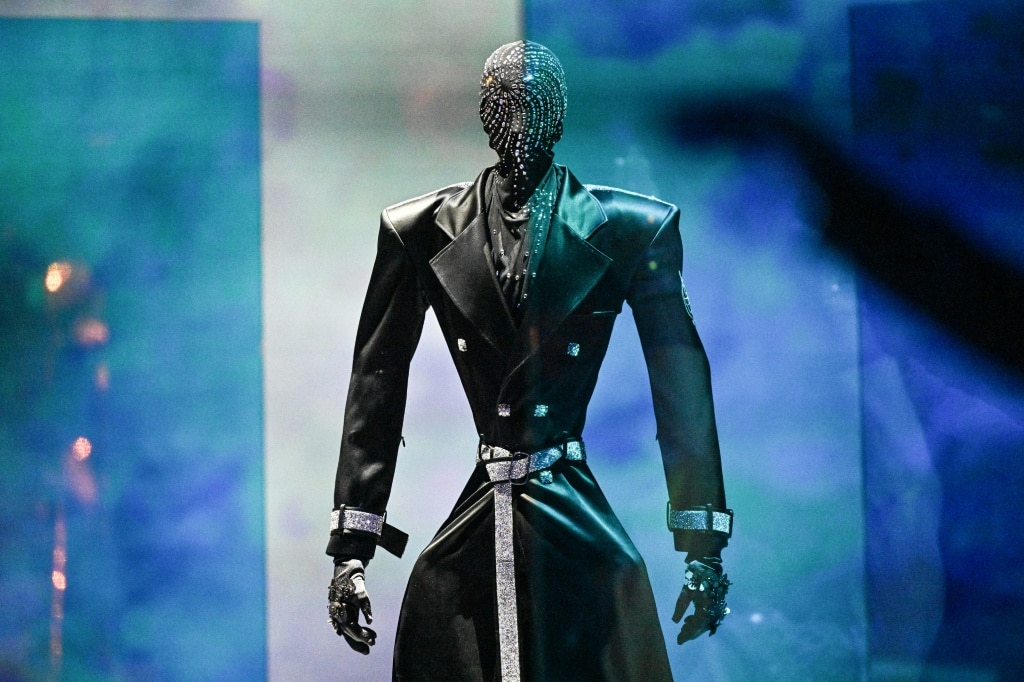
    South Korea’s capital Seoul has hosted one of the fashion world’s most innovative shows to date, merging cutting-edge robotics technology with high-end apparel design in an experimental display that explores the future of human-robot coexistence. Unlike traditional fashion presentations that center solely on human talent, this unique event paired every human model with a humanoid robot companion, both clad in matching custom-designed outfits, bringing the creative concept “Robots need clothes” to vibrant life on the runway.

    The showcased designs spanned a wide range of bold aesthetic directions. Standout pieces included a blue tasseled Texas-inspired ensemble fitted with a mini cowboy hat for the robot counterpart, a retro metallic silver puffer jacket, flowing silky gowns, and voluminous 1970s-inspired black space-age trousers echoing the iconic stage style of rock legend David Bowie. Every garment was carefully tailored to fit the unique skeletal structures of the robot models, ensuring a polished, intentional look as pairs took turns strutting down the catwalk in synchronized movement.

    The event was organized by Seoul-based entertainment firm Galaxy Corporation, which designed all of the garments featured in the show. In an interview after the presentation, Galaxy Corporation CEO Choi Yong-ho explained the core idea driving the concept: the team came to recognize that just as humans rely on clothing for expression and function, robots will also need garments as they become more integrated into daily life. “Just as every human being is unique, we believe that every single robot should also be distinct,” Choi noted. The company plans to commercially launch its robot apparel line under the brand name “MACH 33” by the end of this year.

    The humanoid models that walked the runway were produced by Unitree, a Chinese robotics startup that has grown in popularity thanks to the relatively affordable pricing of its humanoid products. This display comes as advancements in robotic engineering have unlocked new capabilities for humanoids: modern models can already perform choreographed dance routines, compete in athletic races, and even execute complex acrobatic moves like backflips.

    Industry forecasts point to explosive growth in humanoid adoption in the coming decades. Leading global financial services firm Morgan Stanley projects that the total global humanoid population could surpass one billion units by 2050, as the machines become more integrated into sectors ranging from manufacturing to service work and entertainment. Even so, fully autonomous humanoids powered by advanced embodied artificial intelligence remain rare today, with most high-profile robotic demonstrations relying on either pre-programmed movements or remote human operation.

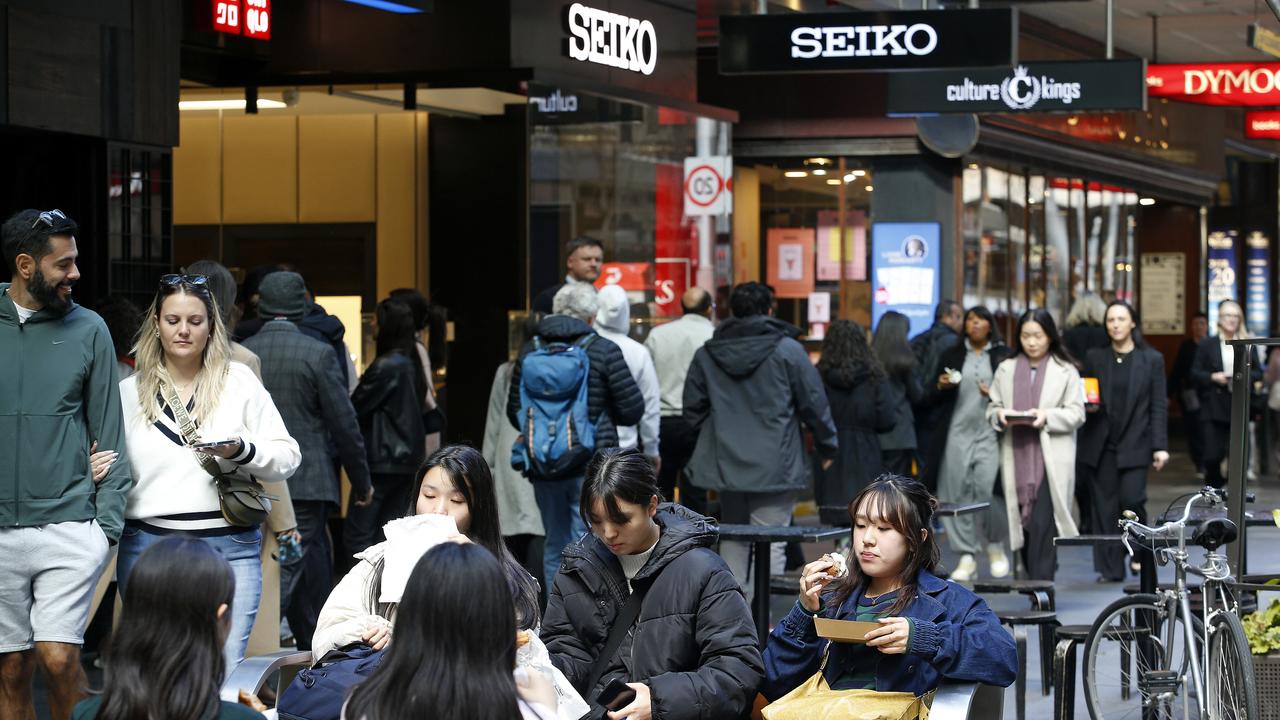
  • Australian retailers face ‘simultaneous attacks’ from rising costs and falling demand

    Australian retailers face ‘simultaneous attacks’ from rising costs and falling demand

    Australia’s retail sector is bracing for significant financial strain as it confronts a dual threat of soaring operational costs and faltering consumer demand, a new report from Deloitte Access Economics has warned. Analysts have framed the overlapping challenges as a classic “pincer movement” that will compress profit margins and drag sales growth lower through 2026.\n\nIn the report’s baseline outlook, annual retail turnover is projected to decelerate to 1.8% growth in 2026, down from an expected 2.3% in 2025. But David Rumbens, Deloitte Access Economics partner and lead author of the analysis, warns that downside risks far outweigh potential upside surprises. Should the ongoing conflict in the Middle East escalate, the report cautions, consumer spending could see almost no expansion for the remainder of 2026.\n\nThe first wave of pressure stems from global supply shocks tied to Middle East tensions, which are pushing up the cost of critical retail inputs. The report estimates that conflict-driven price hikes for fuel, natural gas, fertilizer and plastic will directly add 2.1% to retailers’ overall operating costs. On the demand side, broader cost-of-living pressures have already dragged Australian consumer sentiment to its lowest temporary level in 50 years, leaving households far more cautious about discretionary spending.\n\nRumbens explained that the dual pressures leave retailers with little room to absorb shocks: “The Middle East conflict is pushing up costs as the prices of key inputs including fuel, energy, plastics and fertiliser rise. At the same time, the rising cost of living is once again squeezing household budgets, dampening the outlook for consumer spending.”\n\nRecent official inflation data from the Australian Bureau of Statistics underscores the complicated economic backdrop. Yearly headline inflation dipped slightly from 4.6% in March 2026 to 4.2% in April, a decline driven entirely by temporary government policy measures: a 50% cut to the national fuel excise and a GST rebate for fuel purchases. Since April 1, these policies have saved Australian drivers 26 cents per liter in direct excise cuts and an additional 5.7 cents per liter via the GST rebate. But the trimmed mean inflation rate, a key underlying measure tracked by the Reserve Bank of Australia that strips out volatile price shifts, rose to 3.4% in the 12 months to April, confirming that persistent core price pressures remain embedded in the Australian economy. The temporary fuel relief measures are set to expire on July 1, 2026, which will likely push inflation back upward in the third quarter.\n\nThe report adds that accelerating inflation over the past year has already erased all of the real wage gains Australian households achieved in 2025. Real wages fell 1.3% year-over-year as of March 2026, eroding household purchasing power and directly weakening demand for retail goods.\n\nBreaking down spending trends, Deloitte forecasts that growth in discretionary retail spending will slow sharply from 2.5% in the 12 months to December 2025 to just 0.7% in the 12 months to December 2026. Growth in spending on non-discretionary essentials is projected to tick up slightly from 2.5% to 3% over the same period, but the report notes that even essential spending could pull back later as households ramp up savings to cope with financial uncertainty.\n\n“Discretionary spending is likely to weaken further as the lagged effects of interest rate rises continue to flow through to household budgets, elevated inflation erodes consumers’ purchasing power, and uncertainty surrounding the Middle East conflict persists,” Rumbens said.

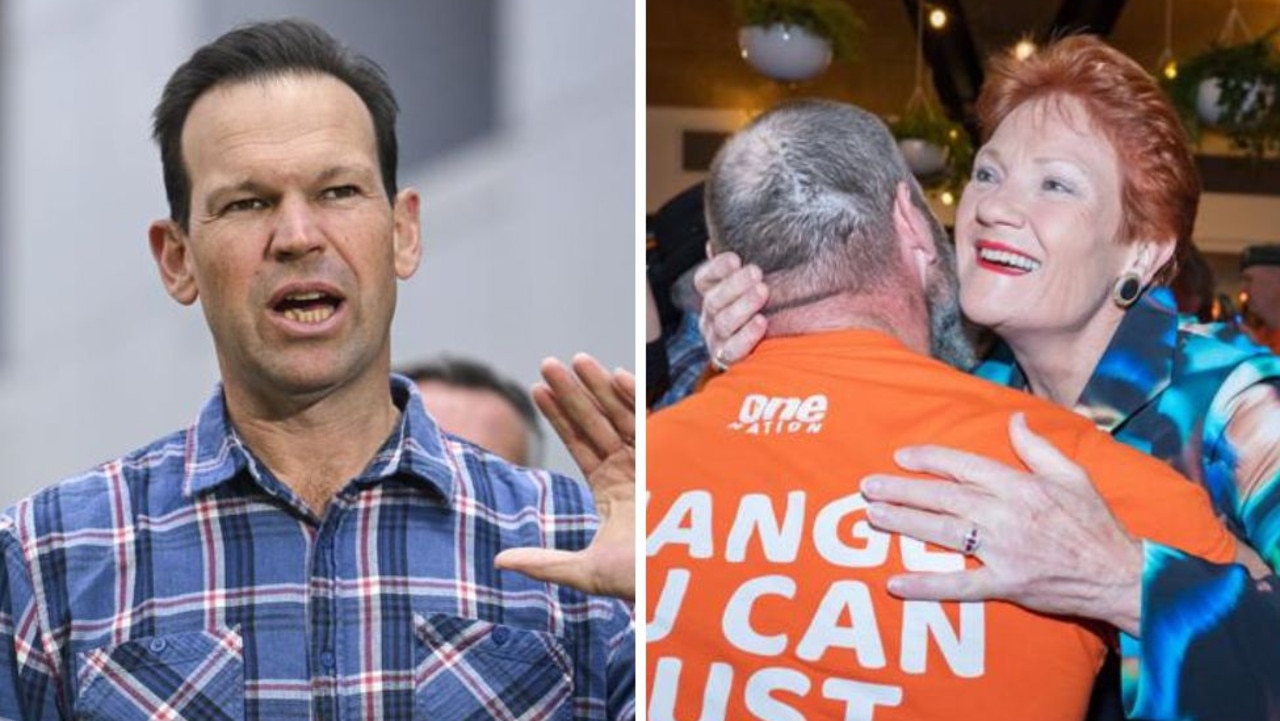
  • ‘I’m no fool’: Matt Canavan doubles down on call for early election despite One Nation threat

    ‘I’m no fool’: Matt Canavan doubles down on call for early election despite One Nation threat

    Australia’s main conservative opposition bloc, the Liberal-National Coalition, is refusing to back down from its demand that Prime Minister Anthony Albanese call an early federal election — even as independent polling projects the group faces an unprecedented electoral collapse that would see far-right party One Nation seize its position as the country’s official opposition. The demand comes in response to the ruling Labor government’s recent reversal of a pre-election pledge on key housing tax policies, a shift that has ignited fierce partisan debate across the nation’s capital.

    Last week, joint polling conducted by the Redbridge Group and Accent Research painted a grim picture for the Coalition if an election were held this May. The survey projected that One Nation could capture as many as 59 lower house seats, ousting the Coalition from most of its electorates across the country, with only the Liberals holding onto seven seats and the Nationals losing all of their lower house representation entirely. The only states and territories where the Coalition would retain a foothold, the data found, are New South Wales, Victoria and the Northern Territory.

    The projections are even more striking for two of the Coalition’s most high-profile figures: Opposition Leader Angus Taylor is given a 98% chance of losing his regional New South Wales seat of Hume to a One Nation challenger, while sitting Liberal MP Andrew Hastie of the Western Australian seat of Canning is projected to lose with 100% certainty. In the worst-case outcome laid out by the polling, One Nation would become the largest non-government party in federal parliament, taking the Coalition’s place as official opposition — an existential shift that would upend decades of two-party conservative opposition in Australian politics.

    Yet even with these dire projections hanging over the bloc, senior Coalition leaders have maintained their call for an immediate vote, framing the Labor government’s tax policy change as a breach of electoral trust that justifies putting the issue to voters. “I’m not scared of the Australian people,” Nationals leader Matt Canavan told Sky News on Friday. “I’m no fool. Blind Freddy can see we face challenging political circumstances right now, but I also have great faith and courage in the common sense of the Australian people.”

    Canavan acknowledged that the Coalition is in a period of deep political trouble, but argued the current headwinds are no more severe than the polling environment ahead of the previous 2022 federal election, when many surveys incorrectly predicted a Labor landslide win. “I think you’d go crazy if you spent your whole time citing your political strategy based on polls,” he said. “What I do is decide what I think is right for our country and fight like hell for it.”

    For his part, Taylor echoed the criticism of Labor’s policy shift in an interview with 2GB radio, accusing the prime minister of breaking an explicit promise and attacking the reforms as a de facto tax on aspirational working and middle-class Australians. “It should have gone to an election and we will make sure it does go to an election … we will take to the next election a policy to repeal it,” Taylor said. “The arrogance of this Prime Minister to do what he has done and not take it to an election in the first place, because he hasn’t got the guts. In the end, he hasn’t got the courage, and that’s because he knows, under scrutiny, these policies will pull up at odds with what Australia needs right now.”

    The policy controversy at the center of the dispute stems from a pre-election commitment Albanese made ahead of the 2022 federal vote, when he explicitly stated a re-elected Labor government would not make changes to negative gearing or the capital gains tax (CGT). But in the May 12 2024 federal budget, Treasurer Jim Chalmers confirmed the government would follow through on a full policy reversal: it will replace the current 50% CGT discount with an indexation model, and roll back negative gearing provisions for new housing construction.

    Albanese and Chalmers have openly defended the shift, acknowledging they have arrived at a new policy position since the last election, but arguing the change is necessary to address growing intergenerational inequality in Australia’s overheated housing market, which has locked millions of younger and low-income Australians out of home ownership. The Coalition has already pledged to block the reform legislation in the Senate, where Labor does not hold a majority, leaving the government dependent on support from the Australian Greens to pass the bill.

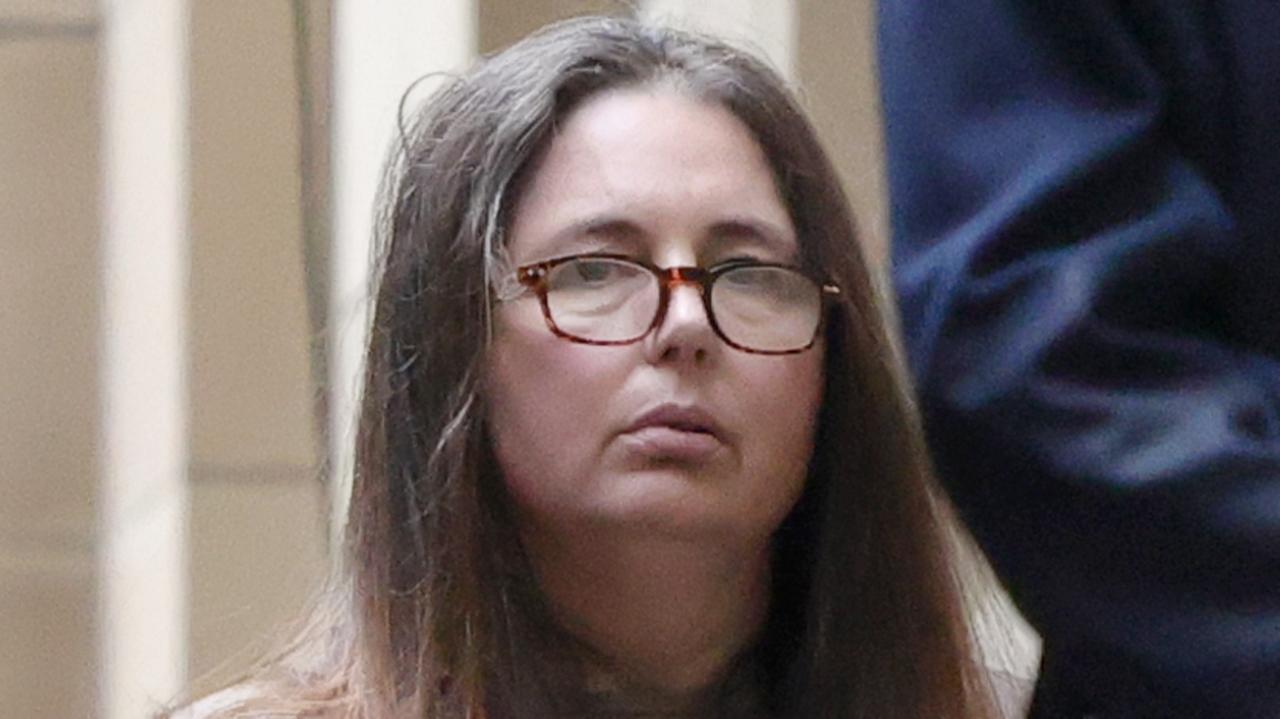
  • Convicted triple-killer Erin Patterson’s appeal hearing set to run over two days on August 19 and 20

    Convicted triple-killer Erin Patterson’s appeal hearing set to run over two days on August 19 and 20

    One of Australia’s most high-profile criminal cases, the Leongatha mushroom murders, is set to return to the legal system this year, with a two-day hearing scheduled for convicted triple killer Erin Patterson’s appeal in Victoria’s highest appellate court.

    The 50-year-old was found guilty by a jury in September 2024 of murdering three of her husband’s relatives and attempting to murder a fourth during a homemade lunch gathering at her Leongatha, Victoria home in July 2023. Following the conviction, she was handed a life sentence with a 33-year non-parole period, a penalty that prosecutors have also challenged as too lenient in a separate state-led appeal.

    The fatal lunch that sparked the national case saw Patterson serve beef wellington to Don Patterson, Gail Patterson, Heather Wilkinson and Ian Wilkinson—her in-laws and her spouse’s aunt and uncle. All four guests developed life-threatening poisoning from toxic death cap mushrooms, and only Ian Wilkinson survived after an extended stay in intensive care.

    Throughout the trial and in the period since her conviction, Patterson has consistently maintained her complete innocence, arguing she had no knowledge that the mushrooms she used in her cooking were poisonous. Her legal team’s appeal, scheduled to begin on August 19 at the Victorian Court of Appeal, rests on seven distinct legal grounds, according to filed court documents.

    Key among Patterson’s challenges to her conviction are claims that her cross-examination while testifying in her own defense was unreasonably unfair and oppressive. She also argues that multiple pieces of evidence admitted during the original trial created unfair prejudice against her and should never have been presented to the jury. This contested evidence includes data tracking her mobile phone’s connection to local cell towers, crowdsourced observations of death cap mushroom growth in the region posted to the citizen science platform iNaturalist, and content from a Facebook true crime enthusiast group that Patterson was part of.

    Patterson’s legal team is asking the appellate court to overturn her original conviction and order a full new trial. In a rare procedural twist, the separate appeal brought by Victoria’s Director of Public Prosecutions will be heard alongside the defendant’s challenge. Prosecutors argue that the 33-year minimum non-parole term handed down last year is manifestly inadequate given the severity of her crimes. Court officials have confirmed that Patterson will not appear in person for the appeal hearing, which is expected to conclude after two days of legal argument.