标签: Oceania

大洋洲

  • US, Israel defend strikes at UN as Iran alleges ‘war crime’

    US, Israel defend strikes at UN as Iran alleges ‘war crime’

    The United Nations Security Council convened an emergency session amidst escalating tensions following coordinated military strikes by the United States and Israel against Iranian targets. The session revealed profound divisions among global powers regarding the legality and justification of the attacks.

    United States Ambassador Mike Waltz presented Washington’s position, emphasizing that preventing nuclear weapon proliferation by Iran constituted a fundamental global security imperative rather than a political matter. He referenced longstanding UN resolutions allegedly disregarded by Tehran and criticized Iran’s human rights record, particularly its suppression of domestic protests, questioning the nation’s moral standing within the international body.

    Israeli representative Danny Danon characterized the military action as necessary rather than aggressive, asserting that Tehran’s provocations had left no reasonable alternatives. He condemned what he described as hypocrisy among Security Council members who criticized the strikes while remaining silent regarding Iran’s retaliatory measures.

    Iranian Ambassador Amir Saeid Iravani denounced the operations as war crimes, citing significant civilian casualties including more than 100 children at Minab School in southern Iran. He accused certain Council members of applying double standards by overlooking what he termed flagrant aggression against his nation while condemning Iran’s exercise of self-defense under the UN Charter.

    The diplomatic confrontation exposed clear geopolitical fractures. Russia and China exclusively condemned the US-Israeli strikes, while Gulf nations including Saudi Arabia, the United Arab Emirates, and Bahrain issued a joint statement through Bahrain’s ambassador characterizing Iran’s regional attacks as cowardly and holding Tehran fully responsible for escalating hostilities.

    UN Secretary-General Antonio Guterres issued a grave warning regarding the potential for military actions to trigger uncontrollable consequences throughout the Middle East, emphasizing the region’s extreme volatility and the dangers of escalation.

  • Man City win to close on Arsenal as Liverpool hit five

    Man City win to close on Arsenal as Liverpool hit five

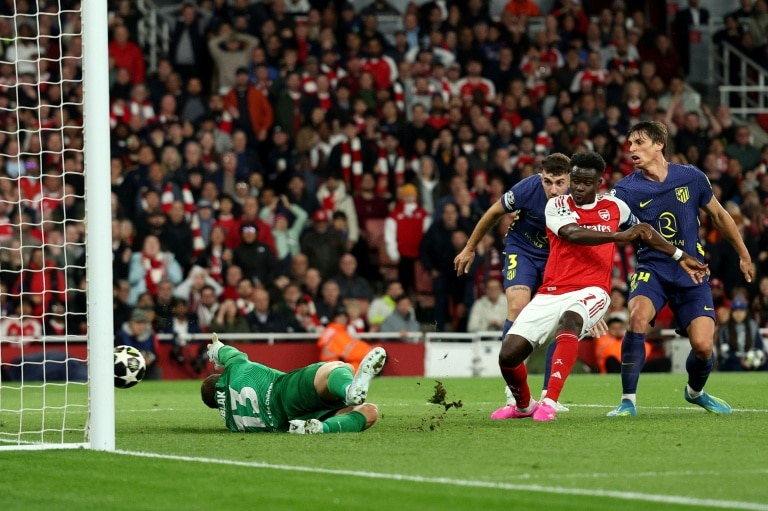
    The English Premier League witnessed a dramatic shift in its competitive landscape this Saturday, with critical matches impacting both the title chase and European qualification spots. Manchester City secured a hard-fought 1-0 victory against Leeds United at Elland Road, narrowing the gap with league leaders Arsenal to a mere two points. This crucial win was achieved despite the absence of star striker Erling Haaland, who was sidelined with a minor injury described by manager Pep Guardiola as inconsequential.

    City’s performance, while lacking their characteristic offensive flair, demonstrated significant resilience against a formidable Leeds side that had suffered only two defeats in their previous sixteen outings. The match’s solitary goal was netted by January acquisition Antoine Semenyo, marking his sixth goal in just eleven appearances and proving his value as a decisive signing. Post-match tensions escalated, resulting in a red card for Leeds manager Daniel Farke following a confrontation with match officials, while Guardiola also expressed visible frustration with the refereeing decisions.

    Simultaneously, Liverpool delivered an explosive offensive display, overpowering West Ham United with a 5-2 triumph at Anfield. The Reds showcased a remarkable transformation in set-piece proficiency, with all three first-half goals originating from corners. Hugo Ekitike, Virgil van Dijk, and Alexis Mac Allister all found the net from dead-ball situations, highlighting a significant tactical improvement since the start of the year. Cody Gakpo extended the lead after halftime, followed by an Axel Disasi own goal sealing the comprehensive victory. Despite a second-half resurgence from West Ham with goals from Tomas Soucek and Valentin Castellanos, the result solidifies Liverpool’s hold on fifth place, enhancing their prospects for Champions League qualification.

    In other league action, Brentford emerged victorious from a seven-goal thriller against Burnley, clinching a 4-3 win with a Mikkel Damsgaard stoppage-time goal after a VAR review had previously disallowed a potential Burnley equalizer. Everton continued their impressive away form with a 3-2 win over Newcastle United, while Bournemouth extended their unbeaten streak to eight matches with a 1-1 draw against Sunderland.

  • Fears of Mideast war as US-Iran conflict flares

    Fears of Mideast war as US-Iran conflict flares

    The international community has issued urgent calls for restraint following a dangerous escalation of military actions between the United States, Israel, and Iran, raising profound concerns about potential regional warfare. United Nations Secretary-General Antonio Guterres condemned the reciprocal strikes, emphasizing their detrimental impact on global peace and security while demanding an immediate cessation of hostilities.

    European leadership joined the diplomatic chorus, with Commission President Ursula von der Leyen characterizing Iran’s attacks on the United Arab Emirates as a blatant violation of sovereignty and international law. The EU has scheduled an emergency meeting of foreign ministers to address the rapidly deteriorating situation.

    Russia issued particularly grave warnings, suggesting the conflict could precipitate radiological catastrophe, while China emphasized the necessity of respecting Iran’s territorial integrity. The International Atomic Energy Agency reported no current evidence of radiological impact but continues to monitor developments closely.

    Middle Eastern responses reflected regional tensions, with Qatar reserving its right to respond to Iranian missile attacks on its territory and Lebanon’s government vowing to avoid being drawn into the conflict despite Israeli strikes targeting Iranian proxy Hezbollah. Jordan similarly committed to defending its interests while calling for de-escalation.

    Notable divergences emerged in the international response. South Africa and Norway both asserted that US and Israeli actions violated international law regarding anticipatory self-defense, while Ukraine’s President Zelensky saw opportunity in the turmoil, encouraging Iranians to overthrow their government.

    Humanitarian organizations expressed alarm about civilian consequences. The International Committee of the Red Cross warned of a dangerous chain reaction across the region with potentially devastating humanitarian impacts, while the African Union cautioned that conflict could harm populations across the continent.

    The widespread international condemnation and urgent diplomatic activity underscore the global apprehension that these exchanges could ignite a broader regional war with unpredictable consequences.

  • Republicans back Trump, Democrats attack ‘illegal’ Iran war

    Republicans back Trump, Democrats attack ‘illegal’ Iran war

    Washington witnessed a profound political schism as Republican and Democratic lawmakers delivered starkly contrasting responses to President Trump’s authorization of military strikes against Iran. The operation, conducted in coordination with Israeli forces, has ignited intense debate within the halls of Congress regarding its legality, strategic justification, and potential consequences.

    Republican leadership overwhelmingly endorsed the military action, framing it as a necessary response to decades of Iranian aggression. House Speaker Mike Johnson characterized the strikes as addressing Iran’s ‘evil actions,’ including terrorism, nuclear ambitions, and the murder of Americans. Senator Lindsey Graham, a longstanding advocate for intervention, heralded the operation as potentially catalyzing ‘the most historic change in the Middle East in a thousand years,’ predicting a violent but ultimately successful outcome.

    Democratic leadership mounted vigorous opposition, condemning the operation as an unconstitutional escalation. Senate Minority Leader Chuck Schumer emphasized public reluctance toward another Middle Eastern conflict amid domestic challenges, while Senator Jack Reed criticized the administration for entering a major war without congressional authorization or a clear endgame. Progressive voices, including Senator Bernie Sanders, denounced the strikes as ‘illegal, premeditated and unconstitutional,’ warning of increased regional instability and human suffering.

    The administration maintained that key congressional leaders received pre-operation briefings through the Gang of Eight mechanism. However, the political divide revealed fractures within Republican ranks, with Congressman Thomas Massie breaking party ranks to oppose the conflict and pledging collaboration with Democrats to force a congressional war authorization vote.

  • Tug of war: how US presidents battle Congress for military powers

    Tug of war: how US presidents battle Congress for military powers

    The recent military engagement dubbed “Epic Fury” against Iran has reignited the constitutional debate surrounding presidential war powers in the United States. President Donald Trump’s announcement of this operation, delivered without explicit congressional consultation, exemplifies the ongoing tension between executive authority and legislative oversight in matters of military intervention.

    This confrontation stems from the fundamental ambiguity within the U.S. Constitution. While Article I grants Congress the exclusive power to declare war, Article II establishes the President as Commander-in-Chief of the armed forces. This constitutional duality has enabled successive administrations to expand executive military prerogatives, particularly since World War II—the last occasion Congress formally declared war.

    The legislative response to presidential overreach emerged during the Vietnam War era. In 1973, Congress enacted the War Powers Resolution over President Nixon’s veto, establishing the primary legal constraint on unilateral executive action. This legislation mandates presidential notification of Congress within 48 hours of military deployment and requires congressional authorization for operations extending beyond 60 days.

    Historical precedent reveals that President Trump is hardly exceptional in bypassing congressional approval. President Clinton authorized NATO airstrikes in Kosovo without legislative consent in 1999, while President Obama employed similar executive discretion during the 2011 Libya campaign. Trump himself previously ordered airstrikes in Syria alongside British and French allies in 2018 without seeking congressional approval.

    However, the current administration has demonstrated particularly assertive interpretations of executive power. Recent operations include strikes against alleged drug trafficking vessels in Latin America, the June 2025 targeting of Iranian nuclear facilities, and the controversial January 3rd military raid targeting Venezuelan President Nicolas Maduro. These actions have prompted Democratic legislators to propose war powers resolutions aimed at curtailing presidential authority, though Republican opposition has thus far prevented their passage.

    The administration has simultaneously expanded domestic military deployments, utilizing National Guard troops in multiple cities under the justification of combating crime and immigration—a move criticized by Democrats as unprecedented domestic militarization.

    This enduring institutional struggle reflects deeper constitutional tensions that continue to define the balance of power in American governance, with significant implications for both international relations and democratic accountability.

  • US and Israel launch strikes against Iran

    US and Israel launch strikes against Iran

    In a significant escalation of Middle Eastern tensions, joint military operations conducted by the United States and Israel targeted multiple locations within Iranian territory on Saturday. Eyewitnesses in Tehran reported audible explosions accompanied by visible plumes of smoke rising above the city center, particularly in the Keshvardoost and Pasteur districts where seven missile impacts were confirmed.

    The offensive followed increasingly strained diplomatic relations between Washington and Tehran regarding Iran’s nuclear and ballistic missile development programs. Former US President Donald Trump, who authorized the operations from his Florida resort, characterized the strikes as necessary to ‘eliminate imminent threats’ from Iran. In a social media broadcast, Trump delivered an ultimatum to Iranian military forces, offering them ‘immunity or certain death’ while vowing to ‘annihilate their navy’ and destroy missile production capabilities.

    Israeli Defense Minister Israel Katz corroborated this stance, describing the operation as a ‘preventive strike’ against Iranian aggression. Immediate security measures were implemented across the region, with Iran, Iraq, and Israel closing their airspace to civilian aviation. US embassies in Qatar and Bahrain issued shelter-in-place advisories for American citizens while emergency sirens sounded throughout Jerusalem.

    The military action occurred despite ongoing diplomatic efforts, including recent negotiations in Geneva mediated by Oman. Omani officials had presented an optimistic outlook regarding Iran’s nuclear program, stating Tehran had agreed to zero uranium stockpiling and would convert existing reserves into fuel. This contrasted sharply with Trump’s assertion that Iran remained ‘not willing to give us what we have to have.’

    International response developed rapidly, with US Secretary of State Marco Rubio scheduled to visit Israel for emergency consultations. The UN’s International Atomic Energy Agency announced technical discussions with Iranian representatives would proceed as planned on Monday, urging constructive cooperation. The strikes represent the most substantial military confrontation between these nations in decades, occurring against the backdrop of recent domestic unrest in Iran and the designation of Iran as a state sponsor of wrongful detentions by the US State Department.

  • 15 dead as cash-packed military plane crashes in Bolivia

    15 dead as cash-packed military plane crashes in Bolivia

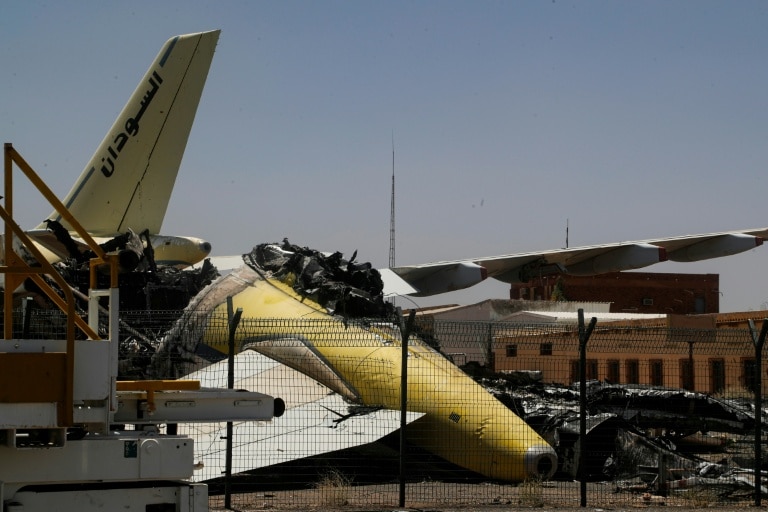
    A catastrophic aviation disaster struck Bolivia on Friday when a military cargo aircraft laden with currency notes crashed during its landing approach near La Paz’s El Alto International Airport. The tragic incident resulted in at least 15 fatalities and 28 injuries, according to official reports from defense authorities.

    The ill-fated C-130 Hercules transport plane, manufactured by Lockheed Martin, had originated from Santa Cruz in eastern Bolivia. During its final descent amidst severe weather conditions characterized by heavy hailstorms and lightning, the aircraft veered off the runway and collided with a major thoroughfare, impacting multiple vehicles and causing significant structural damage.

    Emergency response teams, including National Fire Department personnel led by Colonel Pavel Tovar, immediately deployed to the crash site. The complex recovery operation involved extracting victims from the wreckage while contending with chaotic scenes as bystanders attempted to gather scattered banknotes from the destroyed aircraft.

    The Bolivian Defense Ministry issued a critical clarification regarding the currency, stating the banknotes lacked official serial numbers and therefore held no legal tender status. Authorities emphasized that collecting or possessing these notes constituted a criminal offense. Security forces employed tear gas to disperse individuals attempting to loot the crash site, resulting in twelve arrests for questioning related to theft and public disorder.

    Local vendor Cristina Choque, whose vehicle was struck by debris, described the terrifying moments following impact. ‘The tire is what fell on top of us… my daughter is injured, she has a head wound,’ she recounted, adding that her family remained trapped in their damaged car fearing further violence from the crowds.

    In response to the tragedy, El Alto International Airport suspended all operations indefinitely while hospitals initiated emergency blood donation campaigns to treat the injured. The Defense Ministry has launched a comprehensive investigation to determine the exact cause of the accident, with witness accounts pointing to treacherous weather conditions as a likely contributing factor.

  • ‘That’s not a knife’: Australian hypersonic aircraft takes flight in space after US launch

    ‘That’s not a knife’: Australian hypersonic aircraft takes flight in space after US launch

    In a landmark achievement for hypersonic technology, an Australian-engineered aircraft has successfully completed a suborbital spaceflight aboard a specialized rocket. The breakthrough mission, conducted through a partnership between Australian aerospace firm Hypersonix and US-based Rocket Lab, represents a significant advancement in high-speed flight capabilities.

    The experimental flight, designated ‘That’s Not A Knife’ in a characteristically Australian reference, launched from Virginia’s Mid-Atlantic Regional Spaceport at precisely 11:00 AEST on Saturday. The mission utilized Rocket Lab’s HASTE (Hypersonic Accelerator Suborbital Test Electron) platform, a suborbital vehicle specifically engineered for test missions that reach space without achieving orbital velocity.

    This launch marked Rocket Lab’s 82nd overall mission and their third successful launch this year, maintaining the HASTE program’s perfect success record through seven consecutive missions. The flight carried Hypersonix’s DART AE, a scramjet-powered aircraft designed to operate at multiple times the speed of sound in hypersonic flight conditions.

    Brian Rogers, Rocket Lab’s Vice President of Global Launch Services, characterized the mission as “another proud moment for the HASTE team” and emphasized its significance as “a great showcase of the important commercial platform it has become for the Department of Defense.” Rogers further noted that “regular and reliable HASTE launches are helping to accelerate hypersonic readiness for the nation,” highlighting the program’s role in advancing United States space security capabilities.

    Hypersonix CEO Matt Hill described the successful deployment of DART AE in an actual hypersonic environment as a “major milestone” for the company’s flight test program. This achievement brings the Australian aerospace engineering firm closer to its ultimate goal of delivering reusable hypersonic flight capability, potentially revolutionizing high-speed atmospheric and near-space transportation.

    The collaboration between the Australian technology company and US space launch provider demonstrates growing international cooperation in advancing hypersonic technology, which has been identified as a critical national priority for the United States and its allies. The mission’s success provides valuable data that will inform future development of hypersonic systems for both defense and commercial applications.

  • Court orders Greenpeace to pay $345 mn to US oil pipeline company

    Court orders Greenpeace to pay $345 mn to US oil pipeline company

    A North Dakota court has issued a final ruling ordering Greenpeace to pay $345 million in damages to Energy Transfer, operator of the Dakota Access Pipeline, culminating a years-long legal battle that began with massive protests against the pipeline’s construction. The judgment, delivered by Judge James Gion on Friday, substantially reduced the original $660 million damages award determined by a jury last year, which found Greenpeace entities liable for trespass, nuisance, conspiracy and deprivation of property access during the 2016-2017 demonstrations.

    The case stems from the Standing Rock Sioux Tribe’s historic protest movement against the pipeline, which became one of the largest anti-fossil fuel demonstrations in U.S. history. Energy Transfer, a Dallas-based energy conglomerate, accused Greenpeace of orchestrating violence and defamation campaigns during the pipeline’s controversial construction nearly a decade ago.

    Greenpeace has vehemently denied all allegations, characterizing the proceedings as an abusive tactic designed to silence environmental dissent. The organization maintains it played only a minor, peaceful role in the predominantly Native American-led movement. Legal experts have expressed grave concerns about the ruling’s implications, with Columbia Law School’s climate change law center director Michael Gerrard describing the judgment as ‘devastating’ for the global environmental movement.

    The case has drawn international attention due to its potential chilling effect on protest mobilization and advocacy movements worldwide. Environmental defenders have rallied behind Greenpeace, denouncing the verdict as an attack on climate activism. The United Nations previously raised concerns about potential violations of Indigenous sovereignty during the original protests.

    Despite the reduction in damages, Greenpeace has indicated it cannot pay the staggering sum and will pursue an appeals process. The organization has also announced plans to countersue Energy Transfer in the Netherlands, where its international headquarters are located, accusing the company of using strategic lawsuits to suppress legitimate dissent.

    Energy Transfer, led by billionaire CEO Kelcy Warren—a major donor to former President Donald Trump—has objected to the halving of its award. Warren has been openly vocal about his motivations, stating in interviews that his ‘primary objective’ was to ‘send a message’ rather than seek financial compensation.

  • Bill Clinton denies wrongdoing at grilling on Epstein ties

    Bill Clinton denies wrongdoing at grilling on Epstein ties

    Former President Bill Clinton faced intensive questioning before a Congressional committee on Friday, vehemently denying any misconduct regarding his associations with the late financier Jeffrey Epstein. The high-stakes deposition, conducted behind closed doors in Chappaqua, New York, saw Clinton asserting his innocence while drawing parallels to what he characterized as a ‘kangaroo court’ proceeding.

    In his opening statement, Clinton emphasized: ‘I saw nothing, and I did nothing wrong,’ while simultaneously advocating that ‘no person is above the law, especially presidents.’ The former president acknowledged multiple flights aboard Epstein’s private aircraft during the early 2000s but maintained these were exclusively for humanitarian initiatives connected to the Clinton Foundation. He stated unequivocally that had he possessed any awareness of Epstein’s criminal activities, he would have severed ties immediately and reported him to authorities.

    The Republican-led House Oversight Committee, chaired by Representative James Comer, is investigating connections between powerful figures and Epstein following the Justice Department’s release of millions of documents related to the sex offender. Comer indicated particular interest in Clinton’s 27 documented flights on Epstein’s plane and Epstein’s 17 visits to the White House during Clinton’s presidency.

    Democrats on the committee attempted to redirect scrutiny toward former President Donald Trump, with Representative Suhas Subramanyam asserting ‘we are talking to the wrong president.’ This sentiment was echoed by Hillary Clinton, who testified before the committee on Thursday and challenged lawmakers to question Trump ‘directly under oath about the tens of thousands of times he shows up in the Epstein files.’

    The proceedings occurred amid heightened security measures, with Secret Service erecting metal barricades around the arts center venue as dozens of journalists descended upon the affluent community. The Clintons initially resisted subpoenas but complied after Republicans threatened contempt of Congress charges.

    Newly disclosed photographs from Epstein’s files include images showing Clinton relaxing in a hot tub and swimming alongside Ghislaine Maxwell, Epstein’s convicted accomplice. Clinton’s representatives have emphasized that mere appearance in the released documents does not imply wrongdoing, noting the former president has never been formally investigated or accused of any crime related to Epstein.

    Epstein, convicted in 2008 for soliciting sex from minors and facing sex trafficking charges, died in a New York jail cell in 2019 in what was officially ruled a suicide.