标签: Oceania

大洋洲

  • Iran warns ‘not even started’ in Hormuz

    Iran warns ‘not even started’ in Hormuz

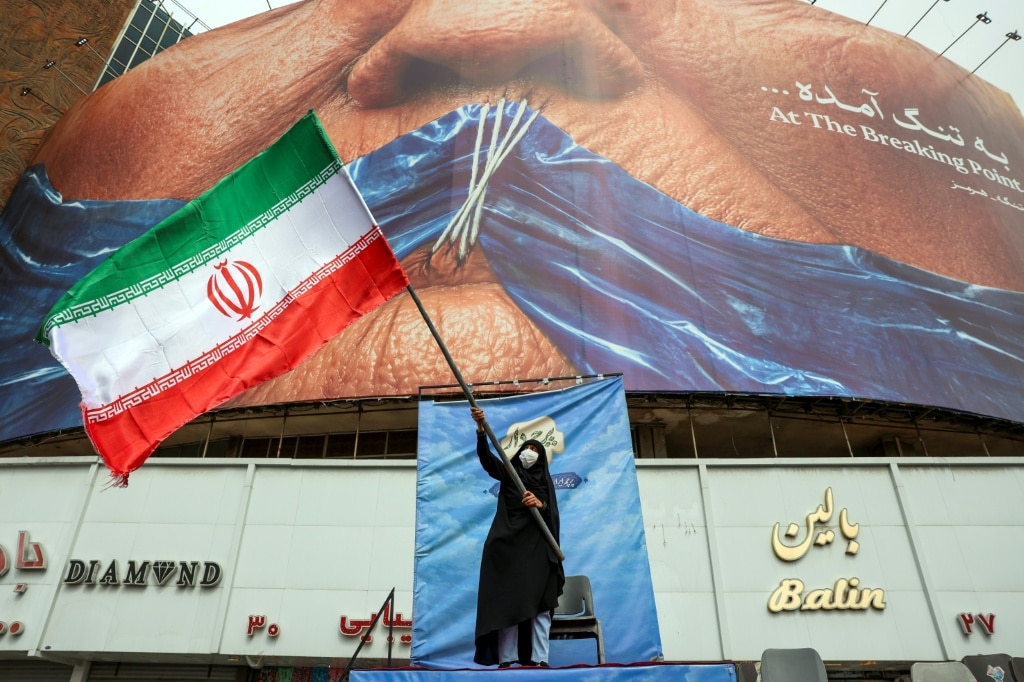
    Tensions in the strategically vital Strait of Hormuz have reignited sharply in recent days, bringing the Middle East back to the brink of broader conflict just weeks after a ceasefire paused a two-month-old war sparked by U.S.-Israeli strikes on Iran. The fresh wave of clashes has sent shockwaves through global energy markets and drawn urgent calls for de-escalation from world powers.

    After U.S. forces engaged with Iranian vessels near the strait — a chokepoint through which roughly 20% of the world’s daily oil supplies pass — a top Iranian official issued a stark warning to Washington that Tehran has not yet unleashed its full force in the ongoing standoff. Mohammad Bagher Ghalibaf, Iran’s parliament speaker and chief nuclear negotiator, wrote in a post on X that the current status quo is already untenable for the United States, emphasizing that “we have not even started yet.” Ghalibaf added that the U.S. and its allies have undermined shipping security in the region, and that Tehran will never cede control of the strait, predicting that Washington’s “malign presence will diminish.”

    The latest clashes unfolded on Monday, when the U.S. military announced that its Apache attack and Seahawk helicopters had struck six Iranian boats that it said posed a threat to commercial shipping in the area. U.S. forces also intercepted and repelled incoming Iranian missiles and drones, the Pentagon confirmed. Separately, the United Arab Emirates (UAE) reported fresh Iranian attacks on its territory, including a strike on an energy facility in the emirate of Fujairah and a drone attack on a tanker owned by the UAE’s state oil giant ADNOC. UAE authorities said four cruise missiles were launched in the attack: three were shot down by air defenses, while the fourth fell into the Persian Gulf. The UAE condemned the strikes as “a dangerous escalation and an unacceptable transgression” of international law.

    Iran has pushed back on the U.S. account of the sea clashes, denying that any of its military vessels were damaged in the U.S. airstrikes. Tehran did, however, accuse Washington of killing five civilian passengers on boats operating near the strait. For the attacks on the UAE, an Iranian military spokesperson told state media that Tehran had no pre-planned agenda to target Emirati energy infrastructure, placing full blame on the U.S. for provoking the strikes. “What happened was the product of the U.S. military’s adventurism to create a passage for ships to illegally pass through the forbidden passages of the Strait of Hormuz, and the U.S. military must be held accountable for it,” the spokesperson said.

    The renewed tensions follow an announcement from U.S. President Donald Trump, who unveiled a plan to escort neutral countries’ ships through the Gulf in a bid to break Tehran’s de facto blockade of the strait. Trump’s initiative, dubbed “Project Freedom,” has already seen its first successful transit: Danish shipping giant Maersk confirmed on Tuesday that one of its commercial vessels had passed through the strait under U.S. military escort. Despite this small milestone, the latest clashes have upended a weeks-long ceasefire that paused the broader war that began more than two months ago when U.S.-Israeli forces launched strikes on Iran.

    That ceasefire had already failed to stop low-level clashes along other fronts, including the Israel-Lebanon border where Israel continues exchanges of fire with the Iran-backed militant group Hezbollah. An Israeli military official confirmed on Monday that the Israel Defense Forces remains on high alert, closely monitoring developments around the strait after the U.S. downed Iranian missiles and drones. Lebanese President Joseph Aoun also reaffirmed this week that a security agreement and full halt to Israeli strikes are required before any planned meeting with Israeli Prime Minister Benjamin Netanyahu, a meeting Washington has pushed for to de-escalate the Lebanese front. Israeli and Lebanese officials held two landmark direct talks in Washington last month, the first such negotiations in decades, after Hezbollah opened a new front in the war on March 2, triggering heavy Israeli strikes and a limited ground invasion of southern Lebanon.

    The sharp escalation in the Strait of Hormuz has already delivered a major blow to the global economy, which has been reeling from the impact of months of conflict. Crude oil prices surged on Monday in response to the tensions, driven by fears that the strait could remain closed to large-scale commercial traffic, dragging global energy costs even higher. Global stock markets sank on Tuesday as investor confidence eroded, extending losses driven by months of volatility tied to the Middle East conflict. Soaring consumer energy prices triggered by the war have already caused widespread economic hardship across the world, and the fresh crisis has created significant political challenges for Trump just months ahead of U.S. midterm elections.

    U.S. European allies have also sounded the alarm over the crisis, warning that prolonged closure of the strait will cause deep economic damage to their own economies. European Commission President Ursula von der Leyen wrote on X that “these attacks are unacceptable,” noting that “security in the Gulf region has direct consequences for Europe.” German Chancellor Friedrich Merz joined French President Emmanuel Macron and British Prime Minister Keir Starmer in calling on Iran to return to diplomatic negotiations, saying Tehran must “stop holding the region and the world hostage.” Saudi Arabia, a key U.S. ally in the Middle East, also issued a statement on Tuesday calling for intensive diplomatic efforts “to reach a political solution” to the standoff.

    Despite widespread international calls for dialogue, negotiations between Washington and Tehran remain completely deadlocked. To date, only one round of direct peace talks has been held, with no breakthroughs on core issues including the future of the Strait of Hormuz and Iran’s broader regional security demands. With both sides digging in and exchanging deadly fire, the international community is bracing for a further escalation that could drag the entire Middle East back into full-scale war, with cascading consequences for the global economy and millions of people around the world.
  • Former premier Annastacia Palaszczuk cancels book tour events after partner Dr Reza Adib charged with rape

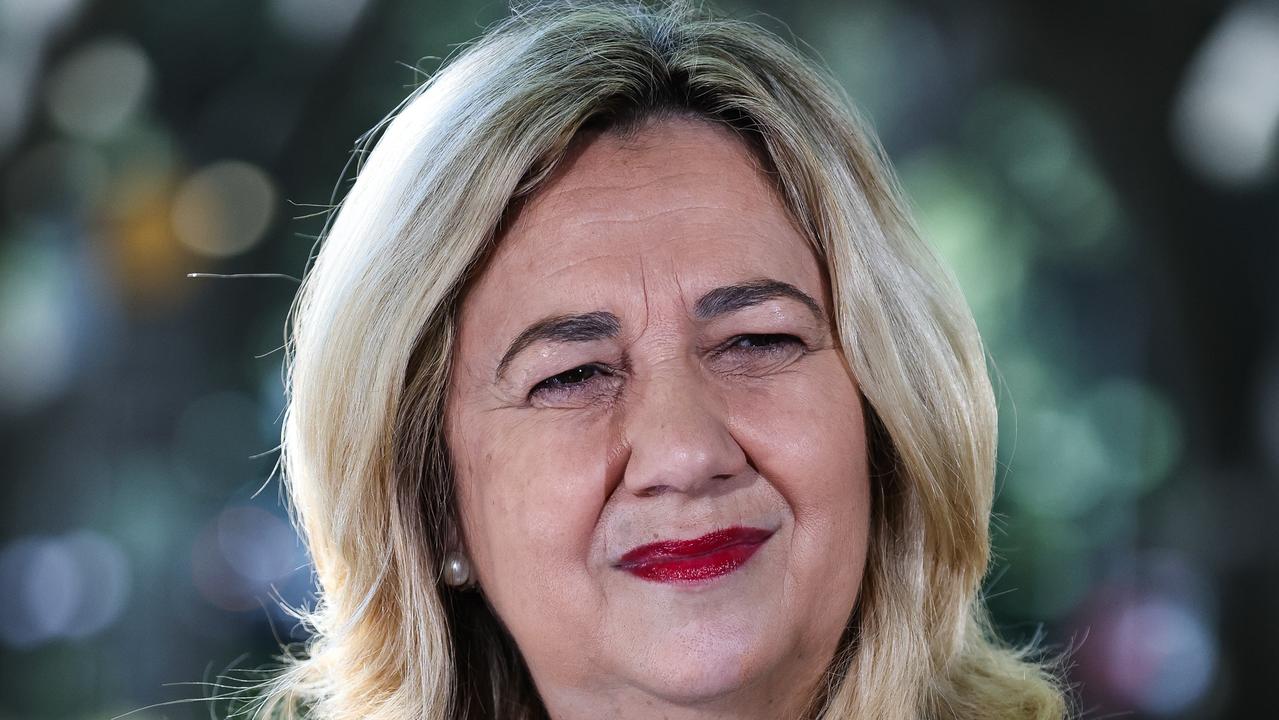
    Former premier Annastacia Palaszczuk cancels book tour events after partner Dr Reza Adib charged with rape

    A major political development has shaken Australia’s Queensland state, as former premier Annastacia Palaszczuk has seen multiple stops on her upcoming book tour cancelled or postponed, just days after her partner, 65-year-old medical professional Dr. Reza Adib, was hit with serious criminal charges including rape.\n\nMultiple scheduled events have already been pulled from the tour calendar. One of the scrapped engagements was an author talk scheduled for Thursday at Fraser Coast Libraries, where Palaszczuk was set to discuss her new memoir, *The Politics of Being Me*. Another planned event at the Australian National University (ANU) in Canberra, scheduled for May 13, was officially called off in an email notification sent to registered attendees.\n\nThe official statement from ANU Events read: “We regret to inform you that Meet the author – Annastacia Palaszczuk has been cancelled due to unforeseen circumstances. We sincerely apologise for any inconvenience this may cause and appreciate your understanding. We hope to see you again at our next event.”\n\nConflicting reports have emerged about the status of the full tour: while multiple events have already been postponed or cancelled, Palaszczuk’s publicist, high-profile industry figure Max Markson, has publicly confirmed that the overall book tour remains on track to proceed as originally scheduled. Markson has not issued further public comment beyond the initial confirmation, and has been approached for additional detail on the revised tour schedule.\n\nThe legal crisis at the center of the disruption unfolded last week, when Dr. Adib was formally charged with three counts of rape, two counts of deprivation of liberty, and one additional count of sexual assault. He is scheduled to make his first court appearance on May 14 to answer the charges.\n\nIn an official statement released on May 1, Dr. Adib’s defense counsel Dan Rogers addressed the allegations publicly on his client’s behalf. Rogers said that his client “is shocked about the allegations made about him and is taking the matter very seriously.” He reiterated that the fundamental legal principle of presumption of innocence applies, noting that Dr. Adib “intends to vigorously defend the charges.”\n\n“Right now, Dr Adib is primarily concerned about the welfare of his family and his patients, and he will do whatever it takes to ensure that they are looked after in the coming weeks,” Rogers added. The statement closed with a request for media restraint: “Dr Adib asks that the media respect the privacy of his family and his patients at this difficult time. Dr Adib will not be making any comment about the matters while they are before the courts.”’

  • Women, children allegedly ‘groomed’ by Australian paid guards on Nauru detention centre, inquiry told

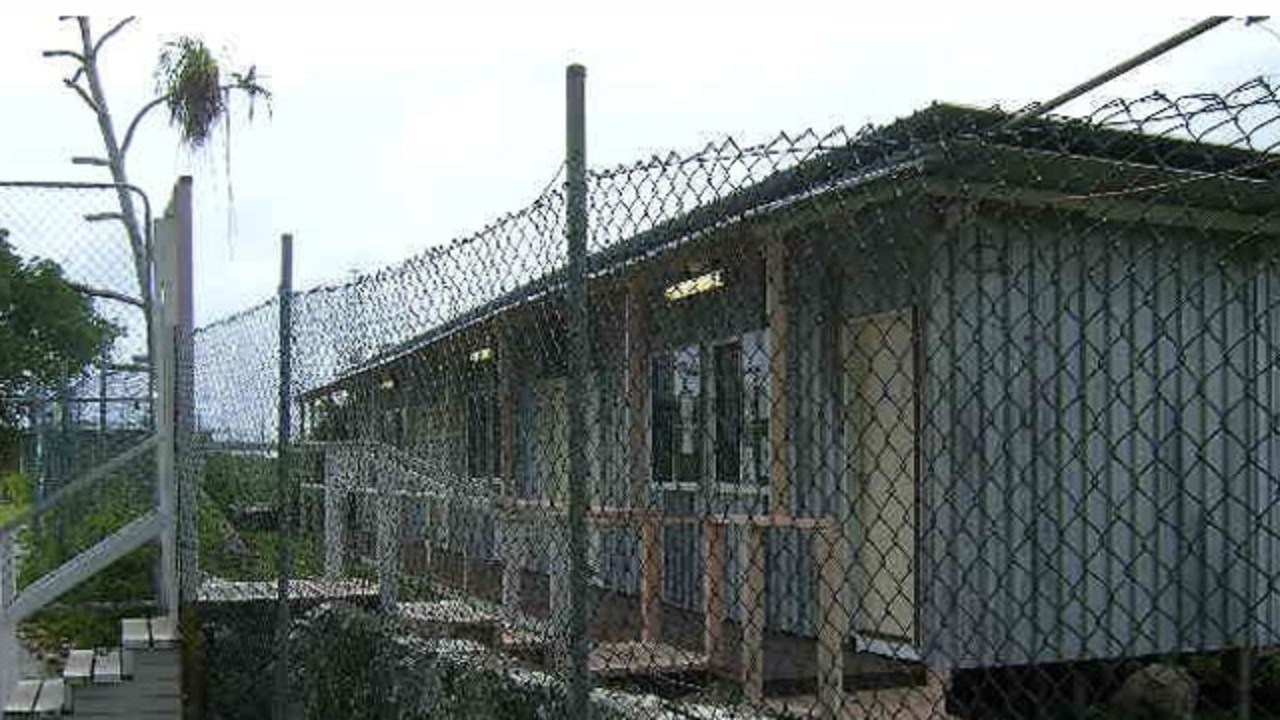
    Women, children allegedly ‘groomed’ by Australian paid guards on Nauru detention centre, inquiry told

    A former detainee at Australia’s offshore detention facility on Nauru has delivered harrowing, unprecedented testimony to a federal Senate inquiry, laying out detailed allegations of systemic grooming, sexual exploitation, and abuse of vulnerable women and children at the hands of government-contracted security guards.

    The witness, identified only as Maryam, who was intercepted while attempting to reach Australia by boat in 2013 and subsequently detained on Nauru, appeared before the Legal and Constitutional Affairs References Committee in Canberra this week to share her account of life inside the controversial camp. Her testimony painted a bleak picture of chronic systemic deprivation that guards deliberately leveraged for their own abusive ends.

    According to Maryam, the facility operated by contractors working under Australian government contracts saw guards build an exploitative ‘trading system’ that coerced detainees into sexual compliance in exchange for basic necessities. Detainees who needed critical items including food, hygiene products, and tobacco were forced to trade sexual favors to access the goods they needed to survive. For children, the manipulation followed a similar pattern: guards offered small treats like lollipops or chewing gum in exchange for hugs or kisses, a pattern of behavior Maryam now recognizes as deliberate grooming.

    ‘Many of us struggled to process what was happening while we lived through it,’ Maryam told the committee. ‘But looking back, it is clear that women and children across the center were being systematically groomed by the very people paid to keep us safe. They used their power over our access to basic needs for their own gratification.’

    Maryam confirmed that the accused guards included both Australian and Nauruan nationals, all of whom were compensated through Australian federal government contracts. Beyond the sexual exploitation, she detailed ongoing neglect that created the conditions for abuse: detainees were forced to wear the same clothing – including undergarments – they arrived in for up to six months, a policy that led to widespread skin infections and other preventable health issues across the camp.

    Shortages of essential goods were not accidental, she argued, but a persistent condition that empowered guards to exploit vulnerable detainees for coercive sexual exchanges. ‘We ended up needing protection from the people who were supposed to protect us,’ she told the inquiry.

    The current inquiry is focused on reviewing Australia’s longstanding offshore refugee processing and resettlement policies, a contentious political framework that has drawn international criticism for decades for poor treatment of asylum seekers. Investigators have been collecting evidence from witnesses and stakeholders over the past several months, and a final report outlining the committee’s findings is scheduled for publication in early June.

  • Toddler in induced coma after inhaling dust while baking Bluey-themed birthday cake

    Toddler in induced coma after inhaling dust while baking Bluey-themed birthday cake

    A routine day of baking a children’s television-themed first birthday cake for a friend has turned into a devastating family emergency on Australia’s Gold Coast, after 2-year-old Dusty Robinson inhaled edible decorative gold dust that rapidly blocked his airways and left him unresponsive. According to details shared on a community-funded GoFundMe page set up by family friend Rochelle Evrard, Dusty’s mother Katie Robinson was preparing a Bluey-themed cake for her friend’s son when the accident occurred. The toddler got into the decorative baking ingredient, inhaling a substantial amount of the fine powder before any adult could intervene. Once the fine gold dust mixes with the moisture naturally present in the lungs and respiratory tract, it thickens into a dense paste, creating an immediate and dangerous blockage of Dusty’s lung tissue that left the boy quickly unresponsive. Panicked, Katie Robinson immediately placed an emergency call to local triple-0 services, and Dusty was rushed to emergency care for urgent treatment. Since the incident, Dusty has already undergone one surgical procedure to clear as much of the paste blockage from his lungs as possible. He remains in an induced coma and is still unable to breathe independently, requiring intubation and life support. A second procedure is planned to reposition Dusty’s breathing tube from his mouth to his nose, while clinicians will also conduct a full reassessment of the condition of his lungs to guide further treatment. Dusty’s parents are both sole traders, meaning they have no paid leave or employer-sponsored benefits to cover extended time off work to care for their son. They have also had to relocate temporarily from their home on the Gold Coast to Brisbane, where Dusty is receiving specialized pediatric care at a major children’s hospital, incurring unplanned accommodation and living costs amid the crisis. To support the family through this unexpected medical emergency, Evrard launched the crowdfunding campaign, which has already raised more than AU$11,000 from community donors to help cover the family’s ongoing costs as they stay by their son’s side awaiting his recovery.

  • Australian shares drop to 20-day low as Reserve Bank signals more rate pain

    Australian shares drop to 20-day low as Reserve Bank signals more rate pain

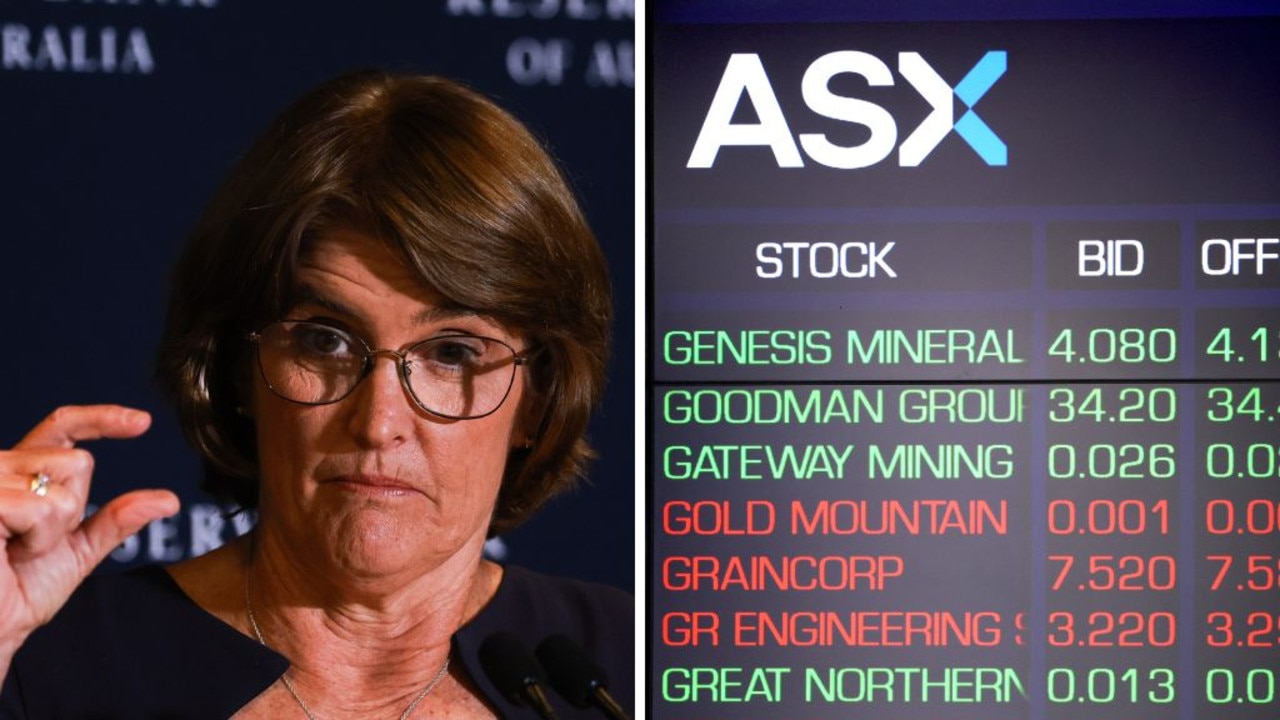
    On Tuesday, the Reserve Bank of Australia’s widely anticipated but poorly received interest rate increase sent sharp downward pressure through Australia’s equity market, pushing the benchmark index to its lowest point in three weeks. The S&P/ASX 200 dropped 16.6 points, a 0.19% decrease, to close at 8,680.50. This new 20-day low marks the index’s 10th decline over the past 11 trading sessions. The broader All Ordinaries index also ended the day in negative territory, while the Australian dollar appreciated against its US counterpart to hover around $US0.71.

    Following its scheduled two-day policy meeting, the RBA announced a 25 basis point increase to the official cash rate, lifting the benchmark to 4.35%. This marks the central bank’s third rate hike this year, and policymakers signaled they remain prepared to implement additional tightening if inflation does not cool as expected. The policy decision passed by an 8-1 vote, a split that market analysts say underscores the RBA’s strong commitment to taming persistent elevated inflation.

    Not all stocks moved in the same direction on Tuesday. Mining firm Capricorn Metals led top performers with a 10.76% surge, while logistics technology firm WiseTech Global also closed up 5.17%. On the losing side, electronics manufacturer Codan posted the steepest drop, tumbling 8.93%, followed by fund manager Magellan Financial Group which fell 6.77%. Across the market, seven out of 11 major sectors closed the session higher, but broad losses in rate-sensitive segments outweighed these gains and pulled the overall market into the red.

    Energy stocks led sector gains, supported by global crude prices holding firmly above $US100 per barrel. In contrast, financial stocks and consumer-facing sectors faced widespread selling pressure after the rate announcement. Australia’s big four banks delivered a mixed but mostly weak performance: Commonwealth Bank posted a modest 0.15% gain, while Westpac fell 1.95%, National Australia Bank dropped 0.74%, and ANZ slipped 1.03%. The weak showing from major lenders reflects widespread investor concerns that higher rates will suppress borrowing demand and slow overall economic growth.

    Tony Sycamore, a market analyst at IG, explained that the hawkish tone of the RBA’s policy statement weighed on investor sentiment throughout the trading session. The latest rate hike has now fully unwound the emergency easing the central bank implemented last year, he added, and markets have begun pricing in the possibility of additional tightening in the coming months. “At this point, you would kind of feel there is another hike coming later this year,” Sycamore noted, adding that markets currently have a September increase priced in, with discussions ongoing about whether a fourth hike could come as late as November or December.

    Sycamore emphasized that the 8-1 vote result reinforces the RBA’s determination to get inflation under control, saying “the tone was noticeably more hawkish on the inflation outlook there so they’re pretty determined to control that.” Weak performance from the banking sector has become a major headwind for broader market gains, he argued, noting “it’s very hard to see the ASX 200 marching back higher while the banks are struggling and that probably is going to be a bit of an Achilles heel for us.”

    The biggest long-term risk to equities, Sycamore explained, is that interest rates will remain elevated for an extended period, which hits sectors most exposed to borrowing costs particularly hard. “The financials and the consumer discretionary are two of them. And then you’ve probably got the real estate sector there, the three which are so interest rate sensitive out there,” he said. “The more that interest rates go up, the less appetite there is for credit. And that’s a big thing that will start to weigh.”

    While household spending has held up relatively well through recent rate increases so far, Sycamore warned this resilience may not continue. Consumer confidence has already faded, and business confidence has remained consistently weak, he pointed out. In the coming months, household spending is likely to come under growing pressure as the combined weight of rising energy costs, persistent cost-of-living pressures, and higher interest rates squeeze household budgets. Even with the market downturn, Sycamore noted that the clear shift in rate expectations could offer markets short-term relief, as the next potential rate move is not priced in until September, allowing for a temporary pause in market jitters.

  • Popular Australian author pleads guilty over child exploitation material

    Popular Australian author pleads guilty over child exploitation material

    One of Australia’s most celebrated contemporary authors, Craig Silvey, known globally for his award-winning children’s and young adult novels, has entered a guilty plea to two charges of possessing and distributing child exploitation material. The 43-year-old writer was first taken into custody in January this year, when Australian police executed a search warrant at his residential property in Perth, Western Australia. Investigators seized multiple electronic devices during the raid to build their case against the author.

    During Tuesday’s court hearing, Silvey formally admitted guilt to two charges connected to child exploitation material allegedly created in January 2025. Prosecutors dropped two additional charges, one of which related to material said to have been produced in 2022. The author, who is a father of three children, had his existing bail conditions extended, and his next court appearance is scheduled for July 2025. Reporters waiting outside the Perth courthouse attempted to question Silvey, but he declined to make any public statement regarding the charges.

    Silvey’s body of work has long been a staple of Australian literary culture and school curricula across the country. His 2009 coming-of-age novel *Jasper Jones*, which follows a 13-year-old boy navigating a small-town scandal, won multiple major Australian literary awards and was shortlisted for the prestigious International Dublin Literary Award. The critically acclaimed novel was adapted into a 2017 feature film starring Hollywood actors Toni Collette and Hugo Weaving. Another of Silvey’s fan-favorite works, 2022’s *Runt*, tells the story of an 11-year-old girl and her stray dog set against the backdrop of the Australian outback. That novel was adapted for the big screen in 2024, starring comedian Celeste Barber, and a stage production of the story in Sydney was put on an “indefinite hiatus” immediately after the author’s charges became public knowledge.

    In the months following Silvey’s January arrest, major publishing houses, retail book chains, and educational institutions across Australia have moved swiftly to remove his works from circulation and curricula. Schools in both Western Australia and Victoria have pulled three of his best-known titles — *Jasper Jones*, *Runt*, and *Rhubarb* — from their approved teaching reading lists, while bookstores have cleared his works from their shelves.

  • Sister of murdered mum of three speaks of her legacy

    Sister of murdered mum of three speaks of her legacy

    More than a decade after former beauty queen Allison Baden-Clay was brutally murdered by her husband in Brisbane, her senseless death has grown into a lasting force for good that has saved countless lives from domestic abuse, according to her sister. The 43-year-old mother of three, who once held the title of Miss Brisbane, was killed by then-spouse Gerard Baden-Clay in April 2012, a crime that shocked Australian communities and opened long-silenced conversations about intimate partner violence.

    Today, Allison’s three daughters — who were just 10, 8 and 3 years old when their mother was taken — have grown into young women, raised with the support of their extended family after losing their mother at such a young age. In the wake of her devastating death, Allison’s older sister Vanessa Fowler made the deliberate choice to turn unthinkable grief into action, founding the Allison Baden-Clay Foundation to address one of Australia’s most pressing social issues: domestic and family violence.

    As Fowler prepared to speak at a Brisbane vigil honoring people killed by domestic abuse, she explained that the family made an early commitment to craft a positive legacy from their loss, at a time when domestic violence was widely considered a taboo, shameful topic unfit for public discussion. “When Allison was murdered, domestic and family violence was something that nobody wanted to talk about – it was an ugly conversation,” Fowler recalled. The decision to speak openly about Allison’s story has already had a tangible, life-changing impact: dozens of women have reached out to Fowler to share that Allison’s tragedy was the catalyst they needed to find the courage to leave abusive relationships and seek life-saving support. “In that sense, she has saved lives,” Fowler said.

    Fowler added that this legacy of helping vulnerable women aligns perfectly with who Allison was as a person. “Allison was the kind of person who would always want to place others before herself, so I think she would feel honoured, as she always put her heart and soul into helping others,” she explained. Beyond the foundation’s work, Fowler said she feels immense pride watching her three nieces grow into capable young women under the care of their grandparents. Though Allison was robbed of the chance to watch her daughters graduate, build careers and reach adulthood, Fowler says the young women carry their mother’s strength with them. “We see a lot of Allison in them,” she said. “It has obviously been very difficult for myself and my parents to know that she has missed so many of their milestones and I think the girls do feel that too… Allison instilled so much resilience in them and we’re so proud of the women they have become.”

    Fowler’s comments came during a national awareness month focused on educating communities about the many forms of domestic violence and their daily impact on Australian families. Reflecting on the 12 years since her sister’s death, she acknowledged that national conversations about domestic violence have shifted dramatically, with far more openness and momentum for change than existed in 2012. “I think particularly in Australia there’s a real momentum and people have come a long way in being able to speak about it, but there is also a lot more work that needs to be done,” she noted. Fowler emphasized that critical gaps remain in public understanding, particularly around non-physical abuse such as coercive control — a form of manipulative, isolating abuse that causes long-term harm just as severe as physical or sexual violence.

    If Allison had survived, she would now be 57 years old, watching her three daughters step fully into adulthood. Instead, through her family’s relentless commitment to turning grief into good, her story continues to protect women who would otherwise face the same danger that claimed her life. “Life is not always fair and we were thrust into the limelight by this tragedy, but we were determined to make her legacy a positive one – and we know her story helps others,” Fowler said.

  • Yoko says oh no to ‘John Lemon’ beer

    Yoko says oh no to ‘John Lemon’ beer

    What started as a costly legal threat has turned into a marketing windfall for a tiny French craft brewery, after Yoko Ono’s legal team forced the stop on the company’s popular “John Lemon” beer, a play on the name of late Beatles icon John Lennon.

    Aurélien Picard, founder of Brasserie de l’Imprimerie based in the small Brittany town of Bannalec, revealed he first received a formal legal notice from Ono’s lawyers in late March. The notice ordered the micro-brewery to immediately phase out the controversial brand name, recall all existing stock from shelves, and pay substantial royalty fees for using the likeness of Ono’s late husband, one of the most famous musicians of the 20th century.

    Picard shared details of the demand with Agence France-Presse, noting the financial terms were steep for the small operation: the initial royalty demand hit 100,000 euros (equivalent to roughly $117,000), with daily penalties ranging from 150 to 1,000 euros if the brewery refused to comply. “Basically, they demanded we recall all our product and immediately stop using the brand,” Picard said.

    After weeks of negotiation between the brewery’s side and Ono’s legal team, a compromise was reached: the 2-person brewery was permitted to sell through its existing stock of 5,000 bottles of the pale ale by July 1, after which all production of the John Lemon brand would cease permanently.

    What neither side anticipated, however, was the massive surge in consumer interest sparked by the public legal dispute. News of Ono’s challenge to the small craft brewery spread rapidly across local and international media, turning the little-known beer into a viral must-have product. In just a matter of days, nearly the entire remaining stock sold out.

    Describing the sudden rush of sales as “crazy,” Picard told reporters that less than 1,000 bottles remained on shelves as of the latest update. Calling the turn of events “kind of funny, amid our misfortune,” the brewer noted that the unexpected publicity has turned a potential business setback into a surprising boon for the small company.

    The John Lemon brand was first launched five years ago, as one of several of the brewery’s beers that lean into playful puns on celebrity names. Picard said the name struck the team as “cool” when it was first developed. For years, the beer was sold only within a 40-kilometer radius of the brewery, distributed primarily to local liquor stores and independent restaurants, with total annual production for the entire brewery hovering between 50,000 and 80,000 bottles.

    Now, the brewery is racing to find a new name for its popular blonde ale. Picard’s first proposed rebrand, “Jaune Lemon” – which translates to “Yellow Lemon” in French – was rejected by Ono’s legal team, leaving the small team back at the drawing board to pick a new title that will avoid further legal conflict.

  • AFL 2026: Fremantle coach Justin Longmuir says Caleb Serong playing a ‘selfless’ role

    AFL 2026: Fremantle coach Justin Longmuir says Caleb Serong playing a ‘selfless’ role

    As the Fremantle Dockers gear up for a Thursday night blockbuster against Hawthorn at Optus Stadium, head coach Justin Longmuir has pushed back against any concerns over star midfielder Caleb Serong’s dipping disposal numbers, framing the statistical dip as a sign of the vice-captain’s game-changing team-first mindset.

    Amid the Dockers’ current seven-match winning streak — a run that has lifted the club to second place on the AFL ladder — Serong has posted his lowest average disposals per game since his rookie debut season. Where many supporters and analysts might flag this drop as a cause for worry, Longmuir says the shift reflects a deliberate, selfless choice by Serong that benefits the entire starting lineup.

    Opposition teams have increasingly focused on tagging Serong to neutralize his influence on the field, a strategy that Serong has leaned into to create space and opportunity for his teammates. Longmuir highlighted this underrecognized contribution in press comments ahead of the clash, noting that while Serong’s personal stats are down, his on-field impact remains as critical as ever.

    “The selfless nature of Caleb when he gets tagged and what that opens up for other players is something that probably hasn’t been picked up enough,” Longmuir explained. “His numbers might be down, but I think his impact is still at a really high level. He’s all about the team. It’s great when two of your vice-captains — Serong and Andrew Brayshaw — are leading the way in that aspect.”

    Longmuir specifically name-checked Hayden Young, Shai Bolton and Murphy Reid as players who have reaped the benefits of opposition attention shifting to Serong, unlocking more space and possession for the Dockers’ other playmakers. A win against Hawthorn on Thursday would not only extend Fremantle’s current winning streak to eight matches, a feat the club has not achieved since a red-hot opening to the 2015 season, but also solidify the club’s hold on second place on the ladder, creating a crucial buffer over chasing sides.

    Despite the stakes of the clash, Longmuir rejected framing the match as a chance for the Dockers to prove they are legitimate premiership contenders. “We don’t have to prove anything to anyone,” he said. “We just need to see where our footy stacks up. It’s another opportunity for us to try and improve our footy. We understand the opposition, we understand their strengths, we understand what our footy is about. Last year we played our better footy against the better sides. I don’t feel like we need to go out there and prove anything to anyone.”

    Both clubs head into the Thursday night match at Optus Stadium with unusually healthy injury lists, with Hawthorn captain James Sicily confirmed to take the field for his side. The showdown is set to be one of the most high-profile matches of the AFL round, with a historic winning streak and ladder position on the line for the in-form Dockers.

  • Top five moments from the Met Gala

    Top five moments from the Met Gala

    One of the most anticipated annual events in global fashion and celebrity culture, the Met Gala, once again transformed New York’s iconic Metropolitan Museum of Art into the most high-profile red carpet on the planet this year. Bringing together A-list actors, chart-topping musicians, legendary athletes, groundbreaking artists and visionary designers, the invitation-only event doubles as a major charity gathering, where guests showcase their most daring, thoughtful sartorial choices for the annual theme. This year’s theme, “Fashion is Art,” invited attendees to blur the lines between high fashion and fine art, and the night delivered no shortage of viral, standout moments. Below, we break down the top five can’t-miss highlights from the 2026 Met Gala.

    ### 1. Beyoncé’s Late, Legendary Entrance With Her Whole Family
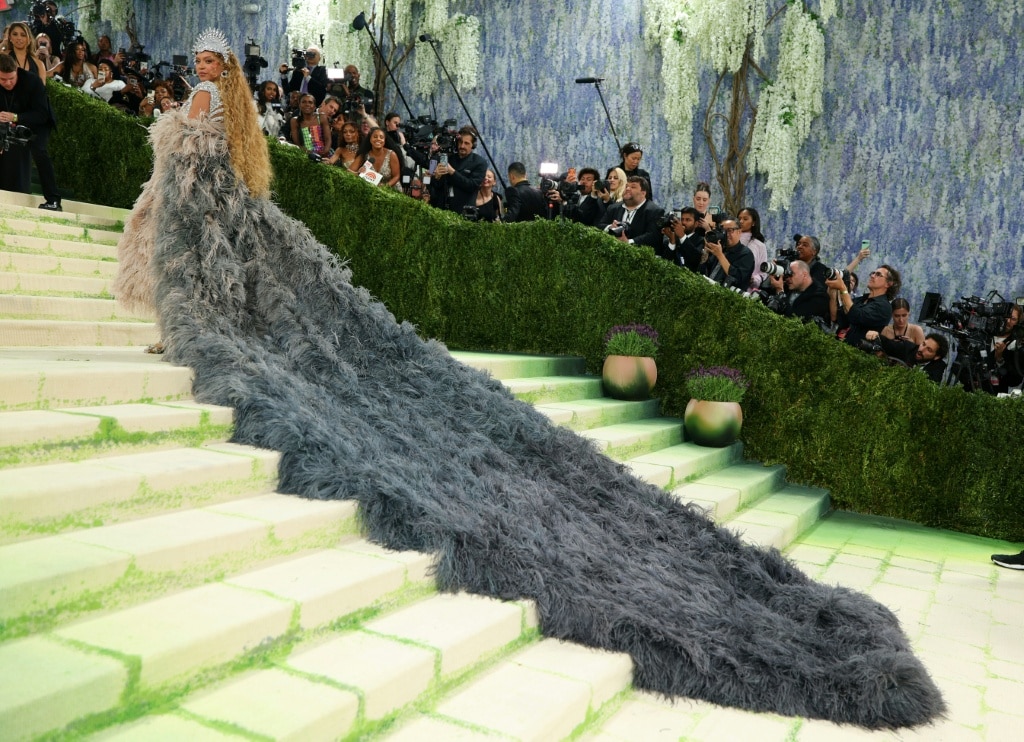
    For hours during the red carpet arrival process, attendees and viewers alike kept one question top of mind: when would Beyoncé make her appearance? Unlike this year’s other co-chairs, who followed the traditional practice of arriving early to the event—tennis icon Venus Williams and Oscar-winning actress Nicole Kidman both made their entrance promptly at the start of the night—Beyoncé saved her reveal for the end of the red carpet, and the hype was worth every minute of the wait.

    The global superstar left the entire fashion world stunned in a custom diamond skeleton gown from designer Olivier Rousteing. Layered over a skin-toned mesh base, the bejeweled bone detailing stretched all the way to the tips of her fingers, and the look was completed with a luxe feathered coat and an intricate, one-of-a-kind headpiece. By her side stood rapper and entrepreneur Jay-Z, her husband, looking sharp in a tailored black tuxedo with tails, and their 14-year-old daughter Blue Ivy Carter, who turned heads in a strapless creamy white gown complete with a voluminous puffy train and matching cropped jacket. Speaking to Vogue on the red carpet, Beyoncé called the moment surreal, noting that sharing the iconic Met Gala experience with her daughter made it extra special, and added that she thought Blue Ivy looked absolutely incredible.

    ### 2. Saint Laurent Dominated the Red Carpet From Head to Toe
    As a member of the Met Gala’s host committee—the leadership tier one level below official co-chairs—Saint Laurent creative director Anthony Vaccarello made sure his brand’s aesthetic was front and center throughout the entire night, with dozens of A-list guests stepping out in his designs.

    The brand’s presence stretched from Zoe Kravitz, who served alongside Vaccarello on the host committee, to 90s supermodel legend Kate Moss, and breakout star Connor Storrie of the hit series *Heated Rivalry*. Rapper and singer Doja Cat, another host committee member, wowed onlookers in a draped latex gown with a modest high neckline cut through with a dramatic thigh-high slit that left plenty of room for edge. Multiple 2026 Grammy nominee Rose, of Blackpink and the chart-topping Bruno Mars collaboration “APT,” opted for a sleek, chic strapless black gown with a high slit and an oversized statement bird brooch cinching her waist, all from the Saint Laurent design house.

    ### 3. Iconic Music Legends Shared the Carpet With K-Pop’s Biggest Stars
    This year’s guest list brought together decades of music industry royalty, mixing legendary Rock and Roll Hall of Fame inductees with the biggest names in contemporary global pop, including K-pop’s most beloved acts. On the legacy side of the lineup, Madonna, Cher, and Stevie Nicks all made appearances, alongside Met Gala veteran Rihanna—global pop superstar, founder of Fenty Beauty, and one of the event’s most iconic recurring guests. Representing K-pop were all four members of Blackpink—Jennie, Rosé, Lisa, and Jisoo—alongside the trio of creators behind “Golden,” the breakout hit from the Netflix animated film *KPop Demon Hunters*.

    Each legend brought their own distinctive take on the “Fashion is Art” theme: Madonna chose a wispy Saint Laurent slip dress paired with a muted gray cape carried by seven attendants and a dramatic towering hat that featured a sculpted ship detail. Cher went in a contrasting leather-and-lace Burberry gown, while Stevie Nicks opted for a coordinated deep blue ensemble complete with a matching top hat. Rihanna, who made headlines at last year’s gala when she revealed her third pregnancy, returned this year in a sculptural silver Maison Margiela gown with an intricately beaded bodice and an Art Deco-inspired statement headpiece. For the K-pop contingent, EJAE—who has already won an Oscar, Grammy, and Golden Globe for writing “Golden”—stood out in a shimmering silver column gown from Swarovski, finished with traditional Korean ornamental hairpins called binyeo, per Vogue.

    ### 4. *Heated Rivalry* Breakout Stars Brought Their On-Screen Rivalry to the Red Carpet
    Over the past 12 months, Connor Storrie and Hudson Williams, the two lead stars of the smash-hit gay hockey romance series *Heated Rivalry*—based on Rachel Reid’s best-selling novels—have taken the entertainment and fashion worlds by storm, and they brought their magnetic chemistry to this year’s Met Gala. Fans have long been split into Team Rozanov and Team Hollander, after their respective characters Ilya Rozanov and Shane Hollander, and the pair did not disappoint on the red carpet.

    Storrie, who plays the charismatic, outgoing Ilya Rozanov, arrived first in a sleek black Saint Laurent suit, pairing it with a sleeveless black shirt dotted with white that extended into a long train trailing down his back—revealed only after he removed his suit jacket. Williams, who portrays the more reserved Shane Hollander, opted for the bolder look of the two: a pale blue Balenciaga suit with a cropped jacket that left his chest bare, paired with a sheer black train that evoked the dramatic flair of a couture matador costume.

    ### 5. Guests Dived Into Whimsy To Fully Embrace The “Fashion is Art” Theme
    While many celebrities opted for more understated, traditional formal wear for the night, several attendees fully leaned into the 2026 theme “Fashion is Art,” creating wearable, living works of art that brought famous paintings and sculptures to life on the red carpet.
    *Game of Thrones* star Gwendoline Christie turned heads in a dramatic off-the-shoulder red gown from British designer Giles Deacon, paired with a colorful feathered hat and holding a custom face mask, designed to evoke the mood and composition of a classic John Singer Sargent portrait. Japanese tennis star Naomi Osaka made her Met Gala debut in a head-turning Robert Wun look: she started the night in an oversized white coat accented with red feathers, which she removed to reveal a form-fitting red gown covered in thousands of shimmering red Swarovski crystals. Broadway star Ben Platt paid homage to theatrical art history, wearing a pale green and sky blue suit printed to replicate Georges Seurat’s iconic pointillist painting “A Sunday on La Grande Jatte”—the direct inspiration for Stephen Sondheim’s beloved musical *Sunday in the Park with George*. Model and celebrity Halloween costume icon Heidi Klum channeled fine art sculpture, wearing a draped white gown that was crafted and styled to look like a polished marble statue come to life.