标签: Oceania

大洋洲

  • Skygazers prepare as rare lunar event set to take over the sky on Sunday

    Skygazers prepare as rare lunar event set to take over the sky on Sunday

    Skywatchers across Australia are preparing for a once-in-a-generation celestial treat this coming Sunday, May 31, as two rare lunar phenomena align to create a unique blue micromoon visible to the naked eye across the entire country.

    This extraordinary event marks the rare convergence of two distinct astronomical occurrences: a blue moon and a micromoon. Unlike common misconceptions, a blue moon does not refer to a change in the moon’s color; instead, it describes the second full moon that occurs within a single calendar month. This quirk of astronomy arises because the moon’s 29.5-day orbital cycle does not perfectly align with the 30- or 31-day structure of the Gregorian calendar, creating an extra full moon roughly once every two to three years. This May will play host to two full moons, with Sunday’s event earning it the blue moon title.

    Compounding the rarity of the event, this blue moon coincides with a micromoon, a phenomenon that takes place when a full moon falls close to the apogee – the farthest point of the moon’s elliptical orbit around Earth. Data from astronomy tracking site Time and Date notes that micromoons appear roughly 6% smaller than an average full moon, and more than 12% smaller than their counterpart, the supermoon, which occurs when a full moon falls near the closest orbital point, the perigee.

    Laura Driessen, a postdoctoral researcher at the Sydney Institute for Astronomy, explained that while the size difference is subtle to the untrained eye, the brightness of the event will be unmistakable. “It’s tens of thousands of times brighter than the brightest star in the night sky,” Driessen told SBS News. She added that the human eye cannot pick up the small size difference between a micromoon and a typical full moon – the change is only noticeable when side-by-side photographs of the two events are compared. “It will look like a beautiful full moon to us,” she confirmed.

    Unlike many rare celestial events that require specific viewing locations or specialized equipment, this blue micromoon will be visible from every region of Australia, with no telescope required. The best viewing window is any time after dark on Sunday when the sky is clear of cloud cover. Peak fullness falls at slightly different times across Australia’s time zones: 6:45pm AEST for New South Wales, Queensland, Victoria, the Australian Capital Territory and Tasmania; 6:15pm ACST for South Australia and the Northern Territory; and 4:45pm AWST for Western Australia.

    For the best viewing experience, astronomy enthusiasts recommend looking toward an unobstructed eastern horizon around moonrise or just after sunset, when the moon will often take on a soft golden-orange glow as it sits low in the sky. While no equipment is needed, a pair of binoculars can help bring out sharper details of the moon’s craters and surface features for interested observers.

    For those who miss this weekend’s event, the next blue moon will not grace Earth’s skies until December 31, 2028, making this a rare opportunity that astronomy fans across Australia are not keen to miss.

  • NATO, EU outrage as drone hits Romania apartment block

    NATO, EU outrage as drone hits Romania apartment block

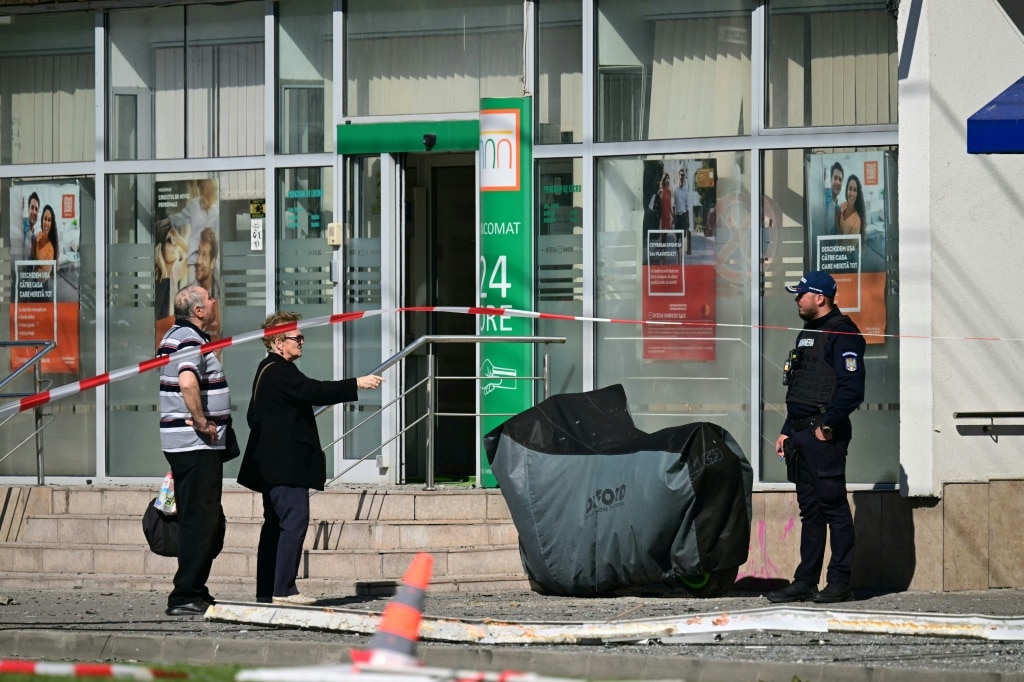
    In an unprecedented incident that has sent shockwaves across the transatlantic alliance, a drone crashed into a residential apartment building in the Romanian city of Galati early Friday morning, leaving two people injured and triggering fierce condemnation from both NATO and the European Union. The strike, the first time a residential structure outside Ukraine has been hit since Russia launched its full-scale invasion in 2022, marks what Romanian officials call a dangerous and irresponsible escalation by Moscow.

    According to official statements from Romania’s Ministry of National Defence, the incident unfolded overnight between May 28 and 29, amid a renewed wave of Russian drone attacks targeting civilian and critical infrastructure sites in Ukraine near the shared river border with Romania. “One of these drones entered Romanian airspace, was tracked by radar as far as the southern part of the city of Galati, and crashed onto the roof of an apartment building, with the impact triggering a fire,” the ministry confirmed. Local emergency services reported that a 14-year-old boy and a 53-year-old woman were hospitalized with injuries from the crash and subsequent blaze.

    While dozens of unauthorized drone incursions have been detected across Romanian airspace since the start of the Russian offensive, this event marks the first time a drone has struck a residential building in the NATO member state. Immediately after the intrusion was detected, two Romanian F-16 fighter jets were scrambled to respond, but military officials confirmed there was no opportunity to safely shoot down the unmanned aircraft before impact. General Gheorghe Maxim of Romania’s Joint Forces Command told reporters that only four minutes passed between detection and crash, leaving an extraordinarily narrow window for intervention. Romanian President Nicusor Dan echoed this assessment, noting that the decision to hold fire was made to avoid putting civilian lives at greater risk from a mid-air intercept.

    In the wake of the incident, Romanian officials have moved quickly to escalate their response. Bucharest summoned the Russian ambassador to Romania for an urgent meeting, and President Dan convened an emergency meeting of the country’s national defence council to address what officials described as “the most serious incident to have affected our national territory” since the 2022 invasion. The Romanian defence ministry reiterated its condemnation of the strike, confirming that the country has formally requested accelerated deliveries of dedicated anti-drone defence capabilities from allied partners.

    The incident has drawn widespread condemnation from European and transatlantic leaders. European Commission President Ursula von der Leyen said Russia’s “war of aggression” had “crossed yet another line”, and pledged to step up deterrence efforts along the European Union’s eastern flank. Senior officials from Germany, France, the United Kingdom and the United States all issued statements denouncing the strike, with US Ambassador to NATO Matthew Whitaker calling the incident a “reckless incursion” and reaffirming that Washington stands in full solidarity with its NATO ally. Maia Sandu, President of Moldova — a country sandwiched between Romania and Ukraine that has also faced repeated drone incursions and fallen debris on its territory — warned that Russia represents “a danger to all” in the region.

    NATO has echoed this condemnation, with alliance Secretary General Mark Rutte vowing “absolute solidarity” with Romania after a call with President Dan. “Russia’s reckless behaviour is a danger to us all,” Rutte wrote on social media. “I affirmed that NATO stands ready to defend every inch of Allied territory.” Supreme Allied Commander General Alexus Grynkewich, the top US military commander for the alliance, held a call with his Romanian counterpart to coordinate next steps, with NATO confirming that the two sides agreed to maintain close consultation throughout the ongoing investigation and consideration of additional defensive measures.

    The incident comes as NATO member states bordering Ukraine and Russia — including Romania, Latvia, Estonia and Poland — face growing risk of cross-border drone incursions from the ongoing war. Just days earlier, Latvia formed a new government two weeks after the previous administration collapsed over a political dispute rooted in stray Ukrainian drone incursions that exposed gaps in the Baltic state’s air defences.

    As of Friday afternoon, multiple alliance sources confirmed there is still no indication whether Romania will request emergency consultations under NATO’s Article Four, the provision that allows member states to request discussions when they believe their territorial integrity, political independence or security is under threat. A request for Article Four consultations would still fall well short of triggering the alliance’s Article Five mutual defence clause, which has only been invoked once in NATO’s 75-year history, following the September 11, 2001 terrorist attacks on the United States. Since the start of Russia’s full-scale invasion of Ukraine, Article Four consultations have been called three times: immediately after the 2022 invasion, by Poland following a Russian drone incursion, and by Estonia after a Russian fighter jet violated its airspace.

  • WHO chief in capital of Ebola-hit DR Congo

    WHO chief in capital of Ebola-hit DR Congo

    Two weeks after Democratic Republic of Congo (DRC) declared its 17th Ebola outbreak, World Health Organization (WHO) Director-General Tedros Adhanom Ghebreyesus arrived in the Congolese capital Kinshasa late Thursday to coordinate international response efforts to the fast-spreading epidemic. Tedros was scheduled to meet with senior Congolese government officials on Friday, before traveling a day later than planned to the conflict-torn northeastern province of Ituri, the epicenter of the current outbreak.

    The scale of the crisis already far exceeds initial reports. According to the Africa Centres for Disease Control and Prevention (Africa CDC), at least 1,077 suspected cases have been recorded across affected regions since the outbreak was officially announced on May 15, with 246 confirmed deaths to date. The WHO has warned that the true caseload is almost certainly much higher, as the virus began spreading silently before being detected, and the DRC’s severely underfunded health system lacks the laboratory capacity to test and confirm every suspected case quickly enough to slow transmission.

    Health workers have faced steep challenges in containing the outbreak, which has already spread beyond Ituri to two additional DRC provinces and crossed the border into neighboring Uganda, where seven confirmed cases and one fatality have been reported. The crisis is compounded by decades of systemic instability in eastern DRC, a mineral-rich region plagued by persistent violence from dozens of armed factions. Ituri, where the outbreak is centered, remains largely out of government control, with limited access for health teams due to attacks from the Islamic State-affiliated Allied Democratic Forces (ADF) and other local militant groups that regularly target civilian populations.

    Ituri shares borders with North Kivu and South Kivu, two other violence-wracked provinces that have also recorded Ebola cases in the current outbreak. Large swathes of both Kivu provinces are controlled by the Rwanda-backed M23 rebel group, which resumed its insurgency in late 2021 and escalated attacks in early 2023. The ongoing conflict has forced more than a million people in Ituri alone to flee their homes, with hundreds of thousands packed into overcrowded displacement camps on the outskirts of major towns like Bunia. Displaced residents live in extremely cramped conditions with almost no access to clean water or basic sanitation, creating a perfect environment for Ebola to spread rapidly.

    At the Kingonze displacement camp outside Bunia, residents described the terrifying risk of an outbreak sweeping through the camp. “If Ebola comes, we’ll be wiped out as we’re packed like sardines,” said local resident Dorcas Mapenzi. Deborah Nzale, a widow who shares a 32-square-foot tarpaulin shelter with nine family members, added: “We sleep piled on top of each other, with everyone’s sweat. If a single person gets infected here in this camp, everyone will die.”

    Complicating response efforts further, the current outbreak is caused by the Bundibugyo strain of Ebola, for which no widely approved vaccine or targeted treatment currently exists. However, there are glimmers of hope on the horizon: Africa CDC head Jean Kaseya announced Thursday that a targeted vaccine could be available for deployment by the end of 2025. The WHO also confirmed Thursday that its expert advisory groups have approved the launch of clinical trials for existing vaccine and treatment candidates that may prove effective against the Bundibugyo strain.

    In response to the outbreak, neighboring Uganda and Rwanda have already closed their shared borders with the DRC. United States Secretary of State Marco Rubio also reaffirmed this week that the U.S. is implementing rigorous screening measures to prevent Ebola from reaching American soil. Speaking to reporters after his arrival in Kinshasa, Tedros struck a determined tone, telling the Congolese people in an earlier post on X that they are not facing this crisis alone: “That thing can be stopped,” he said.

    Ebola is a highly contagious haemorrhagic fever that spreads through close contact with infected people or their bodily fluids. Over the past 50 years, the virus has killed more than 15,000 people across Africa. The deadliest Ebola outbreak in DRC’s history, recorded between 2018 and 2020, killed nearly 2,300 people out of more than 3,500 confirmed cases.

  • Coroner finds newborn baby’s death after Victorian homebirth was ‘preventable’, care provided was ‘deficient’

    Coroner finds newborn baby’s death after Victorian homebirth was ‘preventable’, care provided was ‘deficient’

    A preventable newborn death following a botched planned homebirth in regional Victoria has prompted a coroner to deliver scathing criticism of two private practicing midwives, whose substandard care directly contributed to the six-day-old infant’s death, according to newly released coronial findings.

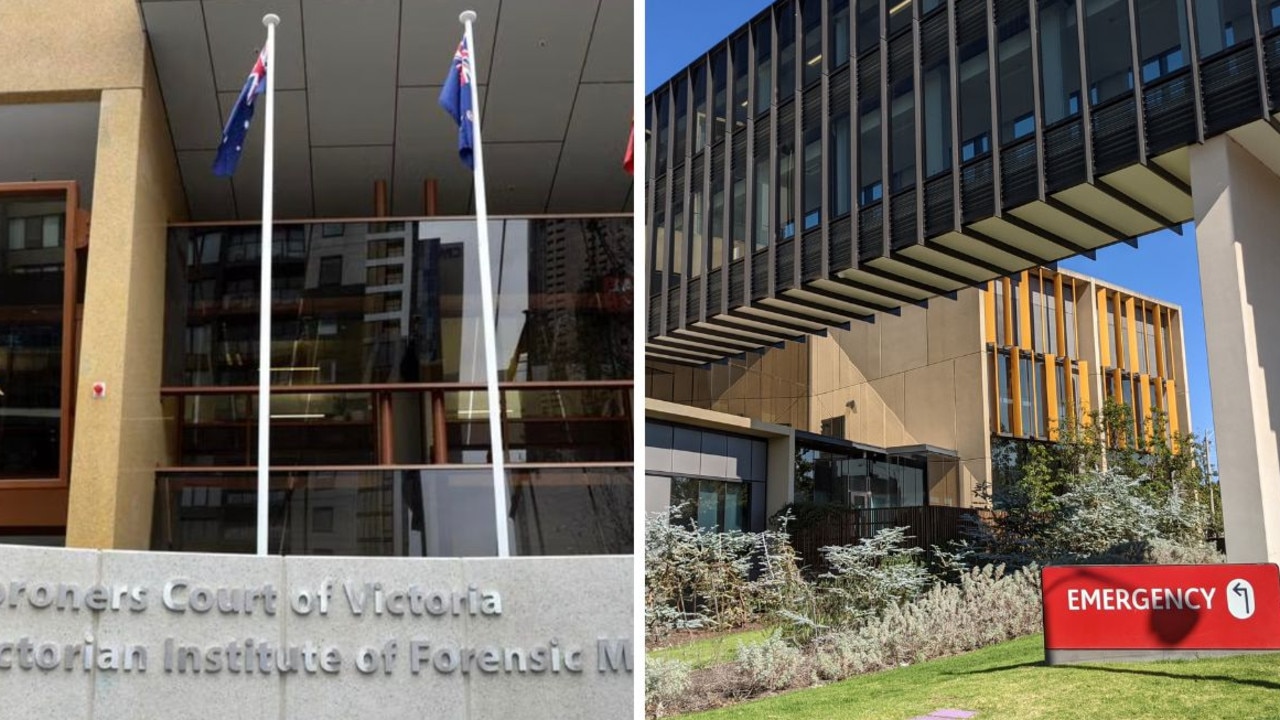
    Coroner Dimitra Dubrow handed down her conclusions into the death of the infant, identified only as Baby R, at Victoria’s Coroner’s Court on May 29, outlining a series of critical failures that led to the tragedy that unfolded in August 2022.

    The case traces back to Baby R’s mother, a qualified midwife herself who sought an out-of-hospital birth after a traumatic 2019 emergency caesarean that left her with an intense aversion to hospital deliveries. After her first birth, she experienced a severe postpartum hemorrhage, though her first child survived in good health. For her second pregnancy, she researched homebirth options extensively and was cleared for a planned home delivery by private midwife Elizabeth Murphy, despite multiple clear red flags that disqualified her from the procedure under national clinical guidelines.

    Expert witness Dr. Andrew Woods outlined to the court that the mother carried multiple major risk factors: a previous caesarean birth, a suspected large (macrosomic) baby, a history of postpartum hemorrhage, and a prior traumatic birth experience. All of these factors placed her outside the eligibility criteria for planned homebirth, a conclusion Coroner Dubrow echoed in her final ruling. In hindsight, the second attending midwife, Marie-Louise Lapeyre, also acknowledged that the mother was not an appropriate candidate for homebirth.

    When labor progressed, complications emerged early, but the midwives failed to recognize signs of fetal distress, neglected consistent and appropriate monitoring of the baby’s heart rate, and delayed a critical transfer to a hospital. By 3:30 p.m. the same day, transfer was already long overdue, but the recommendation was not made to the mother, who trusted her midwives and would have agreed to transfer immediately if urged, according to Coroner Dubrow’s findings. It was only when Baby R’s condition deteriorated sharply that the mother was finally transferred to Bendigo Health, where clinicians performed an emergency caesarean. Born in critically poor condition due to perinatal hypoxia (oxygen deprivation), the infant was transferred to Melbourne’s Royal Women’s Hospital, where he died six days after birth.

    In her findings, Dubrow noted another contributing failure: Lapeyre told investigators that fatigue from an overnight birth she and Murphy had attended left her impaired when making decisions during Baby R’s labor, a risk that was left unmanaged by the pair. Dubrow ruled that the intrapartum care provided by both midwives was “deficient” and fell far short of the reasonable standards of midwifery practice. She confirmed that earlier transfer would have resulted in an earlier delivery and almost certainly prevented Baby R’s death.

    Speaking outside court on behalf of the grieving family, lawyer Isabelle McCombe described the profound and ongoing pain the family has carried over the 3 and a half years since Baby R’s death. “This inquest has never simply been a legal proceeding,” McCombe said. “It has involved revisiting our most painful and traumatic experiences; an incredibly gruelling process for the family.” She added that the loss will be a weight the family carries for the rest of their lives, noting that the coroner’s findings have brought a measure of clarity amid the family’s struggle with guilt, anger, grief and pain. “We thank the Coroner and her team for taking the time to understand our baby and the life he never had,” McCombe said.

  • Man, 67, arrested after allegedly ramming ute into police station north of Sydney

    Man, 67, arrested after allegedly ramming ute into police station north of Sydney

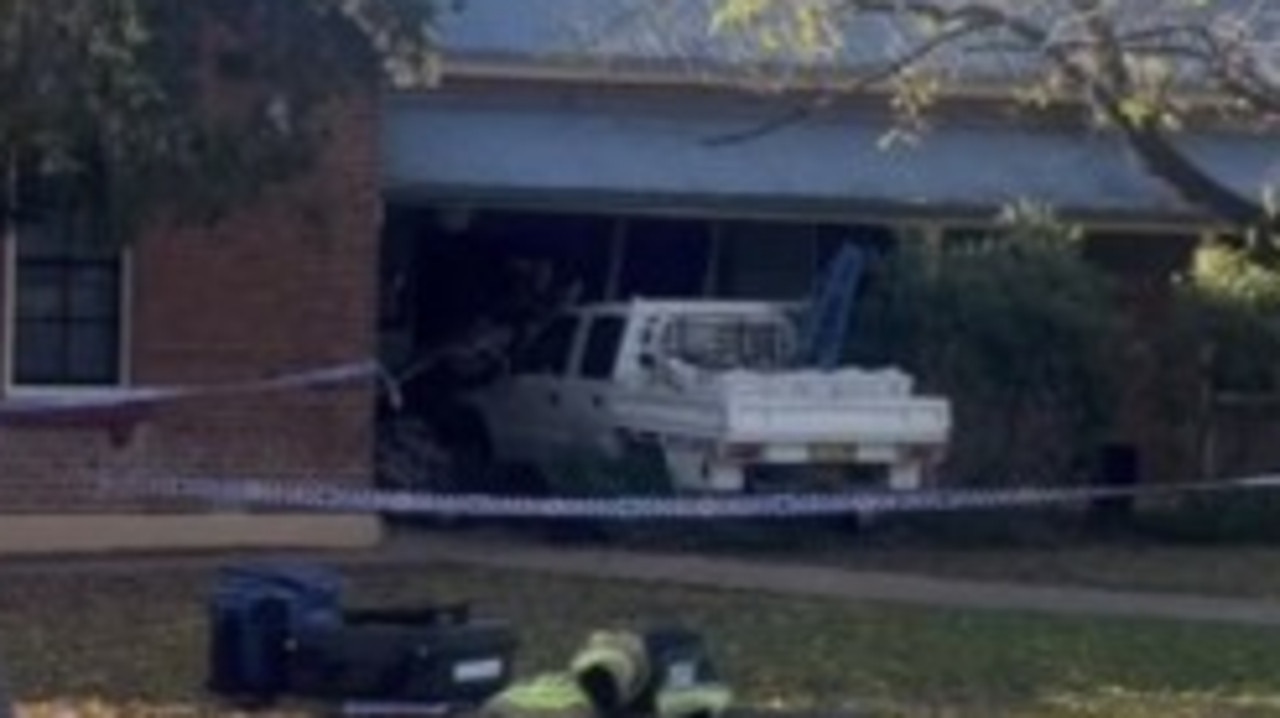
    A dramatic incident in the New South Wales regional town of Mudgee has ended with the arrest of a 67-year-old man, who is accused of deliberately driving his utility vehicle at on-duty police officers before crashing the vehicle into the entrance of the local police station. No serious injuries were reported in the chaotic incident, which unfolded on the afternoon of Friday in the town’s central business district.

    According to NSW Police statements, the first confrontation began around 1:30 p.m. local time, when officers were conducting foot patrol along Mudgee’s main thoroughfare, Market Street. Police allege that the driver intentionally steered his ute directly toward the group of patrolling officers. When law enforcement personnel attempted to intervene and stop the vehicle, the driver fled the area instead of complying with orders.

    Shortly after the initial attempt to stop the driver, the man is alleged to have driven at a second officer before accelerating directly toward the front facade of Mudgee Police Station, which is also located on Market Street, approximately 270 kilometers northwest of Sydney. The ute crashed through the station’s entrance, causing unspecified structural damage to the building.

    Witnesses who were in and around the area have shared firsthand accounts of the chaotic sequence of events. One witness told 7News that they saw the driver speed away down Market Street after the first confrontation, only to return to the area moments later, pursued by a detective. “He was getting followed by a detective, and then all of a sudden just comes flying into the cop shop here,” the witness recalled.

    Michael, a member of the public who was waiting inside the police station when the crash occurred, described the sudden shock of the incident. He told reporters that the ute came “straight in” the building, and an officer nearby reacted quickly to grab a defensive spike strip. Michael escaped the collision with only a minor scratch, saying after a medical check he was given the all-clear. “Everybody was alright, no one got hurt,” he confirmed.

    Following the crash, police quickly took the 67-year-old driver into custody at the station. A police spokesperson confirmed that no officers, members of the public, or the suspect themselves suffered any serious injuries in the incident. In a statement released after the arrest, the spokesperson confirmed that the Mudgee Police Station remains operational and contactable for local residents, with contingency arrangements put in place to continue delivering all core police services to the community while investigations proceed.

    An additional detail has emerged from local reporting: officers were gathered at the station on Friday to mark the upcoming retirement of Detective Senior Constable Scott Wells, and law enforcement has not ruled out the possibility that the gathering was a deliberate target of the attack. Investigations into the motive and full circumstances of the incident are ongoing, with further updates expected as more information becomes available.

  • Fair Work Commission flags major changes, blames AI for generating ‘explosion’ in dismissal claims

    Fair Work Commission flags major changes, blames AI for generating ‘explosion’ in dismissal claims

    Australia’s industrial relations regulator, the Fair Work Commission (FWC), is facing an unprecedented operational crisis driven by a sudden surge in unfair dismissal claims, a surge that senior leaders have directly linked to the rising accessibility of generative artificial intelligence tools for everyday applicants.

    Projections indicate the FWC will see a roughly 70% jump in total claims by the end of the current financial year compared to 2023 levels. By the end of April alone, the body had already received 44,039 dismissal-related applications, a figure that puts the commission just shy of its all-time full-year record set in the 2024-25 reporting period.

    FWC General Manager Murray Furlong told reporters the surge aligns with three overlapping challenges: a growing number of applicants representing themselves in claims, persistent resourcing and budget constraints, and the rapid proliferation of generative AI tools that lower the barrier to submitting claims.

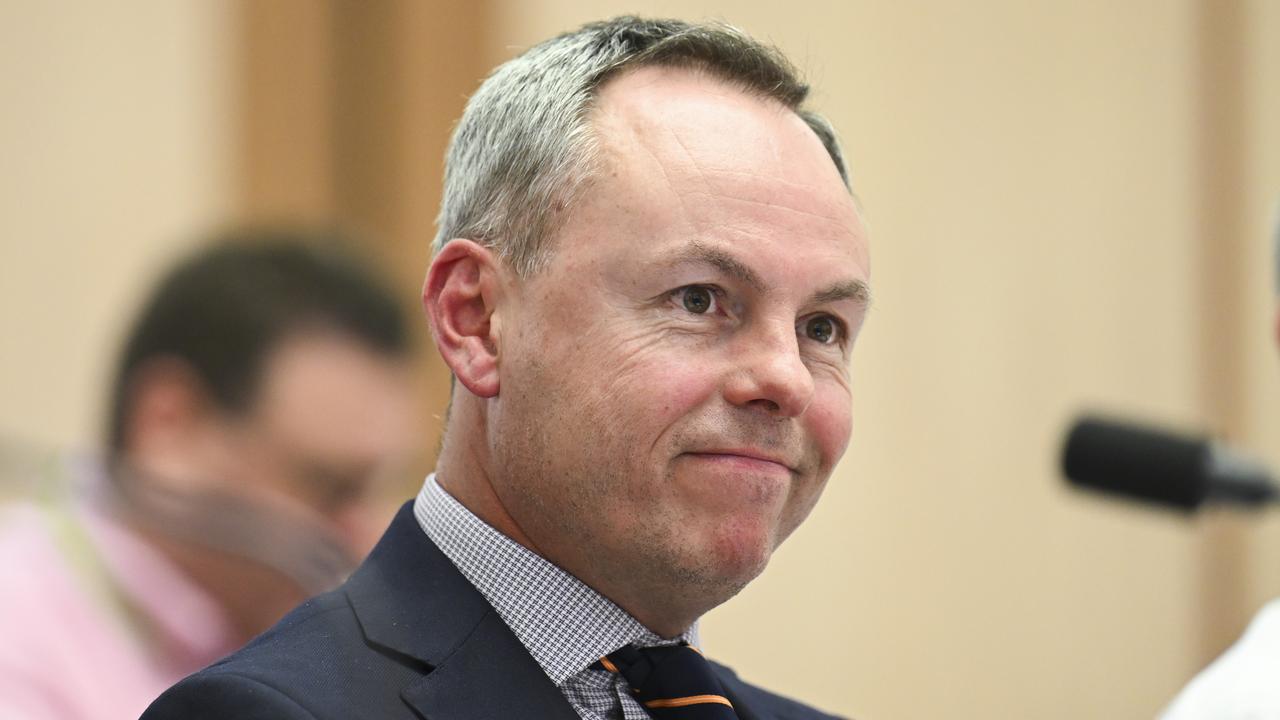
    FWC President Adam Hatcher first raised the alarm over the unmanageable growth of unfair dismissal claims, warning that the current volume of demand is unsustainable under the regulator’s existing funding and operational structure. The backlog, Hatcher noted, already risks undermining the FWC’s ability to prioritize high-impact public interest work, including enterprise bargaining negotiations and mediation for large-scale industrial disputes.

    Historically, Hatcher explained, the number of dismissal claims filed with the FWC closely tracked overall conditions in the Australian labor market, rising during economic downturns and falling when employment conditions strengthened. But this long-standing correlation has completely broken down in recent years, a shift that coincided almost exactly with the mainstream adoption of consumer-facing generative AI tools.

    A recent internal review of incoming dismissal cases confirmed that a growing share of applicants have little to no formal experience with Australian workplace relations law, and most rely on AI-generated content to draft and file their claims. Furlong added that the unrelenting flow of new claims has stretched every part of the FWC’s operations, with no sign of the surge slowing in the coming months. “This is unsustainable and we cannot continue to operate in the same way,” he said.

    To address the mounting pressure, the FWC will roll out a series of sweeping structural and operational reforms. The centerpiece of the changes is the introduction of AI-powered application forms and an AI-assisted triage helpline designed to streamline intake and direct inquiries outside the FWC’s jurisdiction to the appropriate bodies, cutting down on administrative strain for staff.

    The regulator also plans to cut operational costs by reducing its total office space and co-locating with other Australian government agencies in two key locations: Melbourne, where the FWC’s current lease is the organization’s largest single financial commitment, and Canberra. Both leases are set to expire within the next three years, creating a natural window to restructure the FWC’s physical footprint. Furlong noted that the FWC already successfully co-locates with other agencies in regional and suburban locations across the country, so the shift will align with existing operational practices.

    Senior leaders have warned regular FWC users to prepare for significant changes to how they interact with commission services, as the organization adapts to the new AI-shaped landscape of employment dispute resolution.

  • US-Iran ceasefire hopes sent Aussie sharemarket soaring in major rally

    US-Iran ceasefire hopes sent Aussie sharemarket soaring in major rally

    Australia’s benchmark stock index notched its strongest single-day gain in weeks on the final trading session of the week, driven by a wave of investor optimism following news of a 60-day ceasefire extension between the United States and Iran that raises hopes for a long-term de-escalation of Middle East tensions. The ASX 200 closed up 138.80 points, or 1.62%, at 8731.70, while the broader All Ordinaries index followed closely, climbing 145.40 points, or 1.65%, to settle at 8965. The Australian dollar edged slightly lower, dipping 0.02% to 71.60 U.S. cents by market close. The majority of market sectors tracked gains, with nine out of 11 industry groups ending the session in positive territory. Top mining stocks led the rally, as a projected easing of Middle East energy tensions reduced fears of disrupted commodity supply chains. BHP’s share price jumped 2.91% to $62.31, Rio Tinto gained 1.18% to $185.63, and Fortescue Metals Group closed 2.43% higher at $22.31. Technology and consumer discretionary stocks also outperformed broader market averages. Accounting software provider Xero added 0.91% to its value, Technology One rose 2.02% to $29.84, and Codan surged 3.95% to $42.65. In the retail sector, conglomerate Wesfarmers gained 1.67% to $79.79, Afterpay’s parent company Light Wonder rallied 4.23% to $116.73, and electronics retailer JB Hi-Fi closed up 1.17% at $74.49. The sharp afternoon rally kicked off immediately after official confirmation that Washington and Tehran had agreed to extend their temporary ceasefire for two months to create space for formal negotiations on a permanent peace agreement. Global energy markets reacted immediately to the news, with Brent crude futures dropping 0.9% to settle at $92.87 U.S. dollars per barrel, easing fears of sustained high energy costs that have weighed on global economic outlooks in recent months. Samara Hammoud, international economist and currency strategist at Commonwealth Bank, noted in a client note that she holds 70% confidence that a final deal to reopen the strategic Strait of Hormuz will be finalized in the coming days. Hammoud added that U.S. Vice President JD Vance has confirmed the two sides are currently resolving remaining differences over wording in the agreement, with key sticking points including regulations on Iran’s nuclear capabilities. AMP chief economist and head of investment strategy Shane Oliver pointed out that global and Australian markets remain highly sensitive to any developments out of the Middle East, after a week of volatile trading driven by conflicting signals. “The week started on an optimistic note with former President Trump saying last weekend that the ‘final aspects and details of the deal are currently being discussed and will be announced shortly,’” Oliver explained. “But this was followed by new military strikes on Iran and Trump saying he was ‘not satisfied’ with the progress, which pushed oil prices back up. Now, indications point to a tentative agreement that only needs Trump’s final sign-off.” While Oliver acknowledged that ongoing risks of the conflict reigniting remain, he noted that striking a deal is heavily aligned with U.S. political interests ahead of upcoming midterm elections. “But the pressure on Trump to back away from continued escalation and agree to a deal is very high, as his approval rating continues to slide as the election approaches,” he said. In individual company news, Judo Bank was one of the ASX’s top performers, with its share price surging 12.23% to $1.56 after the regional lender announced it had completed a $750 million capital-relief securitization backed by small and medium enterprise loans. The move is expected to significantly strengthen the bank’s balance sheet and support future lending growth. Medical technology firm 4D Medical also notched major gains, rising 18.9% to $3.97 after it secured a commercial partnership deal with SimonMed Imaging, a leading U.S. healthcare provider that operates 170 outpatient imaging centers across the country.

  • ‘If Ebola comes, we’ll be wiped out’: DR Congo conflict-displaced

    ‘If Ebola comes, we’ll be wiped out’: DR Congo conflict-displaced

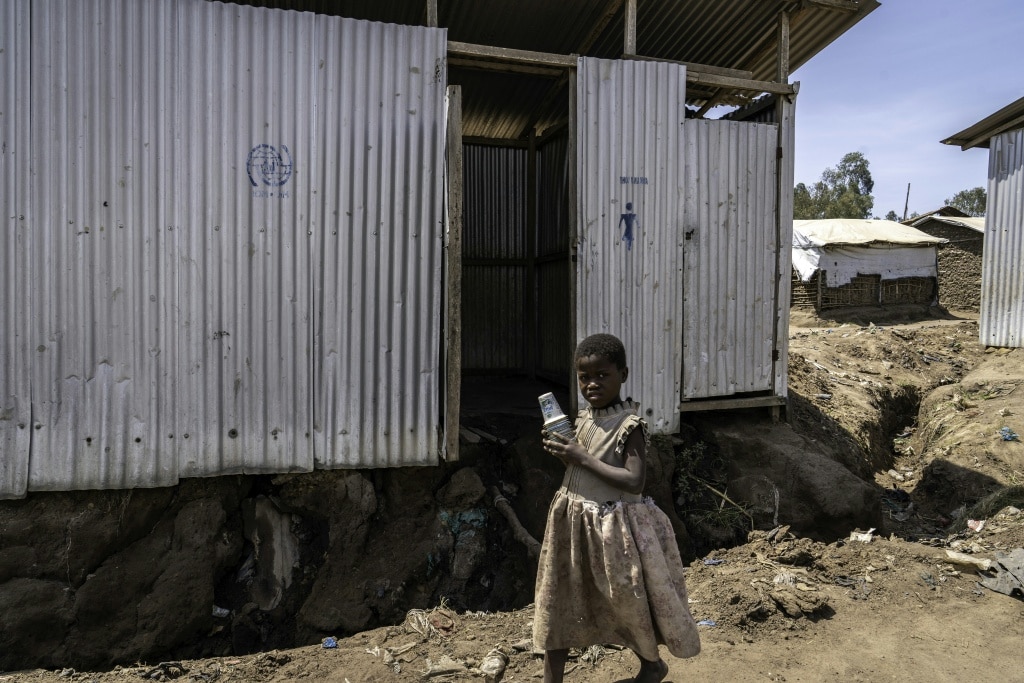
    In the dusty sprawl of Kingonze displaced persons camp on the outskirts of Bunia, the capital of northeastern DRC’s Ituri province, more than 25,000 people uprooted by years of brutal armed conflict live in cramped, makeshift tarpaulin shelters. For these displaced residents, the threat of an Ebola outbreak reaching their overcrowded home is not an abstract risk—it is a catastrophe that could wipe out the entire community.

    “If Ebola comes, we’ll be wiped out as we’re packed like sardines,” Dorcas Mapenzi, a displaced woman living in the camp, told AFP. Ituri is currently the epicenter of the latest Ebola outbreak spreading through eastern DRC, a region where decades of rebel violence and communal clashes have forced more than a million people from their homes across the province, most of whom now reside in crowded, under-resourced camps.

    The deadly Bundibugyo strain of Ebola, which spreads through close physical contact and bodily fluids, has already gained a foothold in the region. From the declaration of the outbreak on May 15 through May 24, the World Health Organization (WHO) has recorded 10 confirmed deaths and 223 suspected fatalities, out of a total of more than 1,000 confirmed and suspected cases across the country. Crucially, there is currently no approved vaccine or specific treatment for this particular strain of the virus, meaning containment efforts rely entirely on basic protective measures, social distancing and rapid contact tracing—measures that are all but impossible to implement in the camp’s current conditions.

    Kingonze camp has not yet recorded any Ebola cases, but every aspect of life here creates the perfect conditions for the virus to spread like wildfire. Widow Deborah Nzale shares a 3-square-meter tarpaulin shelter with nine family members, living and sleeping piled on top of one another in sweltering heat. “Given these conditions, how are we going to protect ourselves against this disease, when everyone tells us we need to distance ourselves to fight Ebola?” Nzale asked. “If a single person gets infected here in this camp, everyone will die.”

    Basic hygiene and sanitation infrastructure, critical to stopping Ebola’s spread, is virtually non-existent in Kingonze. Residents say their children play next to overflowing, filthy toilets and often defecate in open ground between shelters. The camp relies on just one single borehole for its entire population of 25,000, with water only flowing from the tap for a few hours each day. To date, no protective gear, hygiene kits or soap have been distributed to the camp’s residents, even after awareness teams have visited to warn about the virus’s dangers.

    “People looking to raise awareness come through here with messages but, surprisingly, we don’t have the kit we need to protect ourselves,” Budjo Amos, a displaced man who fled communal violence in the province, said. “I don’t even have soap to wash my hands. The most urgent thing is to give us clean water.”

    WHO Director-General Tedros Adhanom Ghebreyesus, who is scheduled to visit Bunia on Friday, has already warned that eastern DRC is facing a “catastrophic collision of disease and conflict.” Ongoing fighting in the region has severely hampered outbreak response efforts, and the Congolese government has faced widespread criticism for its delayed response—officials only declared the outbreak several weeks after the first cases were detected. Most hospitals across Ituri still lack critical equipment, particularly isolation units needed to quarantine infected patients and stop transmission.

    Across Ituri, there are roughly 61 displaced person camps housing a total of nearly 970,000 displaced people, meaning the risk of a catastrophic camp-wide outbreak is not limited to Kingonze. Ituri’s military governor Lieutenant General Johnny Luboya Nkashama acknowledged the urgency of the situation in comments to AFP Friday. “We need to deploy equipment and qualified, specialist medical staff as quickly as possible,” he said, “to spare this province from disaster.” As displaced residents wait for action, their fear grows that a single case could turn into a tragedy that kills thousands.

  • ‘Biggest circus in town’ the World Cup set for betting frenzy

    ‘Biggest circus in town’ the World Cup set for betting frenzy

    The 2026 FIFA World Cup, co-hosted by the United States, Canada and Mexico, is on track to become the largest sports betting event in history, with industry analysts projecting total global betting revenue will surge past the $50 billion mark — far outstripping the totals from the 2022 Qatar edition of the quadrennial football tournament.

    Two key factors are driving this unprecedented betting boom, according to Darren Small, Managing Director of Managed Trading Services at global sports technology firm Sportradar. First, the tournament has undergone a major expansion, growing from 32 competing nations to 48, creating far more matches, markets, and betting opportunities for enthusiasts worldwide. Second, shifting betting habits among modern punters have opened up massive new revenue streams that did not exist at previous World Cups.

    Gone are the days when most bettors only placed simple wagers on which team would win a match, Small explained. Today, a growing share of interest centers on player-specific props and customizable betting options, often called bet builders, that let fans craft unique wagers tailored to their expectations of a game. These can range from simple bets on whether a star player will score, to more complex combinations that include the number of corners, tackles, passes, or even which foot a player will score with. “Customers are building out entire narratives for their bets,” Small noted in an interview with Agence France-Presse. “They might combine a bet on X team winning with both teams scoring, player Y scoring a header, and over 15 total corners in the match.” This segment has already become a major driver of growth for the industry.

    David Stevens, head of public relations for leading UK bookmaker Coral, echoed this assessment, calling custom bet building “one of the fastest growing areas of our business.” The trend, he added, caters perfectly to a new, younger demographic of bettors who crave more dynamic, engaging wagering opportunities rather than traditional straight win/lose bets.

    As early betting flows in, two defending champions top the list of most-backed teams: 2022 winner Argentina and 2018 winner France hold the largest share of early wagers placed through Sportradar’s network of 250 global sports book clients. England, which has not won the World Cup since 1966, remains a fan favorite, sitting third in early odds behind France and Spain. Should England end the 60-year title drought, Stevens noted, bookmakers face a sizeable payout — though the increasingly global nature of the industry means an England win would be far less costly than it would have been a decade ago.

    In the race for the Golden Boot, awarded to the tournament’s top scorer, the bulk of early bets have gone to global superstars Kylian Mbappe of France and Erling Haaland of Norway. Small told AFP that more than 20 percent of early Golden Boot betting volume through Sportradar has been placed on Haaland alone. But one unexpected name has crept into the top 10 of early betting that has left analysts amused rather than alarmed: Ben Waine, a striker for recently relegated fourth-tier English club Port Vale, who qualified for the tournament with New Zealand. “It’s really strange, as in peculiar not sinister,” Small said of the unexpected run of bets on Waine.

    Industry leaders do note one logistical challenge posed by the 2026 co-hosting format: the wide geographical spread of match venues across North America has created tricky kickoff times for European audiences, particularly for matches held on the U.S. West Coast, which will fall in the middle of the night for most European viewers. Even so, growing betting activity in South America, led by traditional football powerhouse Brazil, is expected to offset any dip from European viewership challenges.

    For the host nation the United States, early betting interest on a U.S. title run remains low, with 40-1 odds of an American upset victory. Stevens even joked that if the U.S. did defy the odds to lift the trophy, former president and current 2024 presidential candidate Donald Trump would likely demand a spot in the trophy-lifting celebrations: “Should the USA defy odds of 40-1 and lift the trophy, expect very short odds about the President being at the centre of the celebrations!”

  • Legacy of Himalaya’s ‘Sherlock Holmes’ lives on in digital

    Legacy of Himalaya’s ‘Sherlock Holmes’ lives on in digital

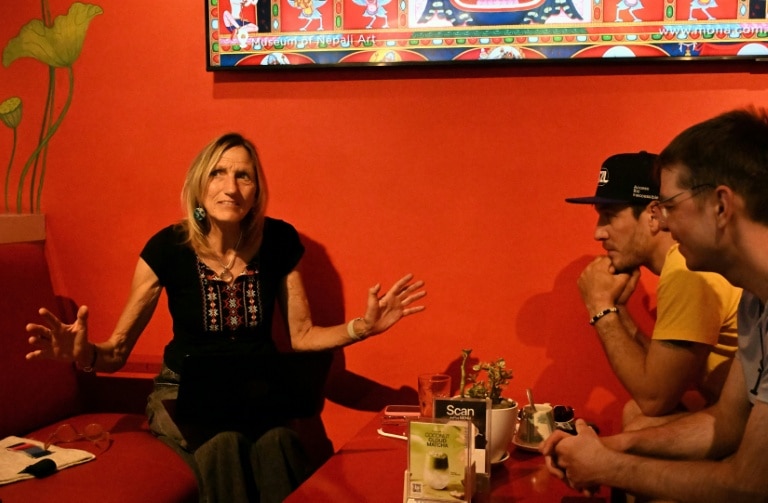
    Nestled in a bustling Kathmandu restaurant, thousands of meters below Nepal’s snow-capped Himalayan peaks, German climber Billi Bierling sits across from expeditions returning from high altitude, grilling them on the details of their summit bids. Every answer, every triumph and every disputed claim gets logged into the Himalayan Database, a 60-year-old authoritative record of Himalayan mountaineering that has become the gold standard for climbers, researchers, and historians worldwide.

    The archive traces its origins back to 1963, when American journalist Elizabeth Hawley traveled to Nepal to cover a US expedition to Mount Everest. Though Hawley herself never climbed a mountain and never once visited a Himalayan base camp, she became captivated by the people who pursued these high-altitude feats. She began conducting mandatory post-expedition interviews with every team that returned from the mountains, meticulously hand-writing every detail of their journey.

    Over five decades of relentless work, Hawley earned the nickname “the Sherlock Holmes of the mountaineering world” from Sir Edmund Hillary, who alongside Tenzing Norgay completed the first recorded ascent of Everest in 1953. By the time of her death in 2018, she had cemented her reputation as the most trusted voice on Himalayan climbing, and her growing archive had become the definitive record of every major expedition in the region. As Bierling, who inherited stewardship of the project from Hawley, tells it, Hawley applied the same rigorous fact-checking to everyone she interviewed, from climbing legends like Reinhold Messner (the first person to summit Everest solo) and Ueli Steck to casual climbers just starting out.

    Bierling first crossed paths with Hawley in 2001, when she traveled to Nepal to climb 7,129-meter Baruntse. She began assisting Hawley with the project in 2004, and took over full leadership after Hawley’s passing. Today, she leads a small team of volunteers that continues to expand and update the database at a time when Himalayan mountaineering is growing faster than ever before.

    The archive’s journey into the digital age began back in 1991, when American climber Richard Salisbury recognized the historical value and vulnerability of Hawley’s handwritten records, which filled 40 full file drawers. He proposed digitizing the entire collection, a painstaking process that took nearly 11 years to complete. Today, the archive exists as a fully searchable digital resource, accessible to climbers and researchers around the world.

    For the mountaineering community, the database’s authority is unmatched. “If it wasn’t recorded, it didn’t happen,” explains Garrett Madison, a veteran expedition organizer who has led teams in Nepal since the 2000s. For climbers chasing first ascents of unclimbed peaks, the resource is irreplaceable. Japanese climber Tatsuro Sugimoto, who recently completed the first ascent of 6,473-meter Jarkya, notes that the database lets climbers quickly verify which peaks have not yet been summited, eliminating redundant work for teams exploring new routes.

    As commercial mountaineering has boomed in recent decades, the work of maintaining the database has changed dramatically. Where Hawley once only had to interview a handful of teams each season, working from her blue Volkswagen Beetle at Kathmandu’s small airport, Nepal this spring issued a record 492 solo permits for Everest alone, with hundreds more climbers tackling other peaks across the Himalayas. Hundreds of climbers now attempt high-altitude summits every season, with many targeting multiple peaks in a single trip.

    Bierling says the sheer volume of expeditions makes it impossible to interview every single climber in person, a shift that has forced the team to adapt. “If we wanted to meet everybody in person, we’d need an army of 100 people,” she explains. “It’s all so quick. People come and go, they fly in, they fly out.” The team now supplements its interviews with official expedition permit data from Nepal’s Ministry of Tourism, and focuses its in-person reporting on groundbreaking ascents: first summits, new routes, and climbs that push the boundaries of what is thought possible on the world’s highest peaks.

    Even with these adaptations, the team still adheres to the core principles Hawley established decades ago. The team starts by trusting a climber’s account of their summit, only digging deeper to verify claims when questions arise. Volunteers cross-reference photos, check topographical details, and investigate conflicting reports from other climbers, and disputed claims are tagged clearly in the database. For Bierling, every disputed claim brings her back to the question that guides all her work: what would Elizabeth Hawley do in this situation? As the mountaineering world continues to change, Hawley’s legacy lives on, preserved for future generations in the digital archive she built.