标签: Oceania

大洋洲

  • Serena Williams to return to tennis at Queen’s Club

    Serena Williams to return to tennis at Queen’s Club

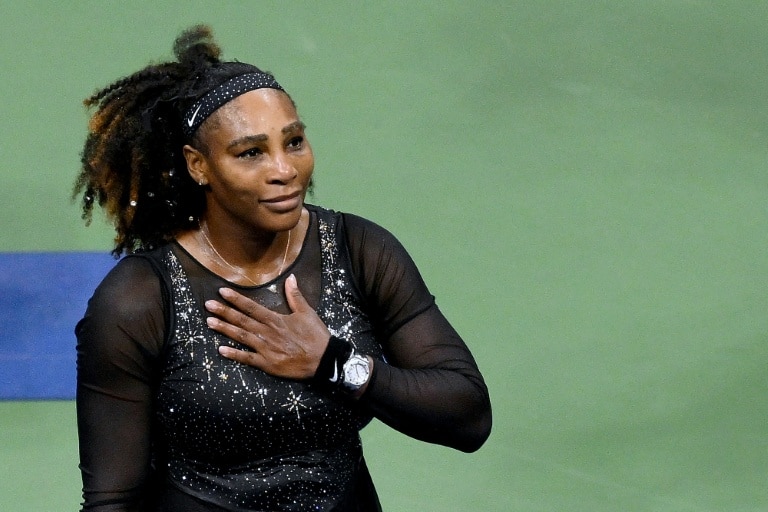
    One of the most decorated athletes in tennis history, Serena Williams, has sent shockwaves through the global tennis community with a long-awaited announcement: she is stepping back into competitive tennis nearly three years after her last professional outing, making her return at the Queen’s Club HSBC Championships later this month in women’s doubles competition. The 44-year-old American icon, who holds 23 Grand Slam singles titles – just one shy of the all-time record held jointly by Margaret Court and Novak Djokovic – has not competed at the top level since her third-round exit at the 2022 US Open, when she signaled she was “evolving away” from the sport rather than formally retiring.

    Williams first teased the news to her millions of fans on social media, posting a clip of herself training on a court with the playful caption “Guess everybody heard the news,” as her phone buzzed nonstop with incoming messages in the background. The 7-time Wimbledon champion followed up with a confirming post, quipping that “Good news travels fast.” In an official statement released through tournament organizers, Williams called Queen’s Club the ideal venue to open this new chapter of her career. “Grass has given me some of the most meaningful moments of my career, and I’m excited to be back competing on one of the sport’s most iconic stages,” she said. The women’s draw of the historic London tournament gets underway on June 8, with Williams granted a wildcard entry into the doubles draw, where she is widely reported to partner 17-year-old rising Canadian star Victoria Mboko.

    Speculation around a potential Williams comeback has been building for months. The first clue emerged back in December, when public records revealed Williams had rejoined the global tennis anti-doping program – a mandatory requirement for any player seeking to return to elite tour competition. Williams initially denied plans for a competitive return, but persistent rumors kept the story alive throughout the first half of 2024. Even men’s tennis great Novak Djokovic tipped off the public about a possible comeback back in March, and the announcement has dominated conversations among players competing at this year’s ongoing French Open in Paris.

    Current and emerging stars of the sport have overwhelmingly welcomed the news of Williams’ return. Former world No. 1 Naomi Osaka, who defeated Williams in the controversial 2018 US Open final to claim her first Grand Slam title, said she is already looking forward to watching the comeback run. “I think it’s good for me. I’ll be very entertained,” Osaka told reporters. American rising star Coco Gauff, who bowed out of the French Open in the third round on Saturday, added that she would jump at the chance to face Williams for the first time in her career, calling the legend an inspiration to a generation of young players.

    WTA Tournament Director and former British tennis pro Laura Robson expressed overwhelming excitement about the landmark comeback, saying “Serena Williams is one of the greatest athletes the world has ever seen, and we’re delighted that she will be making her return to tennis at the LTA’s HSBC Championships.” Robson noted that women’s tennis only returned to Queen’s Club last year after a long absence, making Williams’ participation a historic milestone for the event: “Women’s tennis made a historic return to the Queen’s Club last year and now we have an icon of the game stepping back on to court.”

    Over the course of her legendary career, Williams spent a combined 319 weeks atop the WTA singles world rankings and claimed 73 tour-level singles titles. She also won 14 Grand Slam doubles titles alongside her older sister and long-time doubles partner Venus Williams, who returned to competitive tennis last year after a 16-month break. When Venus announced her own comeback 12 months ago, she said the only thing that could make her return better would be Serena joining her back on tour. That wish is now set to come true at Queen’s Club later this month.

  • Sabalenka to face Osaka, Cobolli into French Open quarters

    Sabalenka to face Osaka, Cobolli into French Open quarters

    The 2025 French Open is set for one of its most anticipated matches in recent years, as two of women’s tennis biggest superstars, Aryna Sabalenka and Naomi Osaka, will face off in the tournament’s first women’s prime-time night match in three years on Monday. The blockbuster round of 16 clash comes as two unexpected underdogs, Italy’s Flavio Cobolli and Russia’s Anna Kalinskaya, have already secured their places in the event’s quarter-finals after dramatic four-set and three-set wins respectively.

    World number one Sabalenka enters the match still chasing her first ever Roland Garros title, still stinging from her heartbreaking three-set defeat to defending champion Coco Gauff in last year’s final. For Osaka, the match marks a career milestone: this is the first time the four-time Grand Slam champion has advanced to the second week of the clay-court major, and the Japanese star has looked far more comfortable on Paris’ red dirt than ever before during her comeback run.

    Monday’s meeting will only be the fourth time the two stars have faced off, and remarkably, every one of their prior matches has come in the round of 16 of elite-level events. Osaka won their first encounter on her way to lifting the 2018 US Open trophy, and the pair did not meet again until this year. Sabalenka has taken both of their 2025 clashes so far: a straight-sets win at Indian Wells, followed by a come-from-behind victory after dropping the opening set at the Madrid Open. The winner of Monday’s match will go on to face either former Australian Open champion Madison Keys or Russia’s rising star Diana Shnaider in the quarter-finals.

    Sabalenka struck a warm tone when speaking about Osaka, who stepped away from the tour in 2023 to welcome her first child. “It’s nice to see her,” Sabalenka told reporters. “She’s a great player, great person. I feel like I really enjoy our battles. It’s high-level matches, and I really enjoy when somebody pushes me to the limit.”

    After returning to the tour, Osaka struggled to recapture her top form initially, but worked her way back to the US Open semi-finals in 2024, her first deep Grand Slam run since she won her second Australian Open title in 2021. Heading into Paris, she set a new goal of proving her ability on slower surface. “I really wanted to make it a goal to do really well on clay and grass,” she said, noting she has never advanced past the third round at Wimbledon. Off the court, Osaka has turned heads in Paris with her eye-catching sequined gold dress, which she has compared to the glowing Eiffel Tower at night, though she hinted she may change her outfit for the prime-time night match.

    The decision to place the clash in the coveted night slot comes after years of criticism of Roland Garros organizers for sidelining women’s matches for prime-time programming. This will mark the first time a women’s match has been scheduled for the primetime night slot since Sabalenka faced Sloane Stephens in the 2024 round of 16. Tournament director Amelie Mauresmo defended the scheduling choice to reporters, saying “I think it was pretty obvious this should be the night’s match.”

    In earlier fourth-round action on Sunday, Kalinskaya pulled off a stunning comeback over 28th seed Anastasia Potapova of Austria, ending Potapova’s run after she had upset defending champion Gauff in the prior round. Potapova twice held a chance to close out the match serving, but could not hold on, falling 6-4, 2-6, 7-6 (10/7). Kalinskaya will next face either the last remaining home hope Diane Parry or Polish qualifier Maja Chwalinska for a place in the semi-finals.

    On the men’s side, Italian 10th seed Cobolli overcame a dramatic late collapse to book his spot in the quarter-finals, beating American qualifier Zachary Svajda 6-2, 6-3, 6-7 (3/7), 7-6 (7/5) on Court Philippe Chatrier. Cobolli held a comfortable 5-1 lead in the fourth set, but suffered a massive nervous wobble that forced the match to a deciding tie-break. He ultimately held on to reach his second ever Grand Slam quarter-final, following his run at Wimbledon last year.

    “The match is never done and today I almost shit in my pants,” a candid Cobolli told reporters after the match. “I’m happy but I’m still nervous.”

    The 24-year-old Italian will next face either fourth-seeded Canadian Felix Auger-Aliassime or Chile’s Alejandro Tabilo for a place in the semi-finals. Auger-Aliassime is now the highest-ranked player remaining in the top half of the men’s draw after world number one Jannik Sinner was upset earlier in the tournament, and Ben Shelton suffered an early exit. The Canadian will aim to reach his first ever French Open quarter-final when he faces Tabilo, who is playing in the round of 16 of a Grand Slam for the first time in his career.

    The remaining fourth-round matches on the men’s side include a clash between former Wimbledon finalist Matteo Berrettini, who is targeting his first Grand Slam quarter-final since 2022, and Sinner’s conqueror Juan Manuel Cerundolo on Court Suzanne Lenglen. Last year’s quarter-finalist Frances Tiafoe will take on another rising Italian star, Matteo Arnaldi, for a place in the final eight.

  • Australia to send more players to England’s PWR

    Australia to send more players to England’s PWR

    As Australia prepares to host the 2029 Women’s Rugby World Cup, national governing body Rugby Australia has launched a strategic partnership with England’s top-flight Premiership Women’s Rugby (PWR), sending elite domestic players to compete in the highly competitive European league to sharpen their competitive edge ahead of the home tournament.

    The initiative marks a deliberate push to lift the Wallaroos, Australia’s senior women’s national side, up the global rankings. Currently sitting ninth in the world ratings, Australia exited the 2025 Rugby World Cup at the quarter-final stage following a lopsided 46-5 defeat to Canada, who went on to reach the tournament final. With 2029’s edition set to be played on Australian soil, Rugby Australia has framed access to PWR’s high-standard competition as a critical stepping stone to reaching its goal of competing deep into the 2029 knockout rounds.

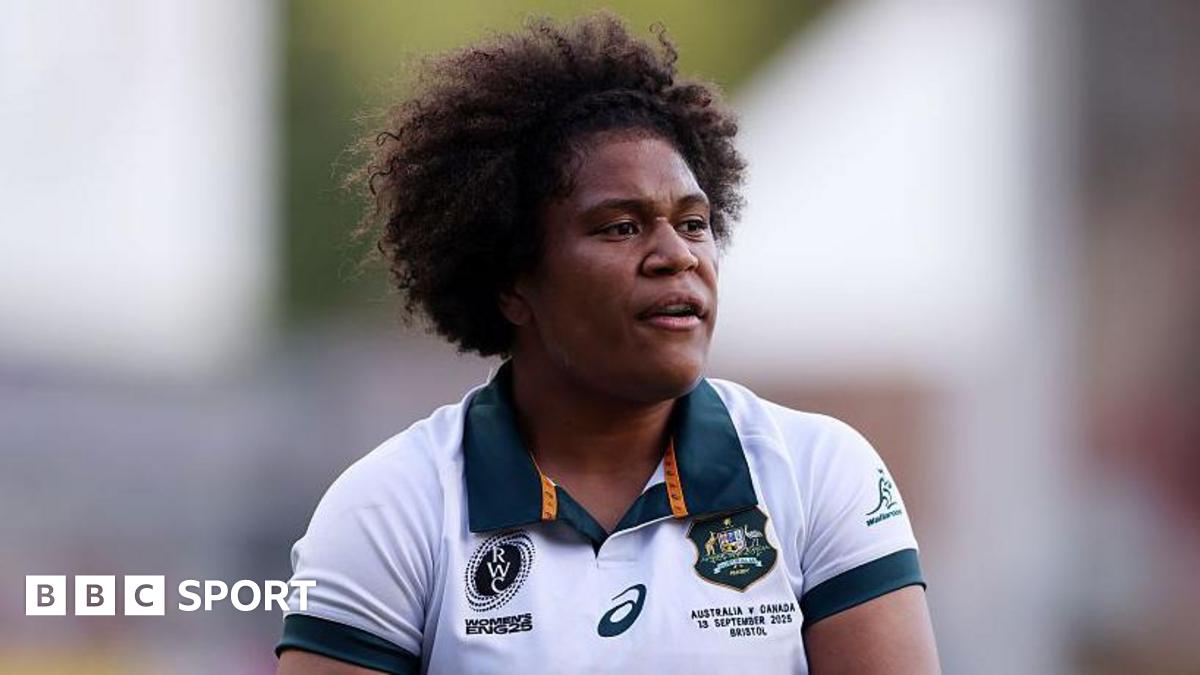
    Tabua Tuinakauvadra, the 23-year-old reigning Wallaroos Player of the Year currently plying her trade with Australia’s ACT Brumbies, is the first player to move under the new partnership. She will join English side Leicester Tigers on a contract that runs through to the end of April 2027, with a pre-agreed arrangement for her to return to Australia annually to compete in the Pacific Four Series international window and the domestic Super Rugby Women competition. Under current PWR scheduling rules, this structure means Australian players will not be available for the closing round of the PWR season or any play-off matches unless the league revises its format in coming years.

    Peter Horne, Rugby Australia’s high performance director, emphasized that the partnership addresses a core development need for the national program. “With a home Rugby World Cup on the horizon, Rugby Australia is committed to exposing the Wallaroos to world-class competition wherever possible,” Horne said. “Gaining consistent match experience in a competition like the PWR will be invaluable for the players’ long-term growth.” Horne’s sentiment has been echoed by several other top rugby nations, which have already established similar pathways for their players to access PWR competition. Wales, Scotland, Canada, and the United States have all moved to send their top international talent to England’s top league in recent years.

    Australia is far from the only nation capitalizing on PWR’s high competitive standard. Following the 2025 Rugby World Cup hosted by England, a large contingent of top players from two-time world champions New Zealand secured PWR contracts after facing limited consistent playing opportunities in their home domestic setup. Ruahei Demant, captain of the world-famous Black Ferns, enjoyed a short-term spell with Bristol Bears Women this season and has already publicly signaled her intention to return to the league in future campaigns.

    The growing influx of elite international talent to the PWR does, however, bring fresh scrutiny to the league’s founding purpose. Initially designed as a development pathway to nurture emerging domestic talent for the England national side, the growing number of overseas recruits has reignited questions around the existing rules requiring PWR sides to field a minimum number of England-qualified players in matchday squads, with observers debating how to balance the benefits of top-tier competition against opportunities for homegrown English prospects.

  • Israel orders strikes on Beirut ahead of UN meeting

    Israel orders strikes on Beirut ahead of UN meeting

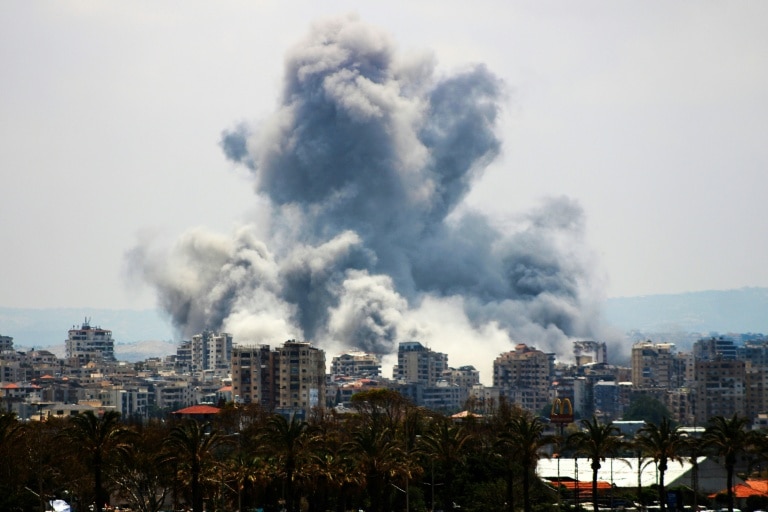
    In a sharp escalation of its two-decade deepest incursion into Lebanon, Israel announced plans Monday to launch new airstrikes on Beirut’s southern suburbs, a Hezbollah stronghold that has largely avoided heavy bombardment since April. The announcement comes just hours before an emergency UN Security Council meeting convened to address Israel’s expanding military operations, and as global powers scramble to prevent a full-scale regional conflict.

    In a joint statement from Prime Minister Benjamin Netanyahu and Defence Minister Israel Katz, the Israeli leadership ordered the Israel Defense Forces (IDF) to target militant positions in Beirut’s densely populated Dahiyeh district. The order frames the operation as a response to repeated ceasefire violations by the Iran-backed militant group Hezbollah, which has launched daily attacks on Israeli territory since a fragile truce took effect in mid-April. “In light of the repeated violations of the ceasefire in Lebanon by the terrorist organisation Hezbollah and the attacks on our cities and citizens, Prime Minister Benjamin Netanyahu and Defence Minister Israel Katz have instructed the IDF to strike terror targets in the Dahiyeh district of Beirut,” the statement read.

    Katz doubled down on the threat in a separate remarks, warning that “there will be no calm in Beirut” if Hezbollah continues its offensive operations. He also formally outlined Israel’s new strategic goal: establishing a military-controlled security zone stretching to the Litani River in southern Lebanon, cleared of all weapons and militant presence. The announcement comes one day after Israeli troops seized the iconic Beaufort Castle (Qalaat al-Chakif), a strategic high point overlooking all of southern Lebanon that served as an Israeli military base during its 22-year occupation of the region ending in 2000. Netanyahu described the capture of the castle as a “dramatic shift” in Israel’s current policy in Lebanon.

    The current cycle of conflict between Israel and Hezbollah erupted on March 2, when Hezbollah launched a massive rocket barrage into Israel in retaliation for the US-Israeli killing of Iran’s supreme military leader. A truce brokered to halt hostilities went into effect on April 17, but the agreement has never been fully respected, with both sides trading daily accusations of breaches that justify renewed attacks.

    By Monday morning, panic had already spread across Beirut’s southern suburbs, with dozens of civilian families fleeing the area ahead of expected strikes. An AFP correspondent on the ground reported seeing families with young children packing only a few bags onto motor scooters to evacuate, while others loaded cars full of belongings to leave the area. “That feeling did not last long… Our fears intensified this morning after I received a series of messages about orders to bomb the southern suburbs, which caused widespread panic, and we immediately left the area,” 24-year-old resident Hadi told AFP by phone. Since April 8, when widespread Israeli strikes across Lebanon killed hundreds of people in minutes, Dahiyeh has only been targeted twice.

    Along with the planned strikes on Beirut, Lebanon’s state-run National News Agency reported Monday that the IDF had issued new evacuation orders for nine towns and villages in Lebanon’s Sidon and Jezzine districts, located far from the Israel-Lebanon border. Hezbollah responded to the escalation by claiming responsibility for a missile attack on Tiberias, a city roughly 19 miles inside Israeli territory, and confirmed it had engaged Israeli ground forces operating inside southern Lebanon.

    The escalating violence has drawn immediate condemnation and urgent diplomatic action. France, which requested the emergency UN Security Council meeting scheduled for later Monday, has already spoken out against the escalation. French President Emmanuel Macron said Sunday that “nothing justifies the major escalation under way in south Lebanon”, while the European Union has called on Israel to immediately “stop its military escalation”.

    Diplomatic efforts to de-escalate are already underway, with the United States brokering a new round of security talks between Israeli and Lebanese military delegations. A fourth round of negotiations is set to open Tuesday, following an initial working meeting in Washington last Friday. A senior anonymous US official told AFP Sunday that Secretary of State Marco Rubio has spoken with both Lebanese President Joseph Aoun and Netanyahu to lay out a US-backed de-escalation framework: Hezbollah must cease all attacks on Israel first, in exchange for Israel backing away from its planned strikes on Beirut. The official added that Rubio has emphasized Hezbollah must take the first step to end hostilities.

    For Iran, which is currently engaged in stalled negotiations with the United States to end their wider ongoing conflict, a ceasefire in Lebanon remains a non-negotiable condition for any final agreement. Iranian foreign ministry spokesman Esmaeil Baqaei reaffirmed this position during a weekly press briefing Monday, stating that “a ceasefire in Lebanon is an essential condition for any deal aimed at ending the war” with the US. Lebanese President Aoun has labeled Israel’s expanding operation as “a vicious and reprehensible Israeli aggression”.

    Official casualty figures underscore the heavy human cost of the three-month conflict: Lebanon’s health ministry reports that more than 3,412 Lebanese people have been killed in Israeli attacks since March 2. Over the same period, 26 people have been killed in Israel – 25 soldiers and one civilian contractor.

  • Russia fired record 8,150 drones at Ukraine in May: AFP analysis

    Russia fired record 8,150 drones at Ukraine in May: AFP analysis

    A new analysis conducted by Agence France-Presse (AFP) using official data from Ukraine’s Air Force has revealed that Russia unleashed a historic barrage of long-range drones on Ukrainian territory in May, hitting a new all-time high for monthly drone strikes amid ongoing escalation of the full-scale invasion.

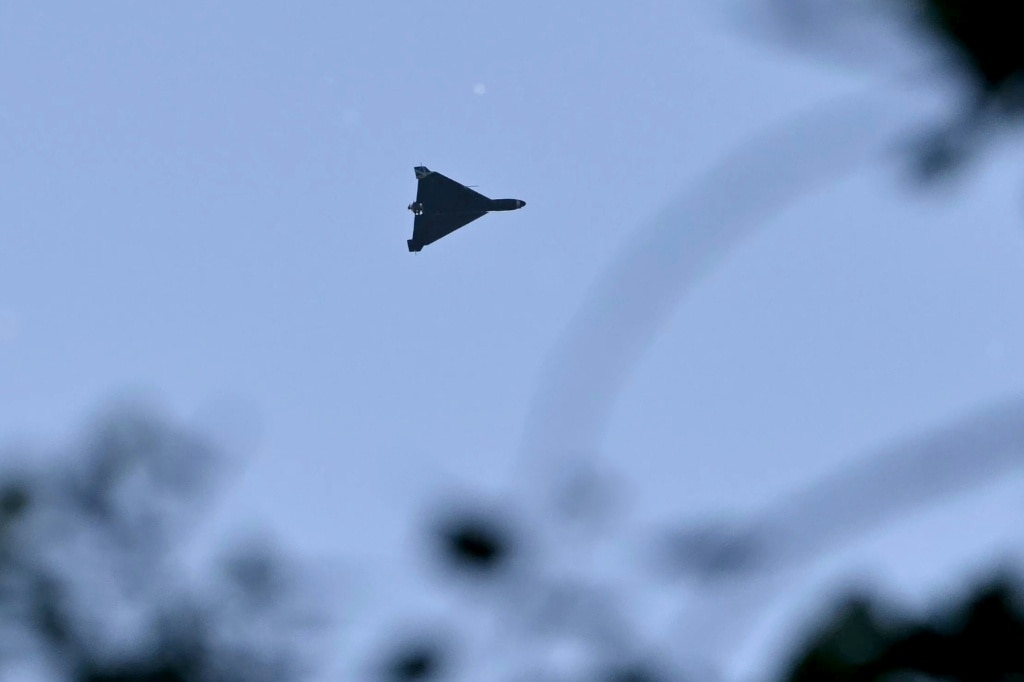
    Compiled from daily operational reports released by Ukraine’s military air branch, the data puts the total number of Russian long-range drones launched in May at 8,150. That marks a 24% increase compared to the total drone count recorded in April, confirming a sharp ramping up of Moscow’s long-range air campaign. In addition to the unprecedented drone volume, Russia also fired 211 missiles across Ukraine last month—one of the highest monthly missile totals registered since the start of the full-scale invasion.

    The escalation of air attacks came shortly after a brief three-day humanitarian truce in April that had briefly raised global hopes for expanded diplomatic negotiations to end the conflict. Those hopes quickly faded, however, as both Kyiv and Moscow traded accusations of truce violations, before both sides resumed and intensified long-range strikes against each other’s territory.

    One of the deadliest single attacks of the month targeted Ukraine’s capital Kyiv, when a Russian missile struck a residential apartment block, leaving the building partially destroyed and killing 24 people alongside multiple injuries. May also saw Moscow deploy its Oreshnik, a nuclear-capable ballistic missile, for only the third time since the full-scale invasion began in 2022.

    Ukraine has built an extensive, multi-layered air defense network across its territory over the course of the war, and official data shows the system successfully intercepted roughly 91% of all incoming Russian drones and missiles launched in May. The high interception rate underscores Ukraine’s progress in developing countermeasures to defeat Russian long-range drone attacks, but military officials warn the country remains critically dependent on military support from Western allies to counter Russian missile strikes.

    Ukrainian authorities have repeatedly sounded the alarm over dwindling stockpiles of ammunition for anti-missile systems, including the U.S.-supplied Patriot air defense systems that form a core part of Kyiv’s frontline air defense. Kyiv has made urgent appeals to Washington for additional ammunition supplies to replenish these shrinking stocks, with Ukrainian President Volodymyr Zelensky directly raising the issue with U.S. President Donald Trump during talks last month.

    The shortfall in air defense ammunition has been worsened by parallel demands from the ongoing conflict in the Middle East, where U.S. allies have expended massive volumes of air defense munitions to protect strategic sites across the Persian Gulf. Diplomatic efforts to resolve the Ukraine conflict have stalled in recent months, as Moscow and Kyiv remain irreconcilable over Russia’s demands to annex large swathes of Ukrainian territory. Trump, who reclaimed the White House in 2024 on a campaign promise to end the Ukraine war quickly, has seen his peace efforts stall amid continued disagreement between the two warring sides. More recently, diplomatic progress has been further derailed as Washington shifted its full foreign policy attention to the U.S.-Israeli military campaign against Iran that began on February 28.

  • France seizes Russia-linked oil tanker with ties to Iranian magnate

    France seizes Russia-linked oil tanker with ties to Iranian magnate

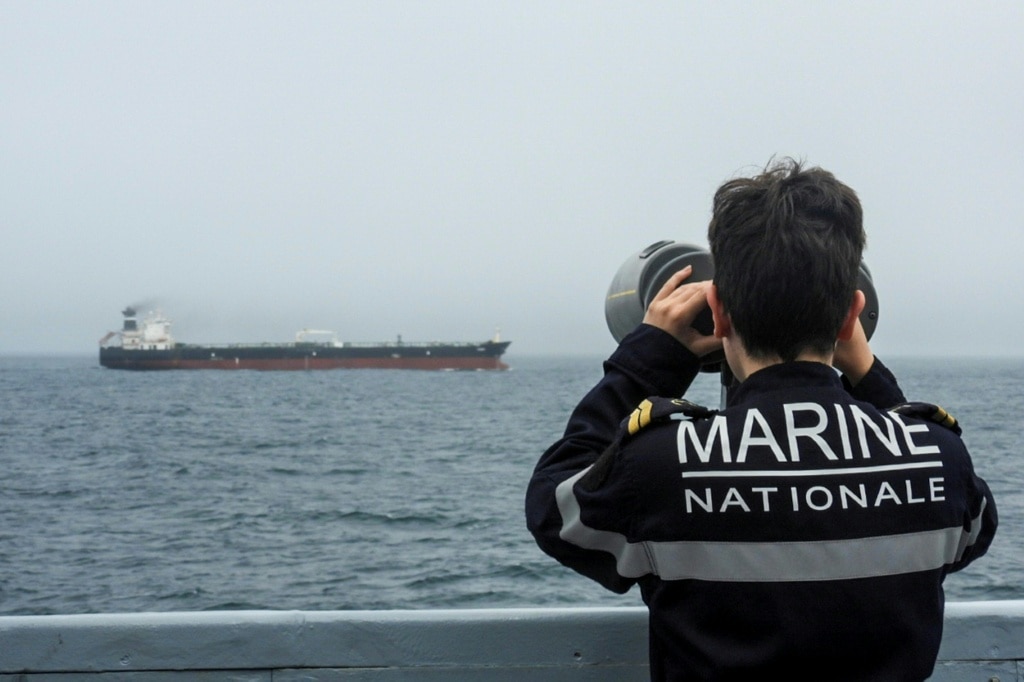
    In a coordinated operation with international partners, French authorities detained a Russia-tied oil tanker suspected of evading Western sanctions over Moscow’s full-scale invasion of Ukraine in the Atlantic Ocean over the weekend, triggering a sharp rebuke from the Kremlin that has labeled the seizure an act of modern piracy. This interception marks the fourth such vessel detained by French forces since September 2024 as part of a broader crackdown on Russia’s shadow fossil fuel fleet, a loose network of unregulated ships used to bypass export restrictions imposed after the 2022 Ukraine invasion.

    The 23-crew vessel, identified as the *Tagor*, was intercepted early Sunday morning more than 400 nautical miles off the coast of Brittany in international waters, after its Russian captain repeatedly ignored orders to stop for inspection, French maritime prosecutors confirmed. The operation received logistical and intelligence support from the United Kingdom and other allied nations, according to official statements. French maritime officials revealed the ship was falsely flying a Cameroonian flag while traveling from Murmansk, a major Russian Arctic port, toward Limbe, a coastal city in Cameroon. A criminal investigation has already been opened by prosecutors in the northwestern French city of Brest, focusing on charges of vessel identity fraud, unregistered flag use, and refusal to comply with maritime law enforcement orders.

    Open-source sanctions tracking database Opensanctions.org has linked the *Tagor* to Mohammad Hossein Shamkhani, an Iranian petroleum shipping magnate and son of prominent Iranian security official Ali Shamkhani, who was killed alongside his son in a US-Israeli airstrike in late February that ignited the latest round of open conflict in the Middle East. French officials declined to comment on the specific connections to Shamkhani when pressed for details.

    Footage of the interception, shared publicly by French President Emmanuel Macron on social media, shows French special operations commandos rappelling from a military helicopter onto the tanker’s deck to seize control. Macron emphasized in a accompanying statement that sanction-busting vessels that violate international maritime law effectively fund Russia’s ongoing war in Ukraine, an outcome the international community cannot accept. “It is unacceptable for ships to circumvent international sanctions, violate the law of the sea, and fund the war that Russia has been waging against Ukraine,” Macron said.

    Following the interception, the *Tagor* is currently being escorted by the French Navy to a designated French anchorage for full documentation and cargo inspections. Guillaume Le Rasle, spokesperson for France’s Atlantic maritime prefecture, told reporters the vessel had been on the international community’s radar for months: “It is a vessel that was known and tracked. It is already subject to EU and U.S. sanctions.” The decision to divert the ship to French waters was finalized Sunday evening, he added, with the primary initial goal of verifying the validity of its registration and flag.

    Shadow fleet vessels routinely engage in a practice called “flag-hopping,” constantly switching their country of registration or using invalid, expired registrations to avoid detection by international sanctions enforcers. Since September, France has detained three other vessels suspected of being part of Russia’s shadow fleet; all three were eventually allowed to resume travel after their owners paid administrative fines. In April, French authorities announced plans to double fines for unflagged or non-compliant sanction-busting ships, as part of a national effort to strengthen enforcement of international sanctions.

    Kremlin spokesperson Dmitry Peskov rejected the French operation as a violation of international law in comments to reporters Monday, saying the seizure amounts to international piracy. “We consider these acts illegal. They border on international piracy,” Peskov said, adding that “Russia is taking measures to ensure the safety of its cargo” moving through global waters. The Russian Embassy in Paris also confirmed it had formally requested information from French authorities about the *Tagor* and its crew, saying no official notification of the interception had been provided by Paris. Prior to the seizure, the *Tagor* had previously flown flags of Madagascar, the Marshall Islands, and Panama, consistent with the flag-hopping behavior common to shadow fleet operations.

    The interception comes as Western nations ramp up pressure on Russia’s shadow fleet of oil tankers. The European Union currently has sanctions in place against nearly 600 ships confirmed or suspected of being part of the network, which Russia uses to sell oil to third-party nations at discounted prices bypassing Western price caps and export bans.

  • Two men charged after teen allegedly bitten during violent Sydney soccer brawl in Revesby

    Two men charged after teen allegedly bitten during violent Sydney soccer brawl in Revesby

    What was supposed to be a routine weekend under-17 boys’ soccer fixture in southwest Sydney turned into uncontrolled violence over the weekend, leaving multiple people injured and two people facing serious criminal charges. The clash unfolded around 3:30 p.m. Saturday at Amour Park, located on Iluka Street in Revesby, between competing sides Revesby Rovers FC and Greenacre Eagles FC.

    According to New South Wales Police accounts, a small on-field disagreement between teenage players rapidly escalated far beyond the pitch, triggering a full-scale pitch invasion that drew more than 30 people—both spectators and players—into a sprawling, chaotic melee. Graphic mobile phone footage captured from the scene shows brawling participants surging across the grass, at one point even catching an innocent bystander walking their dog near the sideline in the middle of the chaos.

    Emergency services were called to the park to respond to the violence, with paramedics treating multiple injured people on scene before transporting two for further hospital care. A 47-year-old man, who suffered minor head wounds in the fight, was taken to Bankstown-Lidcombe Hospital for evaluation and treatment. An 18-year-old man, who was found with a clear bite mark on his back among other injuries, was transferred to Liverpool Hospital to receive care.

    In the hours and days following the incident, officers from the Bankstown Police Area Command launched a full investigation to identify key instigators of the brawl. On Sunday, police arrested a 47-year-old man from Greenacre. He has been formally charged with affray and assault occasioning actual bodily harm, and was granted conditional bail ahead of a scheduled court appearance at Bankstown Local Court on June 25.

    Later the same day, investigators located and took an 18-year-old man into custody, transporting him to Bankstown Police Station for processing. The teen faces serious charges that include affray and possession of a weapon with intent to commit an indictable offence. He was initially refused bail following his arrest, but appeared at Bankstown Local Court on Monday where he was also granted conditional bail, with the same court return date of June 25 set.

    In the wake of the violence, five police officers remained on scene to interview club officials and witness, while a separate senior men’s match scheduled for the park continued in the background. Police confirmed Tuesday that their investigation into the full circumstances of the brawl is still ongoing, and additional charges may be laid as new information comes to light. The incident has renewed calls for greater spectator oversight at junior community sporting events across New South Wales, where violent crowd disturbances at youth matches have become an increasingly concerning issue in recent years.

  • Passengers trapped, explosions break out in train carriage after Melbourne Metro line rocked by overhead power fault

    Passengers trapped, explosions break out in train carriage after Melbourne Metro line rocked by overhead power fault

    A critical infrastructure failure has thrown Melbourne’s suburban rail network into chaos, after an overhead power fault in the North Melbourne area sparked visible explosions aboard a passenger train and left dozens of commuters trapped inside carriages. The incident, first reported early June 1, 2026, has triggered major service disruptions along the Craigieburn line, with delays expected to stretch to as long as one hour for affected travelers.

    User-generated and broadcaster-obtained footage from the scene captured dramatic moments inside the affected carriage: bright sparks flew across the cabin as sudden explosions erupted, prompting passengers to immediately take cover to avoid injury. Images from the scene also confirm the visible electrical activity that terrified commuters on board.

    Officially, Metro Trains Melbourne issued an urgent public alert via its official social media channel, warning passengers of the widespread service disruptions. In the alert, the transit authority confirmed the root cause was an unexpected overhead power fault in the North Melbourne precinct, noting that trains could be held at platforms or stuck between stations for extended periods as response teams work to resolve the issue.

    To minimize further spread of disruption across the city’s network, transit officials have implemented a revised temporary routing for all services. Instead of running through the central City Loop, all affected services will now travel directly between Flinders Street Station and Southern Cross Station. Transport Victoria’s official website also updated its public travel advisory to reflect the major delays, urging commuters to check real-time information displays and listen for on-station announcements, as service adjustments could be made with very little advance notice.

    As of the latest update from news teams on the ground, recovery work is still ongoing, and no further details about passenger injuries or an estimated timeline for full service restoration have been released. This breaking story is still developing, with new updates expected to be published as more information becomes available to reporters.

  • Australian sharemarket finishes flat as technology stocks surge, Middle East tensions weigh on sentiment

    Australian sharemarket finishes flat as technology stocks surge, Middle East tensions weigh on sentiment

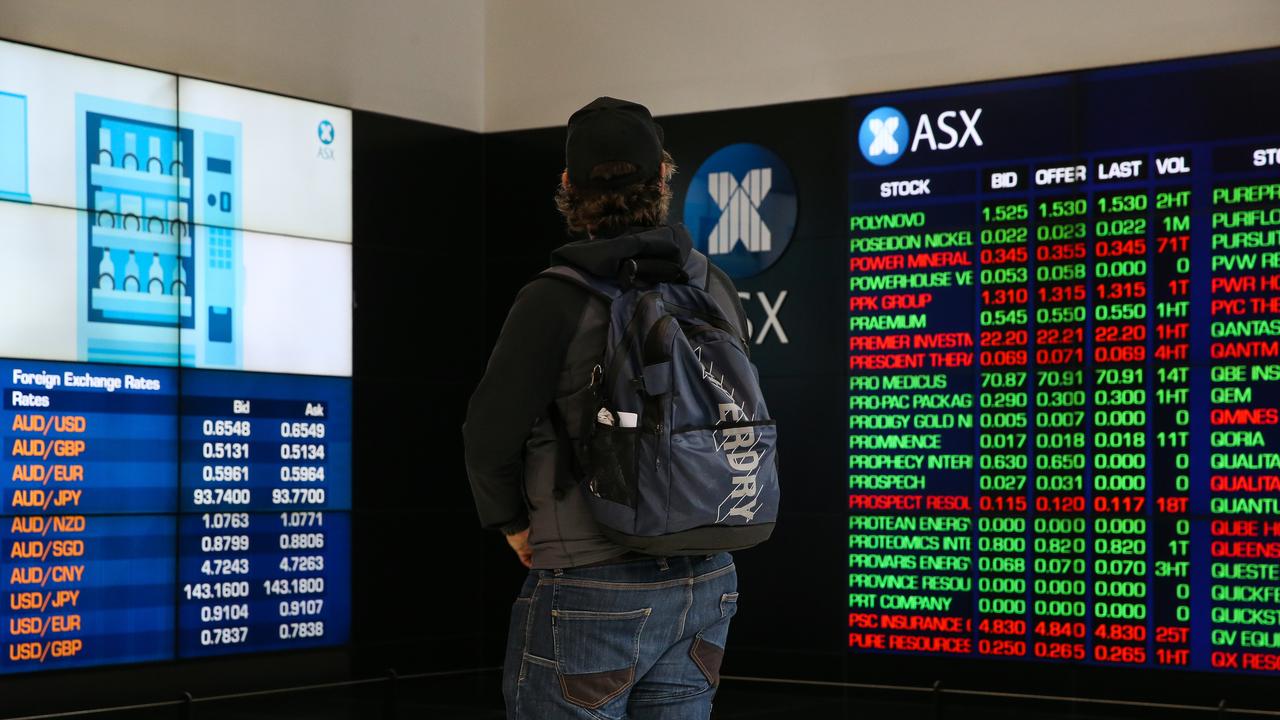
    On Monday, Australia’s domestic sharemarket ended the trading session almost entirely unchanged, as a dramatic rebound in technology stocks offset growing investor jitters stirred by escalating geopolitical friction in the Middle East.

    The country’s benchmark index, the S&P/ASX 200, slipped a marginal 2.3 points to close at 8729.4, giving up only a tiny portion of the prior Friday’s 138-point surge even as global uncertainty amplified. Across the broader market, performance was sharply split: only 3 of the 11 tracked industry sectors finished the day in positive territory. The clear outlier was the information technology sector, which jumped 5.61 percent as investors scrambled to re-enter oversold growth stocks that had seen steep declines in preceding months.

    Multiple major Australian tech firms posted double-digit or near double-digit gains to lead the market upward. Online travel platform SiteMinder led all ASX 200 gainers, climbing 11.7 percent to settle at $3.91. Logistics software leader WiseTech Global rallied 9.1 percent to hit $39.30, while medical imaging tech firm Pro Medicus rose 8.9 percent, cloud accounting platform Xero gained 8 percent, and enterprise software provider Technology One advanced 6.6 percent.

    On the losing side of the ledger, counter-drone technology manufacturer DroneShield dropped 8.6 percent in the wake of a broker downgrade, while sleep healthcare producer ResMed fell 7.5 percent. Property developer Lendlease, neobank Judo Capital and home goods retailer Temple & Webster also closed the session lower. Australia’s big four commercial banks turned in a mixed performance: Westpac added 0.44 percent, National Australia Bank gained 0.35 percent, Commonwealth Bank slipped 0.96 percent, and ANZ held largely steady with a near-zero change. By the end of Monday trading, the Australian dollar was quoted at 72.1 U.S. cents.

    IG market analyst Tony Sycamore explained that the headline flat close hides a far more challenging operating environment for global and domestic investors this week. “We started the week in a cautious mode. There was a very strong rally on Friday … just not able to quite build on that today,” Sycamore noted.

    He pointed to renewed geopolitical instability in the Middle East as the key headwind dampening broad risk appetite. Recent reports indicate U.S. President Donald Trump is pushing for revisions to a proposed regional peace deal, while ongoing active clashes between factions linked to Iran, Israel and Lebanon have lifted global crude oil prices. Brent crude rose roughly 1.8 percent on Monday to reach $93.50 U.S. per barrel.

    Despite this turbulent backdrop, U.S. equity markets have proven largely resilient to the geopolitical and oil price shocks. “You’ve got the Nasdaq up around 0.6 per cent and they just don’t seem to really care that much about what’s going on with the oil market,” Sycamore said. “It will matter at some point, but we’ve been able to see US markets look through that and focus on the AI side of things.”

    The Monday tech rally in Australia marks a continued recovery for a sector that endured a months-long prolonged sell-off, which pulled the segment down more than 50 percent from its earlier peak valuations. Sycamore observed that investors have begun rotating back into the sector after weeks of widespread sell-offs. “It’s got a long way to claw back given that it did fall by over 50 percent,” he said. “But if it keeps going like this each day it’ll certainly make some headway.”

    He framed the solid gains for leading stocks including WiseTech, Xero and SiteMinder as early “green shoots” that signal a potential turnaround for the beleaguered tech sector. Looking ahead, investors are now shifting their focus to key Australian economic data scheduled for release later this week, most notably the country’s third quarter gross domestic product figures.

    Sycamore noted that the upcoming GDP reading will offer a critical snapshot of how the Australian economy was performing before the full impact of recent global volatility and elevated interest rates fully filters through domestic activity. “It is a big week to see how the Australian economy was tracking into these headwinds,” he added.

  • In Finland, radioactive spent nuclear fuel soon to be buried underground

    In Finland, radioactive spent nuclear fuel soon to be buried underground

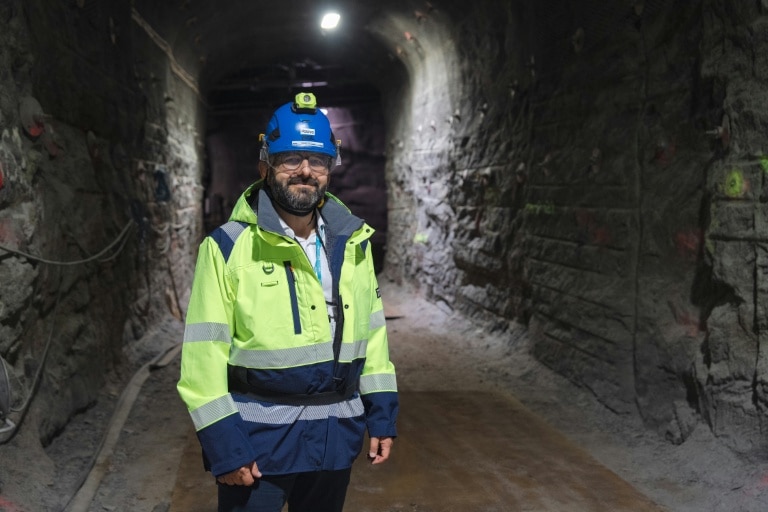
    Deep beneath the Finnish soil, 433 meters below the surface in the southwestern municipality of Eurajoki, a landmark engineering project is nearing its final stages. Carved into 1.9-billion-year-old geologically stable bedrock, Onkalo — Finnish for “cave” — is poised to become the world’s first permanent repository for high-level radioactive spent nuclear fuel, closing a decades-long gap in global nuclear waste management.

    Since the first commercial nuclear power plants launched in the 1950s, governments around the world have grappled with the intractable challenge of what to do with the toxic, long-lived byproducts of nuclear energy generation. To date, the vast majority of global spent nuclear fuel remains in temporary above-ground or shallow storage facilities, a stopgap solution that leaves future generations to bear the risk of contamination. While other nations including neighboring Sweden and France have plans for similar permanent repositories in development, Finland is on track to commission its facility first, breaking new ground for the global nuclear industry.

    The project has cleared most regulatory hurdles already. Finland’s Radiation and Nuclear Safety Authority (STUK) is scheduled to release its final safety assessment this coming June, after which an operating license will be formally granted. Philippe Bordarier, chief executive of Finnish nuclear operator Teollisuuden Voima Oyj (TVO), told reporters the facility is on track to begin operations by the end of 2024, or more likely early 2025. The first canisters of spent fuel, currently cooled in water pools at the nearby Olkiluoto nuclear power plant on the Baltic Sea coast, will be the first to be moved to the permanent underground site.

    Once fully operational, Onkalo will hold a total of 6,500 tons of uranium waste, enough to accommodate all spent fuel produced by Finland’s five existing nuclear reactors, three of which are located at Olkiluoto. Developed by Finnish nuclear waste management firm Posiva, construction began at the site back in 2004, with total projected costs now reaching 1 billion euros ($1.16 billion).

    The facility is designed for millennia-long safety. Fuel will be deposited incrementally in Onkalo’s sprawling network of underground tunnels over the next century, with operations potentially extended if Finland approves and builds new nuclear reactors in the coming decades. After operations conclude, the entire vault will be sealed permanently, engineered to remain secure for at least 100,000 years. “Basically, it needs to be safe forever,” explained Lauri Parviainen, a Posiva chemist leading facility tours for media. Parviainen noted that after 100,000 years of radioactive decay, the waste will drop to roughly the same natural radioactivity level as the original uranium ore from which the fuel was manufactured.

    The multi-layer safety protocol is designed to prevent leakage over that extraordinary timeline. Above ground, spent fuel assemblies are first sealed inside thick, highly corrosion-resistant copper canisters. These canisters are then lowered into individually drilled holes in the tunnel bedrock, and the gaps are filled with dense bentonite clay to block water flow and radiation. Once a 300-meter disposal tunnel is completely filled, it is sealed off with a steel-reinforced concrete plug. “So if the bentonite stays in place, we are safe,” Parviainen said.

    STUK safety experts have run detailed risk assessments modeling potential hazards across up to a million years of future geologic change. Jarkko Kyllonen, a STUK nuclear safety specialist, told AFP that the first 10,000 years are the most critical period for maintaining canister integrity, when radioactivity levels remain highest. Key long-term risks include slow corrosion of the copper canisters and seismic activity associated with future ice ages, which could shift bedrock and damage the sealed containers. To date, however, all risk assessments have returned positive conclusions that the probability of leakage remains well within acceptable safety thresholds.

    Unlike similar projects in other nations that have faced fierce grassroots pushback, the Onkalo facility has enjoyed broad public support in Finland. Local opposition emerged when plans were first floated in the 1970s, but over time public trust in regulatory oversight has grown. “People have gotten used to it and they trust the assessments made by STUK,” said Matti Kojo, a social sciences professor at the University of Lappeenranta (LUT). He added that public support for nuclear power in Finland is currently at a historic high, amid global efforts to transition away from fossil fuels.

    That said, the project is not without its critics. The Finnish Association for Nature Conservation remains publicly opposed, warning that the facility imposes unmanageable long-term risk on future generations. “No one can guarantee the safety of Onkalo for thousands of years,” association director Tapani Veistola said in a statement to AFP.

    The facility comes as Finland actively expands its nuclear energy sector. Under current Finnish law, all nuclear waste produced within the country must be permanently stored on domestic soil — a policy that replaced the pre-1994 practice of exporting spent fuel to Russia. Finland’s current right-wing government has prioritized expanding nuclear generation to boost energy independence and cut carbon emissions, and is currently evaluating proposals for new small modular reactors (SMRs) across the country. Climate and Environment Minister Sari Multala told AFP that a framework for managing spent fuel from future SMRs has not yet been finalized, with an official assessment expected to be completed by March 2025.