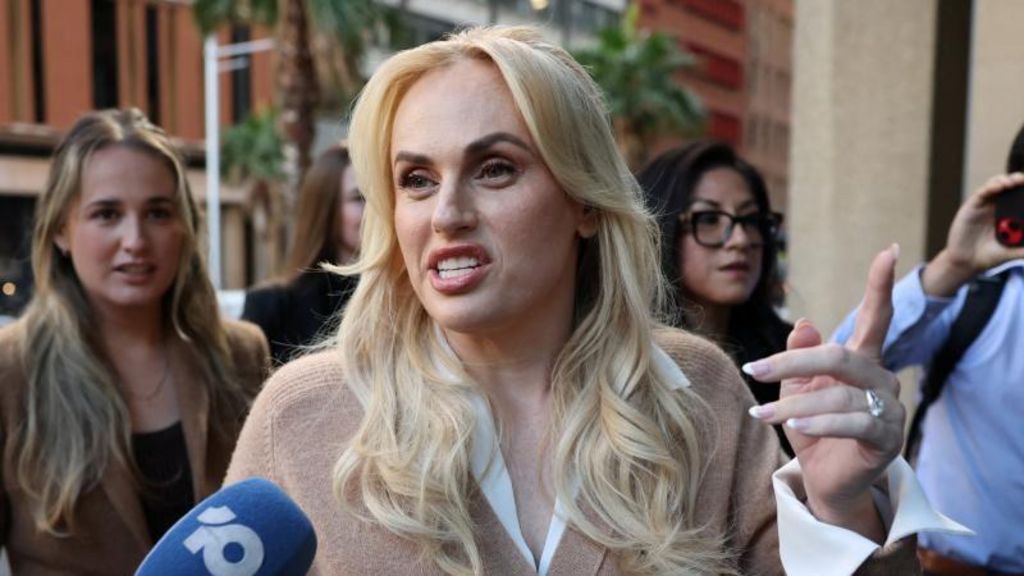
A high-profile defamation case centered on Hollywood star Rebel Wilson has wrapped its closing arguments in an Australian court, with both sides trading starkly conflicting accounts of events that unfolded on Sydney’s Bondi Beach back in 2023. The lawsuit was filed by 2021 Western Australian acting academy graduate Charlotte MacInnes, a rising young performer who landed a lead role in Wilson’s directorial debut feature *The Deb*. MacInnes accuses Wilson of spreading false, reputation-ruining claims about her across two series of Instagram posts in 2024 and 2025, and is now seeking aggravated damages for the alleged harm. At the heart of the legal battle is a specific incident that took place in September 2023, when MacInnes joined *The Deb* producer Amanda Ghost for a daytime swim at the iconic coastal spot. Court testimony confirmed that Ghost suffered a sudden, severe allergic reaction to the cold ocean water, breaking out in painful red welts and experiencing uncontrollable shaking. To help her recover, the pair retreated to Ghost’s nearby luxury rental apartment to warm up. What followed is the subject of intense dispute: MacInnes ran a bath for the ailing producer, stepped into the tub herself to get warm while both women remained in their swimwear, and Ghost joined her shortly after. Ghost’s assistant even brought hot drinks to the pair and sat with them briefly, confirming no inappropriate behavior occurred in the moment, according to the plaintiff’s legal team. In a sworn affidavit, Wilson claimed that the day after the incident, MacInnes approached her saying Ghost had pressured her into joining the bath, which left her feeling sexually uncomfortable. Wilson stated that she was deeply troubled by the account and suspected a sexual advance had taken place. Two days later, Wilson followed up with MacInnes via phone, however a text message Wilson sent to Ghost immediately after that call, which was entered into court evidence, read: “Charlotte says all good. She just meant ‘it was a bizarre situation’ not that she felt personally uncomfortable x.” MacInnes’s legal team, led by senior barrister Sue Chrysanthou, has argued that Wilson’s entire narrative of the incident is a deliberate, malicious falsification. In closing statements, Chrysanthou slammed Wilson’s account as a “complete revision of history” that defies basic logic, pointing out that Ghost was experiencing a medical emergency at the time, making any coordinated sexual advance impossible. She went as far as labeling Wilson a “fantastical liar” who invented the “terrible” claims against MacInnes for personal gain during contract negotiations for *The Deb*, where Wilson was seeking a larger payout from producers. The plaintiff’s team also added accusations that Wilson engaged in a pattern of bullying against female crew and cast members on the set of the film, a claim Wilson has repeatedly dismissed as “absolute nonsense.” An additional allegation claims that Wilson commissioned a smear website to target Ghost, a charge she also firmly denies. On the defense side, Wilson’s lawyer Dauid Sibtain SC pushed back against MacInnes’s claims, arguing that the young actress has altered her account of the incident over time to secure professional benefits from the film’s production team. Sibtain told the court that MacInnes’s career has not suffered any harm from Wilson’s social media posts — in fact, he noted, her career has flourished in the years since the incident, with her landing a major record deal and multiple additional acting roles through connections to Ghost, as he alleged she was promised in exchange for retracting any claims of harassment. The case has now completed three weeks of testimony and closing submissions, with Justice Elizabeth Raper expected to reserve her decision on the case. This is not the only legal trouble Wilson is currently navigating: the actress is already facing two separate lawsuits from *The Deb* producers, including one filed in Australia and another in the United States, both originating from disputes tied to the production of the film.
标签: Oceania
大洋洲
-
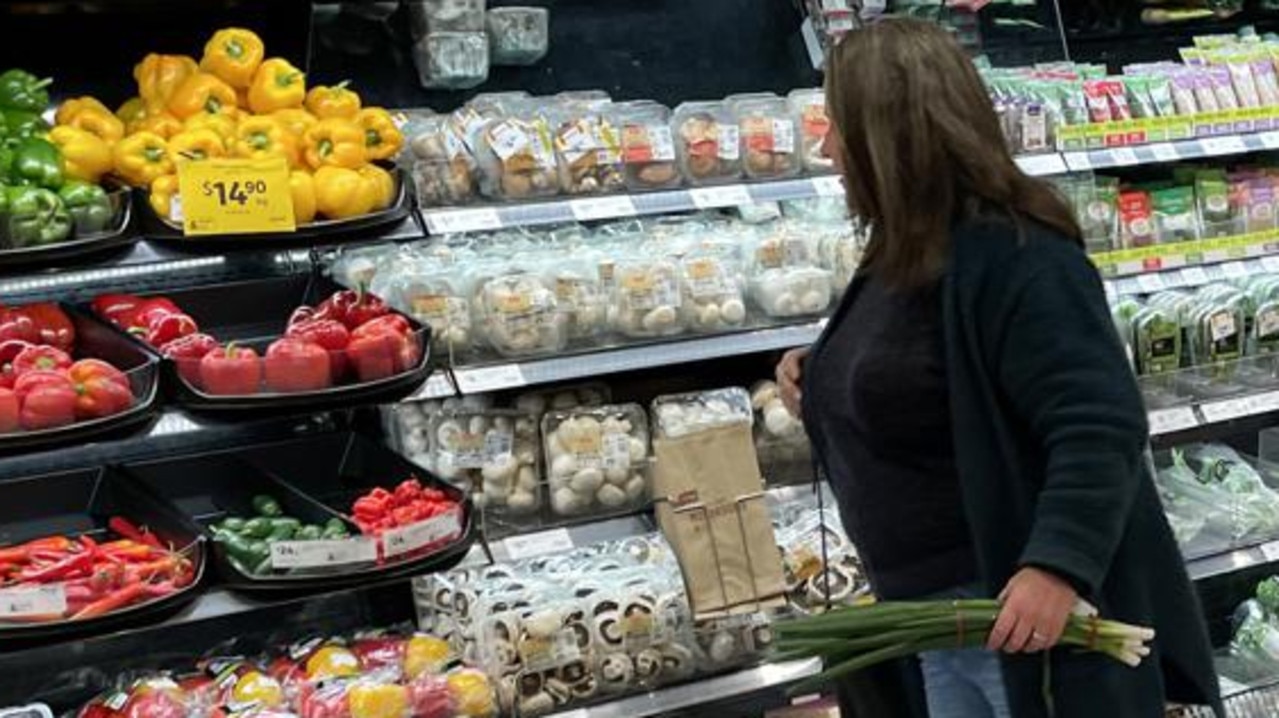
Food industry warns oil crisis will drive up cost of Australian groceries
Australian consumers are bracing for steeper grocery bills, after a confluence of geopolitical tensions in the Middle East, spiking oil prices and global supply chain disruptions has created a ‘perfect storm’ that is raising costs across every segment of the domestic food supply network. In a stark public warning issued this week, the Australian Food and Grocery Council (AFGC) confirmed that the ongoing United States-Iran conflict has created persistent instability in global energy markets, keeping crude oil and fuel prices at elevated levels that have not receded despite widespread market expectations for stabilization.\n\nAFGC chief executive Colm Maguire explained that the ripple effects of the Middle East crisis have touched every node of the food and grocery supply chain, from agricultural production to retail shelves. ‘This is a fundamental shift in the cost of doing business. From the fertilisers used on our farms to the fuel in the trucks that transport goods and the energy powering our factories, every single link in the chain is more expensive,’ Maguire told NewsWire in an interview.\n\nThe industry body, which represents more than 200 food, beverage and grocery manufacturers across Australia, is currently conducting a granular, product-by-product assessment to quantify how the ongoing oil crisis will translate to higher shelf prices for consumers. ‘There is no simple answer to how much prices will rise, it is a very complex scenario,’ Maguire noted. ‘The inputs we are dealing with range from fertiliser and oil through to transport, energy production and plastic packaging costs. We will be facing this elevated cost environment for a considerable period of time.’\n\nUnlike broad-based pricing adjustments that can be rolled out quickly, Maguire said supermarkets cannot simply apply a uniform percentage price hike across all products to offset the oil price shock. Instead, individual producers and suppliers must calculate the unique impact of the crisis on their own operating margins before passing adjusted costs through to retailers and end consumers.\n\nThe sharp rise in fuel costs was triggered in March, when activity through the Strait of Hormuz – the critical global chokepoint through which roughly 20% of the world’s daily crude oil consumption passes – was effectively blocked, creating massive bottlenecks that cut global supply volumes significantly. Before the Middle East conflict escalated in January, benchmark crude traded at approximately $US56 ($A78) per barrel. In the months since, prices have fluctuated between $US100 and $US110 ($A138 to $A152) per barrel, with every $10 per barrel increase translating to an extra 10 cents per litre for Australian motorists and freight operators.\n\nWhile higher transport costs are the most obvious impact for most consumers, Maguire emphasized that the cost pressures extend far beyond moving goods across the country. ‘It is complex even for us. From a consumer perspective or even a leadership perspective, it is hard to understand the sheer number of products and processes that oil and petrochemicals touch,’ he said. ‘Everything from the wrapping that goes around the bread to the bottles that hold milk through to tissue boxes and nappies sees broad impacts. Early on, the focus was all on fuel and petrol prices, but the flow-on effects for oil-dependent packaging – which is incredibly important in the grocery industry – are an inevitable added cost.’\n\nFor months, Australian manufacturers, suppliers and retailers absorbed as much of these increased costs as possible to shield consumers already grappling with a widespread cost-of-living crisis, but Maguire warned that the cumulative pressure has become too great to absorb, meaning price hikes are now unavoidable for consumers.\n\nThe strain is already visible across Australia’s agricultural sector, where producer margins are being stretched to breaking point. A separate new report from Rabobank finds that Australian dairy producers are entering the 2026/27 production season with a ‘limited margin for error’ as compounding input costs continue to squeeze profitability.\n\nRaboResearch senior dairy analyst Michael Harvey said that while seasonal growing conditions have improved across most major dairy regions, these modest gains are not enough to offset the persistent upward pressure on production costs. ‘Pressure is building across the broader value chain,’ Harvey explained. ‘Processors are facing higher packaging costs, driven by a spike in global resin prices directly linked to the global oil supply crisis. At the same time, energy and processing costs have increased, as have distribution costs, reflecting higher energy and freight prices, further adding to the cost of getting products to market.’\n\nDairy producers have already begun implementing price hikes to cope with the rising pressure. In late April, Norco chief executive Michael Hampson confirmed that the farmer-owned dairy cooperative would increase milk prices by five cents per litre to cover elevated freight costs. ‘This increase is expected to add about 30c per week to the average household grocery bill, but it will deliver an additional $1m per month back to struggling farmers,’ Hampson said. The announcement came as industry groups warn that broader milk price surges are on the horizon.\n\nMajor national retailers and processors have already adjusted producer payments in response to the crisis. Woolworths announced it would increase payments to farmers supplying its private-label Farmers Own Brand by 10 cents per litre, supporting around 20 small-scale producers. Lactalis, Australia’s largest dairy company which owns popular brands including Ice, Oak and Pauls, will add an extra five cents per litre to payments for more than 800 farm suppliers starting May 1. The industry peak body Australian Dairy Farmers is calling for a permanent 20% across-the-board increase in milk prices, arguing that after suppliers, retailers and government take their respective cuts, the increase would leave producers with enough additional revenue to cover rising costs.\n\nHarvey confirmed that Australian consumers have already started seeing higher milk prices at the checkout due to these compounding input cost pressures. ‘A renewed cycle of food price inflation, including for dairy, would further test consumer resilience,’ he said. ‘Households are already adjusting their shopping behaviour, increasingly trading down to lower-cost private-label products and prioritizing value over well-known brands.’\n\nHarvey added that price increases beyond the farm gate have left processors with little remaining capacity to absorb additional cost shocks, increasing the risk of broader food inflation that could put upward pressure on interest rates in the coming months.
-
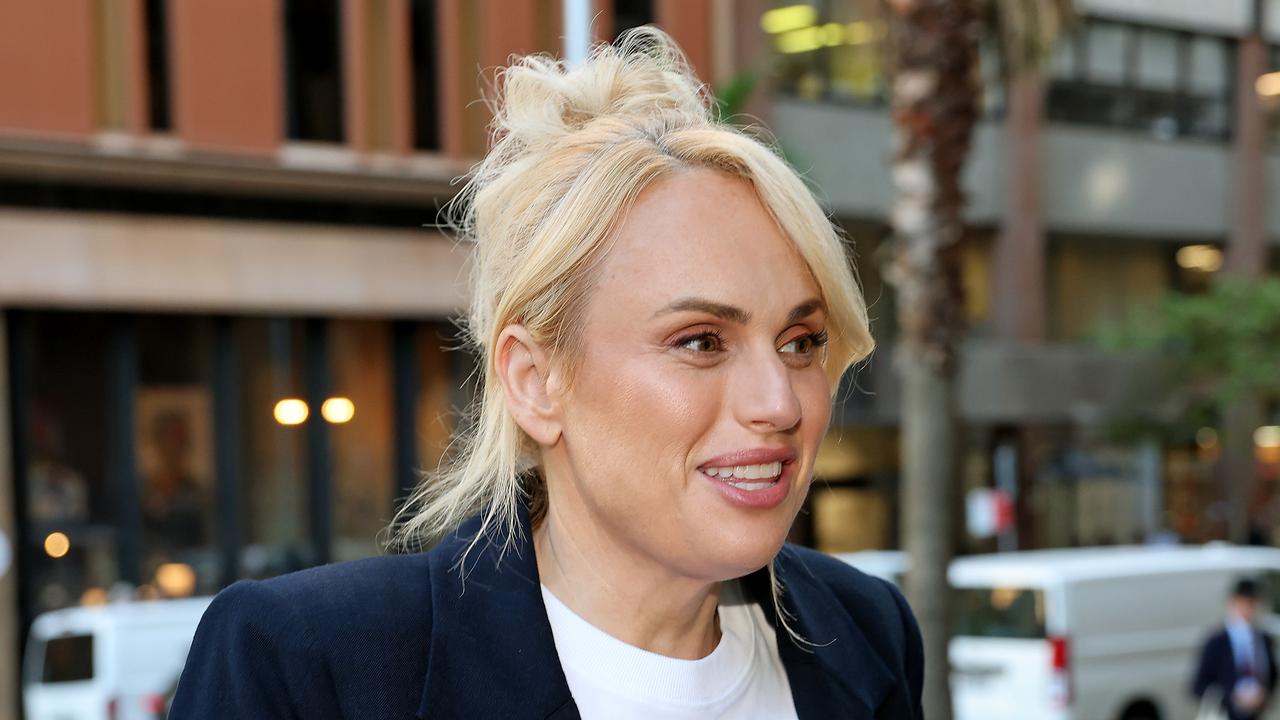
Rebel labelled ‘fantastical liar’ whose own witnesses ‘destroyed’ her credit as her blockbuster defamation trial closes
One of Hollywood’s most high-profile legal disputes, a defamation lawsuit brought by actor Charlotte MacInnes against A-lister Rebel Wilson over claims made during production of Wilson’s directorial debut *The Deb*, has reached its final stage after two weeks of hearings at Sydney’s Federal Court. As Justice Elizabeth Raper prepares to issue a ruling, closing arguments delivered Friday painted sharply conflicting portraits of the two stars at the center of the case.
The dispute traces back to an incident at Bondi Beach in September 2023, when producer Amanda Ghost suffered a sudden medical episode that left her with severe hives and uncontrollable shaking. After the incident, Ghost and MacInnes — Wilson’s co-star in the upcoming musical comedy — took a bath together in swimwear to help ease Ghost’s symptoms.
Wilson has claimed that MacInnes privately told her she felt uncomfortable following the bath, before later retracting the complaint to advance her acting career. In a series of 2024 Instagram posts, Wilson publicly shared these claims, moves Sue Chrysanthou SC, MacInnes’ barrister, described as a public takedown of the young rising actor. MacInnes has repeatedly denied ever raising a complaint of discomfort or misconduct, saying the entire narrative was fabricated by Wilson.
In her closing submissions, Chrysanthou delivered a blistering attack on Wilson’s credibility, arguing that testimony from the Hollywood star’s own witnesses had completely undermined her version of events. “She is a fantastical liar who has made up terrible, terrible allegations against multiple people, and her own witnesses have discredited her,” Chrysanthou told the court. She further argued that any claim of sexualized misconduct was inherently illogical, given the context of the emergency incident: “On the question of inappropriate and sexual behaviour, when one accepts the circumstances of why they were in the bathroom in their swimmers, freezing, one could hardly imagine a less sexy environment for some kind of harassment to occur. Shaking and hives…it’s not exactly an environment where one would accept some kind of sexual approach. It defies logic.”
Chrysanthou highlighted key inconsistencies in Wilson’s testimony, most notably her claim that she reported the alleged complaint to local film producer Greer Simpkin the day after the incident and was instrumental in the decision to move MacInnes out of the shared Bondi penthouse. Simpkin — called as a witness by Wilson’s legal team — testified that she first learned of the incident a full week later, when Ghost approached her to arrange the move, directly contradicting Wilson’s account. Chrysanthou called Simpkin’s testimony “devastating” for Wilson, saying the entire narrative of Wilson taking prompt responsible action as director was a deliberate fabrication, not an innocent mistake. “This is a concoction by Ms Wilson … that she apparently took responsible steps as a director and reported it to the local producer, and then took advice from her to raise it with Ms Ghost. This is not an error, this is a concoction,” she said.
Rebuffing the claim that Simpkin’s testimony destroyed Wilson’s credibility, Dauid Sibtain SC, Wilson’s lawyer, argued the producer did not have a clear, flawless recollection of the timeline of events, and had simply given the best testimony she could offer. Sibtain pushed back against the assertion that Wilson had invented the story, arguing there was no logical motive for his client to disrupt production harmony and create conflict between Ghost and MacInnes. He maintained that Wilson is a “witness of truth” who accurately reported the complaint she received, noting “A senior producer and a junior actor being in a bath together, if anyone heard that and no other facts, one would assume a complaint would be imminent.” He also counterclaimed that MacInnes had given false testimony under oath, pointing to what he described as evasive answers about the professional benefits MacInnes had received through her connection to Ghost.
Chrysanthou rejected the defense’s arguments outright, retorting: “That’s what she does. She is a liar who makes up stories about people, it’s hard to explain why.” She also told the court that the lawsuit had taken a devastating toll on the young actor, who has not received new acting work since the dispute became public and has suffered from severe anxiety that has disrupted her sleep and appetite. “It’s actually beggars belief my friends have suggested that my client is living her dreams,” Chrysanthou said. “No young woman dreams to be pulled into the spotlight by a celebrity…and lied about.”
After closing arguments concluded, Justice Raper reserved her decision, with no timeline for a ruling released as of yet.
-
EU monitor says sea temperatures near all-time highs as El Nino looms
Against a backdrop of accelerating long-term human-caused global warming, the European Union’s official climate monitoring body has warned that global sea surface temperatures are on the cusp of hitting unprecedented all-time highs, as the planet moves toward the formation of a potentially powerful El Nino weather event.
-
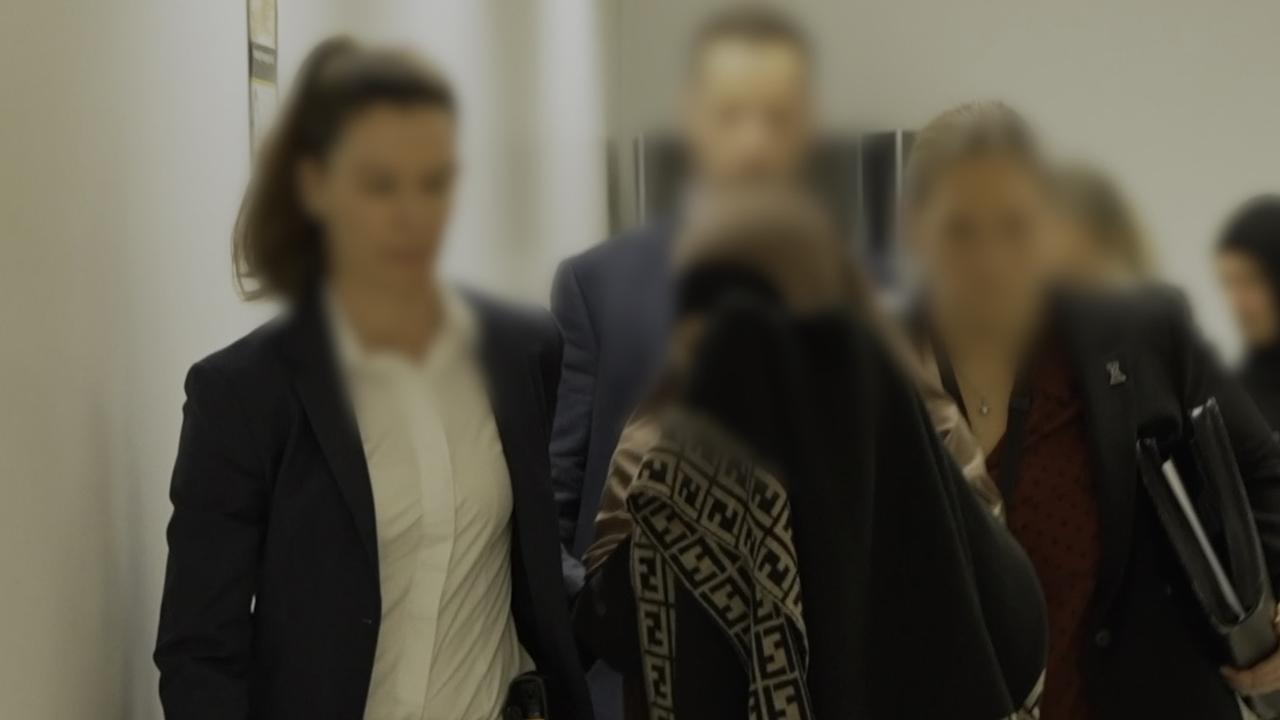
Kawsar Ahmad, Zeinab Ahmad: Women charged after returning from Syrian camp appear in Australian courts
A 53-year-old woman and her 31-year-old daughter made their first court appearance in Melbourne on Friday, just hours after being taken into custody upon their arrival back in Australia from Syria, with legal teams confirming plans to apply for bail for both defendants early next week.
Kawsar Ahmad, who also goes by the name Kawsar Abbas, faces four separate charges linked to crimes against humanity: enslavement, possession of a slave, use of a slave, and participation in slave trafficking. Her daughter Zeinab Ahmad, alternatively recorded as Zeinab Ahmed, faces two counts of enslavement and use of a slave. Every charge carried by the pair carries a maximum 25-year prison sentence if convicted.
The two women were among a group of 13 Australian citizens — four adult women and nine children — repatriated from northern Syria this week, landing on Australian soil on Thursday evening. They were taken into custody by authorities immediately after clearing customs at Melbourne Airport. A third daughter of Kawsar Ahmad, Zahra Ahmad, who is the widow of notorious killed Islamic State recruiter Muhammad Zahab, was allowed to leave the airport without arrest.
Before the pair were taken into custody, chaotic confrontations broke out at the airport between supporters of the repatriated group and members of the media, as supporters escorted the group to a waiting minibus to leave the terminal.
Investigative allegations from Australian police outline that the two women first traveled to Syria with their extended family back in 2014, and had been held by Kurdish-led forces at the Al Roj displacement camp in northern Syria since March 2019. Authorities allege that while the family was living in Syria, they held captive and enslaved multiple Yazidi women, members of an ethnic minority group native to northern Iraq who were targeted by the Islamic State for systematic enslavement and genocide.
When the case was called at Melbourne Magistrates’ Court on Friday morning, the public gallery was filled to capacity with journalists, legal observers, and supporters of the two women. Around 10 additional attendees were forced to stand along the perimeter walls of the gallery due to the lack of available seating. Court observers noted that Kawsar Ahmad scanned the room after taking her place at the defense table, before locking eyes with her group of supporters and smiling. Both women remained in the clothing they wore when they were arrested on Thursday.
Bill Doogue, legal counsel for Kawsar Ahmad, informed the court that the defense would formally submit a bail application on the coming Monday. Minutes later, Maya George, Zeinab Ahmad’s attorney, confirmed her team would also pursue bail for her client in line with the same timeline.
-
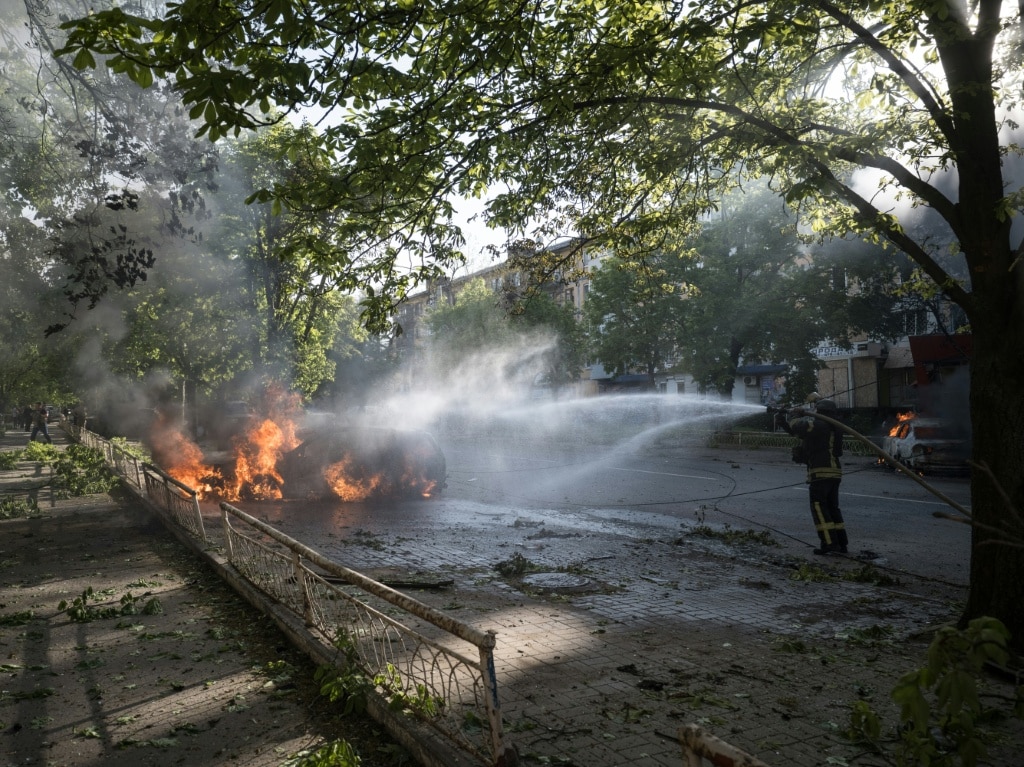
Russia says intercepted drones as its unilateral truce begins
Just hours after Russia launched its unilateral two-day ceasefire to coincide with its annual World War II Victory Day holiday celebrations, Russian authorities announced they had intercepted multiple drones targeting the capital Moscow on Friday, while escalating threats of retaliatory strikes against Kyiv that have drawn sharp international backlash.
The temporary ceasefire has been dismissed by Ukrainian leadership as nothing more than a propaganda tactic designed to secure Russia’s iconic May 9 Red Square military parade – one of the most symbolically charged patriotic events in Russian President Vladimir Putin’s 25-year tenure in power. Putin has anchored much of his political narrative to the memory of the Soviet Union’s victory over Nazi Germany, even invoking that legacy to justify his full-scale invasion of Ukraine in 2022.
In remarks ahead of the ceasefire taking effect, Ukrainian President Volodymyr Zelensky issued a stark warning to allied nations considering sending representatives to attend the Moscow parade. “We have also received messages from some states close to Russia, saying that their representatives plan to be in Moscow… A strange desire… in these days. We do not recommend it,” Zelensky stated. He went on to accuse Russia of seeking a temporary pause in fighting only to protect its ceremonial event before resuming military aggression: “They want from Ukraine a permit to hold their parade so that they can go out onto the square safely for one hour once a year, and then go on killing.”
Zelensky’s own earlier proposal for a reciprocal Ukrainian ceasefire starting May 6 has gone unanswered by the Kremlin. In the final days leading up to the unilateral truce, Russian forces intensified their attacks on Ukrainian positions, with Ukraine launching counterstrikes of its own. On Thursday, Russia’s defense ministry claimed its forces had destroyed nearly 350 Ukrainian drones in overnight operations. Per updates posted by Moscow Mayor Sergei Sobyanin on Russian social platform Max, an additional 20 drones were intercepted in the first two hours after Russia’s ceasefire went into effect.
In the lead-up to the holiday, the Russian defense ministry issued an urgent formal call for Kyiv residents and foreign diplomatic personnel to evacuate the Ukrainian capital, warning of impending retaliatory strikes should Ukraine continue offensive operations during the truce. “We remind the civilian population of Kyiv and staff at foreign diplomatic missions once again of the need to leave the city in good time,” the ministry said, echoing a similar evacuation warning for diplomats issued by the Russian foreign ministry late Wednesday.
International reaction to the Russian threats was swift and critical. The United Kingdom’s foreign office called Moscow’s warnings “unwarranted, irresponsible and completely unjustified,” noting that any attack on foreign diplomatic premises would represent a dangerous new escalation of the ongoing conflict. German Foreign Ministry official Johann Wadephul confirmed to Bloomberg TV that Berlin has no plans to withdraw its embassy staff from Kyiv, while a senior anonymous source close to Zelensky told Agence France-Presse that the Ukrainian president would remain in Kyiv through the weekend.
Under the terms of Russia’s unilateral ceasefire, the defense ministry pledged a “complete” halt to offensive fire along the entire front line and an end to long-range strikes on Ukrainian military infrastructure, while warning that any failure by Ukraine to match the pause would prompt a proportional Russian response. In a reflection of growing security unease ahead of this year’s event, Moscow has announced multiple unusual changes to the annual parade: for the first time in nearly two decades, no heavy military hardware such as tanks and ballistic missiles will be displayed along Red Square, a shift that comes as Ukraine has expanded its long-range drone strike capacity and stepped up attacks on Russian territory far from the front lines in recent weeks.
Attendance from foreign leaders has also plummeted. According to the Kremlin, only the heads of state of Belarus, Malaysia, and Laos will attend the event, alongside leaders of two Russia-backed breakaway Georgian regions that lack United Nations recognition. Moscow has also implemented intermittent city-wide internet shutdowns that will remain in place through Saturday, further signaling heightened security concerns.
The conflict, which has grown into the most devastating armed confrontation in Europe since World War II, remains at a stalemate, with diplomatic negotiations to end the hostilities making little to no progress and largely overshadowed by rising tensions in the Middle East tied to the Iran conflict. Moscow’s core peace demand – that Ukraine withdraw its forces from four eastern and southern regions Russia claims as its own – remains completely unacceptable to the Kyiv government.
-
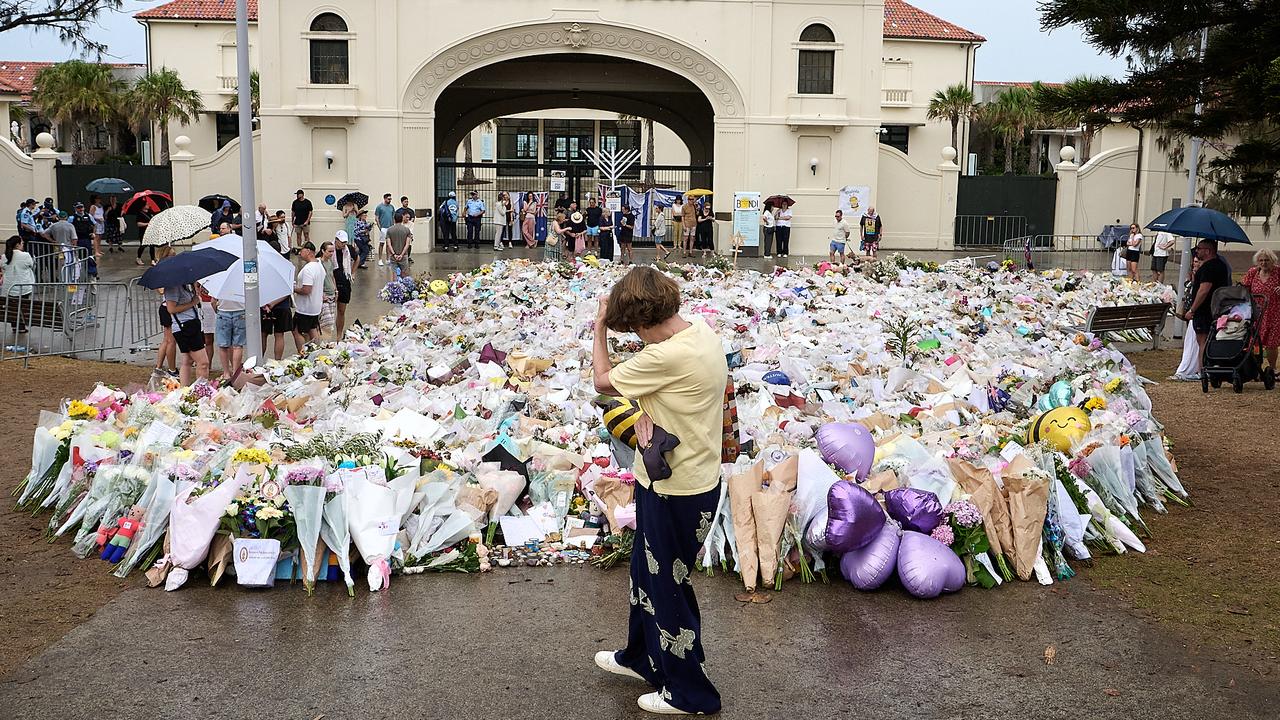
Man tells inquiry he faced more prejudice for converting to Judaism than being gay
On the opening day of Friday’s sitting of Australia’s Royal Commission into Anti-Semitism and Social Cohesion, the first witness to take the stand, a librarian identified only as Benjamin F, delivered a harrowing emotional testimony that laid bare the rising toxicity of anti-Jewish prejudice in the country. Raised in a Christian household, Benjamin shared that he faced surprisingly little hostility when he came out as gay to his loved ones, receiving widespread acceptance and support from friends and family that allowed him to live openly without persistent prejudice. That warm reception stood in stark contrast to the bigotry he encountered after he formally completed his conversion to Judaism in 2022, an experience he described as “horrific” as he choked back tears throughout his address. Benjamin told the commission that converting to his new faith has cost him decades-long close friendships, with many lifelong companions abandoning him entirely after learning of his religious choice. The isolation has left him feeling deeply lonely and adrift, he said, adding that the level of hatred directed at him since his conversion has been far more severe than any bias he faced after coming out. “I feel alone. There’s been times you’ve had life-long friendships that have disintegrated. It’s lonely,” he told the commission through sobs. He also explained that any mention of his Jewish identity or topics related to Judaism inevitably gets tied back to the Israeli-Palestinian conflict by others, regardless of context. Beyond broken social bonds, Benjamin has faced direct verbal slurs and has even had the validity of his religious conversion repeatedly questioned by critics. The most striking moment of his testimony came when he described his experience attending a recent Sydney Mardi Gras parade, where he required police escort for his safety. He told the commission that he felt a genuine, unprecedented fear for his life during the event — a terror he never experienced even as a young gay man coming out in a less accepting era. Benjamin’s testimony marks one of the first firsthand accounts of rising anti-Semitism shared at the royal commission, which was convened to examine the state of religious prejudice and social cohesion across Australia. More witness statements and findings are expected to be released as the commission’s proceedings continue.
-

New York governor orders US immigration agents to unmask
A high-stakes conflict over US immigration enforcement erupted this week after New York Governor Kathy Hochul announced sweeping new restrictions on Immigration and Customs Enforcement (ICE) operations across the state, including an unprecedented order requiring federal agents to stop concealing their identities during raids.
-

AI actors not eligible for Golden Globes, say organizers
Hollywood’s awards season rulebook just got a clear new update on artificial intelligence, with Golden Globe organizers announcing Thursday that performances created entirely or substantially by AI will not be considered for the prestigious annual honors. The policy shift comes just days after the Academy of Motion Picture Arts and Sciences, the governing body behind the Oscars, laid out its own restrictive AI rules for the film industry’s top awards, marking a unified industry stance on the hotly contested technology.
The new Golden Globe guidelines do not implement a blanket ban on all AI use in performances, however. Rulemakers have carved out exceptions for technical and cosmetic AI applications that enhance rather than replace human work. Uses such as AI-powered de-aging, aging effects, or minor visual adjustments to a performer’s on-screen appearance are allowed, as long as the core, underlying performance is delivered by the credited human actor, and AI does not fundamentally replace or alter the human’s creative work. Only submissions where the performance itself is primarily generated or created by artificial intelligence are marked ineligible.
This coordinated move by two of Hollywood’s most prominent awards organizations comes amid years of growing tension around AI in the entertainment sector. The issue was a core bargaining demand during the 2023 Hollywood labor strikes, which shut down most film and television production for months. Both acting and writing guilds argued that unregulated use of AI could displace human workers, erase creative credits, and threaten the long-term livelihoods of industry professionals.
The latest policy changes also follow a high-profile demonstration of AI-generated acting that sparked widespread industry debate. Last year, an AI-recreated version of late Hollywood star Val Kilmer was unveiled at a gathering of cinema chain owners, one year after Kilmer’s death. The digitally de-aged Kilmer appeared in a trailer for the upcoming archaeological action film *As Deep as the Grave*, delivering a full line of dialogue to another character. The project was developed with the full support of Kilmer’s family, who granted creators access to the actor’s extensive personal video archives to recreate his likeness and performance at multiple stages of his life. Even with family approval, the project renewed urgent conversations about how AI should be regulated in professional entertainment and awards recognition.
-
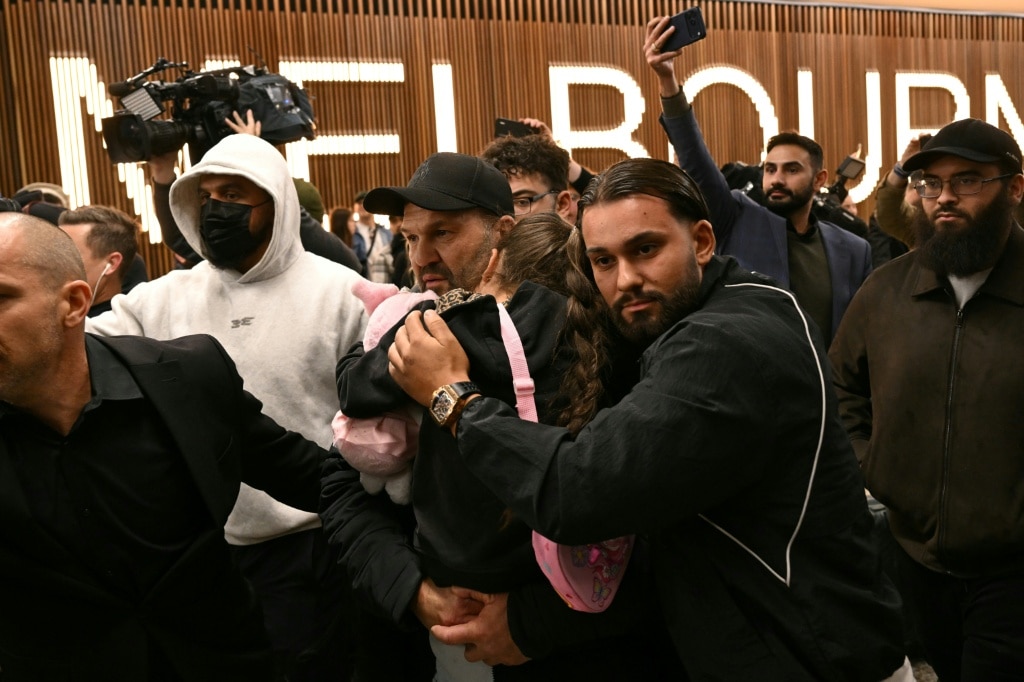
IS-linked Australian women charged with keeping slave in Syria
In a landmark counter-terrorism operation following the long-awaited repatriation of Australian citizens stranded in Syria, three women linked to the Islamic State (IS) terror group have been slapped with severe criminal charges, including allegations of crimes against humanity related to slavery.
Australian Federal Police (AFP) confirmed Friday that two of the women — a 53-year-old mother and her 31-year-old daughter — were taken into custody immediately after their Qatar Airways flight touched down at Melbourne International Airport Thursday evening. This marked the pair’s first return to Australian soil in almost a decade, after they were captured and detained by Kurdish forces in 2019 when IS’s self-declared caliphate collapsed across northern Syria. Before their repatriation, the two were held at the overcrowded, notoriously harsh Roj detention camp, where thousands of people with suspected IS ties are still held.
According to official police statements, the pair traveled to Syria in 2014 specifically to join and support the IS terror organization. The 53-year-old is accused of acting as an accomplice in the purchase of a female enslaved person for $10,000 USD, while her daughter is charged with knowingly holding that same woman as a slave in the IS-controlled household they shared. AFP counter-terrorism chief Stephen Nutt emphasized that the investigation into these grave allegations remains active and ongoing.
A third woman, 32-year-old Janai Safar, was arrested separately after her arrival in Sydney. Safar, who traveled to Syria in 2015 to join her IS fighter husband, faces charges of entering a declared restricted area and becoming a member of a listed terrorist organization. A fourth woman who traveled back with the group was not taken into custody upon arrival. In total, four women and nine accompanying children were on Thursday’s repatriation flight from the Middle East, which transited through Doha before reaching Australia.
The case has reignited long-running national debate over how Australia should handle citizens who left to join IS more than a decade ago. When IS seized large swathes of Syria and Iraq in the early 2010s, Australia criminalized travel to IS strongholds including Syria’s Raqqa province. Hundreds of Western women, many of whom followed partners who joined as jihadist fighters, migrated to the region during IS’s rise, and after the group’s territorial collapse, thousands of these citizens were left stranded in Syrian detention camps.
Countries including Australia, Canada, and the United Kingdom have struggled for years to reach a consensus on how to manage these remaining citizens. In Australia, human rights groups including the Australian Human Rights Commission have repeatedly urged the government to repatriate the roughly 34 women and children still stuck in Roj camp, arguing that stranded civilians, especially children, deserve the right to return home and face due process under Australian law. But critics argue that the women made a deliberate choice to abandon Australia and align with a terrorist organization, and should not be allowed to return, instead being forced to face the consequences of their decisions in the region.
Australian Home Affairs Minister Tony Burke echoed this critical stance following the arrests, saying all four returning women had made “a horrific choice to join a dangerous terrorist organisation”. Thursday’s repatriation is not the first time Australian citizens have returned from Syrian camps: small groups of women and children were repatriated in 2019, 2022, and earlier this year, with many of those returnees facing criminal prosecution upon arrival.