标签: Oceania

大洋洲

  • CNN founder Ted Turner: 20th century media giant

    CNN founder Ted Turner: 20th century media giant

    The world of 20th century media has lost one of its most transformative figures: Ted Turner, the brash, risk-taking visionary who launched the world’s first 24-hour cable news network CNN and reshaped global journalism forever, has died at the age of 87. His death was announced publicly on Wednesday, closing the book on a life that extended far beyond media into sports, high-stakes business, and large-scale philanthropic and environmental action.

    Born Robert Edward “Ted” Turner III in Cincinnati, Ohio in November 1938, Turner’s trajectory into media leadership began under tragic circumstances. After his father died by suicide amid crippling financial stress, a young Turner stepped in to salvage the family’s failing advertising business. He would not stop there: building a portfolio of local radio stations through the 1960s, he made his first foray into television in 1970 with the purchase of a struggling Atlanta-based broadcast station. A decade later, that small station became the cornerstone of his nationwide Turner Broadcasting System, and the profits from the growing network laid the groundwork for the project that would make his name: the launch of CNN in 1980.

    CNN revolutionized news consumption entirely. As the first non-stop 24-hour cable news outlet, it arrived at a moment when American audiences were already shifting from over-the-air broadcast to cable television, and it rose to global prominence during the 1990–1991 Gulf War, when it delivered unprecedented, continuous live coverage of the conflict via cutting-edge satellite technology. CNN’s runaway success sparked a global industry shift, inspiring the launch of competing 24-hour networks from Turner rivals and peers including Rupert Murdoch’s Fox News, MSNBC, and dozens of similar outlets across every continent.

    Turner’s media empire expanded far beyond breaking news. His portfolio grew to include entertainment and sports networks TBS and TNT, classic film outlet Turner Classic Movies, and children’s network Cartoon Network, among other properties. Along the way, he made a series of high-stakes business bets: a 1980s attempt to acquire broadcast giant CBS ended in failure, and he purchased MGM/UA Entertainment Co. studios for a short period before selling the studio back just months later, retaining the rights to most of its iconic film library.

    The 1990s brought the largest deal of Turner’s career: a 1996 merger between Turner Broadcasting and media giant Time Warner that elevated him to the role of vice chairman of the combined entertainment powerhouse. Five years later, internet pioneer AOL acquired Time Warner in a $165 billion deal that remains the largest corporate merger in history. But the combination quickly unraveled as AOL’s business fortunes collapsed, with the deal unwound entirely within a decade. As Time Warner’s largest individual shareholder, Turner lost billions of dollars in the failed combination.

    Beyond boardrooms and newsrooms, Turner was a towering figure in global sports. He purchased the MLB’s Atlanta Braves in 1976, leading the once-struggling franchise to multiple World Series appearances and a championship title in 1995. He also owned the NBA’s Atlanta Hawks and the NHL’s Atlanta Thrashers, with all three teams transferring to Time Warner as part of the 1996 merger; the Braves continued to play at the Turner-named Turner Field until 2016. On the water, Turner skippered the U.S. yacht *Courageous* to victory in the 1977 America’s Cup, and his decades-long rivalry with fellow media titan Rupert Murdoch intensified after a 1983 collision between Murdoch-sponsored and Turner-owned yachts during the Sydney-Hobart race sank Turner’s schooner, leading Turner to famously challenge Murdoch to a public fistfight.

    Against the backdrop of Cold War tensions and tit-for-tat Olympic boycotts between the U.S. and Soviet Union in the 1980s, Turner launched the Goodwill Games, an international multi-sport event designed to ease global tensions; the last Games were held in 2001.

    Turner was also a familiar public figure for his high-profile personal life, most notably his 10-year marriage to Academy Award-winning actress Jane Fonda, his third wife, which ended in divorce in 2001. By his own account, the split was driven by Fonda’s conversion to Christianity, while Fonda countered that Turner required constant, full-time attention that amounted to caregiving rather than a partnership. Turner was named Time Magazine’s Man of the Year in 1991, the same year the pair married.

    In his later life, Turner dedicated himself nearly full-time to philanthropy and environmental conservation after stepping down from his role at Time Warner in 2003. A longtime critic of wealthy individuals who refused to give away their fortunes, he made a landmark $1 billion donation to the United Nations in 1998 to found the UN Foundation, which has since advanced work on climate action, sustainable development, public health, and technological equity. He had already founded the Turner Foundation in 1990, which has disbursed roughly $380 million to support climate action and improvements to global air and water quality. In 1997, he launched the Turner Endangered Species Fund, which partners with private landowners to protect at-risk species from gopher tortoises to monarch butterflies. Most recently, in 2015, he launched Ted Turner Reserves, an eco-tourism venture that gives visitors access to his four New Mexico properties to learn about on-site conservation work.

  • Victorian government overturns World Cup venue ban

    Victorian government overturns World Cup venue ban

    For nearly two decades, Melbourne’s iconic Federation Square has stood as the beating heart of Australian World Cup fandom, drawing thousands of passionate supporters together to cheer on the national team under open skies. But earlier this year, the venue’s manager, Melbourne Arts Precinct, ended that long-running tradition, announcing a full ban on public screenings for the 2026 FIFA World Cup – a decision that has now been reversed by the top level of the Victorian state government.

    The original ban stemmed from repeated incidents of unruly, damaging behavior by a small subset of fans at past major tournament screenings. During Australia’s historic round-of-16 run at the 2022 Qatar World Cup, viral videos of jubilant crowd celebrations hid underlying trouble: multiple people were injured by illegally deployed flares and thrown projectiles. Tensions boiled over again at the 2023 Women’s World Cup, when fans charged barricades during Australia’s semi-final clash with England. The chaos forced organizers to cancel the planned public screening of the Matildas’ third-place playoff match at the venue, leaving thousands of supporters disappointed.

    Citing these past disruptions, Melbourne Arts Precinct CEO and director Katrina Sedgwick announced the full ban in early March, arguing that the behavior of a small minority had been “unacceptable and damaging to Fed Square” and could not be tolerated for the upcoming 2026 tournament. The decision marked the first time in more than 20 years that the venue would not open its big screen to the public for World Cup matches, a tradition stretching back to the Socceroos’ legendary 2006 World Cup campaign.

    But the announcement sparked immediate backlash from Australia’s peak football governing body Football Australia, fan groups, and the general public, who pushed for state leaders to intervene. Football Australia CEO Martin Kugeler argued the ban ran counter to Melbourne’s identity as Australia’s sporting and multicultural capital, pointing to the decades of shared iconic memories created at Federation Square screenings. Patrick Clancy, chair of the Football Supporters Association Australia, added that the viral global reach of 2022 Fed Square celebrations had turned the venue into a global symbol of Australian football passion, and fans were eager to recreate that collective energy for the 2026 tournament. The governing body also noted that a ban would harm local businesses that rely on the influx of tens of thousands of fans for tournament screenings.

    Heeding that call, Victorian Premier Jacinta Allan overturned the ban in an official statement, making clear that she believed the community deserved the chance to gather for free, shared entertainment. “I disagree with that decision – and I am overturning it,” Allan said. “There’s always a risk of bad behaviour from a few at every public gathering, but police and security will be on site, and there’ll be zero tolerance for it. Now more than ever, people deserve more free stuff to do together in the city.”

    The 2026 FIFA World Cup, co-hosted by the United States, Canada, and Mexico, kicks off on June 11, with the final scheduled for July 19. Australia’s national team has been drawn into a group with Turkey, Paraguay, and co-host the United States, and will now have their matches broadcast for free on Federation Square’s big screen for fans across the state to attend.

  • Zelensky says Russia choosing war as dual ceasefires falter

    Zelensky says Russia choosing war as dual ceasefires falter

    As a pair of overlapping ceasefire proposals aimed at pausing hostilities during Russia’s annual May 9 Victory Day celebrations collapsed into renewed bloodshed, Ukrainian President Volodymyr Zelensky has publicly accused Moscow of deliberately choosing war over diplomacy and the protection of civilian life.

    The breakdown of the tentative truce talks has raised urgent fears that Ukraine could launch retaliatory strikes against Russian territory during Saturday’s major Red Square parade, which marks the Soviet Union’s victory over Nazi Germany in World War II. The Kremlin had earlier announced it would pause offensive operations on May 9 in the expectation that Kyiv would match the gesture, but the agreement fell apart before it could take full effect.

    “Russia’s choice is an obvious spurning of a ceasefire and of saving lives,” Zelensky wrote in a social media post Wednesday. He noted that Ukraine had previously committed to matching any Russian ceasefire over the Victory Day weekend, when millions of Russians gather for public commemorations across the country. “It is obvious to any reasonable person that a full-scale war and the daily murdering of people are a bad time for public ‘celebrations,’” he added.

    Hours before Zelensky’s statement, Ukrainian officials confirmed that Russia launched a massive overnight drone assault targeting multiple regions across eastern and southern Ukraine, deploying more than 100 unmanned aerial vehicles. The attack came just one day after a wave of Russian strikes killed nearly 30 Ukrainian civilians across the country. As of Wednesday morning, Kyiv confirmed at least one civilian death from the overnight drone assault, with additional casualties reported after Russian forces hit a kindergarten in the northeastern border region of Sumy, killing the facility’s on-site security guard.

    The chain of collapsed truce efforts began when Moscow first announced a unilateral ceasefire to cover its May 9 Victory Day parade in Red Square, one of the most politically significant events on Russia’s annual calendar for President Vladimir Putin. In response, Zelensky put forward a counter-truce, calling on Russia to halt all offensive operations starting midnight May 6. The Kremlin never publicly confirmed it would abide by Kyiv’s proposal, only repeating its call for Ukraine to pause attacks on May 9.

    Zelensky has already decried what he calls Russia’s “utter cynicism” in calling for a ceasefire solely to protect its holiday celebrations, while continuing to launch deadly strikes on Ukrainian population centers. Frontline Ukrainian commanders confirmed Wednesday that combat intensity has remained unchanged, with Russian forces continuing infantry raids and assault operations against Ukrainian defensive positions across the eastern front.

    “The enemy continued to carry out infantry raids and attempts to storm our positions,” an anonymous Ukrainian officer on the eastern front told Agence France-Presse. Since Russia “did not comply” with the Kyiv-suggested ceasefire, “our unit responded in kind and countered all provocations,” he added. Another frontline commander echoed the assessment, noting that combat intensity has held steady, and his unit is responding to every Russian incursion: “An eye for an eye, a tooth for a tooth!”

    Moscow’s defense ministry reported Wednesday that it had downed 53 Ukrainian drones between 21:00 Tuesday and 07:00 Wednesday GMT, a lower number than recorded in previous days. The ministry did not address whether any of the Ukrainian drone activity occurred after Kyiv’s unilateral truce was supposed to go into effect at midnight Tuesday.

    The escalating exchange of strikes follows a deadly 24-hour period of cross-border attacks. Late Tuesday, Moscow-appointed authorities in Russian-annexed Crimea said a Ukrainian drone strike on the northern part of the peninsula killed five people. The attack came just hours after Russia launched one of the deadliest waves of strikes on Ukrainian cities in weeks, killing at least 28 civilians across the country, including 12 people in a strike on the central city of Zaporizhzhia that Zelensky said had “absolutely no military justification.” Zelensky has since called on Ukraine’s international allies to issue formal condemnation of the Russian attack.

    In recent weeks, both sides have significantly ramped up long-range strikes deep into each other’s territory. On Tuesday, a Ukrainian strike hit Cheboksary, a Volga River city hundreds of kilometers inside Russian territory far from the Ukrainian border, killing two people.

    The rising strike frequency has stoked widespread nervousness across Russia ahead of Saturday’s parade. For the first time in nearly 20 years, Moscow has announced it will remove all heavy military hardware from the Red Square procession, and has implemented intermittent city-wide internet shutdowns that will remain in place through Saturday. Zelensky has framed these moves as a clear sign of Russian weakness, saying “They fear drones may buzz over Red Square.”

    Now in its fifth year, the full-scale Russian invasion of Ukraine has evolved into Europe’s deadliest and largest conflict since World War II, with hundreds of thousands of soldiers and tens of thousands of civilians confirmed killed. Diplomatic efforts to negotiate a end to the war have stalled in recent months, largely sidelined by growing regional tensions tied to the ongoing Iran-Israeli conflict. Moscow has set preconditions for peace that Kyiv deems unacceptable, including a demand that Ukraine withdraw all military forces from four eastern and southern Ukrainian regions that Russia illegally claims as its own territory.

  • Evacuations ‘ongoing’ from hantavirus-hit cruise ship

    Evacuations ‘ongoing’ from hantavirus-hit cruise ship

    A rare, human-transmissible hantavirus outbreak on the Dutch-flagged polar expedition cruise ship MV Hondius has triggered an ongoing international public health response, with evacuations of infected individuals off the vessel underway Wednesday, the World Health Organization (WHO) has confirmed. The ship, which carries 88 passengers and 59 crew members hailing from 23 different nationalities, has remained anchored off the coast of Cape Verde near the capital Praia since Sunday, after Cape Verdean authorities barred it from docking to contain the potential spread of the virus. As of Wednesday, three people believed to be infected — two crew members and one passenger — are being evacuated from the vessel, with all three currently in stable condition, and one showing no symptoms at all, according to Ann Lindstrand, WHO’s representative in Cape Verde. The crisis first emerged on Saturday, when global health officials were alerted that three people linked to the cruise had already died from suspected hantavirus exposure, marking the start of an international health scare that has stretched across four continents. The MV Hondius departed on its polar expedition from Ushuaia, Argentina on April 1, with the first infected person developing symptoms as early as April 6. Investigators are still working to trace the origin of the outbreak on the ship. Health officials have now confirmed the outbreak is caused by the Andes strain of hantavirus, the only known variant of the disease that can spread from person to person. “As we said, we want to repeat again, such transmission is very rare and only happens due to very close contact between people,” South African Health Minister Aaron Motsoaledi told a parliamentary committee Wednesday. This confirmation was echoed by Geneva University Hospital, which added that the Andes strain is responsible for all three recorded deaths linked to the outbreak. Hantavirus is most commonly spread to humans from infected rodents via exposure to their urine, feces, or saliva, and human-to-human transmission has only ever been documented in previous Andes strain outbreaks in South America, where the virus circulates naturally in local animal populations. Concerns of wider community spread grew this week after it emerged that a symptomatic Dutch woman who disembarked from the cruise traveled on a commercial passenger flight to Johannesburg, South Africa, where she died on April 26. The flight, operated by South African carrier Airlink, carried 82 passengers and six crew members, and contact tracing efforts are now active to locate and test all people who shared the flight with the infected traveler. On Wednesday, Swiss health authorities also confirmed that a former passenger from the MV Hondius had been hospitalized with a confirmed hantavirus infection in Zurich. Earlier this week, the cruise line’s Dutch operator, Oceanwide Expeditions, announced that the three evacuated individuals would be airlifted to the Netherlands for treatment, after which the remaining passengers and crew would sail the ship to Spain’s Canary Islands, the closest location with adequate medical and public health facilities to support the response. Spanish health ministry officials confirmed Tuesday that the ship is expected to reach the Canary Islands in three to four days. To date, the WHO has confirmed two cases of hantavirus linked to the ship: the deceased Dutch woman and a British passenger who remains in intensive care in Johannesburg. Five additional suspected cases are still being investigated. Multiple passengers and crew have already entered isolation on board the anchored vessel to prevent further spread of the virus among people on the ship.

  • WA health authorities issue urgent vaccination plea as life-threatening Diphtheria outbreak climbs to 60

    WA health authorities issue urgent vaccination plea as life-threatening Diphtheria outbreak climbs to 60

    A life-threatening bacterial disease that has not been detected in Western Australia for more than half a century is now spreading rapidly across regional parts of the state, pushing case numbers to alarming levels and prompting public health officials to issue an urgent plea for vaccination across all age groups.

    In just five months, WA Health has confirmed 60 new diphtheria cases across the state. The vast majority of these infections have been recorded among Indigenous communities in the Kimberley region, with only a small handful of additional cases detected in the neighboring Pilbara and Goldfields areas. A spokesperson for the department noted that infections have been concentrated mostly among children and young adults, though a small share of cases have affected older age groups.

    Diphtheria is a highly contagious bacterial infection that can cause severe, potentially fatal complications if left untreated. The disease spreads easily through multiple pathways: close contact with respiratory droplets from an infected person, direct contact with open, infected skin lesions, or exposure to contaminated objects such as used bandages and shared personal items like towels. There are two primary forms of the infection: respiratory diphtheria and cutaneous diphtheria.

    Respiratory diphtheria, the more dangerous variant, typically starts with mild, flu-like symptoms including a sore throat, fever, and chills. As the infection progresses, it can develop a thick gray coating at the back of the throat that severely obstructs breathing and swallowing. Cutaneous diphtheria, by contrast, causes slow-healing open sores and ulcers on exposed areas of the body. While this form rarely causes severe systemic illness, health officials emphasize it plays a major role in spreading the bacteria to other people across communities.

    Western Australia’s Chief Health Officer Dr. Clare Huppatz explained that diphtheria had been effectively eliminated in Australia for decades, thanks to widespread routine vaccination programs and improvements in public living conditions. Before this current surge, respiratory diphtheria had not been documented in Western Australia for more than 50 years, and even skin infections had become extremely rare. However, Dr. Huppatz noted that the disease has begun to reemerge across parts of northern Australia in recent years, with the neighboring Northern Territory also declaring a formal diphtheria outbreak in recent weeks.

    The unexpected resurgence of the disease serves as a critical reminder that continued vaccination and booster doses are essential to maintain long-term population immunity, particularly for adolescents and adults, Dr. Huppatz said. Diphtheria vaccines are almost always administered in combination with vaccines for tetanus and pertussis (whooping cough), as part of standard national immunization schedules.

    With cases concentrated in remote and regional communities, public health authorities are particularly focused on reaching people who live, work, or travel through these high-risk areas. Officials stress that all people in these regions should ensure their vaccinations are up to date. For those who have previously completed a primary vaccination course but have not had a booster in more than five years, a top-up dose is recommended — this guidance is especially urgent for Aboriginal and Torres Strait Islander people living in affected regions, as well as local healthcare workers, who face a higher risk of exposure to the bacteria.

    Individuals who are unvaccinated against diphtheria, or who cannot confirm their vaccination status, are advised to contact their general practitioner or local health provider immediately to begin a recommended vaccination series. Officials also issued a direct reminder to parents and caregivers to ensure their children receive all routine childhood diphtheria vaccinations on schedule, including all recommended booster doses, to protect them from infection early in life.

  • $44k fines for dogs left in hot cars in biggest update to NSW animal cruelty laws in 45 years

    $44k fines for dogs left in hot cars in biggest update to NSW animal cruelty laws in 45 years

    New South Wales (NSW), Australia is set to introduce the most sweeping overhaul of its animal cruelty legislation in 45 years, a reform package that introduces steep new penalties for high-risk pet care negligence, bans controversial training equipment, and cracks down on the linked criminal activity of dog fighting.

    The Prevention of Cruelty to Animals (Enforcement and Operational Powers) Bill 2026 will be tabled before the NSW state parliament on Thursday, following years of extensive parliamentary inquiries, public consultation that drew more than 7,000 community submissions, and collaborative negotiations with major animal welfare groups and agricultural stakeholders. If passed, the bill will mark the most significant expansion of animal protection standards in the state since 1981, creating new illegal offences, raising outdated penalties to match modern community expectations, and closing regulatory gaps that have long hampered law enforcement action against animal abusers.

    One of the most high-profile new rules establishes a clear offence for leaving dogs in dangerously overheated environments: it will be illegal to leave a dog confined in a vehicle without sufficient cooling or ventilation for longer than 10 minutes when outdoor temperatures climb above 28 degrees Celsius. The same ban applies to dogs left unsecured on the open tray of a utility vehicle under identical hot conditions. Anyone convicted of this offence will face a maximum fine of AU$44,000, one of the heaviest penalties for this form of animal neglect in the country.

    Additional key animal welfare updates include a full ban on the possession and use of painful prong collars for dog training, and a new mandatory requirement that all sheep undergoing mulesing must receive appropriate pain relief, regardless of the animal’s age. The reforms also grant new operational powers to animal welfare inspectors, allowing them to administer sedation or emergency pain relief to animals experiencing immediate acute suffering, a change designed to prevent unnecessary prolonged pain during intervention operations.

    NSW Agriculture Minister Tara Moriarty explained that the new legislation delivers on a key election commitment made by the state’s Labor government to upgrade outdated animal protection rules. “Over the past three years, our government has pushed forward common-sense animal welfare reforms, from banning commercial puppy farms to increasing core funding for RSPCA NSW and the Animal Welfare League, to barring people convicted of animal cruelty from owning or working with animals,” Moriarty said. “This legislative update continues that work: it strengthens protections for vulnerable animals, closes loopholes that have frustrated enforcement efforts for years, and brings NSW into alignment with other Australian jurisdictions on core animal welfare standards.”

    Moriarty added that the extensive co-design process with all stakeholders has produced a balanced, practical framework that reflects public values. “This broad consultation gives me confidence that the changes we are introducing are practical, enforceable, and aligned with what the community and everyday people want to see for animal welfare in our state,” she said.

    A central focus of the reform package is a major crackdown on illegal dog fighting, an activity that law enforcement has repeatedly linked to broader organised criminal networks. The bill strengthens existing animal fighting offences by explicitly outlawing the manufacture, transportation, and possession of specialized equipment designed for dog fighting. It also expands the scope of prohibited activities to cover training animals for fighting, breeding or selling animals for fighting, and even attending pre-fight preparation events, activities that were previously unregulated under state law. The maximum penalty for dog fighting offences will also be increased, rising to a AU$110,000 fine, two years of imprisonment, or both penalties for convicted offenders.

  • Two teens arrested after Aussie tourist allegedly stabbed and robbed in Thailand

    Two teens arrested after Aussie tourist allegedly stabbed and robbed in Thailand

    A violent criminal incident has shaken one of Thailand’s most popular coastal tourist destinations, leaving an Australian visitor injured and thousands of dollars in stolen cash, with two teenage suspects now facing formal armed robbery charges.

    According to official statements from Pattaya Police and local Thai media, the confrontation unfolded on Monday, when 45-year-old Australian national Alikosh Ghulam invited two people he believed were women back to his hotel room in the city. When Ghulam learned the pair were transgender individuals, a heated argument quickly broke out between the two sides, escalating into a brutal attack.

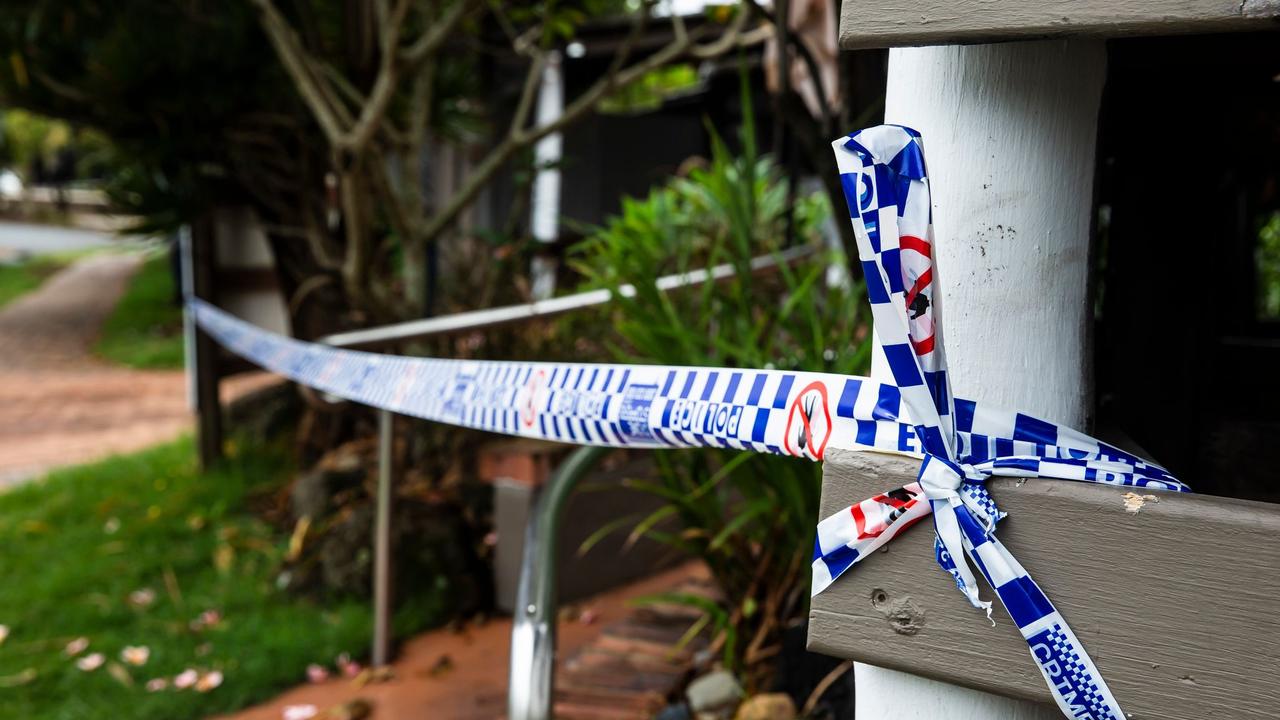
    Witnesses and official accounts confirm one of the suspects forced Ghulam into the hotel’s bathroom before stabbing him in the torso and shoulder with a pair of scissors. The attack left the Australian tourist bleeding heavily and disoriented, before the two offenders fled the scene with approximately $6,000 in cash taken from the victim. After the attack, Ghulam managed to escape and seek emergency medical care for his injuries, then filed an official report with local law enforcement.

    Using security camera footage from the area, investigating officers tracked the two suspects to a high-end condominium located in Pattaya, where they executed an arrest of the two accused, a 16-year-old and a 17-year-old. During the raid on the condominium, police recovered both the scissors used in the attack and the majority of the stolen cash. Law enforcement officials confirmed that both teens have since admitted their involvement in the robbery and stabbing, and have been formally charged with armed robbery.

    In comments following the arrests, Pattaya Police noted that this type of hidden, indoor criminal incident poses a unique challenge to local tourist security. Similar attacks targeting foreign visitors have already harmed Pattaya’s global reputation as a safe, top-tier beach travel destination, officers added, because these crimes take place behind closed doors in private hotel rooms, making proactive prevention far more difficult than street-level crime.

  • Australian sharemarket surges as banks and miners rally on US optimism

    Australian sharemarket surges as banks and miners rally on US optimism

    The Australian equities market has booked its most robust single-day gain since mid-April, fueled by market optimism triggered by new comments from former U.S. President Donald Trump that eased geopolitical tensions in the Middle East. Both the benchmark ASX 200 and the broader All Ordinaries notched double-digit percentage gains, alongside a four-year high for the Australian dollar, as leading banking and mining stocks powered the market uptick.

    On the day, the ASX 200 climbed 112.10 points, a 1.30% jump that closed the index at 8796.60, while the All Ordinaries rose 112.80 points (1.27%) to settle at 9016.10. The Australian dollar also advanced to 72.47 U.S. cents, its highest level in four years. Despite the headline market rally, only five of the ASX’s 11 industry sectors finished the trading day in positive territory, with the country’s largest retail banks and major mining operators leading the upward charge.

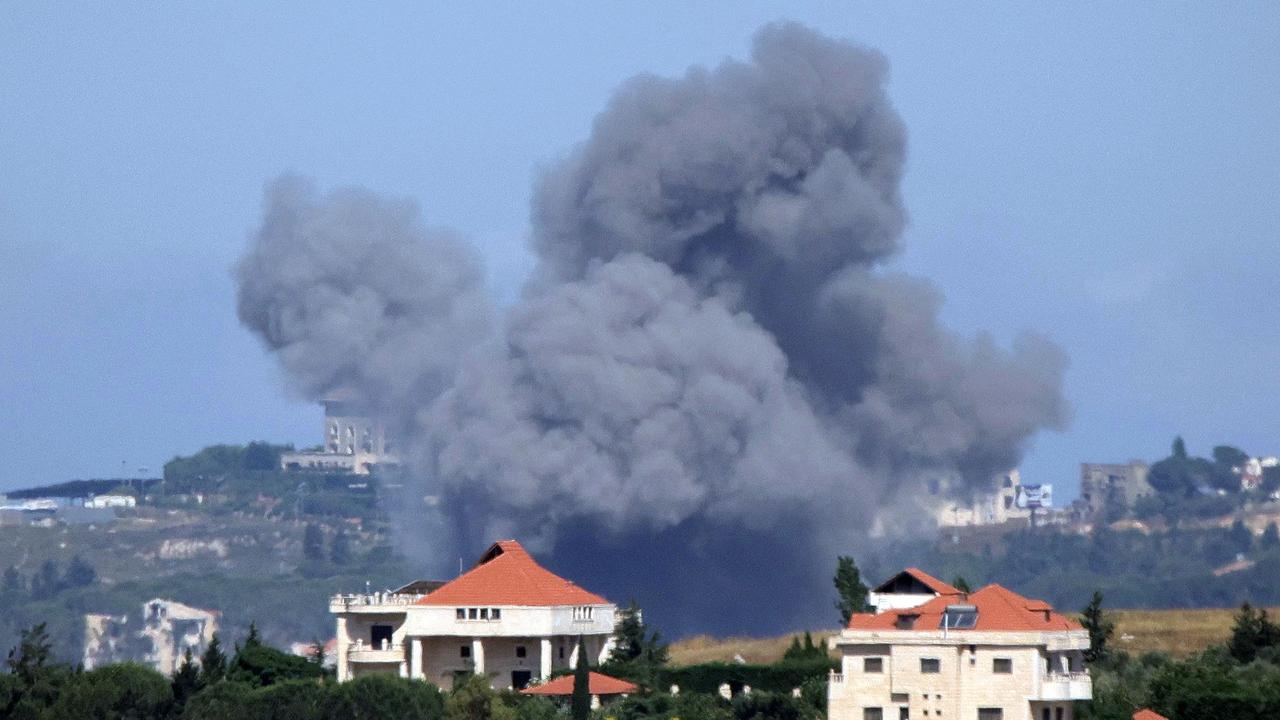
    Market analysts attributed the broad positive momentum to Trump’s announcement that he would pause Operation Freedom, a planned naval blockade of the strategically critical Strait of Hormuz. The waterway is one of the world’s most vital chokepoints for global energy shipments, and a blockade had threatened to disrupt international oil supplies and trigger a major global economic shock.

    “Keeping the Strait open is critical, because a closure would stifle global energy supply and raise the risk of the global economy falling off a steep, damaging supply cliff,” noted Capital.com analyst Tim Rodda. “Still, markets are holding out hope that this worst-case outcome will be avoided — and crucially, that it won’t erode the exceptional corporate profits that have lifted Wall Street to recent record highs.”

    Trump’s comments pulled global oil prices down 2% to $107 U.S. dollars per barrel, a shift that delivered immediate benefits to Australia’s major mining firms, which count energy costs among their largest operating expenses. On the ASX, BHP shares rose 3.05% to close at $56.39, Rio Tinto gained 2.30% to settle at $174.60, and Fortescue Metals added 3.15% to finish at $20.65. The falling oil prices hit Australia’s domestic energy sector, however: Woodside Petroleum shares slumped 2.66% to $31.84, Santos dipped 0.25% to $7.89, and Ampol fell 1.24% to close at $35.02.

    Easing geopolitical tensions also lifted gold prices, which pushed above $4600 U.S. dollars per ounce, according to Vivek Dhar, head of commodities and sustainability at Commonwealth Bank. Dhar explained that gold futures have moved inversely to the intensity of Middle East tensions since the outbreak of regional conflict in late February, a dynamic that may seem counterintuitive to many investors.

    “Gold is widely viewed as a safe-haven asset, so many would expect prices to rise when tensions spike, but the historical correlation between broad market risk and gold prices is actually very weak,” Dhar added.

    Among the country’s major banking stocks, which also posted strong gains, Commonwealth Bank climbed 2.96% to $177.98, Westpac rose 3.48% to $38.94, National Australia Bank gained 2.77% to $40.03, and ANZ rose 3.12% to close at $37.07. Judo Bank also notched a 3.55% gain to $1.46 after the regional lender confirmed it remains on track to hit its full-year pre-tax profit guidance of $180 million to $190 million.

    Not all stocks gained ground on the day, however. Leading consumer electronics retailer JB Hi-Fi saw its shares drop 6.28% to $72.98 after the company warned of significant rising component costs and ongoing stock availability shortages. The firm did report modest comparative sales growth for the March quarter: 4% growth for its core brand, and 2.5% growth for its subsidiary The Good Guys.

    One of the day’s biggest single-stock gains came from infrastructure investor Infratil, whose shares surged 14.95% to $12.07 after the company announced that its 49.8%-owned data center subsidiary CDC had secured Australia’s largest ever data center contract, a 555MW deal that will drive years of future revenue growth.

  • Child protection workers stood down after alleged murder of Australian girl

    Child protection workers stood down after alleged murder of Australian girl

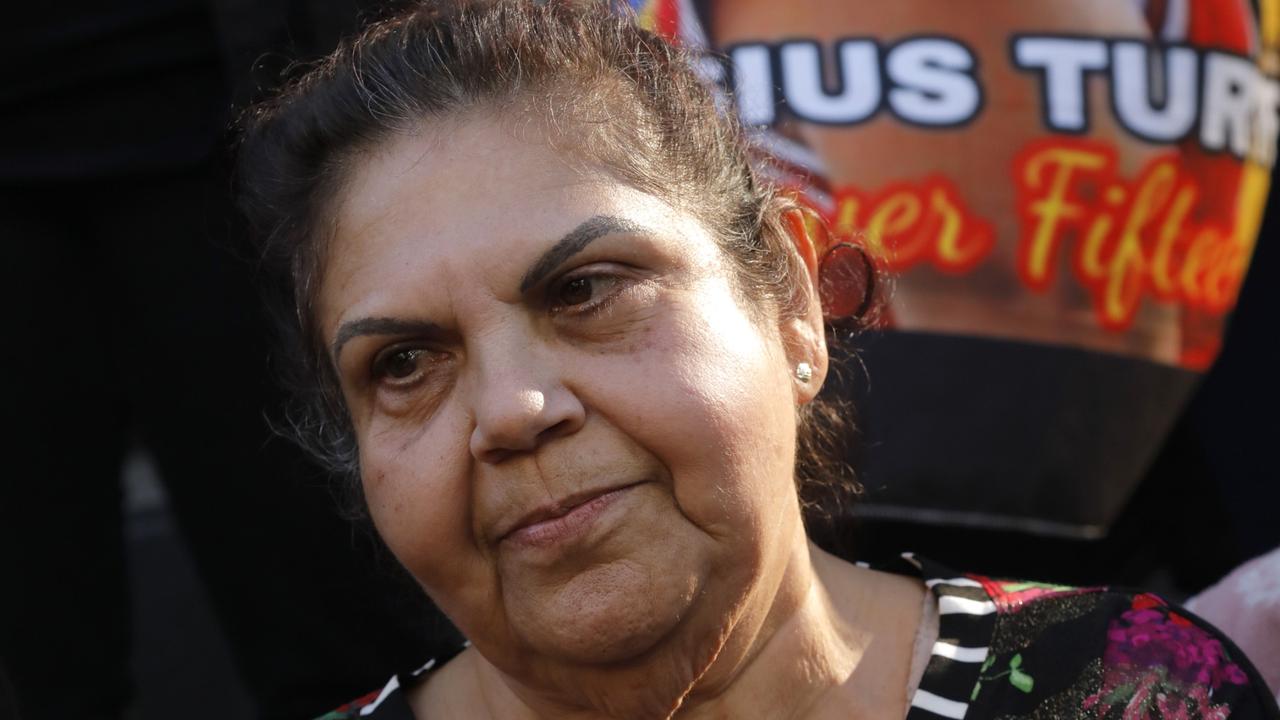
    A devastating tragedy in central Australia has sparked systemic scrutiny of child protection services and widespread community unrest, after a 5-year-old Aboriginal girl, who is publicly identified as Kumanjayi Little Baby out of respect for Indigenous cultural mourning protocols, was allegedly murdered in Australia’s Northern Territory (NT).

    In compliance with longstanding traditions of many Aboriginal and Torres Strait Islander communities, the child’s real name is not being used: cultural norms hold that sharing the name or likeness of a deceased loved one during the mourning period can disturb their spirit, so a pseudonym was adopted with community approval. A warning has also been issued to Indigenous readers noting this story references a person who has recently died.

    Kumanjayi Little Baby, a non-verbal child, was last seen put to bed just before midnight on Anzac Day at Old Timers Camp, a government-managed Aboriginal town camp on the outskirts of Alice Springs that provides accommodation for Indigenous people visiting the regional center. She was reported missing several hours later, triggering a large multi-agency search across the surrounding region. Her body was discovered 5 kilometers from the camp on April 30, five days after she disappeared.

    Police have taken 47-year-old Jefferson Lewis into custody, charging him with murder. Lewis was attacked by community members immediately after his arrest, and was initially treated at an Alice Springs hospital before being transferred to Darwin for his own safety. The arrest sparked violent unrest outside the hospital, with a full riot breaking out that led police to detain five additional people in connection with the violence. In a move to de-escalate tensions, a senior Indigenous elder and family member, Robin Granites, has publicly called for calm, urging the community to prioritize “sorry business” — the traditional collective period of mourning for the deceased.

    In response to mounting anger over systemic failures, NT Child Protection Minister Robyn Cahill ordered an urgent review of the child protection system’s handling of Kumanjayi Little Baby’s case shortly after she was reported missing. Initially, Cahill told media, departmental officials assessed that “it was not a situation of concern,” per reporting from the Australian Broadcasting Corporation. But Cahill pushed for a deeper inquiry to examine how child protection protocols were followed in the lead-up to the child’s disappearance and death.

    “I can’t go into the detail of what was in that brief but suffice it to say that we had to investigate how those processes had been executed,” Cahill told reporters this week. As a result of the preliminary review, three frontline child protection workers have been formally stood down from their active duties. Cahill clarified the decision to suspend the workers was made by the NT child protection department, not ministerial office.

    The suspension came after The Australian newspaper published a report revealing that six separate welfare concerns about Kumanjayi Little Baby had been filed with authorities in the weeks before her murder. The alerts were submitted by a family relative and staff at a local domestic violence shelter, all raising serious red flags about the child’s safety in her living environment.

    Across the country, community-led vigils will be held Thursday evening to honor Kumanjayi Little Baby, with public gatherings open to all attendees planned in Alice Springs and every major Australian capital city, as calls grow for a full independent inquiry into what systemic gaps allowed the tragedy to occur.

  • Reserve Bank interest rate rise sends Australian dollar to four-year high

    Reserve Bank interest rate rise sends Australian dollar to four-year high

    The Australian dollar has surged to a four-year peak against the U.S. dollar, a rally driven by the Reserve Bank of Australia’s recent interest rate increase that has created clear winners and losers across the domestic economy, from cross-border travelers to mortgage-holding households.

    After the RBA implemented a 25-basis point rate hike on Tuesday, pushing the official cash rate to 4.35%, the Australian dollar climbed to its highest level against the greenback since June 2020. As of this reporting, one Australian dollar purchases 72.48 U.S. cents, marking a significant upward shift for the commodity-linked currency.

    Global X investment strategist Billy Leung explained that the Australian dollar’s momentum stems from the country’s unusual position as an outlier in global monetary policy. While most major developed economies have paused rate hikes and begun pricing in future cuts, Australia continues to tighten borrowing costs due to an unresolved inflation crisis that has persisted longer than many policymakers and analysts expected.

    Unlike peer economies that cut rates more aggressively and held them lower for longer in the wake of the COVID-19 pandemic, Australia now faces persistent domestic inflation pressures that have forced the central bank to act even as global inflation cools. The RBA could not look past the oil price volatility triggered by escalating tensions between the U.S., Israel, and Iran, which have pushed crude prices above $110 a barrel and added to existing inflationary headwinds.

    Current economic data backs the RBA’s hawkish stance: trimmed mean inflation is projected to rise back to 3.8% by June, real household spending grew 0.7% in the first quarter, and the national labor market has remained unexpectedly resilient. Tuesday’s rate increase marked the third consecutive hike in the RBA’s current tightening cycle, and opinion among economic experts remains divided on whether additional rate increases will be needed to bring inflation under control.

    The RBA board’s vote on the hike reflected that division: eight of nine members supported lifting the cash rate, while one member advocated for holding rates steady at the previous 4.10% level. In a post-meeting statement, the board emphasized that inflation at 4.6% remains far above the central bank’s 2-3% target range, and left the door open for future policy tightening. The board added that it will closely monitor incoming economic data and shifting global economic conditions to guide future decisions.

    “Having raised the cash rate three times, monetary policy is well placed to respond to developments and the board is focused on its mandate to deliver price stability and full employment,” the statement read. “It will do what it considers necessary to achieve that outcome.”

    Leung added that another key factor driving the Australian dollar’s rally is the eroding yield advantage of the U.S. dollar. With the U.S. Federal Reserve holding rates steady and market expectations building for upcoming rate cuts, global investors searching for higher yield have increasingly turned to the few developed markets like Australia that are still offering attractive carry returns.

    When combined with elevated global oil prices driven by Middle East tensions, the conditions for a rally by Australia’s commodity-linked currency, backed by a hawkish central bank, are nearly ideal, Leung noted. He also clarified a common misperception about the rally: the Australian dollar’s gain is not a sign of exceptional strength in the domestic Australian economy.

    “The Aussie is not rallying because the domestic economy is booming,” Leung said. “It is rallying because the inflation problem most of the developed world believes has been dealt with remains very much alive in Australia, and the RBA has chosen to confront it directly.”

    For consumers, the stronger dollar delivers immediate benefits for two key groups: Australians planning overseas travel, who will see their buying power increase when exchanging currency, and domestic importers, who will pay less for goods sourced from overseas. The flip side of the rate hike that drove the rally, however, is higher monthly mortgage repayments for millions of Australian households, adding to ongoing cost-of-living pressures across the country.