标签: North America

北美洲

  • Two pilots dead after plane and ground vehicle collide at New York’s LaGuardia Airport

    Two pilots dead after plane and ground vehicle collide at New York’s LaGuardia Airport

    A catastrophic collision between an Air Canada regional jet and a firefighting vehicle has resulted in a multi-fatality incident and massive disruptions at New York’s LaGuardia Airport. The tragic accident, which occurred on Monday, claimed the lives of two pilots and sent dozens to hospital, prompting a full-scale investigation by federal authorities.

    According to Port Authority Executive Director Kathryn Garcia, the aircraft—a CRJ 900 operated by Jazz Aviation—had just landed from Montreal with 72 passengers and four crew members onboard when it struck the Port Authority fire truck. The emergency vehicle was responding to a separate incident involving a United Airlines flight that had reported an odor-related issue.

    Tragically, both pilots aboard the Air Canada flight perished in the collision. Forty-one individuals were transported to area hospitals, with thirty-two subsequently discharged. Several passengers sustained serious injuries, while the Port Authority sergeant and police officer inside the fire apparatus were hospitalized in stable condition with non-life-threatening injuries.

    Visual evidence circulating on social media platforms depicted the severely damaged aircraft with its nose section visibly upturned, coming to rest on the airport surface. The impact caused significant damage to the regional jet, though all occupants have been accounted for.

    In response to the emergency, LaGuardia Airport authorities immediately activated emergency protocols and closed the facility indefinitely. All arrivals and departures were canceled or delayed, affecting hundreds of flights across multiple carriers including American Airlines, Delta Air Lines, Southwest Airlines, and United Airlines.

    Transportation officials announced the airport would remain shuttered until at least 2:00 PM local time (18:00 GMT) Monday, while ground access routes were similarly restricted. The National Transportation Safety Board has launched a comprehensive investigation into the circumstances surrounding the collision.

    New York City Mayor Zohran Mamdani characterized the event as a ‘tragic collision’ and praised the swift response of emergency personnel whose actions undoubtedly saved lives. Confused passengers were seen throughout Terminal B—where Air Canada operates—huddled on benches or sleeping on floors as they attempted to rearrange travel plans amid the widespread cancellations.

  • Ties that bind

    Ties that bind

    In the expansive floodplains of Brazil’s Solimoes River, the upper reaches of the Amazon basin, an ancient economic practice is gaining modern global significance. Local communities are meticulously harvesting and processing malva fiber—a natural textile resource—creating sustainable economic opportunities while preserving traditional knowledge.

    The production process reveals both ecological harmony and economic potential. Under the intense Amazon sun, harvested malva stalks are arranged in precise rows across forest clearings, their pale hues creating a striking visual contrast against the lush green canopy. This natural drying technique, perfected through generations, transforms the raw vegetation into durable fiber ready for market.

    This traditional industry has evolved into a vital economic bridge connecting remote Amazonian communities with international markets. The natural fibers, prized for their sustainability and quality, are increasingly sought by global manufacturers seeking eco-friendly alternatives to synthetic materials. The trade represents more than mere commerce—it embodies a sustainable development model that simultaneously supports local livelihoods and forest conservation.

    Recent photographic documentation from the Sao Sebastiao riverine community in Manacapuru captures the seamless integration of this industry with Amazonian life. Images show local harvesters navigating waterways abundant with giant water lily plants while transporting their valuable natural cargo, demonstrating how traditional practices coexist with the region’s unique ecosystem.

    The malva trade has emerged as an economic lifeline for riverside communities, providing stable income while encouraging forest preservation. Unlike extractive industries that damage rainforest ecosystems, fiber harvesting represents a renewable economic model that aligns economic interests with environmental stewardship. This balance between utilization and conservation offers a template for sustainable development in biologically sensitive regions worldwide.

    International market demand for sustainable natural materials has transformed this traditional practice into a commercially viable industry with global reach. The fibers eventually reach international supply chains, connecting Amazonian harvesters with conscious consumers worldwide who prioritize environmentally responsible products. This economic linkage demonstrates how localized traditional knowledge can find relevance in contemporary global markets while maintaining ecological integrity.

  • US Senate advances DHS secretary nomination in procedural vote

    US Senate advances DHS secretary nomination in procedural vote

    WASHINGTON – The U.S. Senate has taken a decisive step toward confirming Senator Markwayne Mullin as the next Secretary of Homeland Security, advancing his nomination through a key procedural vote on Sunday. The chamber approved the motion by a margin of 54 to 37, setting the stage for a final confirmation vote expected within days.

    The nomination marks the first cabinet-level personnel change during President Donald Trump’s second term, following the announced replacement of current DHS Secretary Kristi Noem. Trump initially revealed his selection through a Truth Social post on March 5, describing Mullin as a ‘Highly Respected United States Senator from the Great State of Oklahoma’ who would assume the role effective March 31, 2026.

    Mullin, 48, brings extensive legislative experience to the position, having served in the Senate since 2023 after completing a decade in the House of Representatives representing Oklahoma. His nomination emerges against a backdrop of bipartisan dissatisfaction with Secretary Noem’s leadership, particularly regarding her handling of several high-profile issues.

    Noem faced mounting criticism from both sides of the political aisle following controversial incidents under her watch, including the fatal shooting of two U.S. citizens by federal law enforcement officers in Minneapolis. Additionally, her performance during recent congressional hearings reportedly drew particular displeasure from the White House.

    According to previous reporting by The Wall Street Journal, Noem had already strained her relationship with the administration months earlier by allocating $200 million for an advertising campaign featuring herself urging undocumented immigrants to self-deport. The self-promotional nature of these advertisements was noted as a persistent source of irritation for the president.

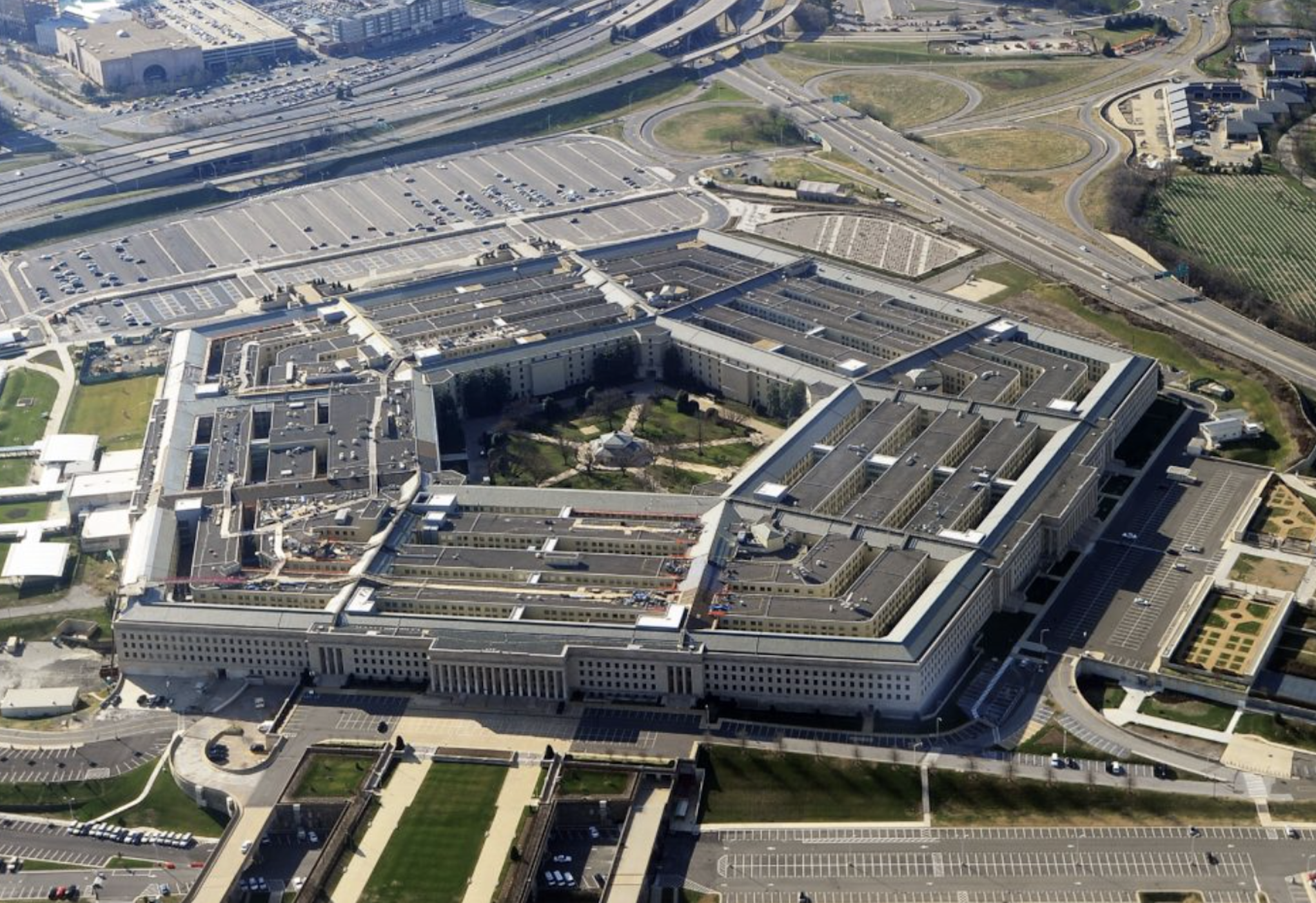
    The Department of Homeland Security now stands at a transition point, with Mullin poised to take leadership of the critical agency responsible for border security, immigration enforcement, and counterterrorism operations across the nation.

  • The cutthroat battle for the US weight-loss drug market

    The cutthroat battle for the US weight-loss drug market

    The American pharmaceutical market is witnessing an unprecedented price competition in the weight-loss medication sector, creating both opportunities and challenges for patients seeking treatment. The landscape has evolved dramatically since Eli Lilly’s Zepbound entered the market at over $1,000 per monthly dose in 2023, with current prices now starting at $299 for self-paying customers.

    This transformative shift stems from manufacturers adopting direct-to-consumer strategies amid widespread insurance coverage gaps. Major pharmaceutical companies have bypassed traditional distribution channels by establishing online sales platforms and partnering with retail giants like Walmart and Costco. The competitive pressure has intensified as manufacturers contend not only with each other but also with a legally operating off-label industry that emerged during medication shortages.

    Ruth Gonzalez’s experience exemplifies this changing dynamic. The 56-year-old self-employed professional initially restructured her entire budget—switching phone plans, eliminating streaming services, and cutting discretionary spending—to afford Zepbound’s $350 monthly cost. Her sacrifices yielded significant health benefits: normalized blood pressure within six weeks and a 40-pound weight reduction that addressed her sleep apnea and fatty liver disease concerns. The subsequent price reductions enabled her to advance to more effective dosage levels while anticipating future pill-based alternatives.

    However, the market transformation presents a dual reality. While prices have dropped substantially—Novo Nordisk’s Wegovy now costs $149 monthly for self-pay patients compared to its original $1,600 price point—these medications remain financially inaccessible for many Americans. Shekinah Samayah-Thomas, a 62-year-old California resident, exemplifies the ongoing coverage crisis. Despite undergoing bariatric surgery and struggling with weight recurrence, she lost Medicaid coverage for Wegovy in January and cannot afford continued treatment even with manufacturer coupons.

    The political dimension adds complexity to this healthcare evolution. The Trump administration’s TrumpRx website promotes direct manufacturer relationships for select medications, while Medicare’s planned trial coverage of weight-loss drugs beginning July 2024 could pressure private insurers to follow suit. Health advocates maintain cautious optimism, recognizing that market competition provides temporary solutions but comprehensive insurance coverage remains the ultimate objective for ensuring equitable access to obesity treatments.

    Experts emphasize that while transparent pricing models challenge the traditional pharmacy benefit manager system, most patients will still benefit more from insurance coverage than direct purchases. The coming years may bring further price reductions as patents expire and new formulations enter the market, but fundamental systemic reforms remain necessary to address America’s pharmaceutical affordability crisis comprehensively.

  • How a ban on religious symbols has triggered a Canadian constitutional debate

    How a ban on religious symbols has triggered a Canadian constitutional debate

    Canada’s Supreme Court is poised to hear a landmark constitutional challenge to Quebec’s controversial Bill 21, legislation that prohibits public servants from wearing religious symbols while performing official duties. The case represents what legal experts describe as the most significant constitutional test in decades, with implications extending far beyond religious expression to touch upon fundamental questions of national unity and the balance of power between courts and elected officials.

    Enacted in 2019 by Quebec’s Coalition Avenir Québec (CAQ) government, Bill 21 bars judges, police officers, teachers, and other civil servants from wearing visible religious symbols including hijabs, turbans, and kippahs during work hours. To shield the legislation from constitutional challenges, Quebec invoked Section 33 of the Canadian Constitution—the controversial ‘notwithstanding clause’—which allows governments to temporarily override certain charter rights including freedom of religion and equality rights.

    The Canadian Civil Liberties Association, among the appellants, has characterized Quebec’s legal arguments as ‘spine-chilling,’ warning that the province’s interpretation could theoretically allow governments to ban abortion, criminalize political dissent, or even legalize torture while preventing judicial review. More than 50 interveners including the federal government will participate in the four-day hearing, reflecting the case’s national significance.

    Quebec maintains that Bill 21 represents a legitimate effort to establish state religious neutrality, similar to France’s laïcité principle. The province argues that the notwithstanding clause constitutes a ‘cornerstone’ of Canada’s constitutional framework that properly preserves parliamentary sovereignty. Polls indicate majority support for the legislation within Quebec, where secularism is considered central to provincial identity.

    Opponents counter that the law disproportionately affects religious minorities—particularly Muslim women who wear hijabs—and creates barriers to public service employment. They argue the notwithstanding clause was intended as a limited ‘safety valve’ rather than a blanket authorization to preemptively override rights.

    The case has ignited federal-provincial tensions, with five provincial premiers accusing Ottawa of threatening national unity by seeking judicial limits on the clause’s application. The Supreme Court’s ruling will establish precedent for how governments across Canada may employ the constitutional override mechanism for years to come, potentially reshaping the balance between individual rights and legislative power in Canadian law.

  • Hawaii storms have caused $1bn in damage, governor says

    Hawaii storms have caused $1bn in damage, governor says

    Hawaii is confronting a monumental recovery effort in the wake of two devastating back-to-back storms that deluged the state with unprecedented rainfall, triggering the worst flooding witnessed since 2004. Preliminary official estimates place the damage toll at a staggering $1 billion, with the full scope of destruction yet to be fully assessed.

    The atmospheric rivers unleashed as much as 50 inches (127 cm) of rain on certain regions, transforming streets into raging rivers and submerging entire neighborhoods on Oahu. Murky, brown floodwaters inundated homes, with harrowing accounts emerging from residents like Mikey from Wahiawa, who described being awakened by water rushing into his bedroom. ‘The water broke down the fence and broke down the door… We were up to here in water,’ he recounted, gesturing to his chest. ‘We’ve lost everything.’

    Emergency response teams have been operating at full capacity, successfully rescuing more than 230 individuals stranded by the rapidly rising waters. Governor Josh Green confirmed that while there have been no reported fatalities to date, numerous people required extraction from flooded campsites and were even plucked from ocean debris by Coast Guard crews.

    Critical infrastructure suffered significant impacts. The Hawaii Department of Transportation reported temporary closures of the Kuihelani Highway on Maui due to fast-moving water and multiple rockfalls on other island roadways. Although some evacuation orders and flash flood warnings for Oahu were gradually lifted by Sunday, other parts of the state remained under threat. Authorities continue to urge extreme caution, warning residents against driving through deep water and boating between islands.

    The situation drew attention from the highest levels of government, with Governor Green noting that the White House has been in close contact and described federal officials as ‘very supportive.’ Meanwhile, the Hawaii National Guard maintained a vigilant watch at the 120-year-old Wahiawa Dam, where fears of potential spillover prompted preemptive evacuations before water levels eventually stabilized over the weekend.

    The disaster also touched local celebrity Jason Momoa, who reported evacuating his North Shore Oahu home. The actor used social media to convey that his family was safe while sending support to others less fortunate, describing conditions as ‘gnarly.’ As Maui County braces for an additional 8-10 inches of rain in the coming days, the long and arduous process of rebuilding lies ahead for the island chain.

  • Trump says ICE agents will assist airport security as DHS shutdown continues

    Trump says ICE agents will assist airport security as DHS shutdown continues

    The Trump administration has announced plans to deploy U.S. Immigration and Customs Enforcement (ICE) agents to major airports to address escalating security checkpoint delays caused by the ongoing partial government shutdown. This unprecedented move comes as travelers face hours-long security queues due to staffing shortages within the Transportation Security Administration (TSA).

    President Donald Trump confirmed the deployment via social media, stating ICE agents would arrive at airports on Monday to assist “our wonderful TSA Agents who have stayed on the job.” Border Czar Tom Homan elaborated to CNN that these agents would not directly screen passengers but would instead secure perimeter areas to free up trained TSA personnel for screening duties, potentially reducing wait times.

    The decision has sparked immediate criticism from multiple fronts. The union representing TSA officers condemned the move, emphasizing that their members “deserve to be paid, not replaced by untrained, armed agents.” House Minority Leader Hakeem Jeffries echoed these concerns, calling the deployment of ICE agents “the last thing that the American people need” and highlighting their lack of specific airport security training.

    The staffing crisis stems from a funding stalemate that has left the Department of Homeland Security without congressional appropriations since mid-February. This has forced TSA agents to work without pay for over a month, resulting in increased absenteeism and more than 400 agents quitting their positions since the shutdown began.

    Meanwhile, Democrats have raised additional concerns about ICE’s involvement, citing recent incidents where federal agents killed two Minneapolis residents during immigration protests. The party has demanded reforms including prohibiting immigration agents from wearing face masks during operations and implementing stricter warrant procedures.

    The political impasse continues as a bill to fund DHS and provide back pay for TSA agents failed to advance in the Senate on Friday, ensuring the shutdown and its consequential airport disruptions will persist.

  • Guthrie family appeals for help to bring missing mother home

    Guthrie family appeals for help to bring missing mother home

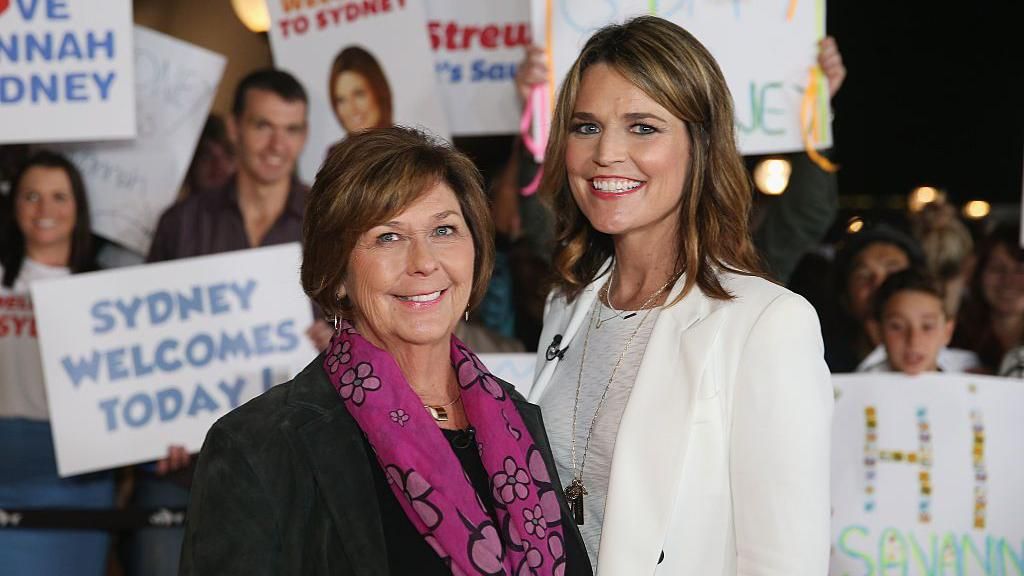
    The family of renowned US television anchor Savannah Guthrie has issued an urgent public appeal for information regarding the disappearance of her 84-year-old mother, Nancy Guthrie, who vanished from her Tucson, Arizona residence seven weeks ago under circumstances suggesting abduction.

    Authorities from the Pima County Sheriff’s Department, collaborating with FBI investigators, continue their extensive search operation despite limited breakthroughs in the case. The investigation gained national attention when surveillance footage revealed a masked individual, believed to be armed, tampering with security cameras outside Nancy Guthrie’s home on February 1st, the presumed date of the abduction.

    In a emotionally charged statement released through NBC affiliate KVOA, the Guthrie family expressed their ongoing anguish: ‘We miss our mom with every breath and we cannot be in peace until she is home. We cannot grieve; we can only ache and wonder. Our focus is solely on finding her and bringing her home.’

    The family has amplified their search efforts through multiple channels, including social media campaigns and direct appeals to potential captors. A substantial financial incentive of $1 million, supplementing the FBI’s $100,000 reward, has been offered for information leading to Nancy Guthrie’s safe return.

    Investigation details reveal that authorities have collected forensic evidence including DNA samples and alleged ransom communications, though no suspects have been formally identified. Sheriff Chris Nanos, overseeing the case, has indicated that evidence suggests Nancy Guthrie may have been specifically targeted, though investigators remain uncertain about motives or perpetrator identification.

    The Guthrie family has specifically requested Tucson residents review personal records from the timeframe surrounding the disappearance: ‘Please consult camera footage, journal notes, text messages, observations or conversations that in retrospect may hold significance. No detail is too small. It may be the key.’

  • Trump administration sues Harvard University over alleged antisemitism after months of stalled negotiations

    Trump administration sues Harvard University over alleged antisemitism after months of stalled negotiations

    The U.S. Department of Justice has initiated formal litigation against Harvard University, alleging systemic antisemitic discrimination within the prestigious institution. The lawsuit, filed in the Massachusetts District Court on Friday, represents a significant escalation following months of failed negotiations between the federal government and the Ivy League establishment.

    Legal documents contend that Harvard administration consistently ignored severe and pervasive harassment targeting Jewish and Israeli students, effectively permitting a hostile educational environment based on racial and national origin discrimination. The complaint further asserts the university demonstrated deliberate indifference toward protecting these students’ civil rights, thereby denying them full participation in academic programs and campus life.

    This legal action culminates a prolonged confrontation dating to January 2025, when federal authorities began issuing warnings to multiple universities regarding potential funding suspensions unless they addressed campus antisemitism and modified diversity initiatives perceived as favoring specific minority groups. Harvard’s subsequent refusal to comply with governmental demands triggered financial repercussions in April 2025, including the freezing of $2.2 billion in multiyear grants and $60 million in contract allocations.

    The litigation seeks substantial financial penalties, with the Trump administration previously announcing intentions to pursue $1 billion in damages. This case marks an unprecedented federal intervention into campus cultural issues, potentially establishing significant precedents for how educational institutions balance free expression, diversity initiatives, and protection against discriminatory practices.

  • Trump threatens to deploy ICE agents for airport security over funding impasse

    Trump threatens to deploy ICE agents for airport security over funding impasse

    WASHINGTON — President Donald Trump escalated the ongoing Department of Homeland Security funding crisis Saturday by threatening to deploy Immigration and Customs Enforcement agents to assume airport security duties unless Democrats immediately resolve the budgetary impasse.

    The President issued his ultimatum via his Truth Social platform, declaring he would reposition “brilliant and patriotic ICE Agents to the Airports where they will do Security like no one has ever seen before” if opposition lawmakers failed to “immediately sign an agreement.”

    This development follows Friday’s Senate rejection of a House-approved funding bill for DHS, marking the latest failure in bipartisan negotiations over immigration enforcement policies that have paralyzed budgetary proceedings for over five weeks.

    The funding lapse has created severe operational challenges at transportation hubs nationwide since February 14, when congressional authorization expired for DHS agencies including the Transportation Security Administration. Approximately 50,000 TSA officers have consequently worked without pay for more than a month, leading to dramatically increased security wait times exceeding three hours at major airports including Houston, Atlanta, and New Orleans.

    Republican legislators continue advocating for comprehensive DHS funding while Democratic counterparts push for standalone appropriations that would exclude immigration enforcement operations from the budgetary package. The fundamental disagreement over immigration policy has prevented any meaningful progress in negotiations throughout the five-week deadlock.