标签: North America

北美洲

  • Trump says ‘we are going to run the country’ until there is a transition

    Trump says ‘we are going to run the country’ until there is a transition

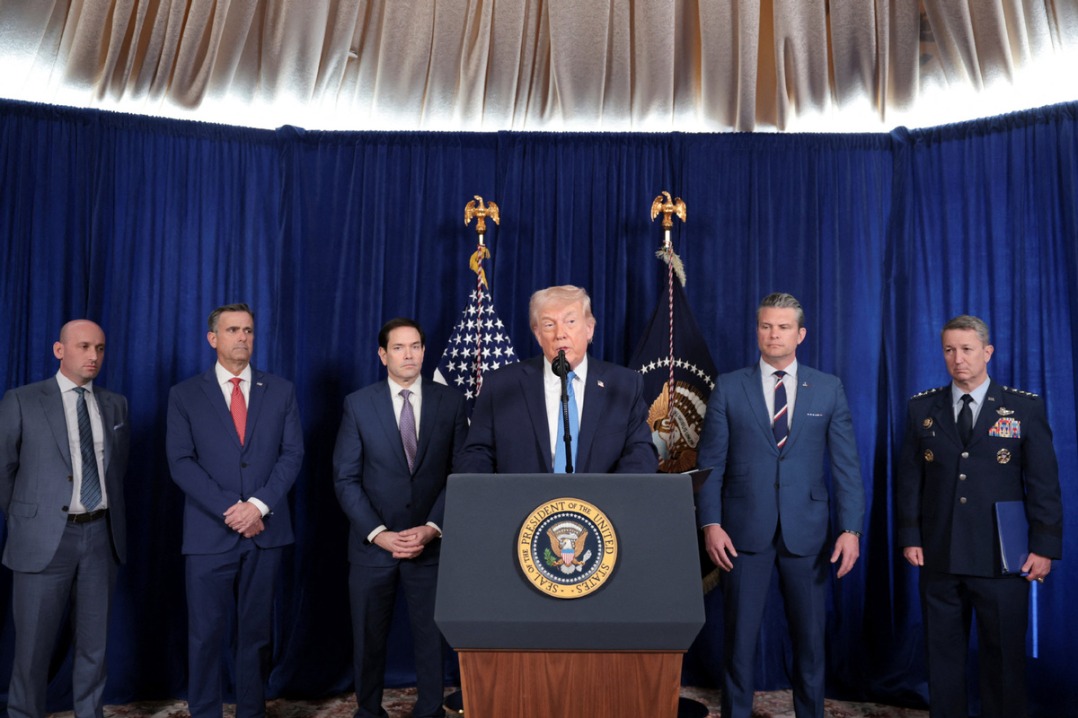
    In a significant address from his Mar-a-Lago estate in Palm Beach, Florida, former U.S. President Donald Trump declared his administration would continue to govern the nation pending an unspecified political transition. The statement was delivered during a high-profile press conference on January 3, 2026, attended by key defense and diplomatic officials including Secretary of Defense Pete Hegseth, Secretary of State Marco Rubio, and General Dan Caine, Chairman of the Joint Chiefs of Staff.

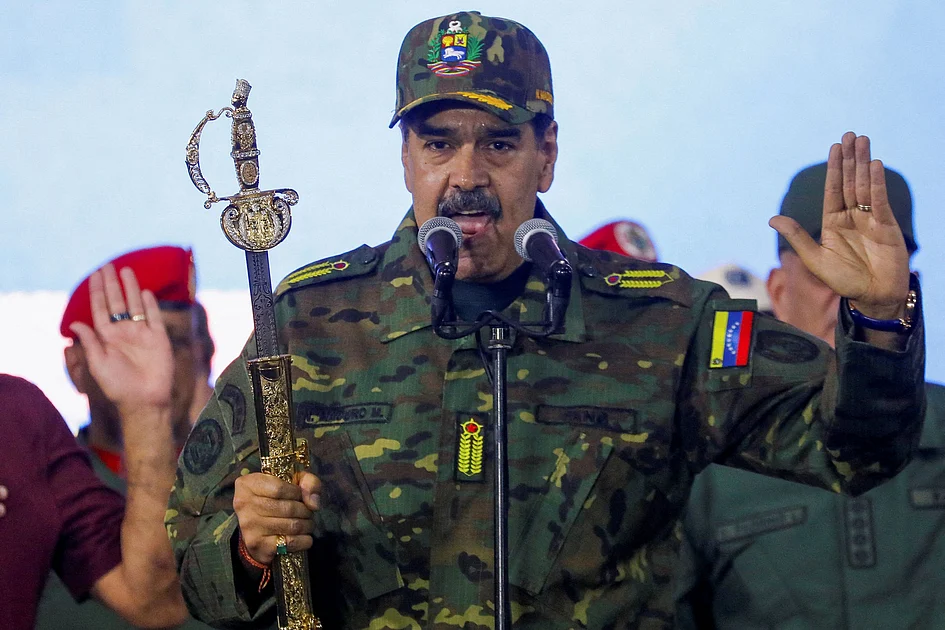
    The announcement followed confirmation of a targeted U.S. military operation in Venezuela that resulted in the capture of President Nicolás Maduro and First Lady Cilia Flores. While providing limited operational details, Trump characterized the action as a necessary measure for regional stability, flanked by his national security team in a show of unified command.

    The former president’s remarks regarding the domestic transition timeline drew immediate attention, with Trump emphasizing continuity of governance without clarifying the nature or timeframe of the anticipated transition. The presentation combined elements of national security briefing with political messaging, creating a complex narrative about both foreign intervention and domestic authority.

    International observers have noted the unusual nature of a former president claiming executive authority, while the presence of current cabinet members lent institutional credibility to the proceedings. The development occurs against a backdrop of ongoing geopolitical tensions and questions about the structure of U.S. governmental leadership.
  • Trump posted a photo of Maduro on board USS Iwo Jima

    Trump posted a photo of Maduro on board USS Iwo Jima

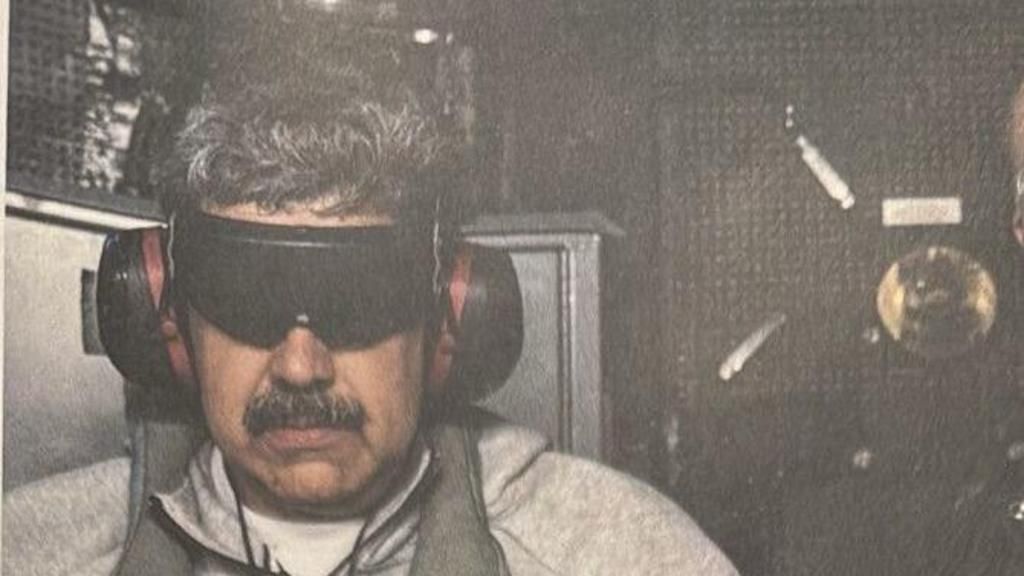
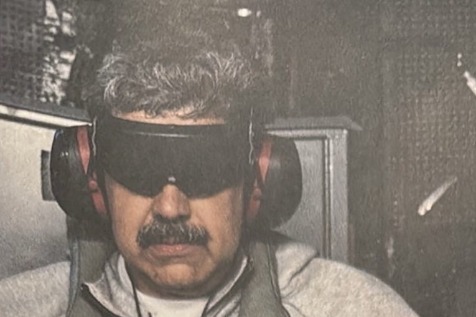
    In a development that has raised eyebrows in diplomatic circles, former U.S. President Donald Trump shared a photograph on his Truth Social platform purportedly showing Venezuelan leader Nicolás Maduro aboard the USS Iwo Jima. The amphibious assault vessel was reportedly operating in the Caribbean Sea on January 3, 2026, according to the social media post.

    The image, which appears to have been supplied by a third party, depicts Maduro in what Trump identified as being on board the American warship. The USS Iwo Jima represents one of the U.S. Navy’s significant maritime assets, typically deployed for power projection and crisis response operations throughout the Western Hemisphere.

    This unexpected visual disclosure comes amid historically strained relations between the United States and Venezuela. For years, Washington has maintained sanctions against Maduro’s government while recognizing opposition figures as legitimate leaders. The photograph’s publication through Trump’s preferred communication channel suggests either a significant shift in diplomatic positioning or a deliberate provocation in the complex geopolitical landscape of Latin American relations.

    The timing and circumstances surrounding the image remain unclear, including when it was taken and under what conditions the Venezuelan president might have been aboard the American vessel. Defense analysts are scrutinizing the possible implications for regional security dynamics and bilateral relations between the two nations.

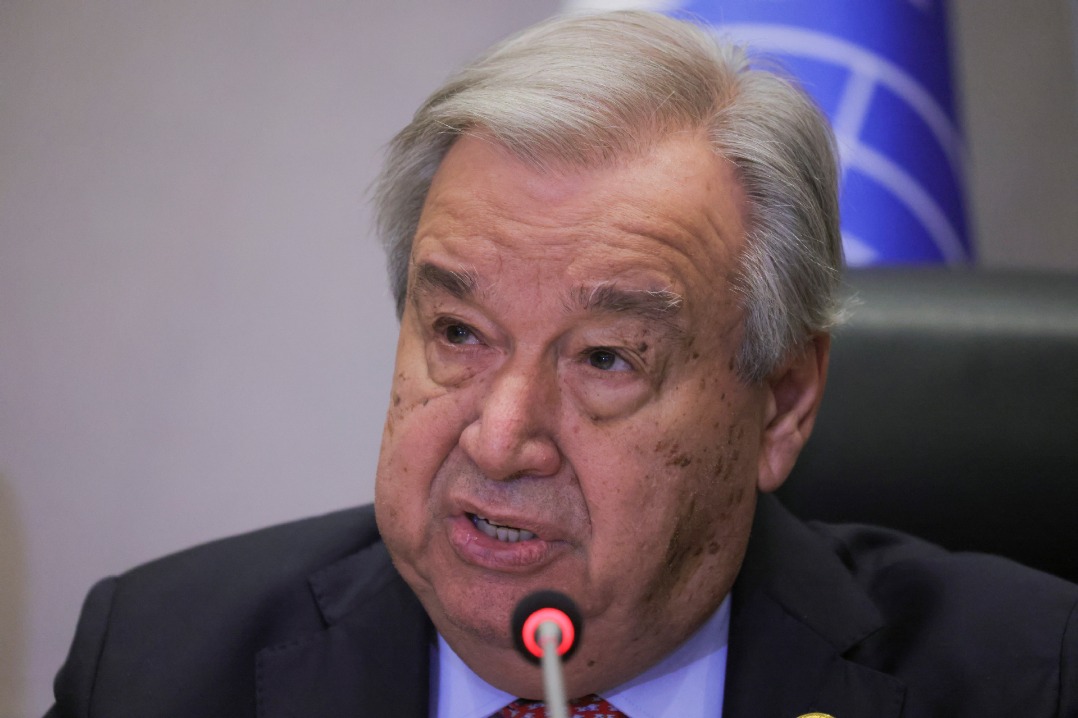
  • UN chief deeply alarmed by escalation in Venezuela: spokesperson

    UN chief deeply alarmed by escalation in Venezuela: spokesperson

    United Nations Secretary-General Antonio Guterres has voiced profound alarm regarding the rapidly deteriorating situation in Venezuela, particularly following Saturday’s military intervention by United States forces. Through an official statement delivered by spokesperson Stephane Dujarric, the UN chief characterized these developments as establishing a “dangerous precedent” with potentially severe regional implications.

    Guterres emphasized the critical necessity for universal adherence to international legal frameworks, including the foundational principles outlined in the UN Charter. The Secretary-General’s statement highlighted his deep consternation that established international law protocols appear to have been disregarded during these recent escalations.

    Beyond expressing concern about the breach of international norms, the UN leadership has issued a direct appeal for all Venezuelan stakeholders to initiate comprehensive dialogue processes. This diplomatic engagement must occur with absolute respect for human rights protections and the fundamental tenets of the rule of law. The statement implicitly acknowledges the complex internal situation in Venezuela while maintaining that external military actions create worrying precedents that transcend the specific circumstances within the South American nation.

    The UN’s position reflects growing international apprehension about the potential for regional destabilization and the erosion of established international governance structures that have maintained global order since the Second World War.

  • Venezuela requests UN Security Council emergency meeting over US action

    Venezuela requests UN Security Council emergency meeting over US action

    Venezuela has formally requested an emergency session of the United Nations Security Council following confirmed US military operations within its territory. The nation’s permanent UN mission issued an official statement on January 3rd urging the Council president to convene immediately to address what Caracas describes as a violation of international law and national sovereignty.

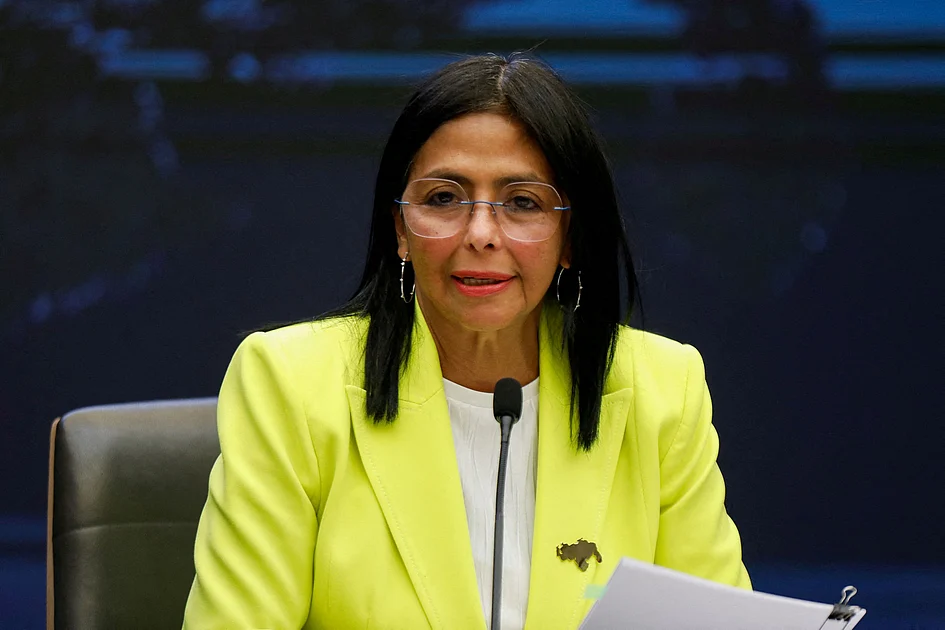
    The diplomatic move comes amid heightened tensions as Venezuelan Vice-President Delcy Rodríguez appeared on national television to announce that the government has lost contact with President Nicolás Maduro and First Lady Cilia Flores. Rodríguez demanded proof of life for both leaders and accused US forces of causing civilian and military casualties during operations in Caracas and multiple states.

    US President Donald Trump previously confirmed the execution of a large-scale military strike targeting Venezuela, including the capture of President Maduro. Venezuelan authorities characterize the operation as an unlawful incursion that has disrupted regional peace and resulted in unnecessary loss of life. The request for UN intervention invokes the foundational principles of the UN Charter regarding national sovereignty and non-aggression.

  • Worked as bus driver, handpicked by Chavez: Maduro’s 12-year-long rule in Venezuela ends

    Worked as bus driver, handpicked by Chavez: Maduro’s 12-year-long rule in Venezuela ends

    Two significant international developments have emerged, revealing covert intelligence operations and a tragic negligence case. According to exclusive reporting, the U.S. Central Intelligence Agency (CIA) successfully cultivated a high-level informant within the inner circle of the Venezuelan government. This asset provided critical intelligence that enabled U.S. authorities to monitor and track the activities of President Nicolás Maduro, marking a sophisticated penetration of a foreign administration. The operation underscores the ongoing geopolitical tensions between the United States and the Venezuelan state.

    Separately, in Switzerland, a devastating nightclub fire has triggered a criminal investigation. Authorities have placed the establishment’s management under formal scrutiny on severe charges of killing by negligence. The probe focuses on alleged failures to adhere to safety protocols, which may have contributed to the lethal outcome. The incident has sparked a broader national conversation about venue safety regulations and enforcement, with the judicial process underway to determine accountability for the tragic loss of life.

  • CIA sources, drones and blowtorches: How the US captured Maduro

    CIA sources, drones and blowtorches: How the US captured Maduro

    In a meticulously planned covert operation dubbed ‘Operation Absolute Resolve,’ United States special forces successfully captured Venezuelan President Nicolás Maduro in a dramatic nighttime raid on his Caracas compound. The mission, which unfolded in the early hours of Saturday, represents the most significant U.S. military intervention in Latin America since the Cold War era.

    According to senior military officials, the operation culminated months of intensive surveillance and strategic planning. Intelligence agents had comprehensively monitored Maduro’s daily routines, sleeping patterns, and even his personal habits. Elite troops constructed a full-scale replica of Maduro’s safe house to perfect their assault strategies, though Congressional leadership remained deliberately uninformed to preserve operational secrecy.

    The execution commenced at 22:46 Eastern Time on Friday following presidential authorization. President Trump revealed the mission had experienced multiple postponements, awaiting optimal weather conditions to maximize tactical surprise. General Dan Caine, the nation’s highest-ranking military officer, described how forces maintained readiness throughout the holiday period awaiting final execution orders.

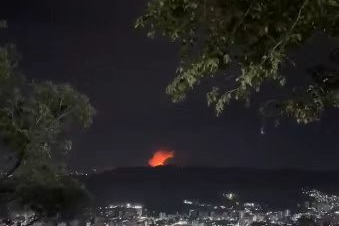
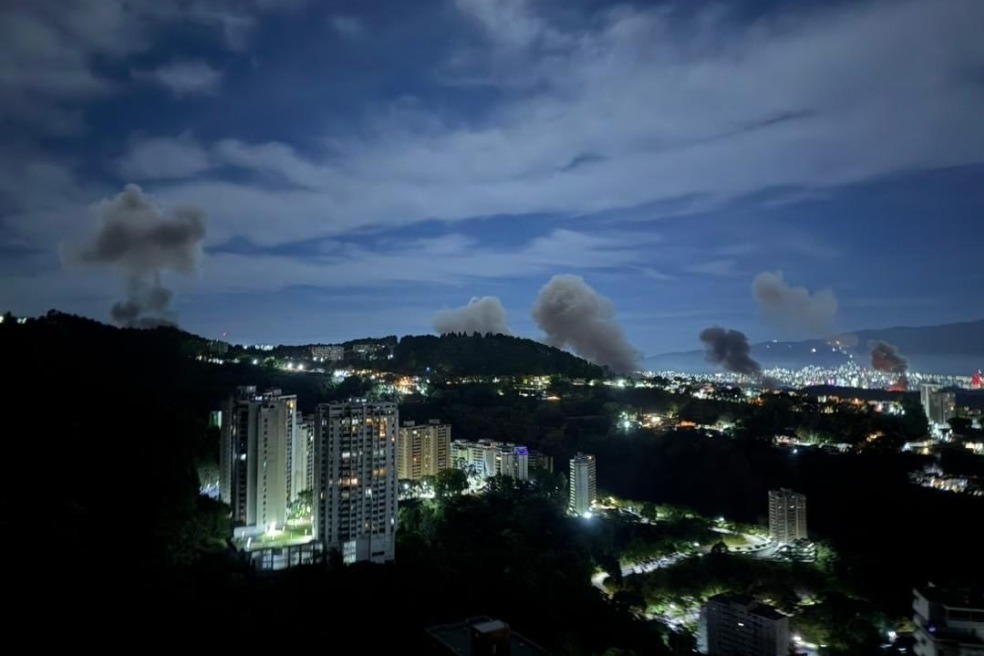
    The multifaceted assault incorporated over 150 aircraft—including bombers, fighter jets, and reconnaissance planes—alongside ground and naval components. Preliminary strikes targeted Venezuelan air defense systems and military installations, while sophisticated technical operations plunged Caracas into intentional darkness. Residents reported massive explosions shaking the city at approximately 02:00 local time, with subsequent social media footage depicting helicopter formations and rising smoke plumes.

    Delta Force operatives, equipped with specialized breaching tools, penetrated Maduro’s heavily fortified compound amidst active resistance. Despite incoming fire that damaged one American helicopter, forces successfully apprehended both Maduro and his wife, Cilia Flores, as they attempted to reach a secure room. The captives were transported to U.S. jurisdiction and are expected to face criminal charges in New York.

    The operation has triggered immediate international condemnation, particularly from regional powers including Brazil, while generating domestic criticism regarding the bypassing of Congressional authorization. Secretary of State Marco Rubio defended the secrecy, citing concerns about potential intelligence leaks had legislators been consulted in advance.

  • China strongly condemns US use of force against Venezuela

    China strongly condemns US use of force against Venezuela

    China has issued a formal condemnation of United States military operations against Venezuela, characterizing the action as a severe violation of international law and national sovereignty. The statement, delivered through official channels on January 3, 2026, reflects escalating tensions between major global powers over interventionist policies.

    The Chinese government emphasized its firm opposition to any unilateral use of force against sovereign states, asserting that such actions undermine the fundamental principles of the United Nations Charter. Beijing called for all nations to respect Venezuela’s political independence and territorial integrity while advocating for peaceful dialogue to resolve internal disputes.

    This diplomatic rebuke comes amid reports confirming US military strikes against Venezuelan port facilities, operations that Washington reportedly justifies as necessary measures. The Chinese response aligns with its consistent foreign policy stance against external interference in other nations’ domestic affairs, particularly throughout Latin America where China has significantly expanded economic and diplomatic ties in recent years.

    The condemnation further highlights the growing geopolitical divide between China and the United States, with Venezuela becoming another flashpoint in their competing visions of international order. Analysts suggest this development may further complicate bilateral relations between the world’s two largest economies, potentially affecting cooperation on other global issues.

  • Cuba to Venezuela: History of United States’ intervention in Latin America

    Cuba to Venezuela: History of United States’ intervention in Latin America

    Two significant international developments have emerged, revealing covert intelligence operations and a tragic criminal investigation. According to a Reuters exclusive report, the U.S. Central Intelligence Agency (CIA) successfully cultivated a high-level informant within the inner circle of the Venezuelan government. This asset provided critical intelligence that assisted American agencies in tracking the movements and activities of President Nicolás Maduro. The penetration of Maduro’s administration marks a strategic intelligence coup, offering insights into the regime’s operations and strengthening foreign oversight of the controversial leader. Separately, Swiss authorities have launched a major investigation into a deadly nightclub fire. The management team of the affected establishment is now facing severe legal consequences, with prosecutors formally bringing charges of killing by negligence. The case centers on alleged failures to adhere to safety protocols, which purportedly led to the fatal incident. The investigation will scrutinize the club’s compliance with fire codes and emergency procedures, highlighting a global push for stricter enforcement of public safety regulations in entertainment venues.

  • Who is Delcy Rodriguez, the Vice President who could replace Venezuela’s Maduro?

    Who is Delcy Rodriguez, the Vice President who could replace Venezuela’s Maduro?

    In the wake of President Nicolas Maduro’s reported capture by U.S. forces, Vice President Delcy Rodriguez emerges as Venezuela’s potential interim leader. The 56-year-old Caracas native, daughter of left-wing guerrilla fighter Jorge Antonio Rodriguez, has become one of Venezuela’s most influential political figures through her simultaneous control of three critical portfolios: vice presidency, finance ministry, and oil ministry.

    Rodriguez’s political ascent has been remarkable. A trained attorney who graduated from Universidad Central de Venezuela, she served as Communication Minister (2013-2014), Foreign Minister (2014-2017), and head of the pro-government Constituent Assembly that expanded Maduro’s powers in 2017. Her appointment as vice president in June 2018 came with Maduro’s personal endorsement as “a young woman, brave, seasoned, daughter of a martyr, revolutionary and tested in a thousand battles.”

    Her current economic leadership role has positioned her as a key manager of Venezuela’s crisis-ridden economy, where she has implemented orthodox policies to combat hyperinflation while maintaining influence with the country’s diminished private sector. The August 2024 addition of the oil ministry to her responsibilities placed her at the forefront of managing escalating U.S. sanctions against Venezuela’s most vital industry.

    Known for her designer fashion taste and described by Maduro as a “tiger” for her fierce defense of his socialist government, Rodriguez maintains close political coordination with her brother Jorge Rodriguez, who leads the national assembly. Her current whereabouts remain unknown following her Saturday demand via state television for the U.S. government to provide proof of life for Maduro and his wife.

  • ‘Calculated collision’: How Sharjah police rescued driver from cruise control failure

    ‘Calculated collision’: How Sharjah police rescued driver from cruise control failure

    Sharjah Police demonstrated exceptional emergency response capabilities on Friday afternoon by successfully rescuing a motorist experiencing critical cruise control failure. The incident occurred when the driver reported complete loss of speed control while traveling at 80 km/h from Ahmed Bin Hadid Roundabout toward Sheikh Mohammed Bin Zayed Road.

    At precisely 3:11 PM, the Operations Room received the distress call from the driver who found himself unable to disengage the malfunctioning cruise control system. Immediate deployment of the nearest traffic patrol initiated a carefully orchestrated rescue operation.

    According to Lieutenant Colonel Marzouq Khalfan Al-Naqbi, Director of the Patrols Department, officers executed a precisely calculated intervention strategy. The patrol vehicle positioned itself ahead of the disabled car, maintaining consistent speed before initiating a controlled, minimal-impact collision. This tactical maneuver successfully reduced the vehicle’s velocity and disengaged the cruise control system without causing injuries or significant damage.

    The operation followed established safety protocols that prioritize occupant protection and road safety. Police authorities emphasized the importance of proper emergency procedures during such technical failures, recommending drivers maintain steering control, activate hazard lights, attempt system cancellation through stop buttons, and gradually apply brakes if possible. Most critically, authorities stressed the necessity of immediately contacting emergency services at 999 for professional assistance rather than attempting risky self-resolution measures.