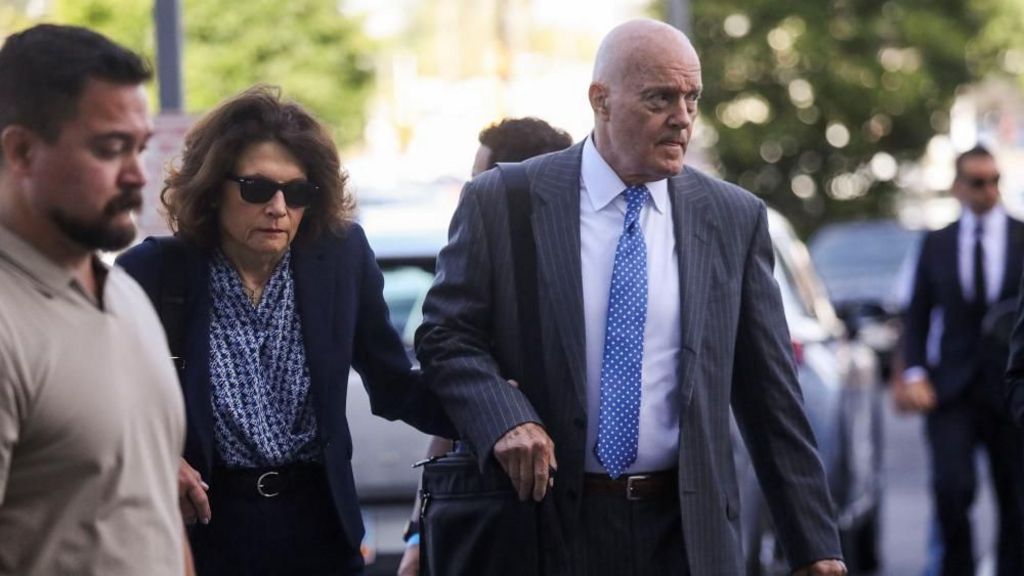
Nearly 10 months after the high-profile assassination of influential American conservative activist Charlie Kirk on a Utah college campus, the first formal preliminary hearing for his accused killer got underway this week, bringing Kirk’s grieving family face-to-face with the man charged with his death. Kirk, the 31-year-old founder of the youth conservative group Turning Point USA and a close ally of former President Donald Trump, was fatally shot in September 2025 while delivering a speech at Utah Valley University in Orem, triggering an urgent two-day nationwide manhunt for the perpetrator. Law enforcement officials took 23-year-old Tyler Robinson into custody on September 12, 2025, and prosecutors have leveled four serious charges against him: aggravated murder, felony firearm discharge, obstruction of justice, and witness tampering. As of the opening of this week’s hearing, Robinson has not entered a formal plea, and local prosecutors are pushing forward with a pursuit of the death penalty. The preliminary hearing, which is set to run through the end of this week, opened on Monday with procedural moves and the start of evidence presentation from the prosecution. Ahead of the proceedings, Kirk’s family — including his widow Erika, two young children, parents Robert and Kathryn, and sister Mary — released a heartfelt public statement through local media, opening up about the permanent trauma of their loss. “Charlie was a beloved husband, son, brother, friend, and father,” the statement read. “Every court proceeding serves as a painful reminder of his death and the loss that has irrevocably impacted our lives and the lives of his children.” On Monday morning, Kirk’s parents and widow arrived at the Utah County courthouse separately, both maintaining privacy as they entered the building. The family expressed deep gratitude for the widespread outpouring of support they have received from across the country in the months since the shooting. “This outpouring has sustained us during the darkest days of our lives,” the statement added. “Out of respect for the judicial process, we will not be commenting further at this time. We ask for continued privacy as we navigate this process and immense grief.” For the defense team, multiple pre-hearing motions have failed to shift the trajectory of the case. Attorneys for Robinson previously attempted to have a range of evidence thrown out, all of which were denied by the court. They also launched an unsuccessful bid to bar cameras from the courtroom during the preliminary hearing, and have formally asked presiding Judge Tony Graf to eliminate the possibility of the death penalty entirely. On the opening day of the hearing, Robinson appeared in court dressed in a light-colored suit, seated quietly between his two legal representatives at the defense table. Prosecutors confirmed at the start of proceedings that four law enforcement witnesses would be called to testify during the first day of the hearing, as the state begins laying out its case against Robinson to establish that there is probable cause to move forward with a full murder trial.
标签: North America
北美洲
-
Microsoft cuts 4,800 jobs and shrinks Xbox in ‘significant restructure’
Microsoft, one of the world’s largest technology corporations, has announced a round of company-wide layoffs affecting 4,800 positions, equal to roughly 2.1% of its total global workforce. The company’s Xbox gaming division is set to absorb the largest share of these cuts, in what executives describe as the most sweeping organizational reset in the brand’s decades-long history.
In an internal memo distributed to all employees, Microsoft Executive Vice President Amy Coleman framed the layoffs as a necessary strategic adjustment to align the company with shifting market conditions amid a rapidly evolving technology landscape. Coleman emphasized that companies cannot halt industry-wide change, but only choose how to adapt alongside it. She confirmed that while the company will not fill eliminated roles with artificial intelligence, the growing adoption of AI is fundamentally reshaping how work is completed across all departments, requiring a leaner, more focused operational structure.
For Xbox, newly appointed Chief Executive Asha Sharma outlined the full scope of changes in a staff note published to the social platform X. The restructuring will eliminate more than 1,600 roles immediately, with an additional 1,600 positions cut over the coming 12 months. As part of the broader reorganization, four Xbox-owned game development studios — Compulsion Games, Double Fine Productions, Ninja Theory and Undead Labs — will be spun out from Xbox to operate as independent entities, retaining full ownership of their existing intellectual property.
Sharma pushed back against assumptions that the cuts signal a retreat from the gaming market, telling staff “these changes are about a bigger future for Xbox, not a smaller one.” She added that many legacy companies have mistakenly assumed long-term market dominance is guaranteed, and Xbox would avoid that complacency by proactively resetting its strategy to meet changing consumer expectations.
As part of the reshuffle, two of Xbox’s highest-performing studios — Minecraft developer Mojang and Candy Crush creator King — will now report directly to Sharma, a shift that analysts say underscores the brand’s new focus on high-value, mass-audience intellectual property. The spin-out of the four smaller studios comes after Microsoft spent years acquiring independent studios to bulk up content for its Game Pass subscription service. Industry analysts note that the decision to spin the studios out rather than shut them entirely is a rare positive development amid a wave of widespread gaming industry layoffs.
Representatives from the affected studios have publicly commented on the transition, with both expressing gratitude for their time under Xbox ownership and optimism for their independent futures. “We’re thankful to everyone at Xbox for seven great years together,” Double Fine, the studio behind the award-winning Psychonauts franchise, wrote on X. “This outcome preserves our history and culture, and returns ownership of our games to us.” Compulsion Games, developer of the upcoming action-adventure title South of Midnight, echoed that sentiment, noting its immediate priority is supporting its team through the transition and expressing confidence in its independent path forward.
The latest layoffs come as the global gaming industry continues to grapple with widespread workforce reductions following years of post-pandemic contraction. In 2024 alone, Xbox cut more than 2,000 positions and closed four studios acquired ahead of its multi-billion-dollar purchase of Call of Duty developer Activision-Blizzard. Just over a year ago, Microsoft announced another 9,000 company-wide layoffs as it committed to doubling down on multi-billion-dollar investments in artificial intelligence development. Rising hardware production costs, driven in part by skyrocketing demand for AI data center infrastructure that has outpaced global supply chains, have also forced Microsoft and other consumer tech firms to raise prices on older consoles and gadgets.
Industry analysts have described the restructuring as a defining moment for Xbox, as the brand navigates an increasingly fragmented gaming market that spans traditional consoles, personal computers, cloud streaming and subscription services. “The challenge is not just cutting costs; it is defining what Xbox stands for in a world where games are moving across console, PC, cloud and subscription platforms,” noted tech analyst Paolo Pescatore in comments to the BBC. Piers Harding-Rolls, head of games research at Ampere Analysis, added that the restructuring clarifies Xbox’s long-term vision: the brand will now prioritize its largest, most popular intellectual properties and global audiences, while smaller studio projects will have more room to grow outside the corporate structure.
This reset marks one of the most significant strategic shifts for Xbox in its 24-year history, as the brand adapts to a new era of gaming shaped by AI innovation, changing consumer behavior, and ongoing industry-wide cost pressures.
-
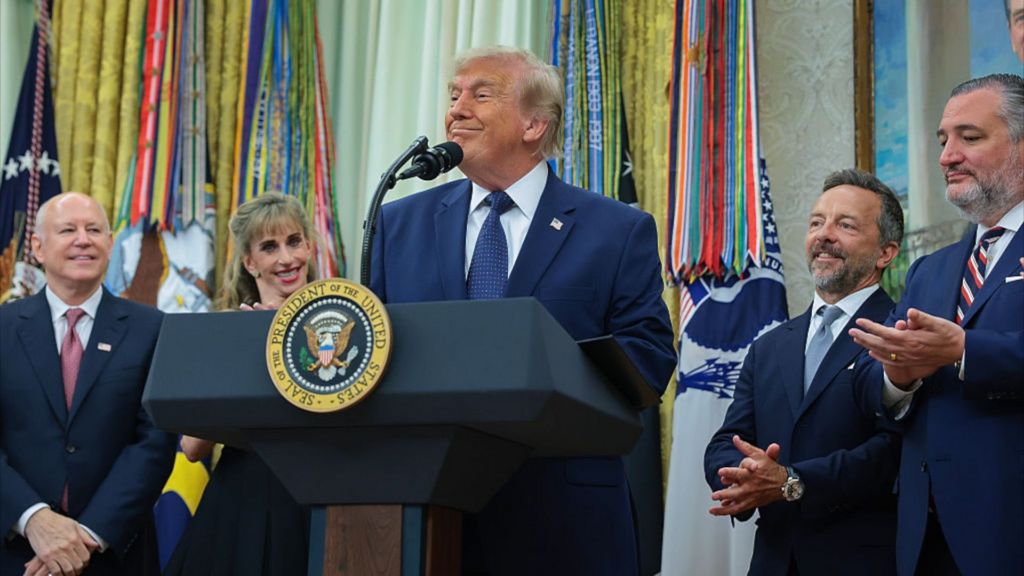
‘That wasn’t a foul’ – Trump on Fifa overturning red card ban
A surprising political intervention has upended a disciplinary ruling in men’s international soccer, after former U.S. president Donald Trump publicly pushed back against a one-game suspension handed to American striker Folarin Balogun. Following Trump’s comments disputing the foul that led to Balogun’s red card, FIFA has overturned the ban, clearing the way for the in-form forward to take the field for the United States in their next critical match.
The controversy began when Balogun received a red card during a recent competitive fixture, with match officials ruling his physical challenge met the threshold for a sending-off. That ruling would have forced him to miss the United States’ next matchup, a high-stakes contest with major tournament implications for the American squad. Before the final disciplinary process concluded, Trump broke with typical political non-interference in sports outcomes to publicly share his take on the call.
“That wasn’t a foul,” Trump stated publicly, echoing the frustration of many American soccer fans who felt the initial red card was overly harsh. His intervention drew immediate attention from global soccer governing body FIFA, which launched a review of the original disciplinary decision. In an unexpected outcome, the organization opted to reverse the one-game ban, allowing Balogun to remain in the starting lineup conversation for the upcoming fixture.
The moment has sparked conversation across global sports about the intersection of politics and athletic governance, with some observers questioning whether external political pressure influenced FIFA’s ruling, while others argue the review simply corrected a clear on-field officiating error. For the United States men’s national team, the reversal is a significant boost, retaining one of their most promising attacking talents for a match that could shape their progress in ongoing competition.
-
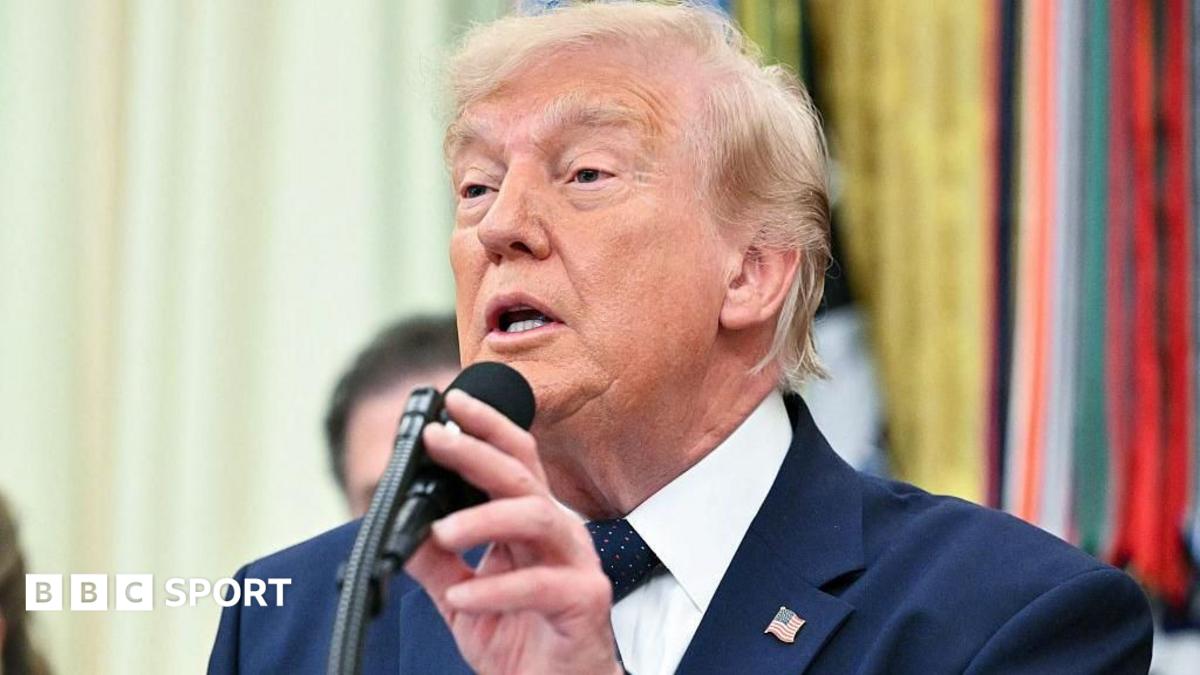
Trump confirms he asked Fifa to review Balogun ban
A major controversy has rocked the 2026 FIFA World Cup after global football’s governing body took the unprecedented step of suspending a mandatory one-match suspension for United States striker Folarin Balogun, a decision that came after former U.S. President Donald Trump confirmed he personally requested a formal review of the red card ruling.
The 25-year-old American forward, who has notched three goals for the host nation through the early knockout stage, was initially set to miss the USA’s high-stakes round of 16 clash against Belgium after receiving a straight red card for a foul on Bosnia and Herzegovina defender Tarik Muharemovic in the final group stage match. Under standard FIFA rules, an automatic one-match ban would have immediately barred Balogun from the next fixture.
In a move that has drawn widespread condemnation from football governing bodies and coaches across the globe, FIFA instead opted to suspend the ban for a 12-month probationary period, clearing Balogun to be selected for the Seattle match, which is scheduled to kick off at 17:00 local time on Monday (01:00 BST Tuesday).
Speaking from the White House on Monday, Trump confirmed he had reached out to FIFA to review the original red card decision, arguing the foul did not merit a sending off. “I didn’t think it was a foul,” Trump told reporters. “If they had put through the ban, it would have left a big stain on this entire tournament. They made the right decision.” The former president also confirmed he spoke directly to FIFA President Gianni Infantino, but claimed he only requested a review and did not pressure the governing body to overturn the ban. “I can’t tell them what to do,” Trump said. “I believe it was the independent commission that made the final call, and it was the right decision.” Trump also lashed out at referee Raphael Claus, a Brazilian official who issued the red card, calling Claus’s decision “horrible” and claiming the referee was “a little bit suspect.”
The Brazilian Football Confederation (CBF) quickly issued a formal defense of Claus’s professional integrity, pushing back against Trump’s claims. “There is nothing in his professional record that discredits him or gives any grounds for suspicion,” the CBF said in a statement. “He is an exemplary professional.”
Infantino released his own statement following the call, clarifying that when he received Trump’s request, he informed the U.S. President that the matter would be handled by FIFA’s independent judicial bodies through established legal processes, and that a ruling would be issued in due course by the competent authorities. Later, the FIFA chief emphasized the autonomy of the governing body’s judicial bodies, noting that regardless of personal agreement with a ruling, decisions must be respected. “Respect for independent institutions and the rule of law is what protects the integrity of our competitions and the credibility of FIFA at all times,” Infantino said. When asked by BBC Sport to respond to Trump’s comments about Claus, FIFA declined to add any further comment.
The decision has sparked fierce backlash from across international football. The Royal Belgian Football Association (RBFA) said it was “astonished” by the ruling, while European football governing body UEFA warned that the decision puts the fundamental integrity of the sport at risk. Belgium filed an official appeal against FIFA’s decision to allow Balogun to play, but the appeal was dismissed by FIFA’s appeal committee, which ruled Belgium had no legal standing to challenge the ruling as the team was not a party to the original disciplinary proceedings against Balogun, only the USA’s next opponent.
RBFA reiterated its commitment to challenging the outcome regardless of the match’s result, saying in a statement: “Regardless of the sporting outcome of this match, the RBFA is deeply concerned by the course of events and will continue to fight in the coming hours, days and months in defence of the fundamental principles of ethics, fair competition, and the interests of football as a whole.”
England head coach Thomas Tuchel, who recently had defender Jarell Quansah sent off in England’s dramatic 3-2 group stage win over Mexico, warned the ruling sets a dangerous precedent for future competitions. “Where to draw the line is the question that I ask,” Tuchel said. “Do we appeal if a yellow card is not a yellow card? Do we think it is not a red card or who thinks it? Where does this start and where does this end? It’s my question. I don’t have an answer.”
UEFA went further, saying that political intervention to effectively cancel a mandatory suspension mid-tournament “crossed a red line.” Historical context adds to the controversy: out of the 189 red cards issued in men’s World Cup history prior to this match, only one other player has avoided an automatic suspension. That case, involving Brazil’s Garrincha at the 1962 World Cup, occurred before automatic suspensions were formally codified, and the decision to waive the ban was long dogged by allegations of political interference.
FIFA has cited Article 27 of its disciplinary code, which grants the governing body authority to partially suspend disciplinary measures for a probationary period, as the legal basis for its decision. However, the organization has yet to release a specific public explanation for why it chose to apply this rule to Balogun’s case, further fueling criticism over transparency and fair play.
-
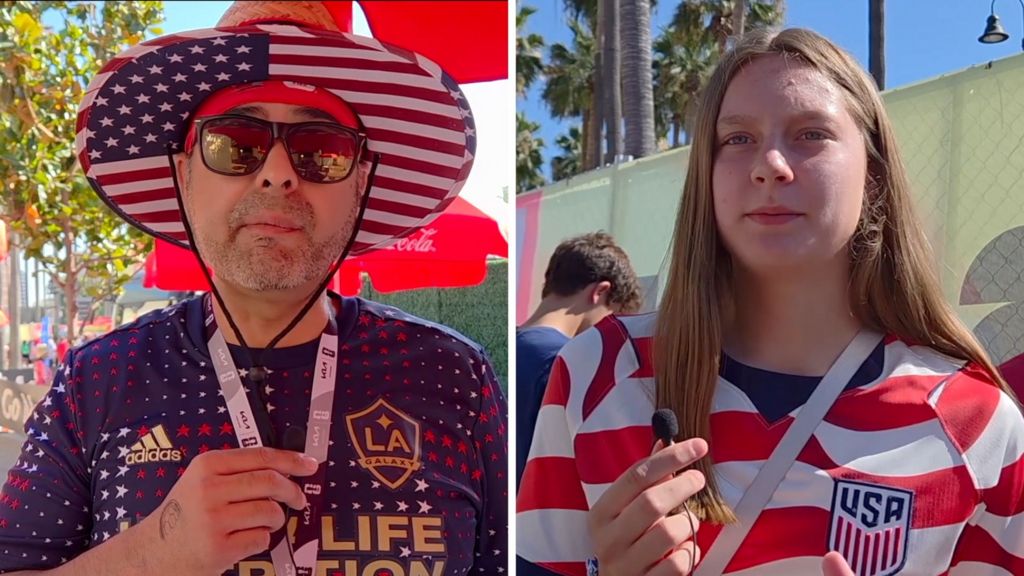
‘Here to stay’ – Fans react to the rise of soccer in the US
For decades, soccer has often been labeled a “second-tier sport” in the United States, overshadowed by legacy giants like American football, basketball, and baseball. But a shifting landscape over the past decade has carved out a permanent, growing space for the beautiful game on American soil — and fans are adamant that this rise is not a passing fad.
In a series of on-the-ground conversations with soccer supporters across the country, BBC correspondent Nardine Saad captured the widespread conviction that the sport’s growing popularity is here to stay. From packed youth soccer academies in suburban communities to sell-out crowds for Major League Soccer (MLS) matches and international friendlies, the signs of growth are impossible to miss.
Interviews with long-time fans and new converts alike highlight the multiple forces driving this momentum. Generational shift plays a key role: millions of American children now grow up playing recreational and competitive soccer, creating a built-in fan base that carries that passion into adulthood. The influx of global soccer stars moving to MLS in recent years — from David Beckham’s groundbreaking move to LA Galaxy that opened the door to Lionel Messi’s blockbuster transfer to Inter Miami in 2023 — has also catapulted the sport into mainstream American media attention, drawing casual viewers and new diehard fans.
Fans also point to changing viewing habits, with more American sports audiences seeking out fast-paced, continuous-action sports that differ from the stop-start structure of American football. For many young fans, soccer’s global connectivity also offers a way to engage with international culture, with many following both European top leagues and their local MLS teams.
Across all conversations, a consistent theme emerged: this is not a temporary spike in interest. Supporters say the infrastructure, fan base, and cultural traction are all in place to cement soccer as a core part of the American sports landscape for generations to come.
-
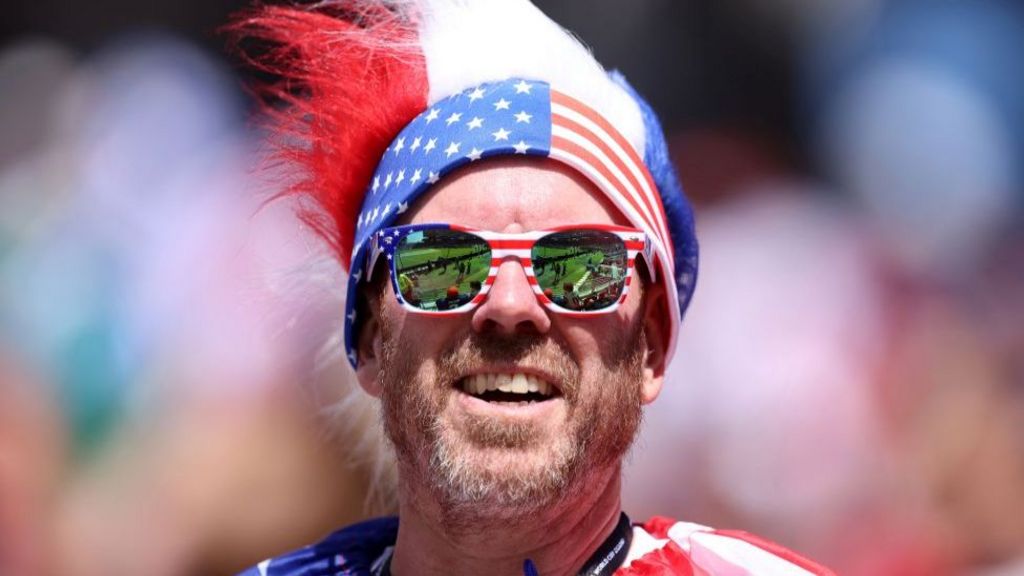
Is this a breakthrough moment for soccer in the US?
For billions of fans across the globe, soccer is far more than a pastime—it is a generations-deep cultural obsession woven into the fabric of national identity. But as the United States serves as co-host of the 2026 men’s FIFA World Cup, the sport still fights for space in a domestic landscape long dominated by homegrown favorites: American football, basketball, baseball and ice hockey, which claim the lion’s share of media attention, sponsorship revenue and public discourse.
While men’s soccer has made notable gains since the U.S. last hosted the World Cup in 1994, it still trails the wildly successful U.S. women’s national team, a global powerhouse that has long secured a higher standing in the nation’s sports pecking order. Now, with the men’s national team (USMNT) on the cusp of a quarter-final berth facing Belgium on Monday, fans and analysts alike are asking whether this high-profile home tournament can finally push soccer to new heights of popularity, challenging the stranglehold of America’s top domestic leagues.
Across every corner of the U.S., fans are turning out in droves for World Cup action. A-list celebrities and die-hard supporters alike don the red, white and blue of the USMNT, pop-up merchandise stores sell out of team gear, and public watch parties pack parks, shopping malls and even museums. In host cities, streets are lined with fans in vibrant team jerseys, and every bar and restaurant with a screen draws crowds transfixed by matchday drama. Many long-time fans are convinced this tournament marks a long-awaited turning point for the sport, regardless of the USMNT’s final result.
Erik Olsen, a documentary filmmaker and lifelong World Cup viewer who spoke to the BBC while waiting for food ahead of the U.S.-Turkey match in downtown Los Angeles, described the 2026 tournament as a rare unifying force for Americans. “To have all these different people come together to cheer on the US team, and maybe even their own team if you’re from Mexico or Argentina or someplace else—we need that kind of global spirit right now,” he said.
Steve Salcedo, a lifelong fan who has supported both the U.S. and Mexican teams during the tournament, noted that younger generations are embracing soccer more enthusiastically than his own. He predicted that the current surge in interest would outlast the final match. “The hype is definitely here for the World Cup, it’ll be here until the World Cup ends. Of course it’s going to die down, but in general I think soccer is here to stay,” he said. For 16-year-old Keenah Pacheco, who visited a Seattle fan zone with her family, the excitement has already rekindled a personal passion: after quitting the sport at age 8, she now plans to pick up play again.
Early data already confirms a historic surge in U.S. interest: the 2026 World Cup has already notched record-breaking TV ratings and unprecedented ticket demand, with packed fan events across all three host nations. Broadcasters reported that a combined 25 million American viewers tuned into the USMNT’s opening match against Paraguay—18 million across Fox’s broadcast platforms, and an additional 7 million on Spanish-language network Telemundo. While co-host Mexico has long had deep-rooted cultural ties to soccer, the U.S.’s co-hosting status and the fact that the majority of matches are played on American soil has driven more domestic engagement than ever before.
Even global and U.S. political leaders have highlighted the tournament’s success: U.S. President Donald Trump, who has not yet attended a match, called the record attendance numbers “a great tribute to the United States”, while FIFA President Gianni Infantino has already named it the “most successful event in history”. The expanded 48-team format means more matches than any prior men’s World Cup, and North America’s large-capacity stadiums have accommodated unprecedented crowds: FIFA announced last month that total attendance surpassed 3.6 million in the tournament’s first two weeks, beating the previous record of 3.58 million set at the 1994 U.S. World Cup. A large share of those attendees are American fans, including both those rooting for ancestral home nations and supporters who have adopted competing teams out of sheer love for the sport.
Despite soaring attendance and TV ratings that now rival the NBA Finals and MLB World Series, industry analysts remain divided over whether this moment will mark a permanent breakthrough for soccer in the U.S. Jeff Schneider, executive director of the Center for Sports, Entertainment, Media & Technology Law at the University of Southern California, explained that while soccer has moved from the cultural fringes to the mainstream as a beloved sport for a large, loyal minority, it is unlikely to ever displace American football or basketball in national popular culture. Those sports developed deep roots during an era when media was less pervasive, when leisure time centered on in-person participation rather than passive consumption, and have been cemented as American cultural institutions over more than a century.
Still, Schneider acknowledged that soccer has built a solid, growing base of loyal fans who both play and watch the sport—a shift driven largely by changes in youth sports participation. Steve Bank, a sports law expert at the UCLA School of Law, explained that soccer has filled the gap left by declining youth American football participation, as parents increasingly avoid the contact sport due to widespread concerns about concussion-related brain injuries.
The USMNT’s performance against Belgium on Monday will do much to shape the sport’s trajectory: a deep tournament run would significantly boost momentum for domestic growth. The match already carries extra scrutiny following the controversial reversal of striker Folarin Balogun’s red card, which came after a reported phone call between President Trump and FIFA President Infantino.
The groundwork for today’s growth was laid 30 years ago, when the U.S. launched Major League Soccer (MLS) as a requirement of its agreement to host the 1994 World Cup. Today, MLS has expanded to 30 teams across the U.S. and Canada, and has attracted global superstars including Lionel Messi, raising the league’s domestic profile. Even so, the biggest draw for American viewers remains top European leagues: England’s Premier League and Spain’s La Liga have driven a sharp rise in soccer media rights spending, according to research from Ampere Analysis, and the U.S. is now the largest foreign market for the world’s top four European leagues. A recent Ampere survey found that soccer has now narrowly overtaken baseball as the third most popular sport in the U.S., with 10% of Americans naming it their favorite.
Significant structural barriers remain, however. Sports law expert Steve Bank noted that attempts to transplant European-style league structures to the U.S. market have long been unrealistic. Other analysts point to cultural differences in how Americans engage with sports: domestic leagues are structured to deliver high-scoring, definitive outcomes that often allow for sustained dominance by top franchises, a dynamic that does not exist in global soccer.
“You have to be okay with not winning [in football], and Americans are not okay with not winning,” Schneider said. “One of the main reasons why Americans have never adopted soccer is because it’s impossible to dominate. You can’t win year after year after year after year, like the Patriots or the Yankees. They’re bandwagon hoppers, they love to get on the bandwagon for a good team, and that’s not soccer.”
Despite these challenges, a confluence of cultural and technological shifts are pushing soccer further into the American mainstream. Widespread streaming access and expanded sports programming have made international matches far more accessible to casual fans, while hit scripted shows like Ted Lasso and Welcome to Wrexham have introduced the culture of soccer to new American audiences in approachable, humorous ways. Mass immigration from soccer-mad nations across Latin America, Africa and Europe has also grown the fan base, alongside the enduring popularity of FIFA-branded soccer video games that introduce the sport to generations of young American children.
For long-time fans like Olsen, the energy around the 2026 World Cup feels like a true shift. “There’s something about the fact this team is young and hungry and doing well that makes me feel there could be kind of a sea change about soccer in the U.S,” he said. With the hashtag “Why Not Us?” already a viral rallying cry for USMNT supporters, the nation waits to see whether this home World Cup will finally cement soccer’s place among America’s top sports.
-
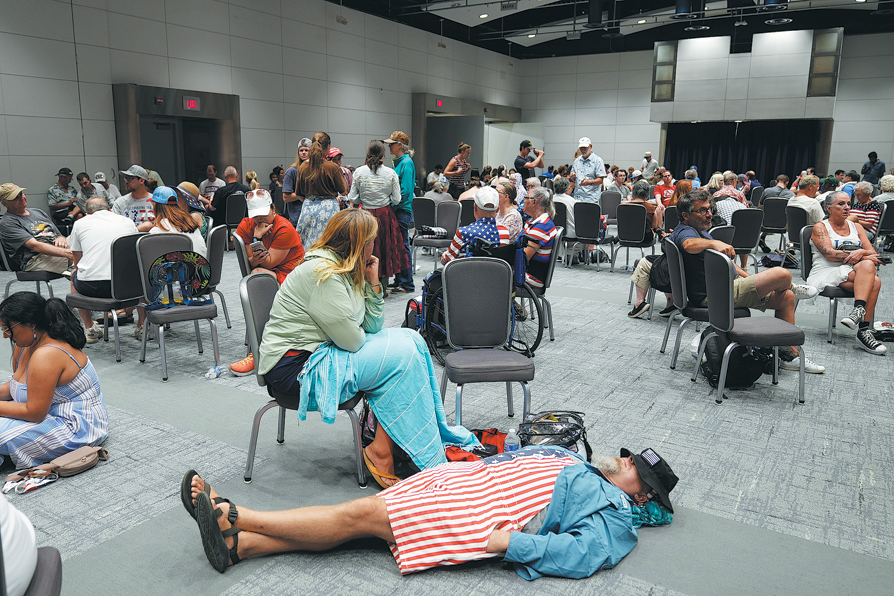
US marks July 4 amid heat
On July 4, 2026, the United States marked its landmark 250th anniversary of national independence against a backdrop of extreme weather, heightened political tension, and widespread public reflection on the country’s past and future. What was meant to be a unifying day of national celebration was disrupted by multiple unforeseen challenges, from record-breaking heatwaves that forced event cancellations to public displays of division and outbreaks of violence that underscored the deep rifts running through modern American society.
The day’s flagship celebration, hosted on Washington DC’s National Mall, faced an early disruption when an incoming severe storm triggered a full evacuation of the grounds just after 7 p.m. local time, delaying the event by roughly two hours. After the area was cleared and deemed safe, former President Donald Trump delivered a keynote address to a large, heavily secured crowd gathered near the Washington Monument. During his speech, Trump framed remarks on US history around symbolic historical artifacts, including the flag that draped Abraham Lincoln’s casket and a flag that flew on the plane of aviation pioneers the Wright Brothers during their first controlled powered flight.
Long before the evening’s main event, dangerous heat had already upended celebration plans across the East Coast. The US National Weather Service recorded brutal peak temperatures between 43°C and 46°C across the region, prompting an official Extreme Heat Warning that forced the National Park Service to cancel the annual National Independence Day Parade earlier that morning. A scheduled regional rodeo was also called off over heat safety concerns. Event organizers for the National Mall celebrations scrambled to adapt, adding additional free water stations, cooling zones, and on-site medical support to help attendees cope with the sweltering conditions, while DC’s metro system recorded overcrowding as visitors sought shelter in air-conditioned indoor spaces.
The day was also marked by openly displayed political tension and violence. Dozens of masked members of the white nationalist group Patriot Front staged a public march through the celebration area carrying Confederate battle flags; local Metropolitan Police confirmed no arrests were made during the demonstration, per Associated Press reporting. Outside of Washington, a shooting in New York City’s popular Coney Island neighborhood left eight people injured, including four children, late on Independence Day, according to ABC News citing NYPD officials. As of Sunday morning, no suspects had been taken into custody.
Against this chaotic backdrop, the 250th milestone has prompted Americans across the country to reflect on deep-seated political division and the current state of national pride. Recent polling reveals just how fractured public sentiment is: an April 2026 poll conducted by the AP-NORC Center for Public Affairs Research found that only 40% of US adults feel proud of the country on its 250th birthday, while the latest Gallup survey found just 46% of Americans believe all citizens have equal access to the American Dream.
Many citizens shared critical perspectives on the challenges facing the nation in interviews. “Well, our leaders need to get their act together and be able to just talk,” 78-year-old Randy Tennant, a visitor from Syracuse, New York, told reporters. “They don’t talk now. They just argue. They put each other down. 25, 30 years ago, they used to talk together.”
New York resident Ryan Hilligoss summed up the national mood as a “midlife crisis” for the 250-year-old nation. “I would say America, 250 years old, is in a midlife crisis, for sure,” he said. “With all the oligarchy that’s going on, with the economics, the American Dream is very limited.”
Other residents described mixed feelings about the anniversary, acknowledging the nation’s growth while recognizing its deep divides. “I think the 250th year represents growth, different perspectives, divisiveness, all the above,” said New Yorker Shuba Maniram. California resident Peter Christian pointed to two interconnected issues driving national tension: “Wealth disparity is causing a serious problem, and you have a lot of people who have taken a ‘my way or the highway’ attitude toward everything, and those two things are causing a lot of problems for the country.”
-
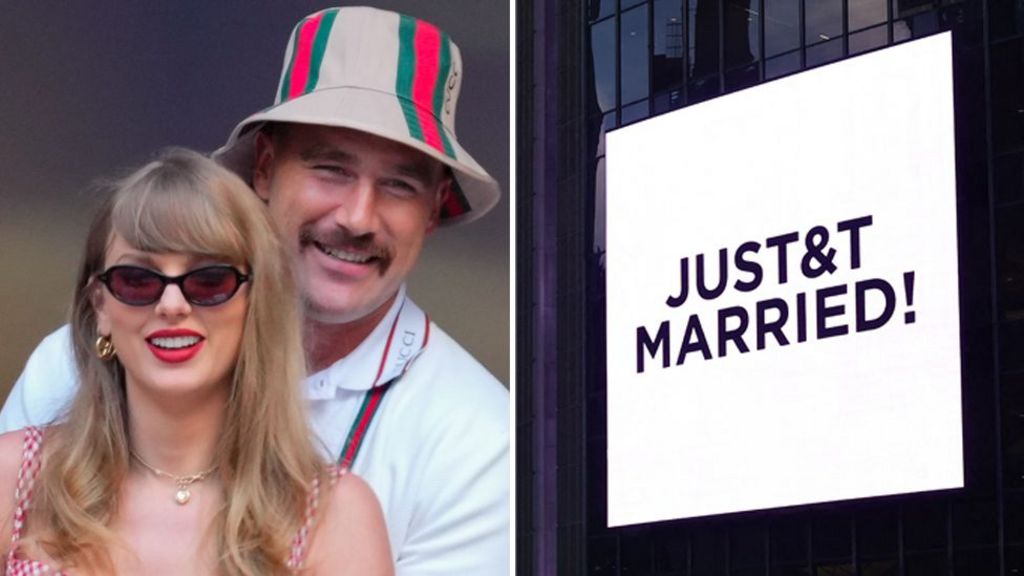
From ‘a beautiful night’ to ‘world’s greatest hangover’, guests react to Taylor and Travis’s wedding
Two days have passed since global pop icon Taylor Swift tied the knot with NFL Super Bowl champion Travis Kelce, and details of one of the most anticipated celebrity weddings of the decade are finally starting to trickle out from A-list guests who joined the couple for the big day.
Reports suggest the guest list topped 1,000 names, drawing the biggest stars from music, Hollywood, and professional sports. For weeks leading up to the event, the couple had maintained extremely tight security around wedding details, with all attendees reportedly requested to keep photos and specifics under wraps to protect their privacy. To date, Swift and Kelce have not released any official photographs from the ceremony themselves.
Still, that hasn’t stopped celebrity guests from dropping subtle (and not-so-subtle) hints about the night on social media, after the Friday celebration held at New York City’s iconic Madison Square Garden. From clear confirmations of attendance to cryptic outfit posts set to Swift’s biggest hits, fans have been poring over every post to piece together how the star-studded event unfolded.
Actress Jessica Alba was one of the first guests to openly confirm her attendance, sharing a selfie of herself in a sleek black Prada gown to her Instagram story. “We love love,” she wrote. “Congrats to T&T – such a beautiful night celebrating you.” The post was set to Swift’s breakout hit Love Story, while a second behind-the-scenes post, set to The Fate of Ophelia, showed Alba and her partner Danny Ramirez getting ready ahead of the nuptials.
BBC Radio 1 Breakfast Show host Greg James, who received his live invitation from Swift on his own program earlier this year, also confirmed he made the guest list. Posting to Instagram on Saturday, James wrote: “Just to say: true to her word, of course the invitation arrived and of course I couldn’t tell anyone. And oh my god, what an unbelievably brilliant night.” The host added that he was still recovering from the big night of celebrations: “I am currently experiencing the world’s greatest hangover and unable to reply to the hilarious number of messages I have received over the last 24 hours.”
James wasn’t the only attendee nursing post-wedding hangover. Actress and singer Suki Waterhouse, who previously confirmed she was invited to the wedding in an interview with Variety earlier this year, shared a Instagram story featuring a Francis Bacon quote: “I often work best with a hangover because my mind is crackling with energy and I can think very clearly.” She also posted a carousel of New York trip photos, including a selfie of her in a silver gown taken in a car, captioned “NYC, land of love.” Waterhouse, who is currently preparing for her own upcoming wedding to actor Robert Pattinson, previously said she planned to attend Swift’s big day to pick up wedding planning inspiration.
Other stars also took to social media to share their looks for the event. Severance actor Adam Scott posted a photo of himself alongside fellow comedy star Paul Rudd, captioned simply “T&T” with two red heart emojis. Actress Niecy Nash shared a video of her car ride to Madison Square Garden with her wife, singer-songwriter Jessica Betts, alongside photos of herself in a strapless floor-length blue gown. “The Betts pulled up to the Travis Kelce & Taylor Swift wedding. A time was had. The love in the room was palpable,” she wrote. “Wowwwwwww is the best way to describe it. From beginning to end, no detail was spared! Congrats! Welcome to the club!”
Joseph Kahn, the music video director who collaborated with Swift on iconic hits including *Bad Blood* and *Look What You Made Me Do*, also shared his experience over the weekend. He called the event “wonderful”, revealing: “I got to meet Steven Spielberg and the lovely Kate Capshaw and talk filmmaking with the GOAT (lifelong dream achieved). What I will say about the wedding was it was so much funnier and emotional than expected, and as big as it was, it also felt very intimate. And yes, literally everyone was there. It was like living in the internet.”
Pap photographers stationed outside the venue spotted dozens more A-list celebrities arriving and departing, including Selena Gomez, Camila Cabello, Hugh Grant, Gracie Abrams, Gigi Hadid, Bradley Cooper, Tom Hanks, Millie Bobby Brown, Ellie Goulding, Graham Norton and Dakota Johnson. Many more guests entered and exited through private entrances to avoid press attention.
Kelce’s mother Donna Kelce, a beloved figure among NFL fans who attended the event, shared her own brief reaction to the wedding in a Sunday Instagram post from Macy’s department store about the city’s 4 July fireworks. When asked about her son’s new marriage, she said: “I really can’t say a heck of a lot but it was magical, man, magical.”
Dozens more celebrity names are rumored to be on the guest list, including Sabrina Carpenter, Jennifer Lawrence, Lana Del Rey, Lena Dunham, Emma Stone, the Haim sisters, Sir Paul McCartney, Zoe Kravitz, Stevie Nicks, Nicole Kidman, Reese Witherspoon and Greta Gerwig. Several other stars have dropped strong hints of their attendance: actress and singer-songwriter Toni Collette shared a photo of herself in a floral sleeveless dress set to Swift’s track Paper Rings, later commenting on Adam Scott’s post that “it had been so good to see you guys. What a night!”
Former Black Eyed Peas singer Fergie shared a glamorous photo of herself against a New York city backdrop, captioned: “Got to play dress up in Vintage Christian Dior by Galliano & celebrate love.” Country singer Maren Morris shared a series of Instagram videos showing a group of guests traveling to the event in their formal wear, singing along to Swift’s Love Story, captioned with the song’s lyric “baby just say yes.” Morris wrapped up her posts with a relatable photo of herself wearing dark sunglasses and curled up with a blanket on a plane flight home, writing: “24 hours of chaos and now I can sleep.”
-
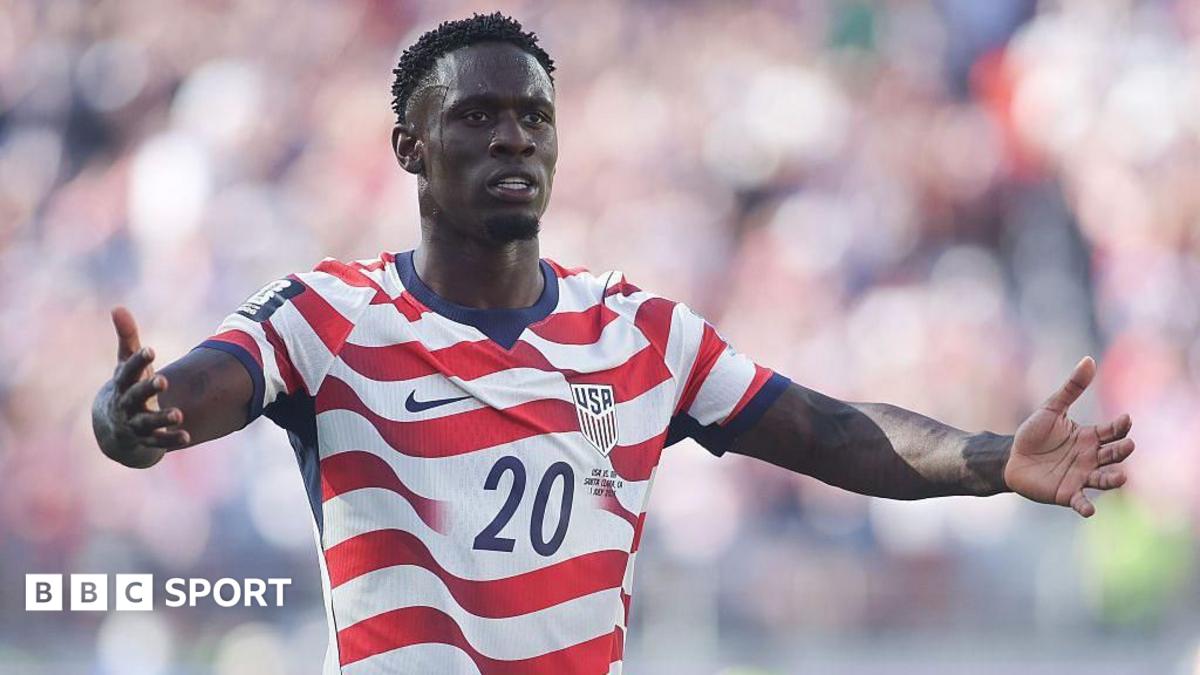
Red card system in disarray over Trump, Fifa and Balogun decision
For decades, one of the most unshakable rules in FIFA World Cup football has stood firm: any player shown a red card will automatically miss their team’s next match. No exceptions, no appeals, no room for negotiation. That long-standing certainty has now been thrown into chaos, after FIFA granted an unprecedented reprieve to United States star forward Folarin Balogun, leaving the sport grappling with urgent questions about fairness, consistency and political interference.
-

Eight rescued from seaplane that made ‘hard landing’ in Manhattan river
A dramatic midday emergency unfolded off Manhattan’s East 23rd Street Marina on Tuesday, when a Kodiak 100 seaplane suffered a catastrophic hard landing on New York City’s East River, triggering a rapid emergency response that saved all eight people on board. Local emergency officials confirmed that first responders from the New York City Fire Department (FDNY) were dispatched to the crash site shortly after 12 p.m. local time — 16:00 GMT — following initial 911 reports of an aircraft down in the water.
Upon arrival, first responders found the seaplane remained afloat and upright, allowing emergency teams to safely evacuate all eight occupants. Of those on board, two individuals sustained minor non-life-threatening injuries but declined to seek on-site or hospital medical care, according to FDNY updates. After the evacuation, the intact aircraft was towed back to a nearby dock for preservation ahead of an official probe.
The U.S. Federal Aviation Administration (FAA), which is leading the official investigation into the incident, confirmed that the emergency stemmed from a hard landing that generated enough force to snap a key wing strut on the aircraft. A hard landing, defined as a touchdown that exceeds an aircraft manufacturer’s approved vertical speed and impact limits, can cause critical structural damage even when the craft remains afloat.
Multiple on-scene and preliminary accounts have added further context to the incident: the New York Times reported the aircraft was traveling from the Hamptons, a popular summer seaside getaway for wealthy New York residents, en route to a local Manhattan seaplane base when it hit a sudden large wave during landing attempts. The impact caused the seaplane to partially capsize before it stabilized in an upright position. The FAA also noted in a social media statement that air traffic control was not providing active services to the aircraft at the time of the landing.
Notably, this incident marks the second seaplane emergency on the East River in just three weeks. On June 13, a small two-seater seaplane suffered damage when it was hit by a large wave during takeoff near Queens, CBS News previously reported. In that earlier incident, FDNY emergency teams safely rescued the pilot and single passenger from the downed craft via boat, with no reported fatalities or critical injuries in that event either.
As of Tuesday afternoon, the FAA has launched a full review to identify root causes of the hard landing, with investigators set to examine structural data from the seaplane, weather and wave conditions at the time of landing, and the pilot’s actions leading up to the incident.