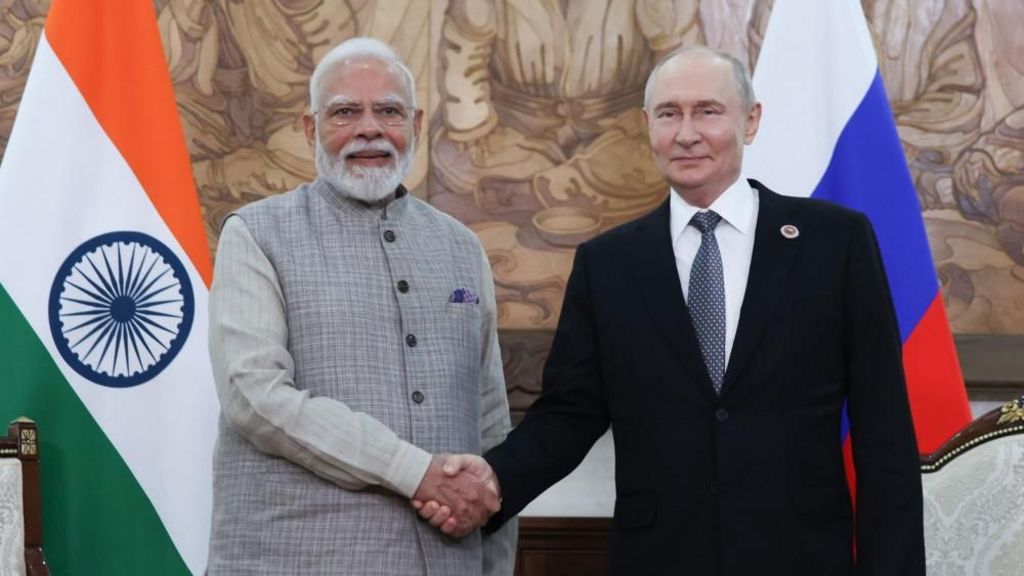
On a recent Monday, Indian Prime Minister Narendra Modi, a long-standing close ally of Russian President Vladimir Putin, issued a renewed public call for Moscow to bring its full-scale military campaign against Ukraine to a close. “Every day spent in war pushes humanity back, and every step taken towards peace fills humanity with new hope and enthusiasm,” Modi stated, doubling down on a message he has delivered repeatedly since Russia launched its invasion of Ukraine in early 2022. For India, a major economy that relies heavily on discounted Russian crude oil to meet its growing energy needs, this public appeal aligns with a long-held diplomatic position — not a sudden shift. This was not Modi’s first public urging of Putin: during a 2022 regional summit, less than a year into the conflict, he publicly told the Russian leader that “now is not the time for war.”
Contrary to some interpretations, neither this latest statement nor previous remarks from Modi constitute a direct rebuke of Putin or Russia’s broader strategic goals. Western powers have long pressured New Delhi to take a clear, condemnatory stance on the war, but India has maintained a deliberate policy of neutrality, consistently calling for diplomatic dialogue to resolve the conflict rather than aligning with either bloc. This neutral stance has frustrated many Western capitals, but geopolitical and economic realities have forced Western leaders to continue engaging with India: as one of the world’s fastest-growing major economies with a population of over 1.4 billion, India is simply too strategically and economically important to isolate.
In fact, Modi’s latest appeal is fully consistent with India’s core policy of strategic autonomy, which has allowed the country to maintain ties with competing global powers. For decades, India has balanced deep, long-standing partnership with Russia with growing strategic and economic ties to the United States, Europe, and other Indo-Pacific powers. India is a founding member of the BRICS bloc alongside Russia and China, and a participating state in the Shanghai Cooperation Organization, two forums where Russia holds significant influence. At the same time, New Delhi is also a core member of the Quad, a strategic security grouping that includes the U.S., Japan, and Australia — a partnership that has drawn criticism from the Kremlin.
Despite these competing alignments, Moscow and New Delhi have consistently worked through their differences. Russia remains one of India’s largest defense suppliers, accounting for roughly 40% of India’s total defense imports, and has served as a stable provider of energy to meet India’s fast-growing demand. Analysts agree that Modi’s public statement is not expected to create a lasting rift in bilateral ties, and the message was unlikely to have come as a surprise to Putin or his diplomatic team. Critics both in the West and within India, however, argue that Modi should have issued a far more direct criticism of Russia’s military campaign.
From Moscow’s perspective, this public call for peace is far from unprecedented. Just five weeks before Modi’s appeal, Kazakh President Kassym-Jomart Tokayev publicly suggested Putin freeze the conflict and return to negotiations. Putin did not take that step, and there is no indication that public appeals from allied leaders have shifted his core strategic calculations.
In response to Modi’s call for an end to hostilities, Putin offered only a polite, vague, and non-committal reply: “Thank you very much, prime minister. We are moving forward along this path.” The ambiguity of the response leaves critical questions unanswered: how fast will progress be, and what “path” is Russia actually pursuing? All available evidence suggests that Russia’s leadership remains committed to achieving military victory on the battlefield in Ukraine, framing their current military campaign as “moving toward peace” on terms dictated by Russian military success.
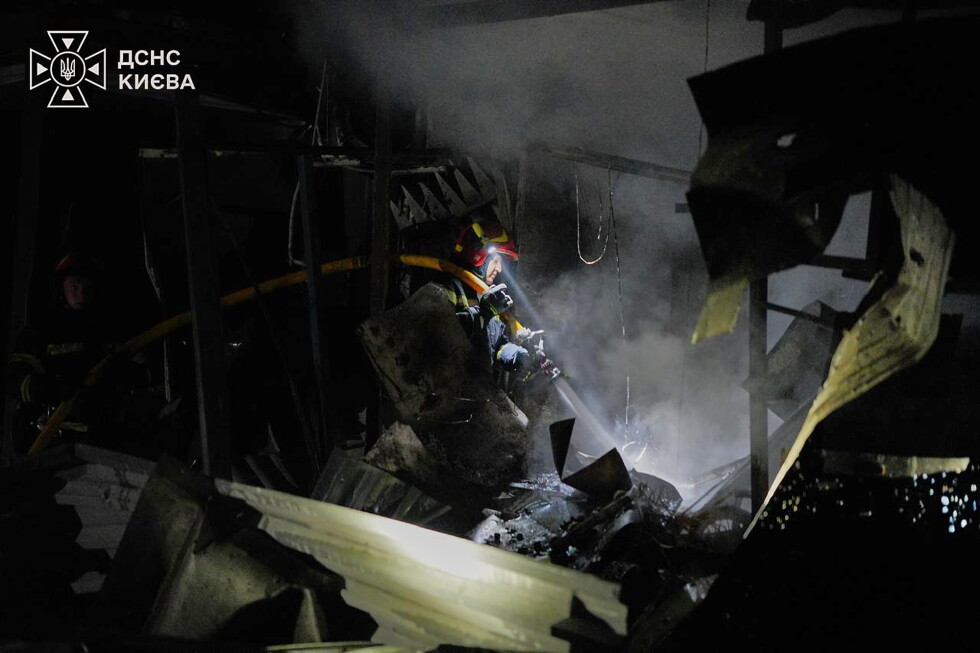
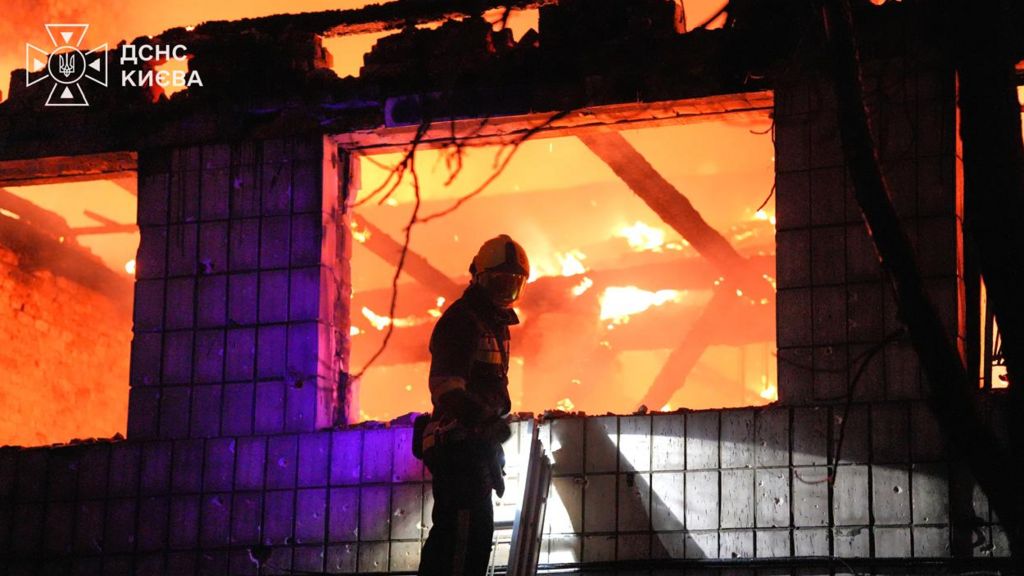
As of now, this means active fighting continues, more than four and a half years after the full-scale invasion began. Despite massive Russian military losses and Ukraine’s growing ability to strike targets inside Russian territory — including recent long-range drone attacks on Russian oil refineries that have sparked widespread fuel shortages and long queues at petrol stations across the country — the Kremlin has yet to achieve its core military goals. In recent weeks, Russia has ramped up its own strikes against Ukrainian military industrial facilities and critical infrastructure. Russian business daily Kommersant reported recently that the Kremlin is convinced that time is on Moscow’s side in the military confrontation, working against Kyiv. As long as Putin holds that belief, he is unlikely to pause his “special military operation” or enter into meaningful peace negotiations.