标签: Europe

欧洲

  • France forward Ousmane Dembélé scores a first-half World Cup hat trick in 4-1 win over Norway

    France forward Ousmane Dembélé scores a first-half World Cup hat trick in 4-1 win over Norway

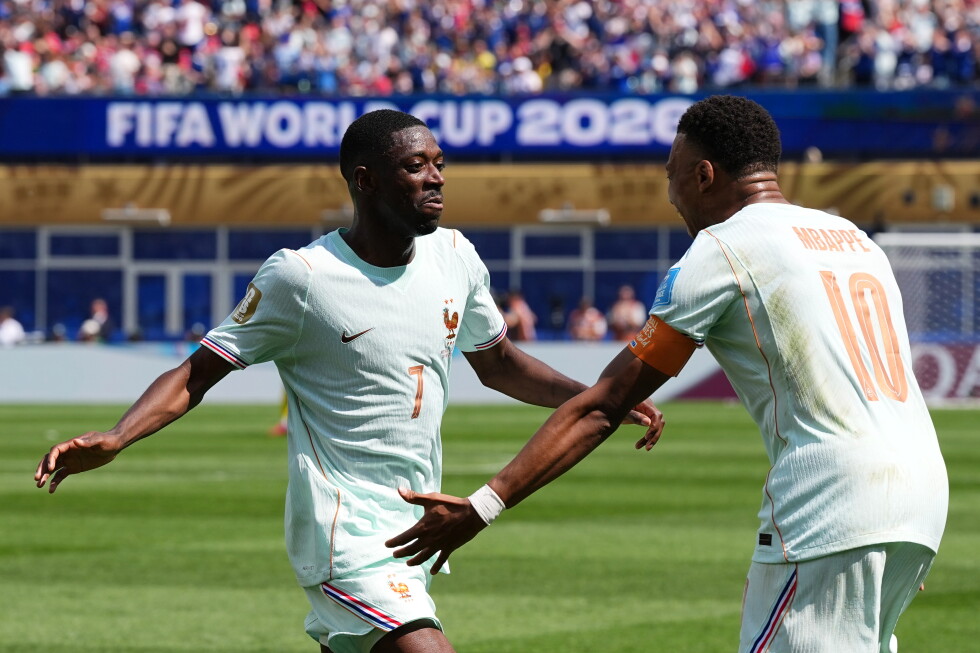
    FOXBOROUGH, Mass. — Ahead of the knockout round of the World Cup, French star Ousmane Dembélé announced himself as a top contender for the tournament’s Golden Boot with a historic first-half hat trick that lifted defending champion France to a 4-1 victory over Norway in the final Group Stage match Friday.

    Dembélé found the back of the net three times in just 25 minutes of the first half, striking in the 7th, 20th, and 32nd minutes. His performance marks the first first-half World Cup hat trick in 30 years; the last such achievement came from Russian forward Oleg Salenko, who netted three first-half goals as part of his iconic five-goal game against Cameroon at the 1994 United States World Cup.

    The match opened with a near-immediate chance for France: Kylian Mbappé broke down the right flank just 21 seconds after kickoff, firing a powerful strike that rattled the crossbar past Norwegian backup goalkeeper Egil Selvik. Dembélé opened his scoring tally soon after, slotting a right-footed shot past Selvik off a perfectly placed feed from his Paris Saint-Germain teammate Mbappé. He doubled his lead 13 minutes later, creating space between three Norwegian defenders at the top of the 18-yard box and curling a left-footed shot beyond Selvik’s diving save attempt.

    Norway quickly pulled one back, as Thelo Aasgaard scored just 14 seconds after the restart following Dembélé’s second goal. But Dembélé restored France’s two-goal advantage less than nine minutes later, completing his first-half hat trick before the break. France rounded out the scoring with a late injury-time goal from young substitute Désiré Doué, capping a dominant performance that pushed the side’s total goal tally to 10 through three group matches.

    Both sides had already secured their spots in the World Cup round of 32 heading into Friday’s match, and Norway head coach Ståle Solbakken made the call to rest 10 regular starting players, including star striker Erling Haaland, to keep his squad fresh for knockout round play. Solbakken explained that the short turn-around between matches made the decision to rest key starters an obvious one.

    “The break that we had from the last game to this game was the shortest of any team. … So it’s a no-brainer,” Solbakken said. “The fans around Norway and also in the arena would have liked to see Erling. But that is not really the issue. We want to proceed as long as we can in the tournament.”

    For France, the match carried an undercurrent of emotion: head coach Didier Deschamps missed the fixture after the recent passing of his mother, Ginette Deschamps, returning to France to be with his family. Assistant coach Guy Stéphan stepped in to lead the side, and fans in attendance displayed a large banner reading “AVEC TOI DIDIER” — “With you Didier” — to show their support for Deschamps. Stéphan confirmed after the match that Deschamps would rejoin the team for training Saturday ahead of the knockout round.

    Dembélé, who claimed the 2025 Ballon d’Or as European football’s top player and now has four goals at this year’s World Cup, was subbed off in the 65th minute to rest, replaced by Bradley Barcola. In his post-match comments, the 28-year-old played down his individual achievement, emphasizing that the team’s focus remains locked on knockout round success.

    “It is a unique moment,” Dembélé said. “But the most important was to finish first of the group in the group stage, and we are focused on the round of 32, which is the most important.” He added: “We want to win all our matches, but we remain focused.”

    Historically, Dembélé’s hat trick ranks among the fastest in World Cup history. The record for the fastest tournament hat trick belongs to Hungarian striker Laszlo Kiss, who scored three goals in just 7 minutes 42 seconds as a substitute against El Salvador at the 1982 Spain World Cup. For hat tricks from the opening kickoff, the record is held by Austrian striker Erich Probst, who netted three goals in 24 minutes against Czechoslovakia at the 1954 Switzerland World Cup.

    Looking ahead, both teams will begin their knockout round campaigns on the same day next week. Norway will square off against Ivory Coast on Tuesday in Arlington, Texas, while France will face off against one of the top third-place finishers from the 2026 tournament group stage in East Rutherford, New Jersey.

    In addition to Dembélé’s three goals, Mbappé extended his strong World Cup form: the French captain now has 16 career World Cup goals and four assists across 17 tournament matches, having already scored two goals in each of France’s prior group wins against Senegal and Iraq, entering the knockout round as one of the tournament’s top offensive threats.
  • Europe’s deadly heatwave breaks German record and halts public events

    Europe’s deadly heatwave breaks German record and halts public events

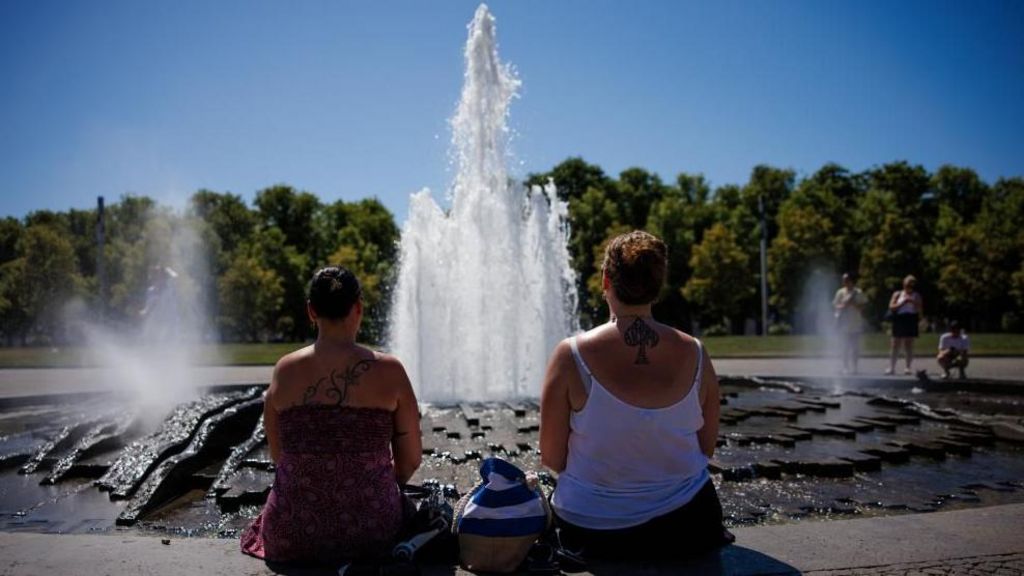
    A historic, record-shattering June heatwave has swept across Western and Central Europe, leaving a trail of fatalities, widespread public event cancellations, infrastructure disruptions, and urgent warnings about the growing impact of human-caused climate change. The extreme heat, which has sent temperatures soaring far above seasonal averages, has forced governments to activate emergency protocols and sparked fresh concerns about Europe’s vulnerability to rising global temperatures.

    By Friday, the heatwave had shifted slowly north and east after lingering over southern Europe for days, where it had already claimed hundreds of lives. Temperature records fell one after another across multiple nations: Germany reported a provisional all-time national high of 41.3°C in the southwestern city of Saarbrücken, located just across the border from France, which had already notched three consecutive days of record-breaking heat earlier in the week. Unofficial readings hit 40°C in the Belgian border town of Kleine Brogel, while the southern Dutch province of Limburg recorded 39.4°C, and the UK logged a provisional June record of 37.1°C in Suffolk’s Cavendish. AFP calculations indicate that more than 150 million people across the continent faced temperatures exceeding 35°C on Friday alone. Forecasters predict even more records could fall in the coming days: Czech scientists expect the country’s 2012 record of 40.4°C to be broken Saturday, while Austria’s national record is projected to fall Sunday, and Balkan nations including Serbia are forecast to see highs up to 39°C through the weekend.

    The extreme heat has already triggered critical disruptions to critical infrastructure and public life. In Switzerland, the Beznau nuclear power plant took both of its reactors offline Friday after water temperatures in the River Aare, which the plant uses for cooling, rose to 25°C – a threshold deemed too warm to ensure safe, sufficient cooling. A Eurostar passenger train traveling from Cologne to Paris broke down east of Brussels Friday morning, carrying roughly 400 passengers; three people were hospitalized as a precaution due to heat-related distress.

    Officials across the continent have scrambled to cancel major public gatherings to avoid mass heat-related health crises, as healthcare systems face growing strain. In Paris, authorities pulled the plug on two high-profile weekend events after local officials warned the regional hospital system was already saturated, and resources needed to be redirected to support the most vulnerable populations. Organizers of Paris Pride, scheduled for Saturday, announced they would reschedule the march for September. The annual Solidays music festival, which drew more than 250,000 attendees in 2025, was also called off just days before it was set to kick off. Only the Diamond League athletics meeting at Charléty Stadium will proceed, after organizers agreed to shift the event start to later in the afternoon to avoid peak heat. In the Netherlands, organizers of the massive Defqon.1 music festival were forced to cancel the event hours after thousands of attendees had already arrived, after authorities issued an unprecedented code red extreme heat alert. The last-minute cancellation sparked angry reactions from attendees, leading to reports of unrest that required police intervention. Germany has also scrapped major events, including Saturday’s Hamburg Half Marathon.

    The human cost of the heatwave continues to climb, with mounting fatalities reported across southern Europe. Spain’s MoMo temperature-related mortality monitoring system recorded 327 heat-linked deaths between Sunday and Thursday, the majority of which occurred in the final two days of that period. Though temperatures have started to cool slightly in Spain, a new forest fire broke out northeast of Barcelona Friday, forcing 16,000 local residents to remain in their homes for safety; authorities have arrested a man on suspicion of arson in connection with the blaze. In France, even as the peak of the heatwave passes, Health Minister Stéphanie Rist warned that ongoing “emergence of deaths at home” remains a major point of concern. The country has already confirmed multiple heat-related deaths of young children: an 18-month-old toddler died of hyperthermia after being left in a parked car in Marseille, marking the third such incident in days, following the deaths of two young children in Carpentras and a near-miss with a three-year-old in Paris. Fatal drownings have also surged, with 55 deaths recorded since the heatwave began, two-thirds of which occurred in unregulated, unsupervised swimming areas. French authorities have activated emergency response plans for all Paris-region hospitals to address growing strains on the healthcare system.

    Beyond human impacts, the heatwave is causing severe damage to European ecosystems, with alpine glaciers facing unprecedented early melt. A glacier research team based in Zurich warned that almost all of the winter snow and ice reserves built up on Swiss glaciers will be depleted by as early as Monday – a milestone that normally does not occur until mid-August. Researchers noted that the current rate of melting is already on track to match 2022, the worst year on record for glacial melt in Switzerland, when 6% of the country’s total glacial mass was lost.

    Climate researchers have confirmed that this extreme heat event is directly tied to long-term warming driven by climate change. A rapid analysis from World Weather Attribution released Friday found that the current heatwave is the most severe ever recorded across the affected region, and that June is warming faster than any other month of the year across the continent. The analysis confirms that temperatures across France, Germany, Italy, Spain and southern England are 5°C to 12°C above long-term seasonal averages, driven by a persistent stationary high-pressure system that has trapped hot air over the region. Copernicus Climate Change Service data confirms Europe is the fastest-warming continent on Earth, heating at twice the rate of the global average. Clare Nullis, spokesperson for the World Meteorological Organization, warned that the heatwave is already having major negative impacts on human health, natural ecosystems, agricultural production, and outdoor labor, adding that “We need to get used to it, unfortunately.”

  • Erling Haaland and others not starting for Norway against France at the World Cup

    Erling Haaland and others not starting for Norway against France at the World Cup

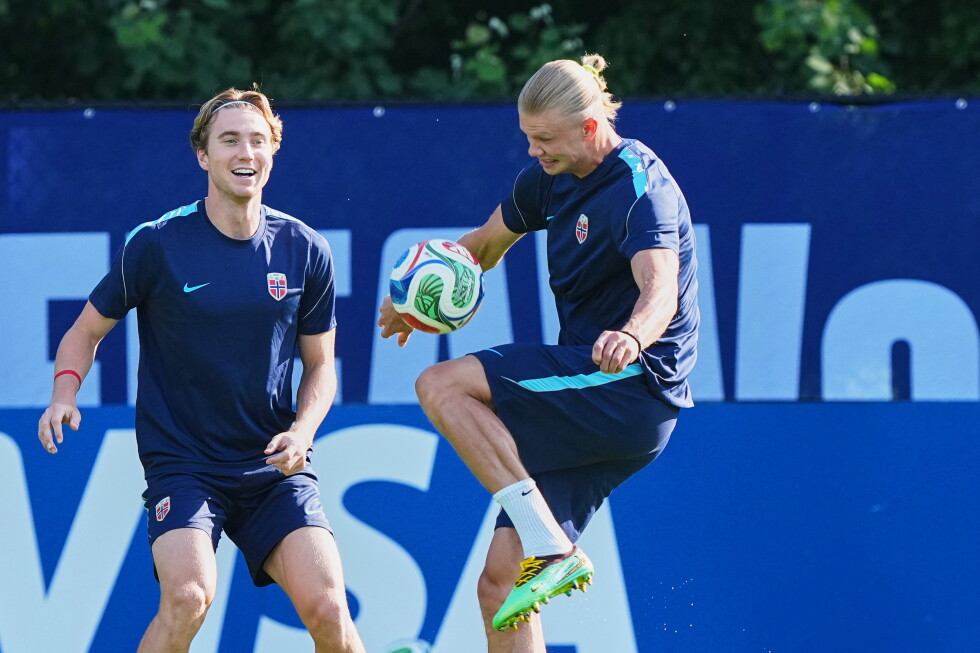
    FOXBOROUGH, Mass. — The final Group I match of the men’s World Cup between Norway and France on Friday brings with it two major lineup and coaching disruptions that have reshaped the showdown ahead of the knockout round. The biggest headline coming out of Norway’s pre-match team announcement is star striker Erling Haaland’s absence from the starting 11, one of 10 regular opening-day starters left on the bench by head coach Ståle Solbakken.

    Norway has already locked in its spot in the tournament’s round of 32, which has led Solbakken to rotate his squad heavily to rest key players ahead of knockout-stage play. Only one player who started Norway’s opening group fixture against Senegal on Monday retains his place in Friday’s starting lineup: midfielder Fredrik Aursnes. The sweeping changes also see goalkeeper Egil Selvik get his first start of the tournament, replacing regular starter Orjan Nyland between the posts.

    Despite the rotation, Norway still has a shot at topping Group I: the side only trails group leader France on goal difference, and a win over France would see Norway jump to first place in the group standings. For Haaland, the absence comes mid-tournament in a tight race for the tournament’s Golden Boot. The Norwegian star is currently tied for second on the goal-scoring leaderboard with four tournament goals, level with Brazil’s Vinícius Júnior and France’s own Kylian Mbappé. That puts Haaland just one goal behind leader Lionel Messi of Argentina, who sits atop the rankings with five goals.

    On France’s side of the matchup, all eyes will be on the sideline rather than the starting XI, where the reigning 2018 champions are fielding their full regular starting lineup including Mbappé. But France will be without their iconic head coach Didier Deschamps, who has stepped away from the team temporarily following the recent passing of his mother. The 57-year-old manager is currently back in France with his family to grieve, leaving assistant coach Guy Stéphan to lead the team in Friday’s fixture.

    Stéphan told reporters ahead of the match that he has remained in constant contact with Deschamps, even speaking with him just hours before kickoff. “He is very affected,” Stéphan said of his boss. “I will strive to make the situation as normal as possible and to prove worthy of the trust he places in me.” My thoughts have been with Deschamps and his entire family this week, he added.

    Deschamps, who already confirmed he will step down from his role as France’s head coach after this year’s tournament, has one of the most storied careers in World Cup history. He won the tournament as a player with France in 1998, repeated the feat as head coach in 2018, and led his side to a second-place finish in the 2022 tournament. This match marks his final group-stage appearance at the helm, one he will miss due to family tragedy.

    The stakes of Friday’s match extend beyond group bragging rights, as the final group positions will determine where each team plays their first knockout-round match. The Group I winner will face a yet-to-be-determined third-place finisher from another group next Tuesday in East Rutherford, New Jersey, while the group’s second-place team will take on Ivory Coast the same day in Arlington, Texas.

  • Deniz Undav’s World Cup success for Germany lifts Yazidi and Kurdish pride

    Deniz Undav’s World Cup success for Germany lifts Yazidi and Kurdish pride

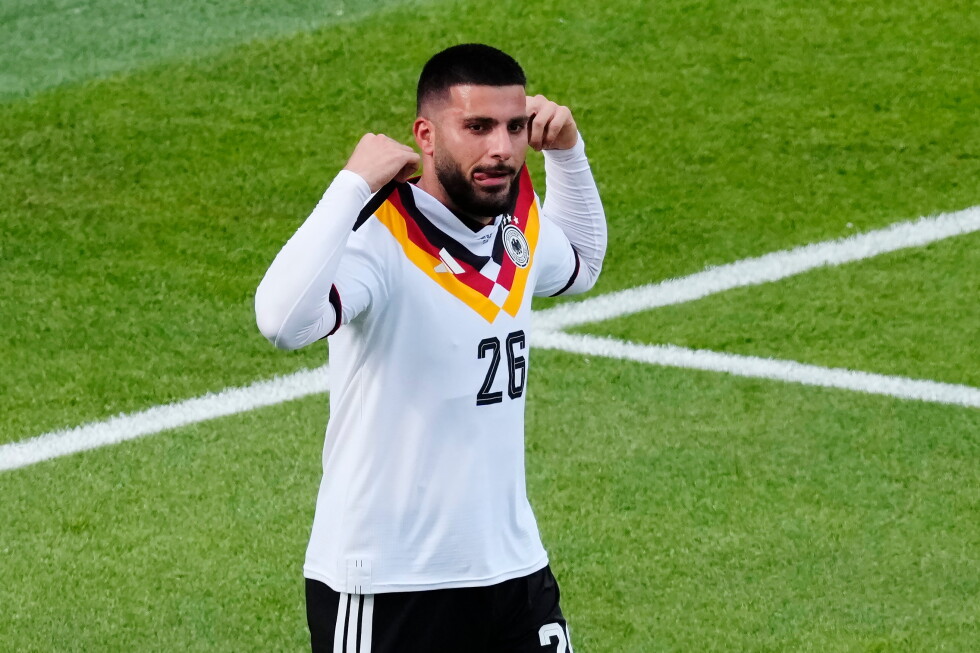
    HOUSTON — As one of the breakout surprise stars of the 2026 FIFA World Cup, German striker Deniz Undav has climbed the tournament’s goal-scoring ranks through a standout run as a substitute. Beyond his on-pitch success, however, the 29-year-old forward carries a far greater weight: he stands as the first global sports representative for two long-persecuted, stateless communities that can never field their own official World Cup side. Born to Yazidi refugee parents and raised in Germany, Undav identifies as a Kurdish Yazidi, and his historic tournament run has sparked overwhelming joy and renewed visibility for Yazidi and Kurdish communities across the Middle East and Europe.

    Since entering the German lineup as a substitute, Undav has notched three goals and two assists, putting him just behind tournament leading scorers including Lionel Messi of Argentina, France’s Kylian Mbappé and Brazil’s Vinicius Jr. in the early standings. Speaking to reporters this week, Undav said he hopes his performance inspires young people across the globe, especially those who share his cultural and religious background.

    “I always get the news from my parents how they view me, how they see me and it’s making me proud, you know, that we finally have somebody,” he told reporters.

    Undav’s roots stretch across the Middle East: his mother traces her family line to a now-abandoned village near Khirbet al-Ghazal, a small Yazidi settlement in northeastern Syria. On Thursday night, dozens of community members gathered in the home of local Yazidi leader Ismail Dalaf to cheer on Undav during Germany’s match against Ecuador, many sharing family ties with the striker’s maternal line. Most residents of Undav’s mother’s original village left decades ago, driven out by economic instability or the violence of Syria’s 15-year civil war.

    For Dalaf, Undav’s rise is more than a sports story: it is a cultural turning point.

    “Undav’s World Cup performance has made him a symbol that shows Yazidis can reach a higher position and be seen with respect,” Dalaf said in an interview. “When people see a Yazidi entering the field, scoring goals and changing the result of matches, it changes public perception. It tells the world that Yazidis have a role in the world.”

    Kurds are the world’s largest stateless ethnic group, with roughly 30 million people living as minorities across Turkey, Iraq, Iran and Syria. Yazidis, a Kurdish-speaking monotheistic religious minority with ancient roots in the region, number roughly 1 million globally, with the largest concentration centered in Iraq’s Sinjar region, home to the faith’s most holy Lalish Temple. An estimated 235,000 Yazidis now reside in Germany, most having resettled after the 2014 Islamic State genocide that killed thousands of Yazidi and abducted thousands more, who were labeled heretics by the militant group. Many of those who survived remain displaced to this day.

    Irfan Ortac, chair of the Central Council of Yazidis in Germany, said Undav’s success has shifted global conversations about his community away from endless stories of trauma.

    “Until now, we have mostly been known as victims of violence,” Ortac said. “Whenever we spoke about Yazidis, we always had to talk about genocide, discrimination, and displacement. It makes us very proud and happy to be able to talk about something positive.”

    In Iraq, the global center of Yazidi life, community leaders have also embraced Undav’s run. “It makes me very happy to see a Yazidi bringing our name to the World Cup and playing in front of the whole world,” said Luqman Sleiman, spokesperson for the Lalish Temple. Diyar Bakir, a 29-year-old Yazidi from Sinjar whose community survived the 2014 IS onslaught, said he dreams of traveling to Germany one day to watch Undav play in person.

    “His family came from a place where his ethnicity and religion were not appreciated, yet he is now recognized and valued by a great team like Germany,” Bakir said. “He emerged from the womb of suffering, and we wish him every success.”

    Undav’s path to stardom has not been without hostility. He has faced repeated online and in-person abuse targeting his Yazidi-Kurdish heritage. Last year, when his club VfB Stuttgart played an away match against Turkey’s Fenerbahce, the striker was targeted with obscene chants about his mother. Two Kurdish anti-discrimination organizations documented a surge in racist, ethnically motivated insults targeting Undav on social media after the match. The striker also faced backlash from some Turkish fans after choosing to represent Germany at the international level, rather than Turkey, a path other German-born players of Turkish heritage have taken.

    But amid the abuse, Undav’s popularity has skyrocketed, and his presence has sparked a broader shift in conversations about migration, identity and belonging in Germany, a country that has welcomed millions of refugees from the Middle East over the past two decades.

    Düzen Tekkal, a German documentary filmmaker and author of Kurdish Yazidi heritage who co-founded Scoring Girls, a nonprofit that offers free soccer programming to girls from marginalized backgrounds, said the “Deniz Undav effect” extends far beyond the soccer pitch.

    “There definitely is a Deniz Undav effect and it’s very important,” Tekkal said. “It lets children who share our heritage celebrate who they are and feel they belong in Germany at a time when migration is often treated as a political problem. It is no coincidence that he plays with this lightness and freedom. People are asking how come he’s so good under pressure or he can cope with so much pressure? Because he doesn’t know it any other way. That is the DNA, that is the resilience. … That’s how he scores these goals because what is that pressure compared to being Kurdish or Yazidi?”

    After scoring against Curacao in the team’s opening group stage match, Undav celebrated with a traditional Yazidi jig, hands clasped behind his back. He was joined in the dance by German star Antonio Rüdiger, a Black German player who has faced repeated racist and anti-Muslim abuse throughout his career. Tekkal called the moment one of the most iconic of the entire tournament, regardless of how Germany fares in the coming matches.

    “Dancing is a form of expressing resistance for us,” Tekkal emphasized. “We dance on the graves of our dead. Our mantra is that resistance is life. He’s dancing there for his forefathers who were oppressed.”

    For many stateless Kurdish fans, Undav’s run gives them a team to cheer for at the World Cup, the global stage that excludes stateless communities by rule. Mahmoud Kanabi, a Kurd from Irbil who moved to Berlin in 2020 and works at a Kurdish restaurant in the city, bought his first ever Germany jersey this year because of Undav.

    “Unfortunately, for us Kurds, we don’t have a team because we don’t have a country,” Kanabi said. “Now, when a Kurdish player is in a team, we have to be fans of it. It doesn’t matter what team it is.”

    Reporting for this article was contributed by Martany in Irbil, Iraq; Fahey in Berlin; Ellingworth in Duesseldorf, Germany; and AP Sports Writer Ron Blum in East Rutherford, New Jersey. This coverage is part of AP’s religion reporting partnership with The Conversation US, supported by funding from Lilly Endowment Inc., with the AP solely responsible for all content.

  • Nicholas Rossi, accused of faking death and fleeing US to Scotland after rape charges, has died

    Nicholas Rossi, accused of faking death and fleeing US to Scotland after rape charges, has died

    A convicted sexual assailant who spent years evading American justice by faking his own death and fleeing across continents has died while in custody at a Utah correctional facility, state law enforcement officials confirmed Friday.

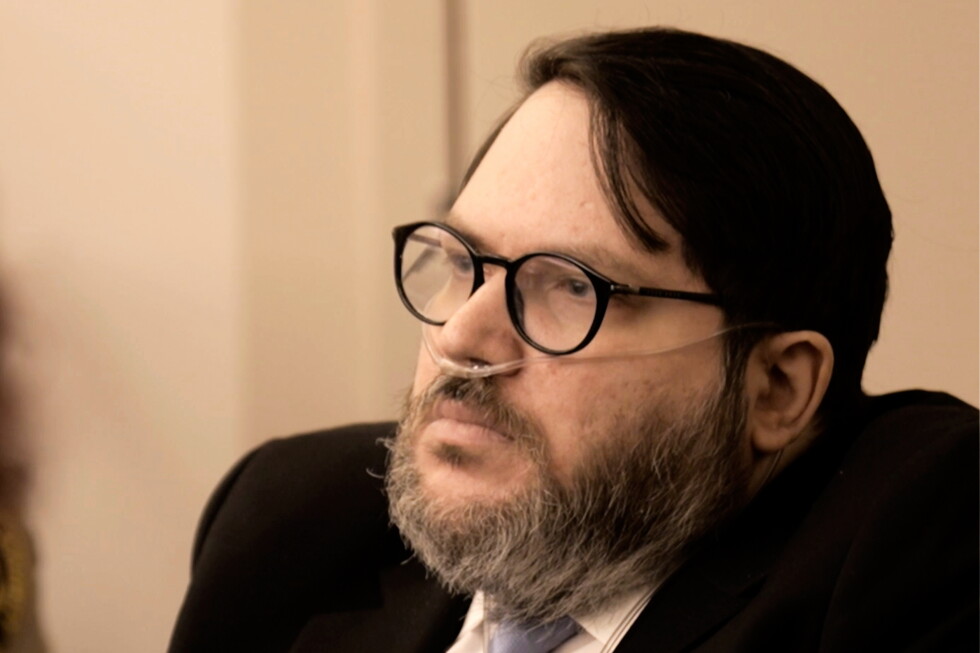
    Thirty-eight-year-old Nicholas Rossi, also known by the alias Nicholas Alahverdian, passed away Thursday night due to complications from a pre-existing chronic health condition, according to Richard Piatt, public information officer for the Utah Department of Corrections. Piatt confirmed that Rossi had made the personal decision to discontinue ongoing medical treatment prior to his death, and that both his surviving family members and the victims of his crimes have been formally notified of his passing. Details of Rossi’s specific health issues have not been released per privacy regulations, but court observers noted he appeared throughout his 2025 trial in a wheelchair and required supplemental oxygen during proceedings.

    Rossi’s death closes out a years-long, international manhunt that began in 2018, when investigators matched Rossi’s DNA to a decades-old unprocessed rape kit collected from an earlier assault. Following the 2018 charges, a staged online obituary was published in early 2020 claiming Rossi had died from non-Hodgkin lymphoma on February 29 of that year. But investigators and people close to Rossi—including his former legal counsel and a former foster family—immediately raised doubts about the claim of his death, launching a cross-border search that would span multiple years.

    After faking his death, Rossi fled the United States for Europe, eventually settling in Scotland where he was arrested in 2021 while receiving treatment for COVID-19. Hospital staff recognized him from the international arrest warrant by his unique tattoos, including a forged Brown University crest inked on his shoulder—Rossi had never actually attended the Ivy League institution. Even after his arrest, he continued to obstruct justice, claiming he was a innocent Irish orphan named Arthur Knight who had been wrongfully framed for crimes he did not commit. Investigators ultimately confirmed that Rossi used more than a dozen separate aliases over decades to avoid detection and evade law enforcement.

    Rossi was finally extradited back to the United States from Scotland in 2024 to stand trial for two sexual assault charges brought by Utah prosecutors. In 2025, he was convicted on both counts and sentenced to serve a minimum of 10 years in state prison. During the trial, details of his abusive pattern of behavior emerged: one victim told the court Rossi raped her in her apartment after she confronted him for stealing money from her to purchase a computer. A second victim, who met Rossi through a personal advertisement posted to Craigslist, said the pair became engaged within weeks of meeting, during which time Rossi pressured her to cover all of his living expenses, lend him $1,000 to prevent eviction, and take on personal debt to purchase their engagement rings. The trial judge ultimately labeled Rossi a “serial abuser of women” during sentencing.

    At his October 2024 sentencing hearing, Rossi again maintained his innocence, claiming “I am not guilty of this. These women are lying.” Local prosecutors noted Wednesday that despite his continued claims of innocence, Rossi never escaped accountability for his crimes. “Mr. Rossi was a sexual predator who tried to escape accountability,” said Salt Lake County prosecutor Sim Gill. “The survivors of his heinous acts have the consolation that he died in prison with the knowledge of the crimes he committed.”

  • Trump threatens 100% tax on European imports if countries impose tax on digital services

    Trump threatens 100% tax on European imports if countries impose tax on digital services

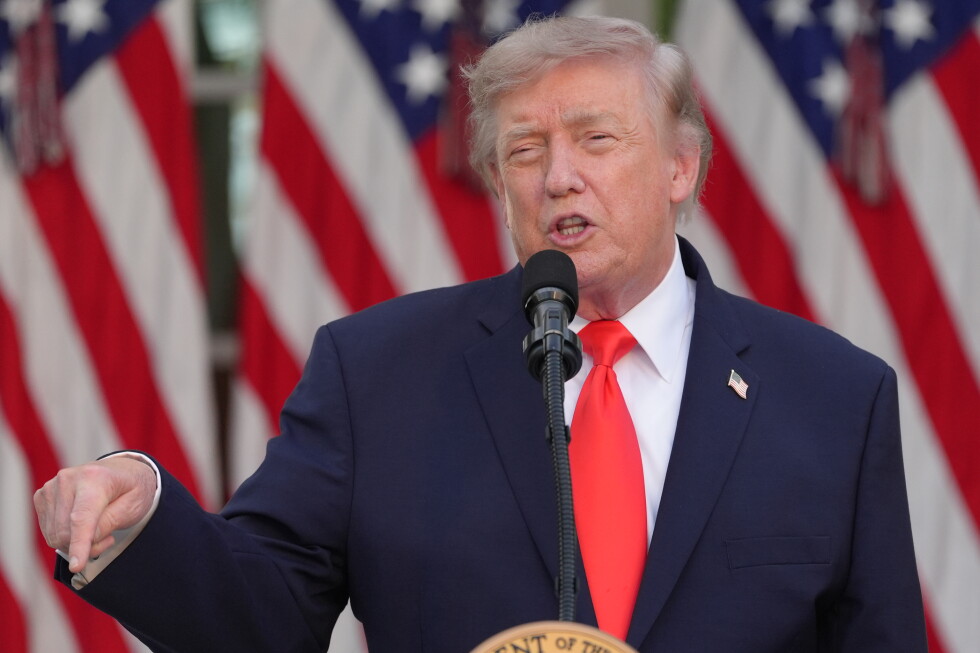
    The simmering transatlantic trade dispute over digital service taxes erupted into a new standoff Friday, as former U.S. President Donald Trump issued an ultimatum threatening steep 100% import tariffs on any nation moving forward with levies targeting American digital firms.

    In a public social media post, Trump specifically called out European countries that he claims are preparing to imminently roll out new digital tax regimes. For years, the U.S. leader has leveraged tariff threats to discourage such policies, as a growing number of governments across the globe seek new tax revenues from the digital economy — a sector overwhelmingly dominated by large U.S. tech corporations.

    “Please let this statement serve to represent that any Country that imposes such a Tax will immediately be met with a 100% TARIFF on any and all Goods sent to the United States of America,” Trump wrote in the post. He added that the proposed tariffs would override all previously negotiated bilateral and multilateral trade agreements. While the threat applies to all countries pursuing digital taxes, Trump’s post centered European nations as the primary target.

    Policy analysts warn the aggressive move could escalate into a full-scale transatlantic trade war. If the 27-nation European Union chooses to retaliate against the tariffs, the resulting trade disruption would push up consumer prices, slow global economic growth, and unravel years of incremental trade progress between the two blocs.

    The European Commission swiftly pushed back against Trump’s threat Friday. “Unilateral measures targeting such legitimate policies are unjustified. If pursued, the EU will respond swiftly and decisively to defend its rights and regulatory autonomy,” said commission spokesperson Olof Gill. Gill emphasized that the EU’s digital tax framework is non-discriminatory, applying equally to all large tech firms regardless of their country of origin.

    This is not the first time Trump has threatened tariffs over digital taxation. Last August, he issued a similar warning, arguing that foreign digital tax and regulatory policies “are all designed to harm, or discriminate against, American Technology.”

    The latest tariff threat comes ahead of a July 4 deadline for the implementation of a U.S.-EU tariff deal reached earlier this year. The agreement, first negotiated tentatively by European Commission chief Ursula von der Leyen during a 2024 visit to Trump’s Scottish golf resort, caps most tariffs on EU exports to the U.S. at 15% after months of fractious internal debate within the bloc. Notably, digital service taxes were excluded from the deal, leaving the issue as the most intractable sticking point in U.S.-EU trade relations.

    The U.S. government has already opened Section 301 trade investigations into foreign digital service taxes under the 1974 Trade Act, but it remains unclear whether Trump will follow through on his latest threat, or how the tariffs would be structured if implemented. It is also unknown whether the administration would roll out broad tariffs immediately or target specific countries initially.

    Outside the EU, the United Kingdom — which left the bloc in 2020 — has already enforced a 2% digital services tax since that year, applied to revenues earned by search engines, social media platforms, and online marketplaces that derive value from UK-based users. UK policymakers justified the tax by arguing that long-standing corporate tax rules for digital businesses have created a mismatch between where profits are taxed and where economic value is actually generated. The tax includes revenue thresholds that mean it applies almost exclusively to large multinational corporations, with the stated goal of ensuring big global tech firms pay a fair share to support UK public services.

  • Greece is paying fishermen to catch toxic toadfish invading the warming Mediterranean

    Greece is paying fishermen to catch toxic toadfish invading the warming Mediterranean

    Climate change has triggered an unprecedented biological shift in the Mediterranean Sea, pushing a toxic, invasive species northward into Greek waters—and prompting Athens to roll out an unusual solution to contain the disruption: a cash-for-catch bounty program targeting the dangerous invader.

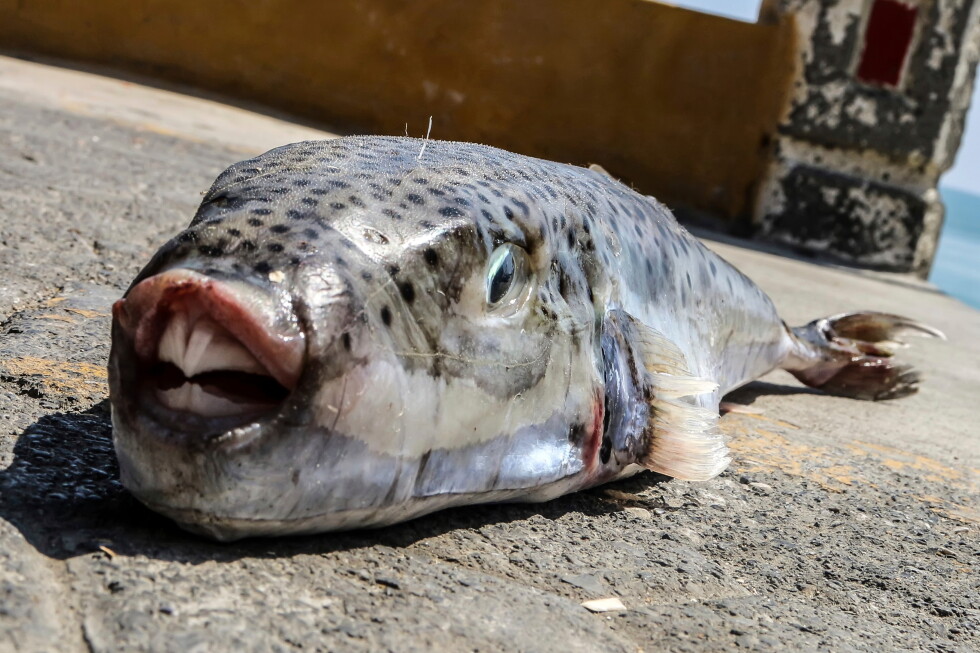
    The species in question is the silver-cheeked toadfish, a member of the pufferfish family native to tropical marine ecosystems. Identified by its streamlined torpedo frame and distinct human-like teeth, the creature carries an extremely potent neurotoxin in its skin and internal organs that can trigger fatal heart failure if ingested by humans.

    While Greek authorities have confirmed no sightings of the toadfish in popular resort bathing zones around Greek islands, the invasive species has already caused severe economic damage to fishing communities operating off the coast of Crete and other nearby island groups. Local fishermen report that the toadfish routinely tear through commercial fishing nets to feed on already caught target species, leaving gear destroyed and catches depleted.

    Giorgos Kyriakakis, a representative of a Cretan fishermen’s association, explained the scope of the problem in an interview with Greek public broadcaster ERT on Friday. “It’s got to the point where we might go out fishing one day and then spend the next three days fixing our nets,” Kyriakakis said. “They eat our catch and damage our nets — that’s very costly.”

    Ecologists trace the toadfish’s arrival in the Mediterranean to two interconnected factors: the species originally entered the sea via the Suez Canal from the Red Sea, and rapidly expanding northward as ocean temperatures rise due to human-caused climate change. The invasion of this toxic species is not unique to Greece; neighboring Cyprus launched an identical cash bounty program earlier this year to address its own toadfish infestation.

    Greece’s formal program launched Friday, with the government offering a payout of 5.33 euros per kilogram (equivalent to roughly $2.75 per pound) for every toadfish turned in by fishermen. According to Agriculture Minister Margaritis Schinas, a former vice president of the European Commission, this is the first time Greece has implemented a targeted eradication measure of this kind.

    All collected toadfish will be frozen at local government facilities before being incinerated to prevent the neurotoxin from entering the food supply, Schinas confirmed. He also noted that the program, which initially covers only the currently affected island regions, will likely be expanded to all Greek territorial waters in the coming months to stop the species from spreading further.

    Public anxiety around the toadfish has grown in recent weeks after Greek fishing crews shared viral videos online showing the species biting through solid objects including soda cans and wooden planks, highlighting the strength of its jaws. In response to rising public concern, the Greek Red Cross issued an official public health advisory, outlining first aid procedures for bite-related bleeding and warning the public of the lethal risk posed by the neurotoxin stored in the fish’s organs.

    Despite the valid concerns of fishing communities, medical and tourism stakeholders on Crete have urged the public to avoid overreaction. In a joint statement released Friday by 16 local medical and tourism associations, leaders emphasized that the presence of the toadfish in Mediterranean waters has been documented by scientists for years, and there is no immediate or hidden threat to recreational swimmers.

    “Marine predators do not threaten the safety of visitors and residents,” the statement read. “Exaggeration is often a feature of public debate.”

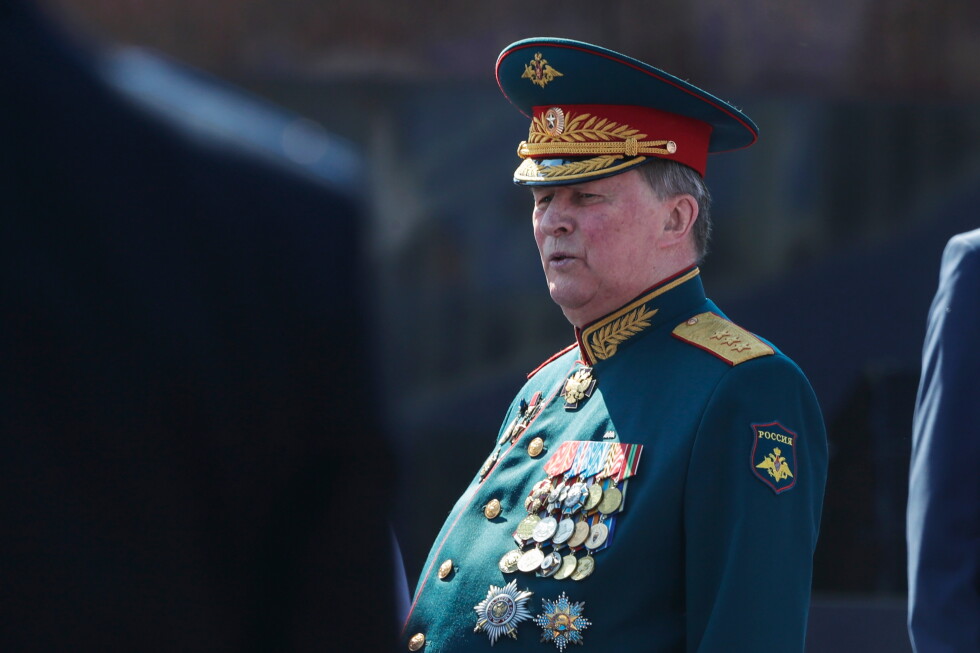
  • Sergei Ivanov, Russia’s ex-defense minister once seen as Putin’s likely successor, has died at 73

    Sergei Ivanov, Russia’s ex-defense minister once seen as Putin’s likely successor, has died at 73

    In a formal announcement from the Kremlin, Russia has confirmed the passing of Sergei Ivanov, a towering figure in domestic politics and one-time close confidant of President Vladimir Putin, at the age of 73.

    The statement released Friday confirmed Ivanov’s death but offered no further details regarding the cause of his passing, and Putin has since delivered official condolences to Ivanov’s surviving family.

    A fellow veteran of the Soviet-era KGB, like Putin himself, Ivanov rose to national prominence in 2001 when he was appointed to the role of defense minister by Putin. He held that cabinet post through 2007, a period that included his oversight of the Second Chechen War, the brutal conflict that ultimately defeated separatist efforts to break the region away from Russian control.

    The highest point of public speculation around Ivanov’s political career came in 2008, when Putin faced mandatory constitutional term limits that barred him from seeking re-election immediately, leading the incumbent president to move into the role of prime minister instead. At that time, political observers across Russia and the international community widely tipped Ivanov as Putin’s chosen successor to the presidency. In a surprise turn, however, Putin selected another long-time ally, Dmitry Medvedev, to fill the role as a temporary placeholder before Putin reclaimed the presidency in 2012. Many independent analysts have since argued that Putin passed over Ivanov due to concerns over the former defense minister’s open ambition, with fears that Ivanov would seek to hold onto the presidency rather than step aside for Putin’s return.

    Despite being passed over for the top job, Ivanov remained a core member of Putin’s ruling circle for years after the 2008 decision. He served as deputy prime minister from 2007 to 2011, before moving into the influential post of Kremlin chief of staff, a position he held from 2011 to 2016.

    In 2016, Ivanov was reassigned to the role of presidential envoy for environmental protection and transport, a post widely regarded as a ceremonial honorary retirement that carried little actual political influence. He stepped down from that position earlier in 2024.

    Like many senior Russian officials, Ivanov was targeted with coordinated economic and travel sanctions by the United States and the European Union following the launch of Moscow’s full-scale military operation in Ukraine in 2022.

  • EU unveils plan to help the bloc’s overlooked islands and coastal communities

    EU unveils plan to help the bloc’s overlooked islands and coastal communities

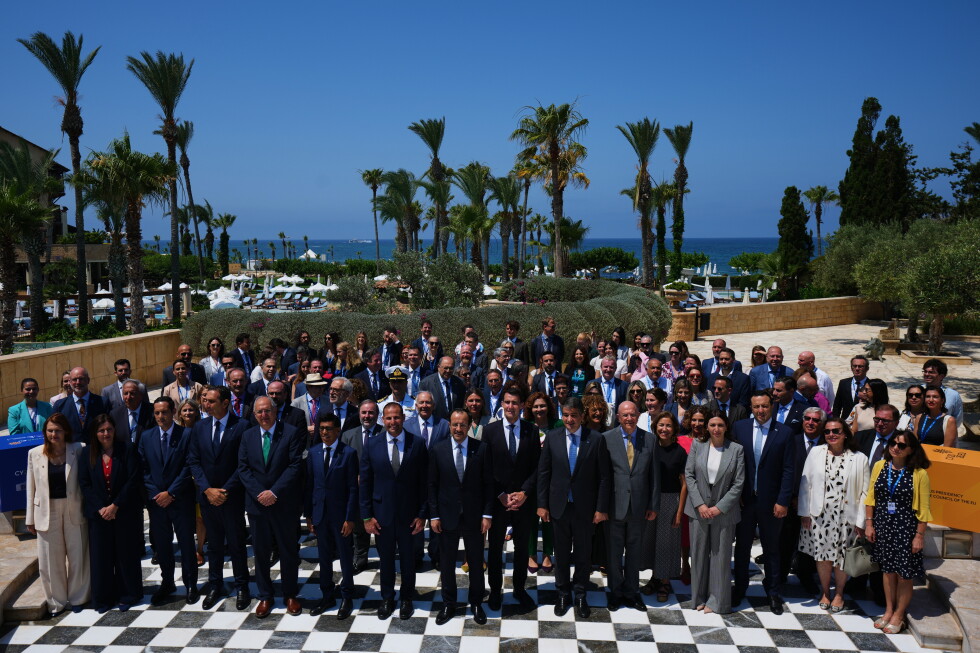
    PAPHOS, Cyprus – The European Commission, the executive governing body of the European Union, announced two unprecedented policy frameworks Friday, designed to address longstanding systemic disadvantages facing the EU’s thousands of islands and hundreds of coastal regions, with targeted initiatives ranging from upgraded transport connectivity to affordable housing expansion.

    Across the 27-nation bloc, more than 4,000 islands are home to roughly 17 million EU residents, and three full member states – Ireland, Malta, and Cyprus – are entirely island nations. An additional 95 million people make their homes along EU coastlines, meaning nearly one in three bloc residents stand to benefit from the new policies.

    Speaking at a Paphos conference focused on empowering island and coastal communities, European Parliament Vice President Younous Omarjee emphasized the historic nature of the announcement, noting that “Islands have been overlooked in the past, but now that comes to an end.”

    Raffaele Fitto, European Commission Executive Vice President for Cohesion and Reforms, explained that the new strategies replace the fragmented, piecemeal policy approaches that have failed to solve these regions’ unique barriers to development, replacing them with a unified, comprehensive support framework.

    Geographic separation from continental EU markets and overreliance on air and sea transport create steep structural disadvantages for island communities: daily costs for transportation, housing, and core public services run significantly higher than those on the mainland, a burden Fitto describes as the “cost of insularity” borne daily by millions of EU citizens and business owners, solely based on their geographic location.

    The standalone island strategy is structured around four core policy pillars: improving overland, air and maritime transport connections and digital infrastructure; addressing climate change impacts and closing unmet energy needs; reversing demographic decline and resolving widespread housing shortages; and strengthening security and crisis response capacity. Fitto stressed that islands across the bloc – from the Baltic Sea to the Mediterranean – sit on the front lines of modern geopolitical instability, making these resilience investments all the more critical.

    At this stage, the commission has not released details on specific projects that will receive EU funding. Project selection and funding allocations will be handled by individual member states, which will submit formal proposals once the bloc’s next multiannual budget is finalized. Fitto confirmed that priority funding will go to high-impact projects such as seawater desalination plants and affordable residential development.

    Fisheries and Oceans Commissioner Costas Kadis added context for the coastal community strategy, noting that coastal regions collectively contribute roughly 265 billion euros ($302 billion) annually to the EU’s total GDP, yet face overlapping pressures from climate change, population decline, lack of affordable housing, and limited access to essential public services.

    The coastal strategy’s core goal is to reduce overreliance on single-industry economies by diversifying local economic activity and creating new, sustainable employment opportunities. A key policy proposal outlined by Kadis is a new blue carbon credit program, which would generate funding for conservation and restoration of coastal wetlands, marshes, and mangroves – ecosystems that provide powerful natural carbon sequestration benefits while also strengthening coastal resilience.

    Other flagship initiatives include the OceanEye project, which would position the EU as a global leader in ocean observation and climate research, and support for dual-use fishing infrastructure and vessels that can support both commercial fishing and sustainable tourism operations. The strategy also allocates dedicated investment in partnership with the European Investment Bank to boost coastal communities’ ability to withstand climate change-driven extreme weather events and long-term environmental shifts.

  • Christmas market attacker jailed for life for murdering six in Germany

    Christmas market attacker jailed for life for murdering six in Germany

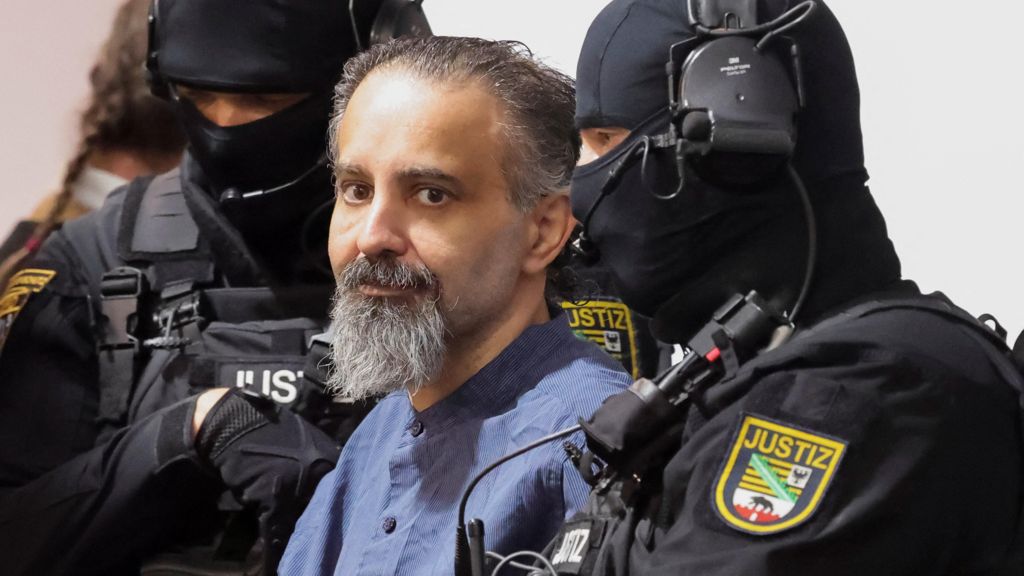
    On Friday, a German court issued the harshest possible legal penalty to a 51-year-old Saudi national convicted of carrying out a deadly 2024 vehicle attack on a crowded Magdeburg Christmas market, ending the high-profile trial of an attack that shocked the nation during the holiday season.

    Taleb Al-Abdulmohsen, who had been granted asylum in Germany back in 2016, received a mandatory life sentence after the court found him guilty on six counts of murder. Court documents detail that on the evening of December 20, 2024, Al-Abdulmohsen climbed into a rented BMW and drove at speeds reaching 48 kilometers per hour through the central holiday market, a space packed with hundreds of visitors browsing gingerbread stands and drinking mulled wine. The entire rampage lasted just 1 minute and 4 seconds, but left an indelible mark of tragedy: six people lost their lives, including a 9-year-old boy and five women aged between 45 and 75, while roughly 300 more suffered injuries, many of them severe. Al-Abdulmohsen was taken into custody by law enforcement immediately after the vehicle came to a stop.

    Investigations and prosecution arguments have painted a clear picture of the attack’s origins: chief public prosecutor Matthias Böttcher told the court that Al-Abdulmohsen planned the violent act months in advance, carried it out entirely on his own, and did not act on behalf of any ideological movement. “The defendant’s sole concern was, and remains, himself,” Böttcher stated. A psychiatric evaluation presented during the trial confirmed that Al-Abdulmohsen lives with narcissistic personality disorder, driven by an overwhelming, unmet need for public attention.

    While Al-Abdulmohsen offered shifting justifications for his actions to the court, claiming he acted out of anger over purported conflicts with German authorities and what he said was global indifference to the rights of Saudi women, he offered little meaningful comment on the attack itself. Court records also detail Al-Abdulmohsen’s background in Germany: after claiming he faced persecution in his home country for public criticism of Islam and the Saudi ruling family, he was granted asylum in 2016. A member of Saudi Arabia’s Shiite minority from the eastern city of Hofuf, per reporting from Germany’s DPA news agency, Al-Abdulmohsen had a long public record of anti-Islamic rhetoric and open sympathy for far-right political causes, including publicly endorsing the far-right Alternative for Germany (AfD) party on social media, claiming it shared his goal of “protecting Germany” from what he framed as shared enemies.

    Prior to the attack, Al-Abdulmohsen worked as a psychiatry and psychotherapy specialist, holding a position at an addiction treatment secure psychiatric facility in Bernburg starting in 2020, though he had recently been classified unfit for work ahead of the December attack. German officials noted at the time of the incident that Al-Abdulmohsen was an “untypical” attacker, unlike previous assaults on German Christmas markets that have been linked to Islamist extremist groups.

    Due to the large number of victims and survivors participating in the trial, authorities constructed a temporary custom courtroom in Magdeburg to accommodate proceedings. Al-Abdulmohsen retains the legal right to file an appeal against his conviction and sentence. In the days after the attack, thousands of Germans gathered near the market site to leave flowers and tributes at a makeshift memorial for the victims, mourning the lives lost during a celebration meant to bring communities together.