标签: Europe

欧洲

  • Brigitte Bardot: From French cinema to international fame

    Brigitte Bardot: From French cinema to international fame

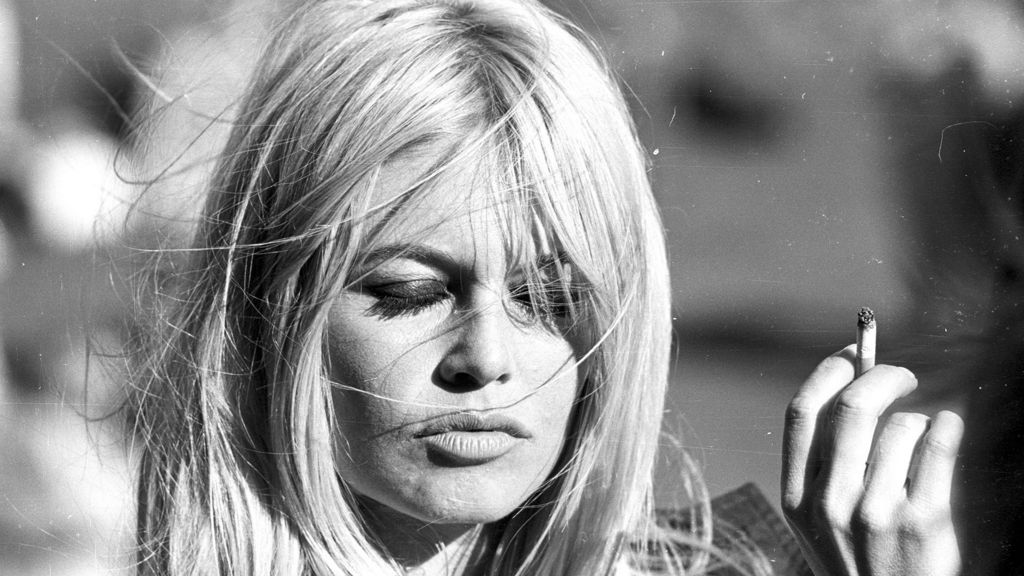
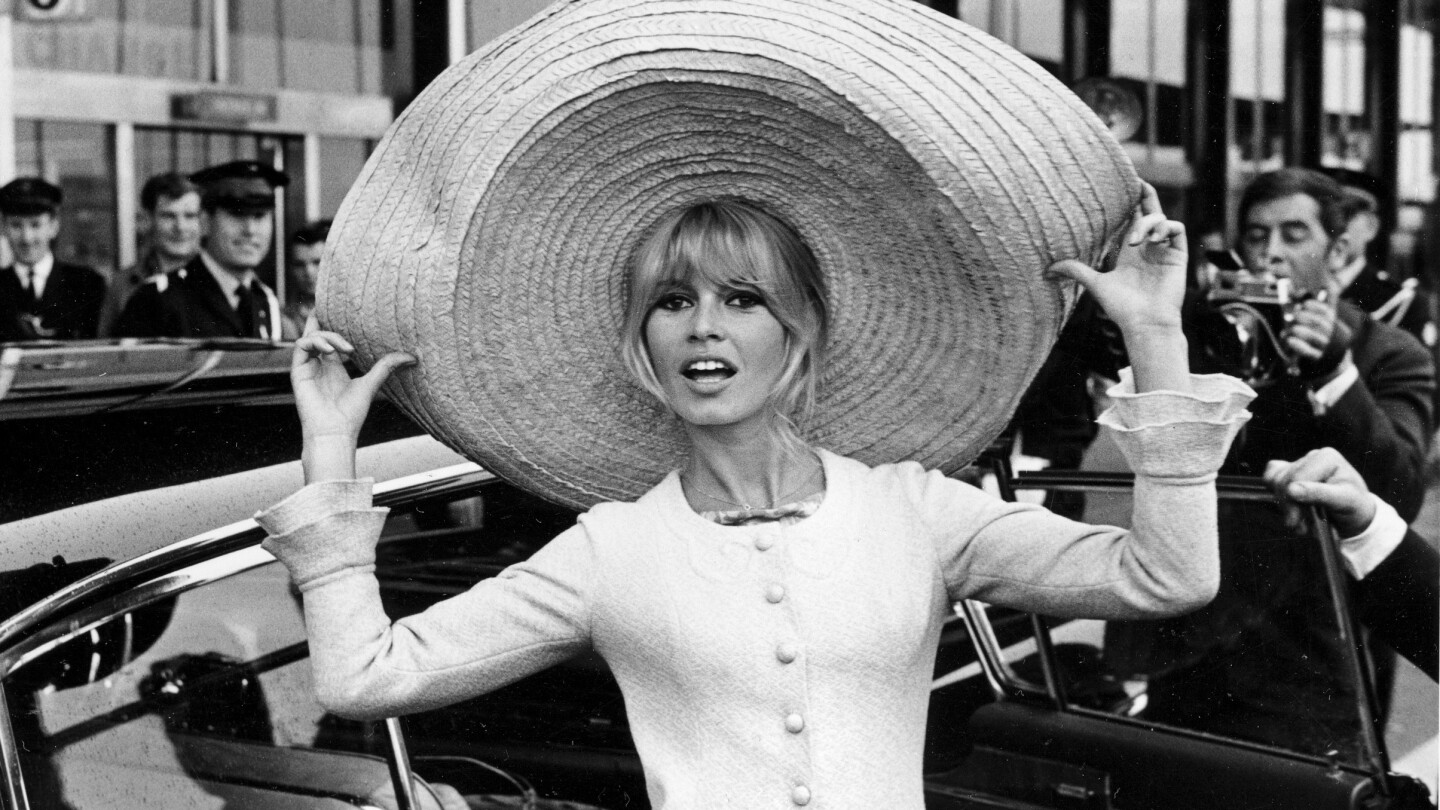
    The global entertainment community mourns the passing of French cultural icon Brigitte Bardot, who has died at age 91. Emerging from the world of modeling in the 1950s, Bardot revolutionized cinematic expression and became France’s most recognizable export during the postwar era.

    Her breakthrough performance in Roger Vadim’s 1956 film ‘And God Created Woman’ established Bardot as an international sensation, challenging conventional norms of on-screen femininity and sexuality. Throughout her prolific career spanning over four decades, she appeared in more than 40 films, working with legendary directors including Jean-Luc Godard and Louis Malle.

    Beyond her cinematic achievements, Bardot evolved into a cultural phenomenon who embodied the spirit of sexual liberation and helped define French New Wave cinema. Her distinctive style, characterized by natural beauty and effortless elegance, made her an enduring fashion icon whose influence transcended generations.

    Following her retirement from acting in 1973, Bardot dedicated herself to animal rights activism, establishing the Fondation Brigitte Bardot which became a leading voice in animal welfare advocacy. Her transition from screen siren to humanitarian demonstrated the multifaceted nature of her remarkable legacy.

    The French Ministry of Culture has announced plans for a national tribute, recognizing Bardot’s immeasurable contributions to French arts and culture. Film historians note that her impact on global cinema remains unparalleled, with her work continuing to inspire performers and filmmakers worldwide.

  • Brigitte Bardot: The blonde bombshell who revolutionised French cinema

    Brigitte Bardot: The blonde bombshell who revolutionised French cinema

    Brigitte Bardot, the French cinematic sensation who revolutionized 1950s cinema before becoming a controversial animal rights activist, has passed away at 91. Her journey from ballet prodigy to international sex symbol and ultimately to social paragon represents one of Hollywood’s most complex legacies.

    Born into Parisian privilege in 1934, Bardot’s early ballet training cultivated the physical grace that would define her screen presence. Her breakthrough came at 16 when Elle magazine featured her on its cover, launching a modeling career that caught the attention of filmmaker Roger Vadim. Their professional and personal partnership would alter cinematic history, despite her parents’ initial objections that led to a suicide attempt by the young starlet.

    Vadim’s 1956 film ‘And God Created Woman’ catapulted Bardot to international stardom, presenting a vision of female sexuality that shattered postwar conventions. While American moral guardians condemned the film, philosopher Simone de Beauvoir celebrated Bardot as embodying ‘absolute freedom.’ This dichotomy defined her career: celebrated as a feminist icon while being ruthlessly marketed as a hedonistic sex symbol.

    The price of fame became increasingly apparent as Bardot struggled to transition to serious acting roles. Despite critical acclaim in Jean-Luc Godard’s ‘Contempt,’ she lamented that filmmakers mostly required her ‘to undress’ rather than act. Her personal life became tabloid fodder through multiple marriages and affairs, including a notorious relationship with co-star Jean-Louis Trintignant during her marriage to Vadim.

    In 1973, after nearly 50 films, Bardot abandoned cinema entirely, declaring: ‘I gave my beauty and my youth to men. I’m going to give my wisdom and experience to animals.’ She established the Brigitte Bardot Foundation through auctioning her jewelry and memorabilia, raising substantial funds for animal welfare campaigns against seal culling, horse meat consumption, and fur trading.

    Her later years were marred by controversy as she faced repeated prosecution for inciting racial hatred. Her criticisms of Islamic and Jewish slaughter practices crossed into xenophobic rhetoric, resulting in multiple fines. These statements, combined with her marriage to far-right political adviser Bernard d’Ormale, isolated her from public life.

    Bardot’s legacy remains profoundly divided: the pioneering actress who liberated female sexuality on screen versus the controversial activist whose bigoted statements overshadowed her animal rights advocacy. She transformed French cinema’s global standing while ultimately becoming a semi-recluse battling legal challenges—a complex conclusion to a life that embodied both liberation and limitation.

  • In pictures: The life and career of Brigitte Bardot

    In pictures: The life and career of Brigitte Bardot

    Brigitte Bardot, the legendary French actress who revolutionized cinematic femininity and became an international symbol of liberation, has passed away at age 91. The Paris-born icon, whose career spanned two transformative decades, leaves behind a complex legacy of artistic innovation and controversial advocacy.

    Discovered as a trained ballerina, Bardot’s breakthrough came at 18 through her marriage to director Roger Vadim, who cast her in the provocative 1956 film ‘And God Created Woman.’ This French New Wave masterpiece established her as a Cannes Film Festival sensation, introducing her sensual, carefree persona that would redefine feminine expression in postwar cinema.

    Throughout the late 1950s and 1960s, Bardot evolved from sex symbol to respected actress, demonstrating remarkable range in critically acclaimed performances. She earned praise for her dramatic depth in ‘The Truth’ (1960), showcased comedic brilliance alongside Jeanne Moreau in ‘Viva Maria!’ (1965), and delivered a seminal performance in Jean-Luc Godard’s arthouse masterpiece ‘Contempt’ (1963). Her influence extended beyond cinema, with her signature tousled hair and bold eyeliner setting global fashion trends.

    In a surprising career shift at age 39, Bardot abandoned acting at the height of her fame to dedicate herself entirely to animal rights activism. She established the Brigitte Bardot Foundation, through which she led vigorous campaigns against seal hunting and animal testing. This transition from screen siren to passionate advocate demonstrated her commitment to living according to her convictions, though it sometimes generated controversy.

    Her later years were marked by both admiration for her advocacy and criticism for inflammatory statements about social issues. Despite these controversies, Bardot remained an enduring symbol of 1960s glamour and French cinematic excellence. She spent her final years in relative seclusion in Saint-Tropez, having permanently shaped both cinematic history and animal welfare activism.

  • Brigitte Bardot, 1960s French sex symbol turned militant animal rights activist, dies at 91

    Brigitte Bardot, 1960s French sex symbol turned militant animal rights activist, dies at 91

    PARIS — Brigitte Bardot, the legendary French actress who revolutionized cinematic sexuality in the 1950s before transforming into a militant animal rights advocate and controversial far-right sympathizer, passed away at age 91. Her death occurred Sunday at her residence in southern France, as confirmed by Bruno Jacquelin of the Brigitte Bardot Foundation for animal protection. No cause of death was disclosed, and funeral arrangements remain pending following her recent hospitalization.

    Bardot achieved global stardom through her groundbreaking performance in Roger Vadim’s 1956 film “And God Created Woman,” where her portrayal of a sexually liberated teen bride challenged conventional morality and established her as an international symbol of erotic freedom. Her distinctive combination of tousled blonde hair, voluptuous figure, and provocative irreverence made her one of France’s most recognizable cultural exports during her career spanning over two dozen films.

    In a remarkable testament to her cultural significance, Bardot’s features were selected in 1969 to model for “Marianne,” the national emblem of France that appears on official government seals, statues, and currency. French President Emmanuel Macron acknowledged her passing with a tribute on social media, stating “We are mourning a legend.”

    Following her retirement from cinema at age 39 in 1973, Bardot underwent a dramatic reinvention as an animal rights activist. She established her foundation, sold personal jewelry and memorabilia to fund animal protection efforts, and campaigned internationally against seal hunting, laboratory animal testing, and traditional slaughter practices. Her activism earned her France’s Legion of Honor in 1985, though her later statements regarding Muslim religious practices resulted in multiple convictions for inciting racial hatred.

    Bardot’s political alignment shifted noticeably following her 1992 marriage to Bernard d’Ormale, an adviser to far-right National Front leader Jean-Marie Le Pen. She subsequently expressed support for Marine Le Pen’s presidential campaigns and made controversial statements regarding immigration and the #MeToo movement, which she characterized as hypocritical.

    Despite her complex legacy, environmental campaigner Paul Watson, who worked alongside Bardot for five decades, noted that “the animals of this world lost a wonderful friend today.” Her life story remains a fascinating narrative of transformation from international sex symbol to uncompromising activist, marked by both admiration and controversy across different phases of her public existence.

  • Preliminary results show Prime Minister Kurti’s party won Kosovo snap vote convincingly

    Preliminary results show Prime Minister Kurti’s party won Kosovo snap vote convincingly

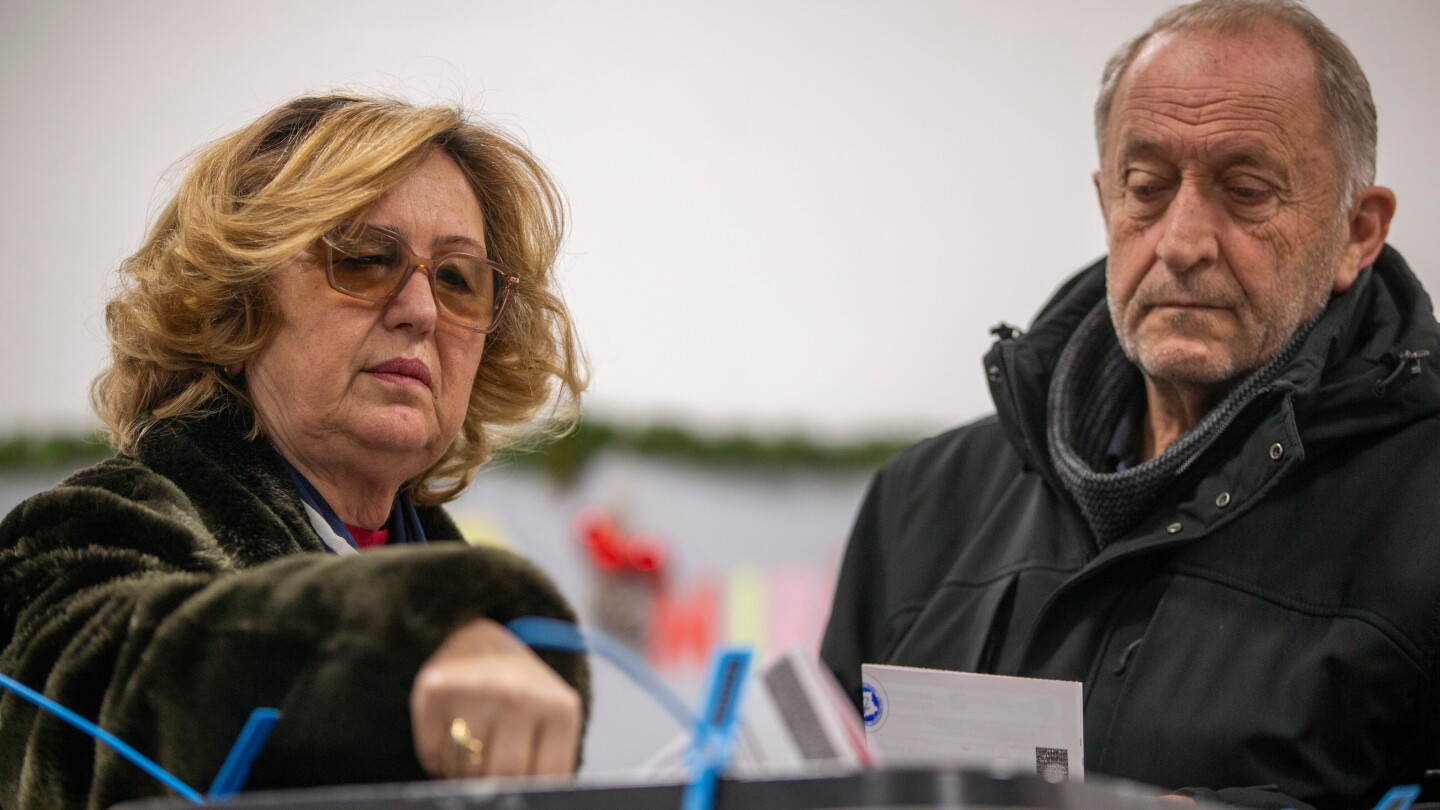
    PRISTINA, Kosovo – Prime Minister Albin Kurti’s political party has achieved a resounding victory in Kosovo’s snap parliamentary elections, positioning the incumbent leader for another term governing the Balkan nation. Preliminary results released by state election authorities indicate Kurti’s Vetevendosje (Self-Determination) party secured approximately 50% of the vote, dramatically outperforming rival parties.

    The Democratic Party of Kosovo trailed distantly with 21% support, while the Democratic League of Kosovo garnered nearly 14% of ballots counted. Celebrations erupted outside party headquarters in Pristina as supporters chanted Kurti’s name following the announcement.

    This electoral contest emerged from prolonged political gridlock after Kurti’s party, despite winning the February 9 election, failed to establish a governing coalition. The deadlock marked an unprecedented constitutional crisis in Kosovo’s young democracy, which declared independence from Serbia in 2008 following the 1998-99 conflict that concluded with NATO intervention.

    Kurti immediately addressed the nation, stating: “Congratulations on the biggest victory in the history of the country. We don’t have time to lose and must move forward together as quickly as possible.” The Prime Minister emphasized that parliamentary formation and government establishment would proceed without delay.

    Critical challenges await the new administration, including approval of the national budget for the coming year and election of a new president before incumbent Vjosa Osmani’s mandate expires in April. Voter participation registered at approximately 44% among Kosovo’s 1.9 million eligible voters.

    The political landscape remains complex, with 20 parliamentary seats automatically allocated to ethnic Serb representatives and minority parties under Kosovo’s election laws. Kurti’s administration has faced criticism from opposition parties accusing him of authoritarian tendencies and damaging relationships with key international allies including the United States and European Union.

    The 50-year-old leader, a former political prisoner during Serbian rule, has maintained a firm stance in EU-mediated normalization talks with Belgrade, resulting in punitive measures from Western partners. Recent tensions with ethnic Serbs in northern regions culminated in violent clashes in 2023 that injured numerous NATO peacekeepers, though more recent municipal transitions occurred peacefully.

    Kurti’s government has also agreed to accept third-country migrants deported from the United States under Trump-era immigration policies, with one individual having arrived thus far. Kosovo continues to grapple with one of Europe’s weakest economies while pursuing EU membership alongside other Western Balkan nations, contingent upon normalized relations with Serbia.

  • Zelenskyy to meet with Trump as efforts to end Russia-Ukraine war remain elusive

    Zelenskyy to meet with Trump as efforts to end Russia-Ukraine war remain elusive

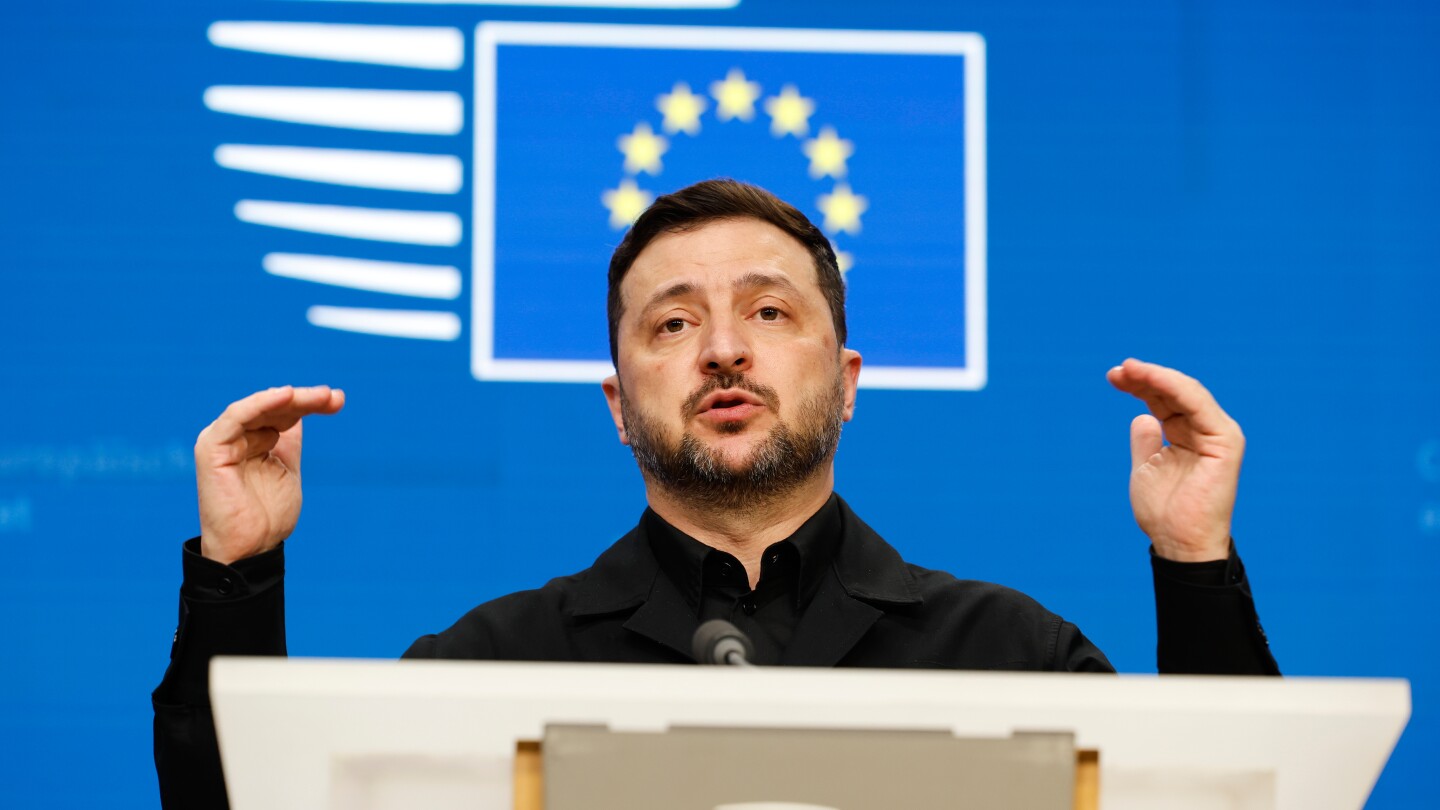
    WEST PALM BEACH, Florida — In a high-stakes diplomatic engagement, President Donald Trump is scheduled to host Ukrainian President Volodymyr Zelenskyy at his Mar-a-Lago estate this Sunday. The summit represents a critical juncture in nearly four years of conflict stemming from Russia’s invasion of Ukraine, with both leaders aiming to solidify a peace agreement amid escalating tensions.

    The meeting occurs against a backdrop of intensified Russian aggression, as Moscow has recently amplified missile and drone assaults on Kyiv. Zelenskyy emphasized Ukraine’s commitment to peaceful resolution while acknowledging the challenges, stating on social media platform X: ‘We want peace, and Russia demonstrates a desire to continue the war.’

    Key negotiation points include security guarantees resembling NATO protections, territorial disputes in the Donbas region, and economic support for Ukraine’s reconstruction. The United States has reportedly agreed to provide security assurances similar to those extended to NATO members, while Zelenskyy has indicated willingness to reconsider Ukraine’s NATO membership bid in exchange for equivalent protections.

    Diplomatic efforts have accelerated significantly in recent weeks, with U.S. negotiators making substantial progress on a 20-point draft agreement that Zelenskyy described as ‘approximately 90% complete’ following earlier discussions in Berlin. The Ukrainian leader also conferred with U.S. Special Envoy Steve Witkoff and Jared Kushner on Christmas Day, noting that while sensitive issues remain unresolved, the coming weeks would involve intensive negotiations.

    Despite diplomatic advancements, fundamental disagreements persist regarding territorial concessions. Russian President Vladimir Putin demands international recognition of captured territories—including four key regions and the illegally annexed Crimean Peninsula—as Russian territory. Additionally, Moscow insists on Ukraine abandoning NATO aspirations, limiting military capacity, and granting official status to the Russian language.

    The Trump administration has demonstrated some receptiveness to Russian demands, suggesting that territorial concessions in Donbas combined with economic incentives might persuade Moscow to end hostilities. This approach contrasts with Zelenskyy’s position, which emphasizes the necessity of strong Western support and continued pressure on Russia to achieve what he terms a ‘just and lasting peace.’

    International support for Ukraine continues to strengthen, with Canadian Prime Minister Mark Carney announcing an additional $2.5 billion Canadian (US$1.8 billion) in economic assistance during meetings with Zelenskyy. Carney condemned Russia’s ‘barbarism’ while crediting both Zelenskyy and Trump for creating conditions conducive to peace negotiations.

    As preparations for the summit finalize, outstanding issues include the status of the Zaporizhzhia nuclear facility, post-war recovery funding, and technical details regarding security guarantees and monitoring mechanisms. Ukraine has communicated its positions to U.S. officials, who are expected to relay these to Russian counterparts in the continuing diplomatic dialogue.


  • Quiz of the Year 2025, Part 4: Who was the mysterious Fedora man pictured outside the Louvre?

    Quiz of the Year 2025, Part 4: Who was the mysterious Fedora man pictured outside the Louvre?

    As 2023 drew to a close, several significant events captured global attention while testing public awareness of world affairs. Country music legend Dolly Parton was compelled to publicly dismiss false rumors regarding her death, demonstrating the persistent challenge of celebrity death hoaxes in the digital age. Meanwhile, in international legal developments, British teenager Bella Culley secured her release from a Georgian prison, highlighting complex cross-border judicial matters.

    The highly anticipated first batch of documents related to the Jeffrey Epstein case finally saw public release, marking a pivotal moment in one of the most scrutinized legal sagas of recent years. These developments occurred alongside countless other newsworthy events that shaped the final quarter of the year.

    To assess public engagement with global happenings, news organizations have created a comprehensive four-part annual quiz series covering all 52 weeks of 2023. The final installment focuses on events from October through December, challenging participants to recall key moments across politics, entertainment, and international affairs. Previous quizzes covering the first nine months remain available for those seeking complete chronological coverage of the year’s most impactful stories.

    Compiled by seasoned journalist Ben Fell, these quizzes serve as both an educational tool and an engaging method for readers to evaluate their awareness of global developments. Additional archival quizzes offer further opportunities for testing knowledge of historical events and their contemporary significance.

  • Rich and voiceless: How Putin has kept Russia’s billionaires on side in the war

    Rich and voiceless: How Putin has kept Russia’s billionaires on side in the war

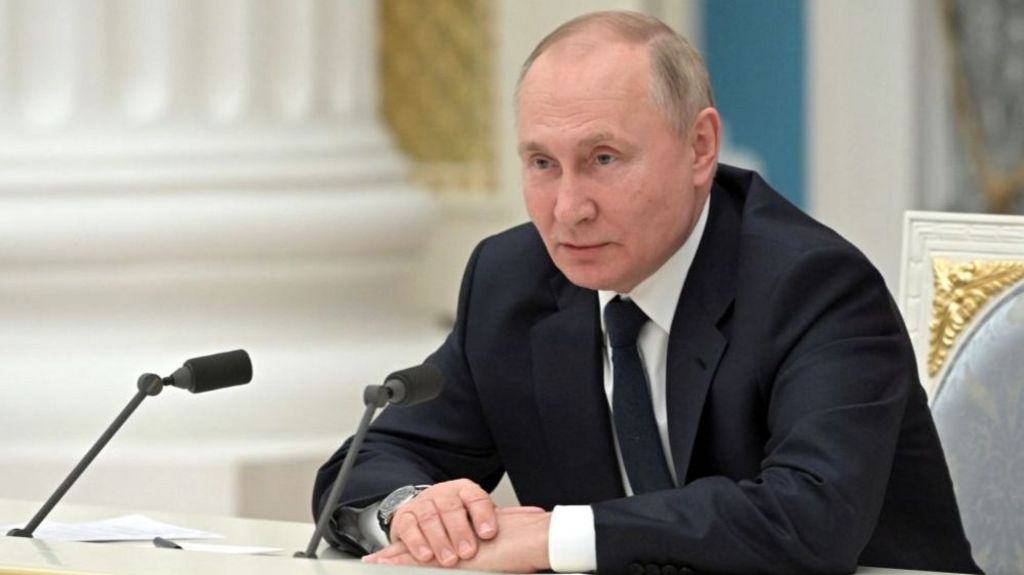
    Under Vladimir Putin’s quarter-century reign, Russia’s billionaire class has undergone a radical transformation from politically influential oligarchs to compliant beneficiaries of the Kremlin’s war economy. Despite Western sanctions intended to pressure Russia’s elite, the number of billionaires has reached an unprecedented 140 with a collective wealth of $580 billion—just $3 billion shy of pre-invasion records.

    The dramatic shift in power dynamics became starkly evident on February 24, 2022, when Putin summoned business leaders to the Kremlin hours after ordering the full-scale invasion of Ukraine. Attendees appeared “pale and sleep-deprived,” according to witnesses, yet offered no meaningful resistance despite anticipating severe financial consequences.

    This compliance stems from Putin’s sophisticated carrot-and-stick approach. Those who publicly oppose the regime face devastating repercussions, as exemplified by banking magnate Oleg Tinkov. After criticizing the war as “crazy” on Instagram, Tinkov was forced to sell his Tinkoff Bank for merely 3% of its actual value to a Kremlin-linked entity, losing approximately $9 billion before exiting Russia.

    The contrast with the 1990s era could not be more pronounced. Following the Soviet Union’s collapse, oligarchs like Boris Berezovsky wielded immense political influence, even claiming to have orchestrated Putin’s rise to power. Berezovsky later died under mysterious circumstances in UK exile after renouncing his support, symbolizing the extinction of independent oligarchic power.

    Paradoxically, Western sanctions have strengthened Putin’s control over Russia’s wealthy elite. By freezing assets and restricting movement, the measures eliminated any possibility of defection, effectively forcing billionaires to rally around the Kremlin. According to Alexander Kolyandr of the Center for European Policy Analysis, “The West did everything possible to ensure that Russian billionaires rallied around the flag.”

    The war economy has generated unprecedented opportunities for loyalists. Lavish military spending drove 4% annual growth in 2023-2024, creating 11 new billionaires in 2024 alone through the redistribution of foreign companies’ abandoned assets. Over half of Russia’s billionaires now directly supply the military or benefit from the invasion, creating what Carnegie Russia Eurasia Center’s Alexandra Prokopenko describes as “an army of influential and active loyalists” whose fortunes depend on continued confrontation with the West.

    This consolidation of economic power under political loyalty represents the ultimate realization of Putin’s vision: a billionaire class that serves the state rather than influences it, with personal wealth entirely contingent on political compliance.

  • Iran’s president says his country is in a full-scale war with the West

    Iran’s president says his country is in a full-scale war with the West

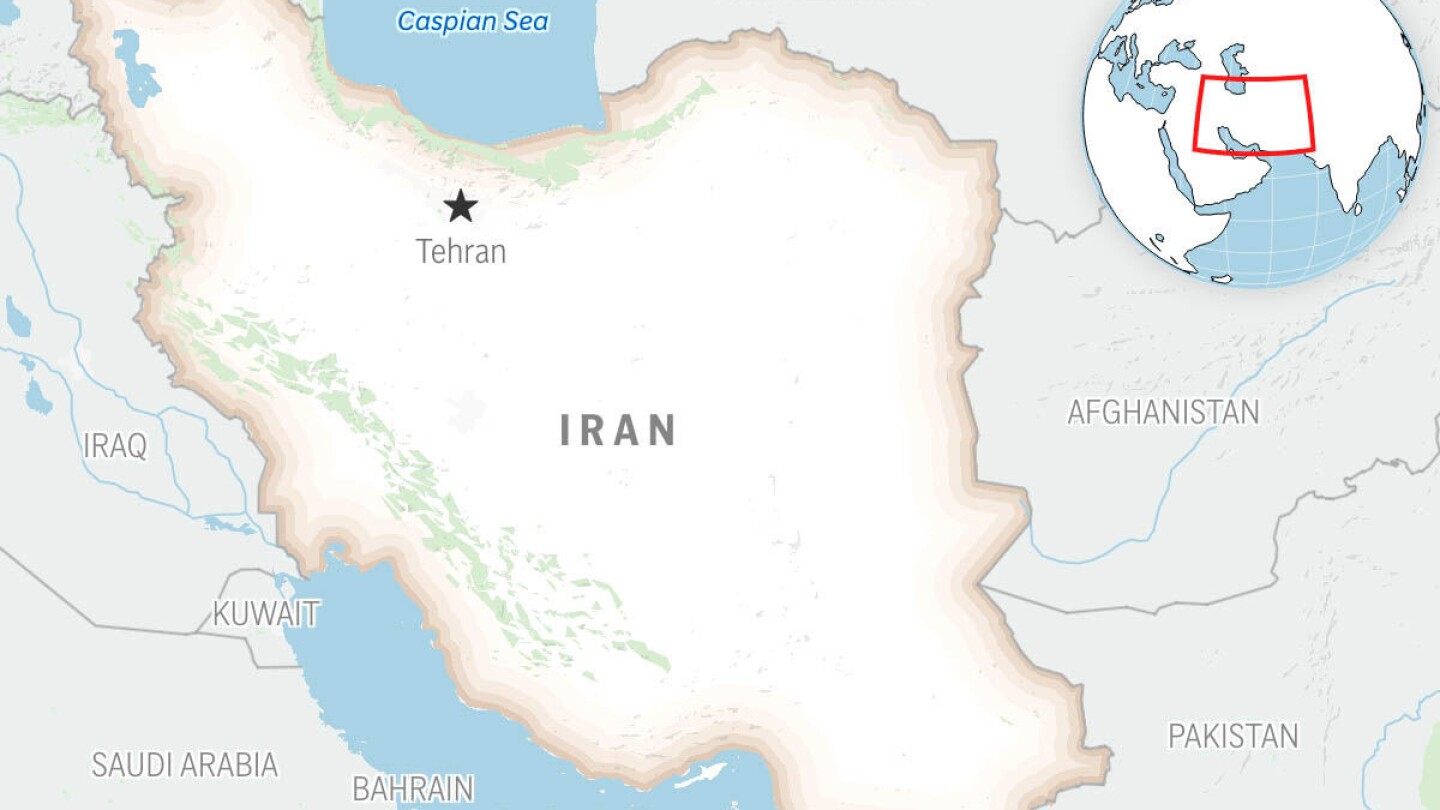
    TEHRAN, Iran — Iranian President Masoud Pezeshkian has issued a stark declaration that his nation is engaged in a comprehensive conflict with the United States, Israel, and European powers. The provocative statement emerged just prior to a critical diplomatic meeting between Israeli Prime Minister Benjamin Netanyahu and U.S. President Donald Trump.

    In a Saturday interview published on Supreme Leader Ayatollah Ali Khamenei’s official platform, President Pezeshkian characterized the current geopolitical confrontation as more severe than Iran’s devastating 1980-1988 war with Iraq, which resulted in over one million casualties. “We are in a full-scale war with the U.S., Israel and Europe; they don’t want our country to remain stable,” the Iranian leader asserted.

    Pezeshkian emphasized the complex nature of this modern conflict, describing Western opposition as “more complicated and more difficult” than conventional warfare. The timing of these remarks appears strategically significant, coinciding with Netanyahu’s scheduled visit to the United States where Iranian relations were anticipated to dominate discussions.

    The backdrop to this diplomatic tension includes recent military exchanges between the involved parties. During a twelve-day aerial confrontation in June, combined Israeli and American operations reportedly resulted in approximately 1,100 Iranian casualties, including high-ranking military officials and nuclear researchers. Iran’s counterstrikes with missile barrages claimed 28 lives in Israel, further escalating regional hostilities.

  • Nine arrested in Italy for allegedly raising millions for Hamas

    Nine arrested in Italy for allegedly raising millions for Hamas

    Italian law enforcement agencies have executed a major counter-terrorism operation resulting in the arrest of nine individuals allegedly involved in financing Hamas operations. According to official police statements, the network orchestrated an elaborate fundraising scheme that collected approximately €7 million (£6 million) over a two-year period under the guise of humanitarian assistance for Palestinian civilians.

    The investigation, launched following the October 7th, 2023 Hamas attacks in southern Israel, uncovered a sophisticated financial infrastructure headquartered in Genoa with operational branches extending to Milan. Police analysis of suspicious transaction reports revealed that over 71% of donations intended for Gaza’s civilian population were systematically diverted to Hamas’s military wing and to support families of suicide bombers and detained terrorists.

    In addition to the arrests, authorities have seized assets exceeding €8 million (£7 million) as part of the ongoing investigation. The suspects face specific charges related to financing operations believed to have directly supported terrorist activities.

    The operation represents a collaborative effort between Italy’s specialized counter-terrorism units and financial police agencies. Among those detained is Mohammad Hannoun, president of the Palestinian Association in Italy, who has previously denied allegations of Hamas financing connections.

    Interior Minister Matteo Piantedosi acknowledged the police operation’s success while emphasizing that “the presumption of innocence… must always be recognized at this stage” of judicial proceedings. The case highlights ongoing international efforts to combat terrorist financing networks operating under humanitarian disguises.