标签: Europe

欧洲

  • International observers urge violence-free elections after clashes at Serbia vote

    International observers urge violence-free elections after clashes at Serbia vote

    BELGRADE, Serbia — International election monitors have issued a damning assessment of Serbia’s municipal elections, documenting widespread violence, voter intimidation, and procedural irregularities that marred the democratic process. The Congress of Local and Regional Authorities of the Council of Europe reported that while voting procedures inside polling stations were largely compliant, the environment outside was characterized by alarming acts of aggression and coercion.

    According to the official observer statement, monitors witnessed ‘acts of violence’ and ‘the threatening presence of large groups of people, often unidentified and sometimes masked’ in nearly all visited municipalities. The elections, held across 10 Serbian towns on Sunday, represented a critical test for President Aleksandar Vucic’s administration following over a year of youth-led protests challenging his authoritarian governance.

    Despite the turbulent circumstances, Vucic has claimed comprehensive victory for his right-wing populist Serbian Progressive Party in all contested municipalities. The president personally led the campaign effort, seeking to reassert his political dominance after protests triggered by a November 2024 train station tragedy in northern Serbia.

    Violent incidents erupted in at least three towns, with student activists and independent observers reporting attacks by masked supporters of Vucic. The president’s party conversely accused opposition groups of instigating conflicts. International monitors emphasized that ‘violence and coercion are unacceptable barriers to the free expression of the will of all voters’ and that ‘no voter should feel threatened when exercising his or her democratic right.’

    Additional concerns included serious breaches of voting secrecy, with numerous voters photographing their ballots—a practice that monitors described as ‘highly worrying.’ The pre-election period was characterized by extreme polarization and focus on national rather than local issues.

    Serbian independent monitoring organization CRTA (Center for Research, Transparency and Accountability) corroborated the international assessment, documenting scores of violent incidents and voting irregularities. The group stated that the proceedings ‘can hardly be called an election,’ citing organized voting violations, physical altercations involving state institution employees, and the deployment of riot police in several locations.

    Jovana Djurbabic of CRTA told The Associated Press: ‘The whole atmosphere was marked with high intensity of tensions, violence, pressures. I would not call these elections free, they are not free at all.’

    The electoral controversy has further strained regional relations, with Vucic alleging ‘logistical support’ to his opponents from neighboring Croatia. In response, Croatian President Zoran Milanovic canceled an upcoming regional meeting scheduled for May, stating that hosting Vucic would be ‘impossible’ following his inflammatory comments. Milanovic’s office stated that Vucic’s ‘political statements and actions…inflict damage on relations between the states and jeopardize peace and stability in southeastern Europe.’

    The tensions reflect historical animosities dating to the 1991-95 Croatian War of Independence, during which Serbia backed a Croatian Serb rebellion that resulted in over 10,000 casualties.

  • Zelensky says allies asked him to scale back attacks on Russian energy

    Zelensky says allies asked him to scale back attacks on Russian energy

    Ukrainian President Volodymyr Zelensky has revealed that international partners have privately urged Kyiv to reduce its targeted strikes on Russian energy infrastructure amid growing global fuel concerns. In a WhatsApp voice message to journalists, Zelensky stated these appeals would only be honored if Moscow reciprocally ceased attacks on Ukraine’s energy facilities.

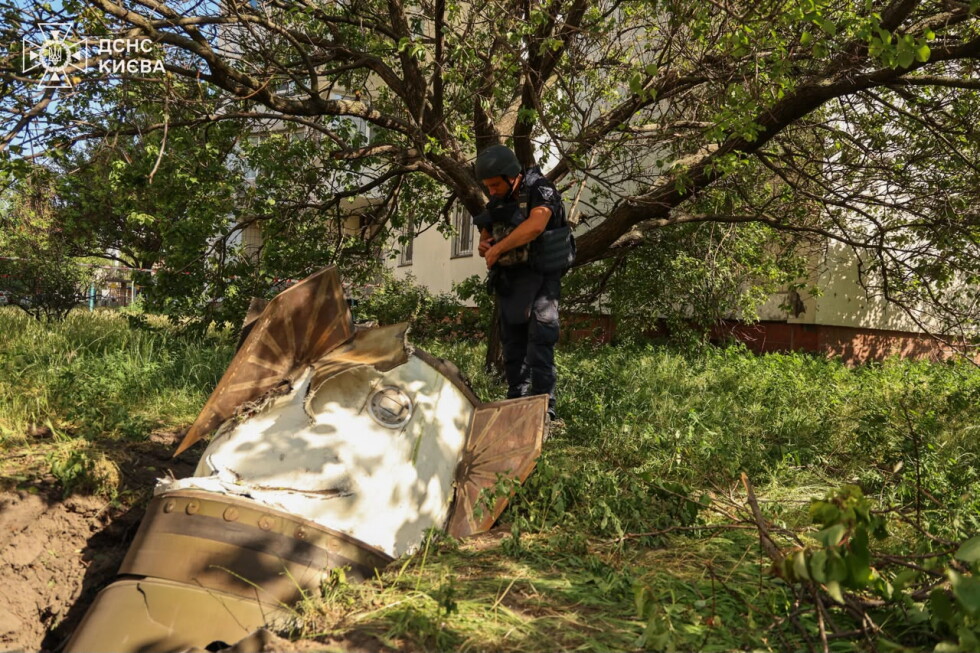
    The president framed Ukraine’s ongoing campaign against Russian oil terminals and refineries as proportional retaliation, emphasizing that ‘if Russia is ready not to strike Ukraine’s energy, then we’ll respond by not attacking theirs.’ This declaration follows Ukraine’s successful long-range drone operations against critical Russian energy assets, including the significant Ust-Luga export terminal near St. Petersburg, which reportedly lost 60% of its operational capacity.

    While Zelensky didn’t identify specific nations requesting de-escalation, global energy dependencies reveal potential stakeholders. According to CREA research, China and India collectively purchased 85% of Russia’s crude oil exports in February, while the European Union remains the primary consumer of Russian gas (34%) and liquefied natural gas (49%).

    The global energy landscape has grown increasingly volatile following Iran’s effective closure of the Strait of Hormuz and subsequent U.S. sanctions adjustments on Russian oil. These developments have driven price surges that simultaneously fund Russia’s war economy while threatening Ukraine’s military capabilities.

    During his recent diplomatic tour of Saudi Arabia, UAE, Qatar, and Jordan, Zelensky offered Ukraine’s drone technology expertise in exchange for enhanced air defense support. He also highlighted Ukraine’s successful grain corridor experience as potential leverage for resolving Hormuz shipping disruptions.

    Meanwhile, Ukraine’s energy infrastructure suffers catastrophic damage from Russian attacks, with over one million citizens experiencing winter power and heating outages. The nation now depends heavily on fuel imports through Poland, Greece, Lithuania, and Turkey after Hungarian supplies were suspended amid pipeline dispute allegations.

  • Spanish bishops and government sign deal for compensation of church sexual abuse victims

    Spanish bishops and government sign deal for compensation of church sexual abuse victims

    In a landmark development for victim compensation, Spanish authorities and Catholic bishops have formalized an unprecedented agreement establishing a state-supervised reparations system for clergy sexual abuse cases. The agreement, signed Monday, creates a unique framework where Spain’s ombudsman holds ultimate authority in determining compensation for victims whose cases fall outside statutory limitations or involve deceased perpetrators.

    The innovative system, set to commence operations on April 15th, represents a significant concession by Spain’s Catholic hierarchy following criticism of the church’s initial internal compensation proposal. Unlike conventional compensation programs in other Western European nations, Spain’s approach notably incorporates direct state involvement through the Justice Ministry and ombudsman’s office.

    Archbishop Luis Argüello, president of the Spanish Episcopal Conference, emphasized the deliberate exclusion of predetermined compensation scales from the agreement. “We’ve intentionally omitted references to specific amounts or ranges,” Argüello stated. “The focus remains on establishing appropriate evaluation mechanisms rather than fixed monetary values.”

    Justice Minister Félix Bolaños characterized the agreement as a world-first model where “the state maintains final authority while the church bears financial responsibility for victim reparations.” The system will assess compensation on case-by-case basis, considering factors including abuse severity, victim age at time of abuse, and recurrence patterns.

    This development marks Spain’s ongoing confrontation with historical clergy abuse patterns, accelerated by El País newspaper’s investigative reporting and a comprehensive 2023 ombudsman’s report that documented 487 cases while estimating potential victims might number in hundreds of thousands. Church authorities have contested these figures, maintaining their internal investigation identified 728 abusive clergy since 1945, with 60% now deceased and most incidents occurring pre-1990.

    The operational protocol enables victims to submit petitions through the Justice Ministry, which forwards cases to the ombudsman for evaluation and compensation recommendations. A church committee then reviews these proposals, with disputed cases advancing to a joint committee comprising church representatives, ombudsman officials, and victim association delegates. The ombudsman’s determination becomes binding if consensus cannot be reached.

  • German leader raises prospect of many Syrians returning home as the country’s president visits

    German leader raises prospect of many Syrians returning home as the country’s president visits

    In a significant diplomatic meeting in Berlin, German Chancellor Friedrich Merz and Syrian interim President Ahmad al-Sharaa engaged in substantive discussions regarding the future of Syrian migrants in Germany and Syria’s post-war reconstruction. Chancellor Merz articulated a vision where a substantial majority of Syrian nationals currently residing in Germany—potentially up to 80%—would return to their homeland over the next three years to contribute to rebuilding efforts. This proposal was framed as aligning with the wishes of the Syrian leadership.

    The context for these talks is a Syria emerging from a devastating civil war that concluded in late 2024 with the ousting of former President Bashar Assad. The conflict resulted in approximately half a million deaths, catastrophic infrastructure damage, and a massive refugee exodus. Germany became a primary destination, currently hosting over 900,000 Syrian citizens, many of whom have since obtained German citizenship.

    Chancellor Merz clarified that Germany’s immediate priority is the repatriation of a specific group: Syrians who have committed crimes and are deemed to have ’caused problems.’ However, he expanded the long-term strategy to include a much broader return migration, stating that Syria needs its citizens for national recovery while Germany seeks to manage migration flows, a key policy of his eleven-month-old administration.

    President al-Sharaa, while not explicitly confirming the 80% figure, presented a contrasting perspective by highlighting the significant contributions of the Syrian diaspora. He noted the presence of 6,000 Syrian doctors in German hospitals and over 250,000 tax-paying individuals, describing them as ‘common national assets.’ Instead of a simple mass return, al-Sharaa advocated for a ‘circular immigration model.’ This innovative approach would allow skilled Syrians to contribute to Syria’s revival without being forced to relinquish their stable lives and established careers in Germany, fostering a partnership that benefits both nations.

    The discussions extended beyond migration to economic cooperation, with the leaders attending a German-Syrian economic roundtable. Chancellor Merz pledged Germany’s support for Syria’s future, emphasizing the heightened importance of success and stability given the ongoing war in Iran and regional tensions.

  • Spain closes airspace to US aircraft involved in Iran war

    Spain closes airspace to US aircraft involved in Iran war

    In a significant diplomatic stand, Spain has formally prohibited United States military aircraft involved in operations against Iran from utilizing its airspace and military installations. Defense Minister Margarita Robles explicitly stated that Madrid would not authorize the use of the jointly operated Rota and Morón bases for any activities connected to the conflict. This position, she emphasized, had been unequivocally communicated to American officials from the outset of hostilities. Foreign Affairs Minister José Manuel Albares further clarified that the decision’s primary objective is to prevent any action that might contribute to a further escalation of the war. The move represents a deepening rift between the NATO allies, as Spanish Prime Minister Pedro Sánchez has been among the most vocal critics of the US and Israeli campaign, which he has publicly condemned as both ‘reckless’ and ‘illegal.’ The practical effect of this ban forces US bombers stationed at RAF Fairford in the UK to detour significantly around the Iberian Peninsula, adding considerable distance and complexity to missions. While the US administration has not issued an immediate response, former President Donald Trump’s prior threat of a full trade embargo against Spain over its opposition looms as a potential point of tension. In a related development, Iran has indicated a willingness to accommodate Spanish interests in the Strait of Hormuz, a critical global oil chokepoint currently disrupted by the conflict.

  • Spain says it has closed its airspace to US planes involved in the Iran war

    Spain says it has closed its airspace to US planes involved in the Iran war

    In a significant diplomatic move, Spain has formally prohibited United States military aircraft involved in Middle Eastern operations from utilizing its national airspace. Defense Minister Margarita Robles confirmed the policy shift on Monday, reinforcing Madrid’s firm stance against American and Israeli military engagements in the region.

    The decision extends Spain’s existing restrictions, which already barred U.S. forces from employing jointly operated military installations on Spanish territory for activities related to the Iran conflict. Prime Minister Pedro Sánchez’s administration has consistently characterized these military operations as violating international norms, labeling them as both reckless and unjust.

    Minister Robles emphasized that the airspace prohibition follows the same principled approach applied to base usage. ‘From the initial stages, we communicated this position unequivocally to American military authorities,’ Robles stated during a press briefing. ‘Consequently, neither base access nor aerial transit through Spanish territory is permitted for any operations connected to the Middle Eastern conflict.’

    The policy implementation was initially reported by leading Spanish publication El País, which cited anonymous military sources familiar with the decision.

    Under Sánchez’s leadership, Spain has emerged as Europe’s most vocal critic of U.S. and Israeli military strategies in the Middle East. This stance previously prompted retaliation threats from former U.S. President Donald Trump, who warned of potential trade restrictions following Spain’s denial of access to strategic naval and air facilities at Rota and Morón in southern Spain.

    Additionally, Sánchez’s government has been among the most assertive European critics of Israel’s military campaign in Gaza. Robles reiterated Spain’s consistent position, describing the broader regional conflict as ‘fundamentally illegal and profoundly unjust.’

  • Russia expels British diplomat over spying allegations

    Russia expels British diplomat over spying allegations

    Russia has declared a British diplomat persona non grata, ordering their expulsion from the country amid allegations of espionage activities. The Federal Security Service (FSB) asserts that the official deliberately submitted falsified documentation when applying for entry permits and attempted to gather classified intelligence during unofficial economic discussions.

    According to state-controlled media outlet TASS, security agencies detected clear indicators of intelligence operations targeting sensitive information. The accused diplomat has been publicly identified in Russian media reports and must depart within a fortnight following the revocation of diplomatic accreditation.

    The UK Foreign Office has vehemently denied these allegations, characterizing them as fabricated nonsense within a coordinated harassment campaign against British diplomatic personnel. An official spokesperson condemned what they described as Russia’s persistent dissemination of malicious and unsubstantiated accusations targeting embassy staff and their families.

    In a swift procedural response, Russian authorities summoned Britain’s charge d’affaires Danae Dholakia to the Foreign Ministry for formal notification. The senior diplomat departed without providing commentary to awaiting press representatives.

    This incident represents the latest chapter in deteriorating bilateral relations that have seen multiple reciprocal expulsions since Russia’s 2022 full-scale invasion of Ukraine. Earlier this year, Moscow ousted another British official on similar grounds, while March 2025 witnessed the expulsion of two UK diplomats accused of espionage. Britain responded to previous incidents by revoking accreditation for a Russian diplomat and diplomatic spouse, vowing zero tolerance for intimidation tactics against its embassy community.

  • Russia expels British diplomat over spying allegations

    Russia expels British diplomat over spying allegations

    MOSCOW — Diplomatic tensions between Russia and the United Kingdom intensified dramatically on Monday as Moscow declared a British diplomat persona non grata, alleging espionage activities against Russian national interests. The Russian Federal Security Service (FSB) issued an official statement characterizing the diplomat’s actions as “intelligence and subversive operations jeopardizing the security of the Russian Federation.”

    The FSB asserted that the diplomat had attempted to collect economically sensitive information through unauthorized engagements with Russian specialists, though the agency provided no substantive evidence or operational specifics to support these claims. Russian authorities mandated the diplomat’s departure within a two-week timeframe.

    The United Kingdom immediately denounced the allegations as entirely unfounded. A spokesperson for the U.K. Foreign, Commonwealth and Development Office stated: “Russia’s accusations represent complete nonsense and are part of an increasingly aggressive harassment campaign targeting British diplomatic personnel. The propagation of malicious and baseless claims about our officials’ activities is unacceptable, and we will not tolerate intimidation tactics against embassy staff and their families.”

    This incident marks the second expulsion of a British diplomat this year, following a similar occurrence in January 2025 that likewise drew strong British denials. The ongoing diplomatic rift has triggered reciprocal actions, including Britain’s revocation of a Russian diplomat’s accreditation in February.

    The current confrontation occurs within the broader context of severely deteriorated Russia-West relations, which have reached their lowest point since the Cold War era following Russia’s 2022 military intervention in Ukraine. Both Russia and NATO members have engaged in multiple cycles of diplomatic expulsions, creating a persistent atmosphere of mutual suspicion and diplomatic hostility.

  • Cardiff seeks $138M compensation from Nantes over Emiliano Sala’s plane crash

    Cardiff seeks $138M compensation from Nantes over Emiliano Sala’s plane crash

    NANTES, France — A French commercial court is poised to deliver a landmark verdict in the protracted legal battle between Welsh football club Cardiff City and French Ligue 1 side FC Nantes, seven years after the tragic plane crash that claimed the life of Argentine striker Emiliano Sala.

    The core dispute centers on whether Cardiff is entitled to receive approximately €120 million ($138 million) in compensation from Nantes for financial damages allegedly incurred following Sala’s death in January 2019. This final judicial proceeding comes after Cardiff exhausted multiple legal avenues, with previous rulings from FIFA, the Court of Arbitration for Sport, and Switzerland’s supreme court all concluding against the Welsh club’s claims.

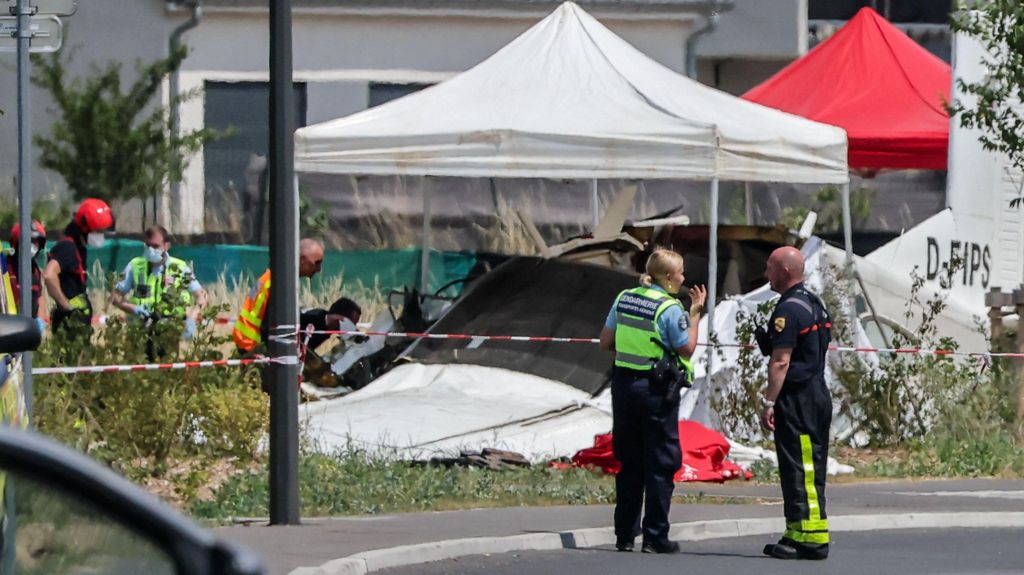
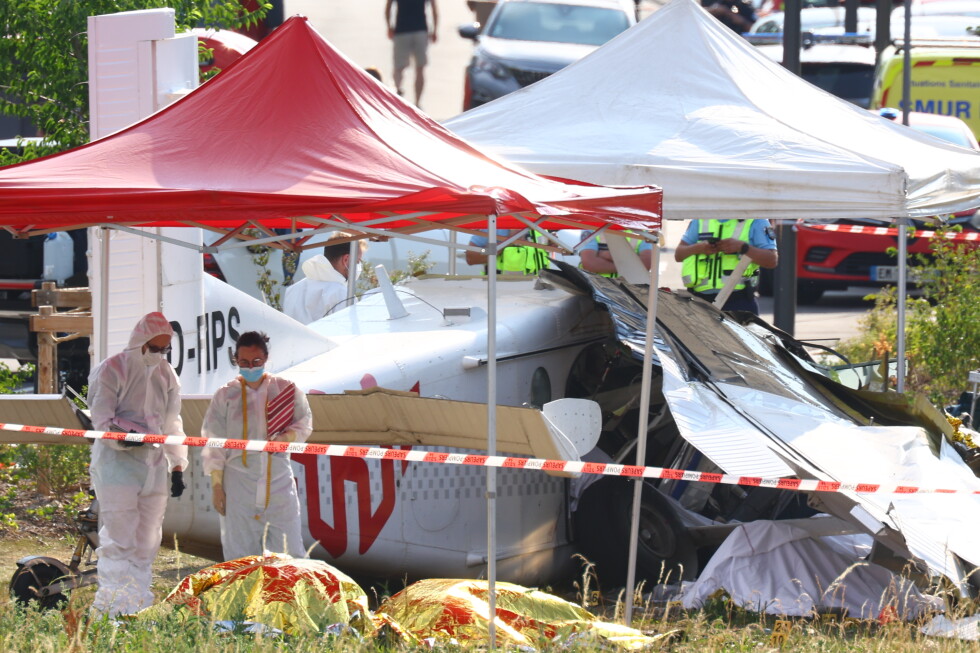
    The tragedy unfolded during Sala’s transfer between clubs, with Cardiff having agreed to a club-record €17 million fee to acquire the 28-year-old forward from Nantes in a bid to avoid Premier League relegation. The aircraft carrying Sala—a single-engine Piper Malibu piloted by David Ibbotson—crashed into the sea near Guernsey during the flight from France to Wales, killing both occupants.

    Cardiff’s legal argument hinges on establishing accountability through Willie McKay, the football agent who arranged the fatal flight. The club contends McKay acted as Nantes’ representative, a claim the French club vehemently denies. Previous criminal proceedings revealed significant safety violations, including that Ibbotson lacked a commercial pilot’s license, night flying qualification, and had an expired rating for the aircraft model.

    The commercial court’s ruling will address whether Nantes bears responsibility for the arrangement of the fatal flight and subsequent financial impacts. Cardiff, which suffered relegation from the Premier League in the 2018-19 season and now competes in English football’s third tier, seeks compensation for what it describes as catastrophic financial losses directly resulting from the tragedy.

  • Edin Dzeko is a familiar face for Italy’s defenders in World Cup playoff at Bosnia

    Edin Dzeko is a familiar face for Italy’s defenders in World Cup playoff at Bosnia

    ROME (AP) — Italy’s quest to end a 12-year World Cup drought faces its ultimate test against a formidable yet familiar opponent: Bosnia and Herzegovina’s legendary striker Edin Džeko. The Azzurri’s defensive line finds itself in the unique position of preparing to contain a player they’ve called both teammate and friend across Serie A campaigns.

    Džeko, the 40-year-old veteran who scored his 73rd international goal with a crucial header against Wales last week, shares extensive history with Italy’s defensive core. During his six-year tenure at Roma (2015-2021), he played alongside Gianluca Mancini and Riccardo Calafiori. His subsequent move to Inter Milan saw him form a partnership with Alessandro Bastoni, reaching the 2023 Champions League final together.

    Inter winger Federico Dimarco, who congratulated Džeko after Bosnia’s penalty shootout victory over Wales, acknowledged the personal dimension of this encounter. “Edin is a great player and a great person,” Dimarco stated. “I saw him on vacation over the summer and I’ve maintained a nice relationship with him.”

    This camaraderie will be set aside as Italy confronts the specter of missing a third consecutive World Cup, having suffered playoff defeats to Sweden and North Macedonia in previous cycles. The teams meet at Zenica’s Bilino Polje Stadium, where capacity has been reduced by 20% following UEFA sanctions for discriminatory fan behavior during Bosnia’s November match against Romania.

    Additional complications include concerns over pitch conditions following recent snowfall and the appointment of French referee Clément Turpin, who officiated Italy’s devastating home loss to North Macedonia four years ago.

    The match carries profound significance for Italy’s veterans, including 32-year-old Matteo Politano, who despite winning two Serie A titles with Napoli has never played in a World Cup. “We all know what we’re playing for,” Politano reflected. “For me, and for a few of the other senior players, it’s probably our last chance.”

    Italy’s attack may feature 20-year-old Pio Esposito alongside Moise Kean, while Dimarco brings his Serie A-leading form (6 goals, 15 assists this season) to a left wing that could prove decisive in breaking Bosnia’s resistance.