标签: Europe

欧洲

  • Humpback whale freed by rescuers in Baltic Sea has become stranded again

    Humpback whale freed by rescuers in Baltic Sea has become stranded again

    BERLIN — A humpback whale that captivated German national attention with its dramatic rescue from shallow Baltic waters has encountered renewed distress, becoming stranded for the second time within days despite earlier successful intervention efforts.

    The marine mammal, measuring approximately 12-15 meters (39-49 feet), initially gained freedom on Friday after complex rescue operations at Timmendorfer Strand beach. Rescuers employed innovative techniques including an excavator to carve an escape channel through the sandbank after conventional methods using coast guard and fire department vessels to generate directional waves proved ineffective.

    Temporary success turned to concern when the whale reappeared Saturday approximately 100 kilometers east of its original location near Wismar in Mecklenburg-Pomerania state. Greenpeace confirmed the re-stranding through German news agency dpa, while environmental authorities acknowledged the whale’s return to distress without immediate confirmation of subsequent rescue plans.

    Scientific experts speculate navigation error as the probable cause for the whale’s Baltic presence, suggesting either pursuit of herring shoals or typical male migration patterns. The Baltic Sea presents multiple survival challenges for the creature—insufficient salt concentration has already triggered skin disease development, while the ecosystem lacks appropriate nutritional sources for sustained humpback whale survival.

    The whale’s only viable survival path requires navigating several hundred kilometers through German and Danish waters to reach the Atlantic Ocean—a journey that grows increasingly improbable with each stranding incident. The situation has evolved into a national conversation piece with Germans exchanging updates and media outlets providing continuous coverage of the marine drama.

  • Twenty-two migrants die off Greek coast after six days at sea

    Twenty-two migrants die off Greek coast after six days at sea

    A humanitarian catastrophe unfolded in the Mediterranean Sea as twenty-two migrants perished during a desperate six-day journey toward European shores, according to the Greek coastguard. The tragedy occurred when an overcrowded dinghy carrying undocumented migrants encountered severe weather conditions and critical shortages of supplies.

    The ill-fated vessel departed from Tobruk in eastern Libya on March 21st, embarking on a route frequently used by human smugglers. After losing navigational bearings and drifting aimlessly for nearly a week without food or water, the craft was finally intercepted 53 nautical miles south of Crete’s coastal city of Ierapetra.

    A European border agency vessel conducted rescue operations on Friday, saving twenty-six survivors including one woman and a child. Two survivors required immediate hospitalization in Heraklion, Crete, for emergency medical treatment. Authorities confirmed that twenty-one survivors originated from Bangladesh, four from South Sudan, and one from Chad.

    Greek officials have arrested two South Sudanese men, aged 19 and 22, on suspicion of human trafficking operations. Both face serious charges including “illegal entry into the country” and “negligent homicide” as investigations continue.

    This incident highlights the ongoing migration crisis affecting southern European nations. Greece and Italy remain primary entry points for migrants crossing the Mediterranean, with most journeys originating from Turkey and North Africa. While summer typically brings calmer seas and increased crossing attempts, this early spring tragedy demonstrates the year-round dangers of irregular migration.

    UNHCR statistics reveal the scale of this humanitarian challenge: 41,696 sea arrivals reached Greece in 2025, with over 4,000 already arriving in 2026. The agency documented at least 103 deaths or disappearances in the eastern Mediterranean corridor last year, with December witnessing another tragic incident where seventeen migrants drowned near Crete’s coastline.

    Maritime safety experts emphasize that smuggler-operated vessels frequently lack adequate safety equipment, sufficient supplies, and proper navigation systems, creating consistently perilous conditions regardless of seasonal weather patterns.

  • Zelenskyy visits Gulf Arab states to talk drone defense and seek strategic ties

    Zelenskyy visits Gulf Arab states to talk drone defense and seek strategic ties

    In a strategic diplomatic maneuver, Ukrainian President Volodymyr Zelenskyy conducted surprise visits to the United Arab Emirates and Qatar on Saturday, positioning Ukraine as a key security partner for Gulf nations confronting Iranian aggression. This unexpected diplomatic offensive comes as Ukraine leverages its hard-won battlefield expertise to establish mutual defense partnerships across the Middle East.

    Zelenskyy confirmed that Ukraine has already established decade-long security agreements with both Saudi Arabia and Qatar, with a similar pact with the UAE nearing finalization. The arrangement represents a remarkable reversal of traditional security dynamics, with the war-torn nation now exporting its combat-proven drone interception technology to wealthy Gulf monarchies.

    Ukraine’s emergence as a global leader in cost-effective, battle-tested drone defense systems has created an unexpected diplomatic opportunity. Having developed these critical capabilities under the constant barrage of Russian attacks since the full-scale invasion began February 24, 2022, Ukraine now offers Gulf states proven protection against Iranian drone strikes. In exchange, Kyiv seeks advanced air-defense missiles that these resource-rich nations possess and Ukraine desperately needs to counter Russian aerial assaults.

    The Middle East conflict, ignited by joint U.S.-Israeli attacks on Iran on February 28, has created new security challenges throughout the region. Iran’s subsequent retaliation against Israel and Gulf states, coupled with its blockade of the strategically vital Strait of Hormuz, has disrupted global energy markets and international travel patterns.

    Zelenskyy’s Gulf tour, which included a previous stop in Saudi Arabia on Thursday, demonstrates Ukraine’s ambitious pivot toward becoming a regional security provider. The Ukrainian president emphasized that his nation is assisting five countries—the UAE, Saudi Arabia, Qatar, Kuwait, and Jordan—in countering Tehran’s drone capabilities. ‘For Ukraine, this is also a matter of principle: terror must not prevail anywhere in the world,’ Zelenskyy declared following his meeting with Emirati leadership.

    The discussions extended beyond immediate drone defense to include the critical situation in the Strait of Hormuz and its impact on global oil markets. Zelenskyy articulated a vision of comprehensive strategic partnerships that transcend simple arms transactions, encompassing joint production initiatives, investment opportunities, energy cooperation, and the exchange of battlefield knowledge.

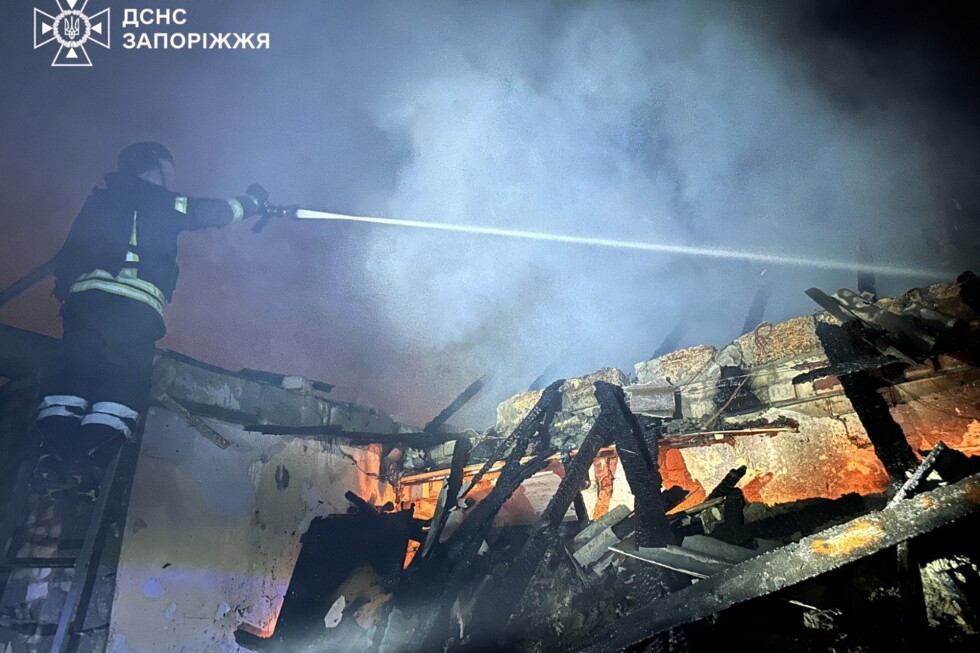
    This diplomatic offensive unfolds against a backdrop of continued aerial violence in Ukraine itself. Russian forces launched over 270 drones overnight, resulting in at least five fatalities across multiple regions, including strikes that damaged a maternity hospital in Odesa. Meanwhile, Russian authorities reported one child killed by Ukrainian drone activity in the Yaroslavl region, highlighting the relentless cross-border nature of the conflict.

  • Pope Leo XIV visits Monaco to urge its people to use their faith and wealth for good

    Pope Leo XIV visits Monaco to urge its people to use their faith and wealth for good

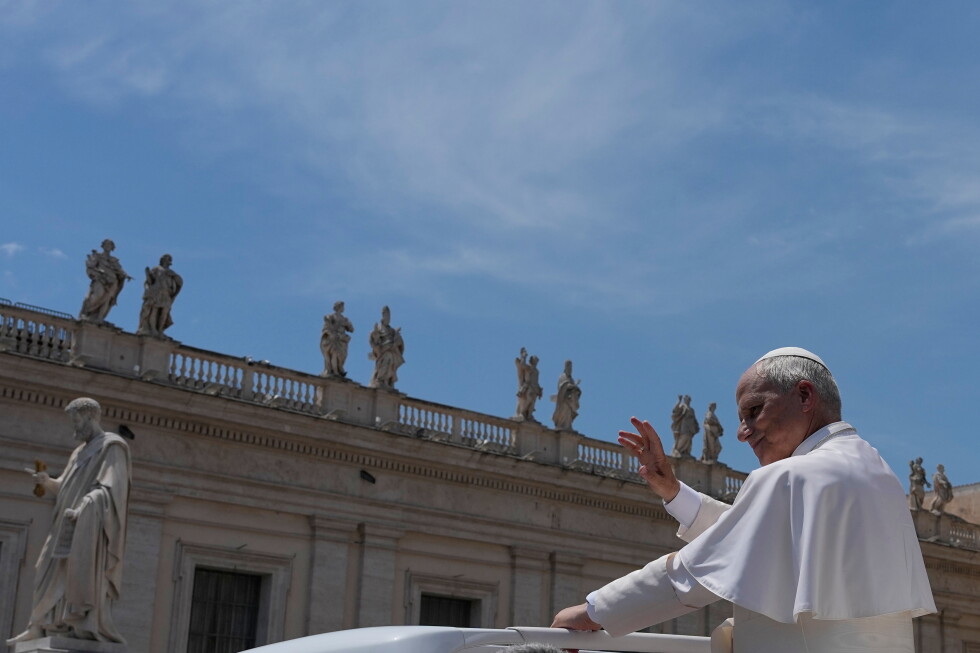
    MONACO — In a landmark visit marking the first papal journey to the Mediterranean principality since 1538, Pope Leo XIV arrived in Monaco on Saturday with a powerful message about the moral responsibilities that accompany faith and privilege. The pontiff’s meticulously planned nine-hour itinerary commenced with an official welcome at the Monaco heliport, where Prince Albert II and Princess Charlene greeted him amidst ceremonial cannon fire and under brilliant Mediterranean skies.

    The papal helicopter, operated by the Italian military, touched down just minutes behind schedule—a detail the Pope humorously acknowledged upon arrival. The strategic visit emphasized how smaller states like Monaco and the Holy See can exert substantial influence on global affairs, particularly in promoting traditional Catholic values regarding the sanctity of human life during times of international conflict.

    Monaco, among the few European nations with Catholicism as its official state religion, recently reaffirmed its religious commitments when Prince Albert rejected legislation to legalize abortion. This decision, while largely symbolic given Monaco’s geographical encirclement by abortion-legal France, aligns with other European Catholic royals who have maintained doctrinal positions on an increasingly secular continent. The Prince’s stance echoes the historic 1990 abdication of Belgium’s King Baudouin, who temporarily stepped down rather than approve abortion legislation—an act that recently placed him on the path to potential sainthood.

    The Pope’s agenda included private meetings with the princely family at the royal palace, where female members of the court awaited in traditional black attire with lace head coverings. Additional events featured an engagement with Monaco’s Catholic community at the cathedral and a public Mass held at the principality’s sports stadium.

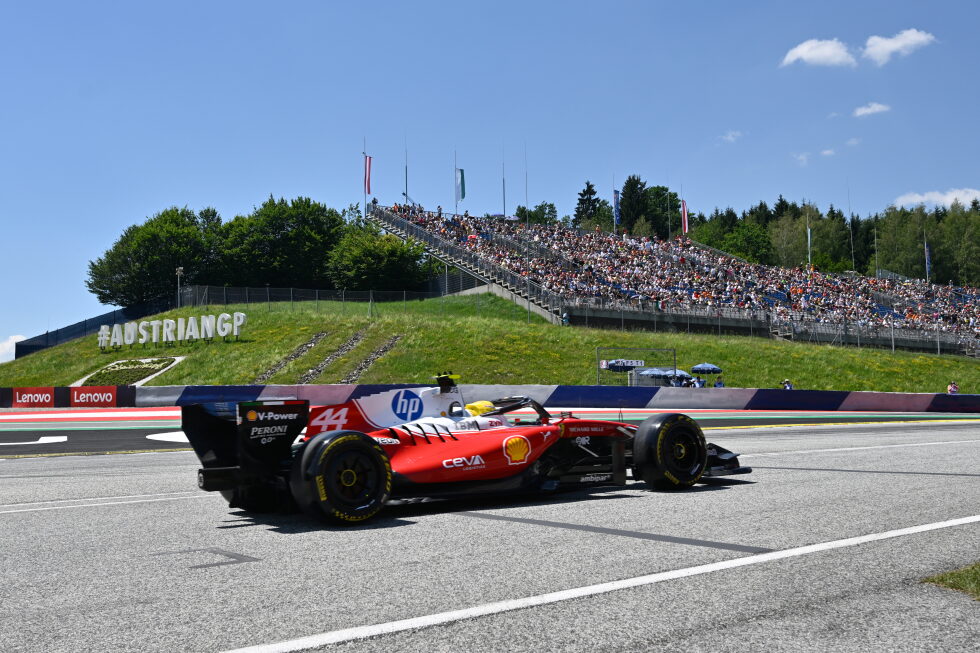
    Despite its modest size of 2.2 square kilometers and population of 38,000—only 20% of whom are actual citizens—Monaco maintains outsized global recognition as a tax-friendly haven for the wealthy, home to megayachts, the Formula 1 Grand Prix, and a glamorous royal lineage that includes American actress Grace Kelly’s descendants. Prince Albert, her son, demonstrated his multilingual fluency by greeting the Pope in impeccable, unaccented English.

    The visit underscored the unique intersection of faith, wealth, and global influence that characterizes this distinctive Mediterranean microstate.

  • How will energy crisis hit Ireland’s economy?

    How will energy crisis hit Ireland’s economy?

    The Irish government has implemented a targeted economic relief package this week to mitigate the impact of global energy market disruptions stemming from international conflicts. The measures include reductions in petrol and diesel taxes alongside a €150 supplemental benefit for approximately 470,000 low-income households, representing a total fiscal commitment of nearly €250 million.

    Taoiseach Micheál Martin characterized the government’s approach as both measured and flexible, noting the administration’s readiness to escalate support should economic conditions deteriorate further. ‘The current global situation remains highly unpredictable,’ Martin stated, emphasizing that Ireland confronts these challenges from a position of economic strength compared to previous crises.

    This resilience stems substantially from Ireland’s unique corporate tax revenue stream, predominantly derived from U.S. technology and pharmaceutical corporations that utilize Ireland as their European tax base. This fiscal advantage has enabled the government to maintain budget surpluses despite global headwinds.

    Recent economic indicators reveal robust underlying fundamentals, with official data showing nearly 5% domestic economic growth in 2025 and record employment levels. However, economic institutions project moderated performance in the coming year. The Central Bank of Ireland has outlined two primary scenarios contingent on conflict duration: a baseline forecast predicting sub-3% growth with inflation rising to approximately 3%, and an adverse scenario projecting growth near 2% with inflation exceeding 4% should supply chain disruptions persist.

    Both the Central Bank and the Economic and Social Research Institute (ESRI) have emphasized the exceptional uncertainty surrounding these projections. ESRI researcher Conor O’Toole specifically highlighted concerns that energy-driven inflation could exacerbate Ireland’s persistent housing shortage by increasing construction costs and potentially constraining housing output.

  • Minnesota staging flagship ‘No Kings’ protest against Trump, with rallies in Europe, DC

    Minnesota staging flagship ‘No Kings’ protest against Trump, with rallies in Europe, DC

    ST. PAUL, Minn. — A massive wave of organized dissent is sweeping across the United States and beyond as the ‘No Kings’ movement prepares for what could become one of the largest protest events in American history. With its national flagship event centered at the Minnesota Capitol, the movement has registered over 3,100 coordinated demonstrations spanning all 50 states and multiple international locations.

    The protests represent a multifaceted rejection of President Donald Trump’s policies and governing style, with participants expressing opposition to aggressive immigration enforcement, transgender rights rollbacks, and military engagements in Iran. In Washington D.C., hundreds marched past iconic monuments carrying signs reading ‘Put down the crown, clown’ and chanting anti-authoritarian slogans.

    Minnesota emerged as the symbolic heart of the resistance following fatal shootings by federal agents during immigration operations. The St. Paul rally expects approximately 100,000 attendees and will feature performances by Bruce Springsteen, who penned ‘Streets of Minneapolis’ in response to recent casualties, alongside appearances by Joan Baez, Jane Fonda, and Senator Bernie Sanders.

    International solidarity events are occurring across Europe, Australia, and Latin America, with participants in Paris, Rome, and London expressing parallel concerns about rising authoritarianism. Organizers from Indivisible report significant registration surges in traditionally conservative states including Idaho, Wyoming, and Montana, suggesting broadening discontent beyond urban centers.

    The Trump administration dismissed the events as ‘Trump Derangement Therapy Sessions’ funded by leftist networks, while Republican officials labeled them ‘Hate America Rallies.’ Despite this criticism, organizers emphasize the cross-demographic nature of the participation, noting substantial involvement from suburban and rural communities.

  • From jammed broadcasts to a blocked website: BBC Russian’s 80 years of defiance

    From jammed broadcasts to a blocked website: BBC Russian’s 80 years of defiance

    For eight decades, the BBC Russian service has navigated evolving censorship barriers in its mission to deliver uncensored information to Russian audiences. What began as short-wave radio jamming during the Cold War has transformed into sophisticated digital blocking in the modern era, creating what analysts now term a ‘digital Iron Curtain’.

    The historical struggle dates to March 24, 1946, when the BBC launched its first regular Russian-language broadcasts aimed at providing Soviet citizens an alternative to state propaganda. By 1949, signal jamming became standard practice, forcing inventive listeners to develop creative workarounds. Former BBC presenter Natalia Rubinstein recalls how enthusiasts would take radios on cross-country skiing trips to escape urban jamming zones, creating surreal scenes of individuals listening to forbidden broadcasts in snowy forests.

    Cold War-era broadcasting involved intricate cat-and-mouse games. The BBC would repeat its 90-minute Russian bulletin three times weekly to ensure some content reached listeners. While cultural programming often bypassed censorship, discussions of global conflicts or socialist bloc politics faced immediate jamming. A notable victory occurred in 1982 when the service unexpectedly resumed broadcasting after midnight to report Leonid Brezhnev’s death, temporarily outmaneuvering jamming teams who had ended their shifts.

    The Glasnost era brought dramatic changes. In 1987, jamming ceased officially during Mikhail Gorbachev’s reforms, allowing unprecedented direct engagement. The 1988 live broadcast featuring UK Prime Minister Margaret Thatcher answering Soviet citizen questions generated over 800 calls from across the USSR.

    Modern challenges have intensified following Russia’s 2022 invasion of Ukraine. The BBC Russian website was blocked on March 4, 2022, accused of spreading ‘false information,’ while new laws criminalized describing the conflict as a ‘war.’ The service relocated to Riga, Latvia, as eight journalists were designated ‘foreign agents’—a designation echoing Soviet-era persecution tactics.

    Despite these obstacles, weekly audience numbers have grown to 12 million through VPN usage and alternative platforms. However, Russia’s internet watchdog systematically blocks popular VPN services, while widespread mobile outages and proposed ‘whitelist’ systems threaten to create Iranian-style information control. Messaging apps like Telegram and WhatsApp face restrictions favoring government-backed alternatives.

    BBC News Russian head Jenny Norton notes the particular significance of their mission today: ‘A new generation of Russians are now having to fight to stay connected to the world. Our team must battle internet blocking and shutdowns to maintain this vital connection,’ underscoring the continuing relevance of the service’s 80-year mission.

  • Germany’s Wirtz destroys Swiss and White caps England return as hero and villain

    Germany’s Wirtz destroys Swiss and White caps England return as hero and villain

    Friday’s international football friendlies provided captivating pre-World Cup action across European stadiums, featuring dramatic comebacks, controversial selections, and standout individual performances.

    In Basel, Germany mounted a spectacular comeback victory against Switzerland in a seven-goal thriller. Liverpool’s Florian Wirtz delivered a masterclass performance, scoring twice and providing two assists as Germany twice recovered from deficits to secure a 4-3 win. The match showcased Germany’s offensive prowess alongside defensive vulnerabilities that require attention before the tournament.

    England’s encounter with Uruguay at Wembley Stadium proved less entertaining, culminating in a 1-1 draw marked by controversy. Arsenal defender Ben White, making his controversial return to the national team four years after his World Cup walkout, became the central figure. White broke the deadlock with a simple finish in the 80th minute, only to concede a stoppage-time penalty that Federico Valverde converted for Uruguay’s equalizer.

    In Villarreal, Spain demonstrated their championship credentials with a commanding 3-0 victory over Serbia. Real Sociedad striker Mikel Oyarzabal stole the show with two exceptional goals, taking his international tally to 26 in 53 appearances. The match was arranged hastily after Spain’s planned fixture against Argentina in Doha was canceled due to Middle East conflicts.

    The Netherlands completed the night’s action with a 2-1 comeback victory against Norway in Amsterdam. Despite Erling Haaland’s absence, Norway took the lead through Andreas Schjelderup before Virgil van Dijk and Tijjani Reijnders secured the win for the Dutch side.

  • The German army protecting Western Europe’s eastern edge

    The German army protecting Western Europe’s eastern edge

    For decades after the end of World War II, Germany occupied a cautious, constrained position when it came to military leadership on the European continent, bound by historical guilt and a long-standing culture of strategic restraint. Today, however, a dramatic shift is underway: the once-reluctant European power is stepping into a critical role as the primary military anchor protecting NATO’s eastern border, the frontline dividing Western Europe from Russian influence. As the alliance grapples with heightened security threats following Russia’s full-scale invasion of Ukraine, the question that dominates defense corridors across Brussels and Berlin is whether Germany can actually live up to its newfound ambition of becoming Europe’s foremost military power.

    Germany’s evolving role comes against a backdrop of shifting transatlantic security priorities. For years, the United States bore the bulk of NATO’s defense burden, while many Western European nations, including Germany, consistently failed to meet the alliance’s target of spending 2% of GDP on defense. The 2014 Russian annexation of Crimea, and more dramatically the 2022 invasion of Ukraine, upended that long-standing status quo. Berlin responded with a historic policy shift: it unveiled a €100 billion special defense fund to modernize its aging military hardware, committed to hitting the 2% GDP spending target permanently, and positioned itself as a key coordinator of military aid to Kyiv. At the same time, German troops have become a core component of NATO’s forward deployments in the Baltic states and Eastern Europe, taking on a lead role that would have been unthinkable for generations of German policymakers.

    But significant challenges remain that threaten to derail Germany’s ambitions. Decades of underinvestment have left the Bundeswehr plagued by equipment shortages, slow procurement processes, and bureaucratic gridlock. Industrial bottlenecks in Germany’s defense sector also mean that expanding arms production to meet both domestic needs and the demands of supporting Ukraine is a slow, costly process. Political divides within Germany’s ruling coalition also create uncertainty: while the current government has committed to increased defense spending, skepticism of military escalation remains widespread among portions of the German public. Even so, NATO allies across Eastern Europe, who have long called for a more assertive German role in regional security, are watching the transition closely. For Europe’s security architecture, the outcome of Germany’s military buildup will shape the stability of the continent for decades to come, determining whether the eastern edge of Western Europe can be reliably defended against evolving security threats.

  • Rubio denies Zelenskyy’s claim that the US asked Ukraine to cede land to Russia for security deal

    Rubio denies Zelenskyy’s claim that the US asked Ukraine to cede land to Russia for security deal

    PARIS — U.S. Secretary of State Marco Rubio has forcefully rejected Ukrainian President Volodymyr Zelenskyy’s allegations that the Trump administration requires Kyiv to surrender the eastern Donbas region to Russia in exchange for American security guarantees. The diplomatic confrontation emerged during a Group of Seven meeting in France, where Rubio characterized Zelenskyy’s claims as fundamentally inaccurate.

    In a press briefing, Rubio explicitly stated, “That’s a lie. And I saw him say that. It’s unfortunate he would make such assertions when he knows perfectly well that’s not what was communicated to Ukrainian officials.” The Secretary of State clarified that the U.S. has merely conveyed Moscow’s demands to Kyiv without endorsing them, emphasizing that ultimate decisions remain Ukraine’s sovereign prerogative.

    The controversy stems from Zelenskyy’s recent Reuters interview where he suggested Washington had made security guarantees conditional upon Ukraine’s withdrawal from Donbas, the industrial heartland that has been partially occupied by Russian forces since 2014. Despite significant territorial control, Russian forces haven’t captured the entire region, leaving heavily fortified front lines intact.

    Rubio elaborated on America’s mediating role: “We’ve explained Russian positions to the Ukrainian side without advocacy. It’s their choice to make—not ours. Our diplomatic efforts focus on identifying common ground between both parties.”

    The Ukrainian presidential office maintained silence regarding the contradictory statements. Meanwhile, analysts note that complete control over Donbas would provide Moscow with a permanent strategic advantage to threaten other Ukrainian territories.

    Amid growing concerns about resource allocation, Rubio acknowledged that while no weapons destined for Ukraine have been redirected to the Middle East yet, such reassignments could occur if deemed necessary for American security priorities. This statement follows reports of Patriot air-defense systems being relocated from Europe to the Middle East as Washington intensifies its military engagement with Iran.