### High Security Court Appearance in Kyiv Holds Unprecedented Revelations
On Thursday, a heavily fortified Kyiv courtroom played host to a custody hearing that has sent shockwaves through Ukraine’s national security establishment, centered on a tangled cross-border case that connects a foiled assassination attempt in Monaco to the mysterious killing of the suspected would-be assassin on Ukrainian soil.
The defendant at the heart of the drama, 34-year-old Vladyslav Reut, is an active, decorated officer with Ukraine’s GUR military intelligence agency. Just days earlier, he had admitted to fatally shooting Anastasiia Berezovska, the 39-year-old woman identified as the prime suspect in last week’s bombing targeting sanctioned Ukrainian-born oligarch Vadim Yermolayev in Monaco. Reut even guided investigators to Berezovska’s hidden woodland grave west of Kyiv, concealed under a pile of tree branches. But in a dramatic reversal during Thursday’s hearing, Reut categorically denied pulling the trigger, shifting all blame to his co-defendant, 50-year-old Vitalii Zhykovych, a former officer with Ukraine’s SBU domestic security service.
Reut told the court he had only helped Zhykovych pick up Berezovska after she crossed into Ukraine from Poland by bus, just two days after the Monaco explosion and before her name was linked to the attack. According to Reut’s revised testimony, the pair drove Reut’s BMW to meet Berezovska on the Kyiv highway, with Zhykovych claiming they needed to hide her amid an unspecified criminal matter. Reut said Zhykovych produced a modified Makarov pistol from his backpack during the drive, and when Reut questioned the weapon, Zhykovych dismissed it as a precaution against panic. When the three reached a forest path near the village of Yuriv, Reut claimed Zhykovych ordered him to shoot Berezovska, threatening “it’s either her or us.” In Reut’s account, Zhykovych ultimately fired four fatal shots himself, after which the pair dug a grave and disposed of the gun and Berezovska’s belongings in a nearby lake.
Addressing why he initially confessed to the killing, Reut told the court he had acted out of fear: Zhykovych had threatened to harm his family if Reut did not take the blame, he claimed. “I have fought enemy combatants defending my country,” Reut emphasized to the court. “I would never intentionally murder an innocent civilian woman.”
The co-defendant’s legal team immediately rejected Reut’s new narrative. Anatoliy Ivanov, Zhykovych’s lawyer, described his client as a decorated patriot who fought against Russian-backed forces in eastern Ukraine in 2014 and participated in the defense of the Kyiv region following Russia’s 2022 full-scale invasion. Ivanov dismissed Reut’s claim that a low-ranking former SBU officer could force a serving GUR officer to participate in a murder, arguing Reut was only lying to avoid imprisonment. “He does not want to be imprisoned. I understand,” Ivanov said, while insisting his client “did not kill” Berezovska. Ivanov also raised the unsubstantiated possibility of Russian involvement, noting that Moscow has recruited Ukrainian intelligence agents in the past, saying “We’ve had a lot of such rats, unfortunately.”
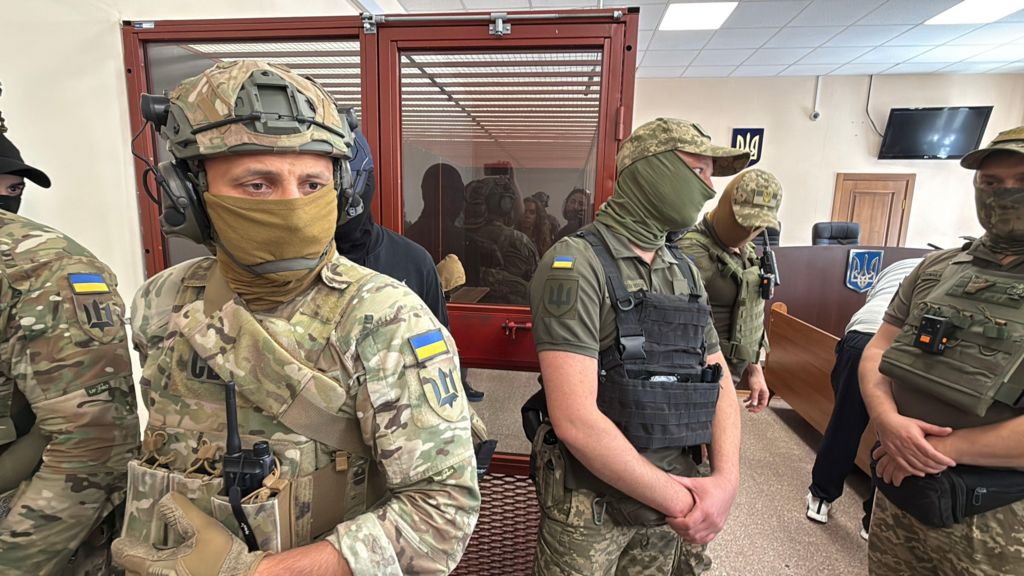
Both suspects appeared in court heavily obscured: their hands were cuffed, they kept hoods pulled up over their heads and large masks covering most of their faces, leaving only their eyes visible. For the majority of the separate hearings, the pair sat hunched inside the courtroom’s fortified glass cage, their backs turned to assembled press cameras.
Prosecutors confirmed that investigators tracked Reut and Zhykovych quickly after identifying Berezovska as a suspect, using the dead woman’s phone records to zero in on the two men, before uncovering cash and cryptocurrency transfers they had made to Berezovska’s accounts. Prosecutor Dmytro Tkachuk told reporters the two men are accused of acting “jointly and in a coordinated fashion” and have both been formally charged with premeditated murder. While one suspect has disclosed information about a potential motive, Tkachuk said releasing that detail publicly would damage the ongoing investigation, adding “all versions are being considered” — including theories ranging from Russian interference to organized crime and corruption.
Yermolayev, the target of the Monaco bombing, made his fortune in the cognac and real estate industries, renounced his Ukrainian citizenship years ago, and was sanctioned by Kyiv for continuing business operations in Crimea after Russia’s 2014 annexation of the peninsula. To date, the full motive for the failed assassination attempt against him remains unconfirmed.
Ukrainian President Volodymyr Zelensky acknowledged the high-profile case Thursday evening, saying he would release “additional relevant reports” in the coming days as the investigation progresses. The judge rejected bail requests for both defendants, remanding them into custody to await further progress in the probe. For now, the case remains tangled in contradictory testimony and unanswered questions, creating a sensitive political and institutional challenge for Kyiv’s wartime government.
标签: Europe
欧洲
-
Ukrainian agent accused of murdering Monaco bomb suspect changes story
-
France and Morocco meet again at the World Cup, this time in the quarterfinals
FOXBOROUGH, Mass. – When France and Morocco step onto the field for their World Cup quarterfinal showdown, the matchup is far more than just another high-stakes international knockout game. Decades of migration, shared club football pathways, and even current teammate relationships have woven deep connections between the two sides, turning this contest into a fascinating study of football’s interconnected global landscape.
The two nations have recent history in this tournament’s latter stages: when the 2022 World Cup was hosted in Qatar, France ousted Morocco in the semifinal. That run marked a historic milestone for the North African side, dubbed the Atlas Lions, who became the first African nation ever to reach the World Cup semifinal. Now, for France, a victory on Thursday would keep their ambition alive: if they advance, they will become just the third country in history to qualify for three consecutive World Cup finals.
But beyond the tournament stakes, the cultural and personal links between the squads are impossible to ignore. Six members of Morocco’s current roster entered the world in French cities: Ayyoub Bouaddi hails from Senlis, Issa Diop from Toulouse, Neil El Aynaoui from Nancy, Redouane Halhal from Montpellier, Samir El Mourabet from Strausbourg, and Gessime Yassine from Salon-de-Provence. In fact, that French-born contingent is only a fraction of the squad’s diverse origins: 19 of Morocco’s 26-man World Cup squad were born outside of Morocco, a reflection of the nation’s large global diaspora.
Morocco head coach Mohamed Ouahbi explained that this widespread global footprint has translated into unprecedented broad support for the side across the world. “We have a huge fan base internationally speaking, and we’re really proud of this. There are Moroccan fans around the entire world, whether European or the diaspora or the international Moroccans, they are behind us,” he said. “They are supporting us. We feel the energy, the positive dynamic they created for us. … In the difficult moments, we should think about those people, that we’re not alone. We’re fighting for an entire nation, a country, and that has helped us get more.”
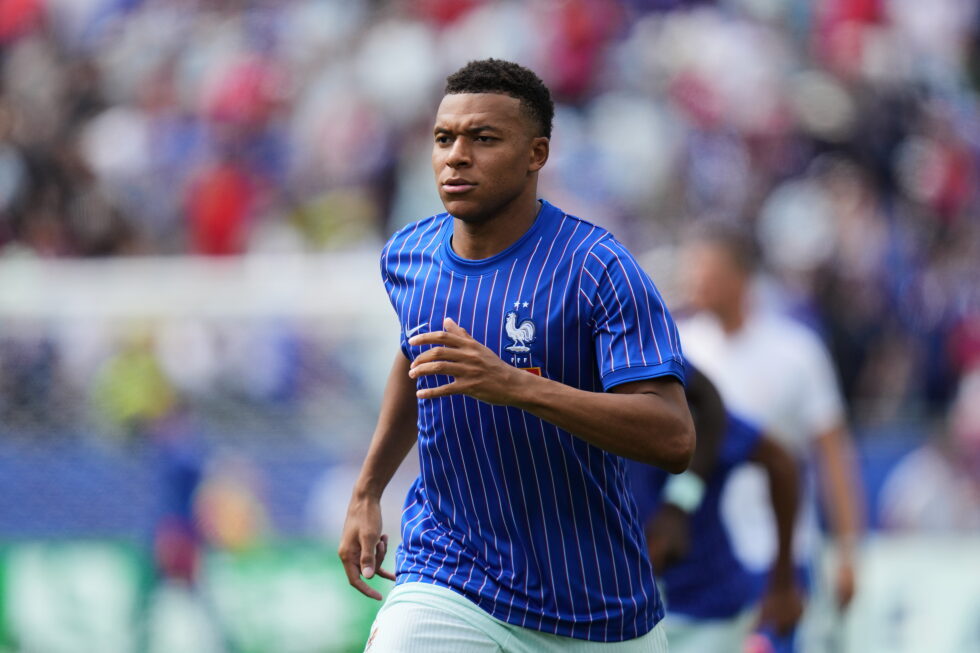
The connections stretch even into elite club football, where some key players on both sides share the same locker room week in and week out. France captain Kylian Mbappé and starting midfielder Aurélien Tchouaméni both line up for Spanish giant Real Madrid, where Brahim Diaz, Morocco’s standout playmaker, also plies his trade. Diaz has already emerged as one of Morocco’s most impactful players at this tournament, notching a team-high four assists to help carry the side to the quarterfinal stage.
Diaz acknowledged that the off-pitch relationship adds a unique dynamic to this high-pressure game, but made clear that national team pride takes priority once kickoff happens. “They are my teammates on Real Madrid. They are brilliant players. Are brilliant persons,” Diaz said. “But (today) we are rivals. We both want to win and this is the most important interest — my team.”
As underdog Morocco enters the game targeting a massive upset over tournament favorite France, all these pre-existing connections will be put on hold for 90 minutes, as both sides chase the same goal: a spot in the World Cup semifinal.
-
Technology is driving an increase in online threats to the UK, senior officials say
LONDON — Senior British counterterrorism officials issued a stark public warning Thursday, outlining a rapidly growing landscape of digital and cross-border threats targeting the United Kingdom, ranging from state-backed hostile operations to homegrown far-right extremism, all enabled by modern online platforms.
Vicki Evans, the Metropolitan Police’s senior national counterterrorism coordinator, framed the fight against these evolving threats as an unending, daily challenge that law enforcement cannot win without urgent support from global technology firms. Speaking at New Scotland Yard, Evans emphasized that hostile state activity is now the “most rapidly escalating mission” for UK counterterrorism policing, a shift echoed by Laurence Taylor, head of national counterterrorism policing, who noted that while Islamic extremism remains the single largest threat, risks from far-right extremist networks and hostile foreign governments have surged sharply over the past five years.
Recent months have seen a string of high-profile convictions linked to state-backed hostile operations on UK soil. In July, two Romanian men were imprisoned for the stabbing of a Persian-language journalist, with a judge confirming the attack was orchestrated on behalf of the Iranian government. Just one month prior, a Ukrainian man and a Romanian man were jailed for their role in an arson plot targeting property connected to UK Prime Minister Keir Starmer — an operation that matches the pattern of Russian state-directed sabotage. In May, a serving UK border official and a former Hong Kong police officer were convicted of conducting espionage activities on behalf of the Chinese government.
Evans added that 2025 has already seen more than 20 Iranian-backed plots uncovered, ranging from targeted assassinations and kidnappings to other violent criminal acts against UK interests. Investigations remain ongoing into whether a series of arson attacks on Jewish sites across the UK earlier this year can be connected to Iran.
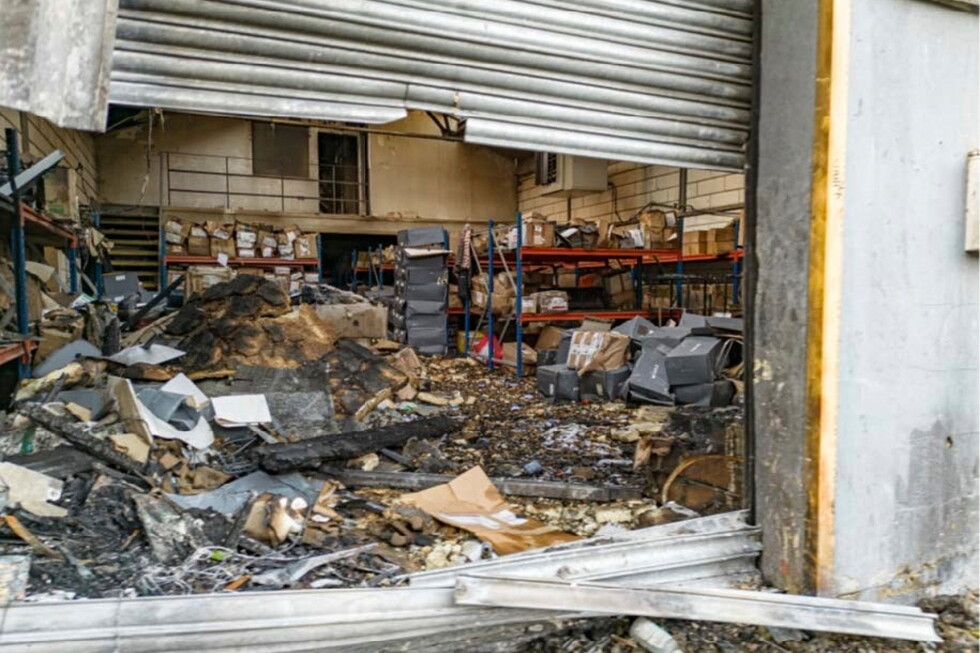
On the Russian front, Evans detailed that Moscow has orchestrated a steady flow of surveillance plots targeting individuals and institutions across the UK. The Kremlin’s operatives work to embed themselves in everyday British life, identify individuals willing to spread pro-Russian disinformation, and recruit proxies to carry out illegal operations on the Kremlin’s behalf. Across the European continent, Russia has leveraged mainstream messaging apps including Telegram to recruit individuals to carry out vandalism and arson attacks — one prominent example being a 2025 attack on a London warehouse storing communications equipment bound for Ukraine. The plot’s ringleader, Dylan Earl, was recruited directly on Telegram by the Wagner Group, a Russian mercenary organization formally designated as a terrorist group by the UK government.
A particularly troubling development flagged by Evans is the recruitment of teenagers as young as 15 to carry out these proxy plots. The open nature of online platforms means literally anyone can be targeted for radicalization or recruitment, she explained. “This isn’t something that’s happening elsewhere,” Evans told reporters. “It’s happening here. This risk is in our neighborhoods, in our online spaces and in our workplaces.”
Alongside rising state threats, counterterrorism leaders also highlighted a dramatic surge in far-right extremism that prompted a national threat level upgrade in April, when officials raised the UK’s overall terror threat rating from “substantial” to “severe.” Taylor explained that the upgrade was driven in large part by substantial growth in far-right linked extremism cases. Online platforms have been flooded with what Taylor described as “vile” extremist content that blends racism, misogyny, and extreme homophobia into a dangerous radicalizing mix.
He noted that extreme harmful views are increasingly going unchallenged in online spaces, creating conditions where once-unacceptable ideological positions have become widespread. As an example, he cited the case of 18-year-old Alina Burns, who was sentenced to nearly 20 years in prison in May for an ax attack on a random stranger — an act Taylor confirmed was directly motivated by the woman’s extreme far-right beliefs.
Counterterrorism officials also emphasized that children and young teenagers are increasingly being targeted for online radicalization. Taylor pointed to the recent sentencing of 22-year-old Alfie Coleman, who received a 13.5-year prison term Wednesday after attempting to purchase a firearm from an undercover MI5 officer. Coleman had been radicalized online starting at just 14 years old.
Evans explained that extremist actors and state operatives deliberately design online content to appeal to young people by blending extremist propaganda with popular gaming footage, historical imagery, and mainstream music. Young users are then slowly pushed toward carrying out real-world violence, even being instructed to replicate deadly attacks from video games in public spaces. In some of the most extreme cases, members of “sadistic online groups” compete with one another to carry out harm across both digital and physical spaces, including cyberattacks, extremist violence, child sexual abuse, and terrorist acts.
The widespread presence of what officials call “lawful but awful” content online — including graphic depictions of extreme violence and gore — has warped many young people’s understanding of what is normal and acceptable, leaving them far more vulnerable to manipulation by both extremist groups and hostile state actors, Evans said.
While the UK government has moved forward with plans to ban social media use for children under 16, Evans argued that this policy alone is insufficient to curb the growing threat. She called for sustained regulatory and public pressure on technology companies to proactively remove harmful content and restrict access to extremist material, noting that existing regulations targeting harmful online content quickly become outdated as platforms evolve their algorithms to push engaging, often divisive content to vulnerable users. For many young people drawn into harmful online ecosystems, Evans warned, the shift from passive consumption of extreme content to active participation in violence can happen shockingly quickly.
-
Man United reveals latest plans for new stadium to replace Old Trafford
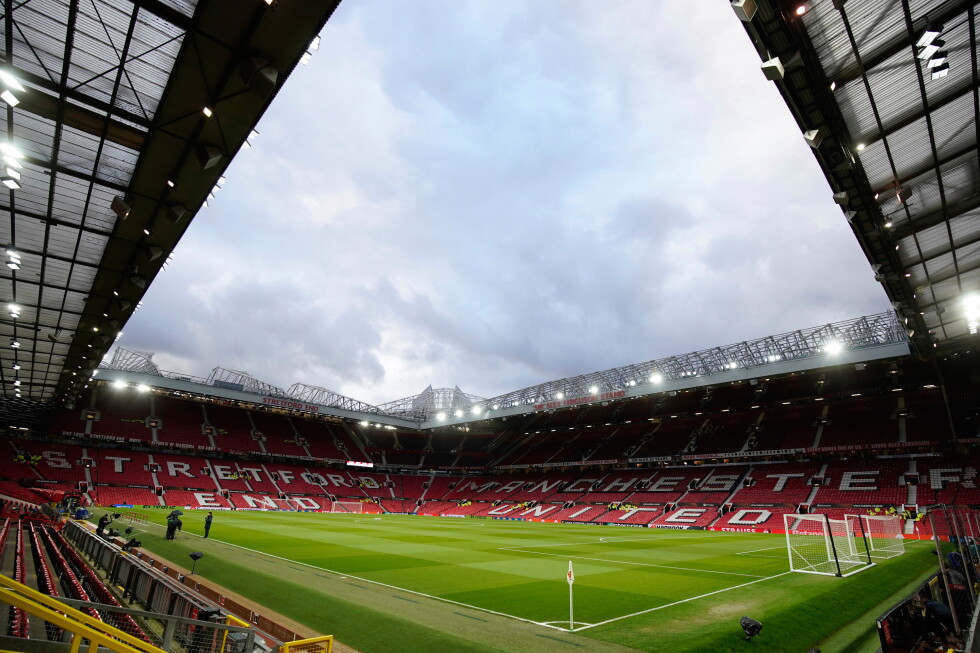
One of English soccer’s most iconic clubs, Manchester United, has released critical new details of its ambitious planned new stadium this Thursday, confirming the 100,000-capacity venue will sit just 350 meters northwest of the club’s current historic home, Old Trafford.
The massive project is framed as the centerpiece of a broader new stadium district development, with far-reaching economic and social benefits promised for the local region and the entire United Kingdom. According to club estimates, the full development scheme will generate 48,000 permanent and construction jobs for local workers, add 15,000 new residential units, and inject up to £7.3 billion (equivalent to $9.8 billion) annually into the UK economy once completed.
Collette Roche, chief executive officer of Manchester United’s new stadium development program, emphasized the transformative nature of the initiative. “Together with our partners, we have a once-in-a-generation opportunity to deliver a destination that creates lasting benefits for supporters, local communities and the wider region for decades to come,” Roche said. She also highlighted the club’s collaborative approach to the build, noting “We are committed to building a world-class stadium with our supporters, not simply for them.”
The project is a core priority for Jim Ratcliffe, the minority owner of Manchester United who has publicly stated his goal to deliver what he calls “the world’s greatest” soccer stadium. When initial plans were first announced last year, the total construction cost was projected at approximately £2 billion ($2.6 billion). If completed on schedule, the venue will overtake London’s Wembley Stadium to become the largest soccer stadium in the United Kingdom, with opening planned for the 2030-31 Premier League season.
Early conceptual designs for the stadium included a distinctive three-spire exterior structure, but club officials confirm the final architectural design has not yet been finalized.
Currently, Wembley holds the title of the UK’s largest stadium with a 90,000-person capacity, serving as the home ground for England’s men’s and women’s national soccer teams. Old Trafford, which has hosted Manchester United matches since 1910 and survived damage from German bombing during World War II, is the nation’s largest club-specific soccer venue with a capacity of just over 74,000. Despite its historical significance, the stadium’s infrastructure is widely considered outdated compared to newer modern venues across the country, such as London’s Tottenham Hotspur Stadium, which is equipped to host major events including annual NFL regular season games.
-
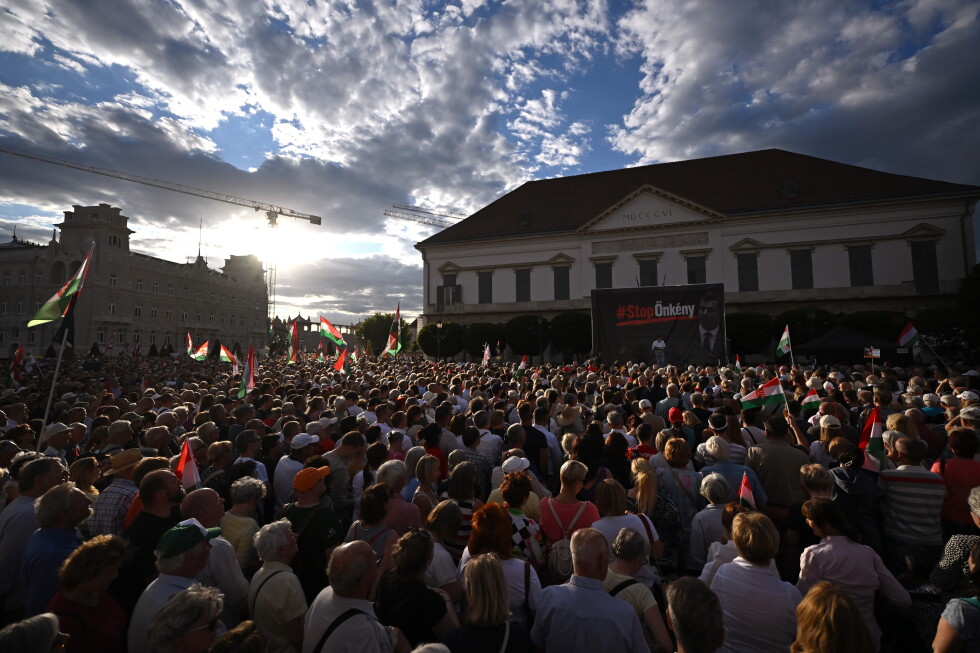
Orbán allies protest in Hungary against plans to oust President Tamás Sulyok
BUDAPEST, Hungary — Thousands of demonstrators converged outside Sándor Palace, the official seat of Hungary’s presidency in Budapest’s historic Castle District, on Thursday for a protest organized by former long-serving prime minister Viktor Orbán’s far-right Fidesz party to oppose the new government’s push to oust sitting President Tamás Sulyok. The demonstration comes amid a bitter political power struggle just months after pro-European center-right Prime Minister Péter Magyar ended Orbán’s 16-year autocratic rule in a landslide April election, and has cast a sharp spotlight on competing claims of what constitutes democratic governance in Hungary.
Magyar’s administration has made dismantling what it calls Orbán’s “mafia-style” autocratic regime a top policy priority, moving quickly to remove dozens of political appointees and institutional leaders installed by the former government who were accused of enabling its anti-democratic agenda. The centerpiece of this current push is a constitutional amendment scheduled for a parliamentary vote next week that would cut Sulyok’s term short, alongside sweeping reforms including new term limits for members of parliament, overhauls to the national judiciary, and the creation of a new anti-corruption body empowered to investigate allegations of widespread financial misconduct during Orbán’s tenure.
Orbán, whose government spent 16 years systematically dismantling independent democratic institutions in Hungary, has now framed the effort to remove Sulyok as an attack on the rule of law and a dangerous first step toward authoritarian rule. He spent weeks promoting the “Stop Tyranny” protest across his social media channels, though he did not appear at the event itself, which comes as Fidesz continues to grapple with its identity after its catastrophic election defeat in April. For many protesters, the demonstration was not a defense of Sulyok personally, but of the integrity of the presidential office. “The point is not whether Tamás Sulyok is popular or not, but that this is simply unacceptable in a democracy,” protester Krisztina Nemerkényi told reporters on Thursday.
Fidesz lawmaker János Pócs defended his party’s record of constitutional changes during its time in power, noting that Fidesz unilaterally rewrote Hungary’s constitution in 2011 and has since amended it 15 times. “We have always done so in the interest of the country, in order to protect the country, but not for the sake of dictatorship,” Pócs told the Associated Press at the protest.
Magyar, for his part, has stood firmly by his pledge to remove Sulyok, arguing that the president failed to uphold his constitutional duties by standing aside as Orbán’s government rolled back democratic checks and balances. The prime minister campaigned explicitly on ousting Sulyok ahead of April’s election, and points to his party’s two-thirds parliamentary majority as a clear voter mandate to follow through on the promise. While Hungary’s presidency is largely a ceremonial role, it holds key powers: the office must sign all legislation into law and can send parliamentary bills to the Constitutional Court for judicial review. Magyar’s allies warn that Sulyok, as an Orbán appointee, could use these powers to block the new government’s planned democratic and anti-corruption reforms.
Since taking office in May, Magyar’s administration has moved rapidly to deliver on other key campaign promises. It immediately suspended operations at the public television and radio news service, which Magyar accuses of operating as a state propaganda mouthpiece for Fidesz during Orbán’s tenure. The government has also implemented an eight-year term limit for future prime ministers, removed the heads of national security and intelligence agencies appointed under Orbán, and enacted rapid democratic reforms that unlocked 16.4 billion euros ($19 billion) in frozen European Union cohesion funds that had been withheld over the democratic backsliding of Orbán’s era.
-
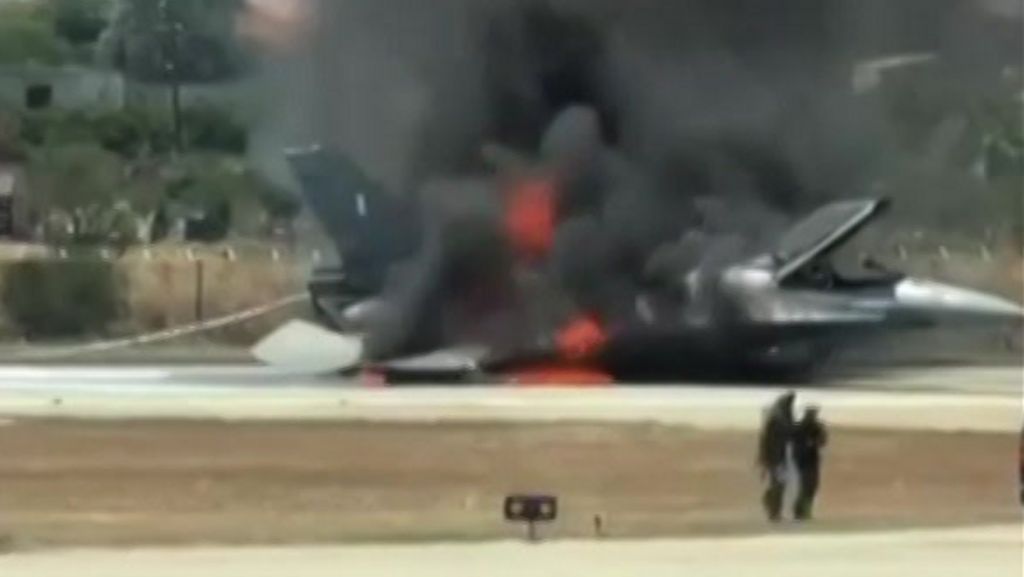
Greek F-16 fighter jet crash-lands at busy Zakynthos airport
At the start of Greece’s peak summer tourism season, a Hellenic Air Force F-16 fighter jet suffered a crash-landing and subsequent fire at Zakynthos International Airport on Thursday, triggering widespread flight disruptions at one of the country’s busiest holiday gateways. The incident unfolded at approximately 13:45 local time (10:45 GMT), while the aircraft was conducting a routine training mission, according to official statements from the Hellenic Air Force. Service officials confirmed the jet developed an unspecified technical fault mid-flight before it made the emergency landing, adding that the pilot escaped the incident in good health. An official probe into the root cause of the accident is already underway. Independent Greek media outlets including leading daily Kathimerini have shared additional details not yet confirmed by the air force: reports indicate the jet received an onboard fire alarm alert prior to landing, failed to deploy its landing gear during the emergency landing attempt, and slid for dozens of meters across the runway before coming to a stop and igniting into flames. Emergency crews including airport firefighters and personnel immediately responded to the scene, and social media footage circulating online shows the fighter jet engulfed in flames as responders worked to extinguish the blaze. The Hellenic Air Force later confirmed the jet belonged to the 335 Squadron of the 116th Combat Wing, which is based at Araxos Air Base in western Greece. Following the incident, the airport’s only operational runway was immediately shut down to allow for emergency response and recovery work. All remaining flights scheduled for Thursday were pushed back to at least 21:00 local time, affecting dozens of journeys that had been scheduled to depart and arrive hours earlier. The disruption comes at a critical time for Zakynthos, a popular Ionian Island tourist destination that welcomes thousands of international visitors each week at the start of summer, with the majority of inbound travelers coming from the United Kingdom. A specialized Hellenic Air Force recovery team was dispatched to the island to remove the damaged aircraft from the runway, with the goal of restoring full airport operations as quickly as possible.
-
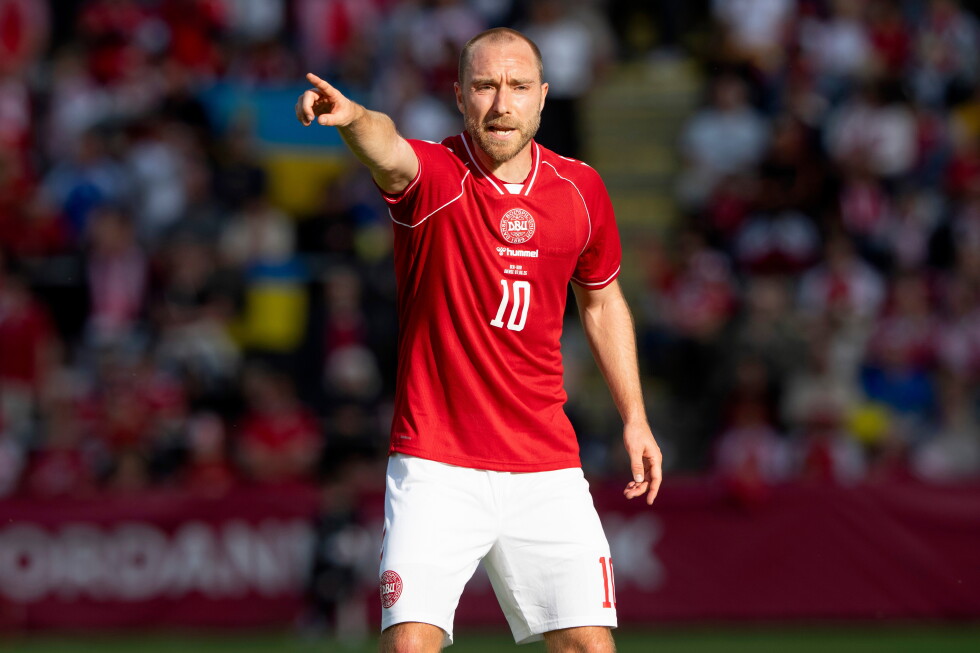
Wolfsburg says Eriksen to start rehabilitation in Denmark after on-field collapse
Wolfsburg, Germany – Bundesliga relegated side VfL Wolfsburg has confirmed that Danish international attacking midfielder Christian Eriksen will undertake a personalized rehabilitation program in his home country of Denmark, following a second on-field cardiac incident that sent shockwaves through the global soccer community last month.
In a short official statement released Thursday, the German club emphasized that it maintains ongoing, close communication with Eriksen and the medical team supervising his recovery process. “We remain in regular contact with Christian and the doctors overseeing his treatment,” the statement read. “We continue to wish Christian all the very best with his rehabilitation.”
The 34-year-old playmaker suffered the incident on June 7 during an international friendly match between Denmark and Ukraine hosted in Odense, Denmark. After clutching his chest in visible discomfort, Eriksen collapsed on the pitch – an image that immediately triggered haunting memories of his life-threatening cardiac arrest during a European Championship match five years prior. On both occasions, concerned opponents and teammates formed a protective circle around the midfielder as emergency medical staff administered urgent on-site care. Unlike the 2021 incident, Eriksen was able to leave the pitch unassisted, though he was still transported to a local hospital for comprehensive cardiac testing.
Following his 2021 cardiac arrest, Eriksen received an implantable cardioverter defibrillator (ICD), a device designed to correct life-threatening irregular heart rhythms. The day after the June incident, Eriksen shared a public update to reassure fans of his condition, confirming he had already been released from care and returned to his family. “As you can probably imagine, receiving a shock from my ICD has had a major effect on both me and my family, but I want to assure everyone that this was a different situation from what happened in 2021,” Eriksen explained in his statement.
Eriksen joined VfL Wolfsburg as a free agent last September, signing a two-year contract that was set to run through the upcoming 2025-26 season. Despite his veteran playmaking contributions, Eriksen could not stop the club from dropping out of Germany’s top-flight Bundesliga, a relegation confirmed after a playoff defeat to Paderborn in which Eriksen wore the captain’s armband for his final match with the side. The next steps for Eriksen’s soccer career remain unclear as he prioritizes his recovery in Denmark.
-

France returns 23 Syrian treasures after 15 years as Macron visits Damascus
In a historic moment marking a new chapter of diplomatic and cultural engagement between France and post-Assad Syria, France has formally repatriated 23 ancient Syrian archaeological artifacts that were stranded abroad for nearly 15 years. The handover aligned with French President Emmanuel Macron’s groundbreaking trip to Damascus, the first official visit by a leader of a major Western nation since the ousting of Bashar Assad’s government at the end of 2024.
The full collection of relics, transported to Damascus on Macron’s official presidential aircraft on Tuesday, was formally delivered to Syria’s National Museum. The assortment of returned heritage objects spans thousands of years of Syrian history, including bronze artifacts from the Roman era, cultural pieces from the Byzantine and early Islamic periods, and a vividly hued mosaic panel that originally decorated the historic Umayyad Mosque in central Damascus. The artifacts were originally loaned to the Arab World Institute in Paris in 2011 for a temporary exhibition focused on Syrian cultural heritage, not long before Syria’s full civil war broke out.
According to Syria’s Foreign Ministry, the artifacts originated from leading museums across four major Syrian cities: Damascus, Aleppo, Latakia, and the war-ravaged ancient city of Palmyra. They remained in French custody after the two countries severed diplomatic relations during Assad’s decades-long rule. The ministry noted that France is the first nation to formalize such a cultural cooperation agreement with Syria as the new government launches a national campaign to recover all Syrian antiquities held in collections around the globe.
At a special opening exhibition at the National Museum showcasing two of the most prominent returned pieces, Ayman al-Nabo, deputy director-general of Syria’s Directorate-General of Antiquities and Museums, hailed the repatriation as a key milestone for the country’s cultural recovery. Nivine Saadeddine, a lead curator at the National Museum, emphasized that the returned artifacts encapsulate the breadth and depth of Syria’s millennia-long civilization. “They date from the ninth millennium B.C. to the 14th and 15th centuries A.D. Every object represents a distinct chapter in Syria’s history,” Saadeddine explained.
For Maamoun Abdulkarim, Syria’s former director-general of antiquities and museums who now serves as a professor of archaeology at the University of Sharjah in the United Arab Emirates, the long-awaited return closes a difficult chapter marked by years of war, diplomatic deadlock, and multiple failed efforts to bring the artifacts home. The 2011 loan was arranged as part of routine cross-cultural exchange between the two countries before the outbreak of full-scale conflict, Abdulkarim recalled. He first submitted a formal request for the artifacts’ repatriation in 2014, but received no official response from French authorities. Later, French officials clarified that they were unable to engage with representatives of Assad’s government, which had become widely diplomatically isolated and subject to sweeping international sanctions following the regime’s violent crackdown on anti-government protests and the subsequent civil war.
Abdulkarim shared that the United Nations cultural agency UNESCO’s Beirut office attempted to mediate the dispute in later years, but those efforts also fell through. The prolonged standoff even carried severe personal risks for Abdulkarim and his colleagues under the Assad regime. “We were interrogated by Bashar Assad’s security forces,” he said. “We were beaten and accused of being too lenient in protecting Syria’s antiquities. Had it not been for the correspondence we had sent to the institute proving we had repeatedly requested the artifacts’ return, we could have been imprisoned.”
Despite the years of hardship and delay, Abdulkarim welcomed the restart of formal cultural cooperation between the two nations. “I am very happy that, despite everything that happened, the war is over, Syria is reopening to the world and cultural exchange is returning,” he said.
Abdulkarim noted that a small number of Syrian artifacts have been repatriated under existing formal loan agreements even during the war and period of severed diplomatic ties. Around 2017, for example, Italy returned two Syrian artifacts that had been damaged by the Islamic State (IS) group, after completing restoration work for a Rome exhibition focused on the global destruction of cultural heritage. A smaller collection of Syrian artifacts still remains in Japan under a long-standing archaeological cooperation agreement stemming from joint excavation work conducted in the 1980s.
Still, the scale of Syria’s lost cultural heritage remains immense. Abdulkarim estimates that thousands of artifacts looted from archaeological sites across Syria during the 14-year conflict are currently held in private collections and museums across the globe. “Recovering them will require years of diplomatic work,” he said. He added that France’s decision to repatriate the 23 artifacts sends a hopeful signal to the international community and can encourage more widespread global cooperation to recover Syria’s stolen cultural legacy.
Syria’s rich cultural heritage suffered catastrophic damage across the nearly 14 years of conflict. Multiple UNESCO World Heritage sites, including the ancient desert city of Palmyra, were heavily damaged by fighting and intentional destruction by extremist groups. Other iconic landmarks, such as the medieval Crusader fortress of Crac des Chevaliers, still bear visible scars from years of combat. IS militants deliberately destroyed ancient temples, tombs, and monumental sculptures in Palmyra, labeling these irreplaceable cultural artifacts as symbols of idolatry, while the illegal trafficking of looted Syrian antiquities became a major source of funding for armed groups operating in the country.
-
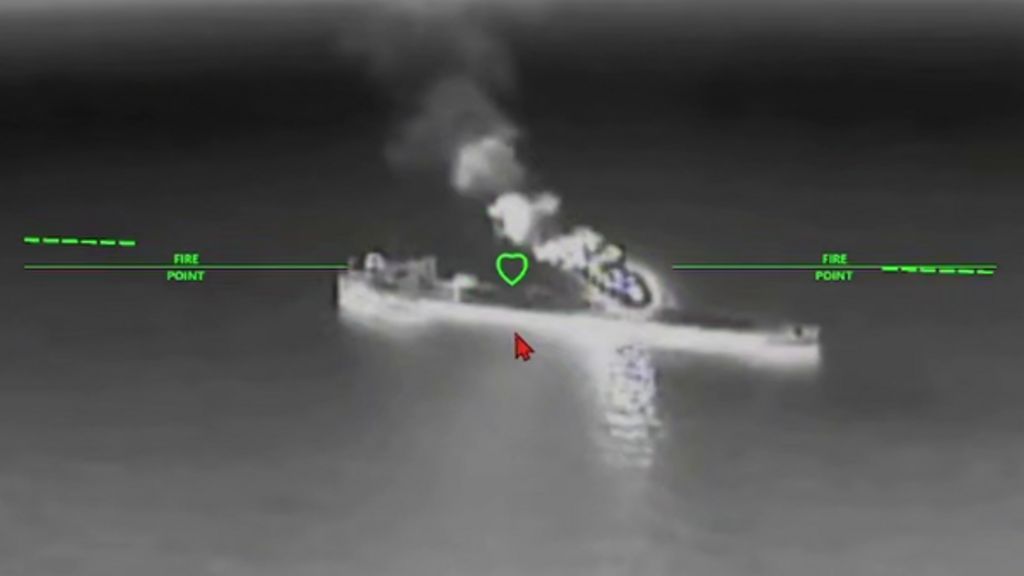
Ukraine strikes Russian ships near Crimea, escalating attacks on fuel supplies
In a dramatic escalation of its campaign to cut off Russian supply lines to occupied Crimea, Ukraine’s unmanned military forces have launched a wave of coordinated naval drone strikes targeting Russian commercial and military shipping in the Sea of Azov and Black Sea, part of Kyiv’s self-declared “logistics lockdown” of the peninsula.
Robert Brovdi, commander of Ukraine’s drone forces who operates under the callsign Magyar, has reported that between July 6 and July 9, at least 25 vessels were hit and set ablaze across the Sea of Azov, an inland body of water connected to the Black Sea via the strategic Kerch Strait. Ukraine’s overall count of damaged or destroyed vessels stands at 36, most of which are part of Russia’s unregulated “shadow fleet” of commercial oil tankers that operate outside international shipping norms to evade Western sanctions. The exact number of damaged vessels remains unconfirmed by independent observers, as some ships may have been struck multiple times.
The Sea of Azov off Crimea’s northeastern coast has long been a hub for Russian oil shipping, anchored by an onshore fuel loading terminal at Kerch port on the Crimean peninsula. After Ukraine launched a strike on Kerch port last month, satellite analysis conducted by BBC Verify confirmed a sharp drop in the number of tankers anchored in the area in the days following the attack. Night-time drone footage of the latest wave of strikes began circulating on social media platforms early Tuesday, with Brovdi confirming daily strikes across the four-day window.
Independent evidence has backed up Ukraine’s claims. Satellite imagery captured on July 9 shows a large column of smoke rising from a vessel roughly 2.5 miles off Crimea’s coast, and NASA fire tracking data confirms an active blaze has burned at that location since July 6, matching Ukraine’s claim of an initial strike on that date. The same satellite image shows roughly 20 other vessels abandoning their positions in the Sea of Azov and moving south toward the Black Sea to avoid attack. Even leaving the Sea of Azov does not guarantee safety, however: On July 9, Ukraine’s general staff released footage of a naval drone strike on the sanctioned Russian tanker Blue off the coast of Yalta, a Black Sea resort city on occupied Crimea. The on-board drone footage shows the unmanned vessel evading defensive fire before approaching the tanker’s hull, where the recording cuts off.
Russia’s regional governor of Rostov, Yuri Slyusar, confirmed that two empty tankers were attacked in Taganrog Bay, the northeastern corner of the Sea of Azov, on July 8, adding that the vessels were still burning the following day. Brovdi confirmed that two tankers hit earlier in the week were carrying roughly 7,000 tons of fuel each from the Taganrog area to supply Russian forces and occupied Crimea. In addition to tankers, strikes have hit other commercial vessels: a passenger ferry named SKS One and a bulk carrier were attacked at Kerch port, with imagery of the damaged ferry posted to social media by Brovdi. Brovdi has also named specific vessels hit in the strikes, including the tankers Venera-3, Sanar-1, Sanar-17, Klimena, Thetis, Alexey Savrasov, and Penelopa.
This wave of maritime strikes coincides with a separate campaign of attacks on Russian oil infrastructure deep inside Russian territory, which has exacerbated widespread fuel shortages across more than 90% of Russia’s regions, including major cities Moscow and St. Petersburg. Ukrainian President Volodymyr Zelensky has defended the strategy, arguing that targeting Russian energy infrastructure is a legitimate response to Russian strikes on Ukrainian territory, and that Russian civilians must “feel that it is their state that is waging war.” Zelensky also confirmed recent attacks on two oil depots in the Tver and Stavropol regions, hundreds of kilometers from the front lines, as well as a major oil terminal in Rostov region, widely reported to be the Yug Rusi terminal near Taganrog Bay. Russia has responded to the ongoing shortages by implementing diesel export bans, and long queues at filling stations have been reported across the country’s largest urban centers.
The strikes mark a major escalation of Ukraine’s campaign to choke off all supply routes to occupied Crimea, which Russia annexed in 2014 in a move unrecognized by most of the international community. Ukraine has already disrupted Russian land supply routes to the peninsula, and the latest attacks target the remaining maritime supply lines that Moscow relies on to meet Crimea’s energy needs. In late June, Russian President Vladimir Putin publicly stated that Crimea requires 70,000 tons of fuel per month, and promised to secure steady supplies via both land and sea corridors. The total volume of fuel carried by the tankers hit in the Sea of Azov strikes exceeds this monthly requirement, representing a significant setback to Putin’s pledge.
Russian pro-military commentators have openly acknowledged the severity of the setback, criticizing the Russian Black Sea Fleet for failing to provide protection for commercial shipping. The popular pro-war Telegram channel “Military Informant” described unescorted tankers as effectively an open “shooting gallery” for Ukrainian drone operators, noting that the Black Sea Fleet is no longer capable of defending commercial traffic in the region. Another prominent pro-military blogger, Mikhail Zvinchuk of the Telegram channel Rybar, confirmed that the Black Sea Fleet has retreated to its base at Novorossiysk and largely abandoned patrols of the Sea of Azov and northern Black Sea around Crimea. For Russian-occupied Crimea, where local authorities already face ongoing disruptions to power and transport networks, the loss of critical fuel supplies is expected to deepen existing crises, with fuel rationing already in place in much of the region.
International reaction to the escalation has been mixed. During a meeting with Zelensky on the sidelines of the NATO summit in Ankara on July 8, U.S. President Donald Trump characterized Ukraine’s naval drone strategy as an escalation of the conflict, but added that “it’s also an escalation that can help lead to an end.” As of mid-July, the intensity of attacks shows no sign of slowing: Brovdi claimed that Ukrainian forces hit 12 separate tankers in a single night between July 8 and July 9, and Russian pro-war sources have not disputed either the details of the claim or the authenticity of the attack footage released by Ukraine.
-
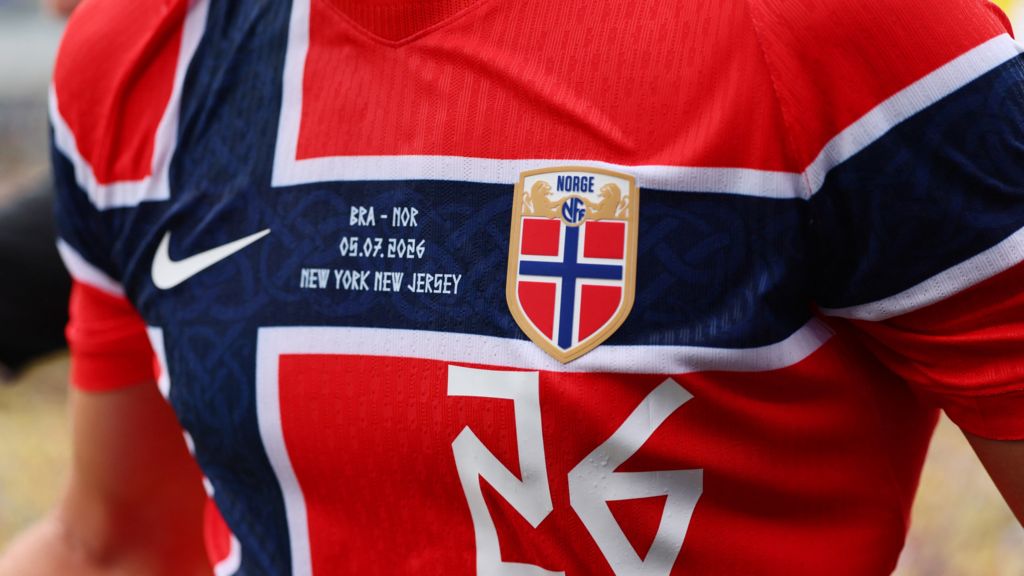
Norwegian football jerseys sold out ahead of Three Lions showdown
As the Norwegian men’s national football team prepares to face England in a critical 2026 World Cup quarterfinal this Saturday, an unprecedented wave of fan enthusiasm has swept across Europe, leaving official Norway national team jerseys completely sold out at all major retail outlets. The Norwegian Football Association (NFF) has openly admitted that it drastically miscalculated consumer demand for the 2026 kits, which have been stuck in a persistent state of out-of-stock at Nike and official partner retailers ever since their launch this past March.
The sky-high demand is largely driven by the global superstar status of Manchester City striker Erling Haaland, whose standout performances for both club and country — including Norway’s stunning knockout-stage victory over Brazil to secure a quarterfinal spot — have turned the national team’s new jersey into one of the most sought-after sports merchandise items in the world right now. Every time retailers restock new batches of the kit, stores are flooded with fans within minutes, with countless supporters even resorting to camping outside storefronts overnight just to secure their spot at the front of the line.
NFF Commercial Director Runar Pahr Andresen confirmed to Norwegian broadcaster TV2 that overall demand for the 2026 jersey has blown past every internal forecast, with 2026 order volumes hitting an all-time record for the association. This year, the NFF has ordered approximately 250,000 kits, a massive jump from the 50,000 units sold over the same period in 2025. Andresen added that the association has never generated as much revenue from jersey sales as it has this year, a surprising milestone that underscores just how explosive fan interest has become.
One of the most visible examples of this frenzy unfolded in Oslo earlier this week, when local sporting goods chain Torshov Sport received a long-awaited new shipment of jerseys on Tuesday. By the time the store opened for business on Wednesday morning, a 600-meter-long queue had wrapped around multiple city blocks, with some diehard fans waiting more than 12 hours in line, bringing folding chairs to stay comfortable during their wait. Store manager Anders Lilleberg told Norwegian outlet VG that the energy around the restock was unlike anything he had seen in his decades in the industry. “I’ve been here for many years, but I’ve never encountered the kind of atmosphere that is there now. It’s absolutely wild,” Lilleberg said. The retailer is now taking pre-registrations for its next restock, but cannot guarantee that all registered fans will receive their jerseys in time for Saturday’s high-stakes match.
The iconic red home jersey, featuring the traditional blue cross from the Norwegian flag, has been completely sold out at Nike and most official retailers for weeks. A Nike spokesperson told the BBC that the brand recognizes the disappointment among fans who have been unable to purchase the kit, and that teams are working overtime to ramp up inventory levels. Additional shipments of both the 2026 home match and stadium jerseys are expected to arrive in Norway in the coming days, with broader distribution to follow across European retailers, the spokesperson confirmed.
With official stock depleted, many desperate fans have turned to third-party resale platforms, where markup prices have reached exorbitant levels. The official Nike 2026 Stadium Home jersey retails for £89.99 (around $100) when available, but is now being resold for as much as £355 ($476) on secondary market sites. The black away stadium jersey, which also carries a £89.99 retail price, is currently listed for as much as £231 ($310) before adding shipping fees and taxes.
Norway’s unexpected deep run in the 2026 World Cup has only amplified this hype: the team defeated Iraq, Senegal, and Ivory Coast in the group stage before knocking out powerhouse Brazil in the knockout round to secure their quarterfinal spot. Saturday’s match against England will kick off at Miami’s Hard Rock Stadium at 22:00 BST (17:00 EST), with millions of fans around the world expected to tune in.