标签: Europe

欧洲

  • Moldova’s parliament elects investor Vasile Tofan as prime minister to push EU membership bid

    Moldova’s parliament elects investor Vasile Tofan as prime minister to push EU membership bid

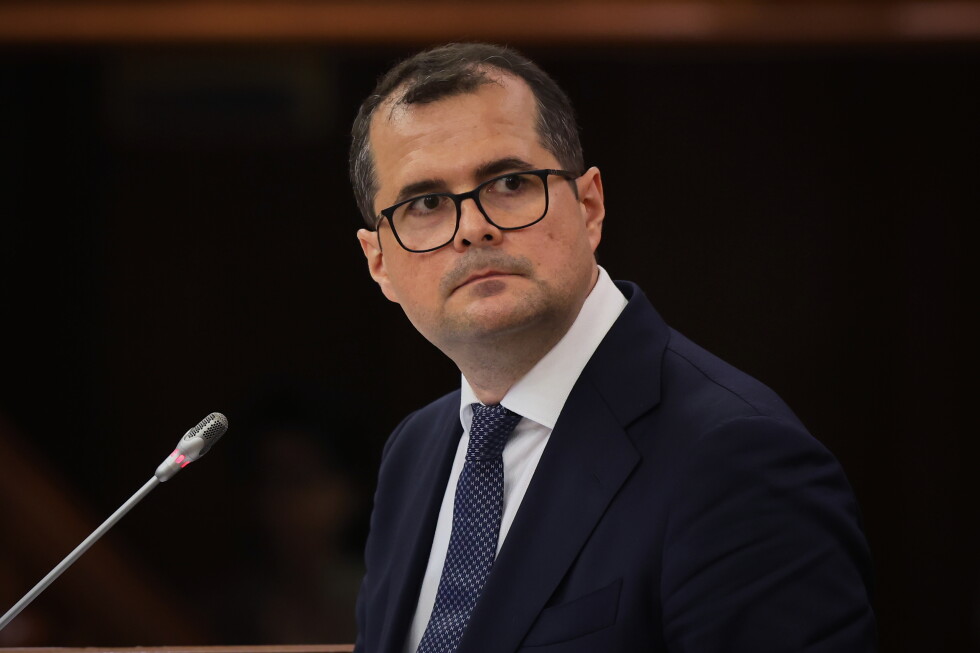
    CHISINAU, Moldova — In a landmark vote that underscores Moldova’s continued commitment to Western integration, the country’s pro-European parliament voted Tuesday to install 44-year-old businessman and investor Vasile Tofan as the new prime minister, tasking a political outsider with steering the former Soviet republic’s ongoing bid for European Union membership.

    Backed by pro-Western President Maia Sandu and her ruling Party of Action and Solidarity, Tofan secured the parliamentary approval with a clear majority: 53 lawmakers voted in favor of his appointment, 21 voted against, and another 21 abstained in the 101-seat unicameral legislature.

    Speaking to assembled legislators moments ahead of the confirmation vote, Tofan emphasized he recognized the heavy weight of his new mandate. “I understand my responsibility to fight for the interests of all Moldovans,” he said, adding that he and his incoming cabinet would govern “with integrity and the unwavering will to push Moldova forward.”

    Until his appointment to the top government post, Tofan served as a senior partner at Horizon Capital, a Ukraine-based investment firm. He brings robust international academic credentials to the role: he holds a Master of Business Administration from Harvard Business School, as well as both bachelor’s and master’s degrees in public administration from Erasmus University Rotterdam in the Netherlands. In a surprising remark for a new head of government, Tofan clarified that he does not plan to build a long-term career in domestic politics. “I want to finish my mandate and look back at it with pride in the things I did,” he explained.

    Tofan’s elevation comes three weeks after his predecessor, Alexandru Munteanu, stepped down in an unexpected move after just eight months in office. Munteanu’s resignation automatically dissolved the entire previous cabinet, but the former prime minister offered no explicit explanation for his departure, stating only that he could “no longer exercise my mandate in accordance with my principles and beliefs.”

    President Sandu, who nominated Tofan for the prime ministerial role, has stressed that Moldova requires a cohesive, effective governing team to advance its EU accession goals. Following the previous government’s collapse, she charged Tofan with assembling a new cabinet to take forward the country’s integration agenda.

    Geopolitically, Moldova occupies a strategic position in Eastern Europe: a landlocked nation bordered by Ukraine to the east and Romania — a member of both the EU and NATO — to the west, it gained independence from the Soviet Union in 1991. While the majority of its population speaks Romanian, it is home to a large Russian-speaking minority, and in recent years its clear shift toward Western integration has turned the country into a key point of geopolitical tension between Russia and the European bloc.

    Moldova made tangible progress on its accession path in recent weeks. Last month, the country and neighboring Ukraine — which is also pursuing EU membership — opened negotiations on a first cluster of five accession chapters covering the foundational values of the EU, including the rule of law, protection of fundamental rights, and the functioning of democratic institutions. Just last week, both nations moved forward again by opening a second cluster of negotiations focused on foreign relations, security and defense policy, trade rules, development cooperation, and humanitarian aid.
  • Two French firefighters die tackling blaze near Bordeaux airport

    Two French firefighters die tackling blaze near Bordeaux airport

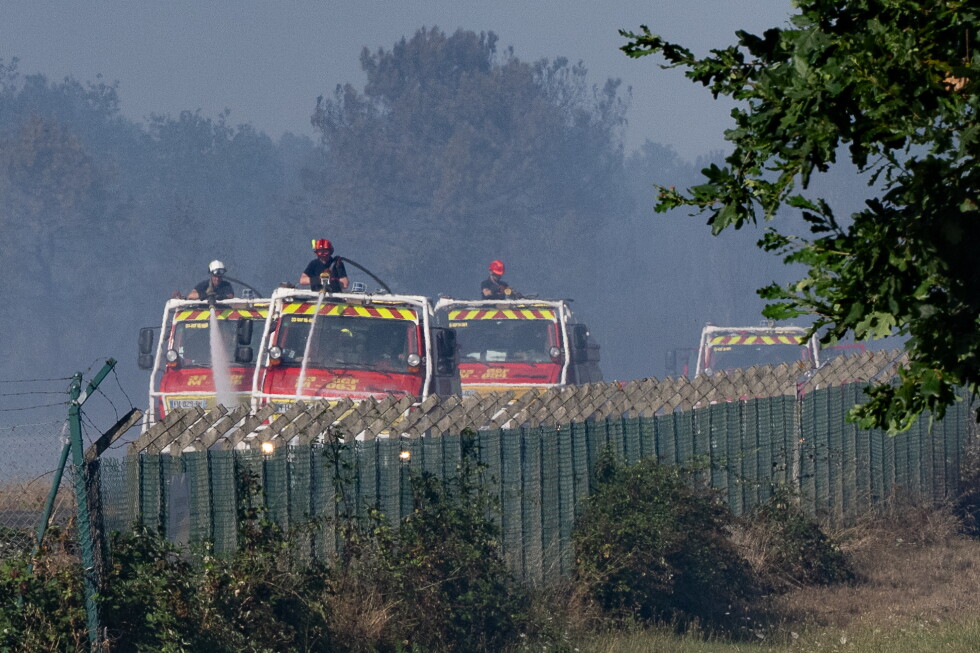
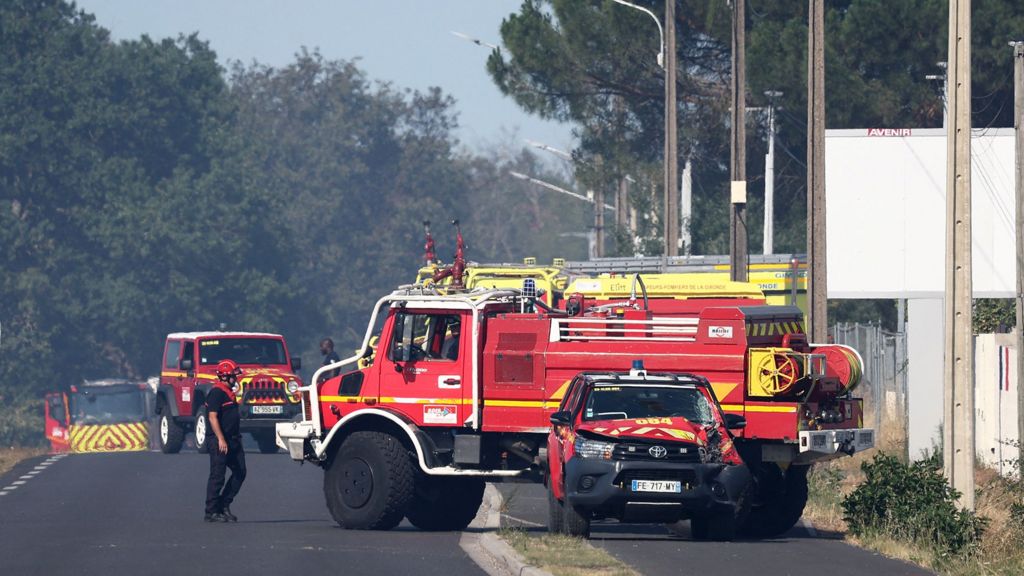
    France is grappling with an unprecedented wave of wildfires amplified by record-breaking heatwaves, with two firefighters losing their lives battling a major blaze near Bordeaux-Mérignac Airport in southwestern France, local officials have confirmed. Local French media reports indicate the fire, which ignited close to one of the airport’s public parking lots, began as an uncontrolled brush fire before rapidly spreading to an adjacent structure.

    Social media footage and imagery captured by on-site witnesses show commercial airline passengers disembarking onto airport tarmacs as a towering, dense plume of dark smoke billowed into the sky just kilometers from the runway. In response to the emergency, airport authorities implemented flight delays for all incoming scheduled services to prevent additional risk to passengers and crew. Roughly 100 ground-based firefighters, supported by specialized aerial firefighting aircraft, have been deployed to bring the blaze under control.

    French Interior Minister Laurent Nuñez confirmed the fatalities during a scheduled question-and-answer session at the French National Assembly on Tuesday, noting he had received official notification of the deaths from administrative leaders in Gironde, the department where the Bordeaux fire is burning. Nuñez added that he would travel to Gironde “as soon as possible” to personally oversee ongoing suppression efforts. Gironde is among a growing number of French departments already reeling from weeks of wildfire activity, which has been stoked by an extended, unseasonal heatwave that has pushed regional temperatures well above average.

    Hours after the Bordeaux fire was reported, a new large-scale wildfire erupted on Tuesday in the southeastern department of Var. The fire, burning across territory in the commune of Pontevès, “remains entirely out of control and is spreading at a rapid pace,” according to the Voluntary Association for Fire Monitoring in France (PSFDF). In response, officials have deployed 500 firefighters and rescue personnel to contain the blaze, and have already ordered the evacuation of 150 local residents to safe emergency shelters.

    This season’s wildfire activity has already surpassed all modern records in France. Official data compiled by the European Forest Fire Information System (Effis) shows that between the start of January and mid-July, more than 42,000 hectares (103,784 acres) of land have burned across the country — a total that already exceeds the full-year record set in 2022. French President Emmanuel Macron noted last week that France has not faced this level of wildfire activity since the end of World War Two, with nearly 11,000 separate blazes recorded nationwide since the start of 2026.

    The surge in destructive wildfires across France and broader Europe is directly tied to human-caused climate change, according to climate scientists. Data from the Copernicus Climate Change Service confirms Europe is warming twice as fast as the global average, making the continent disproportionately vulnerable to extreme weather events. Rising global temperatures are fueling longer, more intense summer heatwaves, straining regional water supplies, and creating drier conditions that increase the frequency and severity of destructive wildfires.

    The current heat and wildfire crisis is not limited to France. Neighboring Spain has already seen at least 13 fatalities linked to this summer’s wildfires, with a single massive blaze north of Madrid destroying more than 29,000 hectares of forest and populated land, marking one of the most destructive wildfires in the country’s modern history.

  • Evenepoel wins time trial for back-to-back Tour de France stage victories, Pogačar still leads

    Evenepoel wins time trial for back-to-back Tour de France stage victories, Pogačar still leads

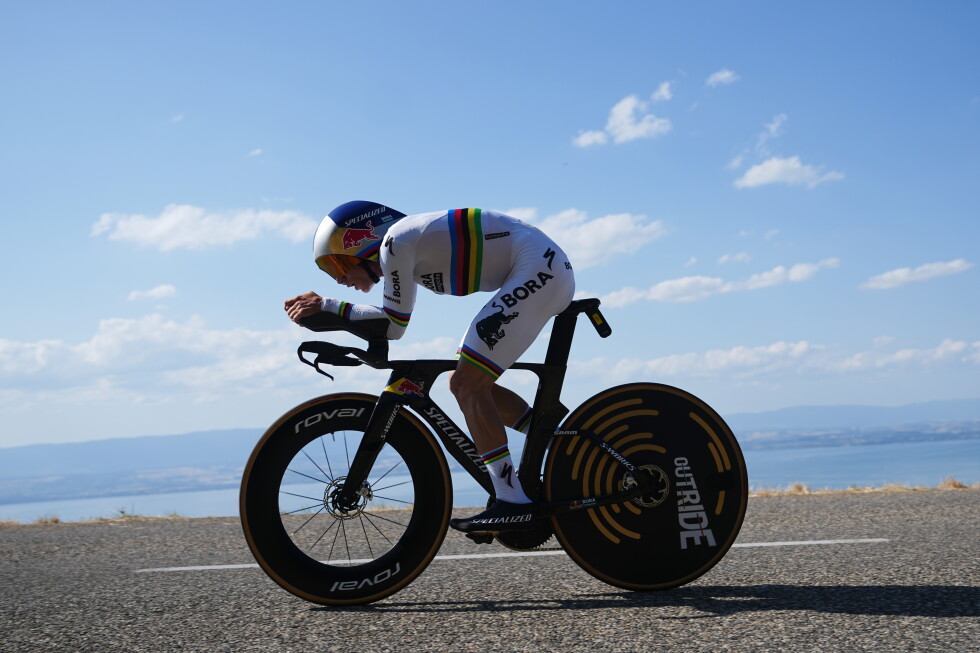
    The 111th edition of the Tour de France delivered another dramatic day of racing on Tuesday, as Belgian time trial world champion Remco Evenepoel claimed a dominant victory in the race’s only individual time trial of this year’s event, while a nasty crash for one of his teammates cast a shadow over the achievement.

    Held over a challenging 26.1-kilometer route that started on the banks of Lake Geneva in Évian-les-Bains, the stage featured a testing 16.4-kilometer climb up the category 2 Côte de Larringes, followed by a technically demanding descent before a flat, straight run into the finish line in Thonon-les-Bains. The technical nature of the course put riders’ bike handling skills to the test, with a sharp corner near the finish proving to be a particularly dangerous spot.

    Evenepoel, who already claimed a win on the 15th stage this past Sunday ahead of Monday’s rest day, turned in a blistering performance, crossing the finish line with a total time of 32 minutes and 19 seconds. That mark was more than a full minute faster than the previous fastest time set by Denmark’s Mattias Skjelmose, forcing the reigning world champion to wait in the hot seat for race leader Tadej Pogačar to complete his run.

    When Pogačar crossed the line, the Slovenian race leader finished with the second-fastest time of the day, but the gap to Evenepoel left Pogačar’s overall general classification lead cut by 28 seconds. Pogačar himself encountered trouble on the same sharp corner near the finish that caught out multiple riders, but he managed to steady his bike and avoid a crash, continuing on to secure his overall standing.

    The day’s victory gave Evenepoel back-to-back stage wins at this year’s Tour, but the celebration was muted by a high-profile crash for his Red Bull-Bora-Hansgrohe teammate Florian Lipowitz. The German rider slipped on the dangerous final bend, slid across the paved road, and crashed directly into the sidewalk kerb. He was unable to continue racing, with early signs pointing to a shoulder injury.

    Evenepoel spoke openly after the race about the mixed emotions of his win, calling the day a bittersweet result. “It’s a bittersweet pill with this victory. I wish him all the best,” he said of Lipowitz. “I will really miss him for the whole week.”

    The Tour de France will continue through the coming week, with the three-week Grand Tour set to conclude on July 26 on the iconic Champs-Élysées in Paris.

  • Thousands sign petition supporting Turkish governor after cycling tights row

    Thousands sign petition supporting Turkish governor after cycling tights row

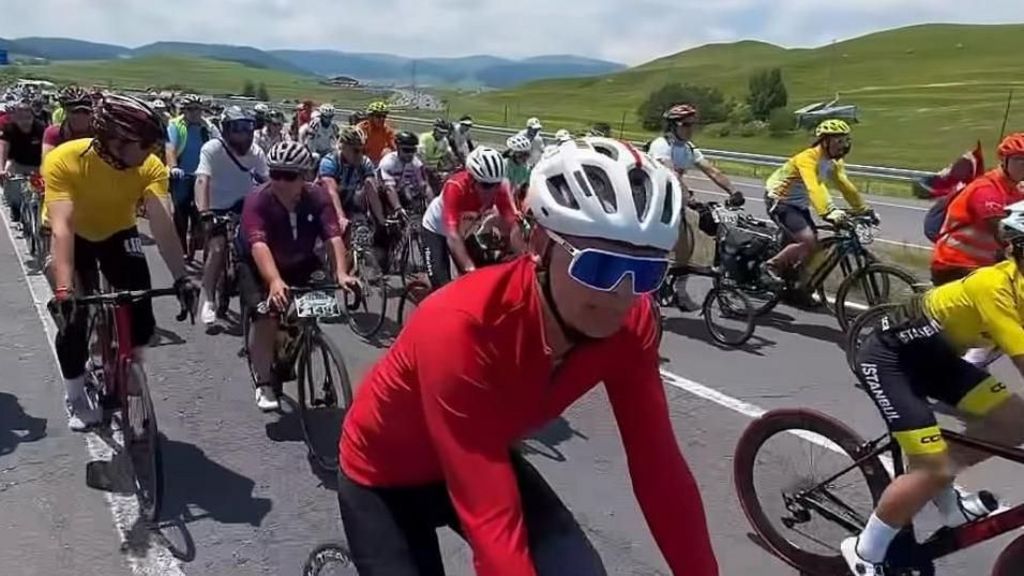
    A senior Turkish provincial governor removed from office following public and political criticism over his choice of cycling attire has found overwhelming support from thousands of citizens pushing for his immediate return to post.

    Mehmet Fatih Çiçekli, who held the governorship of Turkey’s northeastern Ardahan province, was officially dismissed from his role via a presidential decree signed by President Recep Tayyip Erdoğan on July 17. No official justification for the dismissal has been released to the public, but the move came after weeks of growing backlash from opposition politicians over Çiçekli’s active social media presence and his habit of cycling in form-fitting cycling tights.

    The 50-year-old governor, who joined Turkey’s civil service in 2004 and has more than 10 years of experience in local public administration, had used his social media channels in recent months to share clips of his recreational cycling trips across Ardahan. He also promoted a local cycling festival, drew hundreds of residents to group cycling events, and shared footage of recreational rowing on nearby Lake Çıldır, framing outdoor activity as a unifying social force that encourages healthy habits among young people.

    Criticism erupted in early July from İnan Akgün Alp, a Member of Parliament from the main opposition Republican People’s Party (CHP), who accused Çiçekli of prioritizing social media content creation over his official duties and violating the expected dignity of a state office. Alp argued that cycling tights were inappropriate attire for a governor interacting with citizens, calling on the national government to remove Çiçekli from his post.

    In his public defense, Çiçekli pushed back against the criticism, emphasizing that athletic attire is standard for any sports activity. “I do sports in sports clothes,” he stated in response to questions about his outfit. Addressing broader criticism of his public approach to the role, he added that it is important for public officials to remember their shared humanity beyond formal titles, noting that recreational activities like cycling and rowing are healthy pursuits that people of all ages should enjoy. When asked about his plans after dismissal, Çiçekli simply replied: “I will keep pedalling.”

    Within 24 hours of the dismissal announcement, supporters launched a public petition on Change.org calling for Çiçekli to be reinstated as Ardahan governor. By 5 PM BST on July 21, the petition had collected more than 9,400 signatures from supporters across Turkey. The petition framing stresses that the campaign has no political alignment, noting that Çiçekli’s removal has left many residents of Ardahan concerned about the province’s future.

    Supporters highlight that beyond his recreational activity, Çiçekli delivered tangible progress for the province, expanding youth sports programming, growing local participation in athletic activity, and boosting Ardahan’s emerging cycling tourism sector. With a total population of under 100,000, Ardahan has seen growing interest in outdoor recreation in recent years, and residents argue Çiçekli’s work to promote the sector has benefited the local economy and community wellbeing. The petition concludes by calling for Çiçekli to be allowed to continue his work as the province’s governor.

  • Messi returns to Argentina for rest after World Cup final loss to Spain

    Messi returns to Argentina for rest after World Cup final loss to Spain

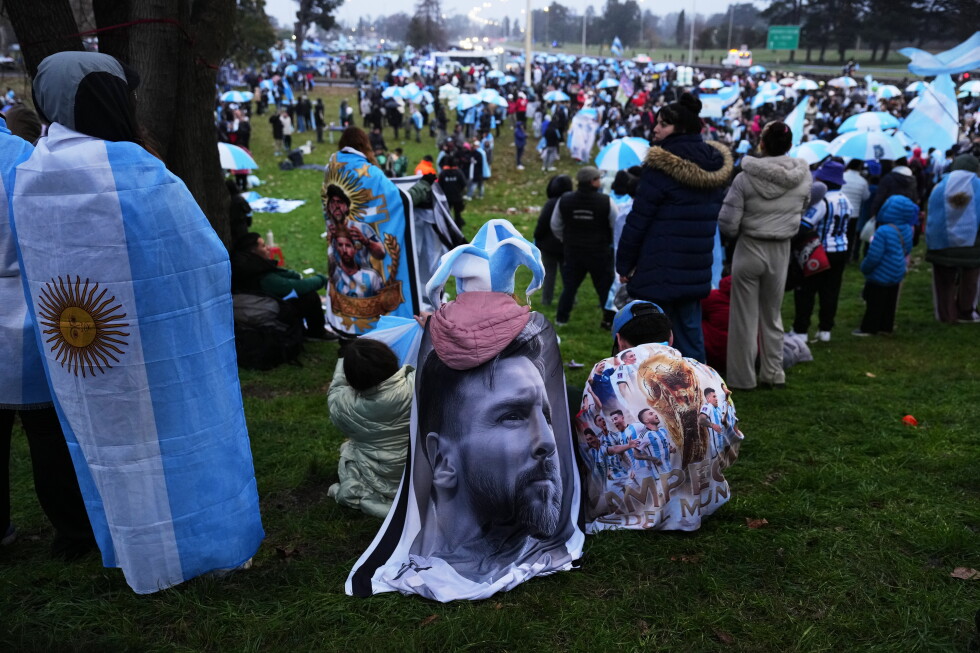
    After a hard-fought run to the 2024 men’s World Cup final that ended in a 1-0 extra-time defeat to Spain, global soccer icon Lionel Messi has returned to his home country of Argentina for a much-needed period of rest and personal time. The Argentina national team captain’s private aircraft touched down just outside his native Rosario at 6:27 a.m. on Tuesday, after a direct flight from Fort Lauderdale, Florida, where the tournament concluded over the weekend.

    Hundreds of devoted fans turned out in the early hours, gathering as early as 3:30 a.m. to welcome their hero home. Many brought national flags and hand-painted welcome signs, eager to catch even a quick glimpse of the star. Two young fans wearing Argentina’s iconic Albiceleste jerseys drew widespread attention for their heartfelt messages, one of which read: “Messi: You’re a legend. Thank you for bringing joy to our hearts. A whole country loves you!”

    Despite the warm crowd turnout, Messi opted to avoid a public appearance to maintain privacy for his family. Fans only got a fleeting look at the black SUV that met the group on the airport tarmac, which transported the soccer star and his family to their private gated community in Funes, a quiet town located roughly 185 miles north of the Argentine capital Buenos Aires.

    Messi traveled back to Argentina accompanied by his wife Antonela Roccuzzo and their three children, who joined him for the full duration of the North American-based World Cup tournament, supporting him from the stands at every match. Waiting for Messi upon his arrival in Rosario was his 68-year-old father Jorge Messi, who has been undergoing ongoing medical treatment for an undisclosed health condition; the Messi family first confirmed his father’s treatment schedule during the World Cup competition.

    This World Cup run marked a historic milestone for the 36-year-old forward, marking his third appearance in a World Cup final following runs in 2014 and 2022. He finished the 2024 tournament as runner-up for the Golden Boot award, netting eight goals throughout the competition, just two goals behind tournament top scorer Kylian Mbappé of France. With this result, Mbappé now holds the record for most all-time goals in men’s World Cup history with 22, moving one goal ahead of Messi’s career total.

    The rest of Argentina’s 26-man World Cup squad, led by head coach Lionel Scaloni, arrived back in Argentina a day earlier, touching down at Buenos Aires’ Ezeiza Airport on a chartered flight on Monday, one day after the 1-0 defeat in East Rutherford, New Jersey that saw Spain claim the title via a late extra-time goal from Ferran Torres.

    Following his short break in Argentina, Messi is scheduled to return to his club side Inter Miami in late July or early August to resume play in the ongoing Major League Soccer season.

  • Two very different men are at the heart of Ukraine’s political crisis

    Two very different men are at the heart of Ukraine’s political crisis

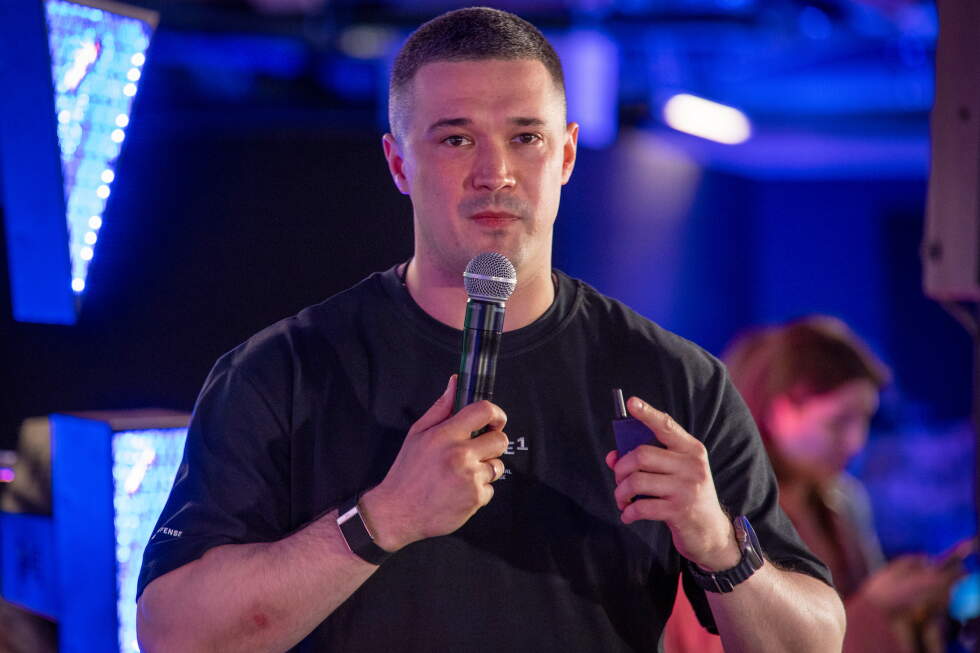
    Six months into Mykhailo Fedorov’s tenure as Ukraine’s youngest defense minister, a high-stakes feud between the 35-year-old tech entrepreneur turned military reformer and the country’s top military commander has upended Kyiv’s wartime leadership, triggering public protests and internal political turmoil amid Ukraine’s ongoing defense against Russia’s full-scale invasion. President Volodymyr Zelenskyy has removed Fedorov from his post as part of a broader government cabinet reshuffle, a decision that has exposed deep divides over how Ukraine should adapt its military strategy to a rapidly changing battlefield shaped by emerging technology.

    Fedorov, a self-described innovator with no prior military experience, built his reputation as the public face of Ukraine’s revolution in drone warfare. Before his appointment as defense minister in January, he led Ukraine’s digital transformation portfolio, where he rolled out widely praised e-governance platforms that streamlined public services. As defense minister, he pushed sweeping changes to military procurement rules to root out systemic corruption, and accelerated the development of Ukraine’s domestic drone industry that has redefined combat operations against Russian forces.

    Under Fedorov’s leadership, Ukraine emerged as a global pioneer in battlefield drone technology, a development that has drawn close attention from military powers across the United States, Europe, and the Middle East. He also took credit for restricting Russian military access to Elon Musk’s Starlink satellite internet network, a key communications infrastructure for Ukrainian forces on the front lines. In a social media statement released after his dismissal, Fedorov asserted that his tenure had turned Ukraine into both a global technological leader and a formidable defense powerhouse.

    The core of the conflict between Fedorov and his top military counterpart, 60-year-old Commander-in-Chief Gen. Oleksandr Syrskyi, centered on competing visions for military organization and reform. A veteran of Soviet military training who graduated from Moscow’s Higher Military Command School and served in the Soviet Artillery Corps, Syrskyi has long been associated with the rigid, top-down command culture of the Soviet-era military establishment. Fedorov has publicly accused Syrskyi of actively blocking the modernizing reforms he says are essential for Ukraine to succeed, arguing that the nature of the war has shifted dramatically with the rise of new technologies, and the old guard of military leadership has refused to adapt.

    Fedorov’s criticism aligns with widespread complaints from frontline soldiers and veterans, who have blamed Syrskyi’s traditional command approach for causing unnecessarily high casualties in costly offensive operations. Protesters across Ukraine have framed Fedorov’s ouster as evidence that Zelenskyy has chosen to side with the entrenched old military guard over a popular reformer, with demonstrations drawing veterans, active-duty soldiers on leave, and civilian supporters of change.

    Syrskyi, for his part, has rejected claims of internal conflict, writing in a column for Ukrainian military outlet Militarnyi that he is focused on fighting Russia, not internal battles with the defense ministry. He emphasized that the General Staff has always cooperated with the defense ministry, and will continue to do so regardless of who is appointed minister, noting that military personnel follow orders and fulfill their duties rather than choosing their command structure.

    The general does carry a complex legacy from the course of the war, however. He oversaw two of Ukraine’s most significant early victories: the successful defense of Kyiv in the opening weeks of Russia’s 2022 full-scale invasion, and the 2022 Kharkiv counteroffensive that reclaimed thousands of square kilometers of Ukrainian territory. But his nickname, “the Butcher”, gained widespread traction during his command of the months-long defense of Bakhmut, one of the war’s bloodiest battles that claimed tens of thousands of lives on both sides. His reputation suffered further damage following an investigation published by Ukrainian outlet Babel last month, which documented allegations of abuse and disproportionately high recruit casualties in the Skelia assault regiment, a unit closely tied to Syrskyi.

    The fallout from Fedorov’s dismissal has already reached into upper ranks of the Ukrainian military: the deputy commander of Ukraine’s air force resigned in protest, warning that the leadership change would weaken the country’s air defense capabilities. Many demonstrators have called for a generational shift in military leadership, saying new commanders are needed to prioritize preserving the lives of Ukrainian soldiers.

    For Zelenskyy, the controversy carries significant political risks. Critics have argued that the ouster was motivated by a desire to eliminate a potential future political rival, and the public backlash has weakened public confidence in his leadership amid ongoing wartime strain. On the Russian side, pro-war commentators have greeted news of Fedorov’s dismissal with open celebration, pointing to his role in organizing long-range drone strikes on Russian oil facilities that have triggered widespread domestic fuel shortages, as well as mid-range attacks that disrupted Russian military supply lines. While Russian commentators have acknowledged Syrskyi’s success in building layered defense lines that have stalled Russian advances, they have expressed hope that the public dispute over the reshuffle will fuel damaging internal political infighting in Kyiv and erode the cohesion of Ukraine’s military, playing into Moscow’s wartime objectives.

  • 2 firefighters die in a building fire near France’s Bordeaux airport, flights delayed

    2 firefighters die in a building fire near France’s Bordeaux airport, flights delayed

    A tragic incident unfolded in southwest France on Tuesday, claiming the lives of two professional firefighters who were responding to an urban building fire. The fatal development was confirmed by France’s Interior Minister Laurent Nunez during an official address to lawmakers assembled at the National Assembly, where he first shared the grim news of the on-duty deaths.

    The blaze broke out in Mérignac, a suburban community that borders the major southwestern city of Bordeaux and is home to Bordeaux’s main international airport. At the time of the announcement, Nunez told legislators that full details of the fire’s origin, spread, and the circumstances surrounding the firefighters’ deaths were still being compiled by emergency response authorities, and he could not yet share additional concrete information about the incident.

    Officials managing Bordeaux-Mérignac Airport issued a public advisory via the facility’s official website shortly after the fire started, noting that the emergency response effort and the proximity of the blaze to airport operations had led to delays for a number of departing and arriving flights. No further details about the extent of the delays or the number of affected passengers were immediately released by airport management.

  • Hungarian prosecutors raid Orbán party’s data center in embezzlement probe

    Hungarian prosecutors raid Orbán party’s data center in embezzlement probe

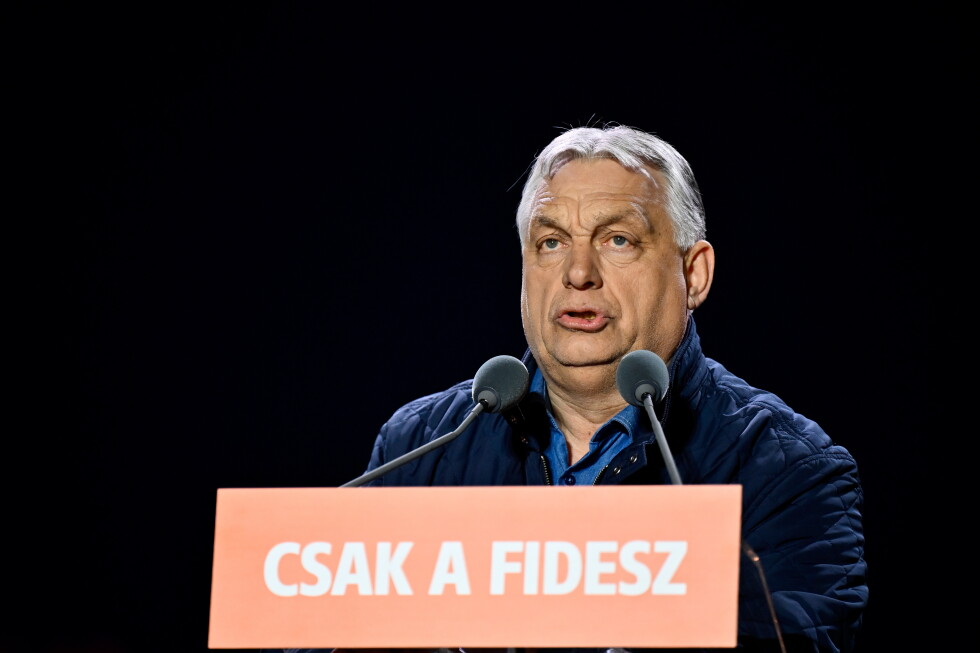
    BUDAPEST, Hungary — A joint law enforcement operation by Hungarian prosecutors and tax authority investigators has targeted office space hosting data servers linked to former Prime Minister Viktor Orbán’s long-ruling Fidesz party, launching a new flashpoint in the country’s rapidly shifting political landscape just months after Orbán’s historic electoral defeat.

    The spokesperson for Bács-Kiskun County’s chief prosecutor’s office, Marianna Bodó, confirmed in a written statement to the Associated Press on Tuesday that the raid forms part of an ongoing investigation into suspected embezzlement and misuse of public grant funds allocated through Hungary’s National Cultural Fund during the Orbán administration. Located south of Budapest, Bács-Kiskun County is overseeing the case that has already led to charges against six sitting and former officials connected to the alleged misappropriation of roughly 17 billion Hungarian forints, equivalent to approximately $53.5 million. All six defendants have formally denied any criminal wrongdoing.

    Prosecutors allege the group distributed the public grant funds through an untransparent, closed process, directing the majority of funding to artists and cultural performers with documented ties to Fidesz. Many of these beneficiaries actively campaigned on behalf of the party in the lead-up to Hungary’s April 2025 national election, where Fidesz suffered an unexpected landslide loss after 16 consecutive years in power.

    The regional criminal directorate of Hungary’s National Tax and Customs Administration provided operational support for Tuesday’s raid, Bodó added, declining to share additional details to protect the integrity of the ongoing investigation.

    In an immediate public response posted to its official Facebook page, Fidesz denounced the operation as an unprovoked political attack. The party claimed investigators entered the premises without advance warning, with the explicit goal of seizing its entire internal communications infrastructure and full database of party records. Fidesz further claimed the raid is unprecedented in Hungarian politics since the collapse of communist rule in 1990, and directly blamed the current governing Tisza party, led by pro-European Prime Minister Péter Magyar, for orchestrating a legal witch hunt to eliminate the main opposition party.

    Orbán’s 16-year tenure was repeatedly marked by international and domestic criticism over allegations of widespread systemic corruption, partisan capture of independent state institutions, and systematic erosion of democratic checks and balances and the rule of law. Since taking office in May following his election victory, Magyar has moved aggressively to dismantle what he frames as Orbán’s “mafia-style” political system, removing dozens of partisan political appointees across government — including the national president and the leadership of multiple state institutions that enabled Orbán’s autocratic rule.

    In the aftermath of its election defeat, Fidesz has repeatedly pushed back against Magyar’s reforms, labeling the new government’s actions as tyrannical overreach aimed at erasing Orbán’s political legacy and eliminating opposition influence. The Tisza party has countered that it is simply acting on the clear, overwhelming electoral mandate it received from Hungarian voters to deliver on core campaign pledges to root out corruption and restore democratic governance.

    On Tuesday, Prime Minister Magyar posted a brief update to his own Facebook page, noting he was waiting for prosecutors to release additional details on the raid and the ongoing investigation.

  • Ex-UK politician Widdecombe was hit 21 times with a hammer, prosecutors say

    Ex-UK politician Widdecombe was hit 21 times with a hammer, prosecutors say

    The fatal stabbing of a high-profile former British lawmaker has sent shockwaves through the United Kingdom’s political community, with new details of the brutal attack emerging during a preliminary court hearing this week. On Tuesday, prosecutors laid out the chilling sequence of events that led to the death of 78-year-old Ann Widdecombe, a decades-long conservative political voice who remained active in public life up until her killing.

    According to lead prosecutor Kashif Malik, the attack unfolded just after midday on July 8, as Widdecombe ate lunch alone at her rural home in Haytor, an isolated village on the edge of Dartmoor National Park in southwest England. The 28-year-old defendant, Joshua Kerry, who resided more than 250 miles (400 kilometers) away in South Yorkshire, drove to Widdecombe’s property, walked through an unlocked front door, and struck the former politician 21 times in the head with a hammer before stealing her wallet. The entire attack lasted just two minutes, Malik told the court.

    Widdecombe was discovered only the following morning, after she failed to arrive for a scheduled television interview. Production staff contacted her assistant, who reached out to her gardener; he found her body lying face down on her kitchen floor. A post-mortem examination has provisionally ruled blunt force trauma to the head as the cause of death.

    Kerry was taken into custody on July 11 at his home in northern England. He has since been charged with murder, and investigators are currently probing all potential motives, including possible links to political extremism or terrorist activity. The defendant was also initially arrested on suspicion of terror offenses alongside the murder charge.

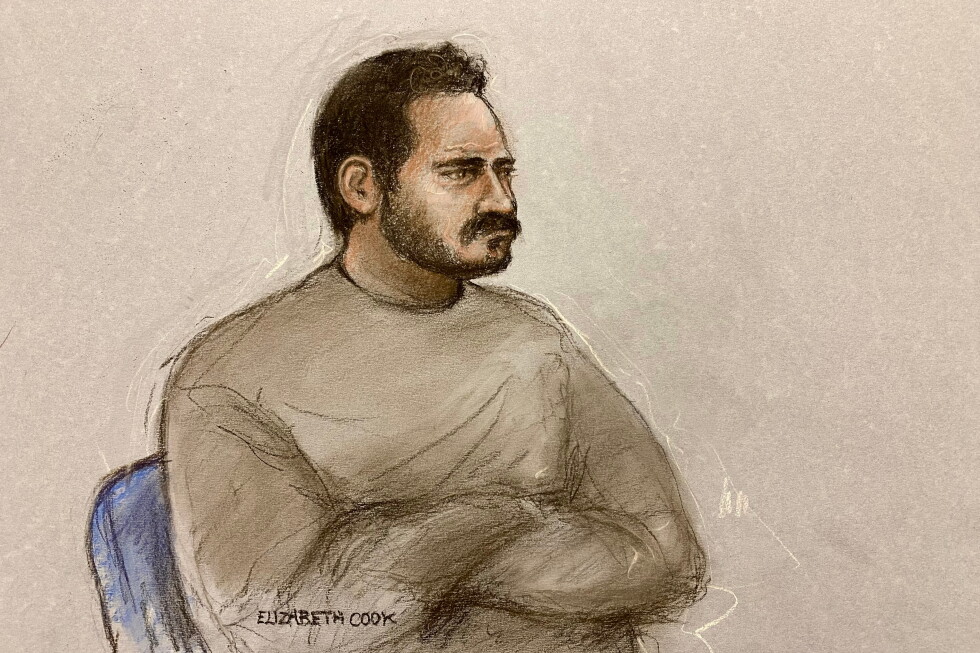
    Kerry made his first court appearance at London’s Westminster Magistrates’ Court on Tuesday. Clad in a gray sweatsuit, he only spoke to confirm his full name and date of birth, and did not enter a plea during the preliminary hearing. He has been ordered to remain in police custody until his next hearing at the Central Criminal Court, scheduled for October 9.

    Widdecombe built a decades-long career in British politics, first taking a seat in the House of Commons as a Conservative Member of Parliament in 1987, a post she held until 2010. During the 1990s Conservative government led by Prime Minister John Major, she served as a junior prisons minister, earning a reputation for unapologetic, straight-talking rhetoric and staunchly socially conservative views—including open opposition to abortion and expanded legal protections for LGBTQ+ people.

    After leaving Westminster, Widdecombe expanded her public profile, appearing as a contestant on two major British reality television shows: *Strictly Come Dancing* and *Celebrity Big Brother*. She re-entered electoral politics ahead of Brexit, joining the pro-Brexit Brexit Party and briefly serving as a Member of the European Parliament until the UK completed its withdrawal from the bloc in 2020. Most recently, she joined the right-wing, anti-immigration party Reform UK, where she served as a prominent spokesperson on immigration and justice policy.

    Widdecombe’s killing has reignited long-simmering debates over the personal safety of elected and former politicians in the UK. Over the past 15 years, two sitting Members of Parliament have been killed in politically motivated attacks: Labour MP Jo Cox was shot and stabbed to death by a far-right extremist in 2016, and Conservative MP David Amess was stabbed to death by an ISIS-inspired attacker in 2021. Those attacks led to widespread increases in security provisions for sitting lawmakers, but the murder of Widdecombe has raised new questions about whether protections need to be extended to high-profile former politicians as well.

  • Dozens hurt in Bologna protests after man dies while being restrained by police

    Dozens hurt in Bologna protests after man dies while being restrained by police

    The death of Abderrahim Fakir, a Moroccan-born long-term Italian resident, while in police restraint in the northern Italian city of Bologna has triggered large-scale public protests and reopened heated national debates over police use of force, racial justice, and law enforcement accountability. The incident began on a Sunday morning, when a neighbor in the working-class Pilastro neighborhood called police to report that Fakir was acting erratically and kicking local garage doors. When officers arrived at the scene, they first attempted to de-escalate the situation before deploying pepper spray to subdue him.

    Circulated widely across Italian media, a graphic video of the encounter captures the moments after Fakir was forced to the ground. The footage shows two uniformed police officers pinning Fakir to the pavement while he lies face down, repeatedly crying out for the officers to stop holding him. A third civilian bystander assisted officers by holding down Fakir’s legs, as emergency medical personnel stood by nearby. Roughly two minutes into the recording, Fakir ceases all movement. After binding his wrists and ankles, one officer noticed Fakir was unresponsive and slapped him twice on the cheek in an attempt to rouse him. By the time ambulance workers stepped in to assess him, Fakir was already fully unconscious and could not be revived.

    In the wake of his death, Bologna prosecutors have opened a formal manslaughter investigation targeting both the responding police officers and the medical personnel present at the scene. Multiple eyewitnesses have told local media that while Fakir was clearly experiencing mental distress at the time of the encounter, he never threatened any bystanders and was completely unarmed. For Fakir’s family, the incident has been an unfathomable loss, and they are demanding full accountability for his death. “You can’t die like this,” his sister Khadija Fakir told reporters. “They killed him mercilessly, and I want the truth.” Speaking at a public demonstration Monday evening, his niece Yossra Fakir pushed back against efforts to reduce her uncle to a headline. “He wasn’t a number, he wasn’t a news line… he was loved,” she said. “He deserved to be helped and heard, and he deserved dignity.”

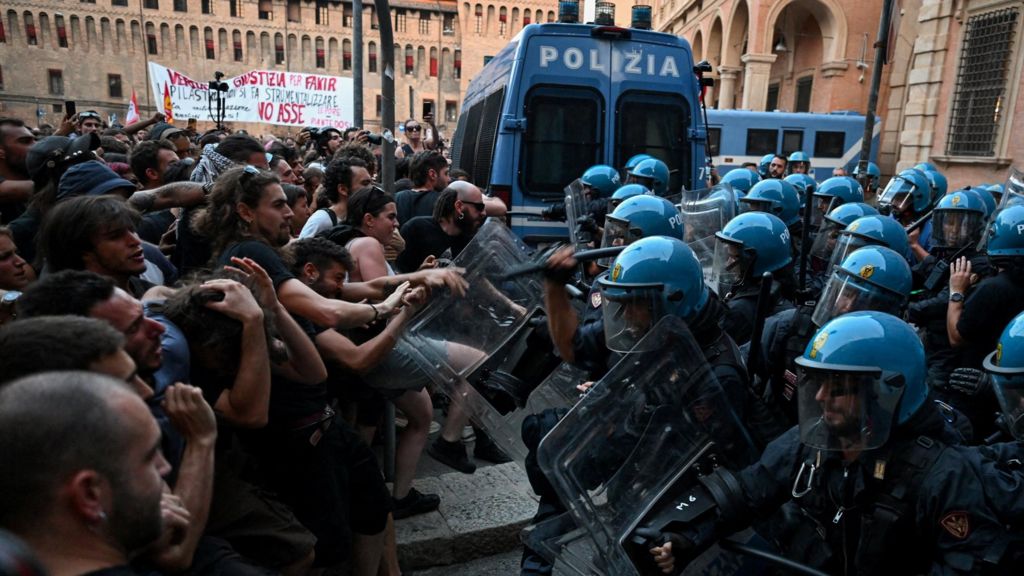
    Bologna’s mayor Matteo Lepore joined widespread public outrage, noting that anyone who viewed the restraint video would be deeply shocked by what they saw. He organized a mass peaceful demonstration in central Bologna on Monday night to call for transparency, and invited members of Fakir’s family to speak alongside him on stage. The demonstration drew thousands of attendees who marched peacefully demanding justice for Abderrahim Fakir, but the event fractured late in the night when a group of roughly 100 protesters split off from the main crowd. Clashes broke out between this splinter faction and police, and two vehicles were set on fire before order was restored. Official reports confirm that 64 police officers were injured during the overnight unrest.

    In the aftermath of the protests and violence, Italian political leaders have offered starkly different responses. Prime Minister Giorgia Meloni, head of the current right-wing government, emphasized that a full investigation into the circumstances of Fakir’s death was mandatory to uncover the full truth, but added that “nothing can justify violence against law enforcement.” She condemned the splinter group’s actions, saying “Those who chose to use this incident as a pretext to set the city ablaze, attack officers, and sow violence… were not seeking the truth: they were seeking confrontation.”

    Domenico Pianese, secretary-general of Italy’s national police union, also criticized Lepore’s decision to call for a public demonstration the day after Fakir’s death, arguing that the timing opened the door for anti-police and pseudo-anarchist groups to exploit the tragedy for their own political gain. Defending the responding officers’ actions, Pianese claimed that the intervention shown in the video was carried out correctly. He argued that the fact officers needed to use pepper spray and request civilian assistance to restrain Fakir proved that the level of force used was not excessive, adding that officers had immediately turned over all body camera footage to prosecuting authorities as soon as the incident concluded.

    Opposition political figures have pushed back against the government’s rhetoric and its show of solidarity with police, echoing public calls for full accountability. Ilaria Cucchi, a senator with the opposition Greens and Left Alliance whose own brother Stefano died in Italian police custody in 2009 — a case that became a national scandal — criticized the government’s positioning. Many protest signs carried at the Bologna demonstration explicitly referenced Stefano Cucchi’s case, linking Fakir’s death to a long history of controversial deaths in police custody in Italy. Center-left Democratic Party lawmaker Francesco Boccia also hit out at the government, accusing it of adopting heavy-handed U.S.-style immigration enforcement tactics that have led to unnecessary deaths.

    Fakir, who was in his 50s, had been part of a Moroccan family that settled in Italy more than 30 years ago, and lived near Bologna for decades where he operated a small local logistics and delivery business. His immigration lawyer Barbara Spinelli remembered him as a kind, hardworking person, and wrote on social media: “[Fakir] was a hardworker, he was kind… Ask yourselves why he died in the hands of those who had an institutional duty to protect his life.” As the manslaughter investigation moves forward, Italy remains deeply divided over the incident and what it says about systemic issues in national law enforcement.