
On Tuesday, a provocative announcement from Israel’s far-right National Security Minister Itamar Ben Gvir sent shockwaves across the international community, as he publicly confirmed the ongoing construction of a dedicated facility to carry out executions of Palestinian prisoners. In an Instagram video shared to his 150,000 followers, Ben Gvir stood at the active construction site and laid out the extreme details of the planned complex, including separate viewing galleries that would allow what he described as “crime victims” to observe the hangings of Palestinian detainees. “In this place, the terrorists will be executed,” Ben Gvir stated in the footage, adding that the project fulfills a core campaign promise he made to his political base. The minister also took the opportunity to mock critics of the policy, noting that those who once “ridiculed” and “giggled” at his proposal can now witness the project taking physical shape. This new execution facility moves forward after Israel’s parliament, the Knesset, passed a controversial death penalty bill earlier this year sponsored by Ben Gvir’s far-right Otzma Yehudit party. The legislation grants the Israel Prison Service (IPS) sole authority over carrying out executions, which are set to be conducted by hanging within 90 days of a conviction, with three trained IPS volunteers already reportedly lined up to perform the sentences. Critics have quickly highlighted the explicitly discriminatory nature of the law, noting it is structured to apply exclusively to Palestinian detainees, not Israeli Jewish citizens convicted of identical offenses. Israeli media reports have confirmed that IPS began prepping execution sites and training personnel even before the Knesset gave final approval to the bill in March. Ben Gvir has doubled down on his inflammatory rhetoric in recent weeks: just last week, he promised a former Israeli soldier held hostage by Hamas in Gaza that he would clear the way for the ex-soldier to personally participate in executions, after the former captive stated he wanted to kill Palestinian detainees “with his own hands.” Ben Gvir went even further during the same public appearance, declaring that all Palestinian detainees held by Israel “don’t deserve to live” and openly calling for the mass killing and forced expulsion of Palestinians from the Gaza Strip. Ben Gvir’s latest announcement has already drawn sharp international condemnation. German Vice Chancellor and co-leader of the Social Democratic Party Lars Klingbeil has publicly called on the European Union to impose sanctions on the minister, noting that “These are statements that we, as the German government, cannot accept in any way,” and labeling Ben Gvir’s language as explicitly “dehumanizing.” Leading human rights organizations have long documented that Israel already carries out systematic extrajudicial killings of Palestinians with near-universal impunity. Ahead of the Knesset’s vote on the death penalty law in March, Yuli Novak, executive director of prominent Israeli human rights group B’Tselem, emphasized that “Israel already kills Palestinians systematically and faces no demands for accountability.” B’Tselem has further documented that under Ben Gvir’s leadership, IPS detention facilities operating in Israel and occupied territories have devolved into “a network of torture camps where inmates are subjected to continuous abuse and violence.” The organization added that the formal death penalty law “adds another official killing mechanism to the existing practices.” As of June 2024, official Palestinian data records that at least 104 Palestinian prisoners have died while in Israeli custody since the start of 2023, a death toll human rights groups attribute to systemic abuse, medical neglect, and extrajudicial killing by Israeli authorities.
标签: Asia
亚洲
-
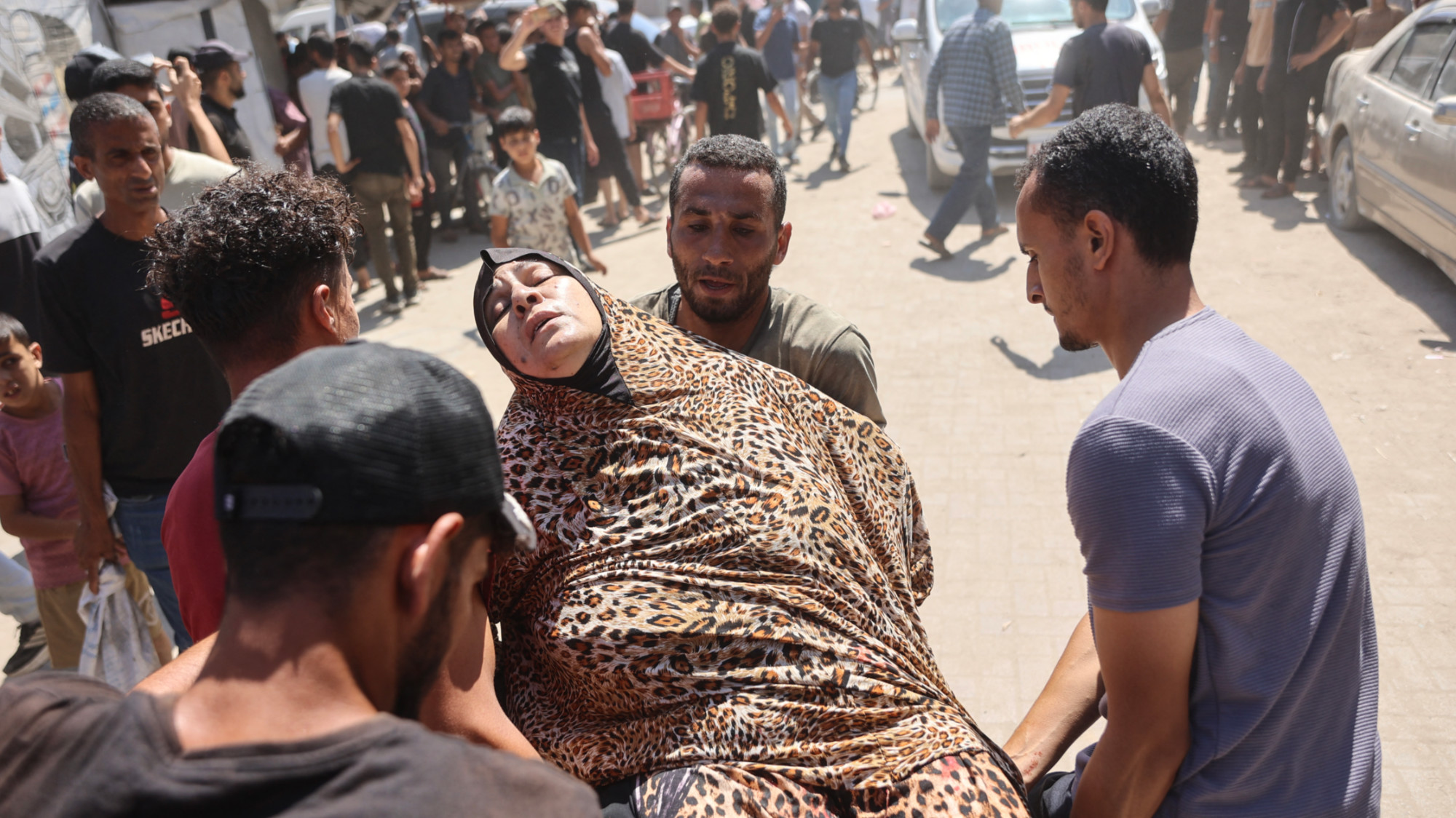
Israel kills nine in Gaza police station bombing
A new wave of Israeli air strikes across the Gaza Strip has left at least 10 Palestinians dead and dozens injured, pushing the already fragile, months-long ceasefire to the brink of collapse as international mediators work to de-escalate the decades-long Israeli-Palestinian conflict.
The deadliest attack took place on Wednesday morning at the Gaza Governorate Municipalities Police Headquarters in Gaza City, where Israeli fighter jets dropped multiple explosive bombs on the multi-story facility. Gaza-based paramedic teams confirmed that at least nine people were killed in the strike, and another 15 suffered varying degrees of injury, with several remaining in critical condition as of Wednesday afternoon. Local Palestinian media reports indicate that several senior law enforcement officials were among the fatalities, including Colonel Faten al-Sahhar, the widely respected head of the Gaza Police Women’s Department.
Gaza’s Ministry of Interior has condemned the targeted attack on the police station, stating that Israel’s deliberate strike on the territory’s law enforcement infrastructure is a clear attempt to sow disorder and panic across Gaza. A statement from the department called the assault a “brutal massacre” of security personnel working to maintain public order under already catastrophic conditions. A separate, smaller Israeli air strike in the central Gaza region on the same day killed an additional Palestinian, bringing the total death toll from Wednesday’s attacks to 10.
This latest round of deadly violence follows a equally destructive strike on a crowded Gaza City cafe Tuesday that killed seven Palestinians, one of whom was a child. That attack marked the deadliest single Israeli strike in Gaza in more than a month, reigniting fears of a full-scale return to open conflict. The Hamas administration in Gaza has labeled the recent series of strikes a deliberate war crime, arguing their timing is no coincidence: Israel, Hamas claims, is actively working to sabotage international mediation efforts designed to solidify the existing fragile ceasefire.
The Israeli military has issued a standard response to the strikes, claiming it targeted “Hamas operatives” who were plotting imminent attacks against Israeli military personnel deployed along the Gaza border. The military provided no concrete evidence to back up this assertion, a pattern that has repeated consistently across dozens of Israeli strikes in Gaza since the October ceasefire was signed.
The current escalation comes just days after Israeli Prime Minister Benjamin Netanyahu held a high-stakes meeting with U.S. Special Envoy Jared Kushner, who has been leading U.S.-backed mediation efforts between Israel, Hamas, and regional stakeholders. Following the closed-door meeting, Kushner publicly stated that the U.S. would give Israel authorization to “finish the job” against Hamas if the group refused to proceed with planned disarmament under the ceasefire framework.
Kushner, whose personal family has maintained long-standing close political and financial ties to Netanyahu, traveled to Egypt earlier in the week to meet with Hamas leadership as part of the ongoing mediation push. Last month, Hamas announced it had agreed to a U.S.-brokered proposal that would see gradual disarmament and full implementation of the October ceasefire agreement, in exchange for a total end to all Israeli military strikes and a full withdrawal of Israeli occupying forces from all Gaza territory. Israel has flatly rejected the proposal, refusing to commit to either a permanent end to strikes or a full military withdrawal.
Hamas spokesperson Hazem Qasem placed direct blame for the renewed escalation on the U.S.-led mediation body known as the Peace Council, arguing that the group has failed to pressure Israel to abide by the terms of the existing ceasefire agreement. “The Peace Council now faces a real test of its ability and seriousness in managing mediation and negotiations,” Qasem stated in a press briefing Wednesday. He added that senior officials from the U.S.-led body have released contradictory public statements that effectively provide diplomatic cover for Israel to expand its military aggression in Gaza.
In a post-meeting interview with Fox News, Kushner doubled down on the U.S. position, stating that Washington will block all international funding for post-conflict reconstruction in Gaza until Hamas fully surrenders its weapons. He also reaffirmed the U.S. stance that it will not limit Israel’s self-described right to military action in Gaza if it claims any imminent threat exists against its territory or personnel.
The original October 2024 ceasefire was negotiated to end two years of full-scale Israeli military operations in Gaza, which Gaza’s health ministry reports have killed more than 73,000 Palestinians to date, the vast majority of whom are civilians including women and children. The military campaign has also destroyed approximately 90 percent of all residential infrastructure across the Gaza Strip, leaving more than 1.5 million Palestinians displaced. Since the ceasefire was signed, Israel has repeatedly violated the terms, carrying out near-daily air strikes across the territory and maintaining a crippling total siege that blocks access to food, fuel, medical supplies, and other basic humanitarian goods. According to Palestinian health officials, more than 1,200 Palestinians, including at least 300 children, have been killed by Israeli forces in ceasefire violations since the agreement was signed.
-
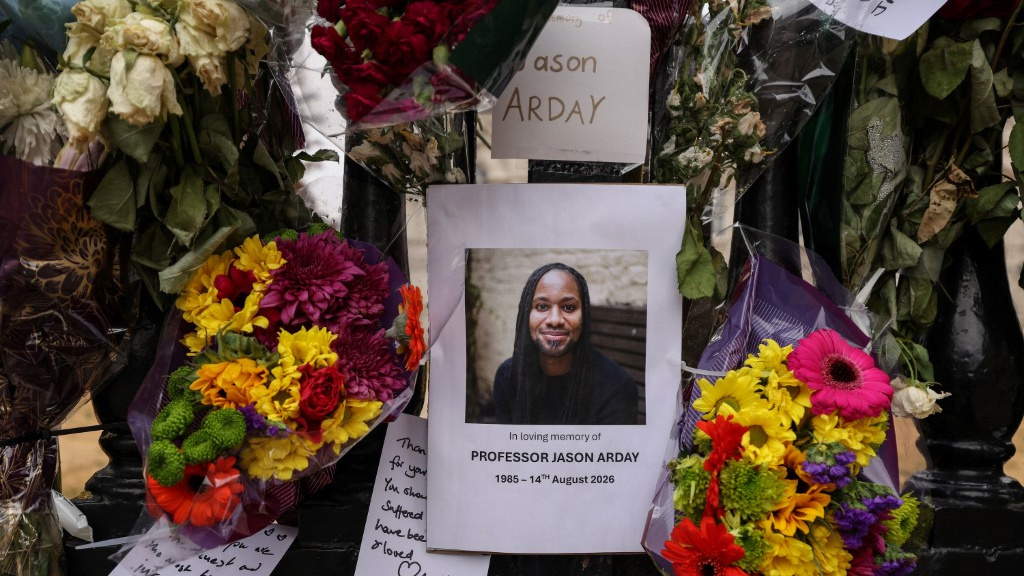
Jason Arday’s marathon challenge and football claims found to be true after his death
The death of 42-year-old Cambridge University sociologist Jason Arday, found dead in south London last Friday, has sparked renewed scrutiny of the relentless media and online campaign that targeted him in his final weeks, after a new independent analysis has confirmed that many of the most widely mocked claims about his life and achievements are verifiably true.
Arday resigned from his professorship at Cambridge and his fellowship at Jesus College earlier this month, shortly after the university launched an independent investigation into his appointment following widespread plagiarism allegations. For weeks, public discourse centered on claims that Arday had fabricated large portions of his personal biography and professional credentials, with two of his assertions drawing particular scorn: that he completed 30 marathons in 35 days for charity in 2010, and that he once played semi-professional football.
An in-depth analysis by Middle East Eye (MEE) has confirmed both claims are accurate, with contemporaneous local news reports, firsthand witness accounts, and club records backing up Arday’s statements. Coverage from multiple London local outlets including the Richmond and Twickenham Times and My London documented Arday’s 2010 charity challenge from its announcement through to its completion. Then a 24-year-old master’s student working as a part-time lecturer, Arday launched the 30-marathon effort to raise funds for two UK charities: Shooting Star Children’s Hospice and homeless advocacy organization Shelter.
Local media tracked his progress step-by-step: the first completed marathon was reported on July 20, 2010, with a published photo of Arday mid-run, and an August 13 update from Your Local Guardian confirmed he was within reach of his 30-marathon goal. Kim Darton, then fundraising director at Shooting Star, even cycled alongside Arday for his 24th marathon, later telling outlets he was stunned by the academic’s determination and called the effort inspiring. Arday ultimately crossed the finish line on August 25, 2010, after training for months on a grueling schedule that included 14 miles of running daily split between early morning and late night shifts around his teaching work. He completed the challenge despite developing a hairline fracture in his leg, a detail misrepresented by later critical coverage that incorrectly labeled the injury a full broken leg to mock Arday’s claim.
Sarah Carney, a long-time friend of Arday, confirmed the challenge’s authenticity in an interview after his death, stating she joined Arday for the second half of his final marathon and has photos documenting the effort.
“These runs were true. He wasn’t an ordinary person. He was extraordinary,” Carney told reporters.
MEE also confirmed Arday’s claim of semi-professional football experience, finding he was listed as a first-team goalkeeper for two semi-pro English clubs: Walton and Hersham FC and Lewisham Borough FC, with a match report from October 2018 referencing his involvement.
Other widely criticized claims from Arday have also been found to be more credible than recent media coverage suggested. His assertion that he had helped raise £5 million for charity over a 20-year period was mocked as an obvious exaggeration, but Arday always clarified the total represented collective fundraising across multiple campaigns he organized, not money he raised alone. Analysis from Byline Times found the total is plausible, as the combined gross income of charities Arday worked with exceeds £1.4 billion. Even the claim that Arday falsely claimed authorship of an unpublished book has been partially validated: the work, *Being Young, Black and Male: Challenging the Dominant Discourse*, is listed as a forthcoming title from major academic publisher Palgrave Macmillan, even if it has not yet been released.
The most divisive unproven claim is Arday’s assertion that he could not speak full sentences until he was 11 years old, a statement that has drawn conflicting accounts from former classmates. While some former schoolmates have disputed the claim, others have backed it up, including Caroline Russell-Clark, the mother of a former teammate, who recalled Arday having severe learning difficulties and not speaking regularly until he was a teenager.
The core of the original scandal surrounding Arday centered on plagiarism allegations, first raised by Dr. Nathan Cofnas, a self-described proponent of “racial realism” who wrote in February 2024 that Black people would “disappear from almost all high-profile positions outside of sports and entertainment” without affirmative action. The initial accusation targeted Arday’s 2015 PhD thesis completed at Liverpool John Moores University, which launched its own investigation into the claims earlier this year. The university concluded in March that any citation issues were the result of “honest and reasonable error”, noting that Arday’s supervisory team was depleted during his doctorate and he only received one formal supervision session over the course of his degree. Textual overlap in his thesis was found to be within acceptable ranges for the academic standards of the time, and MEE’s analysis found Arday explicitly credited the work of other scholars whose work was referenced, including lead scholar Paula Zwozdiak-Myers, in other sections of the document.
New plagiarism allegations emerged in recent months, which Arday denied before his death. He acknowledged that early work had formatting and citation gaps, noting in a recent interview that his later work improved significantly once he could afford a professional proofreader to review his writing.
In the days after Arday’s death, tributes have poured in from across academia and politics, with many figures noting that Arday spent his career opening doors for underrepresented young scholars. A vigil held in London’s Trafalgar Square on Monday drew an estimated 30,000 mourners, where Labour MP Bell Ribeiro-Addy told the crowd Arday’s legacy lay in the access he created for others.
“He held doors open behind him. He kept them open and thousands of us walked through. That is why this place is full tonight,” Ribeiro-Addy said.
Oxford University academic Dr. Rebecca Syed Sheriff, who worked with Arday, remembered him as a warm, supportive colleague dedicated to centering the experiences of marginalized young people in research. “He always had good ideas, always genuinely interested in the experiences of young people who would not usually be seen in research,” she said.
Cambridge Chancellor Lord Chris Smith has publicly characterized the campaign against Arday as a “racist feeding frenzy”, echoing widespread criticism of how media outlets amplified unproven allegations as fact before any investigation was completed. In his resignation statement earlier this month, Arday stressed that his decision to step down should not be misread as an admission of guilt for the claims made against him.
“[This move] should not be mistaken for an acceptance of the narratives that have surrounded me,” he wrote at the time.
Mental health support resources are available for anyone struggling with distress: in the UK, the Samaritans can be reached at jo@samaritans.org or 116 123, while people in the U.S. can contact the National Suicide Prevention Lifeline, with additional global resources listed at befrienders.org.
-
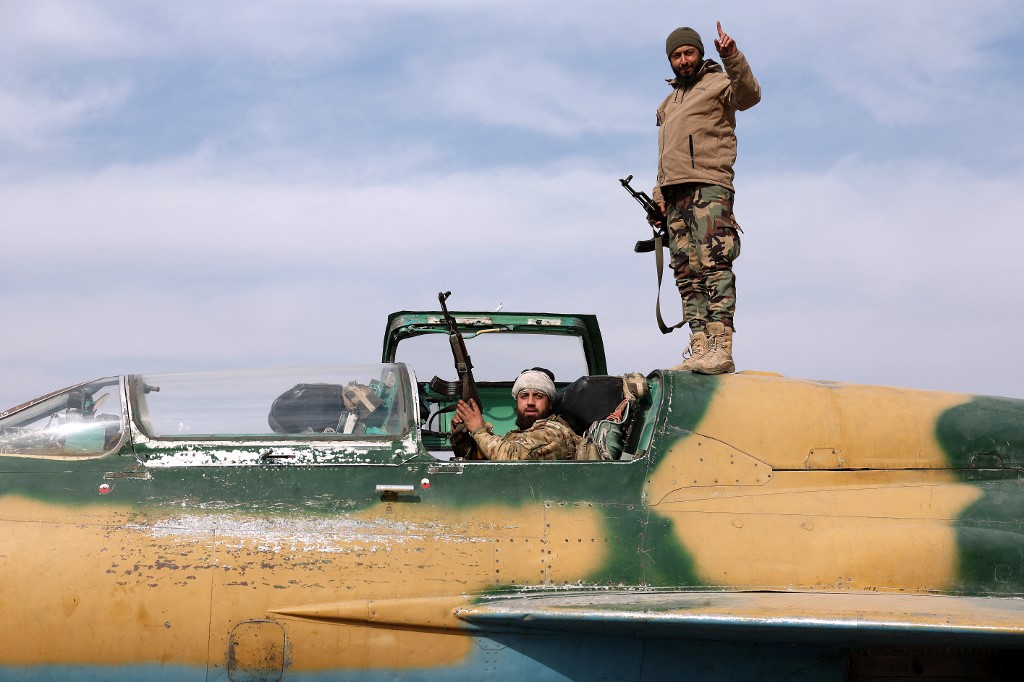
‘Playing with fire’: Israel’s Syria strike tests Turkey after Mecca defence pact
On a Tuesday in mid-August 2026, multiple Israeli airstrikes hit the inactive Abu al-Duhur military airbase in northern Syria, just 70 kilometers from the Turkish border. The targeted attack, carried out days after the signing of the landmark Mecca defense agreement between Turkey, Saudi Arabia, and Pakistan, has ignited a wave of diplomatic fallout and competing narratives across the Middle East, with Ankara dismissing the strike as a pre-election political stunt by Israeli Prime Minister Benjamin Netanyahu.
Netanyahu, who is currently in the thick of a heated domestic election campaign, has already positioned Turkish President Recep Tayyip Erdogan as a key adversary of Israel in his campaign messaging, alongside New York Mayor Zohran Mamdani. But beyond electoral posturing, regional analysts and government insiders say the strike carries larger strategic aims: it appears designed to weaken Ankara’s standing as a reliable ally to the new Syrian government and disrupt the emerging regional security architecture that Turkey has spearheaded.
Shortly after the attack, the Syrian government issued a formal condemnation, confirming that eight precision strikes targeted the airbase’s runway early that morning. The facility has long been non-operational, and initial statements from unnamed Israeli officials were inconsistent, starting with claims that new Syrian President Ahmed al-Sharaa was backing pro-Iranian proxy forces from the site, before the official Israeli narrative shifted dramatically.
In an official statement, the Israeli Prime Minister’s Office claimed that Israel and Syria had struck an understanding to maintain the existing security status quo, which it said Syria was about to break by allowing Turkish troops to deploy to the base near Aleppo. Multiple unconfirmed reports further claimed the strikes hit just after a Turkish official delegation had left the site, as Ankara prepared to take full control of the facility.
But Syrian officials pushed back strongly on these claims in comments to Middle East Eye, clarifying that only a small Turkish technical team had been deployed to repair the base’s runway and control tower, with no Turkish military personnel present on site at the time of the attack. One Syrian official noted that the last reconstruction team had departed the site two days before the strikes, adding that Turkey’s broader work across Syria is focused on helping rebuild a strong, capable national Syrian army to defend the country’s territorial integrity, with no activities targeting Israel. “Turkey doesn’t take over every base it helps repair,” the official emphasized.
Independent data aligns with this account: open source tracking from MEE Osint Track and aggregated data from the Armed Conflict Location & Event Data Project (ACLED) shows that Israel has maintained a consistent campaign of strikes across Syria since the fall of the Bashar al-Assad government, with 1,722 verified, deduplicated strike incidents recorded between January 2025 and August 18, 2026. Ankara for its part has already closed dozens of small outposts across northern Syria and only operates a small number of established, permanent bases in the region. Even if Turkey were to station personnel at Abu al-Duhur, officials note the base’s proximity to the Turkish border means any presence would not shift the regional aerial balance of power, contradicting Israeli claims of a growing threat.
A major point of contention that has raised alarm across the international community is Israel’s failure to use the dedicated military hotline established with Turkey in 2025, a mechanism designed specifically to prevent accidental military clashes and escalation. Turkish officials say this deliberate choice was no oversight: it was a deliberate provocation.
U.S. Envoy to Turkey and Syria Thomas Barrack echoed these concerns in comments to an Israeli media outlet, warning that the strike carried a severe risk of spiraling into direct military conflict between Israel, Turkey, and Syria. “Turkish forces were not aware that the Israeli aircraft were en route to that specific Syrian base, nor of their intended purpose, and therefore could potentially have been inclined to scramble their own jets in the belief that they themselves were under attack,” Barrack explained.
Ankara’s official response framed the attack explicitly as a pre-election gambit by Netanyahu, with the Turkish presidency’s communications office accusing the Israeli prime minister of pursuing expansionist, destabilizing policies across the region to boost his domestic polling. Multiple Turkish government insiders, speaking on condition of anonymity, expanded on this assessment, noting the strike serves dual strategic purposes beyond just winning votes.
The Mecca defense agreement, signed just days before the strike, has created domestic political pressure on Netanyahu, the insiders explain, even as the new trilateral security pact has been welcomed by the U.S. administration of President Donald Trump, which currently backs al-Sharaa’s Syrian government. By striking the base, Israel is sending a clear message that it rejects the new regional security framework being built by Ankara, and will continue to carry out strikes across Syria whenever it sees fit. “It is a way of telling Erdogan that they won’t let him feel comfortable in Syria,” one insider said, noting that Erdogan recently announced plans to visit Damascus later this year — his first trip to the Syrian capital since the fall of Assad.
The strike also acts as a test of the Trump administration’s commitment to the new regional order, insiders add, and officially confirms what many in Ankara have suspected: Israel views Turkey’s long-term presence in Syria as an existential threat. One insider warned that rising tensions ahead of Turkey’s 2028 general election could deepen the rift between the two countries, raising the risk of a major military incident similar to the 2015 downing of a Russian fighter jet by Turkish forces.
While one Turkish source familiar with military operations noted that Turkish radar systems can track Israeli aerial activity as far south as Jordan, and that Ankara was not caught completely off guard — with some speculation that U.S. officials provided advance warning of the strike — Turkish officials still warn Israel is gambling with regional security. “They are playing with fire,” one senior Turkish official said. Barrack has called for the immediate activation of a new deconfliction mechanism that includes Syria, Turkey, and Israel to prevent further escalation, but it remains unclear if Israel will agree to new confidence-building measures following the strike.
-
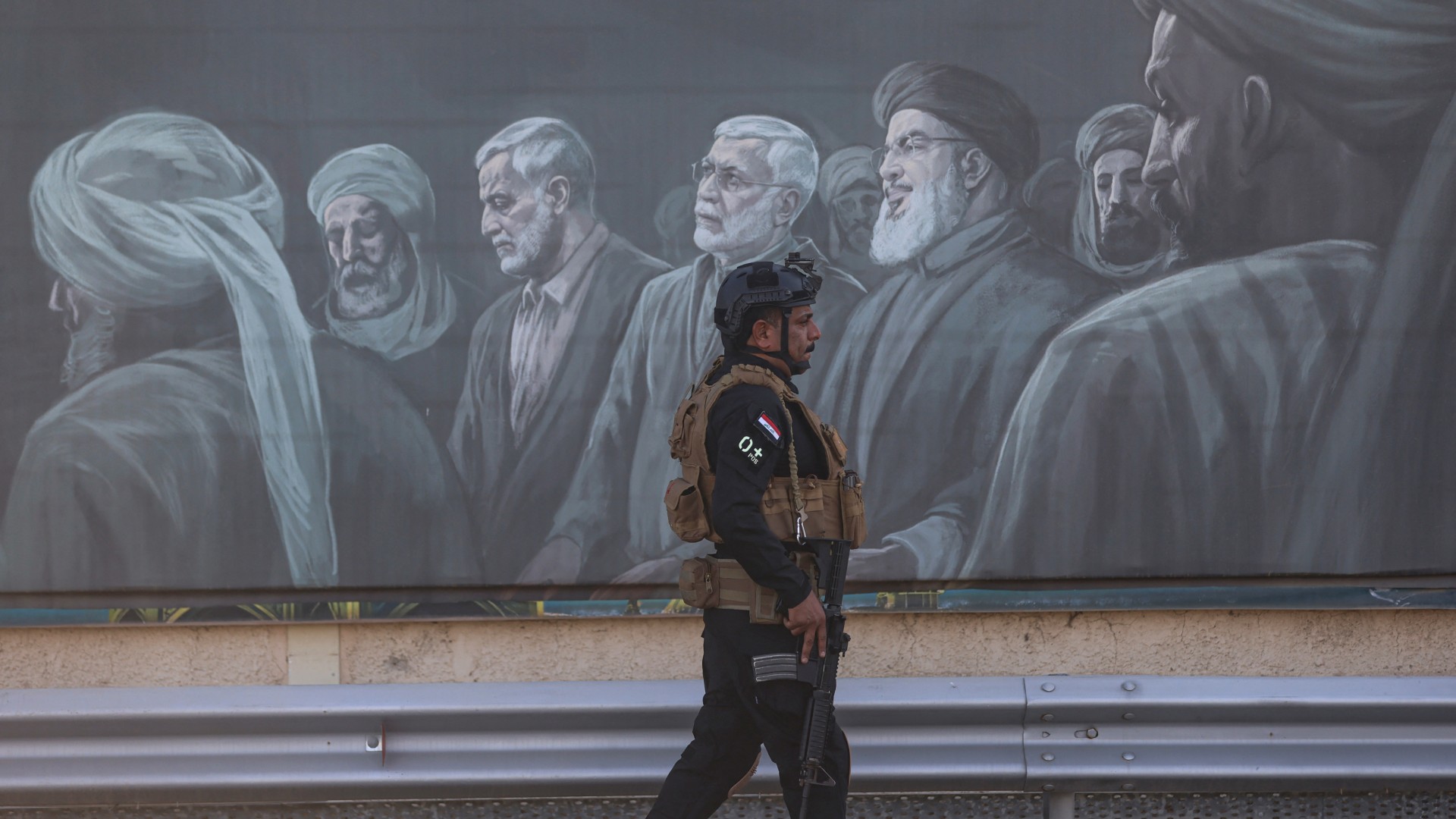
Iran issues warning against Arab states aiding US, as UAE cuts economic ties
Tensions across the Persian Gulf have spiked sharply this week, as Iran issued a stark public warning to neighboring Gulf states just hours after the United Arab Emirates announced it was severing all economic ties with Tehran, deepening a conflict that has already roiled the strategic region for months.
Ali Abdollahi, chief of staff of Iran’s armed forces, delivered the warning Wednesday in comments carried by Iran’s state-run Mehr News Agency. Abdollahi emphasized that any form of support or logistical assistance provided to what he labeled the “aggressor United States military” would be treated as direct participation in Washington’s ongoing military operations against Iran.
He questioned the plausibility of the large contingent of U.S. military aircraft — including critical refueling planes — operating from bases across the Gulf region without the explicit knowledge and approval of host nations, adding that Iranian intelligence maintains full situational awareness of all activity in the area. “Gulf countries should know that we are fully aware of the situation,” Abdollahi said.
The warning comes in the wake of a series of escalating moves between the UAE and Iran that began earlier this week. On Tuesday, Abu Dhabi claimed that Iran had launched two ballistic missiles toward its coastline, with one projectile landing inside UAE territorial waters and the other falling in international waters. Iran’s foreign ministry spokesman Esmaeil Baghaei issued an immediate categorical rejection of the UAE’s accusation, denying any Iranian missile launch toward the country.
Shortly after the missile claim, the UAE announced it would suspend all trade, commercial and financial transactions with Iran until further notice. “In light of regional escalations… all trade, commercial exchanges, and financial transactions with Iran have been halted until further notice,” said UAE foreign ministry official Afra al-Hameli.
This latest break in economic ties marks a significant deepening of the rift between the two nations. Prior to the outbreak of the regional war in late February, the UAE — home to a large, long-established Iranian diaspora community — was one of the largest trading partners for Iran, which has been crippled by sweeping U.S. economic sanctions for years. Since the war began, which followed the launch of heavy joint attacks on Iran by the U.S. and Israel, the UAE has already implemented a series of punitive measures against Tehran, including recalling its ambassador from Tehran and closing Iran-linked educational institutions and a medical facility in the Emirates. In the early months of the conflict, Iran responded with heavy strikes on targets across the UAE.
Beyond the escalating bilateral tensions between Iran and Gulf states, new reporting this week has shed light on a potential major shift in U.S. military posture in the region. The Washington Post reported Tuesday that the Trump administration is actively evaluating a full withdrawal of U.S. troops from the Gulf, in the wake of repeated Iranian drone and missile attacks on large U.S. military bases located in the region. The policy review is being led by the Pentagon’s policy office, which has described the ongoing war as “a once-in-a-generation chance for the Pentagon to reconsider its presence in the region.” The outlet added that U.S. officials have already signaled they may not rebuild damaged Iranian-attacked bases to their pre-war operational capacity. This reporting corroborates an earlier investigation published in June by Middle East Eye, which cited current and former U.S. officials predicting a major overhaul of the long-standing U.S. basing framework in the Gulf. Former senior U.S. officials have publicly floated the prospect of a troop drawdown for months.
The shifting U.S. posture and rising regional tensions were further highlighted by an incendiary social media post from President Trump earlier Tuesday. Trump shared an altered map of the Strait of Hormuz — the strategic global energy chokepoint through which roughly one-fifth of the world’s oil and liquefied natural gas passes — labeled “NEW U.S. Territory” on his Truth Social account.
The post drew immediate mockery and pushback from Iranian officials. Mohsen Rezaei, secretary of Iran’s Supreme National Security Council, wrote on X that the disconnect between Washington’s failure to reopen the strait and its claim to sovereignty over it is wider than the 11,265-kilometer distance between Washington D.C. and the waterway. “Welcome to the post-American order in the Persian Gulf,” Rezaei added.
Iran’s top nuclear and foreign policy negotiator Mohammad Bagher Ghalibaf reaffirmed Tehran’s position Tuesday, stating that the Strait of Hormuz would remain closed to international shipping until the U.S. fulfills its previously agreed commitments outlined in a bilateral memorandum of understanding, including the lifting of Iran’s naval blockade.
The fallout from escalating tensions has also reached East Asia. South Korean Foreign Minister Cho Hyun confirmed Wednesday that President Trump’s recent order to scale back joint U.S.-South Korea military drills includes implicit pressure on Seoul to commit greater support to the U.S.-led war on Iran. Cho noted that Trump’s order covers multiple overlapping priorities, including messaging toward North Korea and an effort to break the current stalemate in the Iran war, but added that neither South Korean nor U.S. national security officials had advance warning of the president’s announcement.
-
After three years apart, a Gaza father returns to his wife – and six death certificates
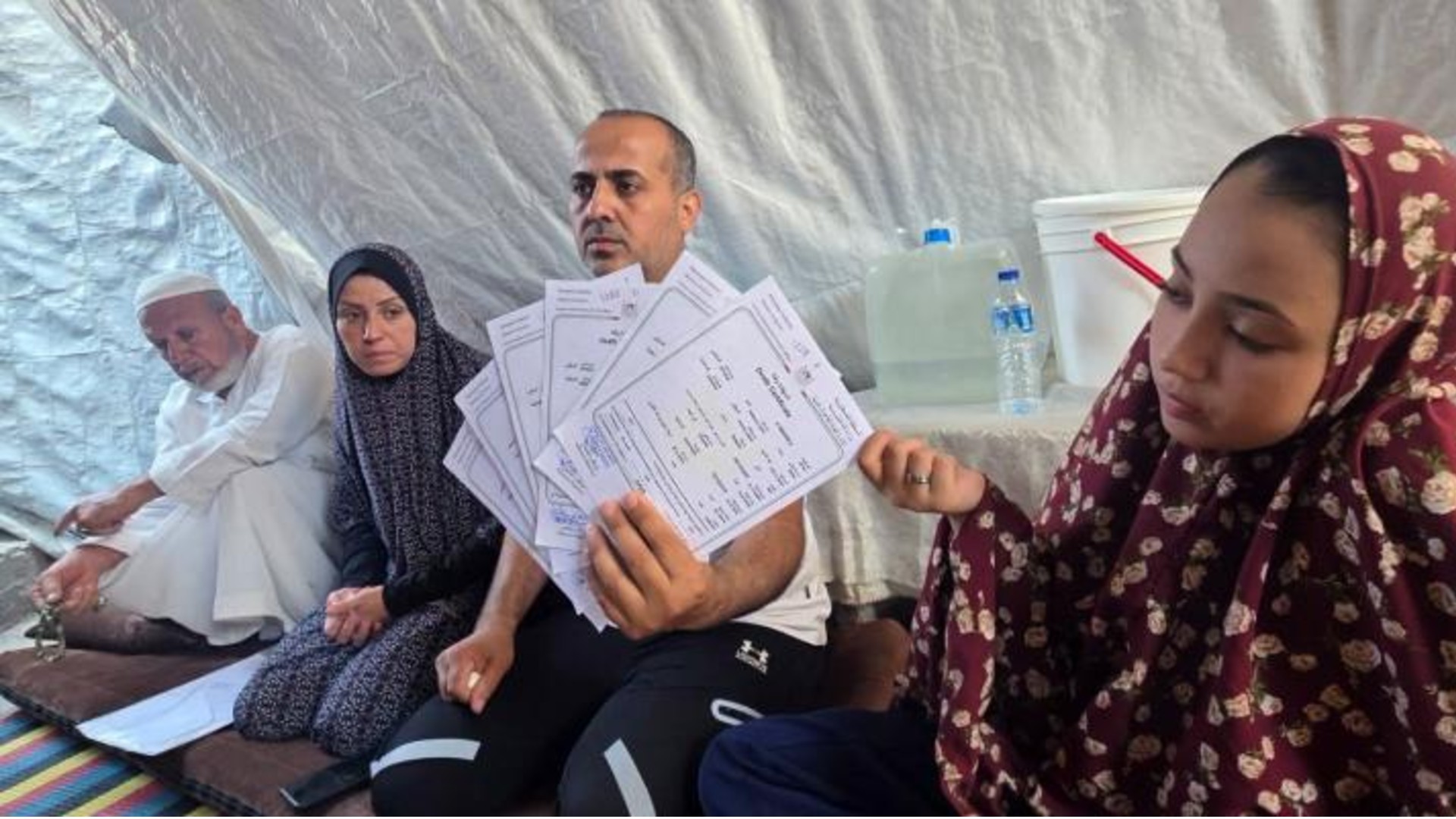
For nearly three years, Ahmed al-Siqali, a Palestinian father of seven, dreaded the day he would step back into the Gaza Strip. Just one week before the outbreak of full-scale conflict in October 2023, he had crossed out of the besieged enclave to take a construction job in Israel, a routine move for thousands of Palestinian laborers who relied on Israeli work permits to support their families. When border crossings closed immediately after hostilities began, al-Siqali found himself stranded in the occupied West Bank, cut off from his wife and children for more than two years. That separation turned to unthinkable tragedy in December 2023, when an Israeli airstrike flattened the Gaza City home where his family was sheltering, killing six of his seven children. Only his daughter Rosan survived alongside his wife Hayat. When Israeli forces finally detained him during a West Bank raid last month and deported him back to Gaza weeks later, al-Siqali stepped into a homecoming no parent should ever face.
Before October 7 2023, cross-border work was a common livelihood for Palestinian men from Gaza. Under a permit system run by Israeli authorities, thousands traveled regularly to Israel for jobs in construction, agriculture and services, sending earnings home to build better futures for their families. Al-Siqali had walked that same path: he had even purchased a new home near the Mediterranean coast in northern Gaza, fulfilling a long-held dream of his children to live steps from the beach. He never imagined that his final goodbye before leaving for work would be the last time he saw six of his children alive.
“I never imagined that the journey meant to build their future would separate our fates, leaving me unable to protect them or even say goodbye,” al-Siqali told Middle East Eye in an interview following his return. As communications across Gaza collapsed repeatedly in the first weeks of the war, reaching his family became nearly impossible. On the rare calls that connected, his children begged him to come home, repeating “We don’t want work or money. We just want you here with us.” The last successful contact came on December 8, 2023, when al-Siqali reached his wife through a rare working eSIM. In the few minutes before the line cut out, he could hear the terror in his family’s voices. Fearing the worst, he asked Hayat to write all the children’s names on their hands so they could be identified if disaster struck. Minutes after the call dropped, a relative called with the devastating news: the shelter had been bombed.
“There are no words that can describe what I felt at that moment. It was something no human being should have to endure,” al-Siqali said. Only two-month-old Eileen, whom he had held just once before leaving Gaza, was among the dead, alongside Mohammed, Muhannad, twins Kinan and Rayan, and Basant. “What did my children do to have their dreams taken away and be killed like this?” he asked. For two years, he remained stranded in the West Bank, passing days re-watching old photos and videos of a family trip to al-Nour resort taken just days before he left. The new coastal home he had worked so hard to buy was destroyed in the fighting, leaving nothing of the future he had planned.
His long wait for reunion ended abruptly on July 21, when Israeli forces raided the Qalqilya compound where he was staying with other displaced Gaza laborers. Al-Siqali, who had already warned his wife of the incoming soldiers, was detained along with all the workers in the building. After two weeks in Ofer Prison, he was transferred back to Gaza alongside 23 other Palestinian workers, cuffed and blindfolded for the four-hour journey to the Kerem Shalom crossing. From there, the International Committee of the Red Cross took the group to Nasser Hospital for processing.
“As I walked towards the crossing, my legs could barely carry me. I felt as though I was about to lose consciousness,” al-Siqali recalled. “All I could think about was my incomplete reunion, the reunion I had waited so long for. It had finally come, but my family was no longer whole. Instead of my children being there to welcome me, I was welcomed by their six death certificates.”
Waiting for him at the hospital was Hayat, who had spent two weeks without any word of al-Siqali’s fate after his arrest. The 36-year-old mother, who survived the airstrike with physical wounds and crippling grief, said her mind froze when the bus pulled in. “My heart pounded, and I wanted to fly to him, yet I didn’t know how to face him without our six children,” she said. When al-Siqali walked toward her, their three-year-awaited reunion was held in silence, broken only by shared tears. Hayat whispered the words that had weighed on her through months of displacement: “Forgive me. I couldn’t protect what you entrusted to me.”
Today, the small surviving family lives in a makeshift tent in al-Mawasi, a displacement camp in southern Gaza. UN data shows that more than 90% of all buildings across Gaza have been damaged or destroyed since the start of the conflict, forcing nearly 1.9 million Palestinians from their homes. More than 800,000 displaced people live in makeshift tent settlements that offer almost no protection from extreme summer heat, disease and harsh weather. Al-Siqali, once a skilled construction worker, now struggles to adjust to the primitive conditions of camp life, with no work to turn to in a completely collapsed local economy.
Most days, he lies on a thin foam mattress in the tent, scrolling through the photos of his six children saved on his phone. Their six death certificates rest beside him. “This is all I have left of them,” he repeats. According to United Nations figures, more than 21,000 children have been killed in Gaza and the West Bank since the start of the war, with thousands more still missing and presumed dead, turning al-Siqali’s story of grief into one of thousands for Palestinian families across the region.
-
Explainer: Have European countries been involved in the US-Israeli war on Iran?
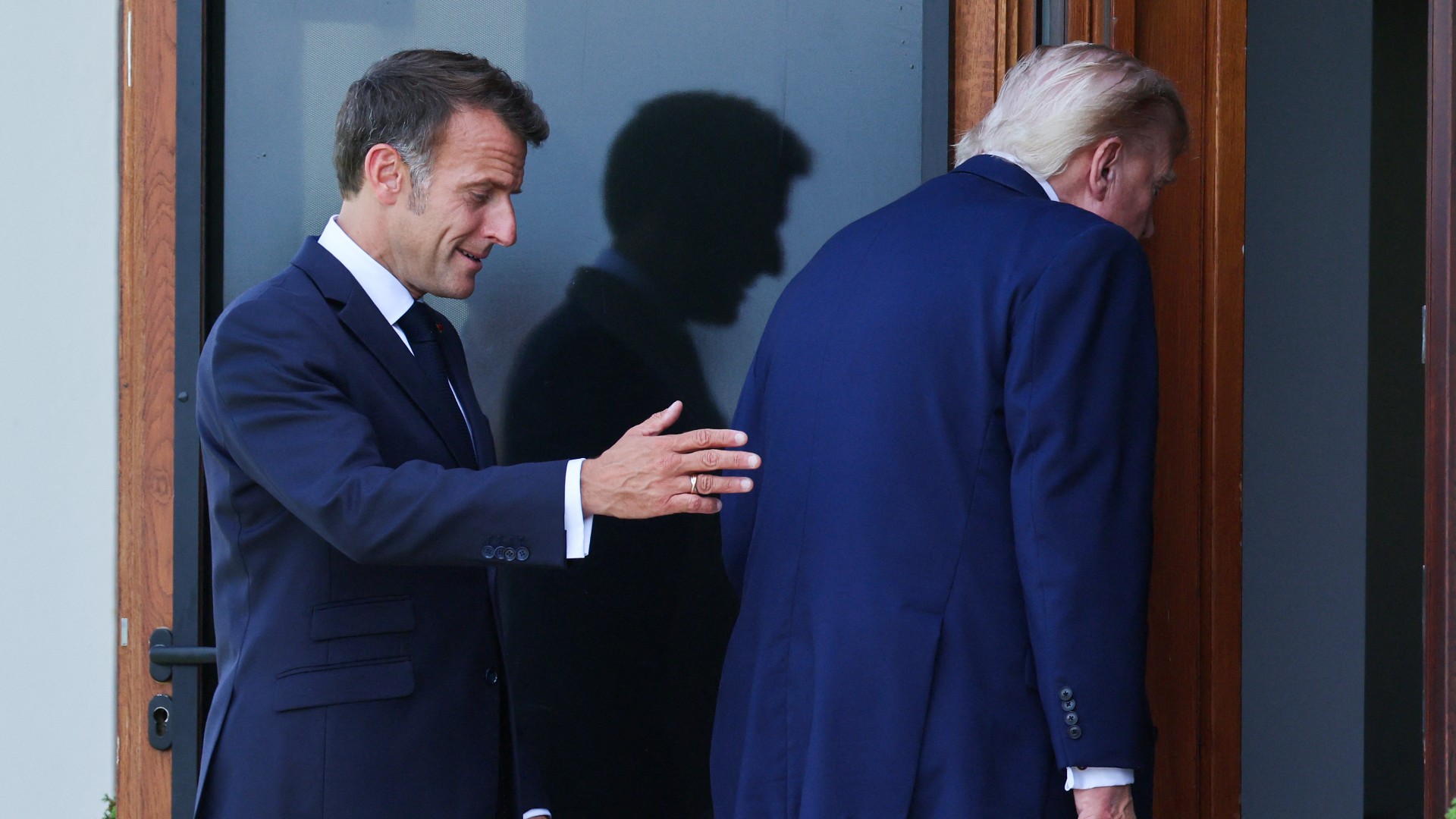
Nearly six months into the US-Israeli military assault on Iran that began in late February, Europe finds itself deeply divided over its involvement, caught between widespread public opposition to the conflict and intense diplomatic and economic pressure from Washington to back the war effort. On March 16, European Union top diplomat Kaja Kallas framed the conflict clearly: “This is not Europe’s war.” The comment underscored widespread discomfort across the continent, where the conflict has already sent fuel prices skyrocketing and drawn sharp public condemnation for documented civilian casualties in Iran. With only a small handful of European leaders openly endorsing the campaign, the degree of quiet and implicit involvement varies sharply from nation to nation. Adding to the pressure, US President Donald Trump has repeatedly threatened to impose new tariffs on uncooperative European states and even floated a potential full US withdrawal from the NATO defensive alliance if allies refuse to align with the war. NATO Secretary General Mark Rutte has pushed back against narratives of European non-participation, revealing in June that European states have cleared takeoff access for between 4,000 and 5,000 US warplanes operating against Iran from the dozens of American military bases permanently hosted across European territory. Meanwhile, Iranian retaliatory strikes targeting Western military facilities in the Gulf have pulled the United Kingdom and France deeper into the conflict against their initial plans. As stalled peace talks offer no near-term path to a ceasefire, independent outlet Middle East Eye has broken down the divergent positions of European nations, from full-throated support to outright opposition. The United Kingdom, which has long emphasized its special transatlantic relationship with Washington, has offered the most substantial backing for the Iran campaign of any European power. In the opening days of the assault, then-Prime Minister Keir Starmer initially rejected US requests to use American-leased bases on UK territory for bombing runs, creating an immediate public rift with Trump. However, Starmer reversed course on March 1, authorizing US operations against Iranian missile sites from UK-based facilities, framing the move as serving a “specific and limited defensive purpose.” This authorization cleared the way for US heavy bombers to deploy from both Diego Garcia – the joint US-UK base in the Indian Ocean’s Chagos Islands – and RAF Fairford in Gloucestershire, the only US-leased base in Europe with a runway long enough to accommodate the heavy bombers used in strikes on Iran. Other UK bases leased to the US, including Suffolk’s RAF Mildenhall and RAF Lakenheath, have also supported the war effort by servicing F-35 stealth jets and refueling combat aircraft operating over Iran. Beyond hosting US operations, the UK has leveraged its own network of military outposts across the Middle East to launch independent strikes on Iranian drones, and has repositioned warships, fighter aircraft and advanced air defense systems in the Gulf region. UK officials maintain these actions fall under “collective self-defense” for its regional allies, including Saudi Arabia, Qatar and the United Arab Emirates. This policy has been fully maintained by new Prime Minister Andy Burnham, who approved additional US strike operations from UK bases immediately after taking office in July. In retaliation for the UK’s involvement, Iran has designated all US-utilized UK bases as legitimate military targets. Iran launched missile attacks against UK bases in Iraq, Qatar and the UAE, and carried out an unsuccessful missile strike against Diego Garcia in March. A drone also struck the UK’s RAF Akrotiri base in Cyprus that same month, though British officials have declined to confirm Iranian responsibility for the attack. Across the Channel, French President Emmanuel Macron has similarly framed any French military involvement as “strictly defensive.” On March 3, Macron publicly condemned the opening wave of US-Israeli strikes on Iran as a violation of international law, saying Paris could not endorse the offensive. Despite this public criticism, France has allowed US military support aircraft to land and refuel at its Istres and Avord air bases. Senior French military commanders insist they have received “full guarantees” that these aircraft are not directly involved in offensive strike missions against Iran. France was nevertheless dragged into direct military positioning after its Abu Dhabi base, Camp de la Paix, which hosts more than 750 French personnel, was hit by an Iranian drone strike in March, prompting Paris to deploy additional fighter jets to patrol UAE airspace. Both Washington and Jerusalem have accused France of obstructing the war effort, pointing to Paris’s decision to block munitions flights bound for Israel from transiting French airspace. Trump labeled France “very unhelpful” in a March 31 post on his Truth Social platform, and Israel retaliated by announcing a full boycott of the French arms industry. Early in the conflict, Macron led negotiations for a European-led escort mission for commercial container ships passing through the Strait of Hormuz, but the proposal never moved forward despite France repositioning several naval vessels to the region. Paris later offered to assist Iran with mine clearance in the strait, a proposal Tehran rejected for violating the terms of the Islamabad Memorandum of Understanding. Among all European nations, Spain has taken the clearest and most uncompromising stance against the US-Israeli war. “The position of the government of Spain can be summed up in four words: no to the war,” Spanish Prime Minister Pedro Sanchez said in a national televised address on March 4, just days after the assault began. “You can’t respond to one illegality with another because that’s how humanity’s great disasters begin,” he added. From the conflict’s opening hours, Sanchez made clear Spain would not grant the US permission to use its two American bases – the Rota naval base and the Morón air base – for any war-related operations. On March 30, Spain went a step further than any other European nation, closing its entire airspace to all US military aircraft, including refueling tankers. Spain’s opposition has drawn fierce pushback from Trump, who has called the country “terrible” and “unfriendly.” The US president imposed new punitive tariffs on Spanish imports in June and threatened to cut off all bilateral trade with the country in July. This is not the first time Trump has clashed with Madrid; he has previously called for Spain to be expelled from NATO over its relatively low military spending, and has criticized Spain’s repeated condemnation of Israel’s military campaign in Gaza. Germany, which hosts more US military personnel than any country outside the United States – with over 36,000 active troops stationed across dozens of bases dating back to the end of World War II – has maintained a deliberately ambiguous stance. The most critical of these facilities is Ramstein Air Base, the largest US Air Force installation outside the US and home to US European Command headquarters. The full scope of Ramstein’s role in the Iran war remains classified, but the base has long served as a key coordination hub for US drone strikes and bombing campaigns in past Middle Eastern conflicts. German Chancellor Friedrich Merz, a conservative leader with longstanding close ties to both Washington and Jerusalem, drew widespread condemnation from German human rights groups when he refused to condemn the initial US-Israeli strikes or the assassination of Ayatollah Ali Khamenei. Instead, in a March 1 statement, Merz said: “Together with the United States and Israel, we share the goal of ending the terror of these regimes.” But Merz later shifted his tone, sparking outrage in Washington when he said on April 27 that the US was being “humiliated by the Iranian leadership” in ongoing ceasefire negotiations. Trump responded by calling Merz’s performance as chancellor “terrible” and announced on May 1 that he would withdraw 5,000 US troops from Germany in retaliation. Italy, which hosts more than 12,000 US troops across dozens of domestic bases, has also walked a fine line, balancing widespread domestic public opposition to the war against Iran against longstanding security ties with Washington. In July, Prime Minister Giorgia Meloni pushed back against NATO Secretary General Rutte’s claim that Italy had allowed roughly 500 US aircraft to use its bases during the war, insisting none of the aircraft had been used for offensive combat missions. “We will not participate in attacks against Iran,” Meloni told attendees at the July 8 NATO summit in Ankara. “We have had a very clear line from the beginning of the conflict.” Meloni faced domestic criticism in March after the US military posted public videos of US military helicopters conducting training flights over Sicily. A procedural dispute later led Italy to temporarily block US aircraft from landing at Sicily’s Sigonella air base. Though Meloni had close ties to Trump in prior years, relations between Rome and Washington have deteriorated sharply over Italy’s war stance. “Italy has not been any help to us,” Trump said on May 1, shortly after threatening to withdraw all US troops from the country. Meloni’s government, which had been a staunch supporter of Israel during its military campaign in Gaza, also announced in April that it would not renew its 2003 bilateral defense pact with Israel. The decision came just days after Israeli forces opened fire on Italian peacekeepers serving with a UN convoy in Lebanon. Since the conflict began in February, Greece has repeatedly stated it is not a participant in the war on Iran, and its involvement remains limited to minor logistical support. The only significant exception came in March, when Greece allowed the US Navy’s USS Gerald R. Ford – the world’s largest aircraft carrier, which played a key role in the opening days of the Iran war – to dock for repairs at Souda Naval Base on Crete, the only deepwater port in the Mediterranean large enough to accommodate the 100,000-ton warship. Greek military personnel stationed in Saudi Arabia also shot down Iranian drones targeting the kingdom in March, a deployment that dates back to 2021, when Athens positioned air defense squadrons in the kingdom to protect its energy imports from the Gulf. Bulgaria, which shares a regional neighborhood with Iran separated only by Turkey, has granted the US full permission to use its domestic military bases throughout the conflict. Like many other European leaders, Bulgarian Prime Minister Rumen Radev has insisted the bases “categorically” will not be used for offensive US operations, claiming American activities are limited to radar operations and refueling. The decision has drawn sharp warnings from Iran, with foreign ministry spokesperson Esmaeil Baghaei stating on July 27 that Bulgaria will “bear responsibility for the dangerous decision.” Trump, by contrast, has publicly praised Bulgaria’s stance, writing on Truth Social the same day: “Thank you, Prime Minister Radev! Bulgaria stands with Trump and supports the deployment of a US Air Force base despite Iran’s threats.” Romania, a NATO member that hosts roughly 1,000 US troops, approved US use of its strategically positioned Black Sea bases for Iran-related missions in March. Romanian President Nicușor Dan has maintained that all US activities in the country are limited to a “strict defensive role.” The decision came after the US announced it would reduce troop numbers in Romania in October, stoking widespread anxiety in Bucharest about the reliability of US security support in the event of an attack from neighboring Russia. Middle East Eye is an independent outlet providing unrivaled original reporting and analysis on the Middle East, North Africa and surrounding regions.
-
ICC slams US decision to sanction the court’s president and a senior prosecution lawyer
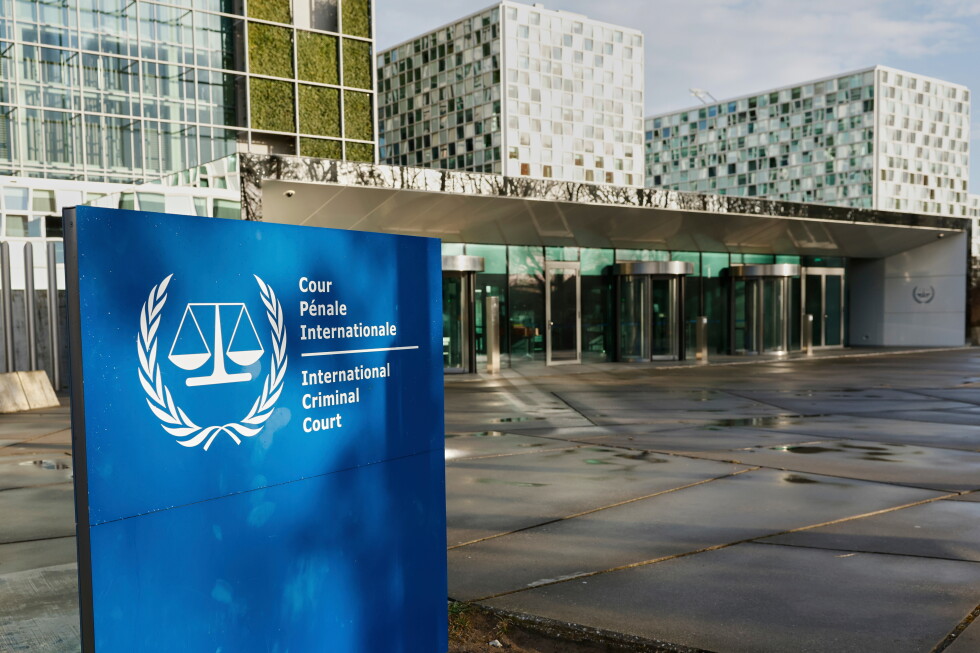
THE HAGUE, NETHERLANDS – In a sharp rebuke of newly imposed United States sanctions targeting its top leadership, the International Criminal Court (ICC) issued a formal condemnation Wednesday, calling the measures a blatant assault on the tribunal’s judicial independence and reaffirming its commitment to pursuing accountability for mass atrocities across the globe. The punitive measures, announced by the US State Department a day earlier, target ICC President Tomoko Akane, a Japanese jurist, and senior ICC trial lawyer Abdoulaye Seye, a Senegalese legal professional, freezing any assets they hold under US jurisdiction and cutting them off from the US financial system.
According to ICC records, the current Trump administration has now imposed sanctions on nine of the court’s 18 sitting judges, both of its deputy prosecutors, its former chief prosecutor, and one additional member of the prosecution team. Washington has long justified its aggressive campaign against the Hague-based court by claiming the ICC has overstepped its governing mandate by launching investigations into and pursuing prosecutions of senior military and political officials from non-member states, including Israel and the United States.
“ When judicial actors are targeted and threatened for upholding the law, the entire international legal order is put in jeopardy,” the ICC said in its official statement. The court stressed it would continue to carry out its core mandate with unwavering independence and impartiality, regardless of external pressure.
US Secretary of State Marco Rubio defended the sanctions in a statement released Tuesday, labeling the ICC a corrupt, irredeemably politicized supranational body that has intentionally abused its authority and acted far outside its agreed-upon jurisdiction. The latest sanctions come just weeks after Rubio unveiled a sweeping, multi-pronged US campaign to neutralize what the administration frames as a threat to American sovereignty from the ICC. Rubio has outlined plans to pressure the court’s 125 member states to exit the institution, impose sanctions on any organization that collaborates with the court, and implement a full travel ban barring all ICC staff from entering the United States.
To date, the administration’s pressure campaign has already yielded tangible results: in recent weeks, both Venezuela and Chad have formally announced their intention to withdraw from the ICC, pushing the total number of countries that have announced departures over the past 12 months to five. Under ICC rules, a nation’s withdrawal takes one year to take full legal effect after it is formally notified.
Beyond the diplomatic and institutional impact, the sanctions impose tangible, daily hardships on targeted ICC officials and their families. In addition to travel bans that bar entry to the United States, the measures cut off access to basic global financial services, even complicating routine daily activities such as grocery shopping for affected individuals. Canadian judge Kimberly Prost, who was sanctioned by the US last year, described the far-reaching disruption to the AP after she was targeted: she lost access to all her personal credit cards, and even her consumer Amazon Alexa device stopped responding to her commands. “Every part of your life becomes restricted,” Prost explained.
Japan, the home country of newly sanctioned ICC President Akane, has joined the international criticism of the US measures. “The announced measures are very unfortunate,” Toshihiro Kitamura, press secretary for Japan’s Ministry of Foreign Affairs, said in a statement released Wednesday. Kitamura noted that Japan has long been a consistent supporter of the ICC’s work to prosecute and punish the gravest international crimes that shock the conscience of the global community, and to uphold the international rule of law. “Japan will remain committed to strengthening the rule of law in the international community, while maintaining open communication with all relevant countries,” he added.
Human rights groups have also roundly condemned the new sanctions, framing them as an attempt to shield officials from accountability for alleged grave crimes. Balkees Jarrah, Middle East and North Africa director at Human Rights Watch, called the sanctions “the latest example of the Trump administration’s utter contempt for international law and a naked attempt to shield American and Israeli officials implicated in serious crimes from justice.”
Last week, Human Rights Watch joined three other advocacy organizations in filing a federal lawsuit against the Trump administration to challenge its broader campaign against the ICC. The legal complaint, lodged in the US District Court for the Southern District of New York, argues that a previous Trump executive order targeting the Hague-based court, paired with the new sanctions against ICC officials, a UN human rights expert, and three Palestinian rights organizations, amount to a “blatantly illegal attack on international justice that must be struck down,” according to a press release announcing the suit.
Associated Press journalists Matthew Lee in Washington, D.C., and Mari Yamaguchi in Tokyo contributed reporting to this article.
-
Afghan farmers turn their grapes into raisins after border closures slash fruit exports to Pakistan
It is peak harvest season in Kandahar, Afghanistan’s southern grape heartland, and 2024 has delivered a plump, abundant crop that should be a reason for celebration across the region’s agricultural communities. Instead, this year’s bounty has become a devastating economic burden, as months of cross-border fighting between Afghanistan and Pakistan have sealed off the primary export market for Kandahar’s world-famous grapes.
For months, sporadic armed exchanges along the two nations’ rugged, 2,600-kilometer shared border have killed hundreds of civilians and service members on both sides. The conflict stems from Islamabad’s accusation that Afghanistan’s ruling Taliban government shelters militant groups carrying out cross-border attacks inside Pakistan — a claim the Taliban-led Kabul administration has repeatedly and vehemently denied.
As fighting escalated, Pakistan closed key border crossings, severing a critical trade artery that for decades has carried the bulk of Afghanistan’s fresh fruit exports to international and regional markets. Trapped with thousands of tons of perishable fresh grapes that cannot reach Pakistani buyers, Kandahar’s producers have been forced to flood the small domestic market with excess supply, sending fresh grape prices plummeting overnight.
To avoid letting their entire harvest go to waste, many growers have pivoted to drying bunches of fresh grapes to make long-lasting raisins, a lower-value product that can be stored and sold gradually. Even that adaptation has failed to deliver relief: glutted domestic markets have pushed raisin prices down to a fraction of their usual levels.
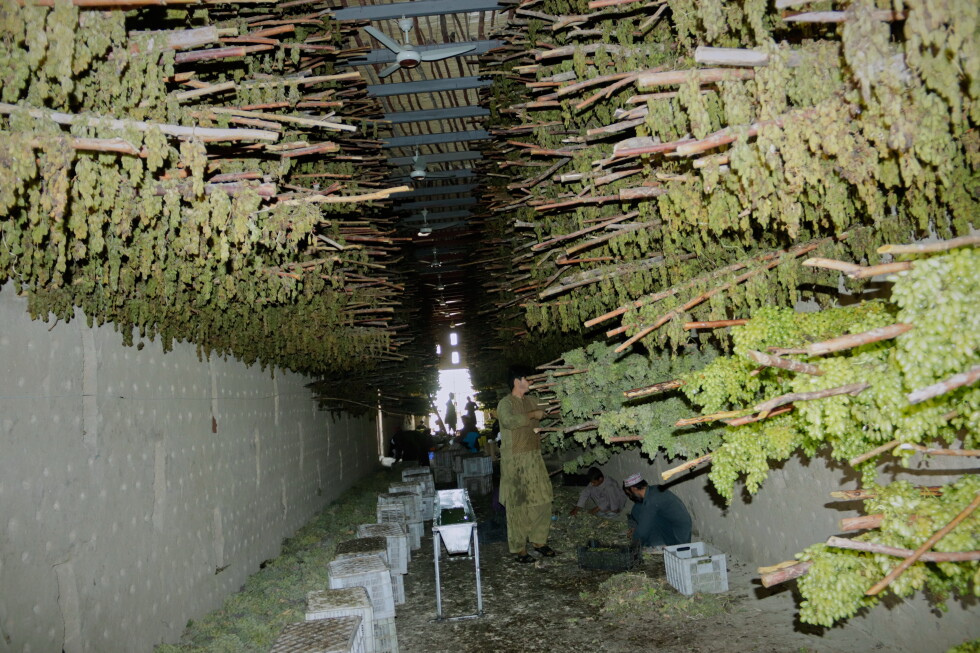
Inside a sprawling storage warehouse in Kandahar’s Zhari District, rows of fresh green grapes hang from wooden drying racks, as large ceiling fans circulate hot summer air to speed the curing process. For orchard owner Sakhi Jan, who supports a household of 10 people in Zhari, the price collapse has left him on the brink of financial ruin. Where 7 kilograms of raisins once sold for 1,000 to 1,200 afghanis (equal to $13 to $16), that same volume now fetches just 400 to 450 afghanis, or roughly $5 to $6.
In a nation already grappling with widespread systemic poverty and chronic malnutrition that disproportionately harms children and vulnerable households, even small income losses can push families into hunger. Jan says the daily struggle to make ends meet has become far more severe than anything he experienced in previous years.
“We are grateful for the harvest, but things aren’t like they used to be. The struggle is much harder now,” Jan explained. “In the past, work was steady, we could sell our grapes at a fair price, and people generally got by. Now the hardship is immense.” He stressed that reopening border crossings to restore trade flow is the only solution to the crisis, adding: “We urge both our government and Pakistan to open these routes and reach an agreement. The current situation is causing great hardship for all of us.”
Abdul Baqi Bina, deputy director of the Kandahar Chamber of Commerce and Investment, confirmed that the border shutdown has devastated Afghanistan’s entire fresh fruit export sector, hitting pomegranate producers as hard as grape growers. He shared stark trade data to illustrate the collapse: in 2023, Afghanistan’s five southern grape-growing provinces exported a total of 44,225 tons of grapes worth $13.8 million. Nearly 98% of that volume — 43,000 tons — was shipped through Pakistan to domestic and international buyers, with just the remaining 1,225 tons exported to Bangladesh, Iraq and India. So far in 2024, total grape exports from the region amount to only 256 tons, valued at just $100,000.
For veteran grape exporter Haji Abdul Hai, who has worked in the trade for decades, the current shutdown is unprecedented. “In my 50 years of life, I have never seen these roads closed to the extent they are now,” he said. He noted that past border disputes only resulted in short-term closures of a few days, and alternate crossings usually remained open to allow trade to continue. “But now, we are facing truly major difficulties that we have no way to navigate on our own,” he added.
Even seasonal farm workers, who rely on grape harvest season for the bulk of their annual income, have been hit hard. Qudratullah Popal, a harvest worker at a large local orchard, said the farm employed roughly 1,500 seasonal pickers during last year’s harvest. This year, that number has plummeted to just 15, as the orchard’s owners have no reason to harvest large volumes of grapes they cannot sell.
“There have been good harvests. Grapes turned out well, but the issue is they cannot be exported to other countries. They are being sent to domestic locations … where there is already an abundance of grapes,” Popal said. “When routes are blocked and trade halts, everyone’s livelihood is paralyzed: traders, laborers and orchard owners alike.”
-
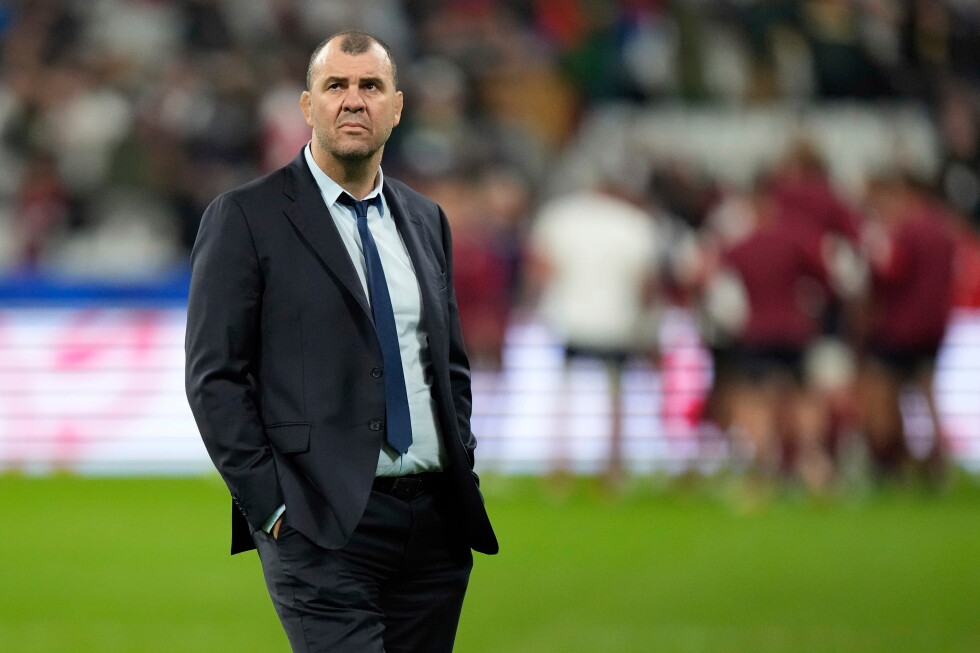
Michael Cheika to return as Waratahs head coach in Super Rugby
One of rugby’s most decorated international coaches is making a nostalgic return to where he claimed one of his greatest club successes. Michael Cheika, the 59-year-old rugby strategist who led the New South Wales Waratahs to their only Super Rugby championship back in 2014, has been confirmed as the franchise’s new head coach, set to take up the role this November.
Before stepping into his new post with the Sydney-based side, Cheika will complete his current commitment leading Lebanon at the Rugby League World Cup, wrapping up a multi-sport coaching stint that has kept him busy across global rugby circuits in recent years.
Cheika’s coaching career is marked by a string of high-profile achievements that extend far beyond his 2014 Super Rugby win. After leaving the Waratahs following his title run, he took the helm of Australia’s national men’s side, the Wallabies, and steered the team all the way to the 2015 Rugby World Cup final in England. He departed the Wallabies post after a quarterfinal exit at the 2019 World Cup, but quickly bounced back to top international coaching, leading Argentina’s Los Pumas to an unexpected semifinal finish at the 2023 Rugby World Cup hosted in France.
His success is not limited to southern hemisphere rugby, either. Early in his club coaching career, Cheika led Irish side Leinster to lift the European Cup title in 2009, cementing his reputation as a coach who can deliver silverware at the highest club level.
In a statement following his appointment, Cheika emphasized the emotional weight of his return to the Waratahs. “The Waratahs have always occupied a special place for me — it’s my home state and I feel ready to return as head coach ahead of an important year for the Waratahs and also for Australian rugby in the lead up to the home Rugby World Cup,” he said.
BJ Mather, the Waratahs’ high performance manager, highlighted Cheika’s proven track record of winning as a core reason for the franchise’s decision to bring him back. While the organization is not focused on reliving past glory, Mather noted that Cheika remains the last Waratahs head coach to claim a Super Rugby title, bringing both experience and a winning culture that the side has lacked in recent seasons.
The Waratahs have struggled to compete at the top level of Super Rugby in recent years, failing to qualify for the competition playoffs over the past three consecutive seasons under previous head coaches Dan McKellar and Darren Coleman. With the 2027 Rugby World Cup set to be hosted in Australia, the franchise’s leadership is betting on Cheika’s leadership experience and winning pedigree to rebuild the side and return it to championship contention, just as he did 12 years ago.