标签: Asia

亚洲

  • Three dead after volcano erupts on Indonesian island

    Three dead after volcano erupts on Indonesian island

    On a Friday morning in Indonesia, a sudden eruption of the active Mount Dukono volcano claimed three lives, turning a routine early morning hike into a fatal tragedy that has sparked new debates about public risk perception and enforcement of volcanic safety regulations.

    The 1,335-meter volcano, located on Indonesia’s North Maluku island, erupted at 07:41 local time, sending a towering column of volcanic ash 10 kilometers into the sky. Footage captured from the scene shows thick plumes of ash and rocky debris continuing to spew from the volcano’s crater long after the initial blast. Among the hikers on the mountain that morning were 20 people who had ignored repeated official warnings against climbing the volcano: 18 Singaporean and Indonesian hikers, and two local porters. Three members of that group — two Singaporean citizens and one local resident from nearby Ternate — were killed by the eruption.

    Search and rescue teams were deployed immediately to extract the remaining hikers. Most of the surviving group members were safely evacuated and transported to local hospitals to receive treatment for eruption-related injuries. The two porters from the original group stayed behind on the mountain to help rescuers navigate the terrain and locate the victims’ remains, which are trapped at higher elevations. As of Friday afternoon, body recovery efforts have been blocked by ongoing volcanic activity, rough, uneven terrain, and repeated explosive blasts from the crater. Aldy Salabia, a local resident assisting with rescue operations, told BBC Indonesian that from the team’s staging shelter, continuous ejection of ash and rock material was clearly visible.

    Eyewitness accounts from other hikers on the mountain that morning have added context to the tragedy. A local guide who escaped unscathed with his two clients told reporters he had detected warning signs of an impending eruption days earlier. “When Dukono hasn’t erupted for a few days, you have to be careful,” he explained, noting that he spotted deep tremors just before the blast and immediately fled downslope with his guests. As he descended, he said, he saw dozens of other hikers still lingering at the summit — including one group at the edge of the crater itself, and another 50 meters away filming footage with a drone.

    Mount Dukono has had more than 200 recorded eruptive events since March 2025, and has maintained a Level 2 alert status on Indonesia’s four-tier volcanic warning system for an extended period, a classification that signals elevated activity and requires strict caution. Since December 2024, Indonesian volcanic authorities have officially banned all tourism and climbing activity within a 4-kilometer radius of the main crater, citing constant risks of flying rock, ash fall, lava flows and sudden explosive eruptions. Officials say these warnings were widely shared across social media platforms and posted on large banners at all trail entrances, but many climbers continue to disregard the restrictions.

    Indonesia’s national search and rescue agency, Barsanas, has launched an investigation into the incident, noting that initial reviews suggest possible negligence by tourism operators or individual guides who led groups up the mountain despite the known risks. “The government is continuing to gather information to establish a complete account of the incident,” a Barsanas spokesperson said.

    Disaster experts say the tragedy exposes a growing, dangerous misperception of volcanic risk among tourists fueled by social media content. Dr Daryono, a member of the Indonesian Association of Disaster Experts, told the BBC that active volcanoes should never be treated as routine tourist destinations. “Dukono is a mountain with almost continuous eruptive activity, so any violation of the danger zone carries a fatal risk,” he said. He added that social media has warped public understanding of the danger: users only see content from influencers and climbers who successfully summit and return unharmed, while the constant, lethal risks of volcanic activity are pushed out of public view. “The real danger remains and could emerge at any time in the form of ejections of incandescent material, thick ashfall, volcanic gas, or sudden explosive eruptions,” he warned.

  • Family of imprisoned Chinese journalist pleads for his release over health concerns

    Family of imprisoned Chinese journalist pleads for his release over health concerns

    BANGKOK, Associated Press – In a desperate new appeal, family members of Chinese journalist Dong Yuyu and international press freedom advocates are calling for the immediate release of the 7-year-sentenced editor, whose rapidly deteriorating health has put his life at imminent risk.

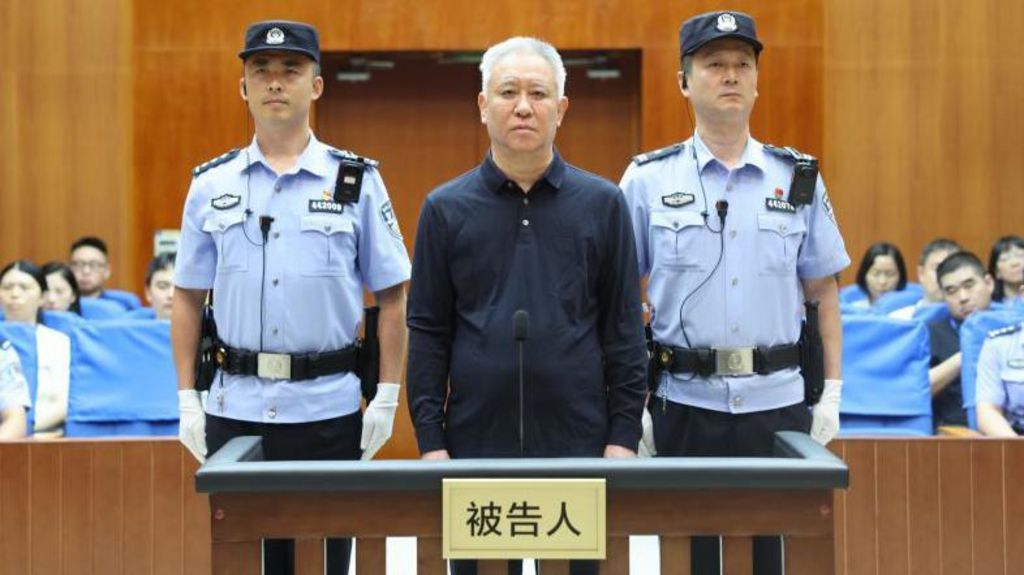
    Dong, a veteran editor at Beijing-based state-owned Guangming Daily who also contributed commentary to Chinese independent outlets and The New York Times’ Chinese-language platform, was detained in 2022 during a routine lunch meeting with a Japanese diplomat in Beijing. In 2024, Chinese courts convicted him of espionage charges and handed down a seven-year prison term.

    In a public statement released Thursday, Dong’s family warned that the journalist’s current condition amounts to a de facto death sentence. According to the family’s account, Dong was admitted to a prison-run hospital in Tianjin on April 27, where medical practitioners diagnosed him with heart arrhythmia and detected a lung tumor that the family suspects is cancerous. The family added that Dong has been forced to work long hours on garment production tasks during his incarceration, with no access to adequate rest to manage his worsening health.

    Speaking from the United States, where he has waged a sustained advocacy campaign for his father’s release, Dong Yuyu’s son Dong Yifu shared that he and his grandmother are overwhelmed by grief and anxiety over the rapidly unfolding situation.

    International press freedom organization Reporters Without Borders has joined the call for action, with Aleksandra Bielakowska, an activist with the group, urging the global community to ramp up diplomatic pressure on Beijing. The organization is pushing for Beijing to grant Dong medical parole, approve his travel to an overseas medical facility for urgent treatment, and allow him to reunite with his waiting family.

    Dong’s family has pinned additional hopes on the upcoming bilateral summit between U.S. President Donald Trump and Chinese President Xi Jinping next week, expressing optimism that world leaders will raise Dong’s case during high-level talks.

    Prior to his detention, Dong published commentary advocating for constitutional democracy, political liberalization, and greater government transparency – reform-minded positions that were once permitted for public discussion in Chinese media circles but have become heavily restricted and taboo in recent years under Beijing’s tightening ideological control.

  • Trump’s tariffs hit Toyota profit, though its global sales grew

    Trump’s tariffs hit Toyota profit, though its global sales grew

    TOKYO – Japan’s leading automaker Toyota Motor Corporation has posted a sharp 19% decline in full-fiscal-year profit for the 12 months ending March 2025, with former U.S. President Donald Trump’s trade tariffs and unfavorable currency fluctuations identified as the primary drags on its bottom line.

    Released on Friday, the company’s financial results show net profit landed at 3.85 trillion Japanese yen, equivalent to roughly $25 billion, down from 4.8 trillion yen in the prior fiscal year. Toyota, which produces popular nameplates including the Camry sedan, Prius hybrid, and Lexus luxury line, estimated that Trump-era tariff policies alone carved 1.4 trillion yen ($9 billion) off its annual operating income. Unfavorable foreign exchange swings further compressed profit margins for the global manufacturer, which is headquartered in Toyota City, central Japan.

    Despite the profit decline, Toyota outperformed many analyst expectations in key operational metrics. Global vehicle sales rose to nearly 9.6 million units from 9.4 million in the previous year, while total annual revenue climbed 5.5% to 50.7 trillion yen ($323 billion), up from 48 trillion yen a year prior. On a quarterly basis, the brand closed out the fiscal year with strong momentum: January to March profit jumped 23% year-over-year to 817 billion yen ($5.2 billion), from 664 billion yen, while quarterly sales edged up nearly 2% to 12.6 trillion yen ($80 billion).

    Looking ahead to the current fiscal year running through March 2026, Toyota is maintaining a cautious outlook amid escalating geopolitical risk in the Middle East. The company projects it will again sell 9.6 million vehicles globally, while forecasting a relatively modest annual profit of 3 trillion yen ($19 billion). The ongoing conflict between Iran and Israel, which has effectively closed the Strait of Hormuz — a critical global shipping chokepoint for energy and trade — has created significant uncertainty for the manufacturer. Toyota expects persistent supply chain disruptions from the strait closure, and has already recorded a drop in regional vehicle sales across the Middle East.

    As Japan relies on imports for nearly 100% of its oil, much of which comes from Middle Eastern producers, the conflict has driven sharp increases in oil and raw material prices. Additionally, rerouting cargo to avoid the Strait of Hormuz adds substantial fuel and labor costs to Japanese importers, a pass-through expense that hits manufacturing giants like Toyota directly.

    Beyond near-term financial headwinds, Toyota reaffirmed its long-term strategic vision to transition from a traditional automaker to a diversified mobility company. The brand confirmed plans to expand its product portfolio beyond passenger vehicles to include personal watercraft and small aircraft, alongside innovation in adjacent industrial and service sectors. Current development projects include robotic arms designed to restock retail store shelves and autonomous transport devices for medical equipment in hospitals. To support this transformation, Toyota announced it will streamline operations, rationalize its vehicle model lineup, increase local component sourcing to cut supply chain risk, and implement company-wide cost reduction initiatives.

    Following the release of the earnings report, Toyota’s share price declined 2.2% in Tuesday trading in Tokyo.

  • Political uncertainty in India state as film star winner falls short of majority

    Political uncertainty in India state as film star winner falls short of majority

    In a political upheaval that has rewritten decades of electoral history in the southern Indian state of Tamil Nadu, film superstar-turned-politician C. Joseph Vijay’s newly launched Tamilaga Vettri Kazhagam (TVK) has emerged as the single largest party in the 234-member state legislative assembly, shattering the long-standing duopoly of the Dravida Munnetra Kazhagam (DMK) and All India Anna Dravida Munnetra Kazhagam (AIADMK). But five days after vote counting concluded, the state remains mired in political uncertainty, with no clear timeline for the formation of a new government and competing constitutional debates over who should get the first chance to take power.

    Vijay, a 51-year-old megastar popularly known by his fan nickname ‘Thalapathy’, led his fledgling party to a stunning 108 seats in the election, defeating the incumbent DMK government led by Chief Minister MK Stalin. The result leaves TVK just 10 seats short of the 118-seat majority required to form a government on its own. So far, India’s main national opposition party, the Congress, has pledged its five seats to Vijay’s bloc, leaving the celebrity politician just five legislators short of the required threshold.

    Two days after the vote count, Vijay met with Tamil Nadu Governor Rajendra Vishwanath Arlekar twice to formally stake his claim as the leader of the single largest party to form the next administration. Following the second meeting on Thursday, however, the Governor’s office released a statement rejecting the claim, noting that Vijay had not yet demonstrated he holds the requisite majority support to form a stable government. The Governor has insisted that Vijay submit documented proof of the 118 committed legislators before being invited to form government, a move that has drawn sharp criticism from TVK leaders and their backers.

    Constitutional experts are divided over the Governor’s decision. Many point to well-established constitutional precedent that grants the leader of the single largest party the first opportunity to form government, with a floor test of majority held after the government takes office. They argue that denying Vijay this opportunity is procedurally unfair. Analysts defending the Governor’s position note that his primary mandate is to ensure the formation of a stable administration that can survive a confidence vote, rather than inviting a minority government that could collapse shortly after taking office.

    Vijay’s rapid rise to the top of Tamil Nadu politics has drawn widespread comparisons to MG Ramachandran, another iconic matinee idol who split from the DMK in 1977 to form the AIADMK and went on to become the state’s Chief Minister. For nearly half a century, Tamil Nadu’s politics have been dominated by a two-party system between the DMK and AIADMK, a status quo that TVK has already overturned with its election performance. Unlike Ramachandran and his successor J Jayalalithaa — another film star who led the state for decades — Vijay enters politics with no prior elected experience, though he followed the traditional path of celebrity-turned-politician by retiring from his 69-film acting career full-time after launching TVK in 2024.

    As political uncertainty drags on, Indian media outlets have floated a range of hypothetical coalition scenarios, including a shocking power-sharing agreement between the bitter long-time rivals DMK and AIADMK to block TVK from power. Still, many analysts remain optimistic that Vijay can cobble together the required support from smaller regional parties and independent candidates to hit the 118-seat magic number and form the next government, closing out one of the most dramatic political upsets in recent Indian electoral history.

  • Paraguay and Taiwan reaffirm ties after China sought to lure away another Taipei ally

    Paraguay and Taiwan reaffirm ties after China sought to lure away another Taipei ally

    TAIPEI, Taiwan — On a high-profile visit to the self-ruled island democracy of Taiwan, Paraguayan President Santiago Peña delivered a clear message of diplomatic solidarity Friday, one day after China issued a formal demand that the South American nation cut its official ties with Taipei. Currently, Paraguay stands as the only remaining South American country that recognizes Taiwan, making it one of just 13 UN-unrecognized states worldwide that maintain full diplomatic relations with the island. For decades, Beijing has claimed Taiwan as an inalienable part of its sovereign territory, and in recent years, it has intensified two parallel campaigns to isolate Taipei: ramping up military pressure through frequent air and sea incursions around the island, and actively courting Taiwan’s remaining diplomatic allies to switch recognition to Beijing.

    Speaking at a military honors reception outside Taiwan’s presidential office, Peña framed the event as a tangible symbol of the unshakable commitment between Taipei and Asunción to deepen their long-standing bilateral partnership. Through an interpreter, he noted that the two sides share core foundational values including democracy, personal freedom, and universal human rights, and reiterated that Paraguay would remain a steadfast international advocate for Taiwan. “Paraguay highly values this relationship,” Peña stated, later expanding on that commitment during closed bilateral talks with Taiwanese President Lai Ching-te. In that meeting, Peña issued a formal call to the global community: the people of Taiwan deserve the right to determine their own future in line with democratic and equitable principles. He also pushed back against Taipei’s exclusion from global bodies, arguing that barring Taiwan from the United Nations system is not only a fundamental injustice but also erodes the legitimacy of the UN as an institution that claims to represent democratic nations globally.

    Lai thanked Peña and the Paraguayan government for their public, unflinching support for Taiwan and its bid for meaningful international participation. “I believe the friendship between Taiwan and Paraguay will further deepen, and our cooperation will grow closer through this visit,” Lai said in his public remarks. Following their meeting, the two leaders oversaw the signing of several new bilateral agreements, highlighted by a memorandum of understanding focused on investment in an artificial intelligence computing center on Taiwan.

    This public reaffirmation of ties came just 24 hours after Chinese foreign ministry spokesperson Lin Jian urged Paraguayan officials to “come to the right side of history as soon as possible” and sever all diplomatic relations with Taiwan. Lin emphasized that the one-China principle is a widely accepted norm of international relations, noting that 183 countries around the world currently maintain official diplomatic ties with the People’s Republic of China.

    In comments to Taiwan’s Central News Agency ahead of his four-day visit, Peña revealed that he had met with Honduran President Nasry Asfura on the sidelines of a regional event earlier this year. While the pair did not directly discuss whether Honduras would reverse its 2023 decision to cut ties with Taiwan and establish relations with Beijing, Peña told Asfura that Paraguay has built a strong, mutually beneficial relationship with Taipei. Asfura, who was elected with open backing from former U.S. President Donald Trump, has already ordered a full review of all existing bilateral agreements between Honduras and China, stoking widespread speculation that Honduras could distance itself from Beijing as part of a broader Trump administration push to reduce Chinese economic and political influence across Latin America.

    Peña’s visit is the latest high-profile diplomatic engagement for Lai, who just completed a trip last week to Eswatini, Taiwan’s last remaining diplomatic ally in Africa. Lai was forced to postpone that trip earlier after multiple regional countries denied his aircraft overflight permission, a move widely attributed to diplomatic pressure from Beijing. Beijing never publicly confirmed or denied that it pressured those countries, but did express “high appreciation” for their adherence to the one-China principle.

    The cross-strait split dates back to 1949, when the Chinese Communist Party defeated the Nationalist Party in a brutal civil war and established the People’s Republic of China on the mainland. The defeated Nationalist forces retreated to Taiwan, which has since evolved from decades of martial law to a fully functional multi-party democracy. Today, the island maintains its own governance, military, and foreign policy, while Beijing continues to claim it as part of its territory.

  • The death toll from an explosion at a fireworks plant in China rises to 37

    The death toll from an explosion at a fireworks plant in China rises to 37

    BEIJING – In an updated official report released Friday by Chinese state media, the fatalities from a massive explosion at a central Chinese fireworks manufacturing facility earlier this week have climbed to 37. According to China’s national news agency Xinhua, local disaster response teams confirm one additional person is still unaccounted for following the blast, which took place Monday at a plant operated in Liuyang, a county-level city under the administration of Changsha, the capital of Hunan province.

    Initial emergency assessments put the number of injured survivors at more than 60, though no updated injury count has been released publicly as of Friday. Investigations into the root cause of the explosion remain ongoing, authorities confirmed, and a temporary moratorium on all fireworks production operations has been imposed across the surrounding region to allow for safety inspections.

    The affected facility is run by Huasheng Fireworks Manufacturing and Display Co., according to state-run newspaper China Daily. Liuyang, the location of the plant, is widely recognized as China’s leading fireworks production hub, with a centuries-long legacy tied to the industry. Historical records from Guinness World Records trace the earliest formally documented firework — the traditional Chinese firecracker — back to Li Tian, a Tang Dynasty (618–907 CE) monk who resided in the Liuyang area.

    Friday’s updated death toll marks the latest major deadly incident involving fireworks in China this year. Back in February, two separate fatal explosions at fireworks retail outlets occurred during the lead-up to the Lunar New Year holiday, a period when demand for celebratory fireworks typically surges across the country.

  • Japan’s Sony reports declining profit but expects a record for this year

    Japan’s Sony reports declining profit but expects a record for this year

    TOKYO — Leading global electronics, entertainment and gaming conglomerate Sony Group Corporation has released its full fiscal year 2024 financial results, reporting a modest 3.4% decline in annual net profit while projecting a strong recovery to all-time record earnings for the ongoing 2025 fiscal year.

    For the 12-month period ending in March 2024, the Tokyo-based firm posted net profit of 1.03 trillion Japanese yen, equivalent to roughly $6.6 billion. That figure marks a pullback from the 1.07 trillion yen net profit the company recorded in the prior fiscal year.

    Two key headwinds dragged down the company’s bottom line over the past year, Sony executives confirmed: the termination of the joint electric vehicle development project with major Japanese automaker Honda Motor Co., and persistent elevated costs for semiconductors, a critical component for the company’s gaming, electronics and imaging product lines. Unlike many large technology and entertainment conglomerates, Sony operates a diversified business portfolio spanning film production, recorded music, video game development, consumer electronics and network services, meaning it faces overlapping cost pressures across multiple segments.

    Despite the annual profit dip, Sony achieved solid top-line growth over the past fiscal year: total annual sales climbed 3.7% year-over-year to hit nearly 12.5 trillion yen, or approximately $80 billion. Strong revenue growth was driven by blockbuster film releases including the newest installment of the *Demon Slayer* animated franchise and the Japanese drama *Kokuho*, paired with steady consumer demand for the company’s video game offerings and subscription-based network services.

    The company’s fourth-quarter results, however, showed a starker decline: net profit fell 63% to 83 billion yen ($529 million) compared to 224 billion yen in the same quarter last year. Quarterly sales still posted an 8% uptick to 3 trillion yen ($19 billion), with the company’s music segment, which represents top global artists including Bad Bunny and SZA, contributing consistent revenue to the quarter’s results.

    Looking ahead to the current 2025 fiscal year, Sony is projecting net profit will jump 13% from the past year to reach 1.16 trillion yen ($7.4 billion) — which would mark the highest annual profit in the company’s 78-year history. The conglomerate is banking on upcoming high-profile theatrical releases, including *Spider-Man: Brand New Day* and *Jumanji: Open World*, to drive ticket and merchandise sales that will lift full-year earnings.

    Alongside its financial projections, Sony announced Friday a major share repurchase program: the company will buy back up to 230 million of its outstanding shares, allocating up to 500 billion yen ($3.2 billion) for the initiative, a move designed to boost shareholder value. Following the announcement, Sony stock, which has traded around 3,000 yen ($19) per share in recent weeks, gained 1% on the Tokyo exchange Friday.

  • Oil tanker arrives in South Korea after passing through the Strait of Hormuz in mid-April

    Oil tanker arrives in South Korea after passing through the Strait of Hormuz in mid-April

    SEOSAN, South Korea — A Malta-flagged crude oil tanker carrying 1 million barrels of Middle Eastern crude has reached offshore waters near South Korea’s west coast port of Seosan, industry officials confirmed Friday, marking a critical delivery for the Asian trade-reliant nation as it navigates escalating energy security risks tied to tensions around the Strait of Hormuz.

    The vessel, named Odessa, completed its transit through the strategically vital Strait of Hormuz in mid-April, a window that aligned with temporary ceasefire negotiations between Iran and the United States, according to HD Hyundai Oilbank, the South Korean refinery that procured the cargo. The tanker is on track to dock at the firm’s offshore mooring facility later the same day to begin unloading its shipment, which will then be processed into end products including gasoline, diesel, and naphtha at the refinery’s complex. HD Hyundai Oilbank notes it holds a total daily crude processing capacity of 690,000 barrels, making it one of the country’s major refining operators.

    For South Korea, an export-driven economy heavily dependent on foreign energy imports, this delivery arrives at a moment of acute anxiety over global supply chains. Over 60% of the nation’s annual crude imports and half of its imports of naphtha — a core petrochemical feedstock critical to plastics manufacturing — pass through the Strait of Hormuz each year. The 1 million barrels carried by the Odessa accounts for between 35% and 50% of South Korea’s total daily crude consumption, underscoring the scale and importance of the single shipment.

    Ongoing instability linked to the prolonged conflict involving Iran, paired with Iran’s control over chokepoint traffic that jolts global markets, has sent international fuel prices soaring in recent months, triggering fears of a full-blown energy crisis across South Korea’s trade-exposed economy. In response, the South Korean government has implemented sweeping emergency measures to curb runaway energy costs: for the first time in decades, it has imposed legally binding price caps on gasoline and other refined petroleum products, ordered domestic refiners to redirect existing naphtha cargoes originally destined for export to meet domestic demand, and launched a national push to secure alternative crude oil supply sources and alternate shipping routes to reduce reliance on the Hormuz chokepoint.

  • Hundreds of Iranian nationals detained by ICE amid June 2025 attack on Iran

    Hundreds of Iranian nationals detained by ICE amid June 2025 attack on Iran

    Newly released government data obtained through a Freedom of Information Act (FOIA) request has exposed a widespread surge in detentions of Iranian nationals carried out by U.S. Immigration and Customs Enforcement (ICE) that coincided with American and Israeli military strikes on Iran in 2025, according to the National Iranian American Council (NIAC).

    The advocacy group announced Wednesday that ICE ramped up arrests of people of Iranian citizenship and descent immediately following the escalation of conflict in the Middle East that began in late February 2025. Between the opening of U.S. military strikes in June 2025 and the following month, ICE recorded 300 total arrests: 220 detentions in June alone, and an additional 80 in July. This crackdown aligned with a major U.S. bombing campaign targeting three key Iranian nuclear sites—Natanz, Fordow, and Isfahan—carried out after Israel launched its initial attack on Iran.

    As of December 21, 2025, the total number of Iranian nationals held in ICE detention facilities across the country has reached 577. The demographic scope of these detentions is remarkably broad: records show the oldest detainee is 77 years old, while the youngest is a five-year-old child. The child was taken into custody in November, alongside individuals believed to be members of their immediate family, and is currently being held at the South Texas Family Residential Center in Dilley, Texas.

    NIAC’s analysis of the released records notes that seven of the 577 detained Iranians are legal permanent residents (LPRs), commonly known as green card holders. ICE has cited past criminal offenses as the official justification for holding these seven individuals. The full legal status of all detained Iranian nationals has not been disclosed by NIAC, and it remains unclear whether U.S. authorities provided complete information on statuses in their response to the FOIA request.

    This wave of detentions is part of a broader, escalating administration push to revoke legal residency for Iranian nationals already residing within U.S. borders. Earlier in 2025, the Trump administration revoked the green cards of three Iranian nationals, including the son of a figure connected to the 1979 Iran hostage crisis. Seyed Eissa Hashemi, his wife, and his son all lost their lawful permanent residence status; Hashemi is the son of former Iranian politician Masoumeh Ebtekar.

    The ongoing U.S.-Israeli military campaign against Iran, which launched on February 28, 2025, has drawn increased scrutiny to the targeting of Iranian community members within the U.S. by federal immigration authorities. In early April 2025, ICE arrested two women who had publicly claimed to be relatives of assassinated Iranian military commander Qassem Soleimani. Subsequent reporting by Drop Site News, which verified the pair’s identities through Iranian birth records, government identification, family estate documents and other personal records, disproved these claims, confirming the women had no familial connection to Soleimani at all. In fact, outlet reporting found one of the women, Hamideh Soleimani Afshar, had participated in anti-Islamic Republic protests in Iran during the 1990s and 2000s, and served a week in prison for her activism before resettling in the U.S.

    The targeting of Iranian nationals comes as ICE broadens its crackdown on legal permanent residents across the U.S. In a separate high-profile case, Mohsen Mahdawi’s legal team confirmed Thursday that the U.S. Board of Immigration Appeals has reinstated deportation proceedings against the Palestinian green card holder. Mahdawi gained national attention for helping lead high-profile anti-war protests on Columbia University’s campus last year, and was originally detained by ICE during a scheduled citizenship interview in Vermont in mid-April 2024.

  • Alarmed ASEAN leaders discuss crisis plan to mitigate backlash from Middle East war

    Alarmed ASEAN leaders discuss crisis plan to mitigate backlash from Middle East war

    Association of Southeast Asian Nations (ASEAN) leaders gathered Friday for their annual summit in Cebu, the central island province of the Philippines, facing mounting urgency to shield the bloc’s 600+ million people and interconnected economies from cascading spillover risks stemming from the ongoing conflict between the U.S.-Israel coalition and Iran. From the opening of the gathering, the shadow of the Middle East hostilities dominated the agenda, with top officials openly voicing deep alarm over the conflict that one senior minister says should never have been initiated.

    Ahead of the summit, Philippine President Ferdinand Marcos Jr. made the unusual decision to scrap the traditional ceremonial fanfare and lavish pageantry that typically mark the annual gathering, a choice aligned with growing global economic headwinds that have squeezed budgets and raised cost-of-living pressures across the region. The shift in tone reflects the gravity of the challenges that leaders have gathered to address.

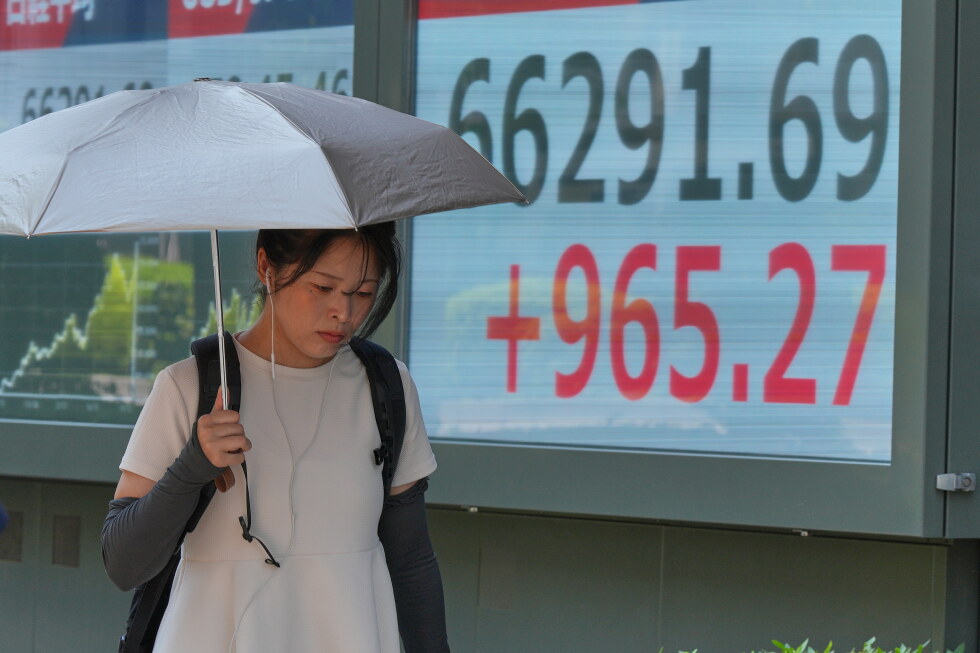
    Unlike past summits that balance multiple regional priorities, this year’s meeting is anchored by urgent contingency planning tailored to the bloc’s unique vulnerabilities. ASEAN’s fast-growing economies rely heavily on imported oil and natural gas from the Middle East, with nearly all seaborne energy shipments passing through the Strait of Hormuz, the strategic chokepoint where sporadic hostilities have continued even after a ceasefire took hold a month ago. Existing related coverage has already documented regional market volatility: Asian stocks have dropped while global oil prices climbed following recent attacks that threatened to collapse the ceasefire, just one example of the immediate economic spillover the bloc is working to mitigate.

    One of the most pressing humanitarian dilemmas facing ASEAN leaders is mapping out protocols for large-scale evacuation of ASEAN citizens from the Middle East, where more than one million Southeast Asian nationals reside and work. Already, multiple Southeast Asian citizens have been killed in military strikes launched by the U.S. and Israel starting February 28, and widespread escalation of hostilities would put the entire community at severe risk.

    A draft joint declaration obtained by the Associated Press outlines a coordinated regional response framework, calling on all 11 ASEAN member states to share real-time information and strengthen collaborative ties with global multilateral organizations to protect the safety and well-being of ASEAN nationals in conflict-affected zones. The contingency plan also lays out a suite of long-term and immediate energy security measures, including potential ratification this year of a cross-regional emergency fuel-sharing agreement, development of an integrated regional power grid, diversification of crude oil import sources, expanded adoption of electric vehicles, and exploratory research into emerging energy technologies including civilian nuclear power.

    While most senior ASEAN delegates stuck to the bloc’s characteristic cautious, restrained rhetoric in public remarks, Thailand’s Foreign Minister Sihasak Phuangketkeow broke ranks to issue a blunt call for action, demanding that the current ceasefire be extended indefinitely and that unimpeded safe passage for commercial shipping through the Strait of Hormuz be guaranteed. “This war should not have occurred in the first place,” Sihasak told the AP in an interview, noting that all ASEAN member states share deep alarm over the conflict. “We don’t know what the objectives are right? The peace talks seem to be moving but we want the war to end.”

    Even with the Iran conflict dominating the summit’s urgent priorities, leaders still scheduled time to address long-simmering regional flashpoints that have destabilized Southeast Asia for years. These include the ongoing territorial disputes in the South China Sea involving China, the five-year-long civil conflict in Myanmar, and the recent cross-border armed clash between Thailand and Cambodia.

    In a forthcoming separate statement on maritime issues set to be released after the summit concludes, leaders have pledged to work toward finalizing negotiations for an effective and substantive Code of Conduct (CoC) for the South China Sea. Negotiations for the proposed non-aggression agreement between ASEAN and China have dragged on for more than a decade, and tensions have escalated sharply in recent years, particularly between Chinese and Philippine maritime forces in contested waters.

    The slow progress on the CoC has fueled longstanding criticism that ASEAN functions as little more than an ineffective “talk shop,” where leaders gather annually for photo opportunities and symbolic displays of unity despite deep internal divisions over core geopolitical issues. Four ASEAN member states — Brunei, Malaysia, Vietnam, and the Philippines — are directly involved in the decades-long territorial standoffs in the South China Sea, alongside China. The bloc’s other members include Cambodia, East Timor, Indonesia, Laos, Myanmar, Singapore, and Thailand.