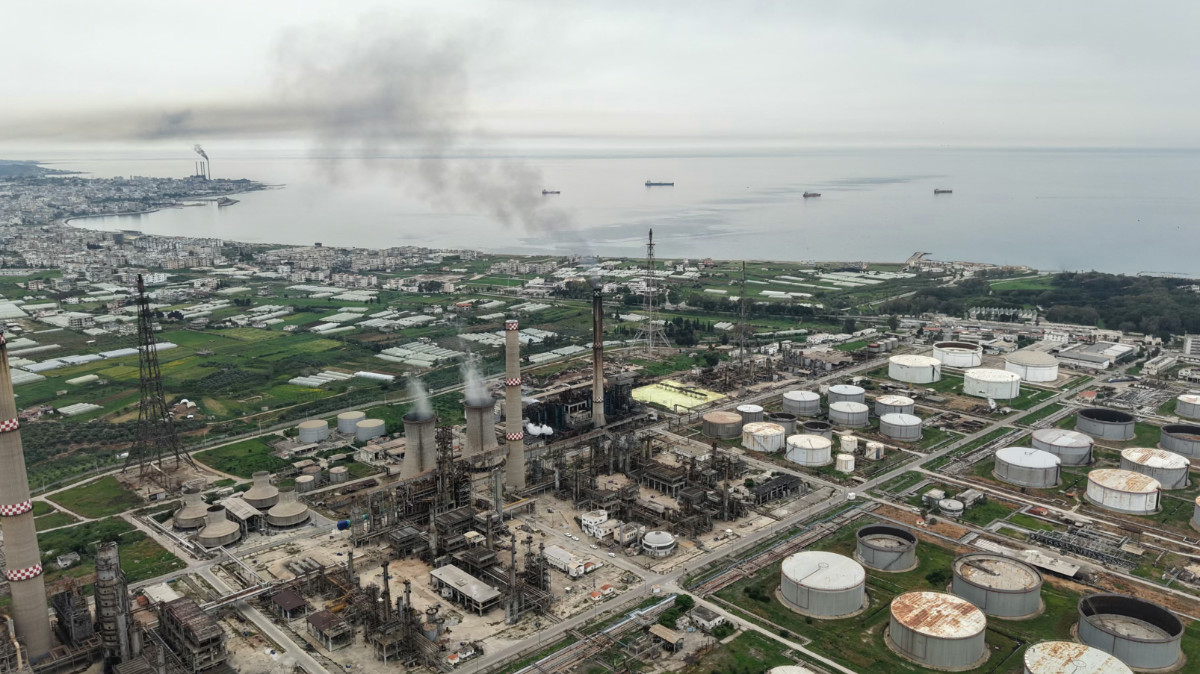
A landmark transnational energy project is set to move forward after senior Iraqi and regional officials confirmed to Middle East Eye that Iraq, Syria and the United States have reached an agreement to reactivate the decades-old Kirkuk-Baniyas oil pipeline, a 500-mile corridor stretching from northern Iraq’s major oil fields to Syria’s Mediterranean coastline. The initiative is framed explicitly as a strategy to reduce Iraq’s overreliance on the Strait of Hormuz, where Iran has tightened control amid escalating regional tensions tied to the US-Israeli war. The formal unveiling of the agreement is scheduled for next week, during Iraqi Prime Minister Ali al-Zaidi’s upcoming visit to the White House for talks with US President Donald Trump, sources confirmed.
Leading the behind-the-scenes negotiations on the US side is Tom Barrack, Trump’s ambassador to Turkey and special envoy for Syria and Iraq, who has spent weeks ironing out project details ahead of Zaidi’s trip, which will also include a stop in Texas, America’s core energy production hub. Senior Iraqi sources tell MEE that Barrack has built a strong working partnership with Zaidi, and frames the pipeline project as a blueprint for future US-aligned commercial development across the Levant that would deliver mutual benefits to Washington and regional host governments.
Originally completed in 1952 by the Iraq Petroleum Company, the pipeline was built to carry up to 300,000 barrels of crude oil per day. It was shut down by Baghdad in the 1980s after Syria aligned with Iran during the Iran-Iraq War, then suffered extensive damage following the 2003 US-led invasion of Iraq, leaving it completely non-functional for decades.
Extensive modernization and reconstruction work will be required to bring the corridor back online, including new storage infrastructure, upgraded pumping stations and replacement electrical systems. One senior regional official told MEE that a full, wholesale replacement of the aging pipeline is the most likely path forward, with a total construction timeline of two to three years. The official added that a consortium of US energy firms has already been assembled to lead the reconstruction effort, a clear signal of the US government’s commitment to advancing the project.
Initial discussions between Baghdad and the new Syrian government to revive the pipeline first emerged in late 2024, shortly after Islamist militias loyal to Syrian President Ahmed al-Sharaa ousted long-time ruler Bashar al-Assad. Those early talks failed to gain sufficient momentum to move forward, until shifting regional dynamics created new urgency for the project.
That urgency stems directly from Iran’s expanding control over the Strait of Hormuz amid the ongoing regional war. In recent months, Iraq has relied on small-scale crude exports via tanker trucks crossing into Syria, but volumes have been far too low to meet Baghdad’s revenue needs.
“Iraq has started to see Syria in a different light,” independent Iraqi analyst Sarhang Hamasaeed told MEE. “Prior to the war, there was deep skepticism. The reality of the war made it clear that Iraq needs Syria as an alternative export route.”
Regional sources confirm that Syrian Foreign Minister Asaad al-Shaibani will travel to the US to attend the official signing ceremony for the pipeline agreement. The project comes amid a sweeping reset in US-Syria relations: after al-Sharaa toppled Assad, he aligned with Washington, and now enjoys strong backing from Turkey and Gulf powers including Qatar and Saudi Arabia. The Trump administration has already rolled back multiple layers of sanctions on Syria, including sanctions on al-Sharaa’s former rebel group Hay’at Tahrir al-Sham (HTS), which evolved from al-Qaeda’s former Syrian affiliate al-Nusra Front.
Last week at a NATO summit in Ankara, Trump issued unusually public praise for al-Sharaa, calling him “fantastic” and “highly respected”. The US also announced last week it would remove Syria from its list of State Sponsors of Terrorism, a designation the country had held since 1979. The delisting clears a major regulatory hurdle for US firms to participate in the pipeline project.
Earlier this month, the Iraqi government already approved a preliminary agreement for US firms Capital TI and Chevron, alongside a Qatari energy company, to explore development of both the original Kirkuk-Baniyas route and a second line from the Iraqi oil hub of Haditha in Anbar Province to Baniyas.
For Iraq, the stakes of the project could not be higher. Roughly 95% of Iraq’s oil exports currently flow through the Strait of Hormuz, leaving the country extremely vulnerable to Iran’s chokehold on the waterway. Data from energy analytics firm Vortexa released last month shows that Iraq’s seaborne oil exports in May fell to just 8% of the 2024 average. With oil sales accounting for 90% of the Iraqi government’s annual budget, the disruption has created a severe fiscal crisis for Baghdad, making an alternative export route a matter of national economic survival.
Baghdad’s ruling coalition is dominated by Shia political parties and militias with close ties to Iran, which have historically been wary of partnering with al-Sharaa, a Sunni leader with a history as a hardline Islamist insurgent. But the acute economic pressure from disrupted Hormuz exports has pushed Baghdad to prioritize the project despite internal opposition.