标签: Asia

亚洲

  • ‘Lie-down napping’ helps pupils get forty winks

    ‘Lie-down napping’ helps pupils get forty winks

    Across China, a quiet but transformative shift is underway in K-12 education: replacing the long-standing tradition of hunching over classroom desks for midday naps with comfortable, lie-down rest, enabled by a newly implemented national standard for student furniture.

    The national technical standard for purpose-built napping desks and chairs, issued by the State Administration for Market Regulation and the National Standardization Administration in September 2025, officially went into effect this February. Developed with children’s physical growth and developmental needs at its core, the regulation sets clear, unified requirements for critical product specifications including seat height, recline angle, under-desk clearance, and material durability, addressing a gap that previously left the growing market for napping furniture with inconsistent quality and safety standards.

    Well before the new standard was introduced, national policymakers had already prioritized improving student sleep health. Back in 2021, the Ministry of Education released a guidance on strengthening student sleep management, which outlined age-appropriate recommended sleep durations and encouraged schools with sufficient resources to secure adequate midday break time for rest. In 2023, the State Council followed with a policy supporting schools to expand classroom and recreational spaces to create usable napping conditions. That same year, Zhang Qiongli, a national legislator and high school teacher from Hubei province, tabled a proposal to upgrade K-12 students’ lunch break arrangements, which quickly garnered broad public and official support. Today, nearly 40,000 primary and secondary students in Enshi Tujia and Miao Autonomous Prefecture, Zhang’s home region, already have access to lie-down napping during lunch breaks. “I also hope that in the future, all primary and secondary school students across the country can achieve lying lunch breaks,” Zhang shared in an interview.

    Since the national standard took effect, rollout has accelerated across multiple regions. In Wuhu, Anhui province, 468 sets of the new lie-down napping furniture have been included in the city government’s 2026 key livelihood projects, with many local schools already rolling out the equipment to help students say goodbye to the discomfort of hunched-over desk napping.
    The innovative furniture is designed for dual use: during regular class hours, it functions as a standard student desk and chair. When lunch break rolls around, a few simple adjustments extend the seat and tilt the backrest, transforming it into a comfortable mini recliner that eliminates the neck and shoulder strain that comes from napping while bent forward.

    In northwest China’s Urumqi, Xinjiang Uygur Autonomous Region, roughly 2,000 sets of the new napping-friendly desks and chairs entered service at local K-12 schools this spring. In the southern technology hub of Shenzhen, Guangdong province, more than 400 primary and secondary schools have already completed midday napping program upgrades, with the city planning to roll out the national standard-compliant furniture to an additional 200 schools in the 2026 spring semester.

    For parents, the change is widely welcomed. Lu Xiao, a primary school parent based in Dalian, Liaoning province, noted that a quality midday nap helps students recharge their energy and boost afternoon learning efficiency. “I hope students in my son’s school can use the adjustable backrests and extendable seats as soon as possible,” she said.
    Most Chinese K-12 schools already schedule approximately two hours for lunch and midday break daily, creating a natural window for structured rest.
    Despite this progress and widespread policy and public support, full nationwide promotion of universal lie-down napping still faces notable practical barriers. As of early 2026, only a relatively small share of schools across the country have rolled out the upgraded furniture, with challenges including limited classroom space, tight education budgets, and complex daily management of the adjusted napping routines remaining to be addressed.

  • Daydream believers lift ‘lunch-break economy’

    Daydream believers lift ‘lunch-break economy’

    Across China’s major urban centers, a growing cohort of overworked white-collar professionals is redefining the traditional midday break, fueling the rapid expansion of a new consumer segment dubbed the “lunch-break economy.” Stretched thin between packed work schedules and family responsibilities, these workers are turning their one-hour midday window into a precious, paid-for period of personal control and self-care that did not exist on this scale just a few years ago.

    For Lin Yihan, a 43-year-old in-house legal counsel based in Dalian, Liaoning province, this new routine has become non-negotiable. Twice a week, she walks 10 minutes from her office to a local massage studio, pays 100 yuan ($14.7) for a 60-minute full-body relaxation session, and escapes the constant demands of her open-plan office. “Usually, my day is occupied by heavy work and taking care of my family,” Lin explained. “It’s the only time when no one is asking me for anything. No emails, no WeChat messages, no urgent requests. Just 60 minutes of being taken care of.”

    Lin is far from an outlier. A wide range of service and product providers are reporting soaring demand for lunch-break-focused offerings, as young and mid-career professionals prioritize mental and physical recharge over casual post-meal chats with colleagues or quick office naps. What once was reserved for a quick bite and a casual stroll is now being repackaged as a discrete, consumable self-care experience, with options ranging from 30-minute power nap sessions, express facials and head spas to high-intensity interval training (HIIT) workouts, group meditation and even oxygen therapy.

    Platform data highlights the rapid growth of this fragmented new market. On domestic local services platform Meituan, one massage studio similar to the one Lin visits sold more than 19,000 60-minute lunch-break relaxation packages over the past 12 months. Across 19 additional lunch-break-focused service offerings at the same establishment, total sales hit 45,000 orders, with prices ranging between 100 yuan and 250 yuan. While lunch-time orders make up less than 25% of the studio’s total business, the volume is already substantial enough to reshape its operating schedule.

    Even physical goods tailored to office lunch breaks have seen explosive sales. On e-commerce giant JD.com, sales of office napping pillows, foldable camp beds for workplaces and portable sleeping chairs have all exceeded 1 million units each in recent months.

    To meet this surging demand, service providers across multiple sectors are adjusting their business models to fit the tight 60-minute midday window. In Shanghai’s bustling Jing’an Temple central business district, lunch-time head spa slots have become such a hot commodity that customers must book by 10 a.m. to secure a spot, with the most popular venues requiring reservations a full day in advance. “I walked in at lunchtime wanting a quick head wash to relax, and they told me there were no slots left,” one regular customer told local Chinese media, describing the high demand.

    Fitness facilities are also tapping into the trend. At a 24-hour gym in downtown Dalian that counts more than 400 annual members paying 4,000 yuan per person for membership, nearly one-fifth of all visits during weekdays fall during the lunch break. “Many white-collar workers who work nearby have signed up for our yoga class during the busiest time at noon,” said Zhang, the gym’s manager.

    One regular lunch-time gym goer, Luo, shared that his routine now revolves around maximizing the midday hour: he eats a 15-minute bento at his desk, then spends 45 minutes on a HIIT workout before returning to work. “I used to drink two espressos to get through the afternoon,” he said. “Now I just move my body for 45 minutes. It’s more effective than any amount of caffeine.”

    Public health events have also helped raise broader awareness of the importance of rest and stress management, with niche activities popping up to meet growing interest. Earlier this year in Huzhou, Zhejiang province, a public sleep competition invited 1,000 participants to set aside their smartphones, wear masks and earplugs, and focus on intentional rest, with the goal of raising public awareness of sleep health among overworked urban professionals.

    Unlike mature, well-documented sectors such as e-commerce or ride-hailing, the lunch-break economy remains a fragmented phenomenon spanning wellness, beauty, fitness, hospitality, food service and furniture retail. But as urban work pressure continues to rise and professionals increasingly prioritize personal well-being alongside career advancement, industry observers expect the segment to continue its rapid expansion in coming years.

  • China retains stable supply of fertilizers

    China retains stable supply of fertilizers

    Escalating geopolitical tensions across the Middle East have sparked widespread concerns over potential ripple effects on global commodity and energy markets, with risks of cascading cost increases hitting agricultural sectors worldwide. But for China, the world’s largest grain producer, domestic fertilizer markets have remained largely resilient, backed by robust domestic output, strategic government reserves, and targeted regulatory measures that have offset external volatility, agricultural officials and industry analysts confirm.

    Li Guoxiang, a senior researcher at the Chinese Academy of Social Sciences’ Rural Development Institute, explained that the conflict’s economic impact is primarily projected to travel through three key channels: disrupted fertilizer manufacturing, interrupted energy transit routes, and shaken global commodity trading systems. The Gulf region accounts for roughly 20% of global fertilizer output and nearly 46% of the world’s total urea supply, placing global markets at risk of major shortages if shipping through the critical Strait of Hormuz is interrupted. Combined with the sharp upward pressure on global oil prices triggered by regional unrest, energy-reliant fertilizer production facilities around the world could be forced to scale back operations or cease production entirely, Li noted.

    A reduced global fertilizer supply would almost certainly push global prices upward, raising input costs for farmers and potentially leading to reduced fertilizer application that could cut global crop yields and drive up global food prices. In the immediate aftermath of the latest tensions escalation, China saw minor short-term market reactions: domestic grain prices posted a brief, modest rebound, while fertilizer and diesel prices ticked up slightly.

    However, experts and industry leaders emphasize that China’s well-established domestic fertilizer infrastructure has effectively absorbed these external shocks. The country maintains a high rate of fertilizer self-sufficiency, supported by proactive government supply management and a national strategic reserve system. “Overall, both grain and fertilizer markets have gradually returned to steady levels, which lays a solid foundation for another promising grain harvest this year,” Li said.

    Recent industry data confirms that China’s overall fertilizer supply remains abundant, especially for two of the most widely used varieties: urea and compound fertilizers. Nearly 80% of China’s domestic urea production capacity relies on coal-based manufacturing, creating a largely self-reliant supply network that is less vulnerable to global energy market disruptions than production systems dependent on imported natural gas.

    Fu Chunhua, deputy director of the China Agricultural Means of Production Association, noted that since the start of the 2026 spring planting season, domestic urea producers have operated at nearly 90% capacity, a higher utilization rate than recorded in the same period in 2025. At a large-scale production facility in Linyi, Shandong Province – one of China’s key agricultural and fertilizer manufacturing hubs – the plant churns out 3,000 to 4,000 metric tons of high-nitrogen fertilizer daily, with daily sales matching that output, according to the facility’s general manager.

    Across Shandong, spring fertilization for the new planting season is nearly complete, with consistent supply and largely stable pricing. Nitrogen fertilizer prices have held steady throughout the planting rush, while compound fertilizer prices have seen a moderate 10% to 15% increase compared to pre-Chinese New Year levels. National aggregate data reflects this modest growth: in early April, the average ex-factory price of domestic urea rose just 0.12% month-on-month and 1.69% year-on-year, while compound fertilizer prices increased 1.78% month-on-month and 14.17% year-on-year.

    China’s national fertilizer reserve system has also played a central role in stabilizing markets. The policy builds up stockpiles of key fertilizers during off-peak demand seasons, then releases stored supplies during peak planting periods to curb excessive price volatility. In Shandong alone, local supply and marketing cooperatives hold 170,000 tons of reserved fertilizer, which was distributed to markets ahead of the spring planting rush to ease upward price pressure.

    Distribution efficiency has also improved significantly in recent years, with many regional networks integrating digital tools to streamline access for farmers. In multiple major agricultural regions across China, digital platforms now allow farmers to input field-specific data to receive customized fertilizer recommendations, with orders fulfilled directly through local supply outlets, cutting delivery times and reducing logistical costs. Many large-scale commercial farming operations have also adopted proactive risk management strategies, securing their fertilizer supplies months in advance – often immediately after the autumn harvest – to insulate their operations from seasonal and geopolitical price swings.

    Despite the current stability of domestic fertilizer markets, analysts note that rising global energy prices remain a lingering concern. China’s highly mechanized agricultural sector relies heavily on diesel for farm machinery and transportation, so sustained higher fuel costs could push up both production and logistics expenses, potentially creating upward pressure on grain prices later in 2026.

    Li emphasized that the duration and intensity of the Middle East conflict remain unpredictable, underscoring the need for strengthened market monitoring and early warning systems. Chinese authorities should enhance market oversight, guide public expectations to prevent unnecessary panic, and guard against the spread of misinformation about global food shortages, he said. If agricultural input costs rise sharply in the coming months, policymakers could introduce temporary targeted subsidies for farmers, covering fertilizer and fuel expenses to preserve planting incentives and protect national food production capacity.

  • Series of visits shows Beijing’s anchoring role

    Series of visits shows Beijing’s anchoring role

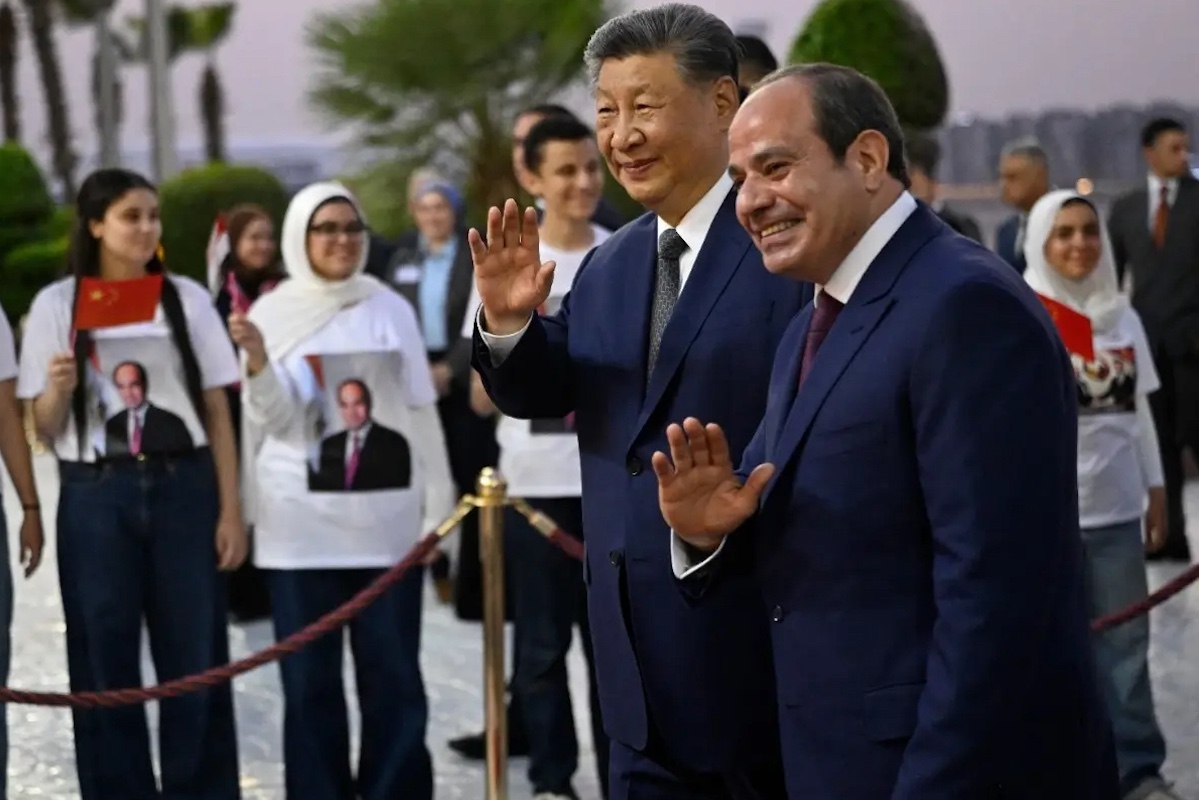
    Over a two-week period in mid-April 2026, the Chinese capital played host to an extraordinary flurry of high-level diplomatic visits, drawing leaders and senior officials from Europe, the Middle East, Southeast Asia, Africa and Eurasia. This unusually intensive schedule of diplomatic engagement comes at a moment of profound global uncertainty: ongoing Middle East conflicts have upended energy security, and the world economy continues to grapple with persistent sluggish growth. Among the visiting dignitaries were Spanish Prime Minister Pedro Sanchez, Abu Dhabi Crown Prince Sheikh Khaled bin Mohamed bin Zayed Al Nahyan, Vietnamese Party General Secretary and President To Lam, Mozambican President Daniel Francisco Chapo, Russian Foreign Minister Sergey Lavrov, and Lao Standing Deputy Prime Minister Saleumxay Kommasith.

    Global observers widely view this wave of visits as a clear reflection of shifting global power dynamics, underscoring the broad international appeal of China’s diplomatic approach and its growing recognition as a key anchor of stability in an increasingly turbulent world. “This intensive diplomatic schedule is no random coincidence. It reflects a growing circle of nations that trust China both as a reliable partner for practical cooperation and a source of stability in an increasingly fragile global landscape,” noted Ding Duo, a research fellow at the National Institute for South China Sea Studies. Ding emphasized that as global instability and uncertainty multiply by the day, China has emerged as a consistent source of stability and predictability for the international community. “This standing is not the product of short-term policy shifts. It is rooted in China’s consistent long-term diplomatic strategy, its long-held traditional Eastern principle of ‘do not do to others what you would not have them do to you,’ and the steady demeanor of a responsible major power,” Ding added.

    During meetings with visiting leaders, Chinese President Xi Jinping reaffirmed China’s commitment to its role as a champion of world peace, a core contributor to global development, and a steadfast defender of the established international order. He also emphasized China’s ongoing readiness to share its development opportunities with all countries through mutually beneficial win-win cooperation. Speaking with Spanish Prime Minister Sanchez, President Xi noted that China maintains firm resolve in advancing its process of Chinese modernization, and holds a broad commitment to sharing development opportunities with the world through high-standard opening-up. Through its own steady development, Xi stated, China will continue to inject much-needed confidence and new momentum into global economic growth.

    The timing of this wave of high-level visits coincided with the 2026 Spring and Annual Meetings of the International Monetary Fund and World Bank Group held in Washington, D.C. During the event, IMF Managing Director Kristalina Georgieva warned that ongoing conflict in the region will leave long-lasting “scarring effects” on the global economy, with an estimated 3% output drop in conflict-affected areas that will persist for years. Against a broader backdrop of slowing growth across major world economies, persistently tight global financial conditions, and growing Middle East tensions that have injected new uncertainty into energy markets and global supply chains, the search for reliable stability has become a top priority for policymakers and market actors around the world.

    Against this fragile global context, China’s economic trajectory has drawn increasing international attention. New data released by China’s General Administration of Customs on April 14 showed that the country’s total foreign trade volume reached 11.84 trillion yuan (approximately $1.72 trillion) in the first quarter of 2026, marking a robust 15% year-on-year increase. Exports grew 11.9% to hit 6.85 trillion yuan, while imports rose 19.6% to reach 4.99 trillion yuan, signaling strong trade momentum both inbound and outbound.

    International media framed Spain’s decision to send Prime Minister Sanchez on the visit as a clear signal that the country is pursuing a pragmatic, independent path to expand economic cooperation with China while upholding its existing transatlantic partnerships. Spanish broadcaster Onda Cero noted in an opinion piece that Spanish leaders have recognized the profound shift taking place in the global order, and that China is the most consequential actor capable of reshaping the global landscape moving forward.

    During his four-day state visit, Vietnamese leader To Lam worked to deepen the longstanding traditional friendship and strategic alignment between Hanoi and Beijing, with more than 30 new bilateral cooperation agreements signed across sectors including economic development, industrial and supply chain coordination, customs facilitation, and science and technology innovation.

    Mozambican President Chapo’s April 16-22 visit went far beyond routine diplomatic protocol. From high-level bilateral talks with President Xi in Beijing to visits to manufacturing facilities in Changsha, Hunan, and discussions on anti-poverty cooperation in Qinghai province, the trip laid out a practical new blueprint for the next stage of China-Africa cooperation, a partnership increasingly defined by tangible on-the-ground progress rather than empty promises, centered on shared pursuit of modernization.

    Russia’s Foreign Minister Lavrov centered his visit on deepening bilateral and multilateral cooperation between Moscow and Beijing to strengthen the resilience of both countries’ development paths, while coordinating policy positions on key pressing global issues. Saleumxay, visiting in his capacity as special envoy to Lao Party General Secretary and President Thongloun Sisoulith, used the trip to advance bilateral cooperation and push forward the development of the China-Laos community with a shared future, targeting progress around high standards, high quality and high levels of integration.

    Matteo Giovannini, a finance professional at the Industrial and Commercial Bank of China and nonresident associate fellow at the Center for China and Globalization, noted that China’s steady economic performance, paired with its forward-looking structural transformation and ongoing commitment to opening-up, has positioned the country as a critical anchor for the turbulent global economy. “A stable Chinese economy helps anchor global supply chains, supports sustained demand for commodities and manufactured goods from around the world, and offers a critical degree of predictability for international investors,” Giovannini explained. “In an era of heightened global uncertainty, this kind of stability is an increasingly valuable global public good.”

    During his meeting with the Abu Dhabi Crown Prince, President Xi put forward a four-point proposal for advancing lasting peace and stability in the Middle East, calling on all parties to remain committed to the core principles of peaceful coexistence, respect for national sovereignty, adherence to international rule of law, and a balanced approach to development and security. Beyond regional diplomatic coordination, the visit yielded multiple new bilateral cooperation agreements between China and the UAE across sectors including agriculture and science and technology.

    Ahmed Saeed Al-Alawi, editor-in-chief of UAE-based Al-Ain News, noted that the crown prince’s visit came at a moment of heightened sensitivity in regional and international affairs, giving the trip deeper strategic significance. Al-Alawi added that the UAE no longer views China solely as an important economic partner, but now recognizes it as a key strategic pillar in the broader international political landscape.

  • Kim Jong Un opens memorial for N Korean soldiers killed in Ukraine war

    Kim Jong Un opens memorial for N Korean soldiers killed in Ukraine war

    In a high-profile ceremony that underscores the deepening military alliance between North Korea and Russia, North Korean leader Kim Jong Un joined Russian Defense Minister Andrey Belousov on Sunday to unveil a new memorial in Pyongyang honoring North Korean personnel killed while fighting in the ongoing Ukraine war.

    The ceremonial opening of the Memorial Museum of Combat Feats at the Overseas Military Operations featured a flyover by North Korean military jets and the release of white balloons into the sky, as the two leaders together unveiled a commemorative statue and opened the doors of the new memorial facility. The event was intentionally scheduled to align with the one-year anniversary of Russia’s claim to have reclaimed full control over portions of the Kursk region, which Ukraine first entered in a surprise incursion in August 2024.

    Public confirmation of North Korean troop deployments to support Russia’s military operations comes amid widespread intelligence estimates from third-party observers, as neither Pyongyang nor Moscow has released official casualty or deployment figures. South Korean intelligence assessments put the total number of North Korean troops sent to Russia’s Kursk offensive at no fewer than 15,000, with approximately 2,000 of those personnel confirmed killed in combat, according to Seoul’s calculations.

    According to North Korean state media outlet KCNA, Kim used the occasion to reaffirm Pyongyang’s unwavering backing for Moscow’s strategic objectives in Ukraine. He stated that North Korea would continue to fully support the Russian Federation’s efforts to protect its national sovereignty, territorial integrity, and core security interests, adding that he is confident Russia will ultimately prevail in what he described as a “just sacred war.”

    Russian state news agencies report that Belousov used his visit to hold detailed talks with North Korean officials on expanding long-term military cooperation between the two countries. Beyond his meeting with Belousov, Kim also held discussions with Vyacheslav Volodin, speaker of Russia’s lower parliament and a close confidant of Russian President Vladimir Putin.

    This latest high-level diplomatic engagement builds on a series of increasingly close ties between the two nations over the past two years. In September 2025, during a sideline meeting at China’s Beijing military parade where both Putin and Kim attended as invited guests, Putin publicly thanked Kim for North Korea’s military support, noting that North Korean soldiers had fought with exceptional courage and heroism in combat. Just months earlier, in June 2024, the two leaders signed a landmark mutual defense treaty that commits both nations to provide military assistance to the other in the event of an armed aggression against either party, an agreement Kim hailed at the time as the strongest bilateral treaty in North Korea’s modern history.

    In addition to its deployment of combat troops, North Korea has also committed to sending thousands of civilian workers to assist with reconstruction efforts in the war-damaged Kursk region. International analysts widely believe that North Korea has received substantial compensation in exchange for its military and logistical support, including shipments of food, direct financial assistance, and advanced military technical expertise from Moscow.

  • French teen who licked vending machine straw faces jail in Singapore

    French teen who licked vending machine straw faces jail in Singapore

    A reckless public stunt pulled by an 18-year-old French exchange student has sparked public outrage and legal consequences in Singapore, after a video of him tampering with a public vending machine went viral across social media platforms.

    Didier Gaspard Owen Maximilien, who currently pursues studies at the Singapore campus of Essec Business School, is facing two formal charges: mischief and public nuisance, following the incident that unfolded on March 12 at a local shopping mall. According to local media reports, Maximilien filmed himself licking a reusable straw from an iJooz orange juice vending machine before placing it back into the machine’s dispenser. He then shared the clip as an Instagram Story with the provocative caption “city is not safe”, before the footage was picked up and shared widely across local community pages and mainstream news outlets.

    Public reaction to the stunt was overwhelmingly negative, with many members of the Singaporean public expressing disgust and concern over the unhygienic act, particularly in a public shared space. In response to the incident, iJooz, the vending machine operator, took immediate precautionary measures: the company filed a formal police report, activated full sanitation protocols for all its on-site machines, and made the decision to replace all 500 straws held in the affected dispenser to eliminate any public health risk.

    If Maximilien is found guilty on both of the charges brought against him, he faces severe legal penalties under Singaporean law: a maximum cumulative prison sentence of over two years, plus fines amounting to thousands of Singapore dollars. Local media reports confirm that Maximilien’s parents have traveled to Singapore to support their son, and a representative from his university has agreed to act as his bailor. Essec Business School’s Singapore branch has also confirmed it is conducting an internal investigation into the incident, alongside the official court proceedings. Maximilien’s case is scheduled for its next court hearing on May 22.

  • Tired and worried, seafarers have been stranded in the Persian Gulf for weeks

    Tired and worried, seafarers have been stranded in the Persian Gulf for weeks

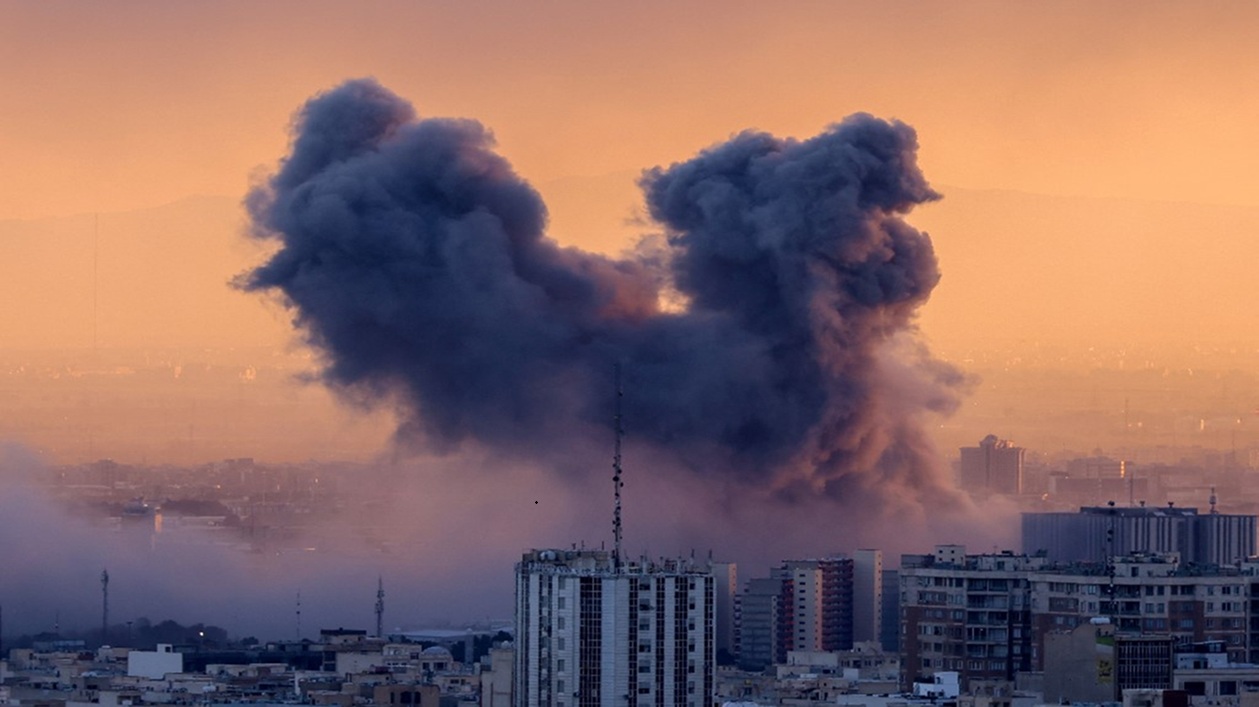
    Eight weeks into the ongoing armed conflict between the United States and Iran, more than 20,000 commercial seafarers aboard hundreds of oil tankers, gas carriers and cargo ships remain stranded in the Persian Gulf, trapped by the effective closure of the Strait of Hormuz — the world’s most critical chokepoint for global energy trade. For these trapped crews, every day brings a constant backdrop of geopolitical tension, the threat of attack, and growing uncertainty about when they will be able to return home.

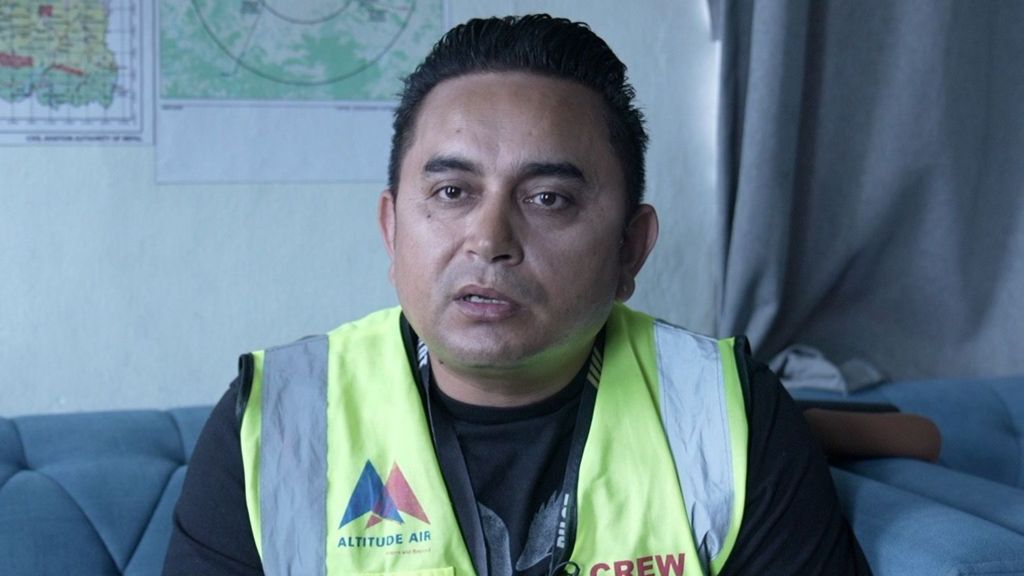
    Indian Captain Rahul Dhar, one of the captains holding position with his crew in the gulf, told the Associated Press his team has watched drones and missiles detonate within visible range of their tanker during daily watches. While the crew has worked to maintain normal routines to preserve morale, the unrelenting strain of the situation is starting to take a toll. A fragile, indefinite ceasefire brokered between the U.S. and Iran has brought a cautious glimmer of hope, Dhar said, but no clear timeline for reopening the strait or allowing ships to exit the region has emerged.

    “Day to day, we try to keep things normal with open conversations and small team activities that help lift everyone’s spirits,” Dhar explained. “Those moments when we see drones and interceptions near the ship were really difficult, and created real tension for the whole crew. None of us expected to end up in a warlike situation when we set sail.” Reliable connectivity that has allowed the crew to stay in touch with family back home has been their greatest source of strength, he added, with regular calls and messages helping the crew stay grounded amid chaos.

    Dhar is far from alone in his experience. Maritime industry data confirms the staggering scale of the crisis: in the week of April 13–19, only 80 vessels total transited the Strait of Hormuz, a sharp drop from the pre-war average of more than 130 transits per day. Normally, roughly 20 percent of the world’s total oil and liquefied natural gas supplies move through the waterway, making its closure a major disruption to global energy markets and trade. Since the conflict began, dozens of commercial vessels have come under attack, and the United Nations has confirmed at least 10 seafarers have been killed in the violence. The ceasefire has not resolved hostilities entirely: the U.S. has maintained its blockade of Iranian ports, while Iran has retaliated by firing on transiting vessels and seizing two commercial ships.

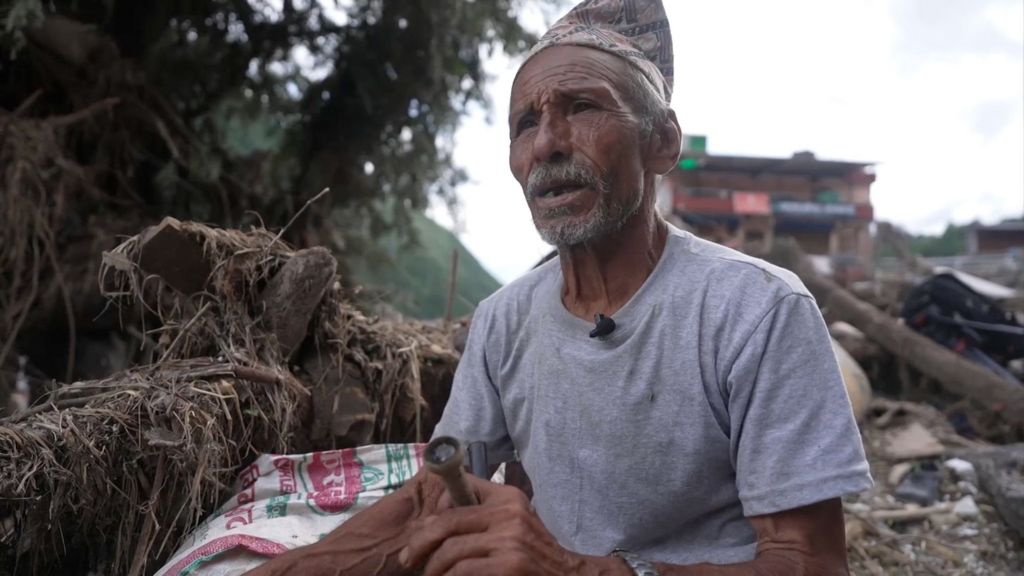
    India, the world’s largest supplier of maritime labor, has thousands of its nationals trapped on stranded vessels, most anchored close to major Iranian ports including Bandar Abbas and Khorramshahr. Manoj Kumar Yadav, a representative with the Forward Seamen’s Union of India, told AP that explosions have occurred as close as a few hundred meters from some anchored ships, forcing crews to witness blasts directly from their decks. Many of the trapped sailors are on their first overseas voyage, Yadav said, leaving them unprepared for the chronic fear and isolation of their current situation. His union receives daily distress calls from trapped crews and their worried families back in India.

    Beyond the threat of violence, many crews are facing acute shortages of basic necessities including food and drinking water, forcing ships to implement strict rationing of supplies. Internet connectivity is often spotty or disrupted entirely by signal jamming, and when contact with home is possible, sailors face exorbitant roaming charges for just a few minutes of conversation. Most Indian sailors in the region are beyond the reach of coordinated government evacuation efforts; as of last week, India’s shipping ministry confirmed only 2,680 sailors have been evacuated since the conflict began. Families of trapped seafarers have grown increasingly anxious, mounting calls for urgent action to secure the safe return of their loved ones. The International Transport Workers’ Federation confirmed earlier this month that it has received hundreds of requests for urgent assistance, including pleas for emergency food supplies, from trapped crews across the gulf.

    For many seafarers, the greatest burden of the crisis is the pervasive uncertainty. Reza Muhammad Saleh, an Indonesian chief officer on a Greek-owned cargo ship that has been stranded off Oman for more than a month, described how a drone exploded near his port of anchorage just days after the crew arrived in early March, with two additional follow-up incidents forcing the entire crew to repeatedly evacuate to reinforced bunkers. No crew members were injured in the attacks, but the constant unpredictability has worn on the team.

    “The biggest problem is the uncertainty. We don’t know when Hormuz will be open again,” Saleh said. His 24-person multinational crew, which includes sailors from Indonesia, Arab states, India and Ethiopia, normally transports iron ore across Gulf states and transits Hormuz one to two times per month. Now, any crossing requires written official clearance from Iran, a requirement that makes shipping companies unwilling to take the risk of moving the vessel. Even experienced crews used to working in high-risk regions have been shaken by near-daily missile strikes and persistent GPS disruptions that force crews to navigate manually, Saleh added: “Sometimes we think it’s safe, then suddenly it’s not. Today we’re safe. Tomorrow, nobody knows.”

    Shipping company leaders report that while limited crew rotations have been possible, most replacement crews are unwilling to travel to the conflict zone, a choice companies say they respect. Fleet Management Limited, which manages more than 400 seafarers across dozens of stranded vessels in the region, checks food stock levels regularly and arranges for emergency resupply by moving ships to the nearest safe points to pick up fresh provisions, said CEO Captain Rajalingam Subramaniam. Most trapped seafarers have been stuck in the gulf since the war began, and many never agreed to work in a combat zone when they signed their contracts.

    “For mariners who did not sign up to be in warlike area, they also need to be respected so that they do not become the unintended collateral,” Subramaniam said. Even during the ceasefire, multiple vessels that attempted to cross Hormuz were fired on or forced to turn back, so Fleet Management has not allowed any of its managed ships to attempt a crossing. Germany’s Hapag-Lloyd, one of the world’s largest container shipping firms, has 150 sailors trapped on six vessels near the strait, and stays in daily contact with trapped crews, according to spokesman Nils Haupt. While limited rotations have occurred, months of isolation have left crews facing crippling monotony.

    The International Maritime Organization (IMO), the United Nations’ global shipping regulatory body, and other international groups have called for the establishment of a safe transit corridor for commercial vessels in the strait. Despite Iran’s claims that it has opened the strait to non-hostile vessels and its demand to collect passage tolls from commercial ships, almost all vessels remain blocked. Iran has placed naval mines in the waterway, while the U.S. is currently conducting mine-clearing operations and has issued orders to attack any Iranian boats laying mines. “Under heightened risks of mines and attacks on ships, there is no safe transit anywhere in the Strait of Hormuz,” said IMO Secretary-General Arsenio Dominguez.

    Industry leaders warn the ongoing crisis could worsen an already severe global shortage of skilled seafarers. Trapping seafarers against their will in conflict zones is not a new problem: the COVID-19 pandemic created widespread crew change crises, followed by Russia’s invasion of Ukraine, and ongoing Houthi rebel attacks on commercial shipping in the Red Sea. Subramaniam warned that even after the Iran conflict ends and the strait reopens, fewer skilled workers will be willing to work on commercial vessels that travel through high-risk Middle Eastern regions, exacerbating the existing global labor shortfall.

    Reporting for this article was contributed by Associated Press journalists across New Delhi, Berlin, Paris, Hong Kong and Jakarta.

  • North Korea opens memorial museum for troops killed in Russia-Ukraine war

    North Korea opens memorial museum for troops killed in Russia-Ukraine war

    On Sunday, North Korea held a grand opening ceremony for a new memorial museum in its capital Pyongyang, honoring hundreds of North Korean service members killed while fighting alongside Russian forces against Ukraine in the Kursk border region. The event marked the one-year anniversary of the conclusion of operations to secure the Kursk area, and brought together top leadership from both North Korea and Russia to reaffirm their growing bilateral partnership.

    The joint military deployment dates back to April 2025, when Pyongyang and Moscow confirmed that North Korean troops had fought alongside Russian units to repel a Ukrainian incursion into Russia’s Kursk region. Neither country has publicly released an official death toll or full deployment number, but South Korea’s national intelligence agency has estimated that roughly 15,000 North Korean troops were sent to the frontline, with approximately 2,000 of those personnel killed in combat.

    North Korea’s state-run Korean Central News Agency (KCNA) confirmed that Supreme Leader Kim Jong Un led the inauguration ceremony, alongside a high-level Russian delegation including Vyacheslav Volodin, Speaker of the State Duma, and Russian Defense Minister Andrei Beloussov. During the event, Kim personally placed soil over the remains of one fallen soldier, laid floral tributes at a mortuary holding other recovered bodies, and joined the Russian officials in signing a commemorative guest book.

    In his keynote address, Kim framed the fallen North Korean troops as eternal symbols of the North Korean people’s bravery, saying their legacy would forever fuel the shared victorious march forward for both the Korean and Russian peoples. He lauded the combined force for pushing back against what he described as a U.S.-led Western campaign of hegemonic ambition and military adventurism on the Ukrainian front. In separate talks with Beloussov, Kim reiterated that Pyongyang would offer unwavering support for Moscow’s policies to defend its sovereign rights and national security interests, KCNA reported.

    Russia’s top leadership sent a clear message of solidarity through the event. In a letter read aloud by Volodin to attendees, Russian President Vladimir Putin said the new museum would stand as an enduring marker of the friendship and shared purpose binding the two nations. Putin added that he was confident the two countries would continue to deepen their comprehensive strategic partnership in the years ahead. Beloussov also confirmed Moscow’s plan to expand military cooperation, telling Kim that Russia is prepared to sign a formal bilateral military cooperation agreement covering the 2027 to 2031 period.

    Since Russia launched its full-scale invasion of Ukraine, North Korea has positioned Moscow as the top priority of its foreign policy, providing both conventional weaponry and frontline troops to support Russia’s war effort. In exchange, defense and international relations analysts widely believe Pyongyang has received critical economic aid and other forms of support from Moscow. The growing alignment has sparked deep alarm in Seoul, Washington and their allied partners, who warn that Russia could share advanced high-tech military technologies that would allow North Korea to accelerate the development of its nuclear weapons and long-range missile programs.

    Military analysts have noted that the North Korean troops deployed to Kursk faced early challenges, with many falling vulnerable to Ukrainian drone strikes and artillery fire due to limited modern combat experience and unfamiliarity with the local terrain. However, Ukrainian military and intelligence assessments have concluded that the deployment has delivered significant long-term benefits to Pyongyang: North Korean personnel have gained hands-on, modern frontline combat experience, and they have become a core component of Russia’s strategy to outlast Ukrainian defenses by deploying large ground forces to overwhelm Ukrainian positions in the Kursk campaign.

  • How climate change threatens the economic backbone of the Pacific

    How climate change threatens the economic backbone of the Pacific

    Stretching across more than 3.4 million square kilometers of the central Pacific Ocean, the small island nation of Kiribati holds an outsize role in the global tuna industry. Despite having a total land area roughly equal to that of New York City, this scattered archipelago of 33 islands sits at the heart of the world’s most productive tuna fishing grounds, which collectively supply more than half of the global tuna catch. For Kiribati, this abundant marine resource is not just a cultural cornerstone — it is the entire backbone of the country’s economy. Unlike larger Pacific neighbors such as Papua New Guinea, Kiribati has almost no other natural resources to draw on: its highest natural elevation above sea level is just two meters, with limited fresh water reserves and virtually no terrestrial mineral or agricultural assets. As a result, revenue from selling tuna fishing licenses to international fleets makes up more than 70% of the country’s total government income, the highest proportional dependence of any nation on Earth, according to official data. Between 2018 and 2022, this revenue equaled roughly 40% of Kiribati’s entire GDP, figures from the International Monetary Fund show. In 2024 alone, license sales generated $137 million for the government, a sum officials describe as a “critical financial lifeline” for the nation of 130,000 people. Today, large fishing vessels from major tuna-consuming nations including Japan, China, the United States, and European Union member states travel to Kiribati’s Exclusive Economic Zone (EEZ) to harvest the region’s abundant stocks of skipjack, yellowfin, and bigeye tuna. As veteran fisheries specialist Simon Diffey, who has worked on Kiribati for more than 30 years, notes, more than half of all canned tuna sold globally comes from the Western Central Pacific, including Kiribati’s waters. The global tuna industry is currently valued at over $44 billion per year, making Kiribati’s control over its vast EEZ an invaluable economic asset. Yet the same ocean that sustains Kiribati now threatens its very survival, driven by the impacts of human-caused climate change. Warming ocean temperatures are already reshaping tuna migratory patterns, and scientists warn that the tiny nation is at extreme risk of losing its most valuable natural resource. Tuna are extremely sensitive to even small shifts in water temperature, able to detect changes as small as one-tenth of a degree Celsius. As Pacific surface waters warm, research consistently shows that tuna populations are migrating eastward in search of cooler habitats — a shift that would pull stocks permanently out of Kiribati’s EEZ. For Kiribati, this potential migration carries cascading economic and food security risks. If tuna leave the country’s territorial waters, international fleets will no longer purchase fishing licenses, sending government revenue plummeting and creating extreme fiscal volatility. The Pacific Community, a regional development organization, has identified Kiribati as one of the nations worst impacted by projected tuna migration. Preliminary modeling from Kiribati’s Ministry of Fisheries estimates that if global greenhouse gas emissions remain at high levels, the country could lose more than $10 million in annual fishing access fees by 2050. Even in a best-case low-emissions scenario, where overall tuna biomass in Kiribati’s EEZ remains stable, local small-scale fisheries are still projected to see substantial catch declines. The Line Islands, one of Kiribati’s three island groups, could see local catches drop by two-thirds even under low emissions. These declines come as Kiribati’s population grows and rapid urbanization in the capital Tarawa puts additional strain on already limited land and food resources. Fish have long been the primary source of protein for Kiribati’s communities, with the average resident consuming 100 kilograms of fish per year — more than 10 times the average per capita consumption in the United States. As local stocks decline, households are increasingly turning to imported processed foods, which drives up household costs and reduces nutritional quality, especially for remote outer island communities. The United Nations Food and Agriculture Organization warns that this shift is creating a growing food security crisis for the nation. Facing these overlapping threats, Kiribati and international partners are rolling out new adaptation strategies to build resilience and diversify the country’s economy. Last year, the United Nations Green Climate Fund launched a $156.8 million regional adaptation project covering 14 Pacific nations and territories, focused on supporting tuna-dependent economies like Kiribati. The initiative aims to strengthen early warning and stock monitoring systems to help Kiribati better predict tuna migrations, protect food security, and stabilize government revenue. According to Kiribati’s Ministry of Fisheries, the project is expected to provide roughly four million nutritious fish meals annually for local communities. The Kiribati government is also pursuing domestic economic shifts to reduce its dependence on foreign license sales. It is expanding domestic tuna processing and canning facilities to capture more value from its tuna resources, rather than exporting the raw catch via foreign fleets. Officials are also developing ocean aquaculture for species including milkfish, snapper, and sea cucumbers, to both boost domestic food security and create new export opportunities. Beyond the fishing sector, the government is working to diversify national revenue through expanding tourism, developing renewable energy infrastructure, and growing the country’s offshore sovereign wealth fund. “Kiribati retains grounds for optimism and strategic opportunity,” says Riibeta Abeta, permanent secretary for Kiribati’s Ministry of Fisheries. Still, the nation faces an existential threat from the broader impacts of climate change, with even the most ambitious adaptation measures dependent on global action to cut greenhouse gas emissions and slow ocean warming.

  • Indian Dalit man’s alleged custodial death and a family’s wait for justice

    Indian Dalit man’s alleged custodial death and a family’s wait for justice

    Nearly two months after 26-year-old Akash Delison died in a Tamil Nadu government hospital, his body remains unclaimed in a morgue, held hostage by a grieving family’s demand for justice. Akash, a member of India’s marginalized Dalit community who aspired to become a lawyer to serve his people, died on March 8, just 48 hours after he was taken into police custody alongside a friend in an ongoing criminal case. What began as a local tragedy has now reignited national and international scrutiny of India’s long-running crisis of custodial death and police torture, a problem that disproportionately targets the country’s most vulnerable communities.

    Akash’s parents, Rajesh and Anandhi Delison, allege their son was brutally tortured by officers during his detention. Anandhi, who visited her son hours before he succumbed to his injuries, told the BBC he had been blindfolded and beaten severely; an autopsy later confirmed more than 20 external and internal injuries, including a fractured right leg, brain hemorrhaging, and swelling of the heart and lungs. Gopi, the second man arrested alongside Akash, remains in judicial custody. Local police have rejected the torture claims, asserting Akash suffered fatal injuries when he jumped off a bridge while attempting to escape custody.

    Widespread public outcry over the incident has already led to administrative action: six police officers have been suspended from duty, and the Tamil Nadu state government has ordered a full probe by the state’s top anti-crime agency. Still, Akash’s family refuses to retrieve his body for funeral rites until all officers deemed responsible for his death are taken into custody. Dalit organizations across the state have condemned the killing and thrown their full support behind the family’s campaign for accountability.

    Akash’s death is not an isolated incident. It marks the third reported custodial death in Tamil Nadu alone in 2026, putting a fresh spotlight on a pattern of unlawful violence that stretches across the entire country. Just weeks before Akash’s arrest, the Central Bureau of Investigation (CBI) concluded that the 2025 custody death of 27-year-old Ajith Kumar, a temple security guard held in connection with a false robbery complaint in Sivaganga district, was directly caused by police excessive force. Earlier in April, a special court in Madurai handed down death sentences to nine police officers for the 2020 custody killings of a father and son, a case that previously sparked massive nationwide protests.

    Official data from India’s federal home ministry underscores the scale of the crisis: between 2025 and March 15, 2026, 170 custodial deaths have been recorded across the country. The northern state of Bihar reported the highest number at 19, followed by Rajasthan with 18 and Uttar Pradesh with 15. Beyond formal custody deaths, rights groups also document widespread extrajudicial “encounter killings,” staged confrontations that police use to eliminate suspects without going through the formal legal process, a practice disproportionately reported in Uttar Pradesh and Assam.

    The crisis has drawn sharp condemnation from the international community. In its 2026 Global Torture Index, the World Organisation Against Torture ranked India as a “high risk” country for torture and ill-treatment by security forces, placing it alongside Pakistan, Nigeria, Colombia and Mexico. The report explicitly notes that severe abuse, including beatings and forced confessions, disproportionately targets marginalized groups: Dalits, Adivasi tribal communities, Muslims, LGBTQIA+ people, and informal migrant workers.

    In February 2026, United Nations human rights experts sent an open letter to the Indian government calling for independent, transparent investigations into what they described as “alarming allegations of hundreds of extrajudicial killings and torture-related deaths.” The letter raised particular alarm over the normalized practice of “encounters” and “half-encounters,” warning that the routine use of unlawful violence risks eroding the rule of law. To date, Alice Edwards, the UN Special Rapporteur on torture, confirmed the Indian government has not responded to the letter, and the 60-day deadline for a reply has expired. The BBC has reached out to India’s federal home ministry, Tamil Nadu’s home secretary, and the state’s police director general for comment on Akash’s case and the broader allegations, but has not received a formal response as of publication.

    Legal experts and human rights activists say that while holding individual officers accountable for high-profile cases like Akash’s is a critical step, deep systemic reform is the only way to end the ongoing crisis. India’s constitution and existing criminal code already include formal legal safeguards against custodial abuse, but consistent enforcement remains weak across the country. Anupama Arigala, a New Delhi-based legal consultant, argues that police, magistrates, and prosecutors must shift away from a culture prioritizing arrests and convictions over due process.

    “These three parties must carefully analyze if there’s really a need for police or judicial custody, or if the accused can participate in the investigation just as effectively while out on bail,” Arigala explained. She added that magistrates must proactively screen for signs of torture when suspects are brought to court, a step that is often skipped due to overloaded dockets and systemic understaffing that plagues India’s judicial system.

    UN experts and activists alike have also called on India to ratify the UN Convention Against Torture, a step that would require the country to pass a standalone national law explicitly criminalizing torture—legislation that does not currently exist on India’s federal books. While activists acknowledge that a new law will not eliminate custodial abuse overnight, they say it would mark a critical formal recognition of the crisis and create a framework for long-term institutional change.

    For Rajesh Delison, that change cannot come soon enough. He told the BBC his family has yet to recover from the shock of losing Akash, a young man who worked in his shop while studying to become a lawyer to help his marginalized community. “They have snuffed out the life of an active young man who had big dreams for the future,” he said. For now, his family remains resolved: they will continue to leave Akash’s body in the hospital morgue until they get the justice they have pledged to fight for.