标签: Asia

亚洲

  • Former Heilongjiang official gets life for bribe taking

    Former Heilongjiang official gets life for bribe taking

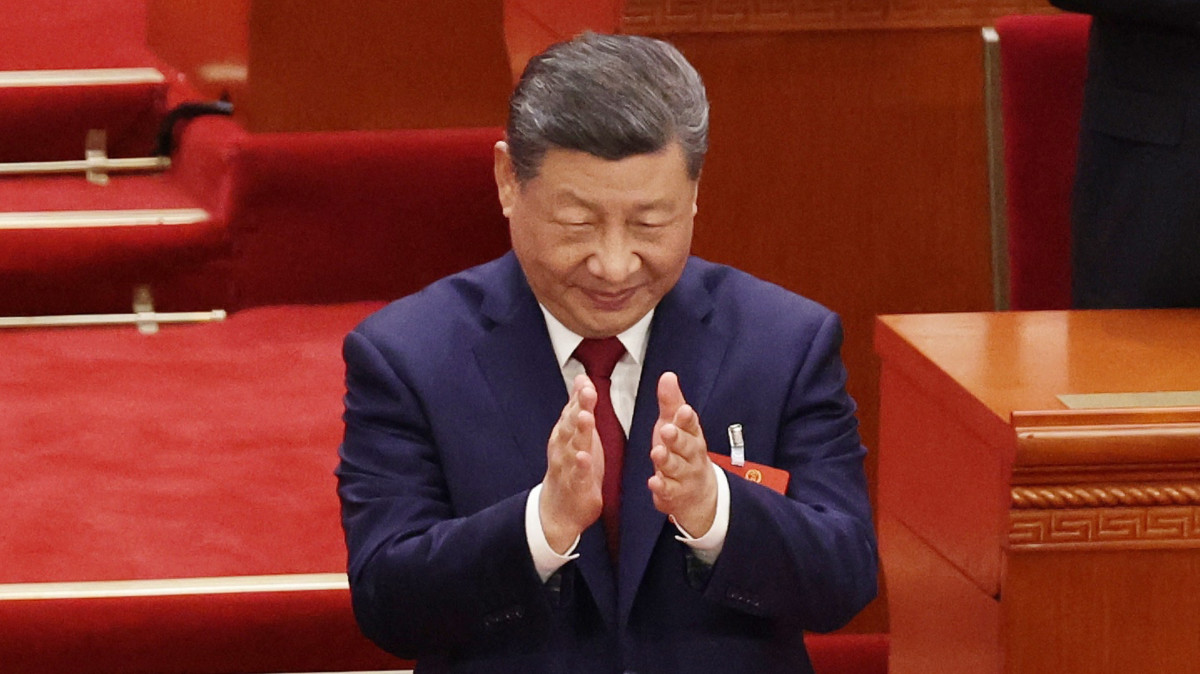
    In a landmark ruling underscoring China’s intensified anti-corruption campaign, a high-ranking former official from Heilongjiang province has been sentenced to life imprisonment for extensive bribery offenses. The Wuxi Intermediate People’s Court in Jiangsu Province delivered the verdict on Tuesday, marking a significant development in the nation’s ongoing battle against graft within its political ranks.

    Li Haitao, previously serving as Vice-Chairman of the Heilongjiang Provincial Committee of the Chinese People’s Political Consultative Conference, was convicted of systematically abusing his official authority over a twenty-year period from 2003 to 2023. Judicial authorities confirmed that Li illicitly accepted approximately 150 million yuan (equivalent to $21.78 million) in bribes from various corporations and individuals seeking preferential treatment in project development, contract awards, and corporate mergers.

    The court imposed additional severe penalties including lifelong deprivation of political rights and comprehensive confiscation of all personal assets. Authorities have already transferred substantial portions of illicit gains to state treasury holdings, with ongoing efforts to recover remaining proceeds from criminal activities.

    Presiding judges noted that while the monumental scale of corruption caused severe damage to national and public interests, sentencing considerations incorporated mitigating factors including Li’s confession, demonstrated remorse, and partial restitution of illegally obtained funds. The judicial process featured a public trial conducted in September of the previous year, during which prosecutors presented extensive evidence before the defendant delivered his final statement admitting guilt.

  • Air strike hit Kabul rehab centre as patients ate dinner, survivor tells BBC

    Air strike hit Kabul rehab centre as patients ate dinner, survivor tells BBC

    A catastrophic aerial bombardment has reduced a drug rehabilitation facility in Kabul to smoldering ruins, marking one of the deadliest incidents in the escalating conflict between Pakistan and Afghanistan. The Omid Addiction Treatment Hospital, formerly known as Camp Phoenix during the U.S.-NATO military operations, was struck during evening hours on Monday as patients were breaking their Ramadan fast and engaging in prayers.

    Emergency response teams continue extraction operations through the debris, with Taliban officials estimating approximately 400 fatalities though official confirmation remains pending. Survivors describe apocalyptic scenes of trapped patients engulfed in flames as the single-story compound became an inferno. Mohammad Shafee, a twenty-year-old patient, recounted his narrow escape while serving dinner: “Only five of us survived after the explosion. When I returned, most colleagues and diners were hit.”

    The geopolitical context reveals deepening tensions: Pakistan maintains the strike targeted “military installations and terrorist support infrastructure,” dismissing Afghan allegations of intentional hospital targeting as “entirely baseless.” This incident occurs amid months of cross-border hostilities, with Islamabad accusing Kabul of harboring militants—a claim Taliban officials vehemently deny.

    Humanitarian consequences are severe: overwhelmed medics treated dozens of wounded amid the ruins while families desperately searched for missing relatives. One mother of nine anxiously awaited news about her husband, a seven-month resident of the facility. The Kabul Forensic Medicine Department has received at least 100 bodies, with many victims severely disfigured complicating identification.

    UN officials report this attack brings at least six Afghan healthcare facilities impacted since late February, highlighting the conflict’s devastating effect on civilian infrastructure. The rehabilitation center itself represented a complex legacy—transitioning from U.S.-NATO military training compound to addiction treatment facility under the Afghan republic government, then continuing operations under Taliban administration as they rounded up drug addicts from streets across provinces.

    The facility, designed for 2,000 occupants, recently held approximately 5,000 patients kept for six-month periods, reflecting Afghanistan’s severe opioid addiction crisis. A separate male addiction facility nearby reportedly remained unaffected by the strike.

  • Iran war’s next escalation could pit US versus Turkey

    Iran war’s next escalation could pit US versus Turkey

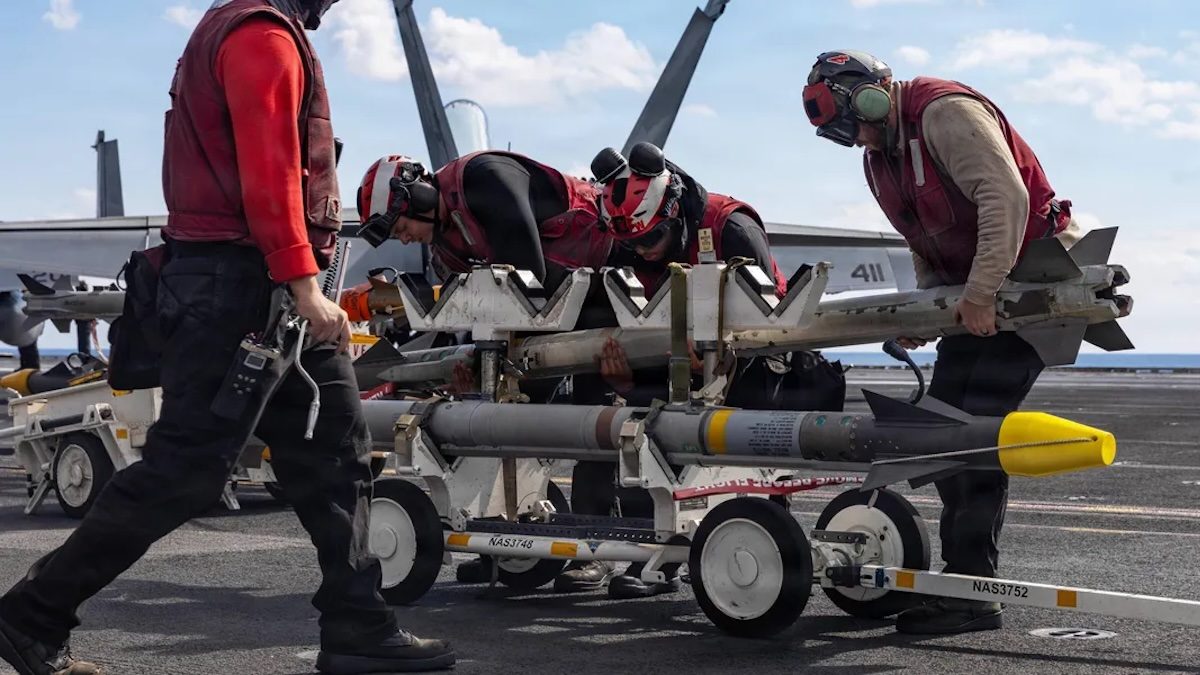
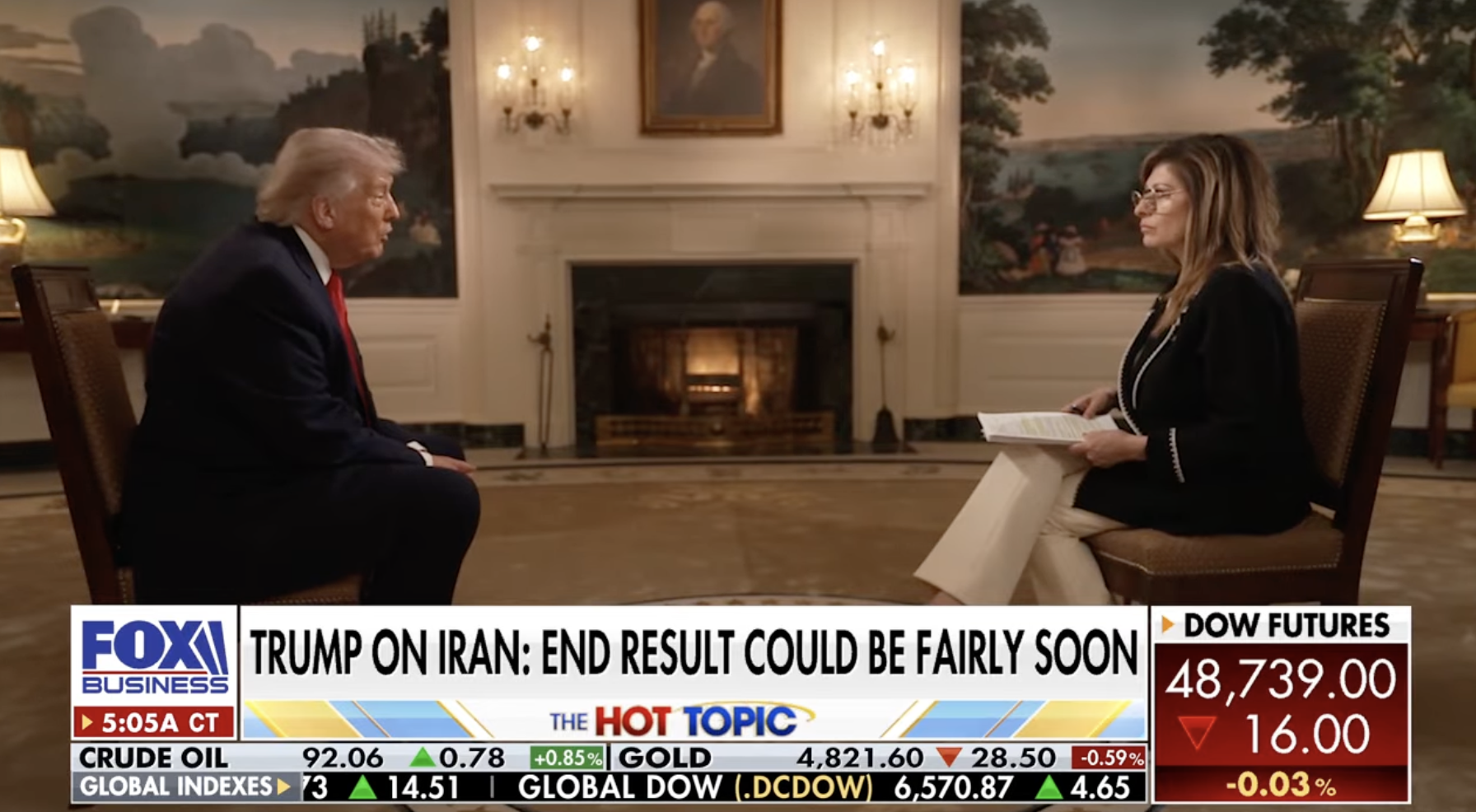
    As U.S.-Israeli military operations against Iran enter their third week, the Trump administration’s strategic objectives appear increasingly fluid, oscillating between degrading Iranian military capabilities and pursuing full regime change. While initial strikes eliminated Supreme Leader Ali Khamenei, defense analysts universally agree that aerial bombardment alone cannot achieve governmental overthrow in Tehran.

    The fundamental obstacle remains the absence of ground forces, an option opposed by most U.S. military and political leadership. This strategic vacuum has elevated discussion of alternative approaches, including supporting armed Kurdish factions from Iraq and Western Iran to destabilize the Islamic Republic internally.

    Despite President Trump’s March 6 declaration that “I don’t want the Kurds to go into Iran… The war is complicated enough as it is,” his documented inconsistency and the conflict’s volatile nature maintain the possibility of Kurdish mobilization. Such development could trigger consequences extending far beyond Iran’s borders.

    The Kurdish people, numbering approximately 30 million across Turkey, Iran, Iraq and Syria, represent the world’s largest stateless ethnic group. Their aspiration for autonomy dates to the Ottoman Empire’s collapse after World War I, when proposed statehood was superseded by division among newly created nations.

    In Iran specifically, Kurds constitute roughly 10% of the population, primarily inhabiting the economically disadvantaged northwestern regions bordering Iraq and Turkey. Iranian Kurdish political parties face prohibition, with periodic armed clashes occurring between separatist groups and state forces.

    The situation presents particular sensitivity for Turkey, which hosts the largest Kurdish population globally. Since 1984, Ankara has engaged in brutal conflict with the Kurdistan Workers’ Party (PKK), resulting over 40,000 casualties. Turkish leadership perceives any empowerment of Kurdish forces in neighboring territories as potentially energizing domestic separatist movements.

    Historical precedent demonstrates Turkey’s willingness to launch cross-border military operations against Kurdish strongholds in Iraq and Syria. Previous U.S. collaboration with Syrian Kurdish forces against Islamic State created significant NATO tensions, with Turkey alleging connections to PKK militants.

    Currently maintaining neutrality in the Iran conflict, Turkey and Iran have historically cooperated on Kurdish containment through intelligence sharing, military coordination, and joint opposition to Iraqi Kurdistan’s 2017 independence referendum (which received 92% approval).

    Experts identify two primary Turkish concerns regarding Iranian regime change: creation of ungoverned spaces enabling Kurdish militant operations along expanded borders, and potential refugee crises mirroring Syria’s aftermath (Turkey already hosts nearly 4 million Syrian refugees).

    While Washington may view Kurdish partnerships as expedient alternatives to American troop deployment, such strategy risks igniting secondary conflicts. Should Kurdish empowerment or border destabilization occur, Turkey could feel compelled to intervene, potentially opening another front in the expanding regional warfare.

  • Beyond the surplus: China’s 50 billion yuan-a-day buying power

    Beyond the surplus: China’s 50 billion yuan-a-day buying power

    While global attention frequently centers on China’s substantial trade surplus, a compelling counter-narrative reveals the nation’s massive import capacity that fundamentally reshapes global trade dynamics. Official data indicates China maintains an extraordinary import rhythm, purchasing approximately 35 million yuan worth of goods every minute, accumulating to nearly 50 billion yuan daily and approximately 18.5 trillion yuan annually.

    This sustained import performance has secured China’s position as the world’s second-largest import market for 17 consecutive years, demonstrating consistent and massive demand for international products and commodities. The scale of China’s importing activity represents a crucial economic engine for exporting nations worldwide, creating substantial market opportunities across diverse sectors including agriculture, technology, manufacturing, and consumer goods.

    The import figures challenge simplified characterizations of China’s trade relationships, revealing a complex economic ecosystem where China functions simultaneously as both global supplier and massive consumer. This dual role highlights the interdependence of global supply chains and China’s integral position within international trade networks.

    Recent developments including China’s continued market liberalization measures and participation in multilateral trade agreements suggest this import trajectory will likely intensify, potentially creating new opportunities for international exporters seeking access to China’s vast consumer market and industrial base.

  • Taliban says hundreds killed in Pakistani air strike on Kabul hospital

    Taliban says hundreds killed in Pakistani air strike on Kabul hospital

    A significant escalation in cross-border hostilities has erupted between Afghanistan and Pakistan, with the Taliban government leveling a grave accusation against its neighbor. Senior Taliban official Hamdullah Fitrat, serving as deputy spokesman, has publicly charged Pakistan with conducting a lethal assault on the Omid Addiction Treatment Hospital in Kabul. The facility, described as a 2,000-bed drug rehabilitation center, was reportedly struck on Monday evening.

    According to Taliban claims, the attack resulted in catastrophic structural damage to the hospital complex. Disturbing imagery circulated by international news agencies depicted rescue personnel from the Afghan Red Crescent organization extracting numerous victims from the collapsed wreckage. Survivors were photographed congregating in makeshift triage areas near the devastation.

    Fitrat provided a stark casualty assessment via social media platform X, stating: ‘As a consequence of this aggression, substantial portions of the medical facility have been demolished. We hold serious apprehensions regarding a substantial death toll, which has regrettably reached approximately 400 fatalities, with an additional 250 individuals sustaining injuries.’

    The Pakistani government has issued an emphatic rebuttal of these allegations. Information Minister Attaullah Tarar dismissed the reports as ‘factually incorrect and deliberately crafted to misguide international perception.’ Official statements from Islamabad maintain that military operations exclusively targeted terrorist infrastructure allegedly operated by Afghan-based militants.

    Minister Tarar specified that precision strikes were conducted against bases utilized by the Taliban regime to support armed factions designated as Fitna Al Khawarij and Fitna Al Hindustan. These groups have claimed responsibility for numerous attacks against Pakistani military and civilian targets in border regions including Balochistan and Khyber Pakhtunkhwa.

    This incident exacerbates already deteriorating diplomatic relations between the neighboring nations. Tensions have intensified considerably since the Taliban’s ascension to power in 2021 following the United States’ withdrawal from Afghanistan. Former strategic allies have engaged in open conflict since February, with both sides reporting hundreds of combatant casualties in border skirmishes.

    The geopolitical complexity is deepened by ethnic dimensions, as the Taliban predominantly comprises Pashtun members. This ethnic group maintains a significant population of approximately 40 million within Pakistan’s 200 million citizens, further complicating bilateral relations. Both nations routinely exchange accusations regarding civilian targeting and support for insurgent groups operating across their shared 2,640-kilometer frontier.

  • Tunisia detains seven Gaza flotilla activists

    Tunisia detains seven Gaza flotilla activists

    A Tunisian judicial authority has mandated the pre-trial incarceration of seven activists affiliated with the pro-Palestinian initiative Global Sumud, invoking the nation’s anti-terrorism legislation on grounds of alleged financial misconduct. The detained individuals, including prominent figures Wael Naouar, his spouse Jawaher Channa, Nabil Chennoufi, Mohamed Amine Bennour, and Sana M’hidli, were initially apprehended on March 6th following a tense encounter with security forces at Sidi Bou Said port.

    Legal representative Sami Ben Ghazi confirmed to AFP that formal arrest warrants were issued after a ten-day police custody period, charging the group with orchestrating a ‘money laundering conspiracy.’ The allegations reportedly stem from fundraising activities conducted during the flotilla’s inaugural humanitarian mission to Gaza in September, though specific evidentiary details remain undisclosed.

    The judicial proceedings have drawn sharp criticism from human rights advocates and civil society organizations. Mahdi Elleuch, a noted Tunisian activist, condemned the actions as systematic repression of political expression, stating: ‘The regime is repressing all forms of political and social activism, including in support of the Palestinian cause. It consistently employs fabricated charges through a compliant judiciary.’

    Dissent manifested visibly as dozens of protesters congregated outside the Financial Judicial Centre, decrying the prosecution as politically motivated. This development occurs within a broader context of intensified governmental crackdowns following President Kais Saied’s 2021 power consolidation, which has witnessed mounting restrictions on civil liberties, press freedom, and organizational operations.

    Global Sumud representatives characterized the detentions as representing ‘a troubling break with Tunisia’s long history of solidarity with the Palestinian people,’ particularly when combined with recent prohibitions on lawful assemblies. The organization, which coordinates maritime aid missions to challenge the Israeli blockade of Gaza, frames its activities as non-violent responses to humanitarian crisis conditions.

    Amnesty International’s Tunisia division expressed grave concern regarding the ‘alarming arrests and increasing restrictions on peaceful gatherings,’ highlighting a deteriorating environment for human rights defenders. The incident precedes the group’s announced second aid convoy to Gaza, described as their largest humanitarian undertaking to date.

  • From Gaza to Tehran, Palestinians and Iranians compare life under the bombs

    From Gaza to Tehran, Palestinians and Iranians compare life under the bombs

    Residents of Tehran and other Iranian cities are experiencing haunting parallels to the destruction in Gaza as civilian infrastructure becomes systematic military targets in the ongoing conflict. The pattern of attacks on schools, hospitals, and residential areas has created eerie similarities that both Iranians and Palestinians recognize as part of a devastating regional strategy.

    The war’s impact on education has been particularly severe. Multiple schools across Iran have suffered direct hits, including the Shajareh Tayyebeh school in Minab where a double-tap strike killed at least 168 people. The targeting of educational institutions mirrors the systematic destruction of Gaza’s school system, where over 97% of schools have been damaged or destroyed according to UNICEF data.

    Healthcare facilities have similarly become battlegrounds. Tehran’s Gandhi Hospital suffered significant damage to its IVF department, creating anguish for prospective parents who lost genetic materials. This pattern directly recalls the destruction of Gaza’s al-Basma IVF Center in December 2023, which wiped out nearly 4,000 frozen embryos. The targeting of medical infrastructure follows a documented pattern from Gaza, where 94% of medical facilities have been damaged and no fully functional hospitals remain according to the WHO.

    Civilian casualties have mounted rapidly, with at least 1,444 civilians killed in the first two weeks of conflict—a rate comparable to the initial phase of the Gaza offensive that claimed over 4,100 Palestinian lives in a similar timeframe. The psychological impact on survivors is profound, with many reporting sleep disturbances from constant bombardment and trauma from witnessing destruction they previously only saw in news reports from other conflict zones.

    Regional analysts and residents note that the tactical approach appearing in Iran reflects testing and refinement of methods previously deployed in Gaza, with similar patterns now emerging in Lebanon and Syria. The consistent targeting of civilian infrastructure across multiple conflicts suggests a strategic doctrine rather than isolated incidents, creating humanitarian crises that will require years of reconstruction and recovery.

  • Iran security chief Ali Larijani killed, claims Israeli defence minister

    Iran security chief Ali Larijani killed, claims Israeli defence minister

    Israeli Defense Minister Israel Katz declared on Tuesday that Ali Larijani, a prominent Iranian security chief, had been eliminated in a targeted Israeli military operation. The announcement followed Monday night strikes, with four Israeli officials confirming to Reuters that Larijani was the intended target, though initial assessments could not confirm whether the operation resulted in his death or injury.

    Contradicting the Israeli claim, a handwritten note attributed to Larijani surfaced on his Telegram channel shortly after Katz’s statement. The message paid homage to recently deceased Iranian naval personnel ahead of a scheduled funeral ceremony, casting immediate doubt on the success of the Israeli operation. Iranian authorities have yet to issue an official confirmation regarding Larijani’s status.

    Larijani’s significance within Iran’s political hierarchy has substantially increased following the assassination of former Supreme Leader Ayatollah Ali Khamenei two weeks prior, with many observers viewing him as the nation’s de-facto leader. His public presence was noted as recently as Friday during mass Al-Quds Day rallies in Tehran.

    In a related development, the Israeli military confirmed successfully targeting and eliminating Gholamreza Soleimani, commander of Iran’s Basij paramilitary force, during overnight operations. The strike reportedly destroyed a recently established tent camp after several Basij headquarters sustained damage from previous Israeli attacks. The operation also claimed the lives of the paramilitary’s deputy commander and additional high-ranking officials, according to Israeli military statements.

    Separately, Israeli forces targeted Akram al-Ajouri, a senior leader of Palestinian Islamic Jihad, in a strike conducted days earlier within Iranian territory. Military officials indicated al-Ajouri was likely killed but emphasized confirmation efforts remain ongoing.

    These developments occur against the backdrop of heightened tensions, with the United States having offered a $10 million reward just days earlier for information on Larijani and nine other Iranian officials linked to the Islamic Revolutionary Guard Corps.

  • Damascus authorities ban alcohol sales in non-Christian areas

    Damascus authorities ban alcohol sales in non-Christian areas

    The transitional government in Damascus has enacted a sweeping prohibition on alcohol sales throughout the Syrian capital, marking a significant shift in social policy since the overthrow of Bashar al-Assad’s regime. The new regulations, announced Monday, forbid the sale of alcoholic beverages in restaurants and nightclubs across most of the city, citing numerous public complaints and aiming to eliminate practices deemed contrary to public morals.

    The ban contains notable exceptions for three predominantly Christian districts—Bab Touma, Qassaa, and Bab Sharqi—where alcohol sales will be permitted under strict conditions. Establishments in these exempted areas must hold specific commercial building permits and may only sell sealed containers for takeaway consumption. Additionally, all businesses authorized to sell alcohol must maintain a minimum distance of 75 meters from religious sites, educational institutions, and cemeteries, and at least 20 meters from police stations and government buildings.

    This policy represents a departure from the government’s previous restraint in imposing social restrictions since President Ahmed al-Sharaa assumed power in December 2024. Sharaa, whose former Hay’at Tahrir al-Sham group was once affiliated with al-Qaeda, had largely avoided such measures until recent months. The alcohol ban follows other controversial regulations, including January’s prohibition on makeup for female public sector employees and last year’s mandate requiring full-body swimsuits on public beaches.

    The sectarian nature of the exemptions has sparked significant criticism from various segments of Syrian society. Many secular Sunnis and religious minorities view the ban as an infringement on civil liberties, while analysts argue the neighborhood-specific exemptions institutionalize religious segregation. Syrian analyst Jihad Yazigi noted on social media platform X that the decision effectively creates division between Muslim and Christian communities, reversing historical trends toward integration that had begun even during the late Ottoman period.

    The controversial social policies emerge as the transitional government faces multiple challenges, including domestic unrest, Israeli attacks, and complex diplomatic relations with former allies and adversaries. The government’s legitimacy remains questioned following October’s parliamentary elections, where Sharaa directly appointed one-third of representatives while government-appointed committees selected the remainder. The electoral process notably excluded the Druze-majority Sweida province and Kurdish-held northeast regions, leaving 32 parliamentary seats vacant.

    According to a temporary constitution announced in March, the current parliament will exercise legislative functions throughout a five-year transitional period until permanent constitutional arrangements can be established. Government officials maintain that conventional elections remain unworkable following Syria’s devastating 13-year conflict, which resulted in hundreds of thousands of deaths and millions displaced. However, the selection process has disappointed pro-democracy advocates who had anticipated more substantial political reforms following Assad’s ouster.

  • China sees fewer fires, casualties in 2025

    China sees fewer fires, casualties in 2025

    China’s fire safety landscape showed marked improvement in 2025 with substantial reductions in both fire incidents and associated casualties, according to official data released by the National Fire and Rescue Administration. The comprehensive statistics reveal a nationwide total of 841,000 fires throughout the year, representing a notable 7.6 percent decrease compared to 2024 figures.

    Spokesperson Wang Wei presented the annual fire safety report at a Tuesday press conference, detailing significant reductions in human casualties alongside the decline in fire occurrences. Fatalities dropped by 9.5 percent while injuries saw an even more substantial reduction of 19.6 percent. Despite these improvements, direct property losses experienced a marginal increase of 1.8 percent, reaching 8.53 billion yuan (approximately $1.24 billion).

    The firefighting infrastructure demonstrated remarkable activity levels throughout the year, with records showing 25.93 million firefighter deployments and 4.699 million fire engine dispatches. Wang emphasized that “more than half of these dispatches were specifically allocated to firefighting and rescue operations,” highlighting the diverse emergency response capabilities of China’s fire services.

    Analysis of three-year statistical trends identified persistent patterns in fire causation and location. Residential fires continue to pose significant challenges, accounting for nearly 30 percent of all annual fires and approximately 80 percent of structure fires. Electrical system failures and careless fire usage remain the predominant causes of these incidents.

    In response to these findings, the administration has advocated for expanded installation of early detection and alarm systems in residential settings. Particular emphasis has been placed on protecting vulnerable demographics, including elderly individuals living alone and “left-behind” children whose parents work in distant locations.