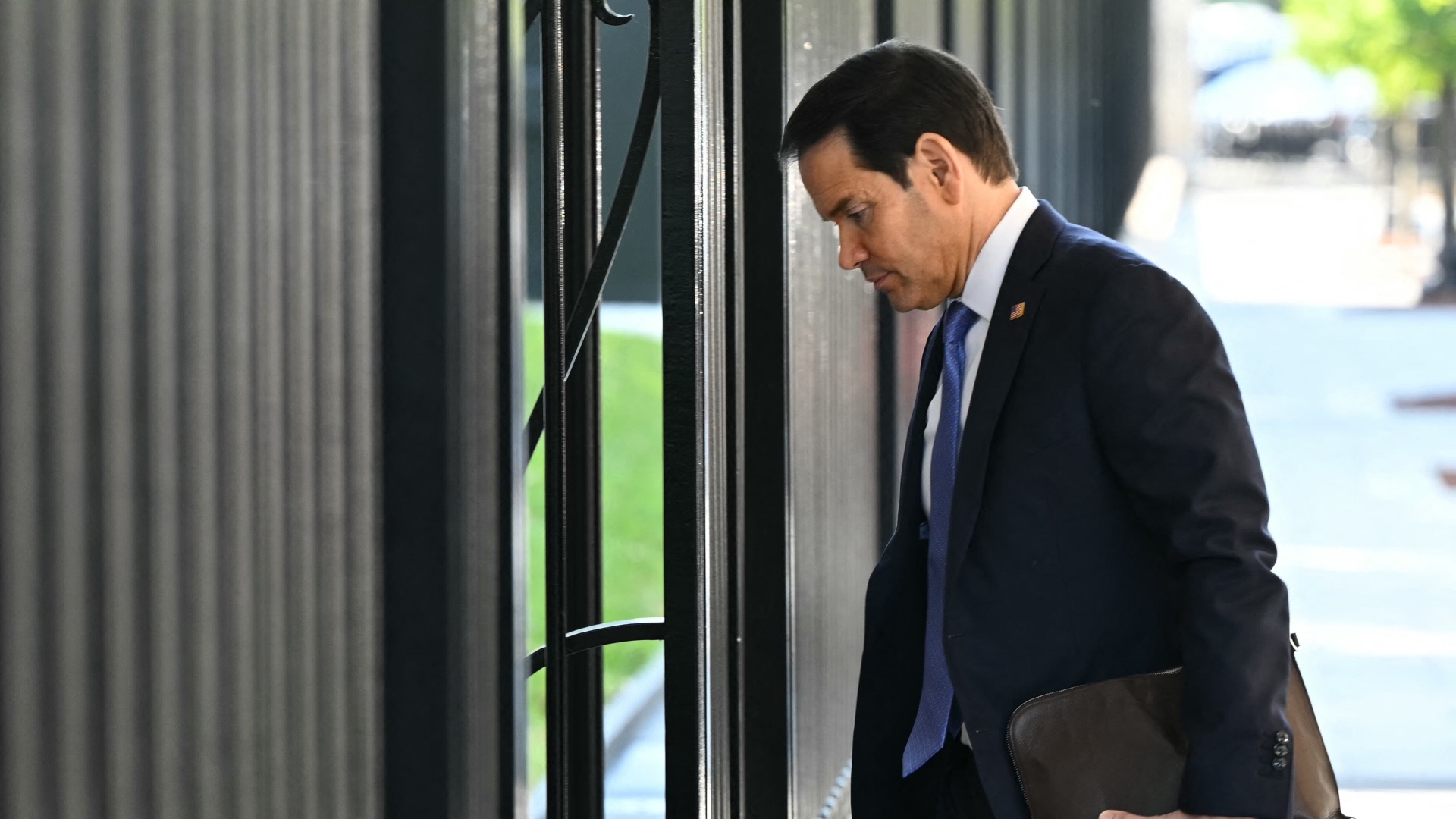
Nearly three years after the chaotic 2021 U.S. withdrawal from Afghanistan, more than 1,100 Afghan allies with verified ties to the U.S. military and government remain trapped in a geographic and bureaucratic limbo at Camp As Sayliyah, a U.S.-operated military base tucked into Qatar’s arid desert. What was supposed to be a maximum 21-day waiting period for U.S. resettlement has stretched into years, leaving the group confined to the base with no legal permission to reside in Qatar, forbidden from leaving the compound. One resident previously described the facility to Middle East Eye as little more than an open-air prison.
Now, a new and deeply controversial proposal has sparked outrage from refugee advocacy groups: transfer the entire cohort to the Democratic Republic of Congo for permanent resettlement, according to #AfghanEvac, a leading advocacy organization working to evacuate and resettle Afghan allies.
The Trump administration, which took office in 2025, originally ordered the Camp As Sayliyah facility closed by March 31 of this year, giving the stranded Afghans a firm deadline to find a new host country after the administration reversed prior commitments to bring all vetted allies to the U.S. To date, no permanent resettlement destination had been publicly confirmed, until details of the DRC plan emerged during a recent virtual press briefing held by #AfghanEvac last week.
Shawn VanDriver, president of #AfghanEvac, told reporters that the current proposal would send Afghan interpreters, former special operations personnel, and immediate family members of more than 150 current and recently separated U.S. service members to a country grappling with multiple overlapping crises. The DRC already hosts over 600,000 displaced people from regional conflicts, is engaged in active armed hostilities with Rwanda, and is classified by the United Nations as one of the world’s worst humanitarian displacement emergencies. The U.S. State Department also maintains a Level 3 travel advisory for the DRC, a strong official warning that advises U.S. citizens against all non-essential travel to the country due to widespread violence, crime, and political instability.
“This plan cannot stand,” VanDriver emphasized, arguing that forcing vulnerable Afghans who worked alongside the U.S. to resettle in an active conflict zone violates every commitment Washington made to these allies.
U.S. State Department officials have neither confirmed nor denied the DRC proposal, stating only that the agency is actively working to identify viable resettlement options for all Camp As Sayliyah residents. In a statement emailed to Middle East Eye, a department spokesperson framed third-country resettlement as a “positive resolution” that would allow Afghans to build new lives outside Afghanistan while upholding U.S. national security priorities. The spokesperson added that the agency maintains regular direct communication with residents, and would not disclose details of ongoing negotiations due to the sensitivity of the process.
Middle East Eye’s request for comment to the Department of Homeland Security, asking whether new DHS Secretary Markwayne Mullin – who has a public record of supporting Afghan ally resettlement efforts – has been involved in discussions, was redirected to the State Department.
The controversy has already sparked partisan finger-pointing over the years-long delay. The Trump administration has blamed the prior Biden administration for what it calls a rushed, flawed vetting process for Afghan allies evacuated after the 2021 withdrawal. But Jon Finer, Biden’s former deputy national security advisor, pushed back against that characterization during the #AfghanEvac briefing. He clarified that the evacuation operation for Afghan allies, dubbed Operation Enduring Welcome, was not an unplanned emergency pullout, but a structured, deliberate resettlement pipeline.
Finer also confirmed that the Biden administration preserved and strengthened the strict enhanced vetting frameworks developed over decades, including those put in place during the first Trump administration. “They are, by design and by implementation, the most vetted lawful immigrants to the United States among all the categories of people who come,” Finer said of the Camp As Sayliyah residents, adding that all 1,100 people currently held at the base have already completed full vetting for U.S. immigration. #AfghanEvac’s data confirms that more than 200,000 Afghans have already successfully been resettled in the U.S. through this exact same vetting process with no reported security incidents.
Earlier this year, the State Department launched a controversial voluntary departure program, offering cash payments to Afghans who leave the base on their own. Then-Assistant Secretary of State Samir Paul Kapur told lawmakers in February that 150 Afghans had already accepted the payments, but Camp As Sayliyah residents told Middle East Eye that many of those who accepted the offer had no other viable option and chose to return to Afghanistan, where they face targeted violence from the Taliban for their past work with the U.S.
VanDriver rejected framing the program as a voluntary choice, noting that Afghans were given only two unacceptable options: return to Taliban-controlled Afghanistan or relocate to a conflict zone in the DRC. “You cannot call a choice voluntary when the two options are Congo and the Taliban, civil war or an oppressor who wants to kill you,” VanDriver said. “That is not a choice. That is a confession extracted under duress.”
Last weekend, VanDriver led a bipartisan congressional delegation to visit the Camp As Sayliyah facility, where his organization collected a video plea from 14-year-old stranded resident Zahra. In her message, addressed to U.S. First Lady Melania Trump, Zahra asked simply for “a peaceful life, a chance to get a better education, and a brighter future” that the U.S. had promised her and her family for their service alongside American forces.