标签: Asia

亚洲

  • Ningxia students continue 31-year tradition with 54-km trek to honor martyrs

    Ningxia students continue 31-year tradition with 54-km trek to honor martyrs

    As Qingming Festival, China’s annual traditional occasion for honoring ancestors and fallen heroes, approaches each year, a moving and long-standing tradition unfolds across the mountainous terrain of Ningxia Hui Autonomous Region in northwest China. For 31 consecutive years, thousands of participants have undertaken a grueling 54-kilometer round-trip trek to reach the Renshanhe Martyrs Cemetery, turning physical endurance into a powerful act of remembrance for the nation’s fallen soldiers.

    This year’s journey kicked off in the pre-dawn darkness at 5 a.m. on April 3, when more than 3,000 participants gathered in Guyuan city to set off for the cemetery located in Pengyang county. Covering the 54-kilometer round trip takes approximately 17 hours of nonstop walking through steep, rugged upland terrain, a challenge that tests both physical stamina and mental resilience for everyone taking part. What began as a small, student-led initiative has evolved over more than three decades into a beloved, cross-community annual event deeply rooted in local collective memory.

    The tradition traces its origins back to 1995, when a small group of students from two local middle schools first organized the trek to connect younger generations with the sacrifices of previous generations. Over the following decades, what started as a small student memorial activity gradually expanded beyond school campuses to draw participants from all sectors of the local community. According to local government officials, 2025’s event retained this inclusive spirit: alongside participating students, the trek included young community volunteers and more than 700 individuals from a wide range of professional and social backgrounds.

    Widely described locally as a “walking ideological and political class”, the annual trek does more than honor fallen heroes — it gives participants a hands-on opportunity to reflect on history, build collective resilience, and pass down stories of national sacrifice to younger generations. For 31 years, this extraordinary act of remembrance has remained a powerful reminder of the enduring connection between Ningxia’s local communities and the martyrs who gave their lives for the nation.

  • 3 dead, 1 missing after 40-meter scaffolding collapse near Tokyo

    3 dead, 1 missing after 40-meter scaffolding collapse near Tokyo

    A devastating industrial accident has shaken Kawasaki City, the port-side neighbor of Japan’s capital Tokyo, leaving three construction workers dead and one still unaccounted for after a massive 40-meter scaffolding structure collapsed during scheduled crane dismantling work at a local steelmaking complex.

    Local Japanese media confirmed the incident unfolded shortly after 4:30 p.m. local time on Monday, April 7 2026, at the waterfront industrial site located in Kanagawa Prefecture. When the structure gave way, five workers who were carrying out on-site operations fell from the height. Emergency response teams were quickly dispatched to the accident location, and managed to pull four of the five workers from the collapse site to transport them to nearby medical facilities. Unfortunately, medical personnel pronounced three of the rescued workers dead upon arrival or shortly after admission. The fifth worker remains missing, with search and rescue teams working under the assumption that they fell into the adjacent waters of Tokyo Bay.

    Preliminary investigations into the cause of the collapse point to a catastrophic failure of a critical crane component. At the time of the incident, crews were in the process of dismantling a large cargo crane used to load and unload goods from cargo vessels visiting the steel plant. A 500-tonne cylindrical counterweight, which was installed on the crane to maintain structural balance during operations, became detached and fell from the crane structure. The force of the hundreds-of-tonne weight striking the platform is what triggered the collapse of the surrounding scaffolding, according to initial reporting from Japan’s public broadcaster NHK.

    Japanese law enforcement authorities have launched a full investigation into the tragedy, with a key focus on whether proper industry safety protocols were followed throughout the dismantling project. Investigators are examining whether sufficient risk assessments were completed, whether structural supports were properly installed before work began, and whether all on-site workers received adequate safety training ahead of the high-risk operation. Meanwhile, search and rescue teams continue their urgent efforts to locate the missing worker, with coastal patrol units and dive teams deployed to search the surrounding waters.

    The accident marks one of the deadliest industrial incidents in Japan’s greater Tokyo region this year, renewing discussions about workplace safety standards for large-scale demolition and dismantling projects across the country’s industrial sector.

  • Former Sinochem executive prosecuted for bribery, abuse of power

    Former Sinochem executive prosecuted for bribery, abuse of power

    China’s Supreme People’s Procuratorate announced Wednesday that Feng Zhibin, the 62-year-old former deputy general manager of Sinochem Group, has been formally prosecuted on three criminal charges: bribery, influence trading, and abuse of power by a state-owned enterprise personnel.

    The corruption case against Feng was first investigated and closed by the National Commission of Supervision, China’s top anti-graft watchdog, before being transferred to prosecutorial authorities for review. Following a designation from the Supreme People’s Procuratorate, the Heilongjiang Provincial People’s Procuratorate approved Feng’s arrest, and the Daqing People’s Procuratorate has now lodged a public indictment with the Daqing Intermediate People’s Court, bringing the high-profile case one step closer to trial.

    Prosecutors laid out detailed allegations of Feng’s misconduct spanning his decades-long tenure in senior leadership roles at the major state-owned conglomerate. Over his career, Feng held a string of key positions at Sinochem, including assistant general manager, general manager of the group’s investment department, chairman and general manager of Sinochem Lantian Corporation, general manager of Sinofert Holding Limited, and ultimately deputy general manager of the parent Sinochem Group, before becoming chairman of Sinochem International Corporation in 2016. According to the indictment, Feng abused the authority granted by these posts to secure illicit benefits for third parties in exchange for accepting large sums of money and high-value assets.

    Even after stepping down from his official roles, prosecutors say Feng continued to exploit the influence of his former senior positions. He is accused of leveraging his past status to pressure other sitting state functionaries into granting illegal benefits to associates, once again accepting substantial improper payments and valuables in return.

    The prosecution adds that as a senior employee of a state-owned enterprise, Feng’s deliberate abuse of power for personal gain has caused severe financial losses to Sinochem Group and inflicted major damage on national interests. Legal officials note that Feng’s actions meet the criteria for criminal liability on all three charges brought against him.

    Feng’s career at Sinochem began in 2000, when he joined the group and quickly rose through the corporate ranks. In June 2018, he officially resigned from all his positions at the conglomerate, citing personal reasons. Formal anti-graft investigations into Feng were launched in July 2025, and he was expelled from the Communist Party of China in January 2026 as investigations uncovered evidence of his wrongdoing.

    Headquartered in Beijing, Sinochem Group operates as a wholly owned subsidiary of Sinochem Holdings Corporation, one of China’s core centrally administered state-owned enterprises overseen by the State-owned Assets Supervision and Administration Commission of the State Council. A leading market player in China’s energy and chemical sectors, Sinochem also maintains major business footprints in urban infrastructure operations and non-banking financial services.

  • Mainland reiterates readiness to strive for peace across Taiwan Strait

    Mainland reiterates readiness to strive for peace across Taiwan Strait

    BEIJING – A senior spokesperson from China’s mainland authorities reaffirmed Wednesday the mainland’s consistent commitment to pursuing peaceful development across the Taiwan Strait, during a press briefing addressing a landmark visit by a delegation from Taiwan’s Kuomintang (KMT) party.

    The KMT delegation, headed by party chairwoman Cheng Li-wun, touched down in Shanghai on Tuesday, kicking off a six-day visit that will take the group through Jiangsu Province, Shanghai and Beijing, concluding this coming Sunday. This trip marks the first time in 10 years that a sitting KMT chairperson has led a party delegation to the Chinese mainland, marking an important moment for cross-Strait exchanges after a decade of limited high-level party-to-party contact.

    Zhu Fenglian, spokesperson for the State Council Taiwan Affairs Office, laid out the mainland’s stance in response to questions about the visit. “On the shared political foundation of upholding the 1992 Consensus and opposing ‘Taiwan independence,’ we stand ready to work with all political parties, groups and individuals across Taiwan – the Kuomintang included – to advance the steady, peaceful development of cross-Strait relations,” Zhu stated.

    Zhu further emphasized that both sides of the Taiwan Strait are part of one indivisible China, and that questions concerning cross-Strait ties are internal matters that must be resolved through dialogue and consultation between Chinese people on both sides. She added that compatriots across the Strait share sufficient wisdom and collective capability to resolve their own issues in a way that serves the common interests of all Chinese people.

    The visit comes as cross-Strait relations have faced heightened tensions in recent years, driven by pro-separatist forces on the island and external interference. The high-profile KMT visit is widely seen as an opportunity to restart people-to-people and party-to-party exchanges, opening a new channel for dialogue to reduce misunderstanding and lower regional risks.

  • Man fined after breaking into viral hippo Moo Deng’s enclosure

    Man fined after breaking into viral hippo Moo Deng’s enclosure

    In 2024, a baby pygmy hippo named Moo Deng took the internet by storm, capturing millions of hearts across social media with her playful antics. But the endangered animal’s sudden global fame brought an unexpected incident: a man broke into her enclosure at Thailand’s Khao Kheow Open Zoo, and a local court has now handed down a $300 fine for the trespassing offense.

    Khao Kheow Open Zoo, located roughly a two-hour drive northeast of Bangkok, confirmed the court’s ruling to AFP. Zoo director Narongwit Chodchoy stated that the unidentified intruder entered Moo Deng’s habitat last month, and was recently found guilty of violating zoo regulations. Local media circulated public footage of the incident, showing the man standing inside the restricted enclosure while recording the young hippo on a tablet device.

    After the intrusion, zoo assessments confirmed Moo Deng was not physically harmed, though the unexpected encounter left the baby hippo slightly startled. She currently resides at the zoo alongside her mother, Jonah.

    For zoo leadership, the court’s verdict carries a clear message about protecting animal welfare. “This decision shows that no one can violate animals’ rights, no matter whether they are in an enclosure or in the wild,” Chodchoy told reporters.

    The incident has prompted the zoo to revisit its security and staff training protocols. Previously, training focused heavily on responses to animal escapes; moving forward, staff will also receive specialized training on how to handle human intruders entering restricted animal areas. “We learned from this lesson and will not allow it to happen again – not to Moo Deng and not to other animals in the zoo,” Chodchoy added.

    Alongside updated training, the facility has ramped up regular security patrols across all animal enclosures to prevent future trespassing attempts. The intruder was sentenced to a 10,000 baht fine, equivalent to approximately $300 or £223.

    Moo Deng rose to global fame immediately after her birth in July 2024. Her name translates roughly to “bouncy pig” in English, a playful moniker that matched her energetic personality that won over online audiences. After Khao Kheow Open Zoo shared clips of her exploring and playing on social media, the videos quickly went viral, spawning thousands of memes and turning the baby hippo into a global viral sensation.

    Moo Deng’s fame translated directly to a massive boost in zoo attendance. Thousands of visitors flocked to the facility every weekend just to catch a glimpse of the young pygmy hippo, and unofficial and official Moo Deng-themed merchandise — including branded clothing and accessories — quickly hit the market to meet demand from dedicated fans. Pygmy hippos are classified as an endangered species, making Moo Deng’s popularity a unexpected win for raising global awareness about the conservation of the species.

  • White crocuses bloom after snow retreats in Xinjiang

    White crocuses bloom after snow retreats in Xinjiang

    Every spring, as the cold grip of winter loosens its hold on northwestern China, a quiet, breathtaking natural spectacle unfolds in the high meadows of Xinjiang’s Narat Grassland. Located 2,000 meters above sea level in Xinyuan County, Ili Kazak Autonomous Prefecture, Xinjiang Uygur Autonomous Region, this vast alpine landscape has just welcomed one of its most anticipated seasonal events: the first bloom of wild white crocuses emerging after the last winter snow melts away.

    Once the retreating snow exposes the damp, nutrient-rich alpine soil, the delicate crocus shoots push steadily through the earth to greet the spring sun. Their pure white petals open slowly to cradle bright yellow stamens, creating a striking contrast against the vivid backdrop of clear blue spring skies and the permanently snow-capped peaks of the Tianshan Mountains that rise along the horizon.

    The short but spectacular bloom has quickly become a magnet for nature lovers and tourists, who travel to the high meadows to witness the fleeting display. Many stop along the grassland slopes to capture photographs of the one-of-a-kind alpine tableau, turning the quiet post-winter meadows into a popular seasonal destination for visitors eager to experience the early beauty of spring in Xinjiang.

  • Full text of Iran’s National Security Council statement on ceasefire

    Full text of Iran’s National Security Council statement on ceasefire

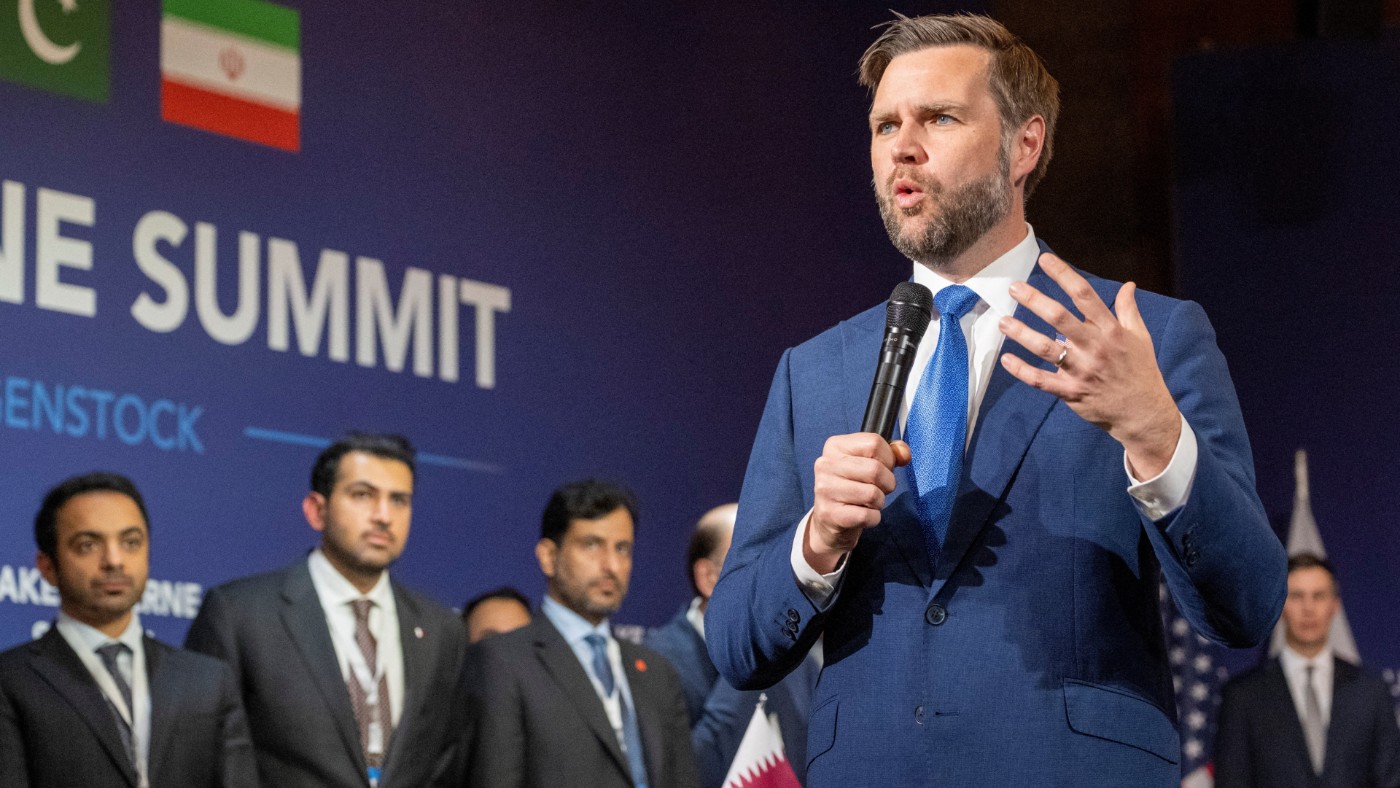
    After 40 days of open conflict that ignited when US and Israeli forces launched strikes on Iranian targets, triggering cross-regional retaliatory missile and drone attacks that pushed the Middle East to the brink of full-scale war, a two-week ceasefire has entered into force, opening a fragile diplomatic window to de-escalate tensions. The outbreak of fighting severely disrupted commercial shipping through the Strait of Hormuz, the world’s most critical chokepoint for global energy supplies, stoking widespread international alarm over the risk of a broader regional conflict that could send shockwaves through the global economy.

    The ceasefire agreement, announced by former US President Donald Trump, was brokered through extensive mediation led by the government of Pakistan, and it is conditional on the full reopening of the Strait of Hormuz to commercial traffic, with formal negotiations set to kick off in Islamabad in the coming days. Both Washington and Tehran have claimed victory from the period of open conflict: US officials assert that American forces achieved all core military objectives set out at the start of hostilities, while Iranian authorities frame the ceasefire as a triumph that forced the United States to agree to negotiate based on Tehran’s pre-set 10-point framework of demands.

    Key agenda items for the upcoming talks include rules governing maritime transit through the Strait of Hormuz, full relief for Iran from international and US sanctions, and a negotiated settlement over the future presence of US combat forces across the Middle East. Iranian officials have stressed that the opening of negotiations does not mark a permanent end to hostilities, while their US counterparts have described the diplomatic process as a rare opportunity to forge a broader, long-term stability agreement. Most independent observers characterize the ceasefire as a temporary pause to de-escalate, rather than a durable resolution, with the final outcome of talks remaining deeply uncertain.

    In a full official statement released by Iran’s Supreme National Security Council, Tehran framed the ceasefire as an undeniable, historic defeat for US and Israeli aggression. The statement credits what it calls the strategic prudence of Iran’s supreme leadership, the bravery of Iranian and Axis of Resistance fighters across the region, and the unified mass support of the Iranian people for forcing the US to accept Tehran’s 10-point terms as a basis for negotiations. The core demands laid out in the Iranian framework include a binding US commitment to refrain from future aggression against Iran, permanent recognition of Iran’s full sovereignty over the Strait of Hormuz, international recognition of Iran’s right to nuclear enrichment, full lifting of all primary and secondary sanctions on Iran, termination of all hostile UN Security Council and International Atomic Energy Agency Board of Governors resolutions against the country, full compensation for damages Iran has sustained from decades of US hostilities, complete withdrawal of all US combat forces from the Middle East region, and an end to all US support for military campaigns against the Axis of Resistance, including Hezbollah in Lebanon.

    The statement notes that from the opening hours of the conflict, US and Israeli leadership held wildly optimistic assumptions that a rapid military campaign would force Iran into full surrender, partition the country, and seize its natural energy resources. These plans failed entirely, the statement argues, due to coordinated defensive and offensive operations by Iran and its resistance allies that inflicted irreversible damage to US military infrastructure across the region, weakened the Israeli military’s position in occupied territories, and exposed the inability of the US-led coalition to achieve core war aims within the first 10 days of fighting.

    According to the Iranian official statement, the United States began reaching out through quiet diplomatic channels to request a ceasefire shortly after that, but Tehran rejected all initial appeals until all of its core preconditions were formally accepted. Tehran also notes that it has repeatedly rejected arbitrary deadlines set by the US, emphasizing that it places no value on timelines imposed by hostile powers. The ceasefire and negotiation process were approved by Iran’s Supreme National Security Council and supreme leadership after the US formally accepted all 10 of Iran’s core principles via Pakistani mediation, with talks set to open in Islamabad on April 10 and allocated a two-week window that can be extended by mutual consent.

    The statement stresses that the opening of negotiations does not mean an end to the conflict, and that hostilities will resume if the US fails to follow through on its commitments to finalize the agreement in line with Iran’s 10-point framework. It calls for full national unity across all Iranian political groups and civil society during the negotiation period, noting that the process is an extension of the battlefield fought under the supervision of Iran’s highest leadership. The statement concludes by warning that Iran remains fully militarily prepared to resume hostilities immediately if the US makes any concession or violates the agreed terms, while celebrating what it calls a historic turning point that has established Iranian regional dominance as the basis for any future security order in the Middle East.

  • The gift card Israel uses to buy US weapons

    The gift card Israel uses to buy US weapons

    For decades, the framing of U.S. military transfers to Israel as “arms sales” has obscured a critical, underreported reality: the vast majority of these transactions are not paid for by the Israeli government, but by American taxpayers. This hidden subsidy is now at the center of a growing congressional pushback, led by progressive lawmakers who are demanding an end to U.S. public funding for what they describe as destructive Israeli military operations.

    Earlier this year, four U.S. senators — Independent Bernie Sanders of Vermont, Democrats Chris Van Hollen of Maryland, Jeff Merkley of Oregon, and Peter Welch of Vermont — introduced joint resolutions of disapproval to block a $659 million shipment of 22,000 bombs to Israel, a transfer originally approved by the Trump administration. What makes this deal particularly contentious, the lawmakers argue, is that many of the weapons are being drawn directly from active U.S. military stockpiles, and the entire cost will be covered by U.S. taxpayers.

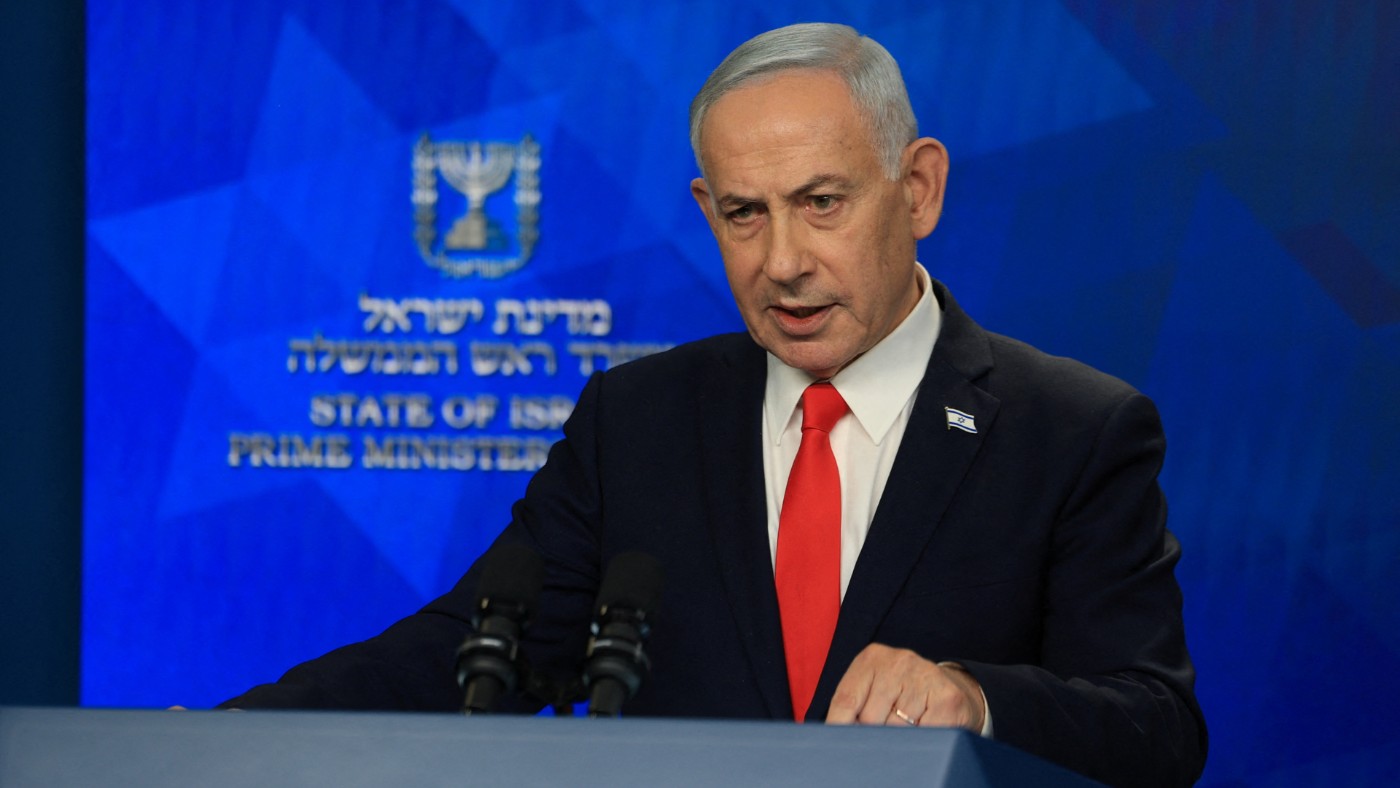
    In a public statement announcing the resolutions, Sanders emphasized that in the wake of widespread destruction caused by Israel’s far-right government under Benjamin Netanyahu across Gaza, Lebanon, and regional flashpoints like Iran, providing tens of thousands of new munitions is the last priority American taxpayers should be forced to fund. Van Hollen echoed this position, noting that Congress must use every legislative tool at its disposal to halt what the caucus frames as Trump’s escalation of regional conflict, starting with cutting off taxpayer-funded weapons transfers to the Netanyahu administration.

    Policy analyst Stephen Semler, a non-resident senior fellow at the Center for International Policy, recently published an in-depth data investigation that confirms the broad scope of taxpayer funding for U.S. arms transfers to Israel. As Semler explains, the label of “arms sale” is misleading by design. While Israel is officially listed as the purchaser in formal government notifications, the funding source is almost exclusively the U.S. Foreign Military Financing (FMF) program — an annual U.S. military aid package that provides Israel with at least $3.3 billion in public U.S. funds each year, which functions essentially as a taxpayer-funded “gift card” for Israeli weapons purchases.

    Semler illustrated this dynamic by examining the four most recent publicly notified arms sales to Israel, published in the Federal Register: a $740 million deal for armored personnel carriers, a $1.98 billion contract for tactical vehicles and accessories, a $3.8 billion transfer for attack helicopters and related weaponry, and a $150 million deal for utility helicopters and replacement parts. In every single listing, the “funding source” field is marked as Foreign Military Financing, meaning U.S. taxpayer money covers the cost. Only one deal included a minor contribution from Israeli national funds, making the overwhelming majority of the $6.7 billion in tested transactions fully U.S.-funded. The 22,000-bomb shipment targeted by the Senate resolutions? Both components of that deal are 100% FMF-funded.

    Expanding this analysis to cover the full four-year term of the Biden administration from 2021 to 2024, Semler compiled and cross-checked data from two official U.S. defense sources: the Defense Security Cooperation Agency’s (DSCA) Historical Sales Books for government-brokered Foreign Military Sales, and the Directorate of Defense Trade Controls’ (DDTC) Section 655 Reports for private commercial Direct Commercial Sales. The findings are stark: the Biden administration authorized a total of $22 billion in arms sales to Israel over that period, split between more than $13.2 billion in government-brokered deals and over $8.7 billion in commercial transactions.

    DSCA data shows 90% of government-brokered sales are covered by U.S. military aid, and while DDTC does not publicly disclose funding sources for commercial sales, Semler’s estimate based on Israel’s historic average of FMF spending on commercial arms puts that share at 68%. All combined, Semler calculates that U.S. taxpayers covered $17.8 billion of the $22 billion in total Biden-era arms sales to Israel — 81% of the total value, or nearly $18 billion in taxpayer subsidies that have been misrepresented as commercial sales.

    This reality undermines the most common policy justifications for continuing large-scale arms transfers to Israel. Proponents of the deals often argue they boost U.S. economic activity and create domestic jobs, but the fact that American taxpayers foot the bill eliminates any claim that the transfers bring meaningful foreign investment into the U.S. economy. Even the job creation argument falls apart under scrutiny: military spending is widely recognized as one of the least efficient ways for the U.S. government to generate new employment.

    Historical data backs this up: in 1985, the U.S. military budget stood at $295 billion, equal to $746 billion in 2024 inflation-adjusted dollars, and the U.S. arms industry employed 3 million American workers. By 2021, the inflation-adjusted military budget had grown by $132 billion to $879 billion — an 18% real increase — but arms industry employment plummeted to just 1.1 million workers, a 63% drop in jobs despite massively increased public spending. The reliance on a job creation argument also tacitly reveals the weakness of national security justifications, Semmer argues: a policy that truly served core U.S. national security interests would not need to be defended on the grounds of job growth alone.

    As the Senate prepares to consider the resolutions to block the Trump-approved bomb shipment, the analysis makes clear that the debate is not just about Israel’s military actions in the Middle East — it is about the growing burden of U.S. taxpayer funding for foreign military operations. Semler concludes that American taxpayers are owed a refund for decades of hidden subsidies, rather than being asked to cover billions more in weapons costs under new and existing administrations.

  • Beijing hires riders as food safety sentinels

    Beijing hires riders as food safety sentinels

    Amid growing public concern over the safety of China’s booming online takeout industry, Beijing’s municipal market regulatory authority has launched a new initiative that enlists thousands of food delivery riders as frontline food safety sentinels, expanding a co-governance model that has already been tested across multiple Chinese regions.

    Under the newly announced program, delivery riders are encouraged to document and report food safety violations they encounter during restaurant pickups, such as unlicensed business operations, unsanitary kitchen environments, and non-compliant food handling practices. A specialized in-app “snap and report” tool is provided to streamline the submission process. Reports are first screened by delivery platforms, with verified tips passed along to official regulatory teams for investigation. Riders earn cash or other rewards for confirmed violations, creating a closed-loop system that delivers public transparency and outcome feedback to contributors.

    The initiative marks a key expansion of China’s national push toward multi-stakeholder food safety co-governance, which combines formal government regulatory oversight, corporate platform responsibility, and grassroots public participation. Beyond individual case investigations, Beijing regulators plan to aggregate and analyze reporting data to map recurring risk patterns, enabling targeted regulatory inspections and industry-wide food safety training for food service operators.

    Several Beijing districts have already completed pilot testing of the model. Haidian District, home to the city’s major university zone and a dense cluster of restaurants, has appointed more than 1,000 participating riders as official food safety sentinels, while Tongzhou District has launched a dedicated mini-program to simplify and speed up the reporting workflow.

    Similar programs have already been rolled out across the country, from the coastal commercial hub of Shanghai to eastern Zhejiang Province, and southwestern Guizhou Province to the remote northwestern Qinghai Province and central Hubei Province. Local authorities in these regions have partnered with major delivery platforms to mobilize the country’s millions of delivery riders, who have unmatched daily access to back-of-house restaurant conditions, to supplement formal regulatory resources.

    Many localities have already recorded tangible early results from the model. In Qiandongnan Miao and Dong Autonomous Prefecture, Guizhou, more than 400 riders have joined the program as voluntary sentinels. Since launching at the start of 2026, riders have submitted 42 credible violation reports, all of which were confirmed by regulators, leading to six formal enforcement investigations, according to local state-run outlet Guizhou Daily.

    One participating rider in Qiandongnan, surnamed Wang, shared his experience reporting a local restaurant where staff handled ready-to-eat food without face masks and no employees held valid required health certificates. “I took photos of the violations and uploaded them through the official reporting channel,” he explained. “Within just two days, regulators had confirmed the violations and ordered the restaurant to correct the issues immediately.” Wang received a reward for his verified report, and added that the extra role has made his daily delivery work feel more meaningful.

    Back in Beijing, the new initiative has drawn mixed reactions from the city’s delivery workforce and consumers, highlighting both its potential benefits and remaining challenges. Many riders and consumers have voiced strong support for the program. He Chengyu, a Beijing-based delivery rider with three years of on-the-job experience, noted that the policy creates a clear channel to improve overall industry hygiene standards. “We see the actual conditions in restaurant kitchens every single day that we work,” he said. “With clear rules and fair incentives, food safety for consumers should get a lot better.”

    Consumers have also echoed that support. Wang Haoqing, a finance professional who regularly orders takeout for work, said the new system adds an extra layer of reassurance for online food orders. Zhou Yan, a 32-year-old technology industry employee, agreed, pointing out that riders hold unique insight into actual restaurant hygiene that most consumers never see. “If you want to know which restaurants are actually clean, just ask the delivery riders — they know the situation better than anyone else,” she said, describing the policy as a very smart, practical solution to online food safety gaps.

    However, some riders have expressed caution about taking on the new responsibility, pointing to the already intense time pressure and algorithm-managed workloads that define the delivery industry. “We are already racing against the clock to hit on-time delivery targets,” one anonymous rider said. “Adding extra reporting responsibilities could hurt our delivery efficiency and ultimately cut into our monthly income.”

    In response to these concerns, Beijing regulatory officials have noted that targeted adjustments, including meaningful incentives for participation, pre-program training for riders, and streamlined, low-time-reporting tools, are core parts of the program design. These features are intended to balance the goal of improving food safety with protection for riders’ existing workloads and incomes.

  • AI weather model to aid BRI nations

    AI weather model to aid BRI nations

    Against a backdrop of globally rising extreme weather frequency and intensity, nations across the Belt and Road Initiative (BRI) have voiced strong enthusiasm for a new China-initiated meteorological project that leverages artificial intelligence to upgrade weather forecasting capabilities and boost disaster preparedness. The initiative, officially launched in March 2026, is funded by China’s Ministry of Science and Technology and headed by the Center for Earth System Modeling and Prediction under the China Meteorological Administration (CMA).

    The project builds on the foundation of MAZU, China’s existing open-source early warning meteorological platform that has already been rolled out in BRI partner states including Pakistan and Ethiopia, where it currently supports real-time atmospheric monitoring and rapid disaster alert dissemination. For participating nations, the initiative addresses long-standing gaps in climate resilience that have held back sustainable development.

    Kouam Magloire, head of data processing at Cameroon’s national meteorological services, noted that the collaboration represents a transformative opportunity for his country to reinforce early warning infrastructure and improve response outcomes when extreme weather strikes. Mongolia, which regularly faces severe droughts, winter blizzards and other extreme events, also highlighted the urgent need for AI-powered nowcasting — short-term forecasts ranging from minutes to hours ahead that rely on high-resolution satellite and radar data. “Through this partnership, we aim to build a far more advanced long-term forecasting system that can better protect our communities,” said Altansuvd Bold, an engineer with Mongolia’s National Agency for Meteorology and Environmental Monitoring.

    Ethiopia, another BRI partner already hosting the MAZU platform, emphasized China’s leading position in both meteorological innovation and artificial intelligence development. “Ethiopia looks forward to accessing cutting-edge technology through this project, training local technical experts, and closing critical gaps in our national nowcasting and early warning services,” explained Leta Bekele Gudina, a senior expert at the Ethiopian Meteorological Institute.

    Data from the CMA underscores the urgent need for this intervention: between 1980 and 2022, BRI participating nations suffered an average of $214.7 billion in direct annual economic losses from meteorological disasters, accounting for 28.4% of total global losses from such events. Most of these countries face systemic constraints including sparse weather observation networks, limited computing infrastructure, and outdated forecasting technology, all of which hinder effective disaster preparedness and long-term sustainable growth.

    To tackle these overlapping challenges, the project’s core goal is to develop a fully integrated AI-powered forecasting system that delivers accurate predictions across all time scales, from immediate nowcasting out to sub-seasonal outlooks. The new framework combines traditional physical atmospheric models with cutting-edge machine learning approaches, and will be customized to fit the unique geographic and climatic conditions of each partner nation. A flexible, modular intelligent forecasting device will also be designed to adapt to nations with varying levels of existing technical infrastructure, removing barriers to deployment.

    Project leader Han Wei outlined the initiative’s implementation timeline: the platform will operate for a minimum of six months across more than six BRI partner nations, with early warning services expected to reach approximately 10 million vulnerable people once fully deployed. All AI forecasting models developed through the project will eventually be integrated into the existing MAZU platform to create a sustained, stable technological foundation for long-term international meteorological cooperation.

    Leading Chinese climate scientists have praised the initiative for aligning cutting-edge technology with pressing global development needs. Chen Deliang, an academician of the Chinese Academy of Sciences, noted that the project directly answers unmet urgent demands from BRI nations while advancing the practical application of artificial intelligence in the atmospheric sciences. Zhang Xiaoye, an academician of the Chinese Academy of Engineering, added that future work should focus on strengthening regional downscaling techniques to better tailor forecasting outputs to the specific needs of individual partner countries.