标签: Africa

非洲

  • Kiplimo regains world half-marathon record in Lisbon

    Kiplimo regains world half-marathon record in Lisbon

    Ugandan long-distance sensation Jacob Kiplimo has spectacularly reclaimed the world half-marathon record with a breathtaking performance at the Lisbon Half Marathon on Sunday. The 25-year-old athletic prodigy blazed through the 21.1-kilometer course in a stunning 57 minutes and 20 seconds, obliterating the previous benchmark by a remarkable 10-second margin.

    The record-breaking achievement sees Kiplimo surpass Ethiopian runner Yomif Kejelcha’s 2024 Valencia time of 57:30, while simultaneously reclaiming the title he previously held after his 57:31 performance on the same Lisbon route in 2021. This victory marks another extraordinary chapter in the career of the three-time world cross-country champion, whose exceptional 56:42 run in Barcelona last year was unfortunately invalidated due to pacing violations.

    Kiplimo demonstrated strategic brilliance throughout the race, maintaining an explosive pace from the outset. He covered the initial 5km segment in 13:28, reached the 10km mark at 27:00 flat, and hit 15km at 40:52 before unleashing a devastating final surge. His phenomenal closing 5km stretch of 13:31 showcased his unparalleled endurance and racing intelligence.

    “I’m overwhelmed with joy at breaking the world record,” an elated Kiplimo shared post-race. “After the first 10km, I sensed the record was within reach. I maintained focus and intensified my effort during the final two kilometers to secure this achievement.”

    The competition saw Kenya’s Nicholas Kipkorir claim second position with a respectable 58:08 finish, while fellow countryman Gilbert Kiprotich completed the podium in third place with 58:59. Kiplimo’s dominant performance not only reestablishes his supremacy in half-marathon racing but also positions him as a formidable contender for future global championships.

  • Guinea’s main opposition leader warns of a ‘party-state’ after 40 political parties dissolved

    Guinea’s main opposition leader warns of a ‘party-state’ after 40 political parties dissolved

    DAKAR, Senegal — Guinea’s political landscape faces unprecedented consolidation as the military-led government dissolved 40 political organizations through presidential decree on Friday, triggering accusations of authoritarian overreach from the nation’s primary opposition leader. The Ministry of Territorial Administration and Decentralization justified the mass dissolution citing the parties’ “failure to meet their obligations,” effectively revoking their legal status and prohibiting all political activities including the use of names, logos, and symbols.

    Cellou Dalein Diallo, leader of the now-disbanded Union of Democratic Forces of Guinea (UFDG), delivered a forceful condemnation via social media on Sunday. In a video address circulated on Facebook, Diallo accused President Mamadi Doumbouya of systematically constructing a single-party state by eliminating political rivals. “I urge the leaders, activists and supporters of the UFDG, and all Guineans who cherish liberty and justice, to rise as one and use every means to bring an end to this exceptional regime that has lasted far too long,” declared Diallo, asserting that conventional dialogue and legal channels had become ineffective avenues for political transformation.

    The dissolved parties include three major opposition groups: Diallo’s UFDG, the Rally of the Guinean People (associated with exiled former President Alpha Condé), and the Union of Republican Forces led by opposition figure Sidya Touré. Notably, all three leaders currently reside in exile following previous government actions.

    This development represents the latest escalation in Guinea’s political repression since Doumbouya assumed power through a 2021 military coup. The colonel-turned-president secured electoral victory in December following a voting process that excluded all major opposition candidates. His administration has previously suspended multiple political organizations and media outlets while arresting or exiling numerous opposition leaders and civil society representatives.

    The targeted parties had initially been suspended in August ahead of a constitutional referendum that enabled the junta leader to pursue presidential candidacy. Authorities cited non-compliance with Guinea’s political parties charter as justification for both the initial suspension and subsequent dissolution.

    Guinea’s political turmoil reflects broader regional instability, joining several West African nations that have experienced military coups or attempted power grabs since 2020. Military leaders throughout the region have capitalized on public dissatisfaction with security deterioration, economic underperformance, and contested elections to justify seizures of power.

  • Thousands of civilians in South Sudan flee opposition-held town after army’s evacuation order

    Thousands of civilians in South Sudan flee opposition-held town after army’s evacuation order

    JUBA, South Sudan — A humanitarian crisis is unfolding in eastern South Sudan as thousands of civilians flee the opposition-controlled town of Akobo following a military evacuation order issued by government forces. The exodus, which began Saturday night, has left the border town near Ethiopia virtually empty according to local officials.

    Nhial Lew, Akobo’s humanitarian affairs official, confirmed Sunday that “the town is now almost empty” with women, children, and elderly residents having crossed into Ethiopia. Despite the government’s Monday afternoon evacuation deadline, fighting has already erupted west of Akobo since Saturday, with machine gun fire audible approaching the town.

    The South Sudan People’s Defense Forces issued formal evacuation notices to the United Nations Mission in South Sudan (UNMISS) on Friday, demanding closure of its Akobo base. Military spokesperson Lul Ruai Koang stated that NGOs and civilians were instructed to evacuate to “avoid unnecessary collateral damage” during planned military operations targeting “Akobo and surrounding areas.”

    Akobo represents one of the final strongholds of the Sudan People’s Liberation Movement-In Opposition (SPLM-IO), led by detained Vice President Riek Machar. The 2018 peace agreement between Machar and President Salva Kiir has effectively collapsed since fighting resumed between their forces last year.

    Tensions have escalated dramatically in northern Jonglei since December, when opposition forces captured government outposts. A subsequent government counteroffensive displaced over 280,000 people within weeks. Akobo, previously considered a relative safe haven under opposition control since the 2013 civil war, had attracted more than 82,000 displaced persons due to the presence of UN peacekeepers.

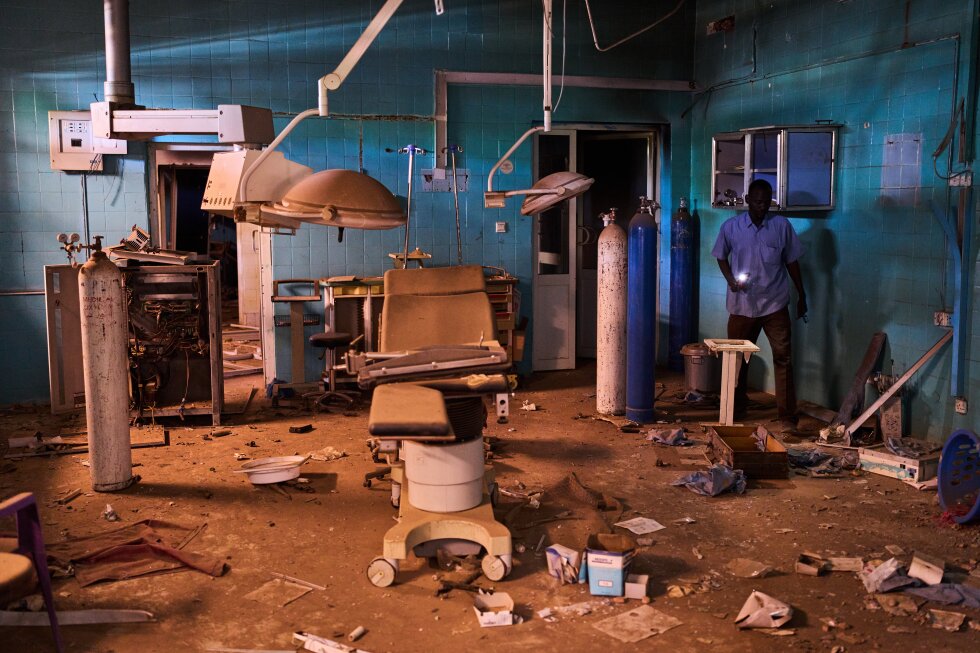
    UNMISS has not formally responded to the evacuation order. Two UN flights evacuated most humanitarian workers on Sunday, though the International Committee of the Red Cross maintained its surgical unit at Akobo County Hospital, where several wounded patients received treatment.

    Local health authorities expressed grave concerns about impending military action. Akobo County Health Director Dual Diew stated, “We are worried for our patients at the hospital. We tried to make a plan to take them to a safer location, but we don’t have enough fuel.”

    On Saturday, Akobo civilians demonstrated against the army’s ultimatum, marching toward the UN base while calling for peace and protection.

  • Cocoa beans rot and West African farmers seek other options after commodity crash

    Cocoa beans rot and West African farmers seek other options after commodity crash

    KONA, Ghana (AP) — The global chocolate industry faces an unprecedented supply chain crisis as West African cocoa farmers abandon their traditional livelihoods amid catastrophic price collapses. Ghana and Ivory Coast, which collectively supply nearly 70% of the world’s cocoa beans, are experiencing widespread agricultural transformation with severe long-term implications.

    Manu Yaw Fofie, a 52-year-old multigenerational cocoa farmer in Ghana, represents the desperate measures being taken across the region. With annual yields plummeting from 300 bags to a projected 50 bags by 2025 due to climate change and economic pressures, Fofie has resorted to leasing portions of his family land to illegal sand miners—a destructive but immediately profitable alternative that renders the soil permanently infertile.

    The crisis stems from a violent market fluctuation that saw cocoa futures skyrocket to over $12,000 per metric ton in 2024 before crashing to approximately $4,000. This whiplash effect created massive stockpiles of rotting beans in West African warehouses while global chocolate manufacturers struggled to secure reliable supplies.

    Government price stabilization mechanisms in both countries have collapsed under market pressures. Ghana slashed its fixed cocoa price by 28% to $3,881 per metric ton in January, while Ivory Coast implemented even more drastic cuts—reducing farmer compensation by more than half to $2.13 per kilogram for the 2026 season.

    The human impact is devastating. Farmers like Mercy Amponsah report that accepting current prices would force children to withdraw from school due to unsustainable profit margins. Many are turning to alternative land uses, including illegal gold mining operations that offer immediate cash payments but cause permanent environmental damage.

    Agricultural experts note that while commodity markets are inherently volatile, the scale of this crisis exceeded all preparedness measures. Edward Karaweh, former general secretary of Ghana’s General Agricultural Workers Union, emphasized that proper planning could have mitigated though not prevented the situation.

    The crisis demonstrates how climate change, global market speculation, and local economic pressures are converging to threaten the world’s chocolate supply while pushing West African farmers into irreversible agricultural transitions.

  • Weight-loss treatments boom as Kenyan attitudes to beauty change

    Weight-loss treatments boom as Kenyan attitudes to beauty change

    Kenya is experiencing a profound cultural shift regarding body image as traditional perceptions of weight undergo dramatic transformation. Where excess weight was historically viewed as an indicator of prosperity and success, the nation now witnesses a growing movement toward weight reduction through both surgical interventions and pharmaceutical solutions.

    At the forefront of this change is Dr. Lyudmila Shchukina’s Nairobi Bariatric Center, established three decades ago by Ukrainian medical professionals. The clinic, which initially struggled to attract clients, now treats 10-15 patients daily, reflecting what Dr. Shchukina characterizes as a weight-loss ‘boom.’ This surge stems from evolving health awareness and mounting social pressures, particularly through cyberbullying where Kenyans face derogatory commands to ‘unfat’ when images are shared online.

    Health authorities express increasing concern as recent data reveals over half of urban women and a quarter of men qualify as overweight or obese, with rural areas showing slightly lower but still significant percentages. While health considerations like hypertension, diabetes, and joint pain drive many to seek treatment, aesthetic aspirations equally motivate others in pursuit of contemporary beauty standards emphasizing slim figures.

    Content creator Naomi Kuria exemplifies this trend, having invested approximately $6,000 in medical procedures including Ozempic injections and airsculpt liposuction. Despite achieving her desired physical transformation, Kuria faced substantial online criticism questioning her choices and expenditures. She maintains these were personal decisions made for her wellbeing, though acknowledging the emotional toll of public scrutiny.

    Medical professionals recognize legitimate needs for intervention when weight results from uncontrollable factors, yet warn against vanity-driven usage of weight-loss medications. Dr. Alvin Mondoh highlights growing concerns about unregulated procurement and potential health risks from unsupervised semaglutide use. Kenya’s Pharmacy and Poisons Board has issued safety alerts regarding proper administration of prescription-only weight-loss drugs.

    The convergence of celebrity culture, social media influence, and increased female empowerment has normalized medical interventions for body modification. However, experts emphasize that despite technological advances, sustainable weight management ultimately requires balanced approaches incorporating diet and exercise alongside any medical treatment.

  • Heavy rains and flooding kills at least 23 in Nairobi

    Heavy rains and flooding kills at least 23 in Nairobi

    Nairobi, Kenya’s capital, is reeling from a night of catastrophic flooding that has resulted in at least 23 fatalities and widespread devastation. Torrential overnight rainfall triggered severe inundation across the city, submerging major highways, stranding vehicles, and trapping residents during the evening rush hour.

    According to police reports, approximately 30 individuals have been successfully rescued from the floodwaters, though many others drowned after being swept into raging rivers. Some victims succumbed to electrocution in the chaotic conditions. The flooding has caused extensive property damage, forced road closures, and displaced numerous residents from their homes.

    Kenya’s military has been deployed to assist emergency operations, focusing particularly on rescuing people trapped inside their vehicles. The situation has severely impacted air travel, with several flights bound for Nairobi Airport being cancelled or diverted to Mombasa on the coast.

    The Kenya Meteorological Department had issued advanced warnings predicting 30-70mm of rainfall in Nairobi and surrounding counties, alerting authorities to potential urban flooding and reduced visibility. River levels are expected to continue rising through March 9th, with Nairobi, the Central Highlands, Lake Victoria Basin, and coastal areas remaining under heightened alert for additional peak rainfall in coming days.

    Eyewitness accounts reveal the human tragedy unfolding beneath the floodwaters. John Lomayan, a 34-year-old security guard, described recognizing someone trapped beneath a car that had been washed away when the Nairobi River burst its banks. “I saw him being carried by the water from up there,” he told Reuters, gesturing up the road. “We didn’t know where he had gone. It is only now that we see him under the car.”

    Major transportation arteries including Mombasa Road, Uhuru Highway, Kirinyaga Road, and sections of the Westlands district remain completely submerged. The combination of stalled vehicles and fast-moving floodwaters created particularly dangerous conditions throughout the capital.

    Authorities have advised residents to avoid flooded streets and drainage channels while emergency responders continue assisting stranded motorists and pedestrians. This disaster echoes last year’s tragic flooding across Kenya and neighboring Tanzania that claimed hundreds of lives through similar patterns of heavy rainfall causing severe flooding and landslides.

  • Fighting disrupts shipping, threatening Africa trade

    Fighting disrupts shipping, threatening Africa trade

    The escalating conflict in the Gulf region has unleashed severe disruptions across East Africa’s trade networks, with major shipping companies abandoning traditional routes through the Red Sea and Suez Canal. Global carriers including Maersk, CMA CGM, and Mediterranean Shipping Company have suspended sailings through these critical maritime corridors, redirecting vessels around South Africa’s Cape of Good Hope instead.

    This strategic rerouting threatens to cripple East African exports, particularly perishable commodities. The extended journey—increasing transit times from 20 days to potentially 45 days—jeopardizes cold-chain logistics and threatens significant financial losses for regional exporters.

    Kenya’s agricultural sector faces immediate jeopardy. The East African Tea Trade Association warns that the country could lose up to 25% of its Middle Eastern tea market if hostilities persist. Meanwhile, Kenya’s meat export industry reports over 200 metric tons of product stranded in cold storage facilities, with daily exports of 130 tons completely halted.

    Agayo Ogambi, CEO of the Shippers Council of Eastern Africa, emphasized the critical timing for exporters handling perishables like avocados. “The extended transit will lead to cold-chain disruptions, higher rejection rates by buyers, and substantial financial losses,” Ogambi stated.

    Waweru Kamau of Juja International Abattoirs detailed the crisis: “All meat prepared for shipment remains frozen in our facilities. We’ve suspended operations and sent staff home as our primary market—the Middle East, particularly the UAE which accounts for 60% of exports—becomes inaccessible due to route disruptions.”

    The ripple effects extend beyond immediate cargo delays, threatening to increase freight charges at major East African ports including Mombasa, disrupt container circulation systems, and potentially trigger broader economic consequences across the continent’s trade-dependent economies.

  • Motorists stranded and military deployed after heavy rains pound Kenyan capital overnight

    Motorists stranded and military deployed after heavy rains pound Kenyan capital overnight

    NAIROBI, Kenya — Severe flooding triggered by relentless overnight rainfall has brought Kenya’s capital to a standstill, leaving motorists trapped for hours and prompting military deployment for emergency rescue operations. The crisis unfolded as torrential downpours that commenced Friday continued through the night, transforming major roadways into impassable waterways and submerging vehicles across the city.

    In response to the escalating situation, Kenyan military rescue units have been activated to support overwhelmed emergency services. The government’s intervention included the temporary suspension of toll fees on elevated highways to facilitate evacuation efforts. Kenya Red Cross response teams faced significant challenges reaching stranded residents due to severely compromised road infrastructure.

    Ahmed Idris, Secretary-General of Kenya Red Cross, confirmed via social media platform X that search and rescue operations were underway despite formidable obstacles. “Our teams are working tirelessly though severely constrained by the complete breakdown of road networks. We are prioritizing all efforts to reach those in critical need,” Idris stated.

    Social media platforms became flooded with visual evidence of the catastrophe, showing residential areas completely inundated and citizens wading through chest-high waters. The disaster has reignited public anger toward municipal authorities, with residents citing chronically inadequate drainage infrastructure as the primary cause of preventable flooding.

    Aisha Bajaber, a Nairobi resident, expressed the collective frustration on X: “Yet again our city drowns in floodwaters. When will officials address the complete absence of functional drainage systems?” This current emergency occurs within Kenya’s long-rains season, which traditionally begins in late February and has historically resulted in catastrophic consequences including lethal landslides, mudslides, and mass displacements affecting thousands of citizens.

  • Women in South Africa take up guns and martial arts for protection against gender violence

    Women in South Africa take up guns and martial arts for protection against gender violence

    In the agricultural town of Bronkhorstspruit, just outside Pretoria, a diverse group of South African women ranging from teenagers to senior citizens are learning firearm proficiency under female instruction. These training sessions at the Lone Operator shooting range represent a growing national movement as women seek protection against gender-based violence that reached such epidemic proportions that the government declared it a national disaster last November.

    Participants as young as 13 and as old as 65 practice with 9mm pistols, receiving guidance on proper grip and sight alignment from lead instructor Claire van der Westhuizen. The curriculum extends beyond basic marksmanship to include realistic scenarios such as firing from defensive positions on their stomachs and backs.

    This trend emerges against a harrowing statistical backdrop: United Nations data reveals South Africa’s femicide rates rank among the world’s highest, exceeding global averages by five to six times. A 2022 national study found over 35% of women aged 18 and older have experienced physical or sexual violence, predominantly from intimate partners. According to women’s rights organization Sonke Gender Justice, approximately 15 women are killed daily in gender-based attacks.

    The crisis has prompted varied responses across the nation. In Johannesburg, women are turning to martial arts like jiujitsu, learning practical techniques to escape chokeholds and break free from wall pinning. Many participants keep their training secret from partners, sometimes claiming shopping trips as cover.

    While President Cyril Ramaphosa’s disaster declaration enables redirected funding, activists point to a persistent implementation gap despite progressive policies. They cite socioeconomic inequality, patriarchal attitudes, and underresourced law enforcement as contributing factors, with rape conviction rates languishing at just 8% in 2021.

    For survivors like Sunette du Toit, a 51-year-old grandmother who endured a home invasion by five assailants, firearms training represents reclaimed agency. ‘I had to do this for myself to gain my confidence back,’ she explained, describing the community as ‘a family of support.’

    Yet women’s rights advocates caution that placing the burden of protection on potential victims rather than addressing perpetrators remains problematic. While self-defense training builds confidence, instructors acknowledge its limitations, emphasizing heightened awareness rather than guaranteed safety.

  • Tunisian authorities detain pro-Palestinian activists preparing new Gaza aid flotilla

    Tunisian authorities detain pro-Palestinian activists preparing new Gaza aid flotilla

    Tunisian authorities have initiated a significant crackdown on activists associated with the Global Sumud Flotilla campaign, detaining several key organizers on Friday amid mounting tensions surrounding the planned humanitarian mission to Gaza. The National Guard’s financial crimes unit has launched a formal investigation into alleged money laundering, fraud, and misuse of donated funds intended for the flotilla initiative.

    Among those detained were prominent committee members Wael Naouar, Jawaher Channa, and Nabil Channoufi, though none have been able to provide public statements regarding their detention. Organizers have condemned these actions as deliberate targeting of Palestinian solidarity efforts and are demanding immediate release of all detained activists.

    The crackdown follows several days of disrupted flotilla preparation events in Tunis, including a banned gathering that was expected to feature international figures such as Brazilian campaigner Thiago Ávila and Swedish climate activist Greta Thunberg. Ávila was subsequently detained at Brussels Airport while transiting from Tunis to Amsterdam for a meeting of the Hague Group.

    This development occurs against the backdrop of ongoing humanitarian challenges in Gaza. Despite a fragile ceasefire established in October, the United Nations reports that hundreds of thousands of humanitarian aid pallets remain stranded at crossings into Gaza. Israel has suspended over two dozen humanitarian organizations for non-compliance with new registration requirements, exacerbating the crisis for Gaza’s 2 million residents.

    The planned flotilla represents one of the largest civilian missions to challenge Israeli restrictions, with organizers anticipating participation from more than 1,000 activists including medical professionals, war crimes investigators, and engineers. The maritime component is scheduled to depart from Spain, Tunisia, and Italy, supported by a land convoy expected to attract thousands additional participants.

    Tunisian authorities have not issued official statements regarding the detentions or the ongoing financial investigation.