标签: Africa

非洲

  • Congo’s fastest-growing Ebola outbreak reaches a sixth province

    Congo’s fastest-growing Ebola outbreak reaches a sixth province

    KINSHASA, Democratic Republic of Congo – The ongoing deadly Ebola outbreak in eastern Democratic Republic of Congo has expanded into a sixth previously unaffected province, with the first fatality recorded in Bas-Uele, Africa Centres for Disease Control and Prevention Director-General Jean Kaseya confirmed Thursday.

    The deceased patient, Kaseya explained, had traveled from Isiro, a community in the already impacted Haut-Uele province, to Buta – the capital city of Bas-Uele – before succumbing to the virus.

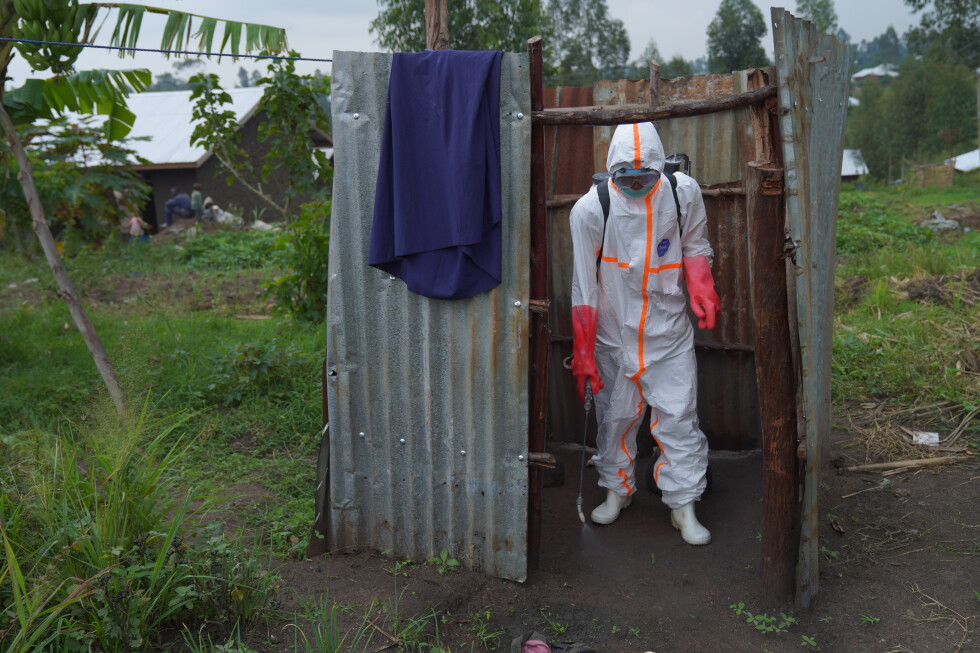
    The World Health Organization warned Wednesday that this current outbreak, driven by the rare Bundibugyo strain of Ebola, is already the fastest-growing event of its kind on record and is on course to surpass the 2013-2016 West African outbreak, the deadliest Ebola event in history that claimed more than 11,000 lives. Unlike outbreaks of more common Ebola strains, there are currently no formally approved vaccines or targeted treatments available for the Bundibugyo variant driving the current surge.

    Latest official data from the Congolese government puts the outbreak’s cumulative case count above 4,500, with more than 2,100 deaths recorded to date. Alarmingly, this death toll has been reached nearly three times faster than the same mortality milestone during the 2014-2016 West African outbreak, signaling an unprecedented rate of spread.

    Response efforts are being severely hampered by a perfect storm of systemic and security challenges. Unpaid health workers have launched widespread strikes, armed rebel groups operate in many affected regions, deep-seated distrust among long-traumatized local communities undermines containment work, and pervasive misinformation claiming Ebola does not exist has discouraged participation in public health measures. These barriers have allowed the virus to outpace intervention teams across the country.

    On the same day the expansion to Bas-Uele was announced, health workers at the Nizi Treatment Center in Ituri – the hardest-hit province in the outbreak – walked off the job, forcing the facility to temporarily close. Workers reported they had not received any salary for three months, a grievance that has disrupted care across multiple response sites.

    Compounding the crisis, the true scale of the outbreak remains undercounted and poorly understood. Though the outbreak was formally declared on May 15, recent genetic sequencing conducted by the WHO confirms the virus was circulating as early as February, months before official detection. Health authorities estimate that 60 to 70 percent of new confirmed cases are found among community members not already on monitored contact lists, confirming the virus is spreading widely through undetected community transmission.

    “We are chasing the virus; the virus is ahead of us,” Dr. Mohamed Yakub Janabi, the WHO Regional Director for Africa, stated this week, summarizing the growing gap between spread and response.

    Ebola is a rare but highly contagious viral pathogen that spreads through direct contact with infected bodily fluids including blood, vomit and semen, as well as exposure to contaminated surfaces and materials like bedding and clothing. Infection causes severe acute illness that carries a high risk of fatality without targeted care.

    In a small bright spot for the response, clinical trials for two potential treatments specific to this strain of Ebola launched last month in Ituri, offering hope that targeted medical options could become available in the coming months.

  • Zambians voting as president bids for second term

    Zambians voting as president bids for second term

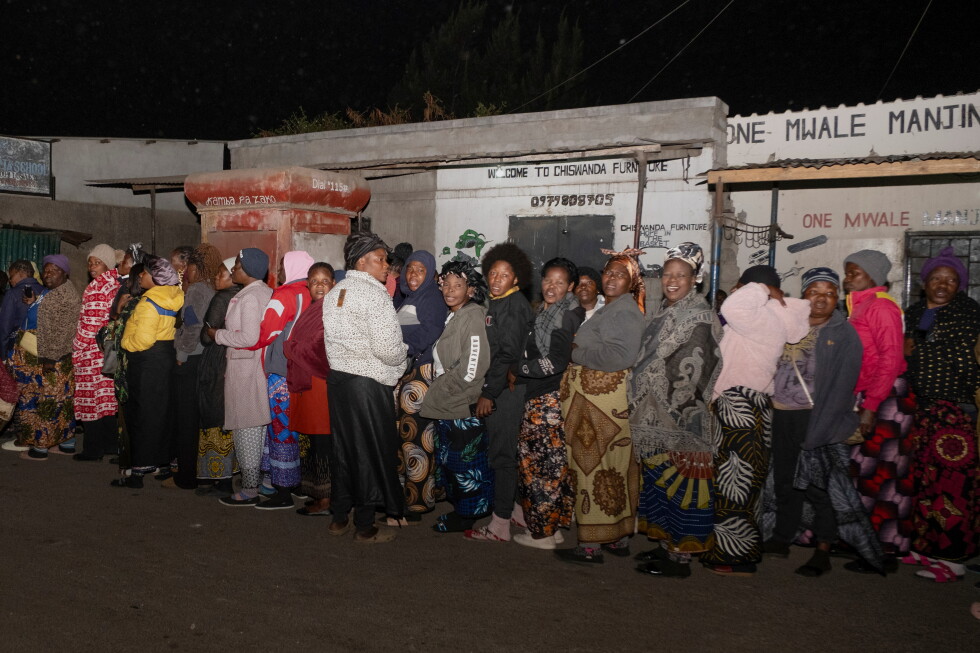
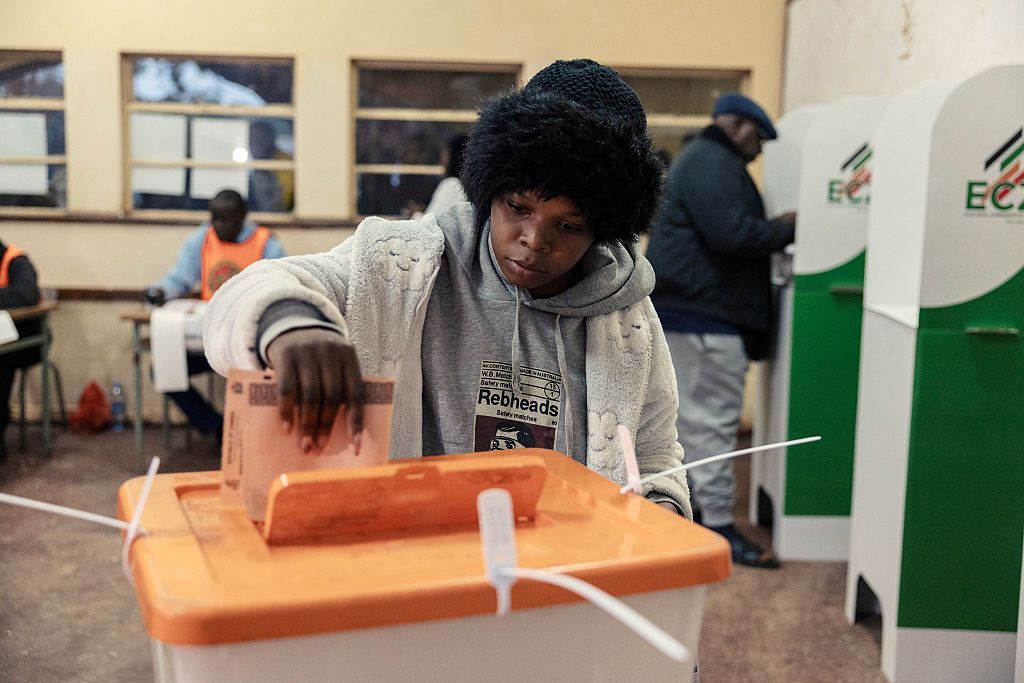
    On a crisp August morning in 2026, hundreds of Zambian voters lined up before sunrise outside polling stations across the country, kicking off a critical general election that carries profound implications for the southern African nation’s political and economic future. More than 8 million registered eligible voters are casting ballots across Zambia on Wednesday to select a new five-year presidential term and members of the national parliament, with polling stations open from 6 a.m. local time through 6 p.m. local time.

    Widely viewed as a key benchmark for Zambia’s standing as one of Africa’s most consistently stable democracies, this election unfolds against growing public scrutiny over shifting political freedoms and widespread economic dissatisfaction. Stagnant unemployment and skyrocketing living costs have emerged as the top issues shaping voter choices this cycle, cutting across demographic and regional divides.

    At the center of the race is 64-year-old incumbent President Hakainde Hichilema, who is seeking a second and final five-year term after first winning office in 2021 – his sixth attempt at the presidency. Hichilema took office amid a crippling national debt crisis and has overseen a marked macroeconomic rebound during his first term, running on a platform of continued job growth, large-scale infrastructure investment, and steady economic recovery. His campaign has highlighted targeted policy wins, such as the reinstatement of student meal allowances, which have earned him support among younger and urban voter blocs. “I voted for HH because he cares about us,” James Phiri, a 29-year-old University of Zambia student, told Reuters. “Things are better after he re-introduced meal allowances.”

    Still, the incumbent faces sharp criticism from voters who argue that broad economic gains have not translated to improved daily life, with inflation and living costs remaining stubbornly high for most working Zambians. His main challenger is Brian Mundubile, a former cabinet minister from the Patriotic Front (PF), the party that held national power from 2011 to 2021. Mundubile leads an opposition alliance anchored by supporters of the late former PF President Edgar Lungu, who died more than a year ago. A bitter, public dispute between Lungu’s family and Hichilema over the former president’s unburied remains – which remain held in South Africa – has amplified partisan tensions and deepened existing political divides across the country.

    While 14 candidates appear on the presidential ballot, political analysts broadly frame the contest as a tight two-way race between Hichilema and Mundubile. Voter opinions are deeply split heading into polling day, reflecting the nation’s evenly divided electorate. “Zambians are frustrated and this election is a 50-50, that is why we are all here early to make the change,” 26-year-old Mwiche Nalupumbwe told AFP, after joining pre-dawn queues outside a Lusaka polling station. For opposition supporters like 47-year-old welder and father of four Samuel Chitendwe, who cast his ballot for Mundubile, frustration over unmet economic promises runs deep. “I have just come from firing someone. We are tired of stories about economic progress,” he told Reuters.

    Election officials have put in place standard safeguards to prevent electoral fraud, including marking voter thumbnails with indelible ink to block repeat voting, with teams of trained monitors deployed to oversee polling across the country. To win the presidency outright, a candidate must secure more than 50% of the national vote; if no candidate hits this threshold, a run-off election will be held within 37 days of the final result being certified.

  • French ambassador to CAR accused of bringing women to official residence faces disciplinary action

    French ambassador to CAR accused of bringing women to official residence faces disciplinary action

    France has launched formal internal disciplinary proceedings against its sitting ambassador to the Central African Republic (CAR), Bruno Foucher, following widespread allegations of professional misconduct that have sparked national security concerns, multiple international outlets have confirmed.

    The claims against the 65-year-old diplomat, who has held his post in Bangui since 2023, center on incidents alleged to have occurred between January 2024 and March 2025. According to French media reports, Foucher is accused of inviting approximately 30 women to his official diplomatic residence in the CAR capital, with several of the guests reportedly staying overnight. The unsanctioned access to a secure government facility prompted France’s Ministry for Europe and Foreign Affairs to launch an probe into potential security vulnerabilities linked to the alleged behavior.

    A senior anonymous French diplomat confirmed to the BBC that administrative disciplinary procedures against Foucher are currently active and ongoing. Details remain undisclosed regarding the specific scope of the disciplinary process, potential penalties if the allegations are substantiated, or a clear timeline for when the investigation will conclude. The BBC has reached out to the French embassy in Bangui to request an official statement from Foucher or embassy representatives, but no comment has been released to date.

    The controversy emerges at a diplomatic turning point for France and the CAR, whose bilateral relations were severely strained in previous years. Just months before the allegations surfaced, during an official visit to Bangui in March 2025, French Foreign Minister Jean-Noël Barrot publicly celebrated what he called the “complete restoration of relations” between the two nations, marking a key milestone in efforts to rebuild diplomatic ties.

  • Zambians cast ballots in a presidential election that tests incumbent’s economic reforms

    Zambians cast ballots in a presidential election that tests incumbent’s economic reforms

    On Thursday morning, long queues of voters wrapped around polling stations across Zambia’s capital Lusaka, kicking off a tense one-day presidential election that will serve as a public verdict on incumbent Hakainde Hichilema’s first term in office. With 8 million registered voters out of the southern African nation’s 22 million total population, citizens are not only selecting their next head of state but also casting ballots for members of national Parliament and local government council seats. The country’s electoral commission has announced that official results will be released by Monday. Before sunrise, voters clad in thick layers to ward off the cool morning chill gathered outside voting locations, many huddling around small homemade fires to stay warm while election workers finalized preparations: arranging sealed ballot boxes, cross-referencing voter rolls, and securing polling stations. International observation teams, including delegates from the European Union, were already on site monitoring the opening process at multiple locations in Lusaka by the time voting commenced.

    Hichilema, who first took office after winning the 2021 election, is seeking a second five-year term and faces competition from 10 other challengers. Political analysts widely identify Brian Mundubile, the candidate backed by a coalition of major opposition parties, as the incumbent’s most formidable rival. The election is broadly framed as a referendum on Hichilema’s management of Zambia’s struggling economy. The incumbent has defended his tenure, arguing he inherited a nation on the brink of economic collapse when he took office. During his first term, he oversaw a landmark restructuring of Zambia’s $17 billion foreign debt, the first major African sovereign debt restructuring of the 2020s, and has drawn consistent praise from international investors for his pro-business policy agenda, posting moderate single-digit economic growth in recent years. Hichilema says a second term is necessary to deliver on his long-term promises: creating formal jobs for Zambia’s growing youth population, expanding and upgrading crumbling national infrastructure, and improving access to public health and education services.

    But for many ordinary Zambian households, the promised economic recovery has yet to translate into tangible improvements in daily life. Widespread frustration over skyrocketing food prices, persistent high youth unemployment, and chronic rolling blackouts that have disrupted businesses and home life for years has become the core issue driving opposition support. A large share of the electorate says they have not felt the benefits of macroeconomic stabilization, with household budgets stretched thin by ongoing cost-of-living pressures.

    Beyond Zambia’s borders, the outcome of the election is being closely watched by global powers and industries, given the country’s status as one of the world’s top copper producers. Copper is a critical input for electric vehicle batteries, renewable energy infrastructure, and modern power grids, and Zambia has set an ambitious target to triple its annual copper output to 3 million metric tons by 2031. China has long been Zambia’s largest single foreign investor, holding extensive stakes in the country’s mining sector, while the United States has increasingly sought to expand its own footprint in African critical mineral supply chains to reduce reliance on Chinese-controlled resources. Hichilema has pursued a balanced diplomatic and economic strategy, actively courting investment from both Chinese and Western partners, including the U.S., to reach his copper production goal.

    Tensions have run high in the final stretch of the campaign, with security forces deployed across the country to prevent election-related unrest. Zambian police have added extra patrols around polling stations and issued public warnings against political violence, disruption of voting procedures, and the spread of unconfirmed false results on social media. Opposition groups have levied serious claims against the incumbent administration, alleging that state law enforcement and institutions are being weaponized to target political opponents ahead of the vote. Just days before polls opened, law enforcement agents raided the headquarters of the main opposition Tonse Alliance, a move the coalition calls a deliberate politically motivated attack, allegations the Hichilema administration has repeatedly denied.

    Political tensions have been simmering for years in the lead-up to this election. Hichilema, as an opposition leader under former president Edgar Lungu, spent four months in jail on what many observers viewed as politically motivated treason charges before defeating Lungu in the 2021 election. Lungu remained a prominent political force until his death in South Africa in 2023, and a months-long bitter public dispute between Lungu’s family and the Hichilema government over where the former president could be buried further eroded trust between the ruling party and opposition ahead of voting.

    Under Zambian electoral law, a presidential candidate must win an absolute majority of more than 50% of the vote to avoid a runoff election. Even amid pre-election tensions, Zambia holds a long-standing reputation as one of the most stable democracies in southern Africa, with a decades-long track record of mostly peaceful transfers of power. Hichilema’s 2021 victory marked the third time since the restoration of multiparty democracy in 1991 that an incumbent president peacefully handed power to an opposition candidate, a record regional observers say is an important marker of democratic stability in the region.

  • Ebola outbreak on track to be deadliest ever, WHO chief says

    Ebola outbreak on track to be deadliest ever, WHO chief says

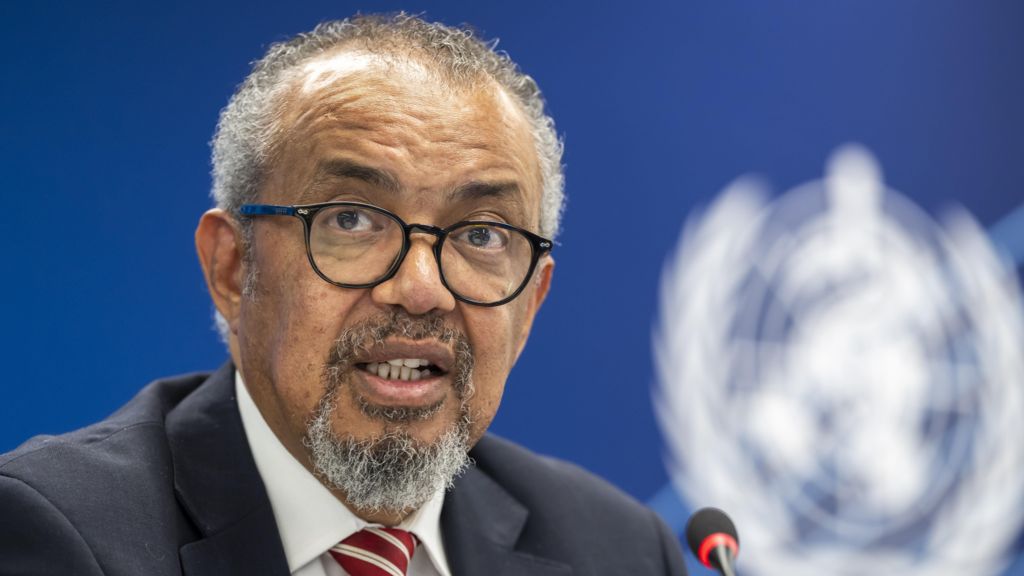
    The world faces a rapidly escalating public health crisis in the eastern Democratic Republic of Congo (DRC), where the 2026 Ebola outbreak is projected to become the deadliest in recorded history if current infection trends hold, World Health Organization (WHO) Director-General Tedros Adhanom Ghebreyesus has announced.

    Speaking to reporters, Tedros explained that at the current rate of transmission, the outbreak will eclipse the devastating 2014-2016 West African Ebola epidemic, which claimed more than 11,000 lives across the region. As of the latest WHO update, the 2026 outbreak – officially declared on May 15 – has already confirmed at least 4,300 cases and recorded over 2,000 deaths.

    While the WHO has set an ambitious goal to reverse the outbreak’s spread within a three-month window, agency officials have stressed that this target only refers to bringing community transmission under control, not eradicating the virus entirely. A key complicating factor that has fueled the outbreak’s rapid growth is its unrecognized early spread: health officials confirmed this week that the virus began circulating as early as February, three full months before the outbreak was formally declared. Early cases were misdiagnosed as more common local illnesses, including malaria and typhoid, allowing undetected transmission to continue for months.

    “We are chasing the virus, and the virus is ahead of us,” Dr Mohamed Janabi, WHO Regional Director for Africa, told reporters during a press briefing in Bunia, the DRC city closest to the outbreak’s epicenter.

    Compounding challenges for frontline response teams, the 2026 outbreak is caused by the rare Bundibugyo strain of Ebola, a variant that has only been linked to two small, previously documented outbreaks in 2007 and 2012. No vaccines or antiviral therapies have received full regulatory approval specifically for this strain, leaving response teams with no standard, proven tools to stop transmission or treat infected patients.

    Widespread regional instability in eastern DRC has further undermined containment efforts, Janabi added. Ongoing conflict has restricted access to affected communities, meaning health workers can only reach roughly 30% of confirmed cases to provide care and implement infection control measures.

    Ebola is an extremely virulent viral pathogen with a high mortality rate. Symptoms develop between 2 and 21 days after initial exposure, beginning with sudden flu-like manifestations including fever, headache and fatigue that easily mimic more common tropical illnesses like malaria. As infection progresses, patients develop severe vomiting and diarrhea, often leading to acute organ failure and death. The virus spreads between humans through direct contact with infected bodily fluids, such as blood or vomit.

    Despite the severe challenges, there are emerging signs of progress in research and development for targeted countermeasures. The UK’s Medicines and Healthcare products Regulatory Agency (MHRA) has granted regulatory approval to launch the first human clinical trials for an investigational Bundibugyo Ebola vaccine. The candidate is being developed by a research team at the University of Oxford, built on the same stable mRNA-vectored platform that powered the Oxford-AstraZeneca COVID-19 vaccine. Three additional independent research groups are also working on alternative Bundibugyo vaccine candidates, though those are still in pre-clinical development and have not yet entered human testing.

    Separately, the WHO is sponsoring a clinical trial based in the DRC to test whether two existing antiviral therapies can improve survival rates for patients infected with the Bundibugyo strain, as global health authorities work to scale up evidence-based care while long-term vaccine development progresses.

  • Ayra Starr on her secret relationship and teasing Stevie Wonder

    Ayra Starr on her secret relationship and teasing Stevie Wonder

    In an industry that often tries to box artists into prefabricated expectations, 24-year-old Nigerian sensation Ayra Starr has always carved her own path. Just weeks out of major, undisclosed surgery ahead of her highly anticipated new album *Starrgirl*, the Grammy and MOBO Award-nominated star defied medical odds: just seven days after leaving the hospital, she was already back in the dance studio, a thick bandage across her stomach, rehearsing for a run of upcoming live appearances, TV spots and fan events.

    “I was hoping it would be a quick recovery, but it was more complicated than they expected,” she previously shared with fans. Speaking to *Today*, the US breakfast TV program, Starr framed her early return to work as a gift: “I’m healing. I have strength today. I’m so happy I was able to even be here today and be able to do this.” This display of unshakable tenacity is nothing new for the singer – it has been the defining thread of her already groundbreaking career.

    Discovered at 18 performing cover songs on YouTube, Starr has spent the last six years shattering records for African women in global music: she was the first African woman to take home Best International Act at the MOBO Awards, the first Nigerian woman to cross one billion video views on YouTube, and in 2024, she made history as the first Afrobeats artist to perform on Glastonbury’s iconic Pyramid Stage – where she closed her set with a bold promise to return as a headliner. Beyond music, she’s expanded into fashion, closing out London Fashion Week for designer Di Petsa in 2025, and has earned nods from some of the biggest names in the industry, from Coldplay’s Chris Martin to Stevie Wonder.

    When she arrives for an interview, it’s with an almost otherworldly self-assurance that never veers into arrogance. Quick with dry, cutting sarcasm and a playful sense of humor, she remembers teasing Stevie Wonder, the music legend, into a playful back-and-forth about zodiac signs after he called to congratulate her on a Grammy nomination. “I was trying to one-up him every single time, and he was trying to one-up me. It was almost like a battle,” she laughs. By the end of the chat, she’d jokingly told the Taurus icon that “Tauruses ain’t crap” – a bold, unapologetic move that sums up her approach to every relationship and opportunity.

    That unfiltered authenticity has opened doors to collaborations with global superstars across genres: she opened for Coldplay on their *Music of the Spheres* world tour, worked with the likes of Tyla, David Guetta, Le Sserafim and Kelly Rowland, and *Starrgirl* features high-profile collaborations with Afrobeats legends Wizkid and Rema, former One Direction star Zayn Malik, and rising R&B talent KWN. The record marks her first release under a new deal with Jay-Z’s Roc Nation, following her 2025 relocation from Lagos to New York City – a move she described with characteristic wit in a Substack essay: “New York is basically a walk-in freezer with rent. It’s so cold it feels like the city is actively trying to unalive my motivation… I’m not scared, I promise.”

    The upheaval of relocation was a deliberate choice: Starr wanted to step outside her comfort zone to expand her sound and pull in new influences. The result is a genre-blending project that juxtaposes classic Afrobeats rhythms with unexpected sonic textures. Take opening track *Where Do We Go*, which layers a hypnotic electronic pulse under a swaying Afrobeats beat, pairing a danceable rhythm with vulnerable lyrics about a toxic, on-again-off-again secret relationship.

    “Like, the rebel I am, I love to juxtapose,” she explains. “I don’t like being normal and boring. So the idea of writing a heartbreak song on a beat like that, where you can dance to it, was just very enticing. I love things like that.” The lyrics, which explore the fear of starting over and settling for less than you deserve, act as a metaphor for the entire album: after the global runaway success of breakout hit *Rush* and second album *The Year I Turned 21*, Starr found herself trapped between satisfying casual listeners who wanted more of the same and growing as an artist for her core fanbase.

    “Just like any other pop artist, passive listeners get attached to the songs they know – the popular songs. Then you’re stuck between creating for the passive listeners and creating for your core fans who want you to do more. So that can limit you, because you stop thinking as an artist and start thinking about making music just for consumers. But I’m not meant to conform. It’s just not who I am. I will rebel against every single preconception and every stereotype,” she says.

    *Starrgirl* is thus a declaration of artistic autonomy, marking Starr’s evolution into full creative and personal control as she steps into womanhood. Standout track *Misunderstood* pushes back against critics who claimed she could never succeed on her own, while *Treasure* offers a soft, laid-back moment for Starr to celebrate how far she’s come, with lyrics sung in Yoruba that invite listeners to savor joy. The album’s most infectious cut, *Ms Paper*, takes a detour into Dominican bouyon music, a high-energy genre defined by frantic percussion – and it was recorded entirely by accident. After finishing a session with French-Congolese star Theodora on a sweltering February night in Los Angeles, the pair finished a boozy Congolese meal and were wrapping up for the day when inspiration hit. The studio AC was broken, leaving everyone delirious, sweating and half-dressed, but the chaotic energy created a track that already has fans buzzing after live snippets went viral.

    Not everyone has celebrated Starr’s genre-bending new direction: back home in Nigeria, some critics have accused her of diluting Afrobeats heritage to chase global success. But Starr pushes back against the idea that she has to fit into a pre-set template. “People have a certain template they think I should follow, and it’s like, you cannot tell me how to dream,” she says. “I’m able to honour my culture, but also try new things, because that’s who I am.”

    She visualizes this balance on the *Starrgirl* album cover, where she pairs a sleek, club-ready gold gown with a traditional Yoruba gele headwrap. Speaking to Capital Xtra, she explained the choice was intentional: “I wanted young girls in Kwara State or Erin-Ile to see this and feel represented. I’m not the first to do it, I won’t be the last to do it – but I want people to feel confident in their culture and wear [the gele] like the crown that it is.” The striking retro-futuristic look quickly went viral, spawning dozens of copycats and softening criticism of her new creative path.

    For Starr, the entire project circles back to a mantra she spells out on the track *Amazing*: “If they’re gonna talk, I’ll give them something to talk about”. “That’s definitely my mantra,” she says. “And do you know what? I think I need to listen to myself more because I have all the answers in my music.”

  • Vultures are disappearing in Nigeria – but the ‘Vulture King’ is fighting to reverse the trend

    Vultures are disappearing in Nigeria – but the ‘Vulture King’ is fighting to reverse the trend

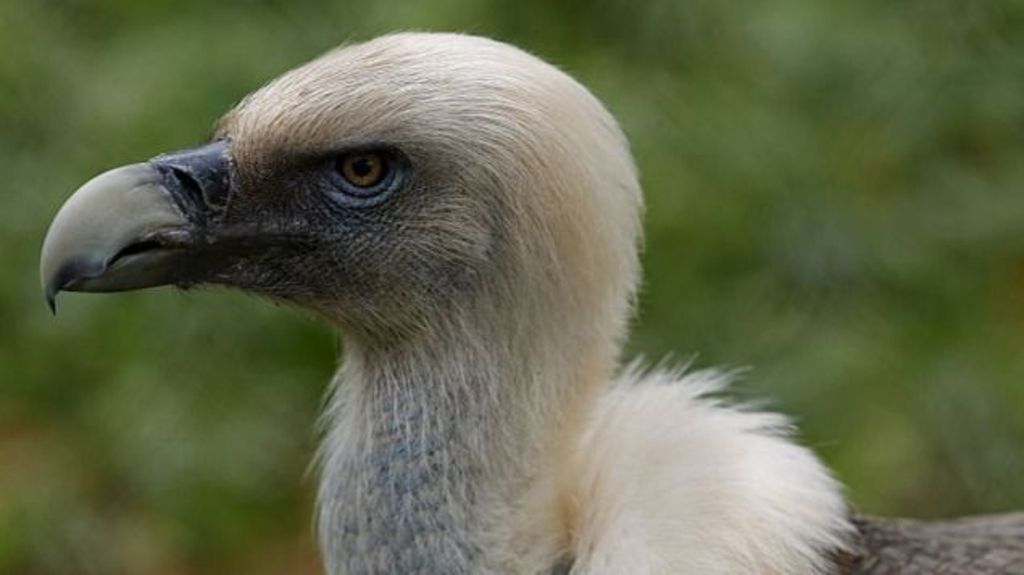
    Long stigmatized as symbols of death and decay, vultures across much of Africa have faded from urban skies with little public mourning. But conservationists are now sounding the alarm: driven by illegal hunting, poisonings, habitat destruction, and demand for their body parts in traditional spiritual practices, multiple vulture species across the continent are teetering on the edge of total extinction. And their disappearance could trigger devastating public health and ecological consequences that many people have yet to recognize. One small community in southeastern Nigeria, however, is bucking this devastating trend, proving that community-led conservation can reverse decades of population decline.

    In Awka-Etiti, a sacred forest surrounding the Nguma deity shrine has served as a safe haven for vultures for hundreds of years. Though most residents identify as Christian, many continue to uphold long-held traditional beliefs that position vultures as sacred, good omens. Local tradition holds that if vultures appear to feed on ritual sacrifices left at the shrine, it means the deity Nguma has accepted the offering and heard the community’s prayers. Because of this spiritual status, vultures have never been hunted by local residents, and the birds have long lived side-by-side with people in the town, scavenging openly in markets and public spaces.

    Chukwuemeka Igwe, a local resident in his 50s who has volunteered with the Nigeria Conservation Foundation (NCF) for six years, has become the public face of the community’s protection efforts, earning him the local nickname Ezeudene, or the Vulture King. “The indigenous don’t hunt vultures,” he explains. Long after he noticed the number of vultures in the area began to drop as outside poachers slipped into the region to hunt the protected birds, Igwe began a grassroots campaign to rally local protection. He travels to markets, bus stations, and public gathering spots to educate residents and visitors about vultures’ critical ecological role, and has worked with community leaders, local organizations, and security teams to block poachers. Local bylaws have now been passed to formalize the birds’ protected status in the area.

    While many people still see vultures as unpleasant or sinister creatures, scientists and conservationists emphasize they are one of nature’s most critical natural sanitation systems. By consuming animal carcasses within hours of death, vultures stop rotting remains from becoming breeding grounds for deadly pathogens. Their uniquely powerful stomach acids neutralize dangerous bacteria, allowing them to safely consume infected carcasses and stop the spread of fatal zoonotic diseases such as anthrax and rabies. “In places where the total collapse of vultures has happened, there has been impact of rising zoonotic diseases,” explains NCF conservation biologist Stella Egbe. Without vultures, ecosystems lose a free, highly effective natural defense against disease outbreaks that can spread to humans.

    Across the continent, vulture populations have plummeted at an alarming rate. BirdLife International, the leading authority on avian conservation for the IUCN Red List, reports that African vulture populations have dropped between 80% and 97% over the past 50 years. Seven African vulture species are now classified as either Endangered or Critically Endangered. Poisoning is responsible for an estimated 60% of all vulture deaths across Africa, according to BirdLife data, while rapid urban expansion has destroyed much of the tall old-growth trees that vultures rely on for nesting.

    The fastest growing driver of decline, particularly in West and Southern Africa, is illegal hunting driven by demand for vultures and their body parts for use in traditional medicine and spiritual practices. Dead adult vultures that once sold for just $18 to $22 in Nigeria now fetch as much as $145 on the black market, Egbe says. Poachers are also increasingly targeting vulture eggs and nests, a catastrophic threat for a slow-reproducing species: vultures do not reach sexual maturity until they are 5 to 7 years old, produce only one chick every 1 to 2 years, and many juvenile vultures do not survive their first year of life. Removing even a single nest or clutch of eggs eliminates an entire year’s reproductive output for a breeding pair, accelerating population collapse. In 2020, more than 2,000 dead hooded vultures were found in Guinea-Bissau, most with their heads removed for use in belief-based practices, highlighting the scale of the crisis.

    Nigeria has become a key hub for illegal vulture trafficking, in part due to its rich biodiversity and porous national borders. Nigerian Customs Service spokesman Abdullahi Maiwada says the agency has made cracking down on wildlife smuggling a priority, seizing protected species and supporting prosecutions of traffickers to meet the country’s commitments under the Convention on International Trade in Endangered Species (CITES), which bans cross-border trade in endangered vulture species. But Maiwada acknowledges that enforcement alone cannot solve the crisis. “We may not be able to do it without the cooperation or understanding of members of the community,” he says. “If people understand why these species should be preserved, then our enforcement will only be complementary to those who decide to be recalcitrant.”

    That community-centered approach is exactly what has driven success in Awka-Etiti. After years of coordinated protection and local outreach, the results are already encouraging: in 2017, just 20 vultures were recorded in the town’s monitoring surveys; today, that number has climbed to more than 160. “The missing vultures are almost back. If you go to the marketplace now, you see vultures. At one time they disappeared, but now they are coming back,” Igwe confirms.

    Egbe says the Awka-Etiti model offers a blueprint for vulture conservation across the continent. “What we’ve done in Awka-Etiti is one very good example of a success story where people have taken charge of what’s going on in their environment. That makes us happy,” she says. Later this year, conservation researchers from across West Africa will gather in Abuja to review and update the 2022 West African Vulture Conservation Action Plan, where threats from poaching and the role of community-led conservation will top the agenda.

    For Igwe, every returning vulture to Awka-Etiti is a small victory, but he knows the fight to save African vultures extends far beyond his town’s borders. “I’m fighting to make nature exist the way it’s supposed to be,” he says.

  • Keeper Bihina stars as Cameroon upset Morocco to make Wafcon final

    Keeper Bihina stars as Cameroon upset Morocco to make Wafcon final

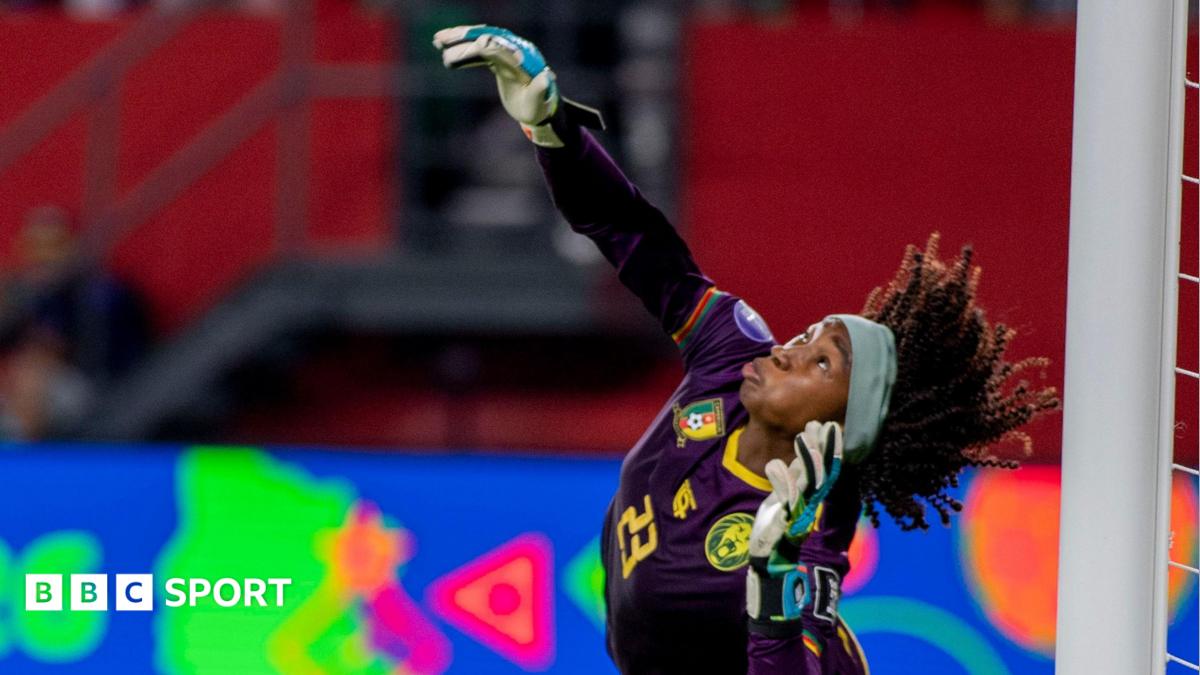
    In a tense, dramatic Women’s Africa Cup of Nations (Wafcon) semi-final clash in Rabat on Wednesday, 22-year-old Cameroonian goalkeeper Michaely Bihina delivered one of the most memorable performances in recent continental women’s football history, booking her side a spot in the 2026 tournament final at the expense of hosts Morocco.

    The tightly contested match stayed deadlocked at 0-0 through 90 minutes of regulation and an additional 30 minutes of extra time, but Bihina’s standout saves turned the tide of the contest. With just two minutes left in extra time, a VAR review awarded Morocco a critical penalty after referee Vincentia Amedome ruled Cameroon’s teenage defender Maryam Nyadjou had made accidental contact to the face of Morocco’s Sakina Ouzraoui. Winger Fatima Tagnaout stepped up to take the spot kick, but her tame left-footed attempt was pushed away by Bihina, forcing the match to a penalty shootout to decide the winner.

    In the shootout, Bihina continued her incredible form, blocking efforts from Kenza Chapelle, Maryame Atiq and Sakina Ouzraoui to leave the packed Moulay Hassan Stadium silent. After Morocco goalkeeper Khadija Er-Rmichi saved a penalty from Grace Mendoua to keep her side in the tie, Nyadjou held her nerve to convert the decisive spot kick, securing a 3-1 shootout win for the Indomitable Lionesses.

    This run to the final is already a stunning underdog story for Cameroon. The side was originally eliminated during the qualification stage, but earned a last-minute spot in the 16-team finals after the Confederation of African Football expanded the tournament mid-qualification, with Cameroon advancing based on its global world ranking. The 2026 final marks Cameroon’s first appearance in the Wafcon championship match since 2016, when the side hosted the tournament and fell to Nigeria.

    Throughout 120 minutes of play, Cameroon’s organized, disciplined defensive structure neutralized Morocco’s ball dominance, limiting the hosts to few high-quality chances. Morocco came closest to breaking the deadlock in the 14th minute, when Sanaa Mssoudy redirected a right-wing cross onto the right upright, and Mssoudy also fired into the side-netting in the 60th minute. A flurry of late chances in regulation and extra time from both sides failed to find the back of the net, setting up the dramatic late penalty and shootout.

    For Morocco, the semi-final exit is a devastating disappointment. The north African nation has invested heavily in women’s football in recent years, hiring 2023 Women’s World Cup winning manager Jorge Vilda to lead the side in pursuit of its first ever continental title. The Atlas Lionesses finished as runners-up in both 2022 and the delayed 2024 tournament, throwing away a 2-0 first-half lead against Nigeria to claim second place in 2024.

    Cameroon will now face Malawi in Sunday’s 19:00 GMT final, after Malawi beat Algeria 3-1 in the first semi-final on Wednesday. Coached by Valentine Nguele, who only took the job in June, Cameroon will need to contain star Chawinga sisters Tabitha and Temwa Chawinga to claim the title. Sunday’s final will guarantee a first-time Wafcon champion, as neither Cameroon nor Malawi has ever claimed the continental crown.

    In other continental women’s football news, two 2027 FIFA Women’s World Cup African playoff matches are scheduled for Thursday: Ivory Coast will face Ghana at 17:00 GMT, followed by a match between Nigeria and South Africa at 20:00 GMT. The winners will advance to inter-confederation qualifying for the 2027 global tournament.

  • Chawinga sisters fire Malawi into Wafcon final

    Chawinga sisters fire Malawi into Wafcon final

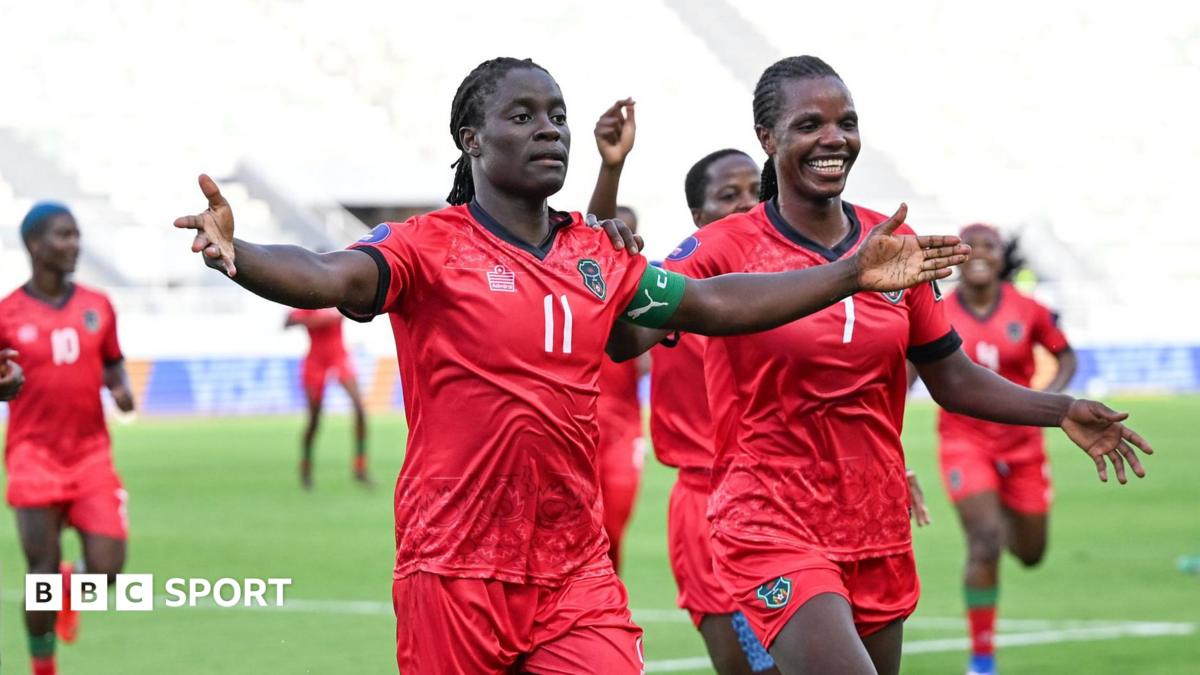
    The 2026 Women’s Africa Cup of Nations (Wafcon) has produced one of the most remarkable underdog stories in recent women’s football history, as tournament debutants Malawi, ranked 153rd in the world and the lowest-ranked side at the Moroccan-hosted event, booked their spot in the competition’s final with a dramatic 3-1 semi-final win over Algeria in Rabat. Spearheaded by the in-form Chawinga sisters, who combined for three of the Scorchers’ three goals on the day, Malawi has added Algeria to an already impressive list of fallen heavyweights, having knocked out regional powerhouses Nigeria and Ghana in earlier rounds of the expanded 16-team tournament.

    The match was anything but a calm, one-sided affair, despite the final scoreline. A frantic, end-to-end 90 minutes was defined by two first-half red cards, both issued after extended Video Assistant Referee (VAR) reviews, and a string of clear goal-scoring chances squandered by both sides. Algeria defender Morgane Belkhiter was the first player sent off, after being judged to have denied Malawi captain Tabitha Chawinga a clear goal-scoring opportunity midway through the first half. While the call was considered harsh by many observers, with a fellow Algerian defender getting a touch on the ball during the overlapping challenge, replays confirmed Belkhiter had caught Chawinga on the back of the heel.

    Undeterred by the chaotic buildup of play, the OL Lyonnes striker broke the deadlock in the 33rd minute with what will go down as one of the most iconic goals in Wafcon history. With her back to goal inside the 18-yard box, Tabitha Chawinga twisted to meet a headed clearance from Asimenye Simwaka – a dual-sport athlete who competed in 200m and 400m semi-finals at the Commonwealth Games in Glasgow just two weeks prior – and executed an acrobatic left-footed overhead kick. The effort beat Algeria goalkeeper Chloe N’Gazi but cannoned off the crossbar, with heavy backspin carrying the bouncing ball over the goal line before any player could react, putting the debutants 1-0 up.

    Tabitha’s younger sister Temwa Chawinga, who plays for NWSL side Kansas City Current, doubled Malawi’s lead in the first minute of first-half stoppage time, rounding N’Gazi before slotting home to take advantage of the numerical disadvantage Algeria was now playing under. But the 10-player balance was restored before halftime, when Malawi midfielder Rose Kadzere was also sent off after a VAR check for a reckless studs-up challenge on Algeria’s Marine Dafeur inside the penalty area, opening the door for a North African comeback in the second half.

    Even with both sides down to 10 players, the frantic pace continued into the second period, with both teams wasting clear chances to add to the scoreline early on. Algeria finally capitalized on the extra space in the 60th minute, when Ikram Adjabi volleyed home a misplayed deep free-kick to cut the deficit to 2-1, giving Les Fennecs fresh hope of a late turnaround. But as both sides began to tire amid the intense pace of the match, Tabitha Chawinga put the result beyond doubt, driving unchallenged into the penalty area before slotting home her second of the game from just outside the six-yard box to seal the 3-1 win.

    Malawi’s run to the Wafcon final is already historic: excluding the inaugural 1998 edition, the Scorchers are the first debutant side to ever reach the tournament’s final match. They have already secured qualification for the 2027 FIFA Women’s World Cup in Brazil courtesy of their semi-final spot, and now stand one win away from lifting the trophy as the tournament’s unlikeliest champions. Their historic success is already shifting perceptions of women’s football on the continent, proving that the sport’s growth extends far beyond the traditional African powerhouses.

    Much of Malawi’s stunning run has been fueled by the Chawinga sisters, who have lived up to massive pre-tournament hype. Tabitha helped OL Lyonnes claim another French top-flight title last season, while Temwa earned her second NWSL golden boot and MVP award with Kansas City Current. Between them, the pair have scored eight of Malawi’s 12 total goals at the tournament – five for Temwa and three for Tabitha – combining blistering pace, raw power and elite positional awareness that opposition defenses have been completely unable to handle. Now, the Scorchers will face the winner of the second semi-final between hosts Morocco and Cameroon in Sunday’s final (19:00 GMT), and with the Chawinga sisters in red-hot form, few would count the unfancied debutants out against any opponent.

  • Freestyle fundamentals with Nigeria’s national champion

    Freestyle fundamentals with Nigeria’s national champion

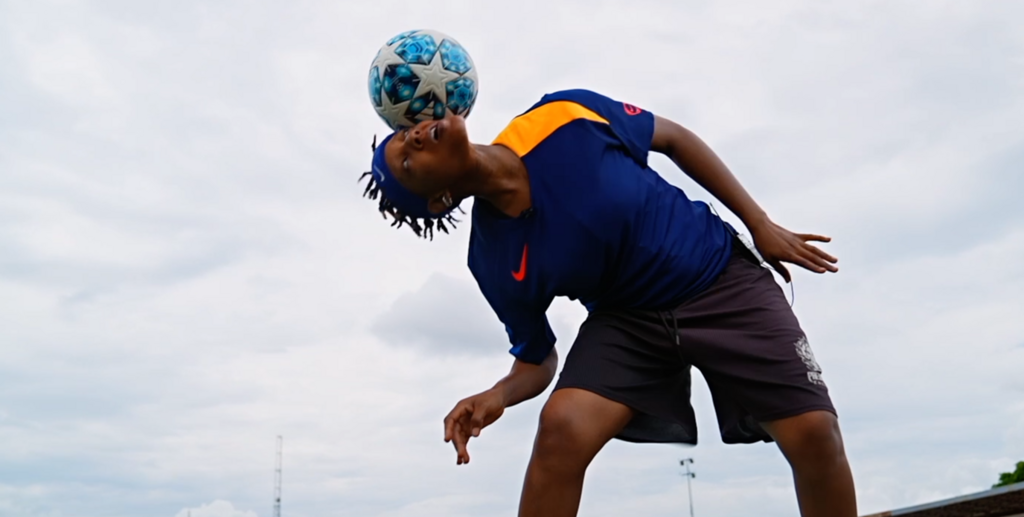
    When it comes to freestyle football, few athletes on the African continent carry the historic legacy and unmatched skill of Evelyn Okafor. A trailblazer who has rewritten the record books for women in the sport, Okafor boasts an extraordinary resume that includes four national championship titles in her home country of Nigeria, three consecutive African crowns, and a landmark achievement as the first African woman ever to earn a spot at the World Freestyle Football Championship.

    What began as a personal passion for the sport has evolved into a full-time professional career for Okafor, who credits her early inspiration to Rasheedat Ajibade, captain of Nigeria’s beloved Super Falcons national women’s football team. Ajibade’s example of excellence and resilience pushed Okafor to hone her craft, combining jaw-dropping technical tricks, creative improvisation, and relentless determination to rise through the ranks of competitive freestyle football.

    Today, beyond competing on the global stage, Okafor is committed to passing her knowledge on to new aspiring freestylers. In this feature, she walks viewers through some of her signature, fan-favorite freestyle fundamentals – from the challenging trick of balancing a regulation football on one’s neck to the iconic, crowd-pleasing “around the world” move. More than just a skills tutorial, Okafor uses the platform to share a core message: young girls deserve space to chase big, ambitious dreams in sports, regardless of historical barriers or underrepresentation.

    Whether you’re a seasoned freestyle footballer looking to sharpen your basics or a newcomer curious about the art of the sport, Okafor’s tutorial invites audiences to test their own skills, learn from a champion, and join her movement to expand opportunities for women in freestyle football. This segment was produced by Isaiah Akinremi and Tom Santorelli, with filming led by Monday Idara and editing by Aaron Akinyemi, published 14 hours ago under BBC Sport’s Africa Sport section.