标签: Africa

非洲

  • DR Congo cancels World Cup training camp over Ebola outbreak

    DR Congo cancels World Cup training camp over Ebola outbreak

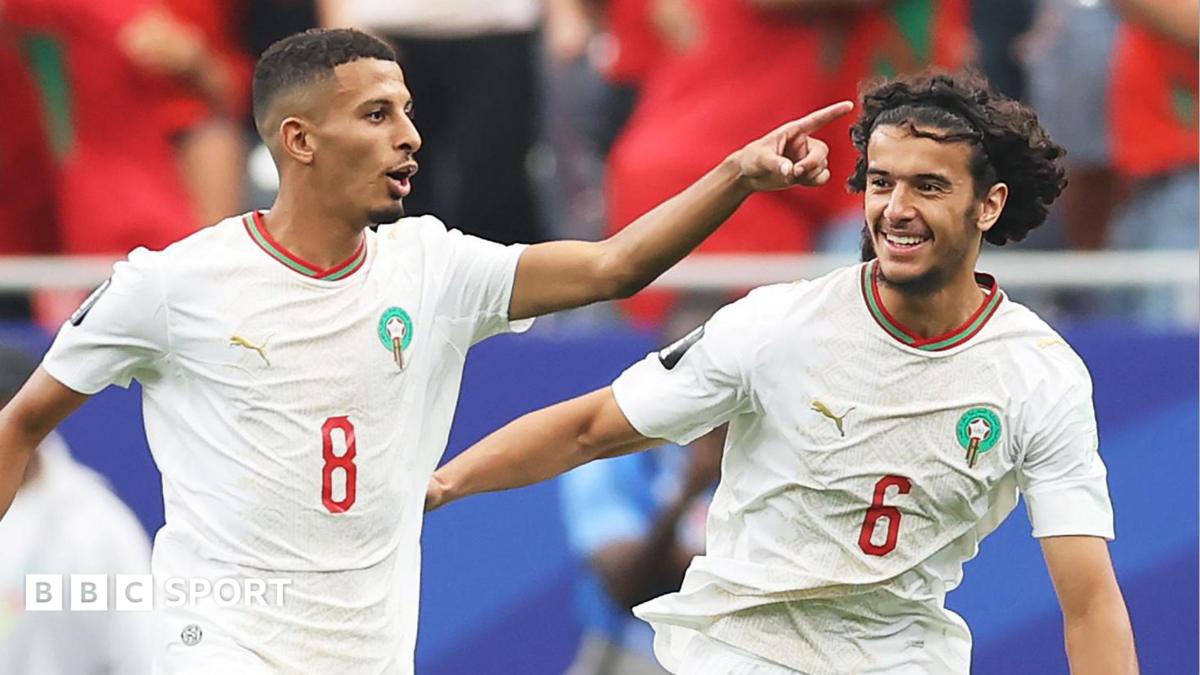
    For the first time in 52 years, the Democratic Republic of Congo (DR Congo) has secured a spot at the FIFA World Cup, marking a historic milestone for the Central African nation’s national football program. But the long-awaited return to football’s biggest global stage has been overshadowed by a growing public health crisis, forcing a last-minute change to the team’s pre-tournament training plans.

    Originally scheduled to host its pre-World Cup training camp in the capital city of Kinshasa, the DR Congo men’s national football team has confirmed it will relocate all onshore preparations to Belgium, after an alarming Ebola outbreak in the country’s eastern provinces spread to become a globally recognized public health emergency. As of recent official counts, the outbreak has been linked to 139 deaths out of roughly 600 suspected cases of infection, according to local health authorities.

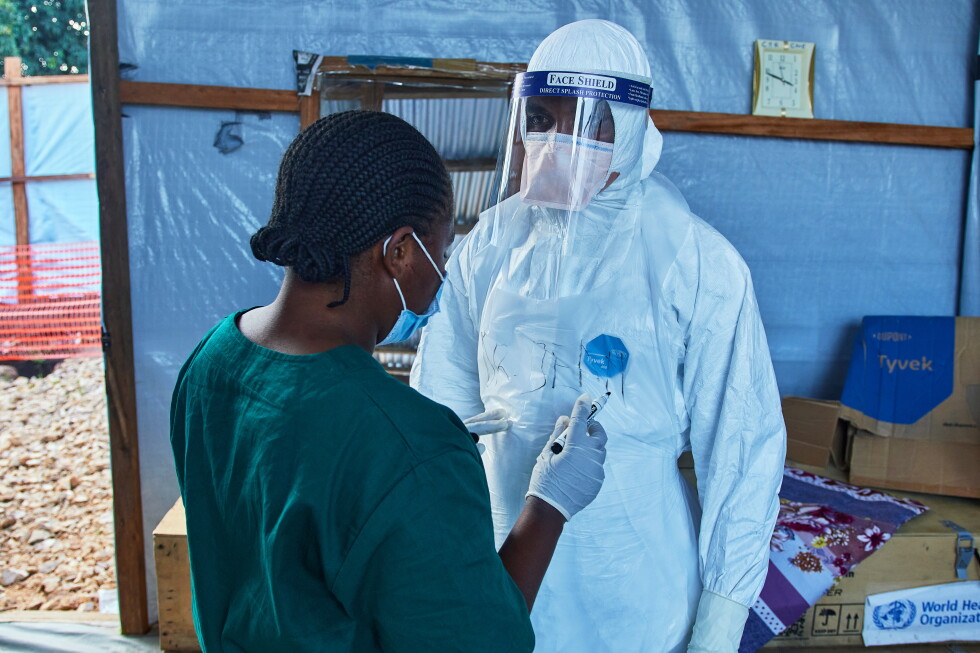
    The outbreak is being driven by the rare Bundibugyo strain of the Ebola virus, a variant with no currently approved vaccine available for widespread use. The World Health Organization (WHO) announced last month that the event qualifies as a “public health emergency of international concern” (PHEIC), the organization’s highest level of alarm for global health threats, though officials have stressed that the outbreak does not yet meet the criteria to be classified as a pandemic. WHO experts have also warned that developing a targeted, deployable vaccine for the Bundibugyo strain could take as long as nine months to complete, leaving local containment efforts stretched thin in the near term.

    Jerry Kalemo, national team spokesperson, confirmed to international media outlets that despite the disruption to domestic training plans, all pre-tournament friendly matches scheduled across Europe will proceed as originally arranged. The Leopards, as DR Congo’s national team is commonly known, are set to face Denmark in Liege on June 3, followed by a matchup against Chile in the Spanish coastal city of Marbella on June 9 as they build match fitness ahead of the World Cup finals.

    Back in DR Congo, domestic government and public health teams are fully focused on containing the outbreak, with most available public resources diverted to slowing transmission and supporting affected communities. While the relocation of the national team’s training camp is a necessary precaution to protect the squad and avoid potential exposure to the virus, the entire DR Congo football community remains focused on the historic tournament ahead, which will see the country take the World Cup stage for the first time since its 1974 appearance in West Germany.

  • Salah set to captain Egypt at World Cup

    Salah set to captain Egypt at World Cup

    As the 2026 FIFA World Cup quickly approaches, Egypt has finalized its preliminary 27-man roster for the expanded tournament co-hosted by the United States, Canada, and Mexico, with Liverpool star Mohamed Salah confirmed to lead the side as captain. The 33-year-old forward, who will bring an end to his nine-year spell with English Premier League club Liverpool at the conclusion of the current season, has built an extraordinary international record for the Pharaohs, netting 67 times across 115 national team appearances. Salah has held the captaincy of Egypt since 2019, and he will carry that responsibility into what is one of the most anticipated Egyptian World Cup campaigns in recent memory. Joining Salah in the preliminary forward group is Manchester City winger Omar Marmoush, as well as 18-year-old Hamza Abdelkarim, the uncapped Barcelona Under-19 prospect who earns his first call-up to the senior national setup. Notably, Nantes striker Mostafa Mohamed was omitted from the squad entirely, a surprising selection call from head coach Hossam Hassan. Hassan has confirmed he will cut one final player from the group following a friendly fixture against Russia hosted in Cairo on May 28, trimming the roster down to the 26 players required by FIFA regulations for the final tournament. In preparation for the World Cup, Egypt will face another high-profile test when they take on five-time World Cup champions Brazil in an international friendly in Cleveland on June 6. Drawn into Group G for the group stage, Egypt will kick off their World Cup campaign against Belgium on June 15, before facing New Zealand on June 22 and closing out group play against Iran on June 27. The historic 48-team expanded tournament will run from June 11 through July 19 across the three North American host nations. The full preliminary squad breakdown is as follows: Goalkeepers: Mohamed El Shenawy, Mostafa Shobeir (both Al Ahly), El Mahdi Soliman (Zamalek), Mohamed Alaa (El Gouna). Defenders: Mohamed Hany, Yasser Ibrahim (both Al Ahly), Tarek Alaa (Zed), Hamdy Fathy (Al Wakrah), Rami Rabia (Al Ain), Hossam Abdelmaguid, Ahmed Fatouh (both Zamalek), Mohamed Abdelmonemn (Nice), Karim Hafez (Pyramids). Midfielders: Marwan Ateya, Emam Ashour, Ahmed Zizo, Mahmoud Trezeguet (all Al Ahly), Mohanad Lasheen, Mostafa Ziko (both Pyramids), Nabil Emad (Al Najma), Mahmoud Saber (Zed), Ibrahim Adel (Nordsjaelland), Haissem Hassan (Real Oviedo). Forwards: Omar Marmoush (Manchester City), Mohamed Salah (Liverpool), Aqtay Abdallah (Enppi), Hamza Abdelkarim (Barcelona U19).

  • Final case at UN tribunals for Yugoslavia and Rwanda atrocities comes to an end

    Final case at UN tribunals for Yugoslavia and Rwanda atrocities comes to an end

    THE HAGUE, Netherlands – After nearly 30 years of pursuing perpetrators of mass atrocities, two United Nations-backed ad hoc criminal tribunals formed to prosecute crimes committed during the breakup of Yugoslavia and the 1994 Rwandan genocide concluded their final formal proceedings Wednesday, closing a landmark chapter in modern international justice while highlighting growing strains on the global push for accountability for mass violence.

    The brief 12-minute closing hearing centered on the case of Félicien Kabuga, an alleged key financier of the Rwandan genocide who died in U.N. custody this past Saturday, six years to the day after he was captured outside Paris following 26 years on the run. Presiding Judge Iain Bonomy framed the session as a “truly historic milestone” that formally wraps up the tribunals’ open cases.

    Kabuga, believed to be in his 90s, was deemed unfit to stand trial in 2023 after a medical evaluation confirmed he suffered from severe advanced dementia. After the ruling, no country agreed to accept Kabuga for resettlement, leaving him stuck in the U.N.’s The Hague detention facility until his death. His prolonged legal limbo as a defendant no one would claim has become a symbol of the growing crisis facing modern international justice, according to Lucy Gaynor, a University of Amsterdam historian specializing in global accountability frameworks.

    “Countries put limits on what they are willing to do,” Gaynor noted, pointing to growing political pushback against the global justice project that the original ad hoc tribunals helped launch.

    The two U.N. tribunals – the International Criminal Tribunal for Rwanda and the International Criminal Tribunal for the former Yugoslavia – were established by the U.N. Security Council in the early 1990s, responding to unprecedented waves of mass ethnic violence that shocked the international community. Between the two bodies, they convicted 155 people for atrocity crimes including genocide, crimes against humanity, and war crimes, setting new legal precedents for holding senior leaders accountable for mass atrocities and directly paving the way for the creation of the permanent International Criminal Court (ICC) in 2002.

    The ICC, located just two miles from the current office of the tribunals’ residual body, was created to eliminate the need for ad hoc, temporary tribunals for each new conflict by establishing a permanent global court with jurisdiction over humanity’s worst crimes. But the court has faced growing political headwinds in recent years. Under the Donald Trump administration, the U.S. imposed sweeping sanctions on ICC officials after the court opened investigations into alleged war crimes by U.S. personnel in Afghanistan and Israeli officials in Palestinian territories – two countries that are not ICC member states.

    Political resistance has also translated into widespread noncompliance with ICC arrest warrants. Multiple nations have refused to execute warrants for Russian President Vladimir Putin, issued over allegations of forced deportations of Ukrainian children, and for Israeli Prime Minister Benjamin Netanyahu, issued over alleged war crimes in Gaza. Just last year, Italy refused to detain a wanted Libyan warlord and instead flew him back to Tripoli on a state aircraft.

    For Rwandan genocide survivors, Kabuga’s death without a trial underscores the unmet promises of the global accountability process. Agnes Mukamurenzi, a genocide survivor who knew Kabuga personally, told the Associated Press that she believes he deserved to spend a prolonged life in prison to suffer for his role in the killing of more than 800,000 ethnic Tutsis and moderate Hutus. “I wish he lived longer in prison to feel the pain. During the genocide, he played a key role that saw many innocent lives taken,” she said from Kigali. Dr. Philibert Gakwenzire, head of IBUKA, the umbrella organization representing Rwandan genocide survivors, struck a more measured tone, noting that “history is the true judge” even though Kabuga never faced a guilty verdict.

    Wednesday’s closing session was held in a repurposed conference room, one floor above the main courtroom that hosted some of the tribunals’ most high-profile cases – including the conviction of Ratko Mladić, the Bosnian Serb military commander nicknamed the “Butcher of Bosnia” for his role in the Srebrenica genocide, and the 2017 incident where Croat commander Slobodan Praljak drank lethal poison in the courtroom immediately after his appeal conviction was upheld.

    The residual mechanism that inherited remaining cases and responsibilities from both tribunals after the original bodies closed in 2015 (ICTR) and 2017 (ICTY) has already downsized to a skeleton staff and vacated the main courtroom last year. The body now faces an uncertain future: its official mandate expires in June, and no transition plan has been approved for its core remaining functions, including overseeing detention conditions for 41 convicted war criminals still serving their sentences around the world. There is also no clear plan for preserving the mechanism’s vast archives, which hold millions of pages of documents and thousands of pieces of evidence – including Mladić’s handwritten diaries and copies of the anti-Tutsi incitement newspaper *Kangura*, which Kabuga was accused of funding. The U.S. withdrew from the mechanism earlier this year during Trump’s second term, cutting off millions of dollars in annual funding that the body relied on to carry out its work.

  • Sierra Leone becomes latest African country to receive deportees from US

    Sierra Leone becomes latest African country to receive deportees from US

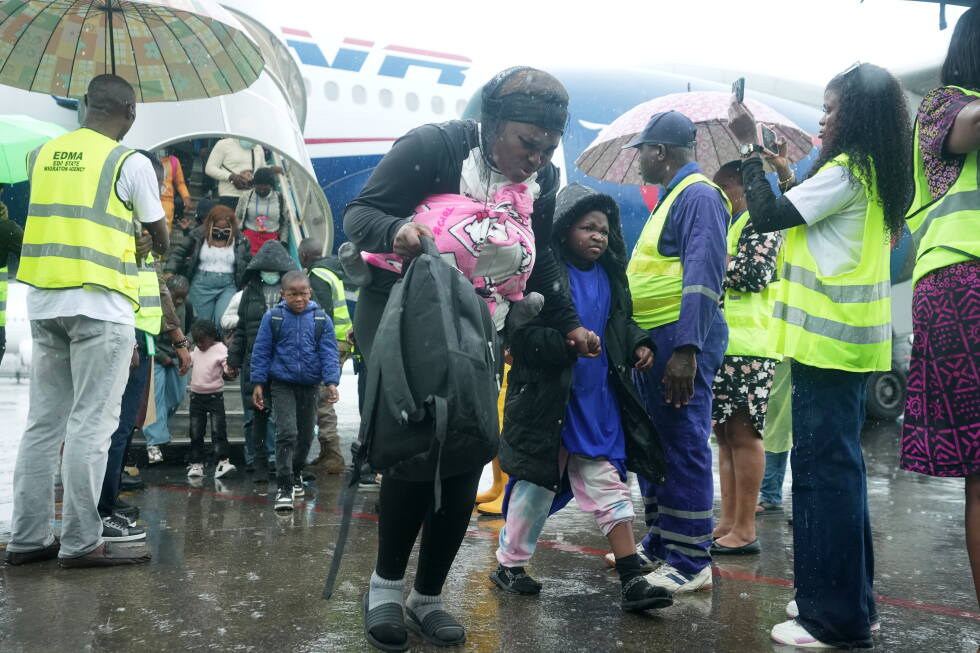
    As U.S. President Donald Trump escalates his nationwide crackdown on unauthorized immigration, Sierra Leone has become the newest African nation to accept deported migrants sent from American territory. A chartered Boeing flight carrying nine West African migrants touched down at Freetown International Airport, located just outside Sierra Leone’s capital, on Wednesday morning, in a move that spotlights the expanding scope of the Trump administration’s third-country deportation policy.

    Witnesses from the BBC confirmed the details of the arrival: the group of seven men and two women were visibly dejected upon landing, with one individual physically resisting removal from the aircraft before being forced off by officials. Official breakdowns of the group show five of the deportees are from Ghana, two are from Guinea, and one each hails from Nigeria and Senegal. After exiting the terminal, the group was escorted away from the airport in a marked white van to temporary housing facilities run by private contractor Kenvah Solutions.

    Weeks ahead of the arrival, Sierra Leone’s Foreign Minister Timothy Musa Kabba confirmed to Reuters that the country had struck an agreement with Washington to accept up to 300 deportees annually. Under the terms of the deal, however, only migrants who hold citizenship from member states of the Economic Community of West African States (ECOWAS), West Africa’s regional economic and political bloc, are eligible to be accepted into the country. ECOWAS free movement rules allow citizens of any member nation to reside in another member state for up to 90 days without a visa, but Kenvah Solutions has stated the deportees will only be permitted to stay at its temporary facilities for a maximum of two weeks, leaving the long-term residency status of the group unclear.

    This deportation operation is part of a broader policy launched shortly after Trump took office for a second term in January 2025. Dozens of migrants have already been sent to so-called “third countries” – nations where the deportees did not reside before moving to the United States. To date, the U.S. has already processed third-country deportations to multiple African countries, including the Democratic Republic of Congo, Ghana, South Sudan, and Eswatini. Unlike Sierra Leone and Ghana, which have restricted acceptance to ECOWAS citizens, these other nations have received deportees from regions outside Africa, including Colombia, Cuba, Mexico, and Vietnam.

    The financial and human cost of this policy has come under increasing scrutiny from lawmakers and human rights groups. A minority report from the U.S. Senate Foreign Relations Committee estimates that, as of January 2026, the Trump administration has likely spent more than $40 million on third-country deportation operations, though the full total expenditure remains undisclosed. Sierra Leonean authorities have not publicly disclosed any financial compensation or policy concessions they received in exchange for agreeing to accept the deportees.

    Human rights advocates have repeatedly condemned the practice, arguing that it violates core international human rights standards and exposes already vulnerable migrants to unnecessary harm. In September last year, Human Rights Watch issued an open call for African nations to reject what it described as “opaque deals,” arguing the agreements are deliberately structured to weaponize human suffering for political and diplomatic gain. Ghana, which has also agreed to accept U.S. deportees, has echoed Sierra Leone’s policy of only accepting ECOWAS citizens, with President John Mahama noting in September that free movement rules already allow West African nationals to enter Ghana without visa requirements.

  • Sorry, Arsenal fans, but a public holiday for you in Botswana is fake news

    Sorry, Arsenal fans, but a public holiday for you in Botswana is fake news

    In the wake of Arsenal’s long-awaited first Premier League title triumph in 22 years, Arsenal supporters across southern Africa’s Botswana were briefly sent into a frenzy of celebration last week, after a forged official government notice circulated online claiming the country would declare a special public holiday to honor the club’s historic win. But the excitement quickly fizzled out when Botswana’s national government stepped forward to debunk the document, confirming that the announcement was entirely fabricated.

    The counterfeit statement, which bore convincing official markings including the Republic of Botswana’s national coat of arms and an official stamp purportedly from the president’s office, claimed that President Duma Boko had approved the midweek holiday to recognize Arsenal fans’ “passion, loyalty and unwavering support” for the club. It declared Wednesday would be a paid day off for all public sector workers who supported the London-based side.

    Botswana’s government quickly moved to shut down the rumor, sharing a screenshot of the forged notice on its official X (formerly Twitter) account, overlaid with large red text reading “FAKE”. In a accompanying post, authorities made the matter clear: “No, there is no holiday for Arsenal fans.”

    Even before the official debunking, sharp-eyed football fans had spotted inconsistencies in the forged document that raised red flags. The fake notice was dated May 17, a Sunday — two full days before Arsenal’s title win was actually confirmed. The club secured the championship only last Tuesday, when their closest title contender Manchester City dropped points in a 1-1 draw against Bournemouth.

    The bizarre incident has sparked playful speculation across social media, with one X user joking that the prank was almost certainly orchestrated by a supporter of Manchester United, Arsenal’s long-time domestic rival, as a lighthearted trick to upset Arsenal’s fanbase in Botswana.

  • Why does Ebola keep on occurring in DR Congo?

    Why does Ebola keep on occurring in DR Congo?

    When the Ebola virus was first documented in 1976, the discovery took place in the forests of what is today known as the Democratic Republic of Congo (DRC). Nearly five decades later, this Central African nation finds itself grappling with its 17th recorded outbreak of the deadly hemorrhagic fever, a statistic that underscores a long-standing public health challenge that has repeatedly put communities, healthcare systems, and global health bodies on high alert.

    The repeated emergence of Ebola in the DRC stems from a complex web of interconnected environmental, socioeconomic, and infrastructural factors that have made the country particularly vulnerable to recurring outbreaks. Ecologically, the DRC’s vast expanse of untouched tropical rainforest provides a natural reservoir for the Ebola virus, which circulates among wild animal populations—most notably fruit bats, the primary zoonotic host linked to human spillover events. As human settlements expand into forested areas in search of farmland, firewood, and bushmeat, contact between people and infected wildlife becomes more frequent, creating consistent opportunities for the virus to jump from animal populations to human communities.

    Beyond environmental drivers, systemic weaknesses in the DRC’s public health infrastructure have turned sporadic spillover events into full-blown outbreaks. Many remote rural regions, where most Ebola outbreaks first emerge, lack basic healthcare facilities, trained medical staff, and rapid diagnostic capabilities. This means initial cases often go undetected for weeks, giving the virus time to spread through family clusters and local communities before response teams can mobilize. Additionally, decades of political instability, intermittent conflict in eastern parts of the country, and limited government resources have hampered long-term efforts to build resilient public health systems that can prevent and quickly contain outbreaks.

    Cultural practices around burial and community care also play a role in sustained transmission. Traditional funeral rites, which involve close physical contact with the deceased, have been a major vector for Ebola spread in past outbreaks, as the virus remains highly contagious in the body after death. Deep-rooted mistrust of government authorities and foreign medical interventions, rooted in a history of colonial exploitation and inconsistent state outreach, has at times led communities to hide cases and resist containment efforts such as contact tracing and vaccination campaigns, further extending the duration of outbreaks.

    Today, as the DRC confronts its 17th outbreak, global and local health organizations are working to address both the immediate response and the underlying drivers of recurrence. New vaccine candidates and rapid response protocols have improved outcomes in recent years, but experts agree that long-term solutions will require sustained investment in healthcare infrastructure, community engagement programs, and economic development to reduce the pressure that pushes communities into high-risk forest interactions. Until those root causes are addressed, the threat of future Ebola outbreaks will remain a persistent challenge for the DRC and the global public health community.

  • More die of suspected Ebola as WHO warns that numbers will rise further

    More die of suspected Ebola as WHO warns that numbers will rise further

    The World Health Organization has formally categorized the ongoing Ebola outbreak centered in the eastern Democratic Republic of Congo as a Public Health Emergency of International Concern (PHEIC), though it stopped short of classifying the event as a pandemic, the organization’s director-general Dr. Tedros Adhanom Ghebreyesus announced Wednesday.

    As of the latest update, global health officials have confirmed 51 Ebola cases across DR Congo, with an additional two confirmed infections recorded in neighboring Uganda – both of which are linked to travelers who entered the country from the outbreak zone in DR Congo. In total, the WHO is tracking more than 600 suspected cases and 139 suspected deaths across the region, with Dr. Ghebreyesus confirming that official case counts are projected to climb in the coming weeks, due to inherent lags in laboratory testing and viral detection.

    Genetic sequencing has identified the outbreak as caused by the rare Bundibugyo strain of Ebola, a variant that has not circulated widely for more than 10 years. Speaking to reporters at the WHO’s Geneva headquarters, Dr. Ghebreyesus noted that epidemiological tracing suggests the outbreak likely began circulating undetected for roughly two months before it was officially detected. The first documented case was a nurse who developed Ebola symptoms and died in late April in Bunia, the capital of Ituri province – the current epicenter of the outbreak. The nurse’s remains were later transported to Mongwalu, one of two hard-hit gold-mining communities where the majority of confirmed cases have been documented.

    Confirmed cases in DR Congo are concentrated in two eastern provinces: Ituri, where four local administrative areas (Mongwalu, Bunia, Rwampara and Nyakunde) have reported transmissions, and North Kivu, where cases have been recorded in Butembo and Goma, eastern DR Congo’s largest urban center that is partially controlled by armed rebel groups. The two Ugandan confirmed cases, both detected in the capital Kampala, have direct travel history to the outbreak zone in DR Congo.

    “We know the actual scale of the epidemic in DRC is much larger than the current confirmed case count,” Dr. Ghebreyesus told reporters. Following a Tuesday meeting of the WHO’s independent emergency committee, the global body reaffirmed its assessment that the outbreak carries high risk at national and regional levels, but remains low risk at the global stage, and does not qualify as a pandemic emergency.

    This marks the 17th Ebola outbreak that DR Congo has responded to since the virus was first identified, but the Bundibugyo variant presents unique public health challenges. The strain has only caused two previous recorded outbreaks globally, with a historical mortality rate of roughly 33 percent among confirmed infected patients. Unlike the more common Zaire Ebola strain that DR Congo has repeatedly responded to, there is no widely approved vaccine or targeted antiviral treatment for Bundibugyo Ebola. Health officials note that experimental vaccines for the variant are still in development, though existing vaccines approved for the Zaire strain may offer some cross-protection for exposed individuals.

    Compounding response efforts, the eastern region of DR Congo has been plagued by decades of armed conflict and political instability, which limits access for international response teams and makes contact tracing and patient care far more difficult to implement effectively.

  • Risk of Ebola spread is high locally but low globally, WHO says

    Risk of Ebola spread is high locally but low globally, WHO says

    BUNIA, Democratic Republic of the Congo — A growing Ebola outbreak caused by the rare Bundibugyo strain in eastern Democratic Republic of the Congo (DRC) and neighboring Uganda carries high transmission risks at national and regional levels, while the global threat remains low, the World Health Organization confirmed Wednesday.

    The updated risk assessment comes as response teams race to contain an outbreak that has already claimed 134 suspected lives, and WHO’s DRC mission lead warned the epidemic could persist for at least two more months even as aid operations scale up.

    The WHO previously designated the outbreak a Public Health Emergency of International Concern (PHEIC), a status that demands a coordinated, global collective response to curb spread. On Tuesday, the agency already raised alarm over the outbreak’s alarming growth trajectory and rapid transmission pace.

    Health experts and frontline aid workers note the outbreak has been marked by critical early setbacks: the rare Bundibugyo strain spread undetected for weeks after the first recorded fatality, as authorities initially tested for more common Ebola variants and returned negative results. Currently, no officially approved treatments or licensed vaccines exist specifically for the Bundibugyo strain, leaving response teams with limited targeted tools. Local residents already grappling with long-running instability report sharp price hikes for basic protective supplies, including face masks and disinfectants, as demand surges.

    As of Wednesday, WHO Director-General Tedros Adhanom Ghebreyesus confirmed 51 confirmed cases across DRC’s conflict-affected Ituri and North Kivu provinces, plus two additional confirmed cases in Uganda. There are also nearly 600 additional suspected cases and deaths, and Tedros warned case counts will continue to climb in the coming weeks. “We know that the scale of the epidemic is much larger,” he stated, adding that upward revisions to case numbers are expected as surveillance expands.

    Multiple structural challenges continue to hamper containment efforts. The first recorded death from the current outbreak was recorded in Bunia on April 24, but official confirmation of the strain took weeks. The victim’s body was repatriated to Mongbwalu, a populous gold-mining region that has since become the outbreak’s epicenter, a delay that DRC Health Minister Samuel Roger Kamba confirmed directly fueled the epidemic’s escalation. To date, response teams have not yet identified the index case (patient zero) of the outbreak, WHO’s DRC lead Dr. Anne Ancia confirmed.

    Beyond detection delays, large cross-border population movements in the region and a long-running pre-existing humanitarian crisis have complicated response work. Large swathes of eastern DRC remain controlled by armed rebel groups, blocking aid teams from accessing high-risk areas. Dr. Ancia added that recent funding cuts have also severely undermined the work of frontline humanitarian organizations, stretching already thin resources even thinner.

    To address the lack of targeted vaccines, DRC’s national biomedical research institute expects imminent shipments of an experimental broad-spectrum Ebola vaccine developed by Oxford University researchers from the United States and the United Kingdom. “We will administer the vaccine and see who develops the disease,” explained Jean-Jacques Muyembe, leading virus expert at the institute, outlining the trial protocol for the unapproved product.

    The United States has also committed additional support: U.S. Secretary of State Marco Rubio announced Tuesday that the Trump administration will prioritize funding for 50 new emergency clinics in affected regions, building on the $13 million Washington has already allocated to the response, with more funding to come.

    On the ground in Bunia, where the first fatality was recorded, daily life has partially continued: schools and churches remained open Wednesday, though many residents now wear face masks in public. Still, supply shortages have sent prices skyrocketing: local residents report that a bottle of disinfectant that previously cost 2,500 Congolese francs now retails for as much as 10,000 francs ($4.4), and masks have become nearly impossible to source at any price. “It’s truly sad and painful because we’ve already been through a security crisis, and now Ebola is here too,” said Bunia resident Justin Ndasi. “We have to protect ourselves to avoid this epidemic.”

    Frontline medical groups say local health infrastructure is already overwhelmed. Trish Newport, emergency program manager for Doctors Without Borders (MSF), said her team identified multiple suspected cases over the weekend at Bunia’s Salama Hospital, which lacks any dedicated Ebola isolation ward. When they tried to transfer patients to other facilities, every available bed was already occupied. “Every health facility they called said, ‘We’re full of suspects cases. We don’t have any space.’ This gives you a vision of how crazy it is right now,” Newport said.

    In Mongbwalu, the outbreak’s epicenter, the border with Uganda remains open and commercial gold mining operations continue, according to local civil society leader Chérubin Kuku Ndilawa. While widespread panic has not taken hold, with residents continuing daily routines, community awareness efforts are just starting to scale up. Ndilawa added that a lack of basic public health infrastructure, including handwashing stations in high-traffic public areas, continues to hinder containment work. At Mongbwalu General Hospital, former director Dr. Didier Pay reported the facility is currently caring for around 30 confirmed Ebola patients, and a local medical technology student died from the virus Wednesday morning.

    AP writers Jamey Keaten in Geneva and Wilson McMakin in Dakar contributed reporting to this article. AP’s global health and development coverage in Africa is supported by funding from the Gates Foundation; the AP maintains full editorial control over all content.

  • Nigeria arrests former minister in hiding after corruption conviction

    Nigeria arrests former minister in hiding after corruption conviction

    Nigeria’s top anti-graft body has apprehended a former federal power minister more than a week after a court handed down a substantial 75-year prison sentence for his role in diverting public funds earmarked for critical energy infrastructure, in a rare high-profile win for the West African country’s embattled fight against institutional corruption.

    The Economic and Financial Crimes Commission (EFCC) confirmed that Saleh Mamman, who held the power minister portfolio from 2019 to 2021 under former President Muhammadu Buhari, was taken into custody in the early hours of Tuesday in northern Nigeria’s Kaduna State. The arrest followed weeks of coordinated surveillance and intelligence work by the agency’s operatives, after Mamman evaded authorities by going into hiding immediately following his conviction at an Abuja court earlier this month.

    Mamman was tried in absentia after he failed to appear for his ruling, and was found guilty on 12 separate criminal charges connected to the siphoning of billions of naira allocated for two major hydroelectric power projects. Presiding judge established that prosecutors had successfully proven the charges beyond a reasonable doubt, documenting that Mamman and his network of associates used shell proxy companies to divert at least 22 billion naira, equal to roughly $14 million or £10 million, from the public infrastructure projects. The judge labeled the misappropriation a gross violation of the public trust placed in the former minister, noting that the stolen funds were intended to expand and improve Nigeria’s chronically unreliable electricity grid.

    In a public statement following the arrest, EFCC Chairman Ola Olukoyede reaffirmed the agency’s commitment to ensuring the convicted former official serves out his full sentence. The multiple charges carried individual prison terms that are set to run consecutively, adding up to a total 75-year custodial sentence. “For us, getting the convict to serve his jail terms is extremely important in view of the seriousness with which we are tackling corrupt practices,” Olukoyede said.

    The arrest marks an unusual example of follow-through in Nigeria’s campaign against high-level public corruption, where convictions of senior government officials remain extremely uncommon. Mamman also faces a separate ongoing corruption trial in Abuja centered on allegations of fraud involving an additional 31 billion naira, and an arrest warrant was already issued for him in that case earlier this month after he failed to appear for hearings.

    Mamman’s conviction and arrest have reignited public anger over Nigeria’s persistent electricity crisis, a issue that the former minister had pledged to resolve during his time in office. Despite holding status as one of Africa’s largest energy producers, Nigeria continues to grapple with widespread, frequent blackouts that disrupt daily life for residential users and cripple business operations across the country. Millions of Nigerians rely on expensive private fuel generators to meet their power needs, a burden that has grown heavier in recent years amid skyrocketing global fuel prices.

    This report was originally sourced from BBC Africa coverage of Nigerian affairs.

  • ‘Ebola has tortured us’: Fear grips eastern DR Congo as deadly virus spreads

    ‘Ebola has tortured us’: Fear grips eastern DR Congo as deadly virus spreads

    A rapidly expanding Ebola outbreak in the eastern region of the Democratic Republic of the Congo (DRC) has sparked widespread public fear, triggered an international public health emergency declaration, and left more than 130 people dead as response teams race to contain a virus that spread undetected for weeks.

    As of Tuesday, official data counts 513 suspected cases across multiple provinces, with 136 confirmed fatalities in the DRC and one additional death recorded in neighboring Uganda. Cases have already spread beyond the Ituri province epicenter to reach major population centers including Butembo, Goma, and areas of South Kivu, raising alarm among public health authorities about the outbreak’s trajectory.

    Local communities in the gold-mining hubs at the center of the outbreak have been gripped by anxiety since the first cases emerged. “Ebola has tortured us,” a 20-something taxi driver in Rwampara told reporters. “I am scared because people are dying very fast… We are really afraid.” Local resident Fred Kiza added that widespread fear is an unavoidable response to the crisis, noting that basic protective supplies like face masks remain scarce for at-risk communities.

    Congolese Health Minister Dr Samuel Roger Kamba, who visited the Ituri outbreak epicenter over the weekend, acknowledged that response teams are already playing catch-up against a virus that may have begun circulating long before it was first formally detected on April 24. The presumed index patient, a nurse who died in the provincial capital of Bunia, was buried in Mongwalu, another gold-mining town that has recorded the majority of the outbreak’s suspected cases and deaths alongside neighboring Rwampara.

    Official community reporting of unexplained deaths and illness only began on May 8, meaning many early fatalities went unrecorded and uninvestigated. “At community level, this hasn’t been effective,” Dr Kamba explained. “It means someone may have died before him [the presumed index case], or someone else may have been sick before him, but no one reported it. We really need to look within the community to understand what happened – how people became ill and sometimes even died without any report being filed.”

    Complicating detection and response is the specific strain of Ebola causing this outbreak: the Bundibugyo variant, which is far less common in the DRC than the more widely known Zaïre strain. The DRC is currently facing its 17th Ebola outbreak, and local health systems were mostly prepared for the Zaïre variant. Before this current event, Bundibugyo had only caused two small outbreaks, in 2007 and 2012, and has a documented mortality rate of around 30 percent.

    The Bundibugyo strain also presents more subtle symptoms than many people familiar with Ebola expect, leading to dangerous diagnostic delays. “There is heavy bleeding everywhere, very high fever. But Bundibugyo can show fewer obvious signs, which delays diagnosis because people think, ‘No, this is just malaria,’” Dr Kamba said. In some Mongwalu communities, early deaths were incorrectly attributed to witchcraft rather than a contagious virus, fueling a local belief called the “coffin phenomenon” that anyone who touches an infected person’s coffin will also die.

    International aid group Save the Children confirmed that the Bundibugyo strain had never been detected in Ituri before this outbreak, and initial limited testing only screened for the Zaïre strain, returning false negative results. “By the time the Bundibugyo strain was detected, it had already spread quite far. We are in a game of catch-up,” said Greg Ramm, the organization’s DRC representative.

    Five days after the outbreak was formally declared, none of the major affected urban centers—Bunia, Butembo, and Goma, each home to hundreds of thousands of residents—have a fully operational Ebola treatment center, leaving local residents frustrated with the slow pace of response. “If there’s no treatment centre here in the capital, then what about other areas?” one Bunia resident asked.

    In Goma, eastern DRC’s largest city and a major regional trading hub, basic public health safety measures—including social distancing, limited gatherings, regular handwashing, and mask-wearing—are widely ignored. Many residents say daily survival takes priority over virus prevention rules, while low awareness contributes to low compliance. “It’s too much to ask people struggling to eat to follow these rules,” one local resident explained. Local journalist José Mutanava noted that he wears a mask for work, but barely any other residents in the city do.

    The unstable security environment in eastern DRC adds another layer of complexity to response efforts. Four of the five affected administrative areas are in Ituri, while Goma in North Kivu is currently controlled by M23 rebel forces, and Butembo, North Kivu’s second-largest city, faces ongoing militia violence. Hundreds of thousands of people are already displaced in the region, and local healthcare systems were already severely stretched before the outbreak began.

    “The Ebola outbreak is a new massive crisis on top of an already difficult situation,” Save the Children said in a statement.

    The outbreak has already had international ripple effects: an American doctor working at Nyakunde Hospital in Ituri has tested positive for the virus. The U.S. Centers for Disease Control and Prevention confirmed that one American has already been evacuated to Germany for treatment, and the agency is working to evacuate at least six other Americans who had close contact with infected patients.

    The U.S. government has announced $13 million in emergency humanitarian assistance for the DRC and Uganda, and is considering additional funding through the United Nations’ pooled humanitarian fund, alongside implementing targeted travel restrictions linked to the outbreak. On May 15, after confirmed community spread was documented, the World Health Organization declared the outbreak a Public Health Emergency of International Concern, the highest level of global public health alert.

    For now, Congolese authorities say they are drawing on decades of hard-earned experience responding to Ebola outbreaks, relying on tried-and-true public health measures to curb the spread of the 17th Ebola outbreak the country has faced.