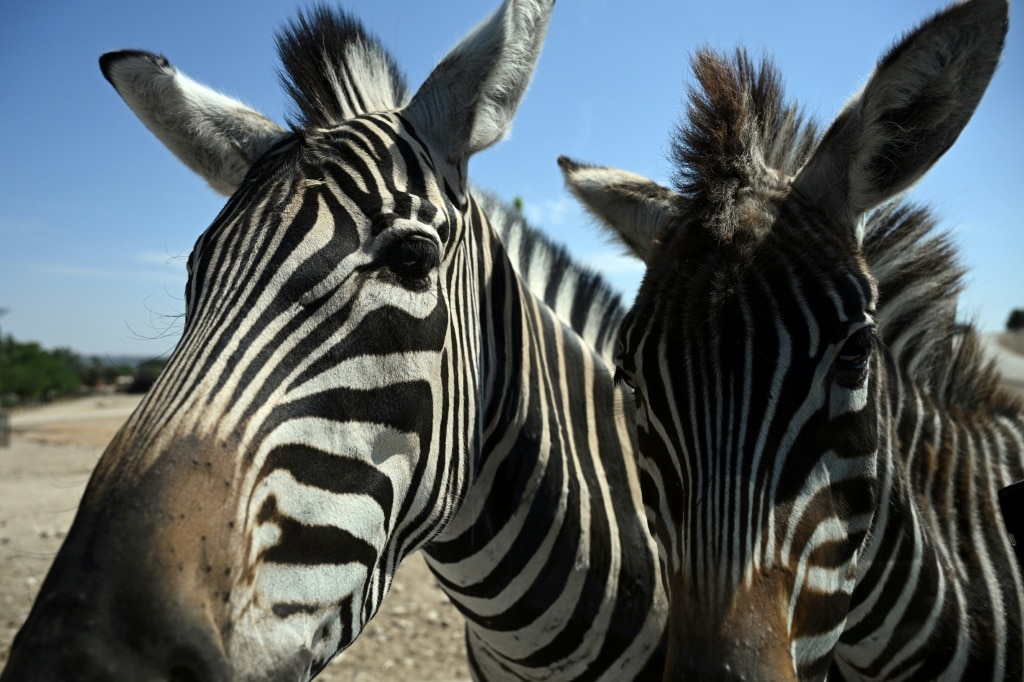
A devastating wildfire that swept across central Spain, scorching 77,000 hectares of land across the Madrid region and neighboring Avila province, brought chaos and destruction to communities near Aldea del Fresno — but it revealed a surprising calm among most of the 2,000 animals residing at Safari Madrid, the region’s largest wildlife park.
As flames crept toward the park’s borders and raged along the surrounding hill ridges, painting the night sky a menacing bright red, most wild residents of the park carried on with their daily routines unbothered. Bison continued grazing peacefully on open grasslands, while large predators like lions and tigers napped through the roar of fire engines and the wail of emergency sirens. Only one group of animals showed visible signs of stress, veterinarian Christian Cabrera, a 36-year-old member of the park’s core staff, told AFP. Giraffes, naturally skittish and easily frightened by unusual disruption, struggled with appetite and remained agitated throughout the emergency.
Evacuation was never an option for the park’s largest inhabitants, Cabrera explained. Moving even a single adult elephant requires months of advance planning, with pre-anesthesia preparation alone taking up to 10 hours of coordinated work, making emergency evacuation logistically impossible. As the wildfire advanced, most of the park’s 26 on-site keepers were evacuated for their own safety, leaving just four staff members including Cabrera to stay behind and protect the animals. For five straight days, the remaining team got almost no sleep, navigating hours of intense uncertainty as flames edged closer to the park’s boundaries.
“We went through hours of real terror when we saw the fire getting close and we did not know if we would be able to stop it,” Cabrera recalled. “We have become attached to some of these animals over many years. We are hugely responsible for them. That was our top priority — keeping the animals safe, no matter what. There was terrible anxiety through those days.”
Staff implemented the only contingency plan possible: the largest species, including big cats and elephants, were moved into reinforced indoor shelters for protection. Smaller roaming species such as deer, camels, and monkeys were left in their vast outdoor enclosures, where overgrazing had already removed most dry flammable grass, creating a natural fire break that kept advancing flames from reaching their enclosures.
After six days of forced closure, Safari Madrid welcomed back a small stream of visitors starting Wednesday morning, a milestone that brought relief to staff and visitors alike. On the reopened drive-through route, ostriches and dromedaries still approach passing cars in hopes of getting treats, while lions lounge in tree shade and alligators bask in the warm summer sun, seemingly unbothered by the recent upheaval. Cabrera noted that the animals’ overall calm was a huge relief for the skeleton staff that stayed behind during the fire; widespread panic among the animals would have created far more crises for the small team to manage.
While the park itself escaped major damage, the surrounding landscape still bears the brutal marks of the wildfire. From the monkey enclosure, visitors can look out on blackened hillsides and charred vegetation that stretch across the surrounding countryside. Elena Alonso, a 21-year-old language student who traveled from Valladolid to visit the park with friends, said the contrast between the calm park and the devastated surrounding land was striking.
“We passed lots of places that were blackened and burnt — it was really sad,” Alonso said. “I think the firefighters did an amazing job. We would not have bet a penny on being here today.” Despite the destruction nearby, Alonso said her group enjoyed the visit, with no issues encountering the animals.
Beyond protecting the wildlife at Safari Madrid, firefighters prioritized defending the park to stop the blaze from spreading to nearby residential developments surrounding Aldea del Fresno, which sits adjacent to the park grounds. For Susana Barrul, a 39-year-old homemaker who lives at a nearby campsite that suffered minor fire damage, the fire breaks dug by firefighters around the park saved her property. Barrul and her family were forced to evacuate to a sports hall in a neighboring town for several days, and returned Tuesday evening to find their plot untouched by flames.
Now, as the park reopens and residents return to their homes, communities across the fire zone are working to get back to normal life after the disaster. “we are trying to get back to normal life,” Barrul said.