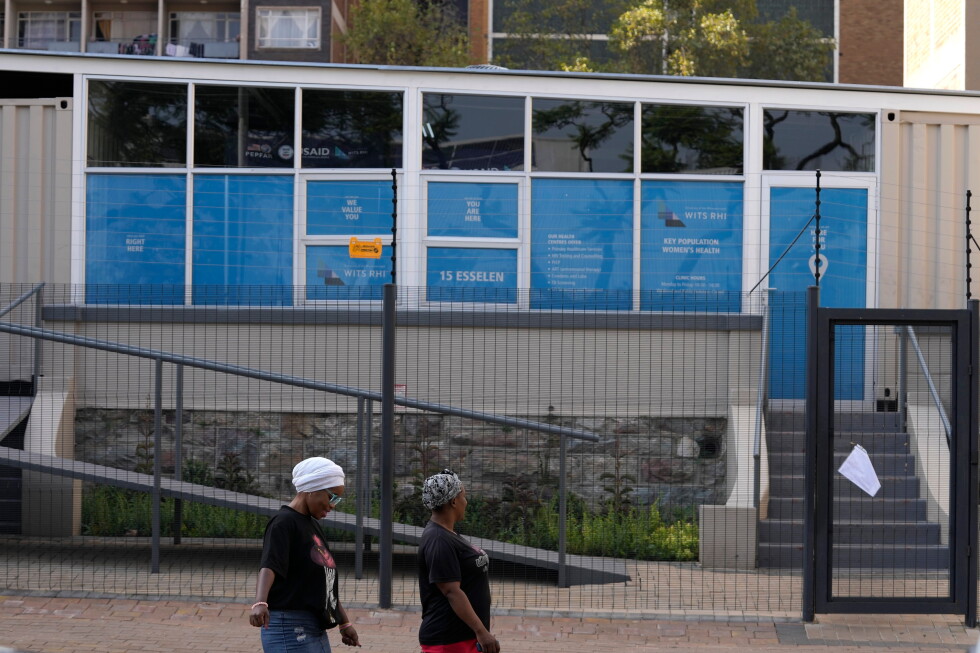
JOHANNESBURG – A sweeping rollback of U.S. foreign assistance spearheaded by the second Trump administration is pushing South Africa’s long-running fight against HIV/AIDS into uncharted crisis, with civil society groups warning that adolescent girls and women — already among the nation’s most at-risk populations for HIV infection — are bearing the earliest and most severe brunt of the cuts.
The program facing elimination is the President’s Emergency Plan for AIDS Relief, better known globally as PEPFAR, a landmark U.S. initiative that has backed South Africa’s HIV response for two decades. PEPFAR is widely celebrated by global public health experts for saving more than 20 million lives across the world since its launch, with South Africa — home to the world’s largest HIV-positive population — as one of its core beneficiaries. The program delivers more than $400 million in annual support to the country’s public health infrastructure for HIV care and prevention.
The U.S. State Department confirmed it is implementing a phased drawdown of most PEPFAR activities in South Africa, with full wind-down of core programming scheduled for completion by the end of September 2025. Only limited critical personnel support will extend through March 2026, officials confirmed.
The aid cut comes as part of broader global foreign aid reductions outlined in a January 2025 executive order from President Donald Trump, who issued a full halt on all U.S. financial assistance to South Africa the following month. The Trump administration has justified the freeze by citing a slate of political disagreements with the South African government: the country’s Black Economic Empowerment policies, its controversial land expropriation legislation, and South Africa’s prominent legal case against Israel at the International Court of Justice, where Pretoria has accused Israel of committing genocide in Gaza. The administration also amplified widely disputed claims that white Afrikaner minority communities face systemic genocide in South Africa.
Israel has forcefully denied South Africa’s genocide allegations, countering that the October 7, 2023, cross-border attack by Hamas-led militants that killed approximately 1,200 people in southern Israel itself constitutes an act of genocide. A State Department spokesperson confirmed to the Associated Press this week that PEPFAR withdrawal was conditional: South African leaders were told the funding would be pulled unless they addressed U.S. demands, including a requirement that senior government officials more frequently and unequivocally condemn what the U.S. frames as race-based incitement to violence, specifically the anti-apartheid struggle song “Kill the Boer,” which some critics interpret as a call for violence against white Afrikaner farmers.
Official data from South Africa puts the nation’s HIV-positive population at roughly 8 million people — 12.7% of its total 63-million population. PEPFAR funding accounts for approximately 17% of the South African government’s overall budget for HIV programming. Importantly, the funding does not cover the bulk of antiretroviral drug purchases: 90% of the country’s ARV supply is self-funded, with the remaining 10% covered by the Global Fund to Fight AIDS, Tuberculosis and Malaria. Even so, the withdrawal has already inflicted tangible damage across 27 South African districts, where community HIV support facilities have shuttered and hundreds of frontline workers and outreach volunteers have been laid off.
South Africa’s national health department has been preparing for the aid cut since the initial January 2025 freeze on U.S. foreign assistance and cancellation of USAID grants, spokesperson Foster Mohale told reporters. The government launched a self-reliance plan to mitigate the impact of the withdrawal, and allocated $45 million in emergency funding last year to fill gaps left by the lost PEPFAR support. But civil society groups that have conducted on-the-ground impact assessments in high-prevalence districts say emergency funding has not been enough to offset the loss, especially for prevention services.
Section27, a leading South African civil society organization focused on health rights, recently assessed the cuts in three high-burden districts and found prevention programming has been hit hardest. As public health systems face strained resources, authorities have shifted priorities to maintaining existing treatment access for people already living with HIV — a necessary shift that comes at the cost of stopping new infections, explained Tendai Mafuma, senior legal researcher at Section27.
The Anova Health Institute, one of the largest organizations that delivered PEPFAR-funded programming in the country, has already wound down all PEPFAR-supported activities and laid off approximately 3,000 health workers since 2024. Dr. Kate Rees, a public health medicine specialist at Anova, said community-based delivery of pre-exposure prophylaxis (PrEP) — a critical medication that prevents HIV transmission — and other prevention services have been gutted by the cuts.
“Community delivery of prevention is important to reach the people that need it most,” Rees said. Along with adolescent girls and young women, Rees added, the groups most impacted include children, young people, and key at-risk populations such as men who have sex with men and people who use drugs — groups that rely heavily on outreach services to access life-saving care.