Australia has emerged as a global leader in pushing for stricter online safety standards, and its latest regulatory audit has cast a sharp spotlight on systemic failures among the world’s most popular online gaming platforms to protect underage users. The Australian eSafety Commission’s new report, released following a six-month review between October 2025 and March 2026, identifies widespread inconsistencies and critical gaps in child protection protocols across four major platforms: Steam, Roblox, Fortnite, and Minecraft.
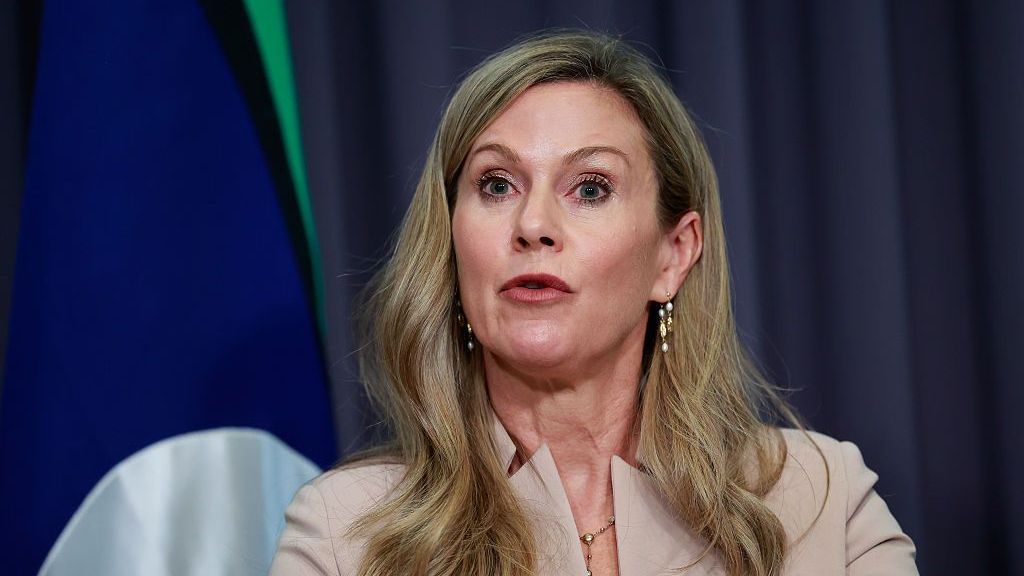
With nine in 10 Australian children aged 8 to 17 regularly participating in online gaming, the stakes of these failures could not be higher, eSafety Commissioner Julie Inman Grant emphasized. “Australian children have a right to play online without being exposed to predators, sexual extortionists, violent extremist content or other harmful material,” she stated. Inman Grant warned that weak safety frameworks allow predatory adults to easily contact and groom children for sexual exploitation or radicalization, turning popular recreational spaces into potential venues for harm.
The audit uncovered a range of specific shortcomings across the platforms. Most notably, US gaming giant Valve, which owns Steam and its in-built chat function, was the only provider of the four that declined to adopt widely used industry-standard technology designed to detect and remove known harmful content. The report found that Steam’s current systems only actively flag scams, failing to proactively scan chats for indicators of child sexual exploitation or violent extremist material. Both Valve and Roblox were also cited for relying solely on internal datasets to train their content detection AI models, and for failing to regularly retrain these algorithms to adapt to emerging threats—a practice that leaves their systems less effective at catching new forms of harm.
Age verification, a foundational child protection measure, was also found to be inconsistently implemented across the sector. Both Fortnite (owned by Epic Games) and Minecraft (owned by Microsoft) rely primarily on user self-declaration of age, even for platforms that offer dedicated child accounts. This loophole allows any user to falsely claim adult status and gain access to unmoderated, higher-risk communication features that would otherwise be restricted to adult users. While Steam also originally used self-reported age data, the report acknowledged the platform has recently introduced credit card-based age checks, and Roblox has implemented stronger verification protocols since December 2025.
Another key failing highlighted in the audit is the lack of cross-platform collaboration to combat systemic harm. The report noted that Mojang Studios (Minecraft’s developer) and Roblox actively contribute industry expertise to global initiatives targeting online child sexual exploitation and violent extremism, but Valve has refused to participate. Epic Games, the maker of Fortnite, also failed to share data about child safety breaches with other platforms as required by a global information-sharing program designed to coordinate responses to online child abuse.
Australia’s new audit comes as the country continues to cement its reputation as a global trailblazer in online safety regulation. Last December, it introduced a world-first ban on social media use for children under 16—a policy that drew international attention, though it notably excluded gaming platforms from its scope. More recently, the government has pushed new rules requiring large tech companies to give users the option to opt out of algorithmic content feeds, in a bid to reduce harmful exposure to addictive or inappropriate content.
As of the report’s release, the eSafety Commission has confirmed it has reached out to Valve, Epic Games, Roblox, and Microsoft for comment on its findings. Inman Grant issued a clear call to action for all platforms to immediately address the identified gaps. “We expect these services to lift their game to identify and combat serious harms such as child sexual exploitation, sexual extortion and material and activity which promotes, incites or instructs violence,” she said.